12 Songs That Were Banned From Radio for Unexpected Reasons
Music has always had a complicated relationship with power. Ever since broadcasters gained control over the airwaves, they have also gained the power to decide what you hear, and just as importantly, what you don’t. Some bans make obvious sense. Others are so absurd they make you laugh, then cringe, then wonder what the people in charge were actually thinking.
The stories behind these bans reveal far more about the fears and obsessions of their time than they do about the music itself. Whether it was a soft drink brand, a stutter, or a friendly Halloween sing-along, the reasons radio stations pulled these songs will genuinely surprise you. Let’s dive in.
1. “Monster Mash” by Bobby “Boris” Pickett – Too Morbid for British Ears
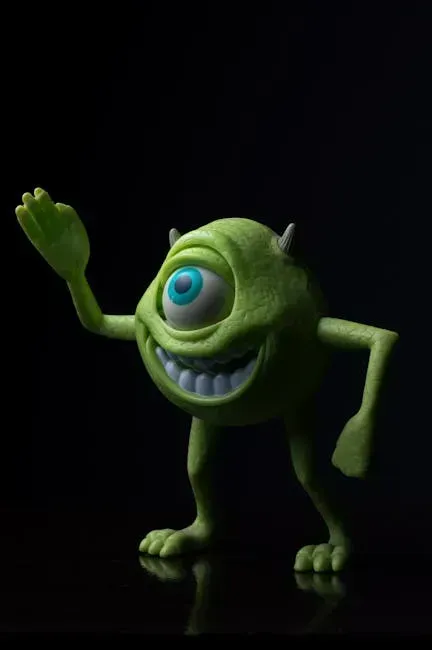
It is one of the most cheerful, silly, spooky songs ever recorded. Bobby “Boris” Pickett’s 1962 classic “Monster Mash” sees frequent play every single Halloween and has popped up in cartoons and movies for decades. It is quite literally a song about a mad scientist starting a new dance craze for monsters like Dracula and the Wolfman. Honestly, it is hard to think of anything less threatening.
Not everyone was a fan of the mash, though. The BBC felt the song was too morbid to be played on the radio and banned the song for 11 years. The BBC banned the Halloween novelty single on September 10, 1962, finding it in poor taste. However, in 1973 the radio giant lifted the ban, sending a re-release of the holiday favorite to number 3.
2. “Lola” by The Kinks – A Soft Drink Started It All
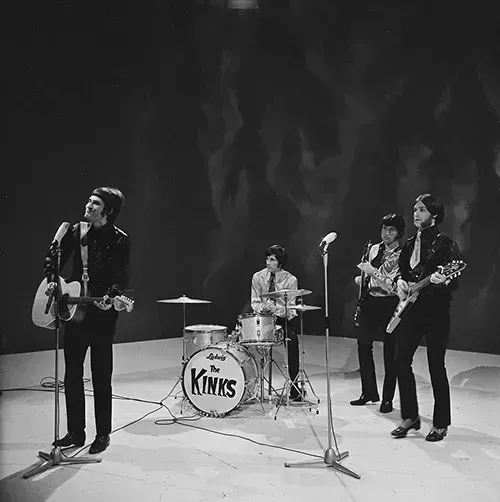
If you are ready to get nit-picky, “Lola” by The Kinks was banned by the BBC after its release in 1970 for a pretty bizarre reason. Notably, the song was written about a love affair between a transgender woman and a cis man, which seems like the reason it would have been banned back in 1970 – but that was not the reason at all. The BBC had a completely different problem with it.
The BBC banned the track because the original stereo recording had the words “Coca-Cola” in the lyrics. Because of BBC Radio’s policy against product placement, Ray Davies was forced to make a 6,000-mile round-trip flight from New York to London and back on June 3, 1970, interrupting the band’s American tour, to change those words to the generic “cherry cola.” According to the Official Charts Company, “Lola” still reached number 2 in the United Kingdom.
3. “My Generation” by The Who – The BBC Was Worried About Stutterers
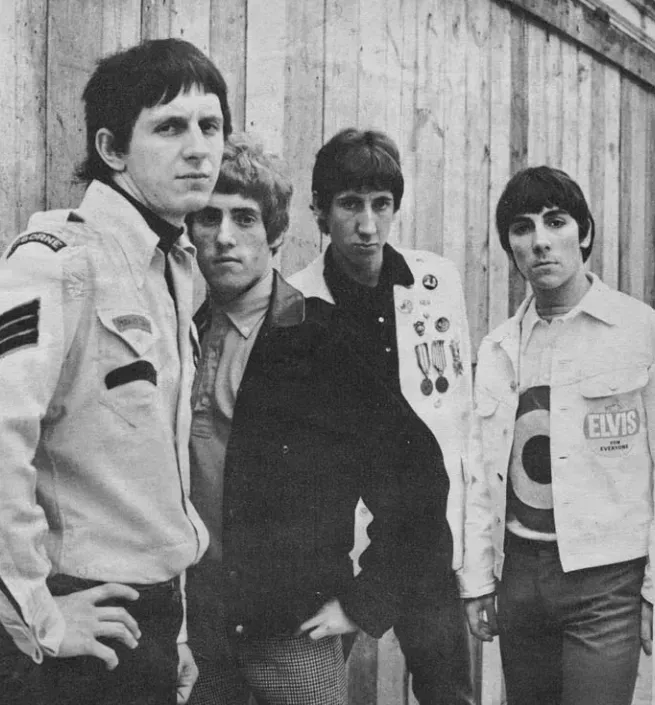
“My Generation” was banned from the radio for a reason unrelated to its lyrical content. The song featured vocals that resembled stuttering. Afraid to offend people with actual stuttering problems, the BBC prohibited the song from receiving airplay. Later, when the song proved to be a huge hit, they allowed it. Let that sink in for a second.
The song received widespread airplay on pirate radio, however, and after selling 300,000 copies the BBC relented and allowed it to enter regular play. Most people thought the suggestion of a much more offensive word was the real reason for the ban. Apparently, even the suggestion of an obscenity was enough for them. It is hard to say for sure which fear was bigger, but the stutter story remains the one that truly baffles music historians.
4. “Relax” by Frankie Goes to Hollywood – One DJ Started a Movement
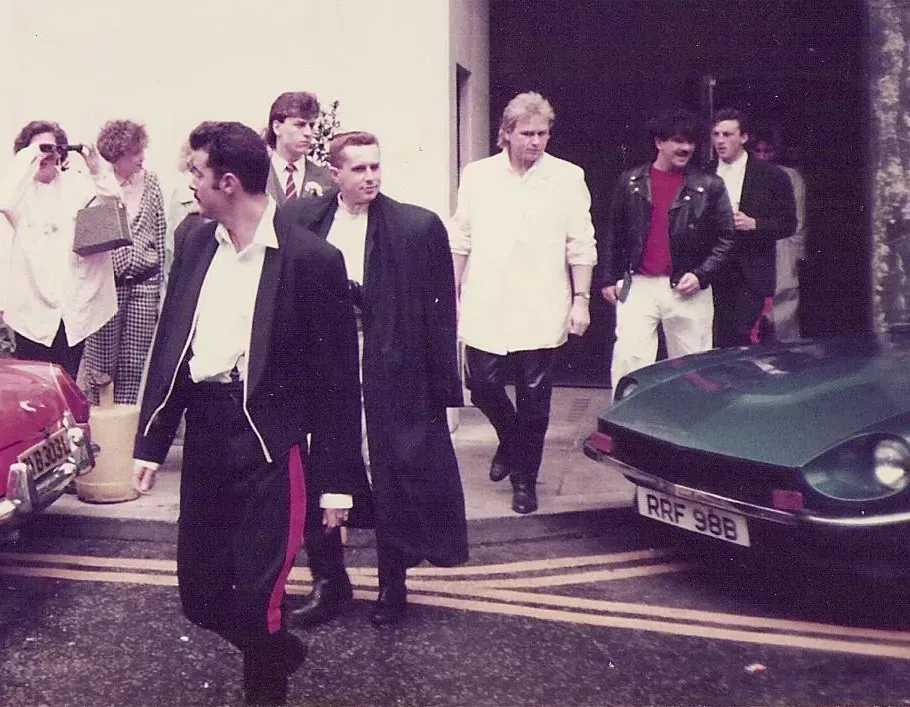
In January 1984, Radio 1’s Mike Read refused to play Frankie Goes to Hollywood’s “Relax” on his mid-morning show, declaring it “overtly obscene,” a decision which the BBC then followed. What is remarkable here is that one individual broadcaster essentially kicked off an official institutional ban with a single personal objection.
The song went unheard on BBC radio and television throughout most of 1984. Commercial radio stations had continued to play the track throughout the controversy, and by Christmas 1984 the BBC had been embarrassed into relaxing their “Relax” policy. The song went on to reach the number one position on the UK charts, and become the country’s seventh best-selling single of all time.
5. “Rocky Mountain High” by John Denver – A Nature Song Accused of Drug Promotion
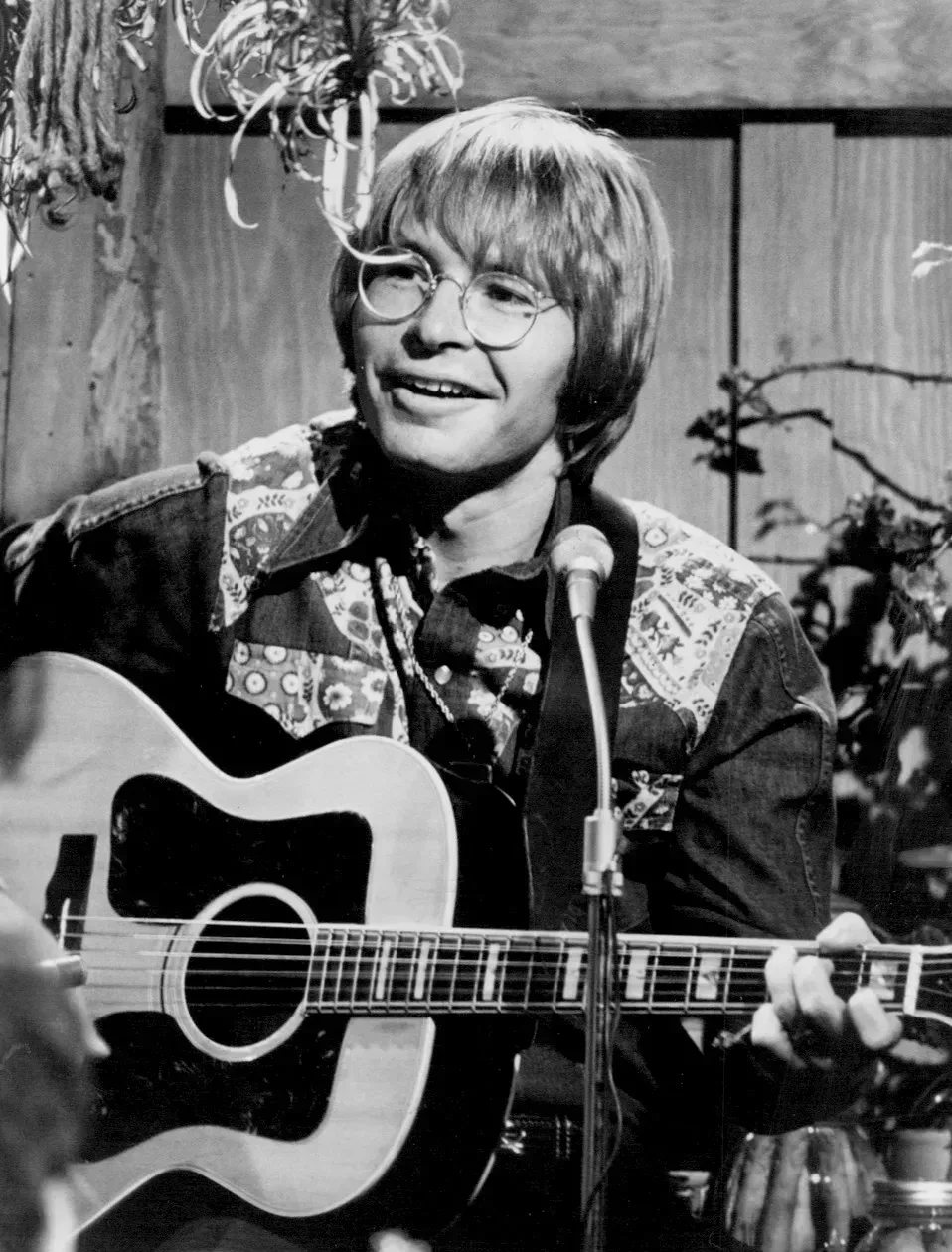
photo front
photo back, Public domain)
Some radio stations believed the song contained drug references and refused to play it, citing a 1971 FCC warning prohibiting songs that could be interpreted as promoting drug use, according to The New York Times. The paper noted that “stations were responsible for knowing the content of the records they played.” The offending lyric? The phrase “everybody’s high” – set around a campfire under a meteor shower.
Numerous radio stations cautiously banned it until Denver publicly explained that the phrase “everybody’s high” was his innocent description of the sense of peace he found in the Rockies. The song went on to become one of John Denver’s most beloved works, peaking at number nine on the Billboard Hot 100 in 1973. It also became the official state song of Colorado, cementing its cultural legacy. I think it is safe to say the ban aged very poorly.
6. “A Day in the Life” by The Beatles – Smoking Upstairs Was the Problem
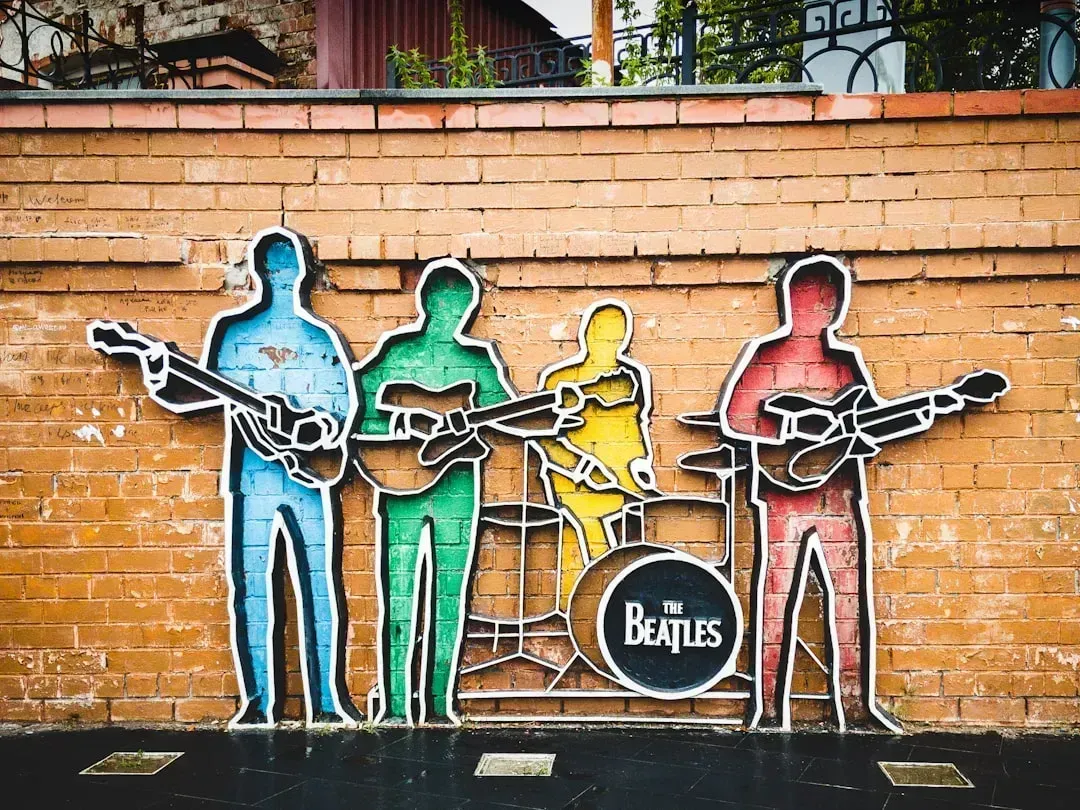
Often voted by musicians and critics as the best Beatles song ever, this final number from Sergeant Pepper’s Lonely Hearts Club Band got banned by BBC Radio, specifically because of the line “found my way upstairs and had a smoke.” This was considered an unmitigated drug reference. The song has some genuinely abstract Lennon verses, yet it was a mundane McCartney line that brought the axe down.
While McCartney was certainly known to enjoy the odd joint back then, you could argue that he was possibly just talking about tobacco. Both John Lennon and Paul McCartney adamantly denied these allegations. Still, the BBC stood firm and the ban remained, making “A Day in the Life” one of the most famous radio casualties in rock history.
7. “God Only Knows” by The Beach Boys – Using the Word “God” Was Blasphemy

Many radio stations banned the Beach Boys’ “God Only Knows,” even though according to the Beach Boys, they meant “God” as a “spiritual word” and not a blasphemous one. At the time, using the name of God in a song was deemed as blasphemous. Airplay was forbidden in some parts of the country despite this mellow ballad having nothing sacrilegious to say.
Band members even considered changing the title to “Fred Only Knows” to appease a mainstream audience. They did not change it and fans love the song to this day. The song is now widely considered one of the greatest pop compositions in history. Perspective truly is everything.
8. “Puff the Magic Dragon” by Peter, Paul and Mary – A Children’s Song Under Investigation
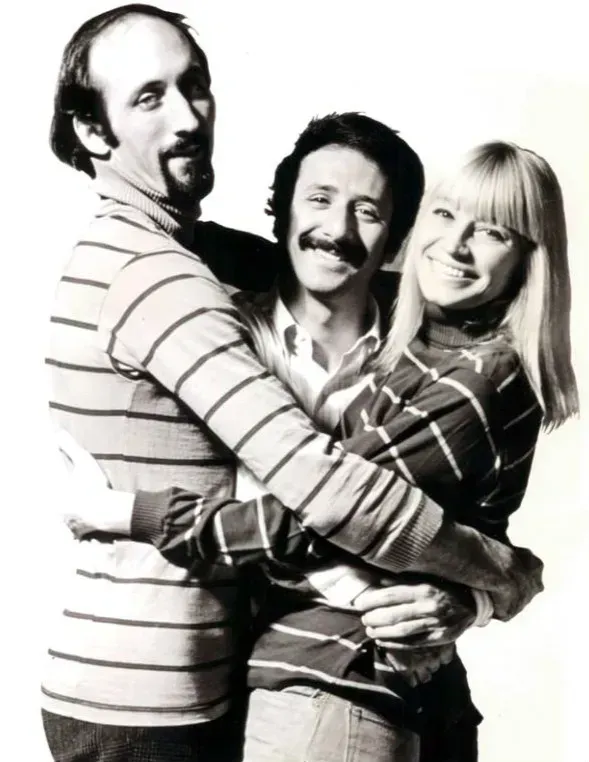
photo front
photo back
Transferred from en.wikipedia by SreeBot, Public domain)
In 1970, Vice President Spiro Agnew described rock music as “blatant drug culture propaganda” and went on a crusade to ban songs that referred to drugs. This included Peter, Paul, and Mary’s child-friendly ditty “Puff the Magic Dragon,” which allegedly referred to drug use and/or acid trips. The idea that a song about a dragon named after breathing fire was secretly a drug manual requires some serious imagination.
Songwriter Peter Yarrow always said it was merely an innocent fantasy with no hidden meaning. The political climate of the era made even children’s entertainment suspect. Here’s the thing: it is almost poetic that one of the most aggressively innocent songs in American folk music became a symbol of government overreach in music censorship.
9. “Wake Up Little Susie” by The Everly Brothers – Two Teenagers Who Fell Asleep
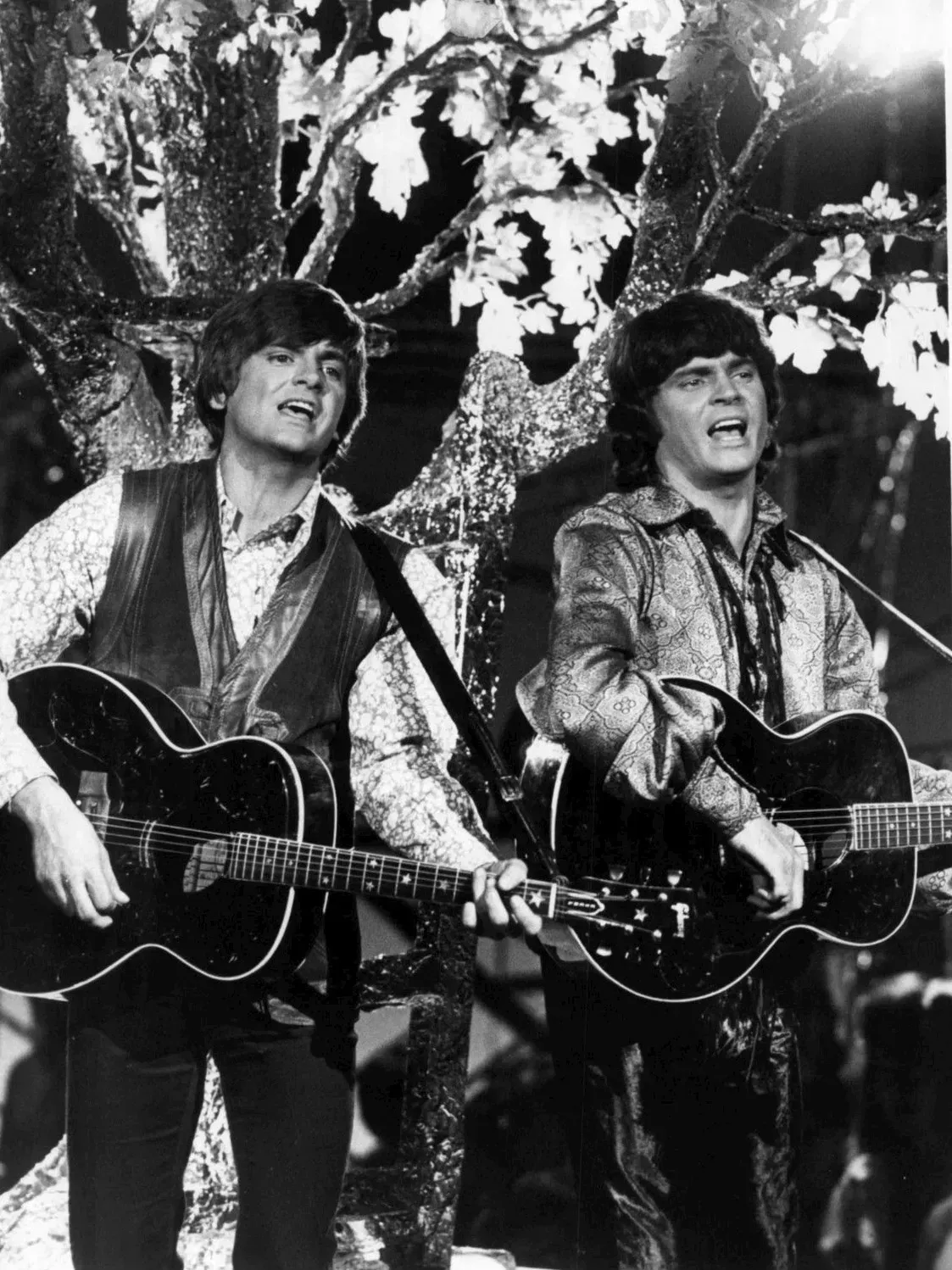
photo front
photo back, Public domain)
The Everly Brothers’ 1957 number one hit “Wake Up Little Susie” was banned in Boston because it had parents wondering just what their children were doing after they assumed they were asleep. This is yet another case of 1950s puritanical thinking, which often stifled the creativity of the musicians of that era. The song’s actual storyline involves two teenagers who fell asleep at a drive-in movie and woke up too late. That is it.
Despite their wholesome image, the Everly Brothers made the news when this hit song was banned by radio stations because it was all about a pair of teenagers sleeping together. In this case, the emphasis really was on sleeping. Almost a full half-century later, born-again Christian and then-presidential candidate George W. Bush declared that “Wake Up Little Susie” just so happened to be his favorite song. The irony practically writes itself.
10. “Ding Dong! The Witch Is Dead” – A Munchkin Song That Became Political
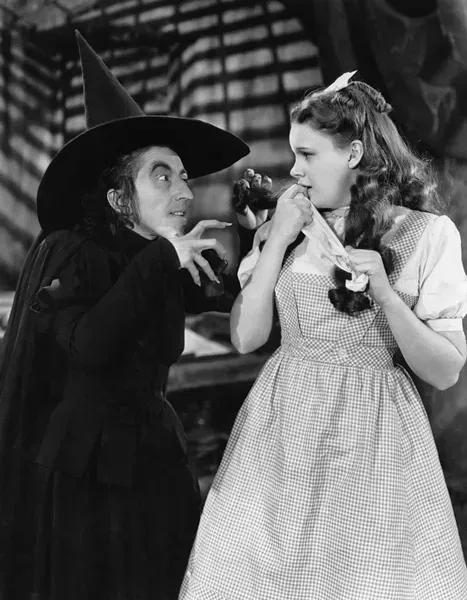
After the death of former British prime minister Margaret Thatcher on 8 April 2013, anti-Thatcher sentiment prompted campaigns on social media platforms which resulted in the song “Ding-Dong! The Witch Is Dead” reaching number 2 on the UK Singles Chart. On 12 April, Radio 1 controller Ben Cooper said that the station’s chart show would not play the song in the usual format, but that a short snippet would be aired as part of a news item.
The BBC found itself in an impossible position. They used their banning powers to strike this family favorite from the airwaves not back in the 1930s or 1940s, but in 2013. A song from a beloved children’s film about a pair of ruby slippers suddenly required a news segment to justify its existence. It is genuinely one of the most surreal moments in modern radio censorship.
11. “Enola Gay” by Orchestral Manoeuvres in the Dark – One Word, Wrong Meaning

In the case of Orchestral Manoeuvres in the Dark’s 1980 anti-war song “Enola Gay,” a ban was applied only to its airing on the BBC’s children’s programming, as some within the organisation perceived the word “gay” as a corrupting sexual influence. The song is, of course, named after the plane that dropped the atomic bomb on Hiroshima. The anti-war message could not have been clearer.
The fact that the word “gay” triggered the ban rather than the song’s heavy subject matter about nuclear annihilation says everything about the priorities of the time. It is almost funny until you realize the song was banned from children’s ears not because it explored one of the darkest events in human history, but because of a word in the title. Sometimes, the songs that the BBC censored were perfectly innocent, leaving listeners to wonder why they were removed at all. Other times, tunes with a clear political message were silenced based entirely on the organization’s fear of what might happen if the music was allowed to enrage and engage the masses.
12. “Lucy in the Sky with Diamonds” by The Beatles – The Acronym That Never Was
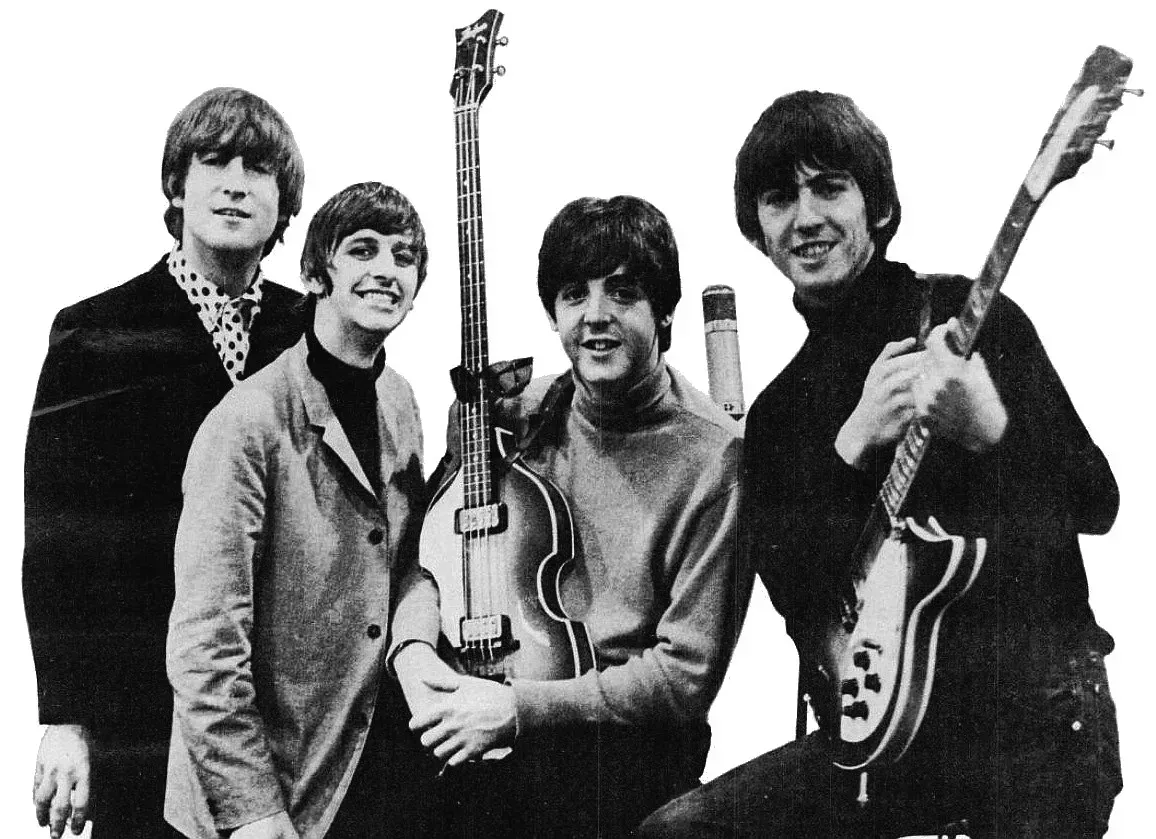
Many believed the song title to be a crafty acronym for the drug LSD. This resulted in the BBC banning the song from British radio, along with other popular tracks on the album such as “A Day in the Life.” “Lucy in the Sky with Diamonds” was also banned by Clear Channel Communications after 9/11. The song got hit twice, by two completely different institutions, in two completely different decades.
Despite LSD being a popular hallucinogenic drug at the time the song was released, John Lennon vehemently denied that the song had anything to do with the drug. According to Lennon, the song was inspired by a drawing that a fellow student made of his son Julian. The coincidence of the acronym was just that: a coincidence. It did not matter. The ban stuck, the legend grew, and the song became one of the most mythologized tracks in rock history. Sometimes, a ban does more for a song’s legacy than any radio play ever could.
What do you think? Could any of these bans have happened today, or does the internet make that kind of institutional silence impossible? Tell us in the comments.