12 Items You’re Not Permitted to Bury in Your Yard (Yet People Still Do)
Most homeowners think of their backyard as their own little kingdom. It’s your land, your soil, your rules, right? Well, not exactly. Many homeowners assume they can bury anything on their own property, but federal, state, and local laws restrict what you can legally inter below your lawn. The rules exist for reasons that go way beyond bureaucratic red tape.
Beyond the legal implications, the environmental consequences of burying trash are a significant concern. The practice can lead to soil pollution, groundwater contamination, and atmospheric emissions, affecting not only the local ecosystem but also contributing to global environmental challenges. So before you reach for a shovel, keep reading. What’s lurking in people’s backyards might genuinely shock you.
1. Household Hazardous Chemicals (Paint Thinner, Solvents, Motor Oil)
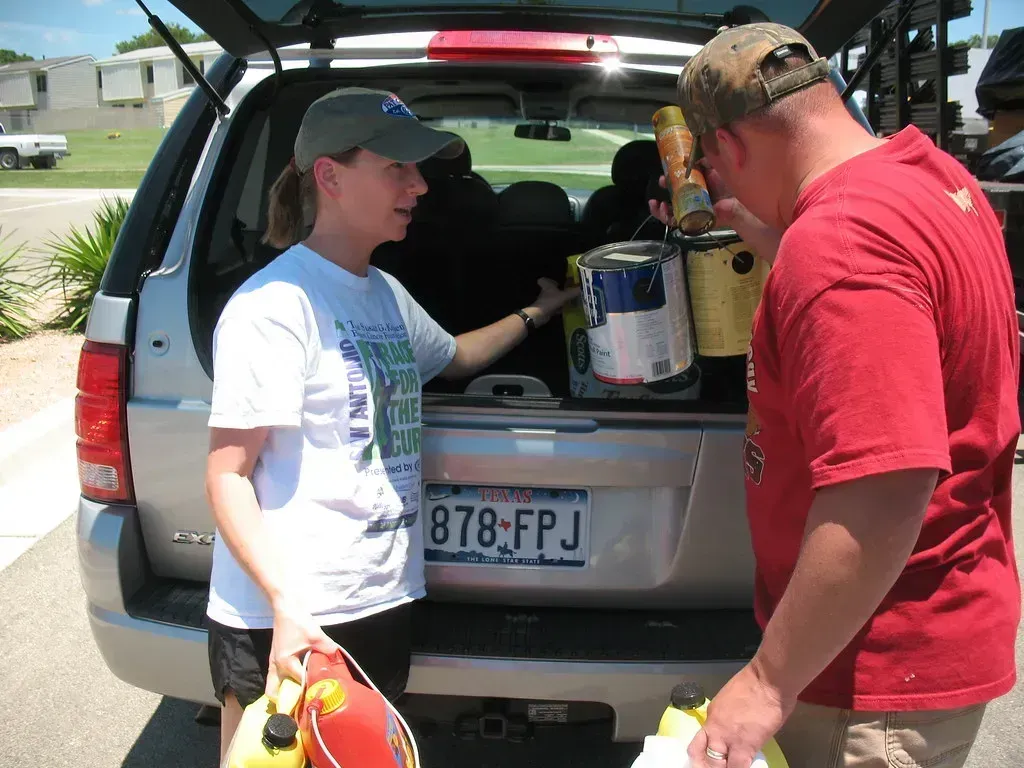
This is one of the most commonly misunderstood items on this list, and honestly, it surprises me how often it still happens. You cannot legally bury toxic home products like used paint thinner, motor oil, pesticides, or solvents in your backyard. Under environmental regulations, many common household chemicals are classified as hazardous waste and must be taken to proper disposal facilities. Burying them risks soil contamination and groundwater pollution, putting both your property and nearby water sources in danger.
At the state and federal level, laws become even more stringent, especially concerning the disposal of hazardous materials. The Resource Conservation and Recovery Act (RCRA), a federal law, regulates the management of hazardous waste, including its disposal. Burying hazardous waste in your yard could potentially violate RCRA and lead to severe penalties, including fines and legal action. Think of it this way: a buried can of paint thinner is basically a slow-release poison capsule sitting just beneath your rose garden. Not a comforting thought.
2. Car Batteries
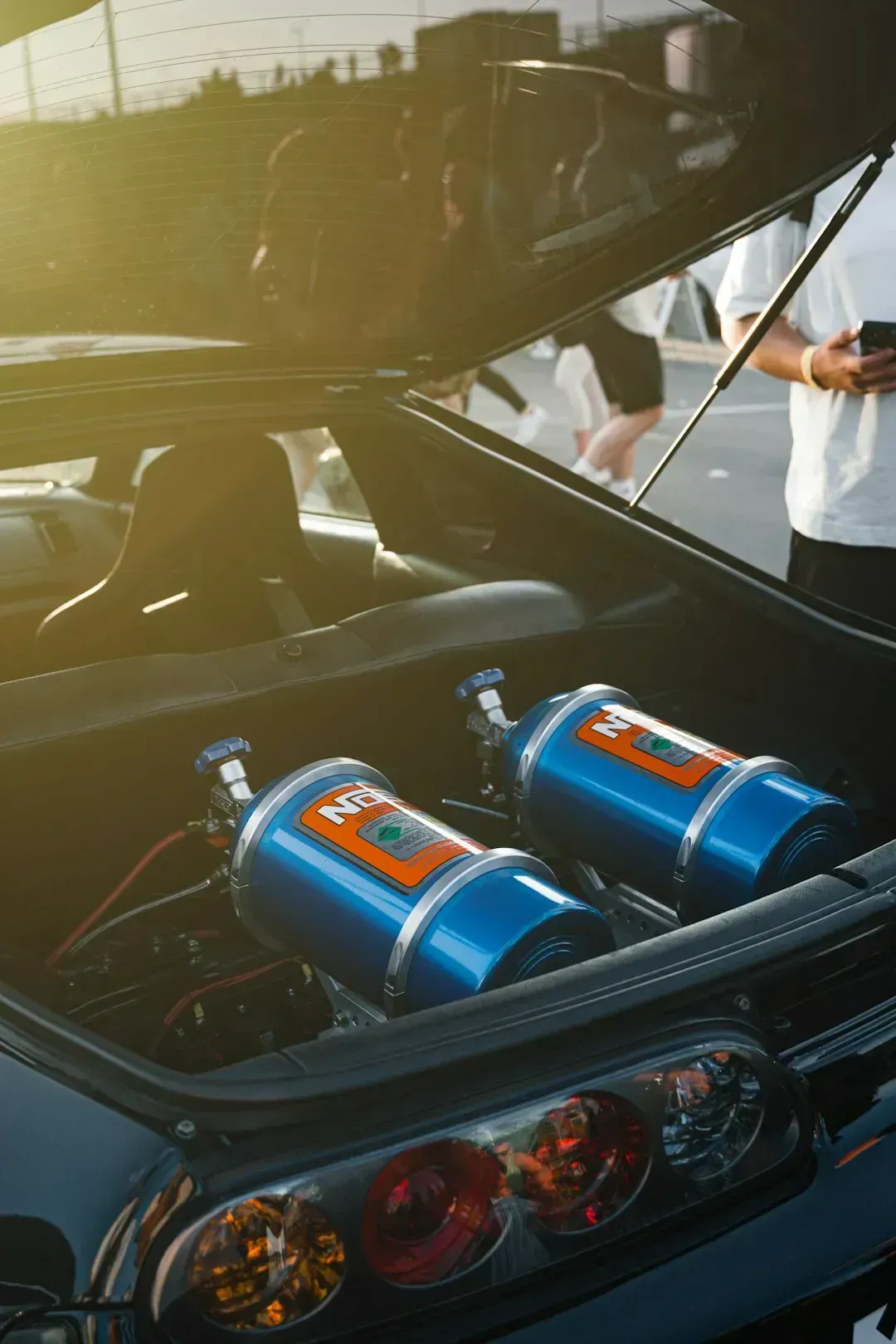
Lead-acid car batteries contain highly toxic heavy metals and acids, and burying them is forbidden in many jurisdictions. Improper disposal can lead to lead, cadmium, and acid leaching into the soil and water. Instead, you are required to recycle these batteries through certified programs to prevent long-term environmental damage.
Most cities have laws against burying hazardous waste, including car batteries, on residential property. And fines? They aren’t trivial. For sites subject to the EPA’s Resource Conservation and Recovery Act (RCRA) hazardous waste rules, the maximum civil penalty is $70,117 per day, per violation. That’s a steep price for avoiding a trip to the recycling center. Still, people do it. Often after a backyard auto repair job, they just dig a hole and hope for the best.
3. Old Tires
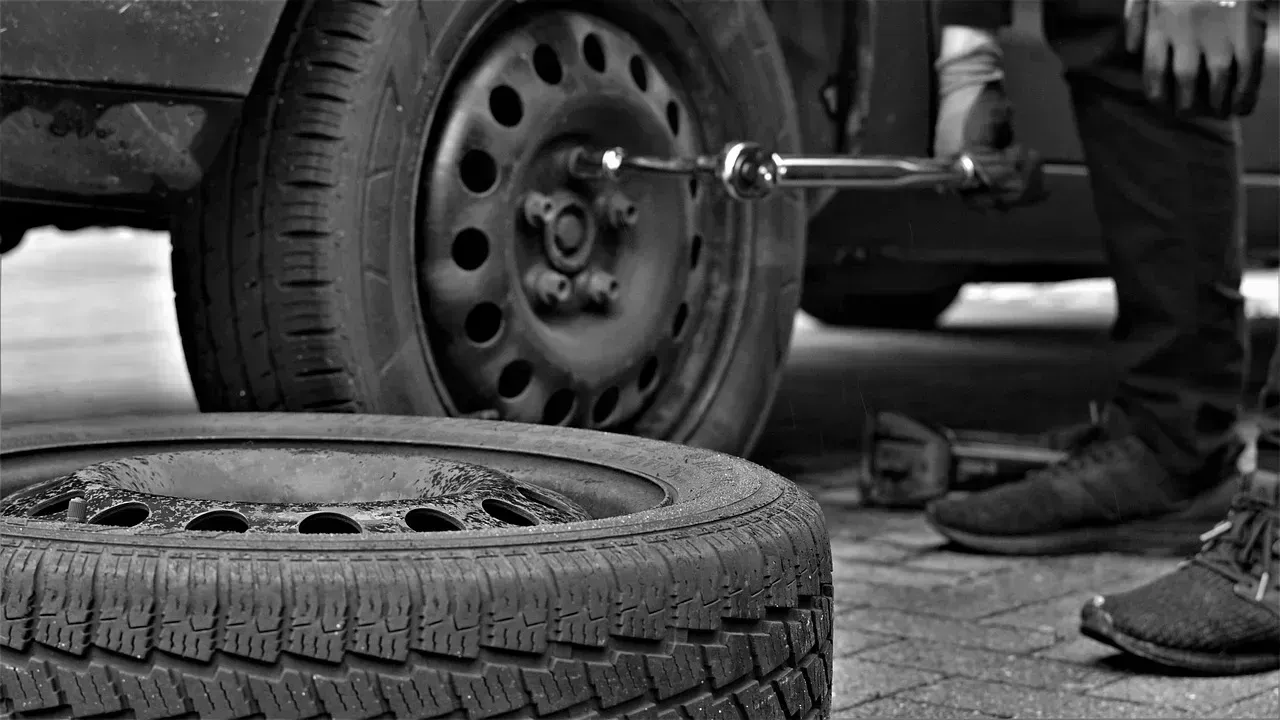
Here’s the thing about burying tires: they come back. Most states have specific laws prohibiting the burial of tires on private property. When buried, tires often trap methane gas and can rise back to the surface years later like rubber zombies. They also create perfect breeding grounds for mosquitoes when they collect water, potentially spreading diseases like West Nile virus.
Data from tire-waste reports summarized by Gradeall show that roughly 800 million to 1 billion tires reach end of life each year, and groundwater near dumped or buried tires can reach zinc and other metal levels many times above safe drinking standards. Realtors say that buried tires might be seen as an unlawful landfill, which means that local environmental regulators can charge you a lot of money every day. So those tires you buried a decade ago? They might literally be climbing back out right now.
4. Electronics and E-Waste

Federal regulations under the Resource Conservation and Recovery Act make it illegal to bury appliances and electronics. These items release harmful substances that can contaminate soil and groundwater for generations, potentially causing serious environmental damage and health risks.
E-waste burial is a regular find on rural properties. It can take tens of thousands of dollars to clean up before the area can be sold or developed. Realtors say that ground-penetrating radar or magnetic scans can find buried appliances during high-end property inspections. Experts say that most electronics stores and cities have special “take back” systems that make sure these products are taken apart for valuable metals and disposed of securely. It’s easier than digging a hole and hoping nobody finds out.
5. Large Kitchen and Household Appliances
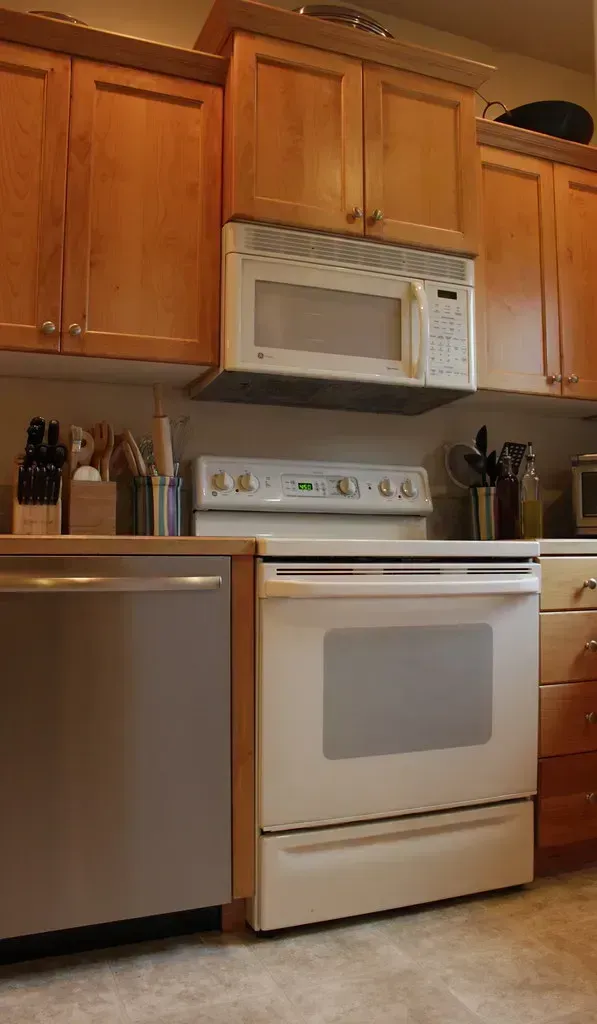
Old refrigerators, washing machines, and dishwashers have a way of ending up in backyards across rural America, sometimes underground. In the U.S. alone, an estimated 11 to 13 million refrigerated household appliances reach end of life every year, and when old units are dumped or buried instead of properly processed, leftover refrigerants, oils, and mercury-containing parts can leak into soil and groundwater and release greenhouse gases equivalent to powering millions of homes.
Large appliances like refrigerators, air conditioners, and washing machines often contain refrigerants or other hazardous components that require special handling for safe disposal. Improper disposal can result in environmental contamination. Think of a buried fridge like a ticking clock. It may look like you solved your disposal problem, but inside, it’s slowly leaking chemicals into your soil year after year.
6. Treated or Painted Wood
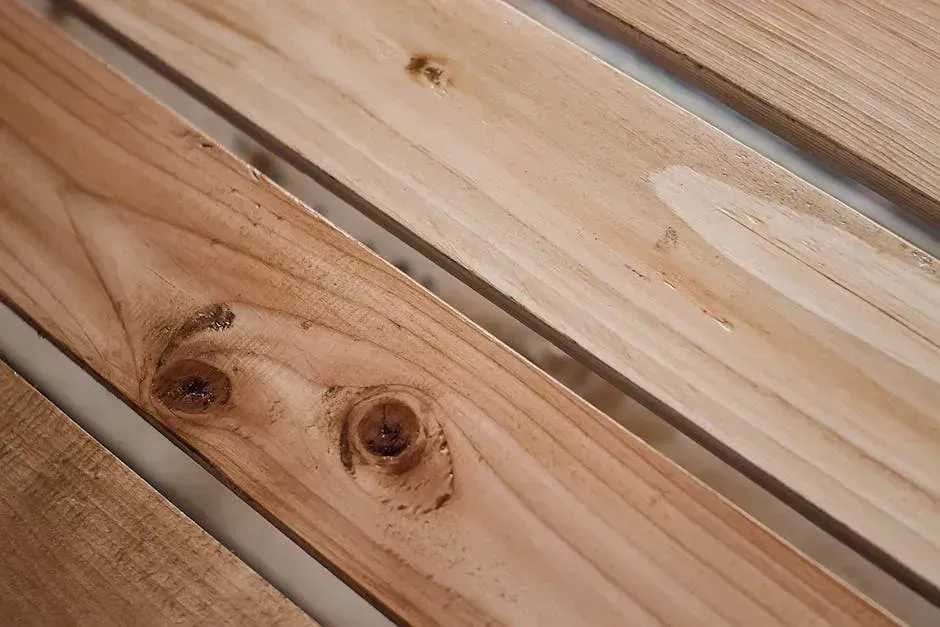
This one catches a lot of DIY renovators completely off guard. It may appear like wood is a natural material that belongs in the earth, but treated or painted wood is a different story. Experts believe that the chemicals used to protect wood for outdoor use, including chromated copper arsenate, are meant to combat the insects and fungus that cause rot. When buried, these chemicals seep into the ground and destroy helpful bacteria and earthworms that are important for a healthy yard.
Contractors say that painted wood often has lead-based pigments in it, especially in older homes. This can make your soil a permanent lead danger. These materials do not decompose and can leach toxins into the soil if buried. Local environmental and waste regulations may strictly prohibit burial of such debris on private property. What starts as a harmless cleanup project can quietly turn your vegetable garden into a toxic zone.
7. Construction and Demolition Debris
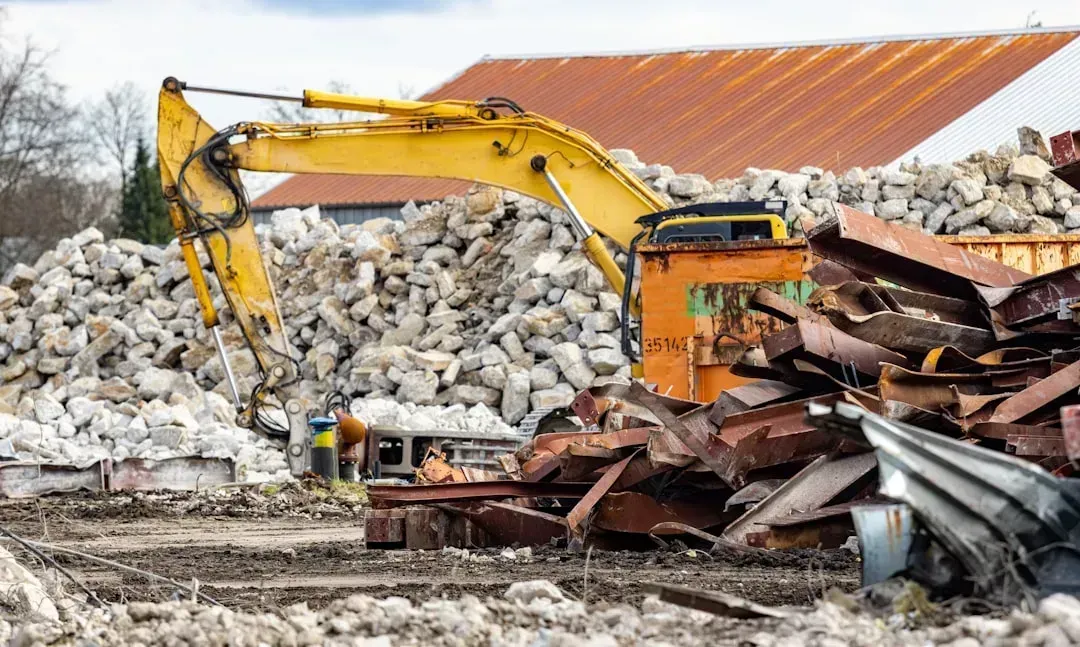
After a home renovation, the temptation to just bury leftover materials in a corner of the yard is real. Let’s be real, it’s a lot cheaper than hiring a disposal crew. Asbestos, lead, mercury and other hazardous substances in structures could harm human health or the environment if building materials, building system devices and household products are burned, buried, dumped or otherwise disposed of improperly.
Burying waste on your land could significantly reduce your property value and make you liable to future landowners. You may be required to disclose to potential buyers that the property has been used for waste disposal. If you conceal such information, there is the potential for legal problems between you and the property buyer, which may surface after a purchase deal is closed. Data from state and county enforcement agencies in the United States show that burying “solid waste” on your own land can be treated as illegal dumping, with fines that commonly start around $500 to $1,000 and can climb to $5,000 or more.
8. Pesticides and Herbicides
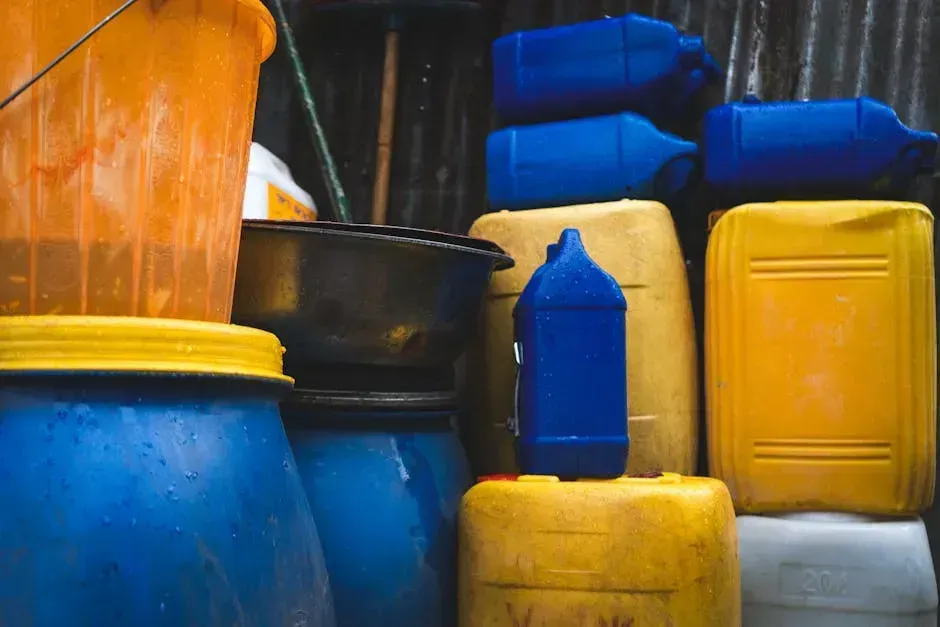
Many gardeners accumulate a collection of half-used pesticide containers over the years, and when they don’t know what to do with them, some bury them. It’s a dangerous shortcut. Groundwater tests in agricultural and suburban areas show that certain buried pesticides and herbicides can show up in nearby wells at levels ranging from a few micrograms per liter up to several dozen micrograms per liter, sometimes exceeding drinking water guideline limits.
Many towns have special collection days for hazardous materials to keep the environment safe. Illegally disposing of a toxic chemical or hazardous item such as a car battery may constitute dumping, even though the volume or size of the waste material is relatively small. A half-empty bottle of weed killer buried in your yard is exactly the kind of thing regulators classify as an illegal dump, regardless of how small it seems.
9. Human Remains Without Proper Authorization
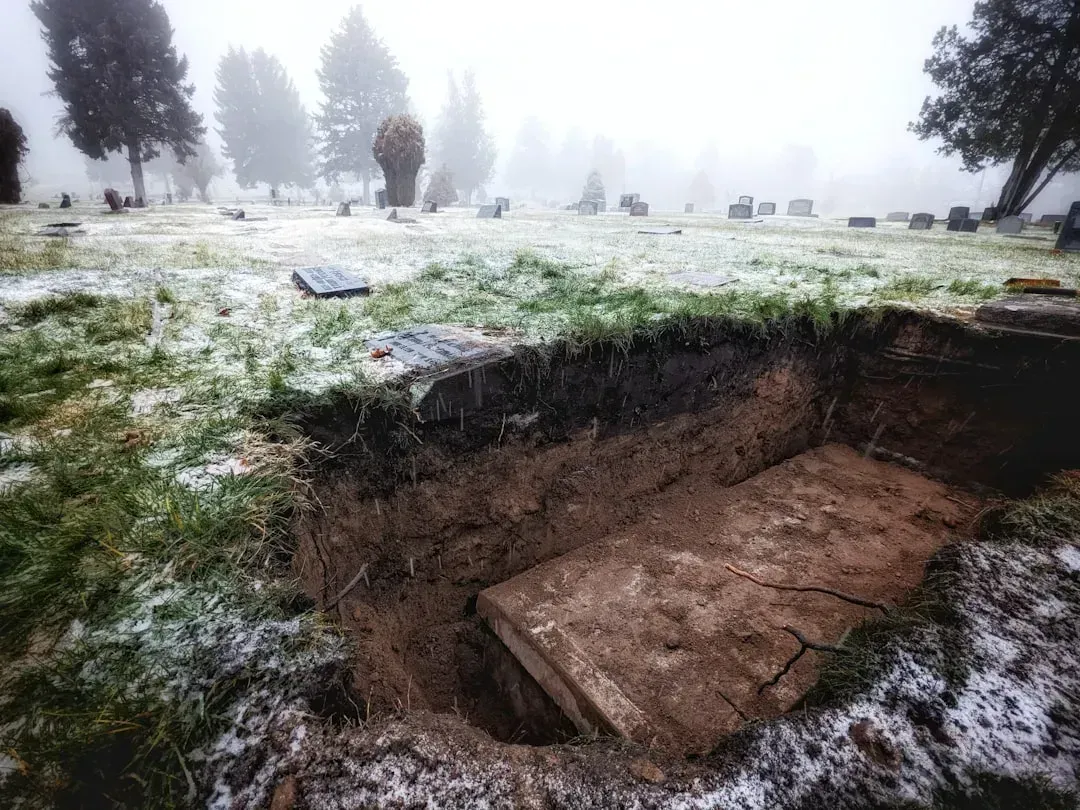
It sounds extreme, but home burials are more common than most people realize, and the legal complexity surrounding them is significant. In most cases, it is illegal to bury someone in your yard unless specific regulations and legal procedures are followed. Laws surrounding burial vary by state and local jurisdictions, but the process typically requires permits, adherence to zoning laws, and compliance with public health and environmental standards.
States that mandate a funeral director’s involvement include Alabama, Connecticut, Illinois, Iowa, Indiana, Louisiana, Michigan, Nebraska, New Jersey, and New York. Most states make it perfectly legal to take a body home from the hospital, nursing home, or other institution and bury it on your private property, but only Indiana, California and Washington State outlaw the practice totally. Creating a home burial site will compromise your home’s market value. I know it sounds extreme, but these are the facts, and ignoring them can have serious legal consequences.
10. Euthanized Pets

Burying a beloved pet in the backyard feels like a deeply human and natural thing to do. Grieving pet owners do it every day. However, the rules around this are more complicated than most people know. If your pet was put down with barbiturates such as pentobarbital, burying their body may pose a poisoning risk. Veterinary experts warn that scavengers who dig up remains can be fatally exposed.
In certain states or counties, burying a pet in your yard is considered unsafe or illegal. Pets that were euthanized may have chemicals like pentobarbital in their system. If buried shallow, these chemicals can leach into the soil and harm wildlife or contaminate water. Data on carcass burial shows that poorly buried animals can raise nearby groundwater levels of ammonia, nitrate, chloride, and fecal bacteria, and shallow pits increase the chance that pathogens and odors escape to the surface or seep into wells and streams.
11. Propane Tanks and Pressurized Cylinders
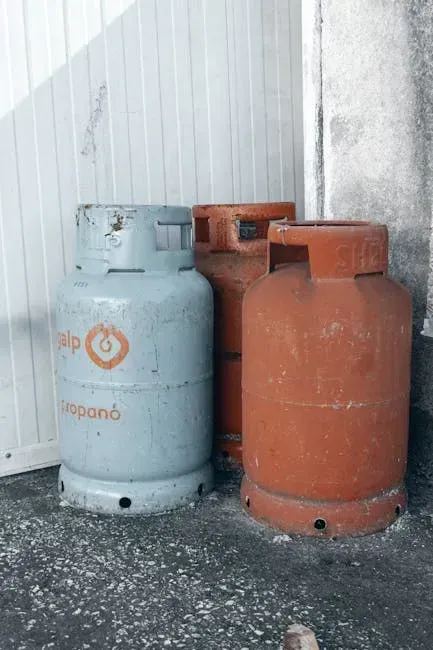
After a summer of backyard grilling, an old propane tank might seem like just another piece of clutter to get rid of. Burying it would be a dangerous and illegal solution. Propane tanks, compressed gas cylinders, or aerosol cans may explode or corrode when buried and are often restricted under local disposal regulations. These items must be depressurized and disposed of through specialized recycling or household-hazardous-waste programs to prevent dangerous underground leaks or explosions.
Household hazardous waste items commonly found in households, such as cleaning products, fluorescent bulbs, and propane tanks, should be disposed of through designated collection programs or facilities equipped to handle hazardous waste. Picture a corroding metal tank slowly filling with pressure in your backyard soil. The image alone should be enough to make you call a proper disposal service instead.
12. Asbestos-Containing Materials
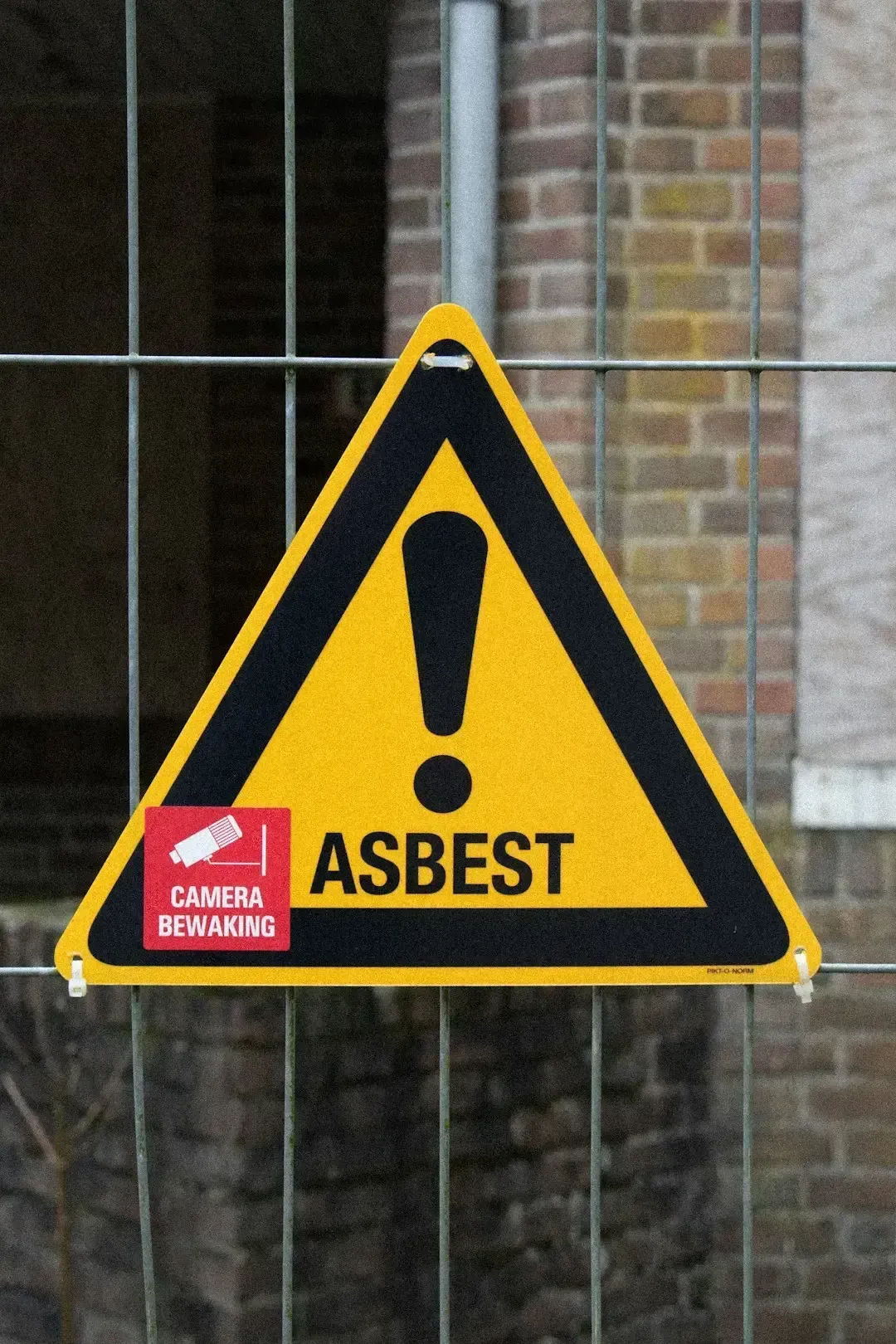
Old insulation, floor tiles, and roofing materials from homes built before the 1980s can contain asbestos, and burying this material is one of the most seriously prosecuted disposal violations out there. Global health authorities estimate that asbestos exposure causes 200,000 deaths every year, mainly from lung cancer, mesothelioma, and asbestosis, and there is no known safe exposure level to airborne asbestos fibers.
In March 2024, the EPA announced a ban on ongoing uses of chrysotile asbestos to protect people from lung cancer, mesothelioma, ovarian cancer, laryngeal cancer and other health problems caused by asbestos exposure. Violating these rules can be expensive, with fines as high as $15,000 per day per violation for serious cases or repeat violations. Substantial fines can be assessed, even for minor or first-time violations. Asbestos doesn’t disappear when it goes underground. It stays in the soil, waiting to be disturbed again by future digging, landscaping, or construction.