The Backyard Liability: 5 Popular Landscaping Trends That Make Your Home Uninsurable
You’ve spent weekends perfecting your outdoor space. Maybe you installed a trampoline for the kids, or perhaps you splurged on that gorgeous in-ground pool you always dreamed about. Your backyard is a sanctuary, an extension of your home that adds value and enjoyment to your life.
Here’s the thing, though. Some of those beautiful or fun additions might be silently turning your property into an insurance minefield. One in four homeowners received a nonrenewal notice from their insurer in 2024, and many had no idea their backyard features were the culprit. Insurers are now using drones and satellite photos to scan properties from above, dropping homeowners for issues like moss on shingles, overhanging tree branches, or even shadows that AI misidentifies as damage. We’re living in a new era where what you put in your yard could cost you far more than the installation price. Let’s explore what might be lurking in your landscape.
Trampolines: The Backyard Fun That Insurers Hate
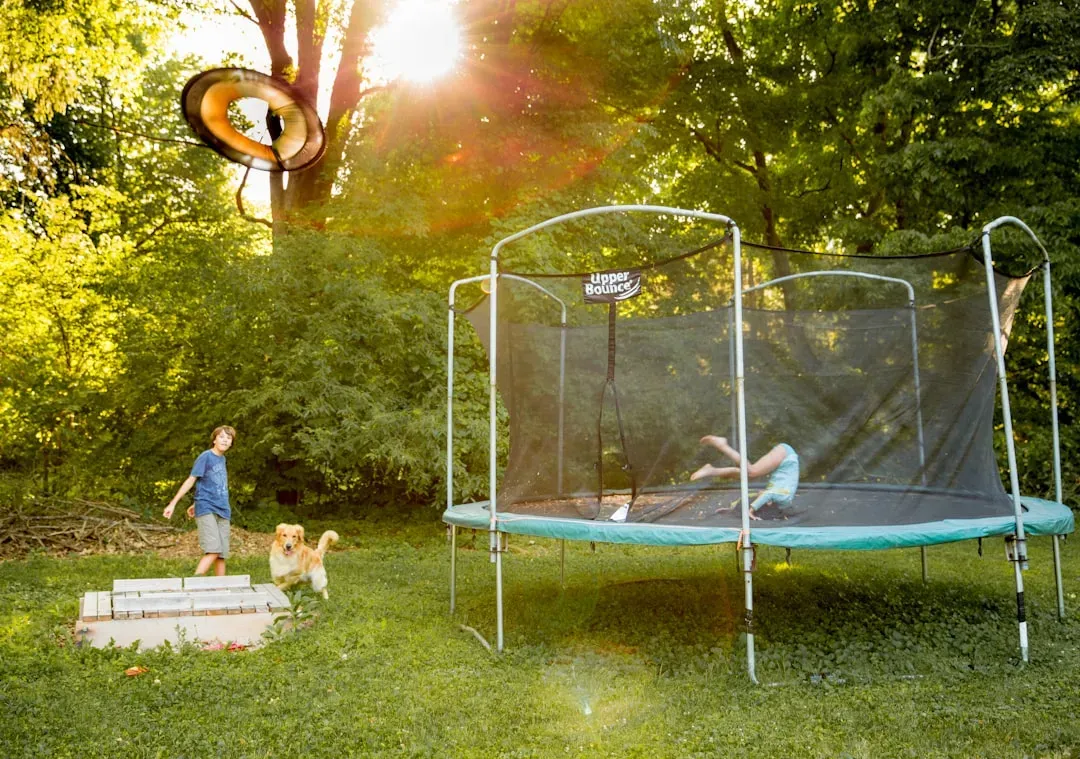
Trampolines are everywhere these days. Kids love them, parents appreciate the outdoor exercise they provide, and honestly, they look pretty inviting on a sunny afternoon. The problem is your insurance company sees them very differently.
Trampolines increase claim frequency by 300% according to industry data. That’s not a typo. The U.S. Consumer Product Safety Commission reports over 104,691 trampoline-related emergency room visits annually, and insurance companies are paying attention to these numbers. Most insurance companies do not cover trampolines because they consider them too costly due to liability risks, though some companies may insure your trampoline if you have the right safety equipment and other safety precautions in place.
The issue goes beyond just injuries to your own family. A trampoline is often considered an attractive nuisance, an item on a homeowner’s property that can entice and potentially endanger children. This means you could be held liable even if neighborhood kids sneak into your yard without permission and get hurt. Some insurers will cover trampolines only with strict conditions, like safety nets and padding. Most carriers apply immediate surcharges that range from $50 to $200 annually for trampoline coverage, with Liberty Mutual typically charging a flat $75 annual fee, while Farmers Insurance calculates increases based on existing liability limits. Others will simply refuse to write or renew your policy altogether.
Swimming Pools: The Liability Magnet in Your Backyard
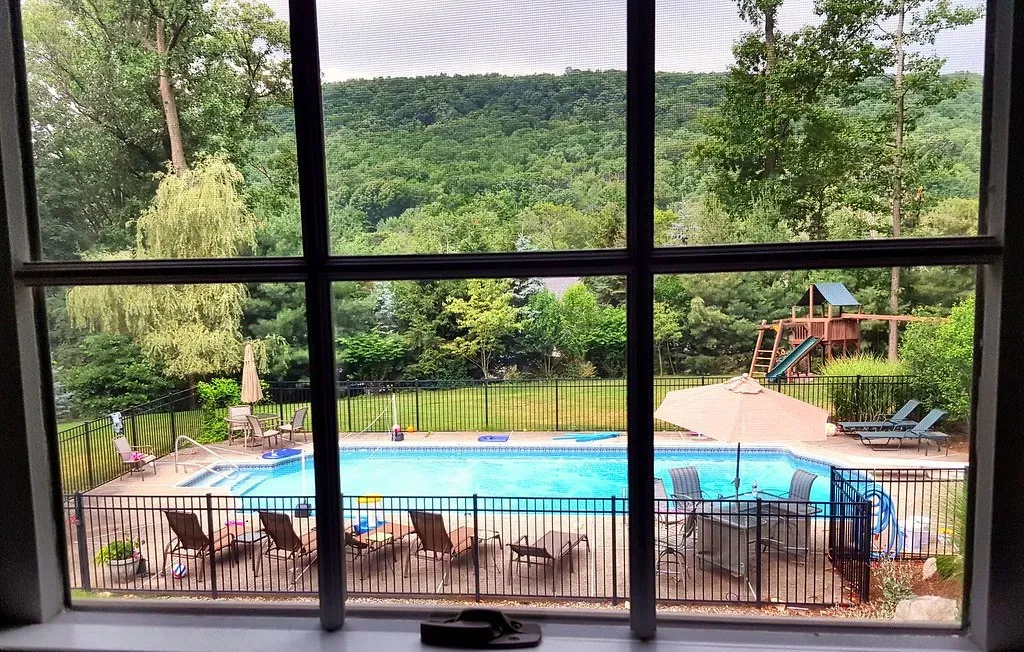
A swimming pool seems like a natural addition to any home, especially in warmer climates. They’re beautiful, they increase property value, and summer parties around the pool are practically an American tradition. Yet pools are one of the biggest red flags for insurance companies, and for good reason.
More than 4,000 people in the United States drown each year, averaging 11 deaths per day, according to the Centers for Disease Control and Prevention. Children ages 1-4 have the highest drowning rates. Swimming pools are considered high-risk features by insurance companies due to the increased potential for accidents and injuries, and homeowners with swimming pools typically pay higher insurance premiums. Like trampolines, pools are classified as attractive nuisances, meaning you’re liable for anyone who enters your property and gets hurt, even if they weren’t invited.
Most standard homeowners policies do provide some coverage for pools, but there are catches. Experts recommend that pool owners increase their liability coverage limits to $300,000, $500,000, or higher, depending on personal assets, as most standard home insurance policies provide at least $100,000 in liability coverage. Most insurers require a self-closing, self-latching gate for fencing, and some demand additional safety features like alarms or automatic covers. Slides and diving boards may result in exclusions or surcharges from your insurer. Fail to meet these requirements and you could face claim denials or policy cancellation.
Mature Trees: The Hidden Hazard Above Your Home

Trees seem innocent enough. They provide shade, boost curb appeal, and create that picturesque suburban feel everyone wants. Most people never think twice about the mature oak towering over their driveway or the beautiful elm that shades their back patio. Insurance companies, however, are thinking about those trees constantly.
Approximately 40 percent of insured losses were due to wind and hail damage, and trees are often involved in these incidents. Insurers are now trimming trees using professional services to clear any branches hanging directly over rooflines, as in the era of aerial image underwriting, a shadow or a stray limb can be flagged by an algorithm as a structural hazard or fuel, triggering an automatic non-renewal notice before a human ever looks at your file. The cost of tree removal varies significantly, but you can expect anywhere from a few hundred to several thousand dollars depending on size and location.
Here’s what makes trees particularly tricky: if a diseased or neglected tree falls and damages your home or someone else’s property, your claim could be denied. If you have a diseased tree on your property, your home insurance claim will be rejected because it eventually fell due to neglect. Homeowners are expected to maintain trees and remove any that pose obvious risks. Coverage for trees and shrubs is usually limited to a percentage of your dwelling limit, typically capped at 5 percent. If you’re not regularly inspecting and maintaining those towering beauties, you might be setting yourself up for a denied claim when disaster strikes.
Fire Pits and Outdoor Kitchens: The Flame That Burns Your Coverage
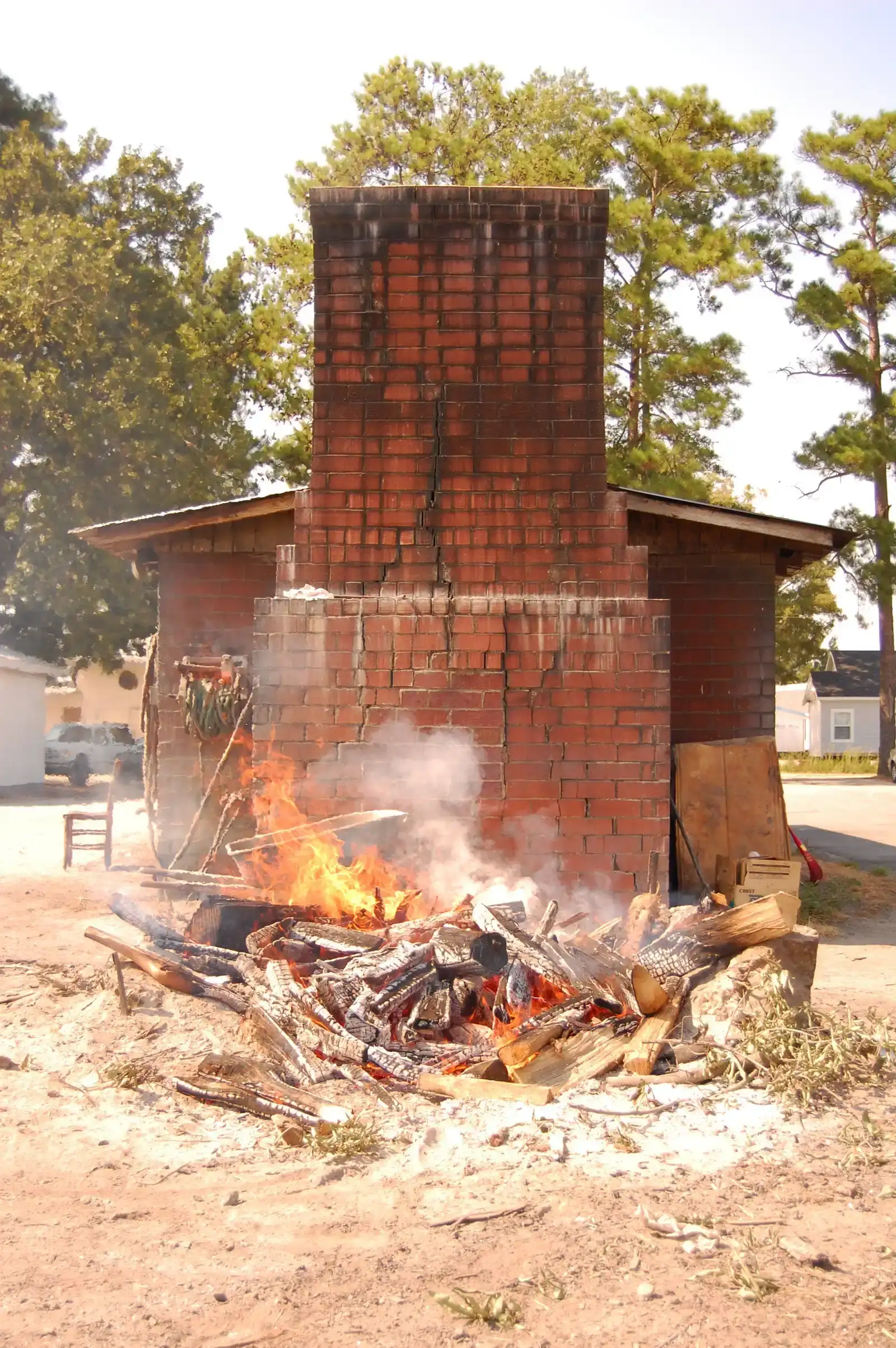
Fire pits have exploded in popularity over recent years. They’re cozy, they extend your outdoor season, and they create the perfect atmosphere for evening gatherings. Outdoor kitchens with built-in grills and pizza ovens are equally trendy. Insurance companies, though, see these as open flames waiting to cause problems.
According to an American Burn Association report, in 2015, unintentional fire or burn injuries were the fifth leading cause of injury-related deaths among children ages 1 to 4 in the U.S., and almost one quarter of all burn injuries happen in children younger than 15 years of age. At least 5,300 injuries related to fire pits or outdoor heaters were treated at emergency rooms in the U.S. in 2017, which is nearly triple the 1,900 injuries reported in 2008, and an average of 8,500 burns resulting from grill fires are treated in U.S. emergency rooms every year. Fire features are attractive nuisances just like pools and trampolines, but with the added risk of actual fire spreading to structures or neighboring properties.
Fire pits do affect home insurance in several ways, as they can lead to high premiums because they’re considered a potential fire hazard, especially wood-burning fire pits that generate sparks which can easily ignite other objects and cause damage to your home and its environs. The type matters, too. Not every insurance company treats fire pits the same, and some may consider them a higher risk, especially if you live in an area prone to wildfires, with insurers potentially adjusting coverage or requiring certain safety measures before it’s fully covered. Permanent fire pits may be treated differently than portable ones, and depending on your location, you might need permits or face restrictions during burn bans.
Zip Lines and Backyard Adventure Equipment: The Thrill Ride to Policy Cancellation
Maybe the trampoline wasn’t enough. Some homeowners are installing zip lines, climbing walls, skateboard ramps, and elaborate tree houses that rival actual homes. These features are undeniably cool, and they turn your backyard into an adventure park for kids. They also turn your property into something most insurers want nothing to do with.
The issue is simple: the more elaborate and risky the equipment, the higher the liability exposure. Fewer than 2,800 children are treated in emergency departments each year for tree house injuries, according to the Center for Injury Research and Policy, which makes them relatively lower risk compared to trampolines. Yet even tree houses require disclosure to your insurer. More extreme installations like zip lines or rock climbing walls? Those are in a different category entirely. Many standard homeowners policies will explicitly exclude coverage for injuries related to such equipment, or they’ll deny coverage altogether.
In high-risk areas, insurers increasingly rely on drones and AI to assess vegetation and materials, and maintaining defensible space, replacing flammable landscaping, and upgrading to fire-resistant roofing or siding can improve pricing and eligibility. The same technology that spots moss on your roof can easily identify a zip line or half-pipe in your backyard. If you install these features without notifying your carrier, you risk having your entire policy voided. Even if you do notify them, many companies will simply walk away from insuring your property. The few that will cover you typically require significantly higher liability limits and hefty premium increases.