5 Fast Food Chains That Actually Make Everything From Scratch
You’d think fast food and fresh ingredients don’t belong in the same sentence, right? Most of us assume that drive-through convenience means frozen patties, reheated soups, and bread that’s been sitting under a heat lamp for hours. There’s a reason we’ve accepted that trade-off: speed usually comes at a cost.
Here’s the thing though. A handful of fast food chains have been quietly fighting against that stereotype for years. They’re peeling potatoes by hand, chopping vegetables every morning, and refusing to install freezers in their kitchens. Honestly, it sounds exhausting when you consider how many orders they handle daily.
Some of these restaurants have built entire empires on the promise of fresh food. So let’s be real, are they actually living up to the hype? Let’s take a closer look at five chains where scratch cooking isn’t just marketing speak.
Chipotle: The 53-Ingredient Revolution
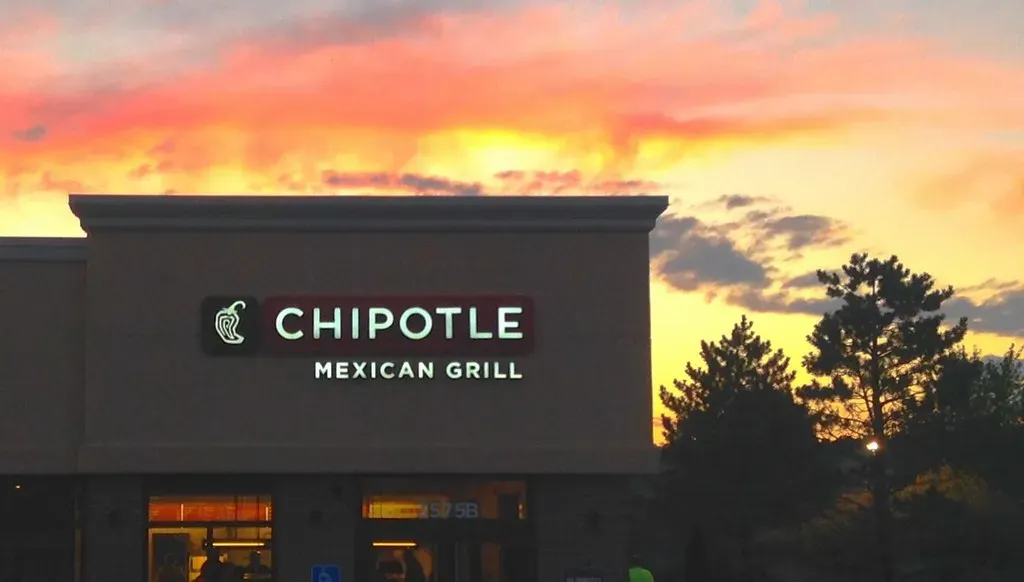
Chipotle became the only national restaurant brand with no added colors, flavors or preservatives back in March 2017, a milestone that took years to accomplish. Every single item you can build and order at Chipotle is made from a selection of only 53 total ingredients, all of which are prepared fresh. Think about that for a second. Most fast food chains use hundreds of additives.
Employees have to undergo an intense, two-week training that includes memorizing the entire menu, and food preparation is from scratch, down to shredding blocks of cheese and picking leaves off herb stems by hand before the restaurant opens. The commitment runs deeper than most people realize. Since the first Chipotle opened in 1993, they’ve served fresh, wholesome ingredients prepared using classic cooking techniques, and it has always been a top priority to ensure their food is safe, delicious, and made from responsibly sourced ingredients.
Five Guys: The No-Freezer Philosophy
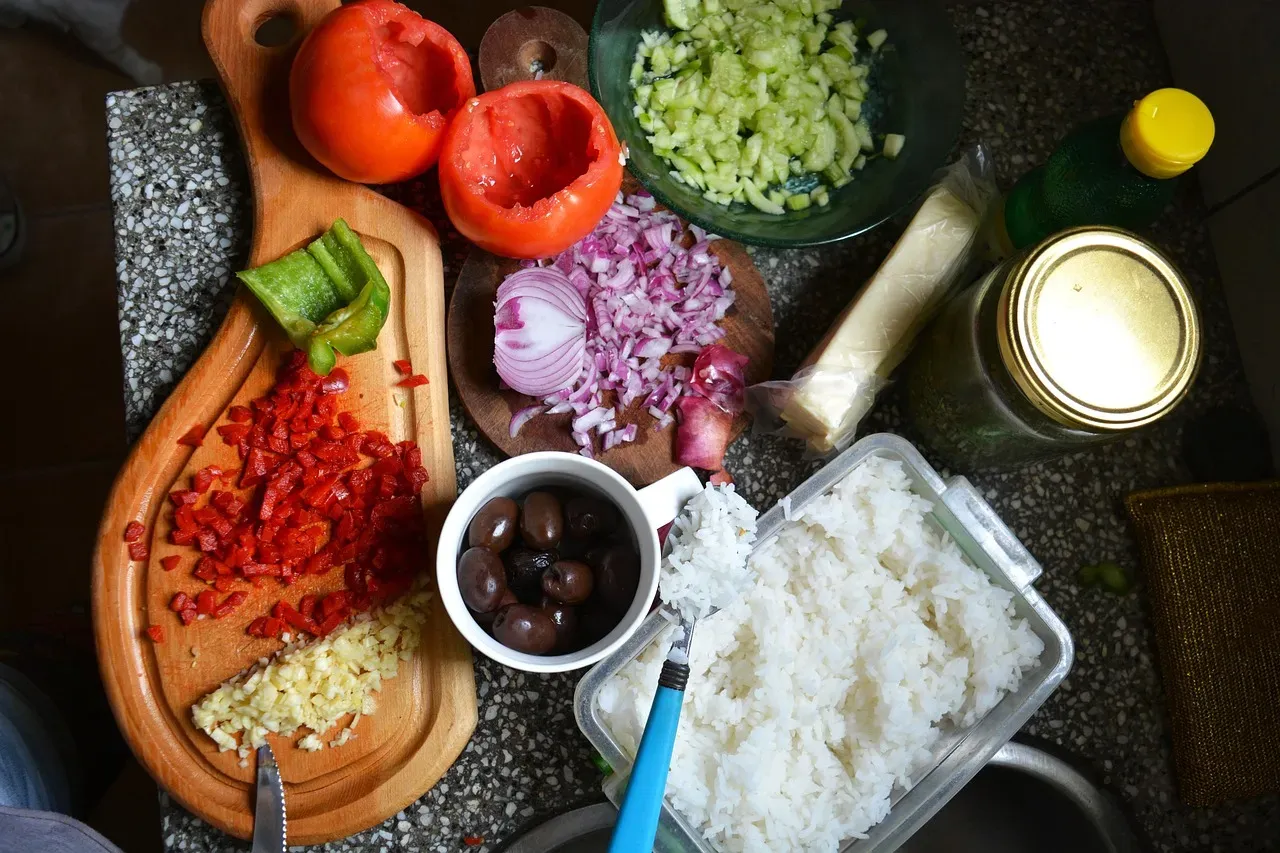
It’s true that all of Five Guys’ food is made fresh and never frozen; in fact, the restaurants don’t even have freezers – not a single one – so the food couldn’t be frozen even if employees wanted to. It’s hard to imagine running a high-volume restaurant without that safety net. Instead, the meat sits in a large refrigerator for up to 30 hours, which means that the beef inside your burger hasn’t been inside the restaurant for more than a day and a half at most.
Employees also make the fries from scratch, cutting and frying them in peanut oil daily, and this dedication to using real food is a fundamental aspect of the brand. The attention to detail extends to the burger prep itself. When a meat shipment arrives, employees work together to inspect each vacuum-sealed package and make sure the meat is the right temperature, and although they never arrive frozen, those patties you know and love don’t start as perfectly smashed pucks but rather as handmade meatballs weighing about three or four ounces.
In-N-Out Burger: Controlling the Entire Supply Chain
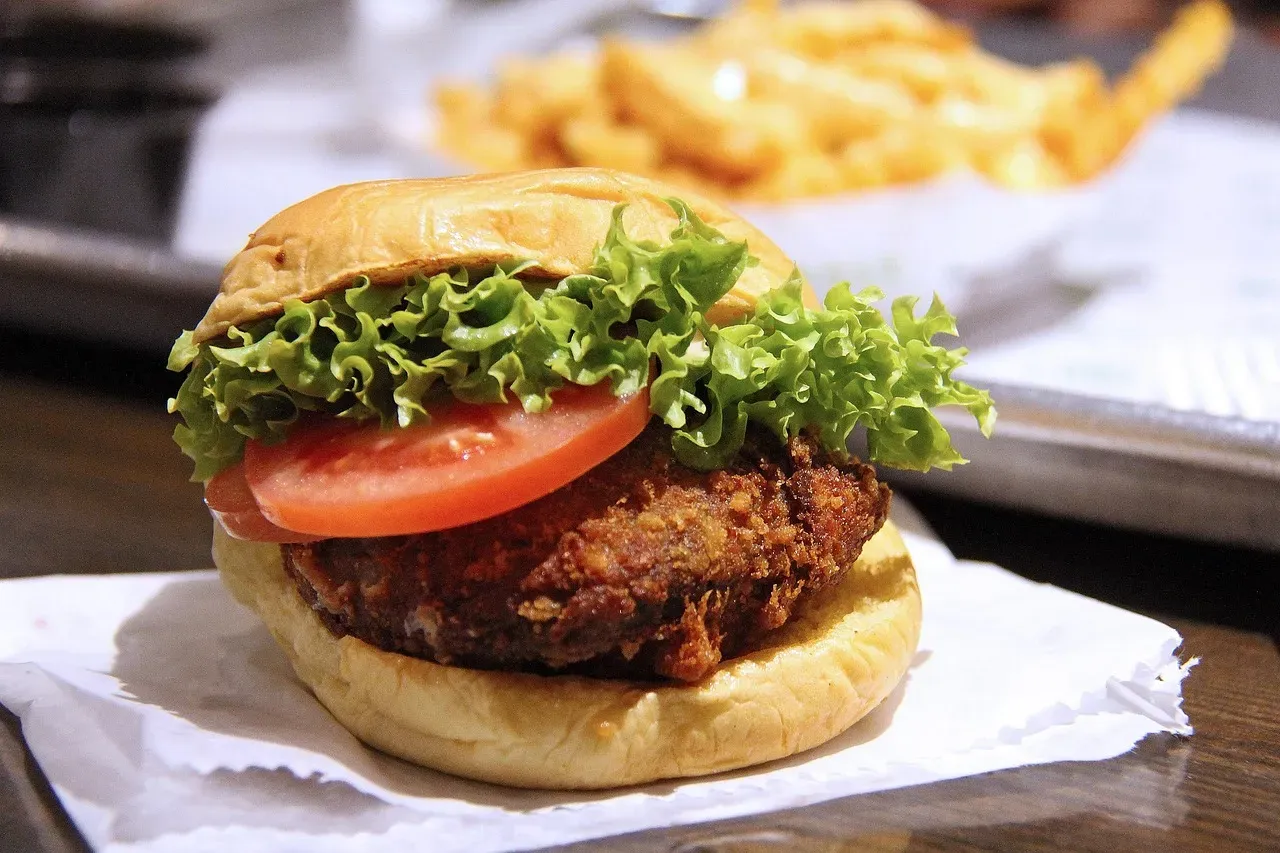
Each patty is made using only fresh, individually inspected, whole chucks from premium cattle selected especially for In-N-Out Burger, and the team of Associates removes the bones, grinds the meat and then makes each patty using only fresh, 100% USDA ground chuck – free of additives, fillers and preservatives. Most chains outsource their meat processing, but In-N-Out operates its own facilities in California and Texas.
They don’t even own a microwave or freezer, and the iceberg lettuce is hand-leafed. I know it sounds crazy, but this level of control comes with serious limitations. The reason you don’t see the fast food chain across the country is because they refuse to use frozen patties, and will only open stores within 300 miles of their patty-making facilities, which ensures the product can be delivered fresh to each restaurant every day. Their french fries are shipped right from the farm, individually cut in stores, and then cooked in 100% sunflower oil.
Panera Bread: The Clean Food Commitment (With Recent Changes)
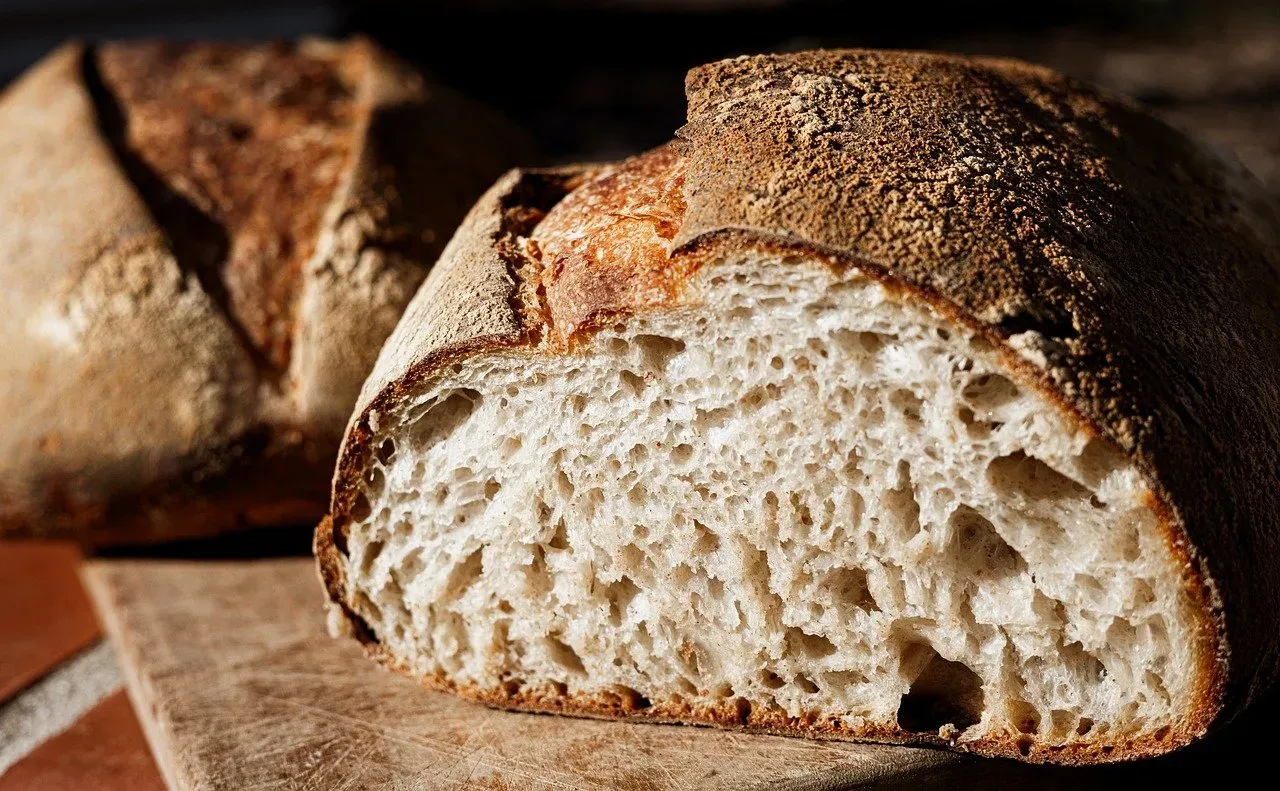
Panera built its reputation on what it called clean eating, and for years, the chain set itself apart with its aggressive stance against artificial ingredients. The chain unveiled a list of 96 ingredients it would no longer be using back in 2015 and was the first U.S. national restaurant company to publicly share such a list. On its website, Panera still touts its “No No List,” including roughly 70 prohibited additives, from certain artificial colors and flavors, to high-fructose corn syrup and artificial trans fats.
However, things have shifted recently. An April 2025 report noted that Panera was closing its traditional fresh-dough facilities in favor of a “par-baked” model, where bread is partially baked off-site by third parties and finished in-store, marking a departure from the company’s long-standing image of in-house, freshly baked products. Additionally, reports from early 2024 indicate that Panera relaxed its standards for meat sourcing, with internal documents directing the removal of signage promoting antibiotic-free and animal welfare claims. So while the “No No List” remains in effect for artificial additives, Panera’s scratch-cooking model has evolved significantly.
Raising Cane’s: Daily Fresh Preparation
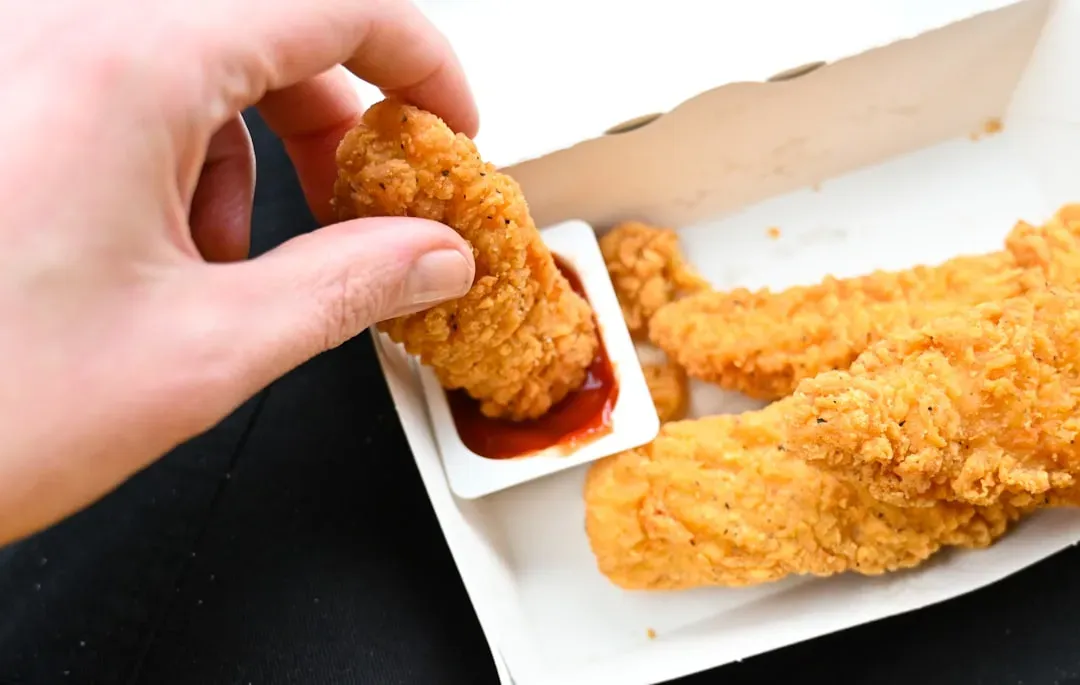
The Cane’s Sauce, coleslaw, and iced tea and lemonade are all made fresh daily in-house, and the fries and Texas toast are cooked when you order, too, although the company gets its bread and pre-cut fries from suppliers. It’s a simplified model compared to some other chains on this list, but the freshness commitment is real. The first location opened in Louisiana in 1996 and unlike competitors like Popeyes and KFC, with bone-in chicken and myriad side options, Raising Cane’s boldly sells only boneless chicken fingers and a small menu of add-ons: fries, coleslaw, and toast.
The limited menu strategy actually makes the daily prep feasible at scale. The chain saw the opening of a new store every three days on average in 2023, and in 15 brand-new markets to boot, and Raising Cane’s kept up the brisk, ambitious pace in 2024, with plans to open a total of 90 new chicken shops by the time 2024 ended. That kind of expansion while maintaining fresh daily preparation is no small feat. Honestly, most companies would have switched to frozen pre-made sauces years ago.