The Backyard Liability: 5 Popular Landscaping Trends That Make Your Home Uninsurable
You’ve spent weekends transforming your backyard into a suburban paradise. The trampoline sits proudly on fresh sod. An elegant pool sparkles in the afternoon sun. Meanwhile, your insurance company is quietly taking notes.
Here’s the thing. What makes your property Instagram-worthy could simultaneously make it an insurance nightmare. The home insurance market has become increasingly volatile, and specific landscaping choices are now red flags that carriers simply won’t overlook. Half of home insurance policyholders worry their homes will become uninsurable in the future, and roughly one quarter have already received nonrenewal notices as of 2025. The stakes have never been higher.
Trampolines: The Bouncy Threat to Your Coverage
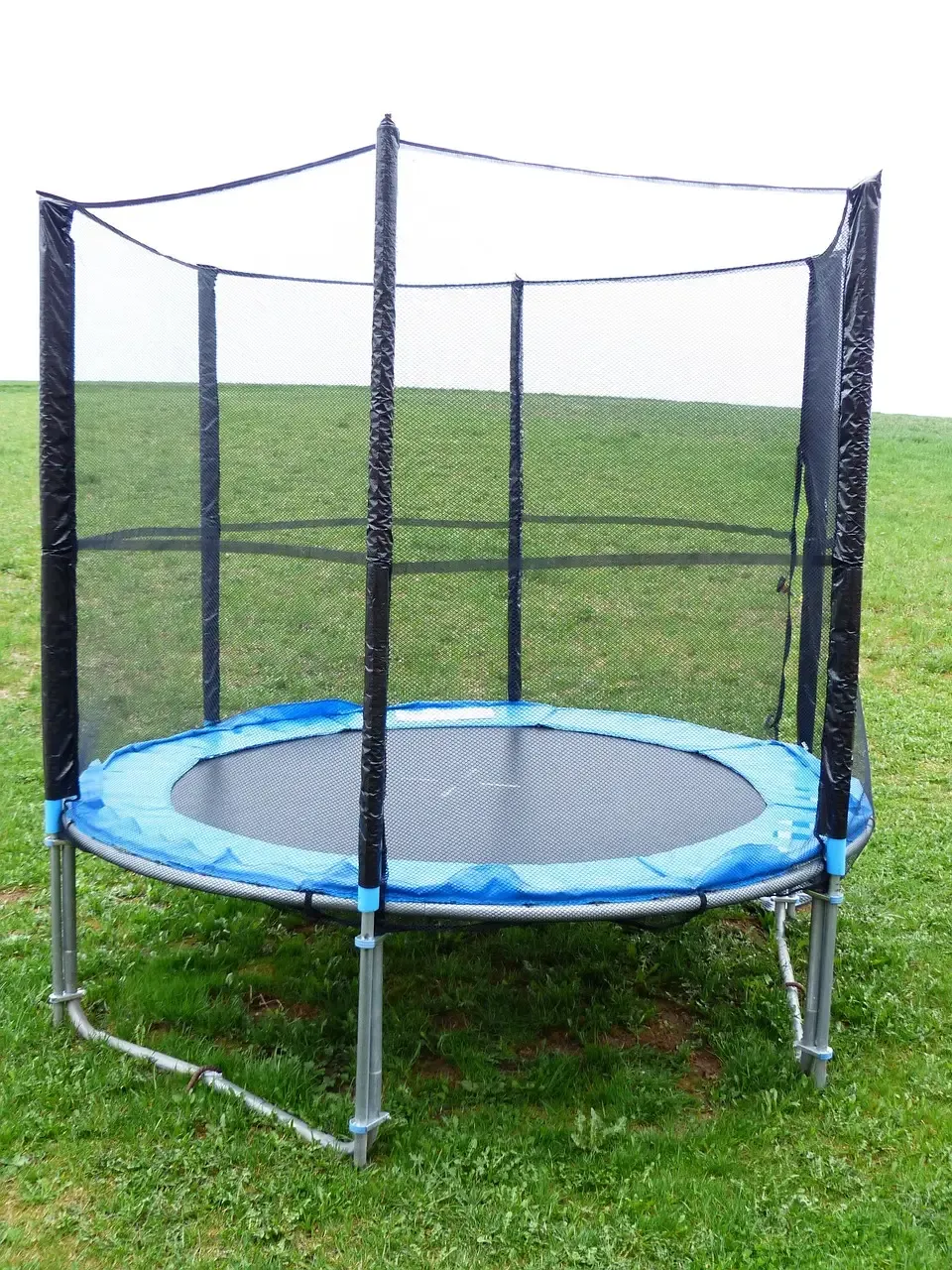
Let’s be real about trampolines. They’re magnets for lawsuits disguised as backyard entertainment. Most insurance companies do not cover trampolines because they consider them too costly due to liability risks. This isn’t just paranoia from risk-averse insurers.
One in 200 trampoline injuries results in permanent neurological damage. Think about that statistic for a moment. A trampoline is often considered an attractive nuisance, an item on a homeowner’s property that can entice and potentially endanger children. You could be liable even if neighborhood kids hop on without permission.
Some insurers will cover trampolines, but only under strict conditions. Your home insurance company may only permit a trampoline with some conditions in place, like requiring a safety net around your trampoline to keep jumpers from falling off, or stipulating that only one person can bounce at a time. If you fail to notify your insurer that you have a trampoline on your property, they could cancel or non-renew your policy and may also deny any trampoline-related claims.
Swimming Pools: Drowning in Premium Increases
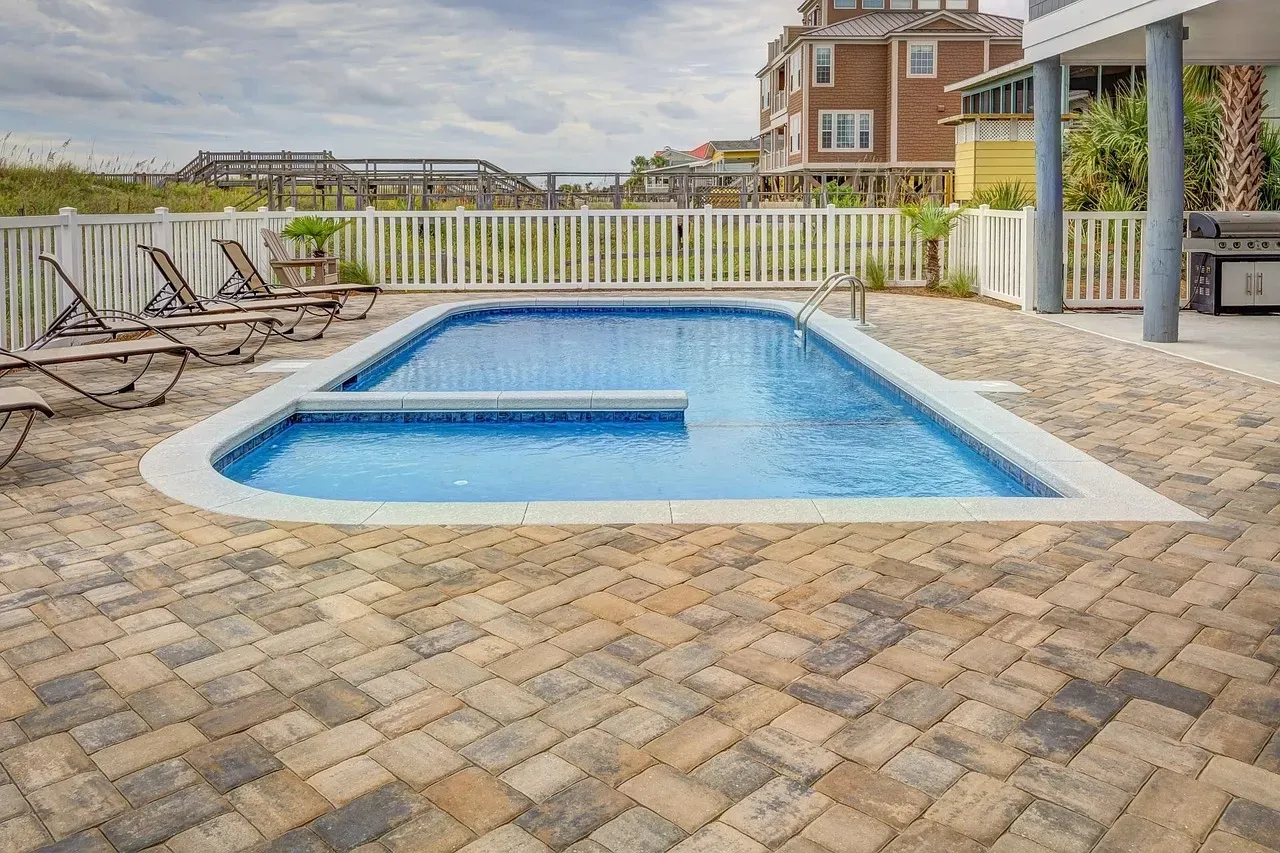
Pools represent one of the most serious insurance liabilities a homeowner can add to their property. Most homeowners insurance companies charge an additional fifty to one hundred dollars per year to cover homes with trampolines or pools, reflecting the added liability exposure. That’s actually the optimistic scenario.
The real danger with pools extends beyond just higher premiums. A standard homeowners insurance policy may offer protection often between one hundred thousand to five hundred thousand dollars, but you could be ruled ineligible if your insurer deems you haven’t taken adequate precautions to reduce risk on your property. Insurers may require you have a fence at least four feet tall with a locked gate surrounding your pool.
Without proper fencing, you’re not just violating local ordinances in many jurisdictions. You’re creating an uninsurable property feature. Swimming pools and other water features present serious hazards for children, and homeowners are liable for accidents if a child sneaks into their pool without permission and injures themselves or drowns. This liability exists whether the child had permission to be there or not.
Dead or Neglected Trees: Silent Policy Killers
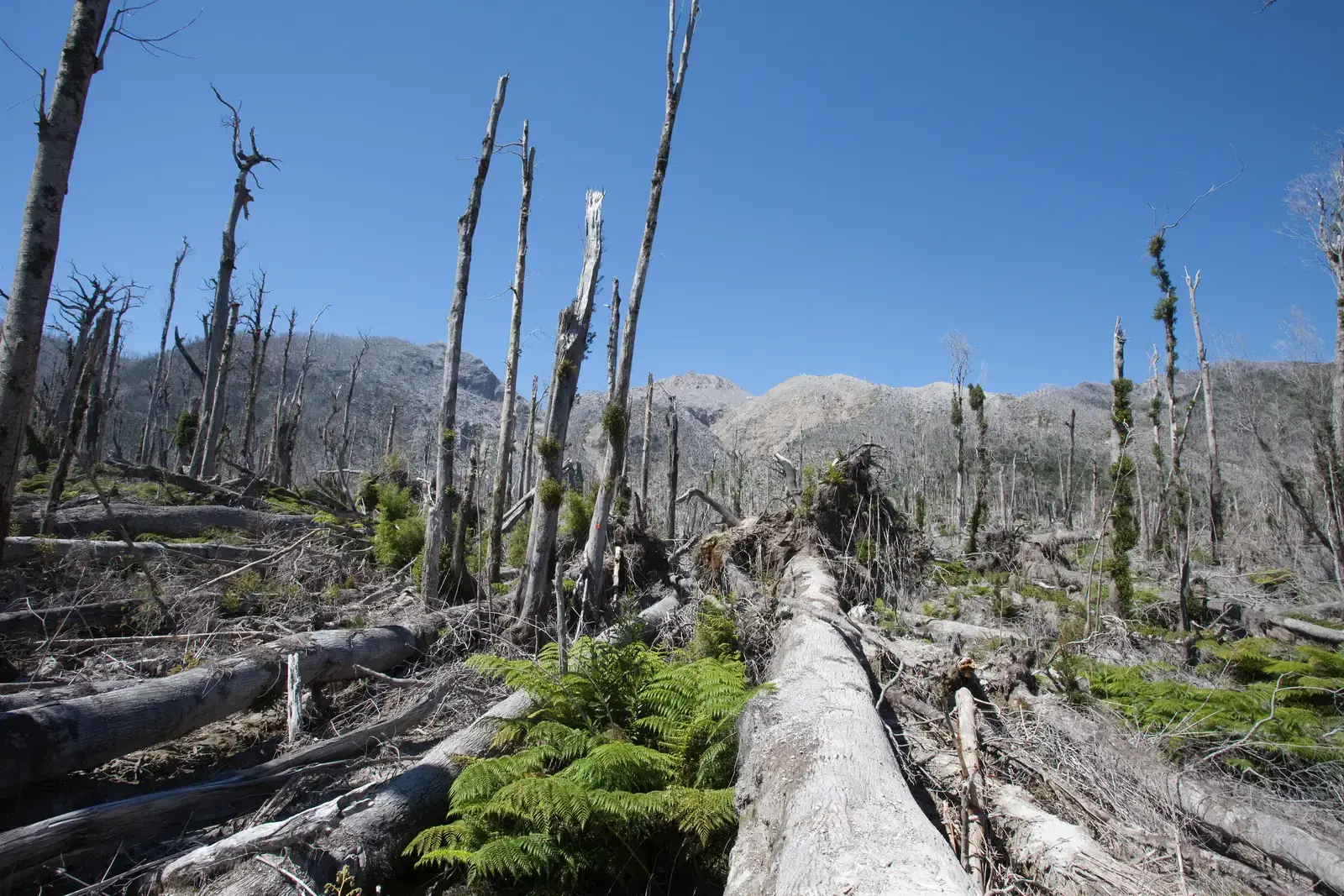
That towering oak tree leaning precariously toward your roof? It’s not just a landscaping concern. It’s a ticking time bomb for your insurance coverage. If the tree falling was due to the negligence of a dead or rotting tree, the cost of damage and removal may be your responsibility, and your homeowners insurance could deny your claim due to negligence.
Tree maintenance isn’t optional from an insurance perspective. Preventative tree removal is generally not covered by a standard homeowners insurance policy, and as a homeowner, it is your responsibility to remove diseased or rotted trees from your property. Insurance companies consider this basic home maintenance, not an insurable event.
The financial exposure goes beyond your own property. You can be held liable if the fallen tree was dead or poorly maintained, and in that case, your liability coverage may pay for your neighbor’s repairs. This means you’re responsible not only for fixing your own home but potentially funding repairs to neighboring properties. Nearly 98 percent of homeowners insurance losses were caused by property damage in 2022, with roughly 40 percent of the insured losses due to wind and hail damage, much of which involves trees.
Backyard Zip Lines: The Thrill That Kills Your Policy
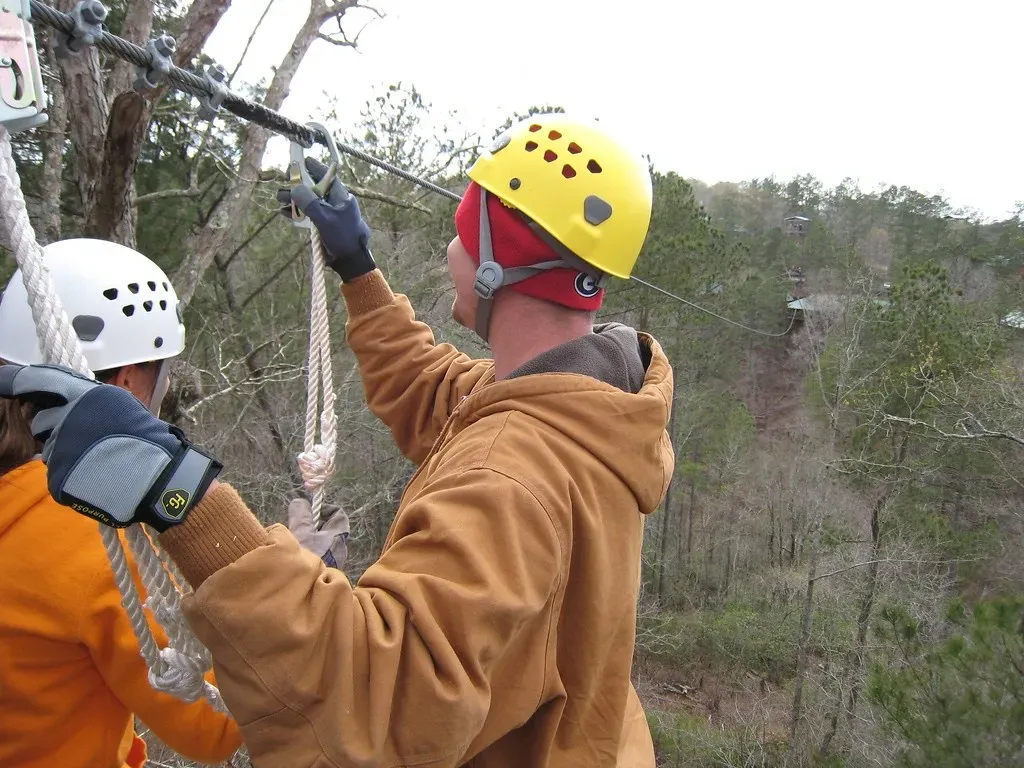
Zip lines might seem like harmless fun, but insurers see them very differently. Most homeowner policies will not cover a zip line, according to industry experts who specialize in adventure park insurance. The liability exposure is simply too extreme for standard residential policies.
Home insurance companies see zip lines as an attractive nuisance, especially if you’ll be letting guests use the one at your home, though most zip line injuries and accidents actually happen at commercial camps and courses. The fact that commercial operators require specialized liability insurance should tell you everything about how insurers view these installations.
If you’re determined to install one anyway, you should purchase liability insurance or find other means to protect your assets and those who use your zip line. You had better check your homeowner’s insurance policy for coverage related to dangerous activities on your property. Most backyard zip line owners discover too late that their standard policy offers zero protection.
Tree Houses and Elevated Play Structures: Heights of Insurance Trouble
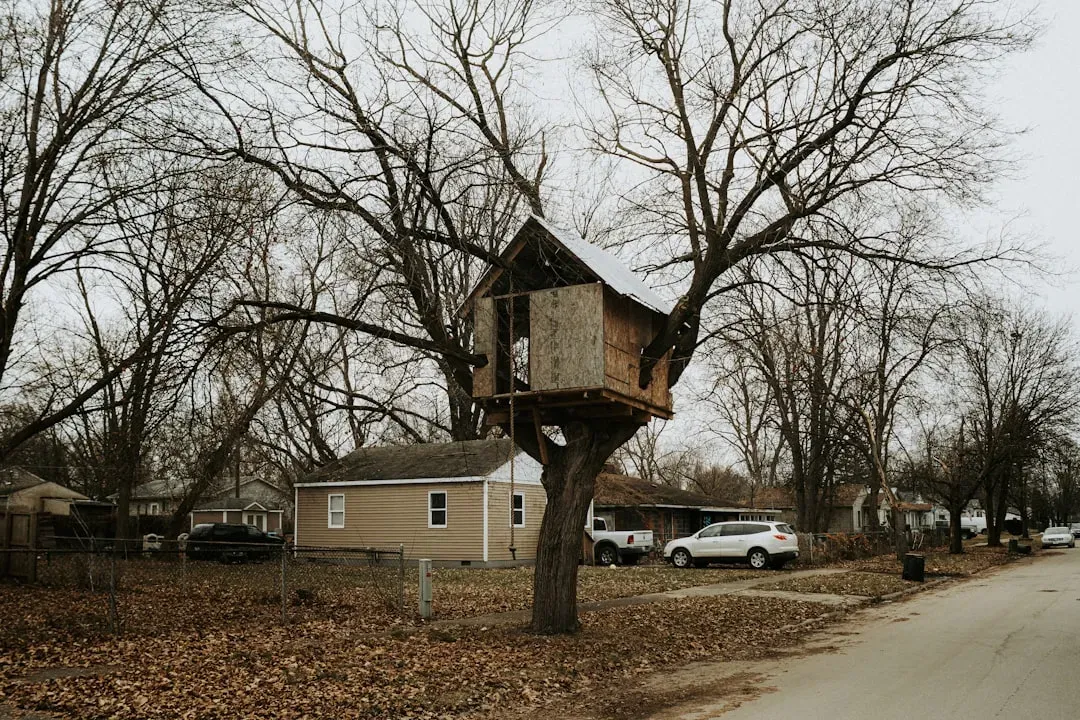
Tree houses occupy a curious middle ground in the insurance world. Exclusions are less common for tree houses than for trampolines, as tree houses are comparatively lower risk, with fewer than 2,800 children treated in emergency departments each year for tree house injuries according to the Center for Injury Research and Policy. Still, that doesn’t mean they’re insurance-friendly.
You should speak to your insurance company before building a tree house to be sure it wouldn’t violate your policy agreement or put you at risk of cancellation or nonrenewal. The attractive nuisance doctrine applies just as forcefully to tree houses as it does to pools or trampolines. Attractive nuisances are features on your property or household items that are enticing to children to use with or without permission and that pose safety hazards, with common examples including pools, trampolines, treehouses, hot tubs, ladders, tools and construction equipment.
The insurance implications become particularly severe if your tree house lacks proper construction standards or sits in a hazardous location. The safety of your treehouse starts with the sturdiness of the tree you choose, as treehouses can pose risks much more serious than splinters if a child falls to the ground or attempts to jump down from one, with about 2,800 children injured each year in some way by treehouses.
Honestly, the bigger risk isn’t the structure itself but what happens when an unsupervised child accesses it. If a neighbor or anyone else is injured in your tree house, you are responsible for their medical bills. That responsibility exists regardless of whether you gave permission for them to use it.