Former Hotel Employees Say You Should Always Turn on the Lights First
Most travelers walk into a hotel room, toss their bag on the nearest surface, and kick off their shoes without a second thought. It feels like a safe, clean space – after all, someone just cleaned it, right? Well, here’s the thing: people who have actually worked inside these rooms, housekeeping staff, floor managers, and maintenance crew, tell a very different story.
The advice they keep giving out is simple, specific, and honestly a little unsettling once you understand why. Flip every single light on the moment you step through that door. Not just the bedside lamp. All of them. What you’re about to find out might change the way you check in forever. Let’s dive in.
The First Thing Every Seasoned Hotel Worker Does
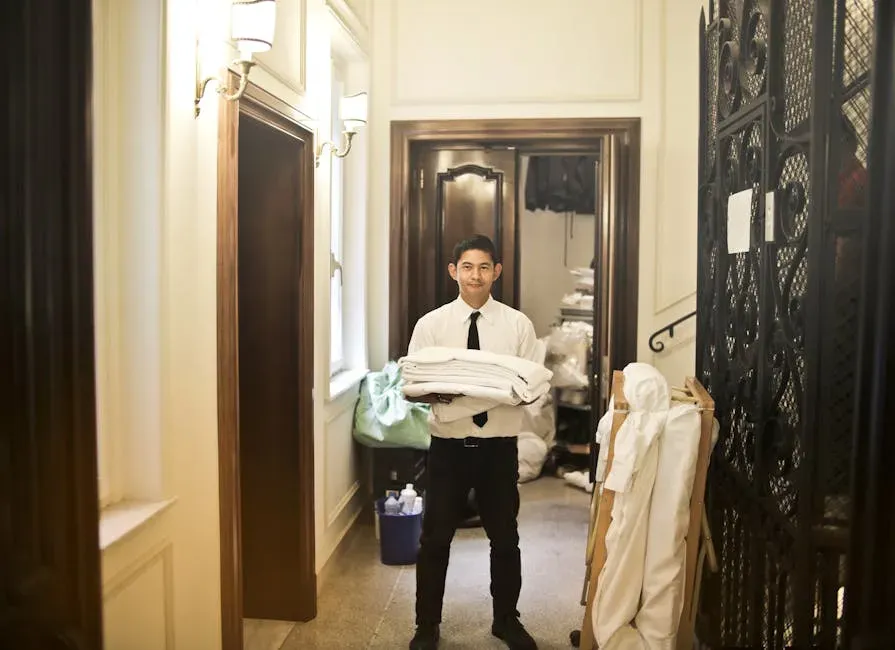
It sounds almost too basic to matter. You walk in, you hit the lights. But there is a real, practical reason professionals inside the hotel industry treat this as a non-negotiable first step. Housekeeping and inspection protocols specifically call for powering up lamps, TVs, and outlets to identify faults, burned-out bulbs, or other maintenance needs before guests arrive. The act of turning on the lights is not just about visibility – it is the beginning of a full room assessment.
Think of it like a pilot running pre-flight checks before takeoff. You do it not because you expect something to be wrong, but because you need to know if something is. Good housekeeping and good lighting are two very basic steps one can take to encourage safe behaviour and detect problems early. Former hotel employees share this advice because, from their experience, a dark room hides a surprising number of problems that a glance under fluorescent light will reveal immediately.
What the Light Actually Reveals: Pests You Cannot Afford to Ignore
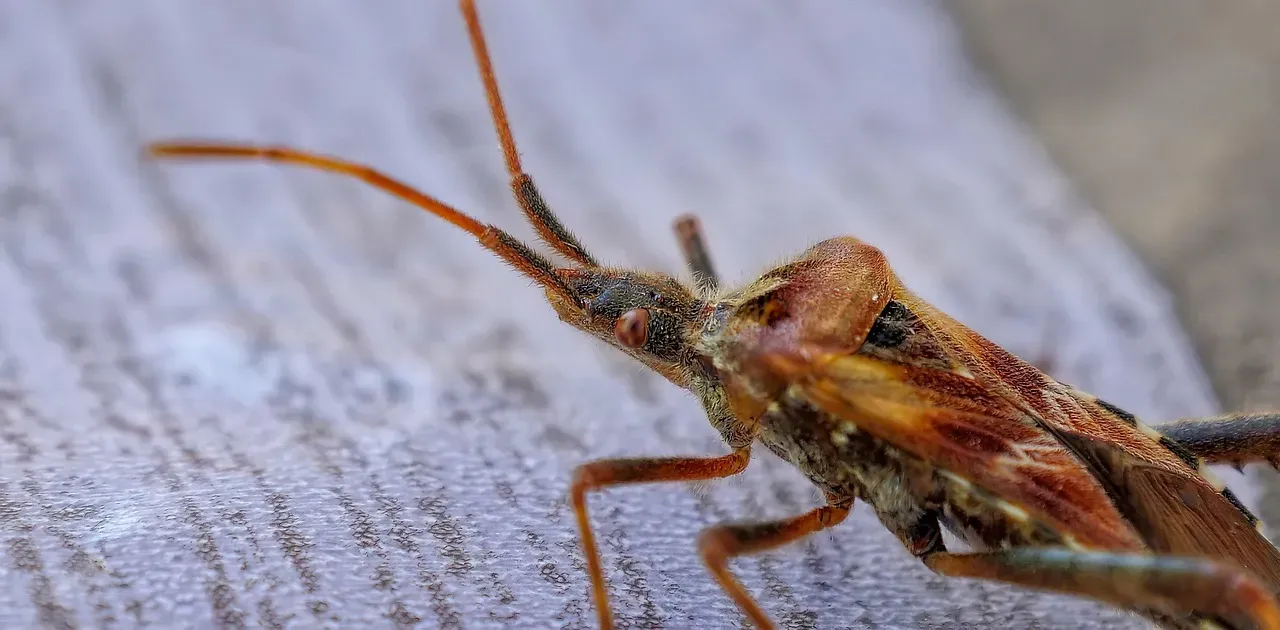
Here is where things get genuinely unsettling. A lit room exposes what a dimly-entered space lets you miss entirely: pests. Bed bugs, in particular, are a far more widespread problem than most guests want to believe. A recent survey conducted by Sleep Doctor found that 1 in 7 US travelers encountered bed bugs in 2024, and Forbes reports that 20% of those sightings happened in 5-star hotels. Your luxury upgrade does not protect you.
According to the National Pest Management Association, roughly three-quarters of pest control companies treated bed bugs in hotels and motels during 2024, and early detection reduces infestation spread by around 80%, making guest inspection critical. That figure alone should convince you to pause before dropping your luggage on the bed. Professional pest control experts recommend spending 5 to 10 minutes on systematic room inspection, focusing on areas where bed bugs typically hide during daylight hours, as these nocturnal pests actively avoid light and human activity.
Approximately 70% of the time, bed bugs are found around the bed near where guests sleep, though staff should remain alert to sofas, chairs, and nightstands as well. Bright lighting makes the dark spots, rust-colored stains, and tiny shells visible on mattress seams and headboards. Without the lights on, you are simply not seeing what is there.
The Invisible Threat: Bacteria on Every Surface You Touch
Turning on the lights is also about more than pests. It is the first step toward assessing which surfaces need immediate attention before you touch them. Research has painted a fairly alarming picture of what lives on hotel room surfaces. Top hotspots for bacteria in hotels include bathroom sinks and floors, main light switches, and TV remotes. The remotes alone racked up a mean of 67.6 colony-forming units of bacteria per cubic centimeter squared, while hospital cleanliness studies recommend a maximum of just 5 CFU per cubic centimeter squared.
The main light switches in tested hotel rooms were actually worse, with a mean of 112.7 CFU for aerobic bacteria. I know it sounds crazy, but the very switch you reach for the moment you enter is one of the germiest objects in the room. Within an hour of contamination, viruses can transfer from hotel surfaces to guests’ fingertips in over 60% of instances, then spread further to door handles, light switches, remotes, and other surfaces.
Less thought about is what lives on the hotel room desk, bedside table, telephone, kettle, coffee machine, light switch or TV remote, as these surfaces are not always sanitized between occupancies. Turning the lights on at least ensures you can see which surfaces look questionable and should be wiped before use.
Lighting Exposes What Cleaners Miss (Not Always Their Fault)
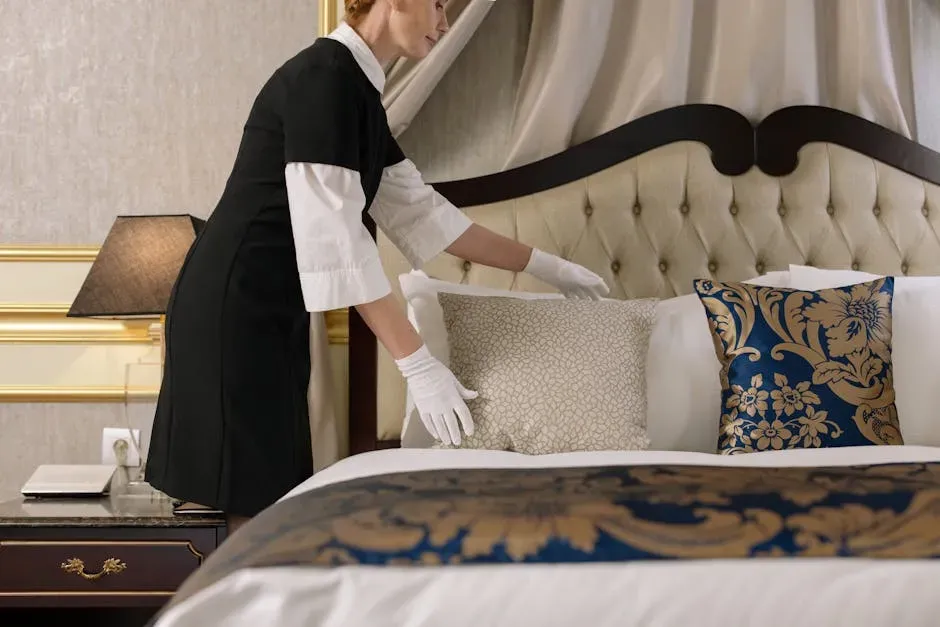
Let’s be real: hotel housekeepers work under enormous time pressure. Housekeepers typically clean 14 to 16 rooms per 8-hour shift, spending approximately 30 minutes on each room, and identifying high-risk items within a hotel room would allow housekeeping managers to strategically design cleaning practices and allocate time more effectively. Thirty minutes to turn over an entire room. Something is going to get missed.
Typically, assessment of hotel room cleanliness is based on sight and smell observations, not on the invisible microbiology of the space, which is where the real infection risks reside. Bright overhead lighting lets guests visually check what a rushed cleaning cycle might have skipped. Because housekeeping teams have to clean many rooms in a day, there is the risk of cross-contamination, as dirty mops, sponges and towels can help germs travel from one room to another.
One study examining 36 bacteria samples across nine hotels found the germiest surfaces to be the bathroom counter and remote control, each registering roughly 1.2 million colony-forming units per square inch, followed closely by the desk at over 600,000 CFU. Seeing these surfaces clearly under light is simply your first line of defense.
Lighting and Personal Safety: More Than Just Germs
The advice to turn on the lights is not only about biology. There are personal safety dimensions that former hotel staff are quietly emphatic about. Rooms with outdoor or balcony access should have maximum exterior lighting checked, because most ill-intentioned individuals tend to strike in the darkest areas. A fully-lit room lets you do a proper sweep, check under beds, inside closets, and behind doors before you settle in.
Industry safety checklists specifically ask whether all lighting in corridors, staircases, and exterior areas is fully operational, and whether hotel security locks are functioning properly for guest rooms. These are questions staff are trained to verify. Guests who flip all the lights on are essentially running the same check for themselves. Maintenance staff are trained to properly handle and maintain systems like fire alarms, sprinkler systems, and emergency lighting, with regular inspections and servicing recommended to prevent accidents. But between inspections, a guest who checks their own lighting is protecting themselves.
The Bedspread, the Carpet, and What You See Under Bright Light
Experienced hotel workers will also tell you that the room’s soft furnishings often reveal their true condition only under strong light. Outside the bathroom, carpeting and the bedspread are two soft surfaces to watch out for. Hotels change sheets and towels before new guests arrive, but many do not frequently wash their bedspreads. Stains, hairs, and debris that are invisible in soft lamp light can become obvious under a bright overhead fixture.
While sheets and pillowcases may be more likely to be changed between occupants, bedspreads may not, meaning these fabrics can become invisible reservoirs for pathogens, as significant in terms of contamination as a toilet seat. That is not a comfortable comparison. Higher-status hotels tend to have more frequent room usage, and a more expensive room at a five-star hotel does not necessarily mean greater cleanliness, as room cleaning costs reduce profit margins. Wherever you are staying, experts advise taking antiseptic wipes and using them on the hard surfaces in your hotel room.
The Simple Habit That Changes Everything About Your Hotel Stay
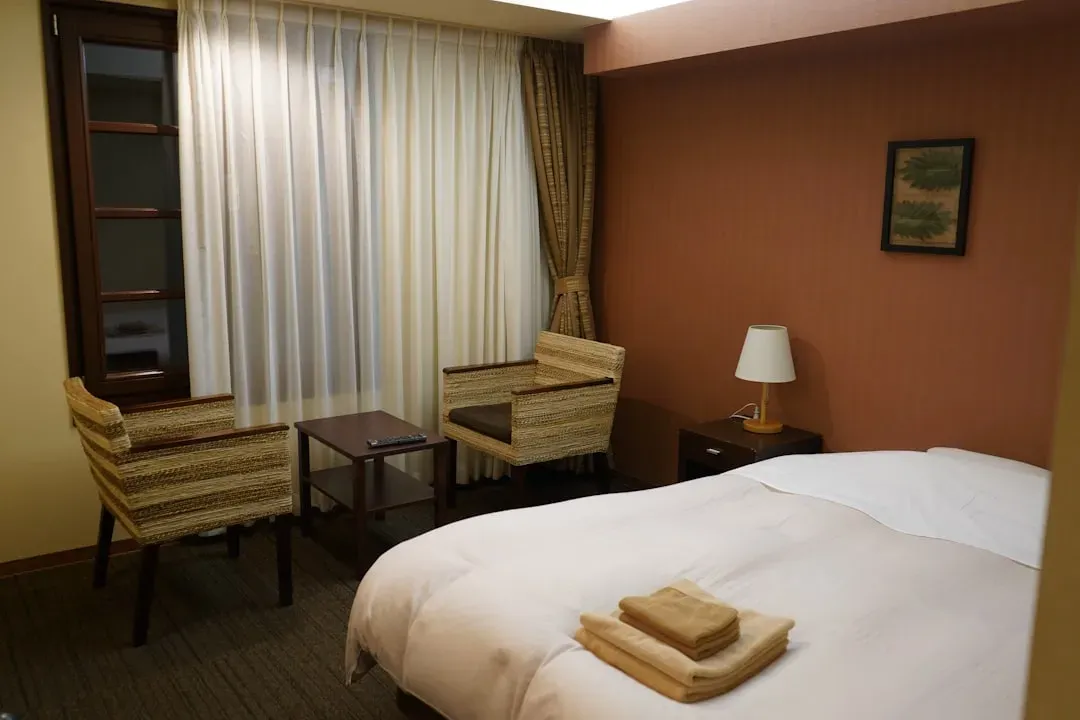
Here is the takeaway that former hotel workers keep coming back to: a single, deliberate habit performed in the first ten seconds after entering a room can protect you from a surprising range of health and safety risks. Only about 29% of Americans can correctly identify bed bugs, and just 28% of Americans check their hotel rooms for bed bugs before staying overnight. That means the vast majority of travelers are walking into a room blind, without even performing the most basic inspection.
When you first enter your hotel room, resist the urge to immediately unpack or place your belongings on the bed. Instead, place your luggage in the bathroom or on a hard luggage rack away from carpeted areas before doing anything else. Then turn on every light. Check the mattress seams. Look at the soft furnishings. Run a wipe across the remote. Hotels are increasingly implementing advanced technologies such as UV-C light disinfection systems and air purifiers to enhance cleanliness, as these solutions can help eliminate harmful pathogens and provide an extra layer of protection for both guests and employees. Technology is improving, but no system replaces an alert, informed guest.
The whole process takes maybe five minutes. Honestly, it is the best five minutes you will spend before unpacking. Former hotel workers did not share this advice to frighten you away from traveling. They shared it because they know exactly what gets missed, what gets overlooked, and what you simply cannot see in the dark.
What would you check first in your next hotel room now that you know what the light reveals? Tell us in the comments.