9 Leftovers You Should Avoid Keeping, Freezing, or Combining (Even Though Many Families Do)
Most of us grew up in households where saving leftovers was a sign of responsibility. Toss plastic containers into the fridge, wrap things in foil, mix last night’s rice with today’s vegetables – it all felt perfectly sensible. Economical, even. The problem is that quite a few of these habits, passed down quietly from generation to generation, are genuinely dangerous.
Food safety science has come a long way, and the gap between what families actually do and what health authorities actually recommend is wider than most people realize. The foods on this list are not exotic or unusual. They sit in your fridge right now. Some of them might make you genuinely rethink your kitchen routine. Let’s get into it.
1. Leftover Cooked Rice – The Silent Threat in Your Fridge
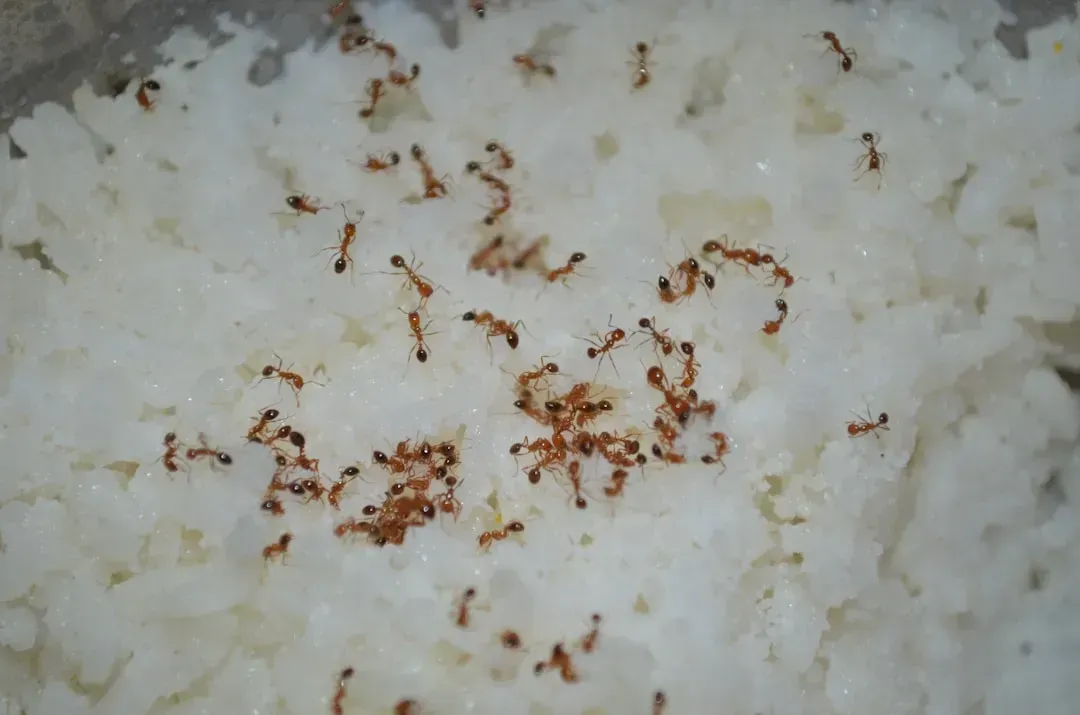
Here’s a fact that surprises nearly everyone: rice is one of the riskiest things you can keep as a leftover. Rice seems harmless, but it is one of the most dangerous leftovers when stored improperly. According to the UK’s National Health Service, rice can harbor Bacillus cereus, a toxin-producing bacterium that survives cooking and thrives at room temperature.
If rice is left out for more than two hours, it becomes a breeding ground for foodborne illness. Reheating does not destroy the toxins. That last part is the kicker. You cannot cook your way out of this one. The toxin is already there, locked in, waiting.
Rice can carry Bacillus cereus, a bacteria that survives cooking and multiplies quickly if rice sits at room temperature too long. The condition even has a name in food safety circles – “reheated rice syndrome.” If you must save rice, refrigerate it within an hour and reheat it only once. Many people forget this step, which is why leftover rice has such a bad reputation.
It is believed that uncooked rice contains bacterial spores that often cause food poisoning. When you keep the cooked rice unrefrigerated at room temperature, these spores undergo rapid multiplication. Reheating will do the spores no harm. Smaller portions cooked fresh each time is simply the smarter approach.
2. Baked Potatoes Stored in Aluminum Foil

This one might shock you. Millions of families wrap their leftover baked potatoes in foil before sliding them into the fridge. It feels like the natural thing to do. The foil keeps them tidy, contained, easy to deal with later. Unfortunately, it also creates the perfect conditions for one of the most dangerous bacterial toxins known to science.
The good news is that botulinum bacteria need a low-oxygen environment to grow and thrive. The bad news is that when you wrap your potato in aluminum foil to bake, the potato is now in a low-oxygen environment. Potatoes should never be left at room temperature. When stored improperly, they can promote the growth of Clostridium botulinum, a bacterium that causes botulism, which can lead to paralysis or even death.
In April 1994, the largest outbreak of botulism in the United States since 1978 occurred in El Paso, Texas. Thirty persons were affected and four required mechanical ventilation. All ate food from a Greek restaurant. The attack rate among persons who ate a potato-based dip was 86%. Toxin formation resulted from holding aluminum foil-wrapped baked potatoes at room temperature for several days before they were used in the dips.
If you use aluminum foil, remove the foil directly after baking to prevent botulinum bacteria from growing. Do not place a baked potato in the refrigerator with the aluminum foil still on it. Simple habit change, enormous difference in safety.
3. Leafy Green Salads That Have Already Been Dressed
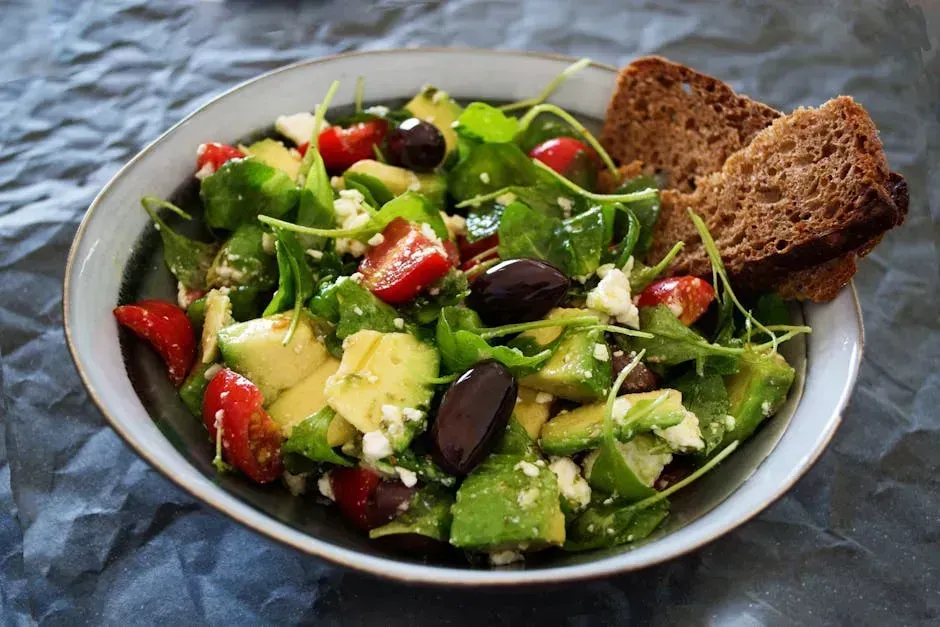
Dressed salad is arguably one of the saddest things you can pull out of the fridge the next morning. Everyone has done it. You plate up a fresh bowl of greens, drizzle on the dressing, then realize you made way too much. Into the container it goes. Into the fridge. And the next day? Pure, soggy defeat.
Leafy greens wilt and degrade rapidly once dressed, and a 2021 Journal of Food Protection study found that moist, oxygen-rich environments – like leftover salads – are ideal for bacterial growth. Soggy lettuce becomes a slippery mess, losing nutrients along the way. Dressings separate, and the texture becomes slimy.
Leftover salad is rarely salvageable. Even refrigerating does not fix the structural collapse. The greens lose their bite, their freshness, and their appeal. It is better to store greens and dressing separately if you want leftovers.
Honestly, a dressed salad is one of those things that just belongs in the moment. Think of it like a sandcastle – impressive when fresh, a sad ruin an hour later. Store your greens undressed and add the dressing right before eating. Done.
4. Reheated Eggs
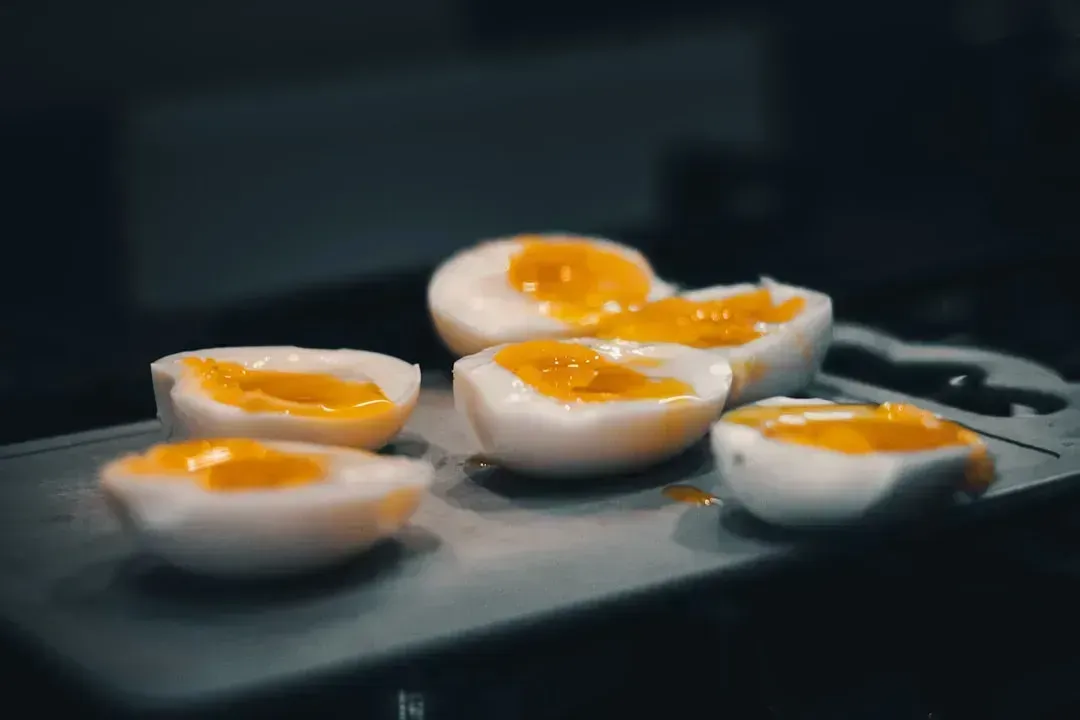
Scrambled eggs are one of the most commonly reheated items in family kitchens. You make a big batch for Sunday breakfast, tuck the rest away, and microwave them Monday morning. Convenient, sure. Smart? Not really. Both the safety and the flavor suffer significantly when eggs go through a second heat cycle.
Eggs are susceptible to temperature changes, and improper storage increases the risk of salmonella. Food safety research from the USDA indicates that eggs become unsafe quickly when held at room temperature because bacteria multiply fast in the protein-rich environment. Scrambled and soft-boiled eggs degrade in texture and flavor almost instantly. Reheating them can further denature the proteins, making them rubbery.
Eggs, regardless of whether they are scrambled, fried, hard-boiled or cooked in some other way, should not be reheated. Eggs come with the same warning as several other foods: when cooked and left out, they are particularly prone to spoilage. Hard-boiled eggs carry an additional caveat: microwaves will cause them to build up steam at an alarming rate. The steam will remain trapped inside the egg until it is removed from the microwave, whereupon it can explode.
Scrambled, boiled, or baked – reheated eggs can turn rubbery and may release sulfur compounds, altering taste and texture. The safest bet is simply cooking eggs fresh. They take three minutes. It is not a hardship.
5. Leftover Seafood and Shellfish
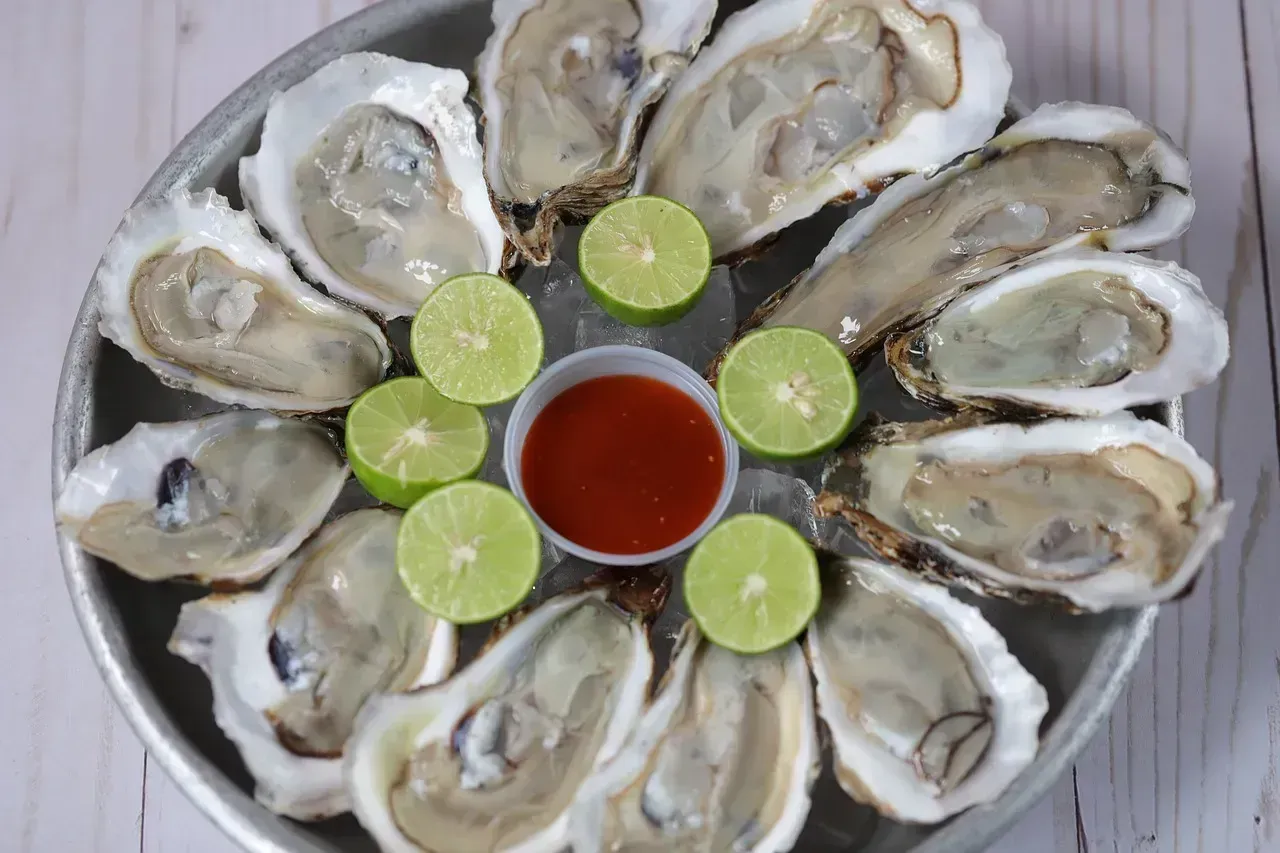
Let’s be real. Leftover fish is rarely appetizing even from a sensory standpoint – the smell alone in a shared office microwave is practically a criminal offense. Putting the social awkwardness aside, the actual food safety risks around stored seafood are serious and well-documented.
Seafood spoils faster than most proteins, and studies from the FDA highlight how temperature fluctuations dramatically increase bacterial growth in fish and shellfish. Leftover seafood often smells off even before it becomes visibly spoiled. Its texture deteriorates quickly, turning mushy or rubbery.
Seafood is delicate and should not be reheated. When reheated, the proteins in fish and shellfish degrade, leading to a loss of flavor and texture. Additionally, histamines can form during reheating, which can cause food poisoning symptoms such as nausea and vomiting.
Because seafood is so delicate, improper storage is a common cause of foodborne illness. It is safer to cook smaller portions or enjoy seafood fresh. Think of fish like a cut flower – it is glorious fresh and deteriorates fast. Respect that and cook what you will actually eat in one sitting.
6. Spinach, Celery, and Other Nitrate-Rich Vegetables
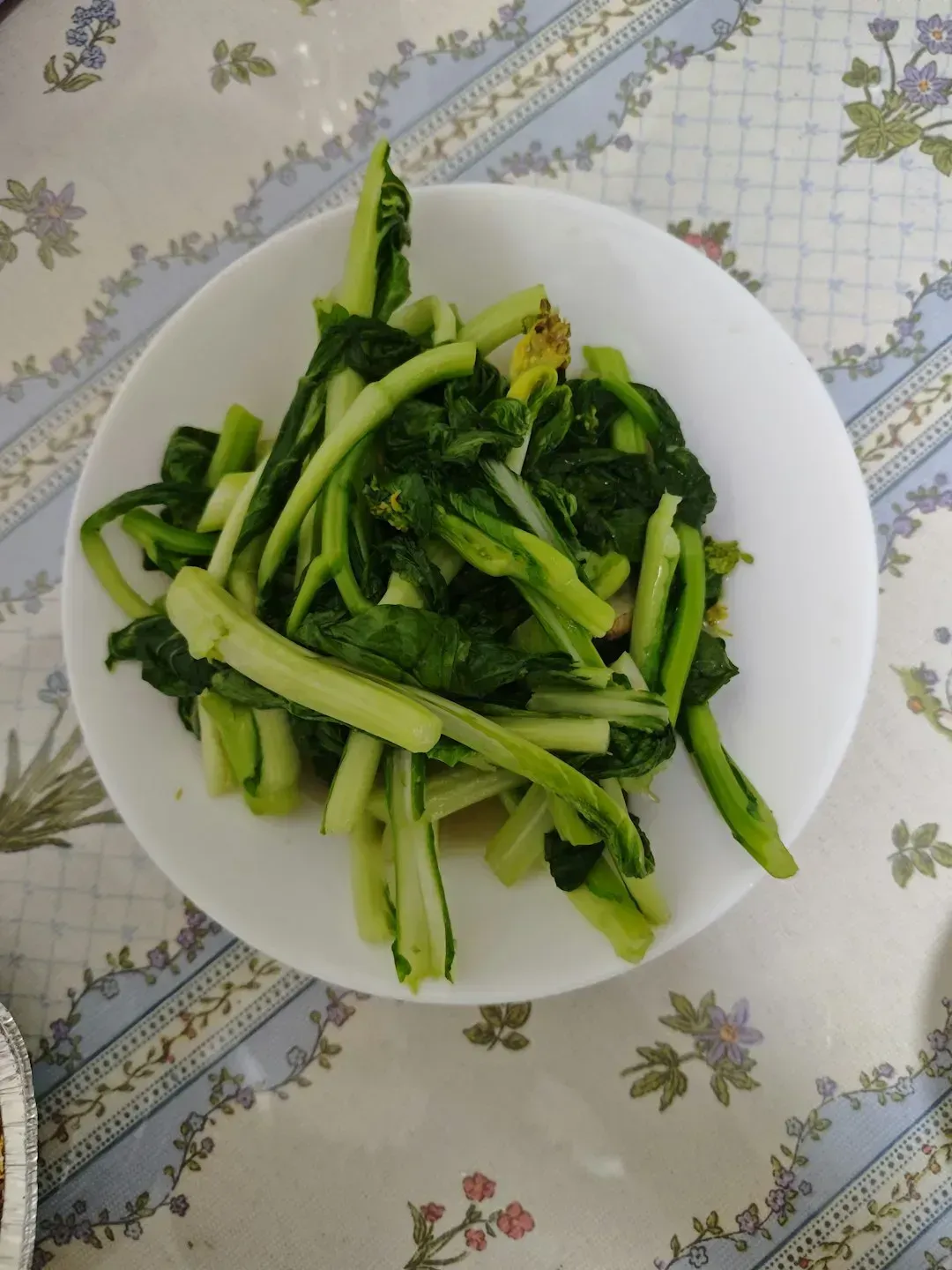
This is one of those food safety topics that most families have genuinely never heard of, and yet the risk is real and backed by solid research. Spinach, celery, beets, carrots, and turnips are all rich in naturally occurring nitrates. This is not a problem when they are eaten fresh. Keeping and reheating them is a different story entirely.
Spinach and celery are both commonly used in soups and are rich in nitrates. When you reheat the soup to make it more palatable, the nitrates present in the ingredients are converted to nitrites. Nitrite is carcinogenic in nature and is actually toxic to the body.
While reheating leftover spinach might not give you food poisoning, it could increase your risk of cancer. Spinach is high in nitrates and, under the right circumstances, nitrates form nitrosamines, a chemical known to increase cancer risk. Higher nitrate levels have also been connected to nutrient deficiencies and increased risk of kidney stones. The initial cooking process and then reheating spinach can both increase the amount of nitrates in the food, as can long storage times.
A study published in the scholarly journal Foods recommends not storing boiled spinach for more than 12 hours at room temperature if you want to avoid a “direct nitrate safety risk” and adverse health effects. If you have leftover soup loaded with spinach, eat it cold or add the greens fresh at the point of reheating instead.
7. Fried Foods – The Texture and Toxin Problem
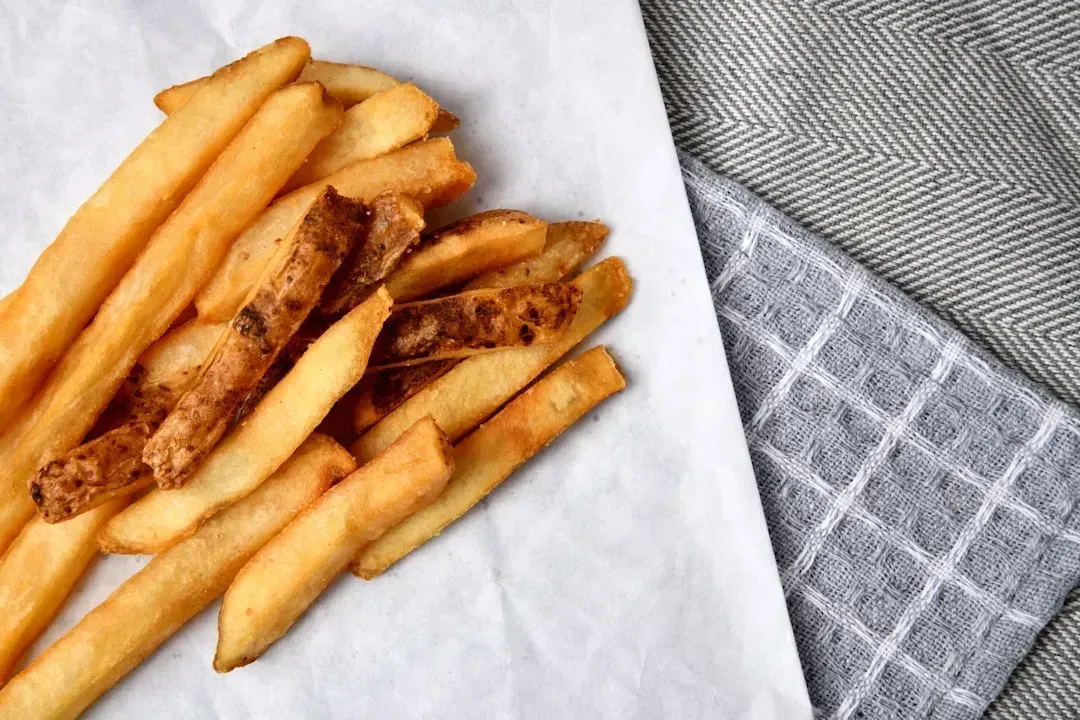
It is hard to imagine anyone genuinely enjoying leftover fried chicken or cold french fries straight from the fridge the next morning, and yet countless families box them up anyway. The hope is that a microwave or air fryer will perform a miracle of restoration. Usually, it does not. Worse than the texture collapse is what actually happens to the oil itself.
Fried foods become mushy, rancid, or texturally tragic when stored as leftovers. The oils break down quickly, giving food an off flavor. The crispy coating turns limp no matter how you reheat it.
Reheating and using leftover cooking oil might negatively impact brain health. A study found that frequent use of deep-fried oil, particularly reused deep-fried oil, has been linked with neurodegeneration, higher levels of oxidative stress, liver inflammation, high cholesterol, and colon damage in animal studies, as noted in the Journal of Biological Chemistry. Reheated oils become more and more unstable with each use and release more toxins that result in negative health effects.
Fried foods like french fries and fried chicken lose their crispiness and become soggy when reheated. The oils used in frying can break down and release toxins that increase the risk of heart disease. At that point, you are not saving money – you are paying a health cost for a meal that does not even taste good. Just cook fresh.
8. Processed Meats Reheated Multiple Times
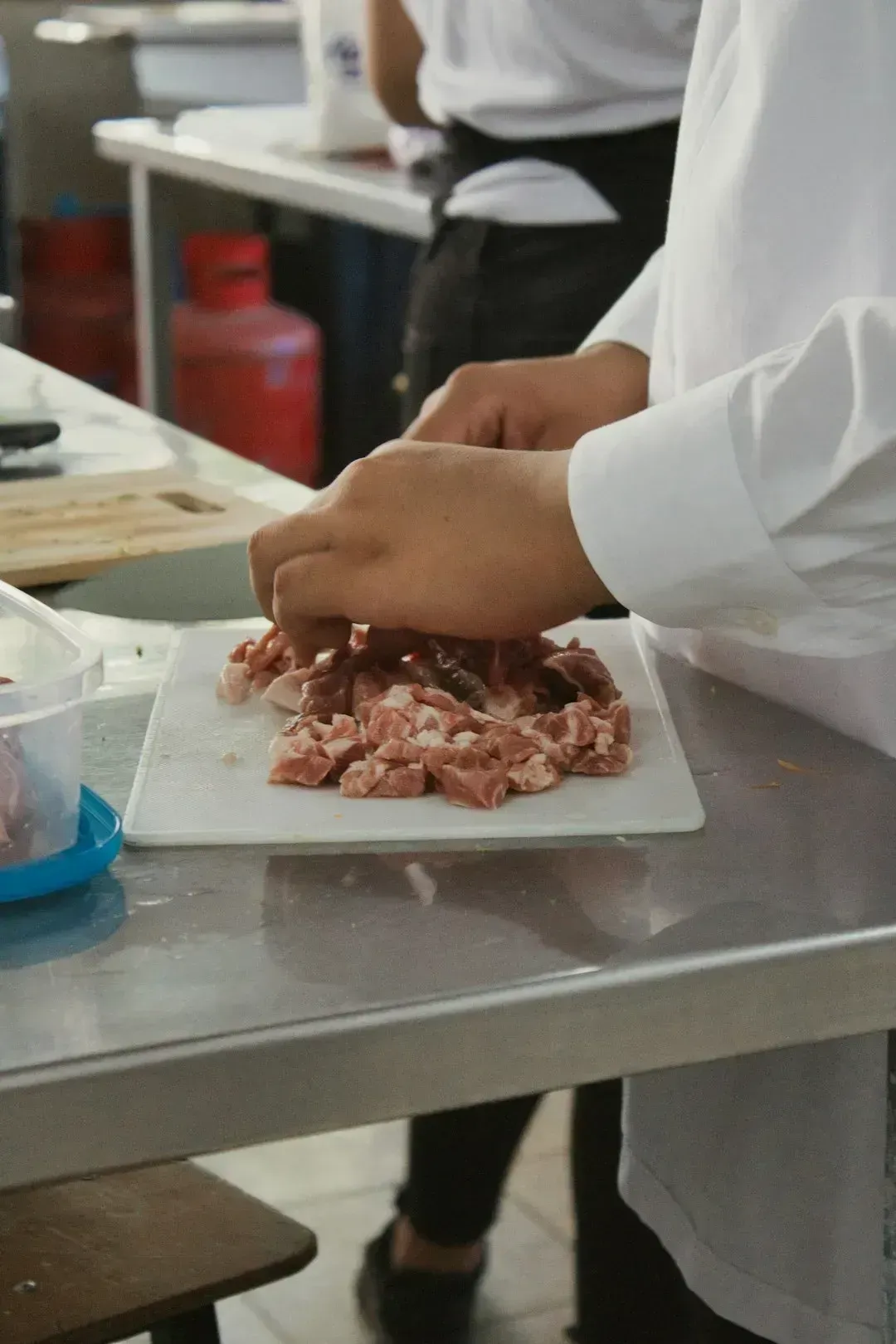
Cold cuts, deli ham, packaged turkey slices, pepperoni – these are all processed meats that many families keep on hand for quick meals. The habit of tossing them into a hot pan or the microwave to warm them up seems totally innocuous. It is not. Processing already introduces a set of chemicals into these meats, and heat makes that situation worse.
Processed meats often have preservatives added to keep them fresher longer. Unfortunately, microwaving these chemicals can allow COPs, or cholesterol oxidation products, to form – and COPs have been associated with coronary heart disease. The quick heating process that a microwave offers significantly contributes to the oxidization of cholesterol.
Processed meats contain preservatives that can produce carcinogenic compounds when exposed to high heat. Additionally, reheating increases the risk of bacterial growth in both. Store cooked chicken and deli meats properly, consume them within 24 to 48 hours, and avoid reheating them multiple times.
It is a category of food that already sits at the more cautious end of nutrition guidance. Adding repeated heat cycles into the picture only compounds those concerns. Serve them cold, use them in fresh dishes, or skip the leftover step altogether with processed meats.
9. Combining Old and New Leftovers in the Same Container
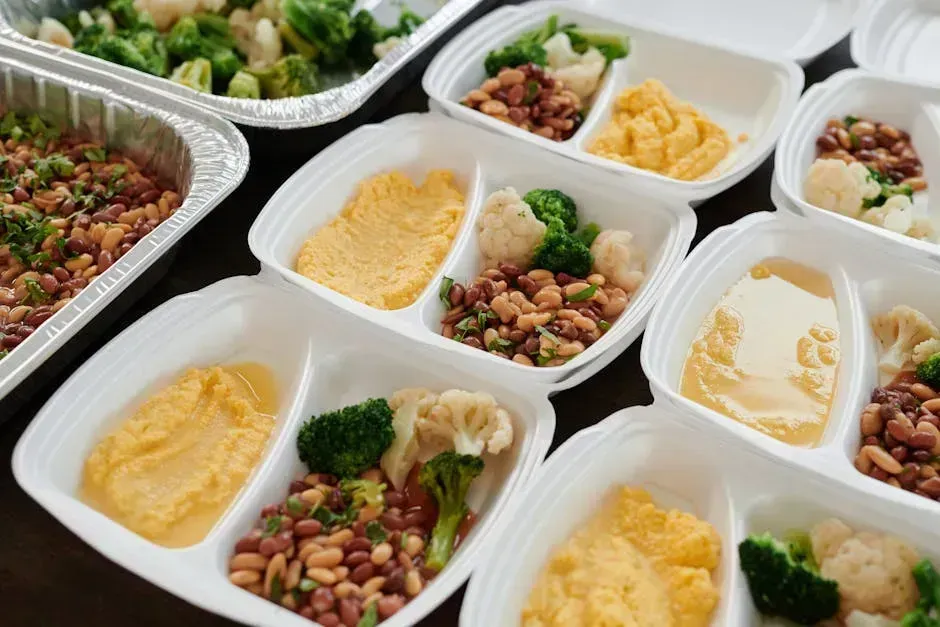
This is perhaps the most universal kitchen habit of all. You made a stew on Monday, and on Wednesday you have some extras. So you open the same container and add the new batch right in. Same dish, so what is the problem? The problem is that mixing food at different stages of their shelf life resets the clock in the worst possible way.
Cross-contamination is the transfer of harmful bacteria to food from other foods, cutting boards, and utensils, and it happens when they are not handled properly. This is especially true when handling raw meat, poultry, eggs, and seafood, so keep these foods and their juices away from already cooked or ready-to-eat foods.
If you plan to mix leftovers with other foods, the new meal should not be stored again as leftovers. That single sentence from food safety guidelines basically sums up the entire risk. Combining leftovers created on different days introduces bacteria from the newer food into the older food and vice versa, creating a combined batch with an unreliable and unpredictable safety window.
Leftovers can be kept in the refrigerator for 3 to 4 days or frozen for 3 to 4 months. That clock starts from the day the oldest food in the container was cooked. There is a persistent myth that leftovers are safe to eat if they look and smell okay. Most people would not choose to eat spoiled, smelly food. However, the types of bacteria that do cause illness do not affect the taste, smell, or appearance of food. You simply cannot tell by looking. Separate containers, labeled with dates, are always the right call.
What would you change about how your family handles leftovers? Tell us in the comments.