6 Things You’re Not Legally Allowed to Dump on Your Driveway (But People Do Anyway)
Most homeowners assume their driveway is their turf – and that what happens on it is their own business. The reality is more complicated, and often more expensive to find out the hard way. The dumping of garbage, household appliances, construction and demolition debris, hazardous materials, and other waste endangers public health, which is why states have enacted a variety of laws designed to address the problem. Some of those laws cover what you might casually set down, drain, or pile up right in your own driveway. Here are six things that are legally off-limits – yet routinely done anyway.
1. Used Motor Oil
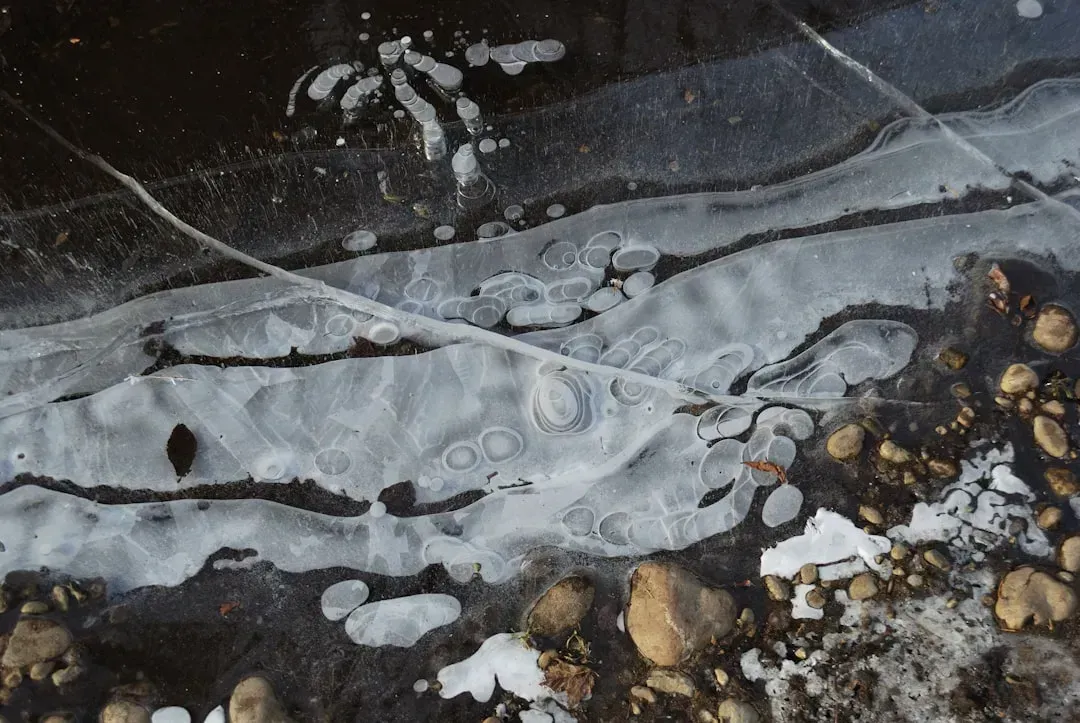
Draining your engine oil and letting it soak into the driveway or ground is one of the most commonly committed environmental violations in residential areas. It feels harmless in the moment, but the science tells a very different story. One quart of used motor oil can contaminate a quarter of a million gallons of water. That’s not a typo – a single quart. The oil seeps through pavement cracks, enters soil, migrates toward drainage systems, and can eventually reach groundwater supplies used for drinking.
Dumping any amount of used motor oil onto the ground is a felony offense in Texas, punishable by up to two years in a state jail and a $10,000 fine. Illegally dumping car oil in New York City results in a fine between $1,500 and $20,000. The Resource Conservation and Recovery Act protects communities from large volumes of hazardous waste, while the Clean Water Act rules that any person who negligently or knowingly dumps oil into a body of water in the United States may face jail time and heavy fines. The legal options for disposal are widely available – auto parts stores accept used oil for recycling at no charge in many states.
2. Old or Scrap Tires
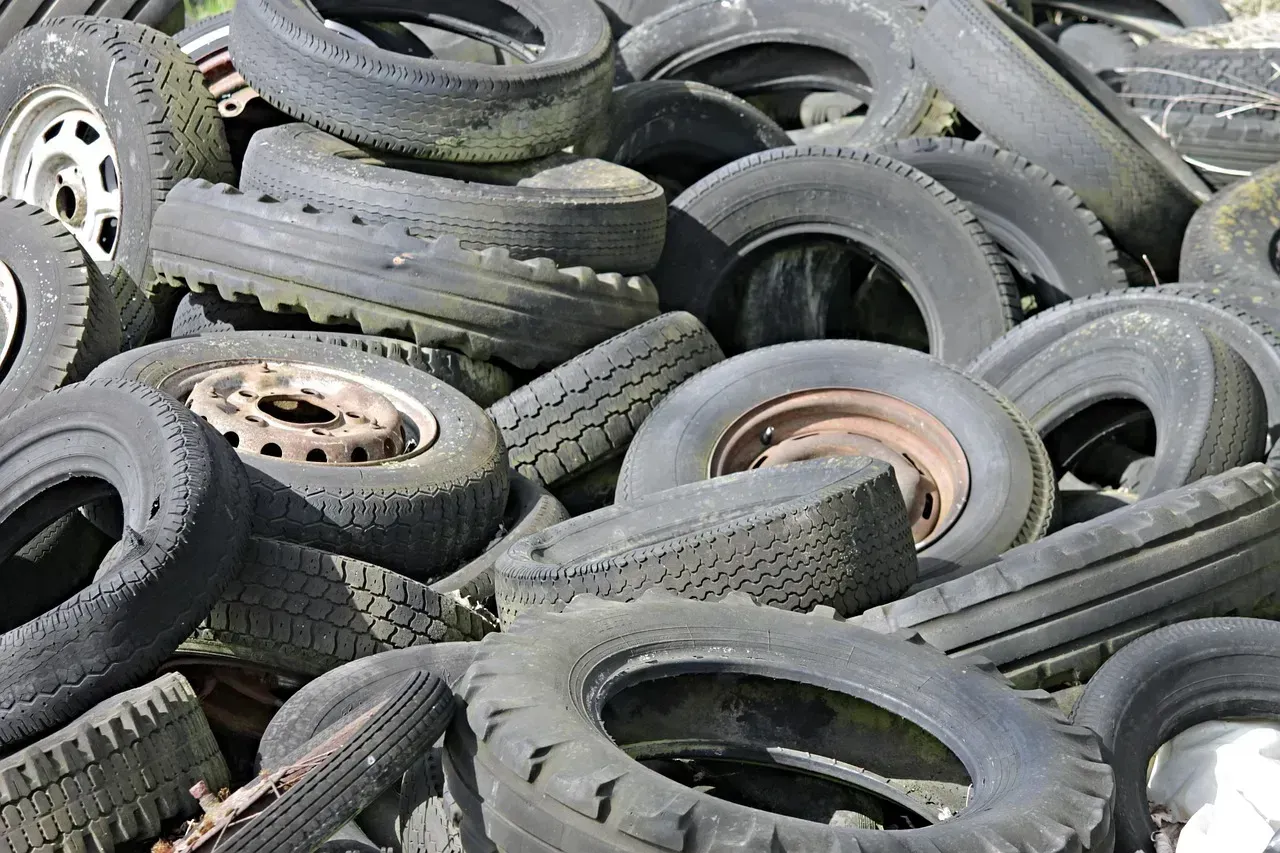
Stacking a few old tires on the side of the driveway or tossing them in the yard seems harmless enough, especially if you figure you’ll deal with them later. However, “later” tends to never come, and in the meantime the law has its own timeline. Currently, 48 states have laws or regulations specifically dealing with scrap tires. Illegal dumping of used tires is a common practice, but common doesn’t mean consequence-free. The U.S. currently generates approximately 315 million scrap tires, and proper disposal chains are under serious strain.
Due to their heavy metal and other pollutant content, improperly stored used tires may leach toxins into groundwater or stormwater. Used tires can also enable the spread of disease, as stagnant rainwater collecting inside tires creates a breeding ground for mosquitoes and other pests. Accumulations of used tires also create a dangerous fire hazard. In Ohio, transporting scrap tires without being registered, open burning, and open dumping may be prosecuted as a felony offense, with a fine of at least $10,000 but not more than $25,000, or imprisonment for at least two years but not more than four years, or both. The penalties are not symbolic – they’re designed to be genuinely deterrent.
3. Concrete, Asphalt, and Construction Debris

After a renovation project, the temptation to just leave a pile of old concrete chunks or broken asphalt on the driveway can be strong. It feels like inert, harmless material – rocks, basically. But the law treats it quite differently. Under California law, it is unlawful to place, deposit, or dump rocks, concrete, asphalt, or dirt on a private highway or road, including any portion of the right-of-way, or on private property without the consent of the owner or a contractor under contract with the owner for the materials. The principles behind this rule exist across most U.S. states.
A person convicted of a violation of California’s illegal dumping statute shall be punished by a mandatory fine of not less than $250 nor more than $1,000 upon a first conviction, by a mandatory fine of not less than $500 nor more than $1,500 upon a second conviction, and by a mandatory fine of not less than $750 nor more than $3,000 upon a third or subsequent conviction. Each day that waste placed, deposited, or dumped in violation remains is a separate violation – meaning the bill climbs daily. Materials typically treated as illegal dumping include construction and demolition waste, abandoned automobiles, auto parts and scrap tires, appliances, furniture, yard waste, and household trash.
4. Leftover Paint and Household Chemicals
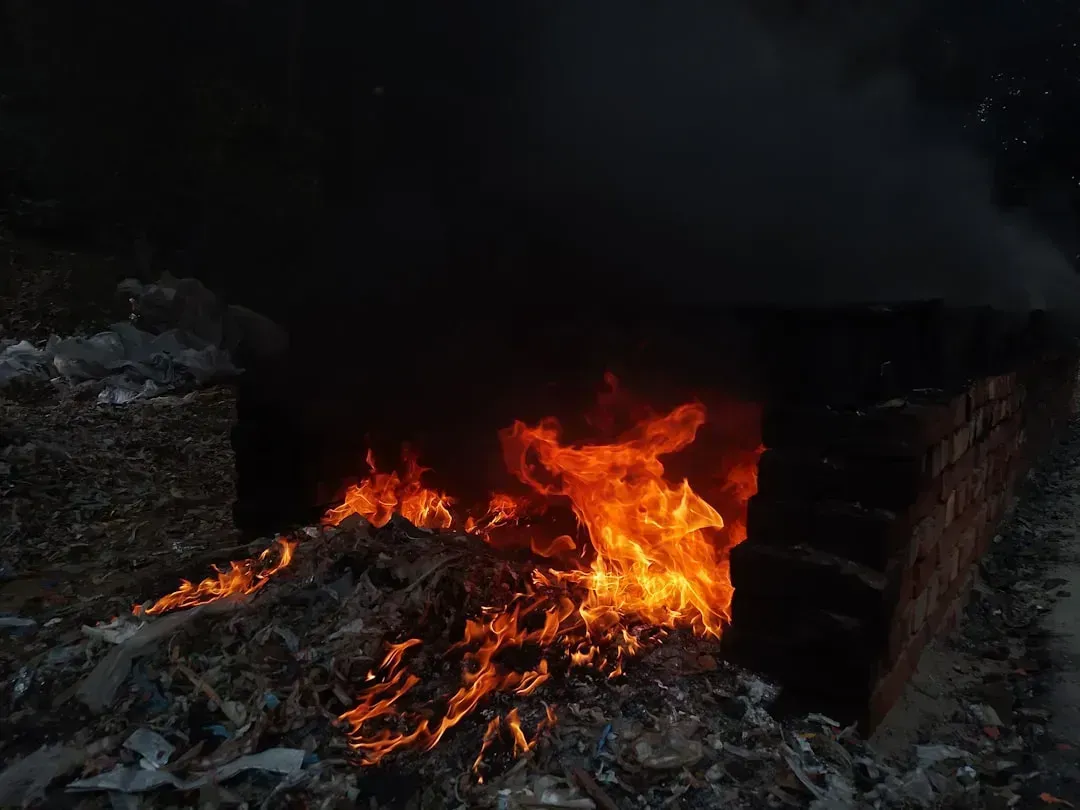
Pouring leftover paint down a driveway drain or letting old chemical containers leak onto the pavement is something people do without much thought – out of laziness, lack of awareness, or both. Yet paint and household chemicals rank among the most regulated residential waste categories in the country. Illegally disposing of a toxic chemical or hazardous item such as a car battery may constitute dumping, even though the volume or size of the waste material is relatively small. The type of material matters just as much as the quantity.
Paint products, motor oil, antifreeze, pesticides, herbicides, fertilizers, pet waste, and construction debris that people spill onto the ground or pour into a storm drain are among the pollutants routinely found in storm drain systems. Unlike the wastewater that comes from inside your home, stormwater is not treated. Anything that enters storm drains is carried directly to local waterways. Most municipalities run household hazardous waste programs specifically designed for safe disposal of paint, solvents, and cleaning agents – cities and counties typically operate household hazardous waste programs to safely dispose of all paints, oils, and chemicals.
5. Grass Clippings and Yard Waste

This one surprises people almost every time. Blowing grass clippings off your lawn and onto the driveway, or sweeping a pile of leaves toward the storm drain at the end of your driveway, feels like the most natural thing in the world. It’s yard work. What could possibly be illegal about it? Quite a bit, it turns out. It is illegal to dump debris, trash, chemicals, or other substances including leaves and grass clippings into ditches and storm drains. The problem is bigger than the individual action.
The cumulative effect of numerous residents putting leaves, grass, and yard clippings into the street gutter or storm drain can be overwhelming, turning clean stormwater into a rotten, black, stinky soup that then enters creeks and rivers. Grass and lawn clippings, as well as bagged leaves from yards, are “natural” yet become pollutants and drainage blockers, especially for downstream culverts and neighbors. Several municipalities specifically issue fines for this, and enforcement is increasingly tied to National Pollutant Discharge Elimination System (NPDES) permit obligations that cities must meet under federal EPA regulations.
6. Car Batteries and Lead-Acid Waste
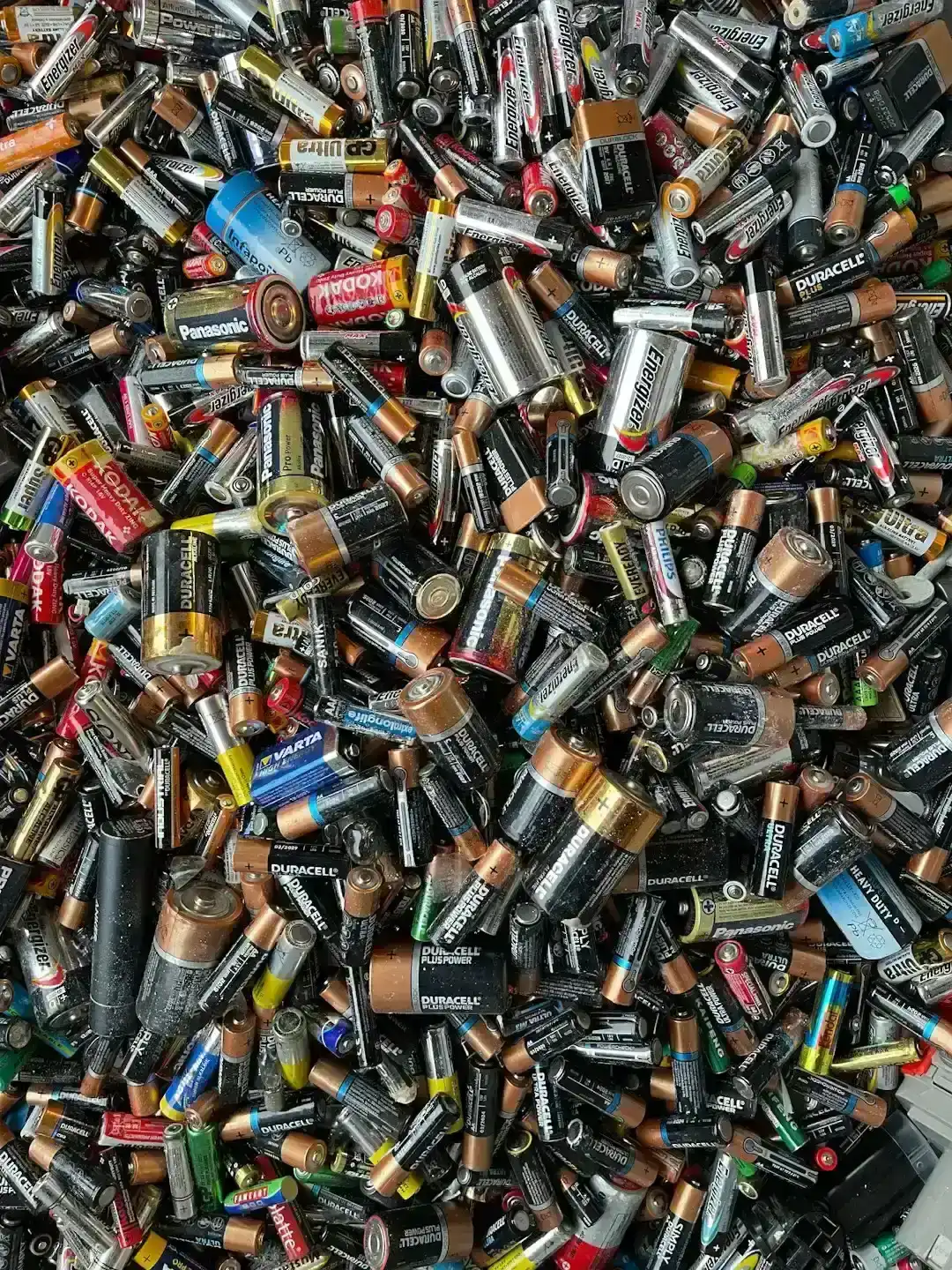
Leaving a dead car battery on the driveway while you figure out what to do with it is something millions of households do every year. The issue is that many of those batteries sit there for weeks, months, or indefinitely – leaking acid and heavy metals into the surface below. Dumping of any lead-acid batteries, such as batteries from automobiles, aircraft, and power equipment, is a criminal offense in Texas, punished by up to one year in jail and a $4,000 fine. Other states carry similar penalties, and enforcement is on the rise.
State laws on illegal dumping might fall under an Environmental Protection Act, a Health and Safety Code, a Hazardous Waste Control or Management statute, or a Public Health and Environment Code. Lead-acid batteries fall squarely under hazardous waste classifications in virtually every state. Illegal dumping and improper waste disposal can result in more than just monetary fines – it can mean criminal charges, especially for hazardous materials. Most retailers that sell car batteries are legally required to accept old ones for recycling, often at no charge, making improper disposal as avoidable as it is costly to get caught doing.