13 Reasons Some Americans Are Skipping Cruises – And Whether They Might Be Right
Cruising is booming. Let’s just get that out of the way right now. AAA projects 19 million Americans will go on ocean cruises in 2025, a 4.5% increase over 2024, when 18.2 million Americans went on cruise vacations. Numbers like that don’t lie. The industry is thriving, the ships are getting bigger, and the marketing is relentless.
Yet a very real group of Americans – thoughtful, well-traveled, sometimes skeptical – keeps choosing to skip it entirely. Some have done it once and said never again. Others simply refuse to start. Their reasons range from financial frustration to genuine ethical concern, and honestly, some of them are worth taking seriously. Here’s what they’re saying, and whether they actually have a point. Let’s dive in.
1. The Real Cost Is Never What’s Advertised
There is a reason the phrase “hidden fees” and “cruise vacation” show up together so often on the internet. When people ask whether cruises are all-inclusive, the honest answer is: not usually – because the advertised cost often reflects the cabin fare only. Add the extras, and the cost per cabin can climb quickly. It feels a little like booking a hotel room and later discovering the bed costs extra.
Typical cruise hidden fees include gratuities or service charges, drink packages, specialty dining surcharges, WiFi packages, fitness classes, and access to adults-only retreat areas. That’s a long list to discover mid-voyage. If you don’t purchase a beverage package, expect to spend at least $10 to $14 per cocktail, $6 to $14 per glass of wine, and $6 to $9 per beer, plus gratuities. For a family of four, that math gets uncomfortable very fast.
2. Gratuities Have Become Their Own Controversy
Gratuities used to be something you handed to a crew member with a smile. These days they’re a line item on your bill whether you like it or not. More cruise lines are increasing their daily automatic gratuities for 2025. It’s a trend that has drawn real backlash from passengers who feel the transparency just isn’t there.
As of November 2024, the daily gratuity for passengers in standard staterooms on Royal Caribbean is $18.50 per person per day, and $21.00 per person per day for guests in Sky Junior Suites and above. Run the numbers: a family of four in a balcony cabin on a 7-night cruise will pay $518 in gratuities. That’s before anyone orders a cocktail. Some passengers feel these charges should simply be folded into the fare – and honestly, it’s hard to argue with that logic.
3. Cruise Fares Themselves Have Surged
Forget the extras for a moment. The base price alone has jumped sharply in recent years. Due to pent-up demand and inflation, cruise fares have gone up in 2024. Cruises are more expensive than in 2022 and 2023. Since cruising is back to normal, cruise lines are offering fewer promotions – and it’s not uncommon for cruise prices to be 30 to 50 percent or more than the same sailing just a year or two ago.
Part of this makes sense. With many cruise ships sailing at or over 100% capacity, lower prices don’t seem likely anytime soon. Supply and demand is doing what supply and demand always does. Still, for budget-conscious travelers who remember the deals of 2021 and early 2022, the current pricing stings. The “affordable vacation” pitch has worn thin for a lot of people.
4. The Environmental Impact Is Hard to Ignore
Here’s the thing – if you care at all about your travel footprint, cruising is genuinely difficult to justify. An average cruise ship emits about double the CO2 per passenger compared to an airplane over the same distance, and four times more than a gasoline car. That’s not a fringe opinion. It’s backed by transport economists. Based on 2025 to 2026 data from Transport and Environment, Disney Cruise Line produces around 1,481 kg of CO2 per nautical mile, while Norwegian Cruise Line averages around 1,413 kg of CO2 per nautical mile.
The pollution doesn’t stop at carbon either. About 50 tons of solid waste are generated during a one-week cruise, and roughly a quarter of the solid waste generated by vessels worldwide comes from cruise ships. And then there is what happens below the waterline. A medium-sized cruise ship’s carbon footprint is greater than that of 12,000 cars, and ballast water brought into a ship’s hull can transfer invasive species and diseases. For eco-conscious travelers, this is a dealbreaker – and possibly a legitimate one.
5. Overtourism Is Ruining the Very Destinations People Want to See
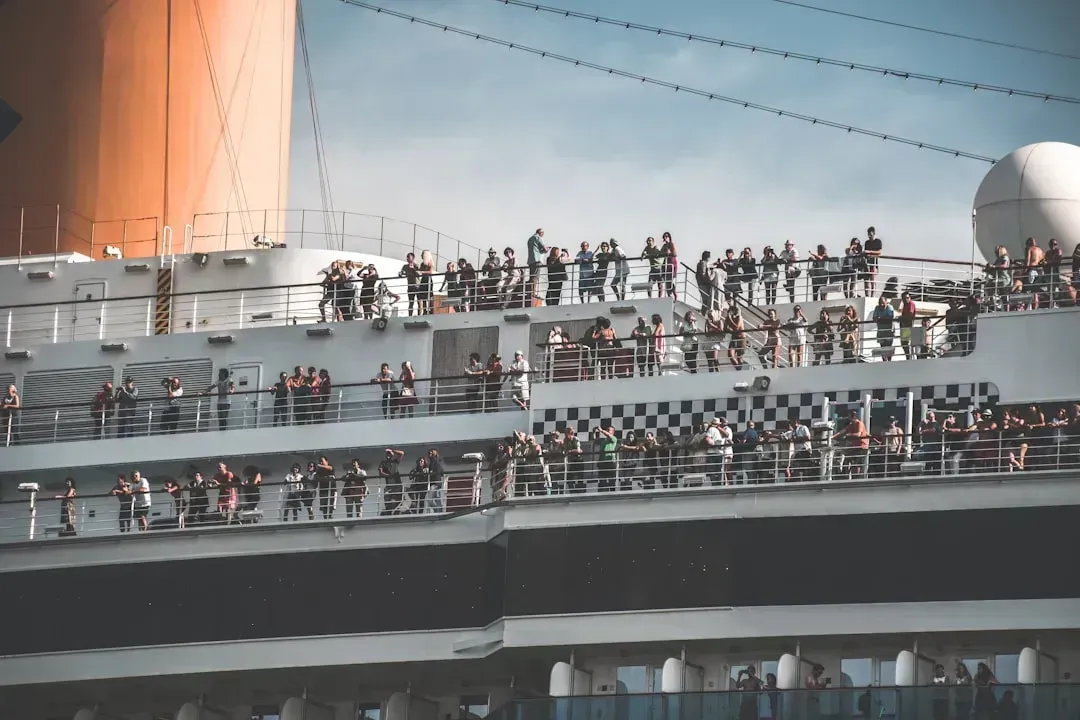
There’s a quiet irony at the heart of cruise travel. You board a ship to see the world’s most beautiful places, then arrive alongside thousands of other passengers doing the exact same thing. Cruise passengers are increasingly suffering the wrath of locals fed up with overtourism, as residents greet ships with protests and chants – and in extreme cases like Barcelona, citizens are spraying water on tourists. That’s not exactly the warm welcome anyone planned for.
The Alaskan capital Juneau faces overwhelming cruise traffic during its short season, welcoming 1.6 million visitors annually, and the city plans to limit daily cruise passengers in 2026. Santorini in Greece sees more cruise visitors than its population can handle, prompting local authorities to limit the number of ships allowed to dock daily – and cruise passengers frequently encounter tension from locals, even with just one ship in port. This kind of experience is becoming more common, not less.
6. European Ports Are Actively Pushing Back
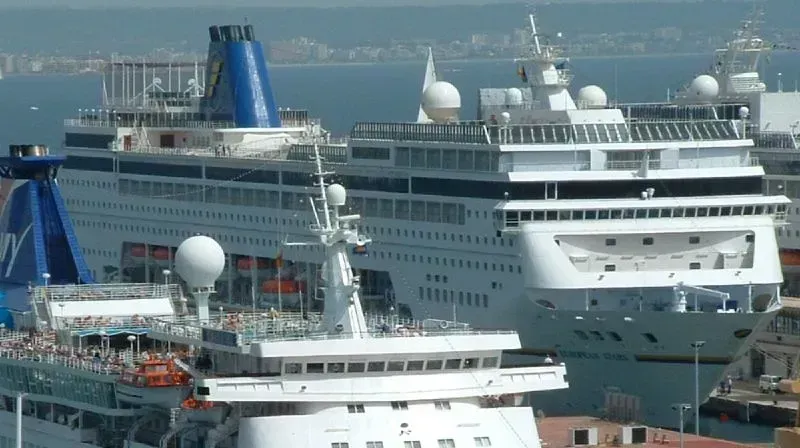
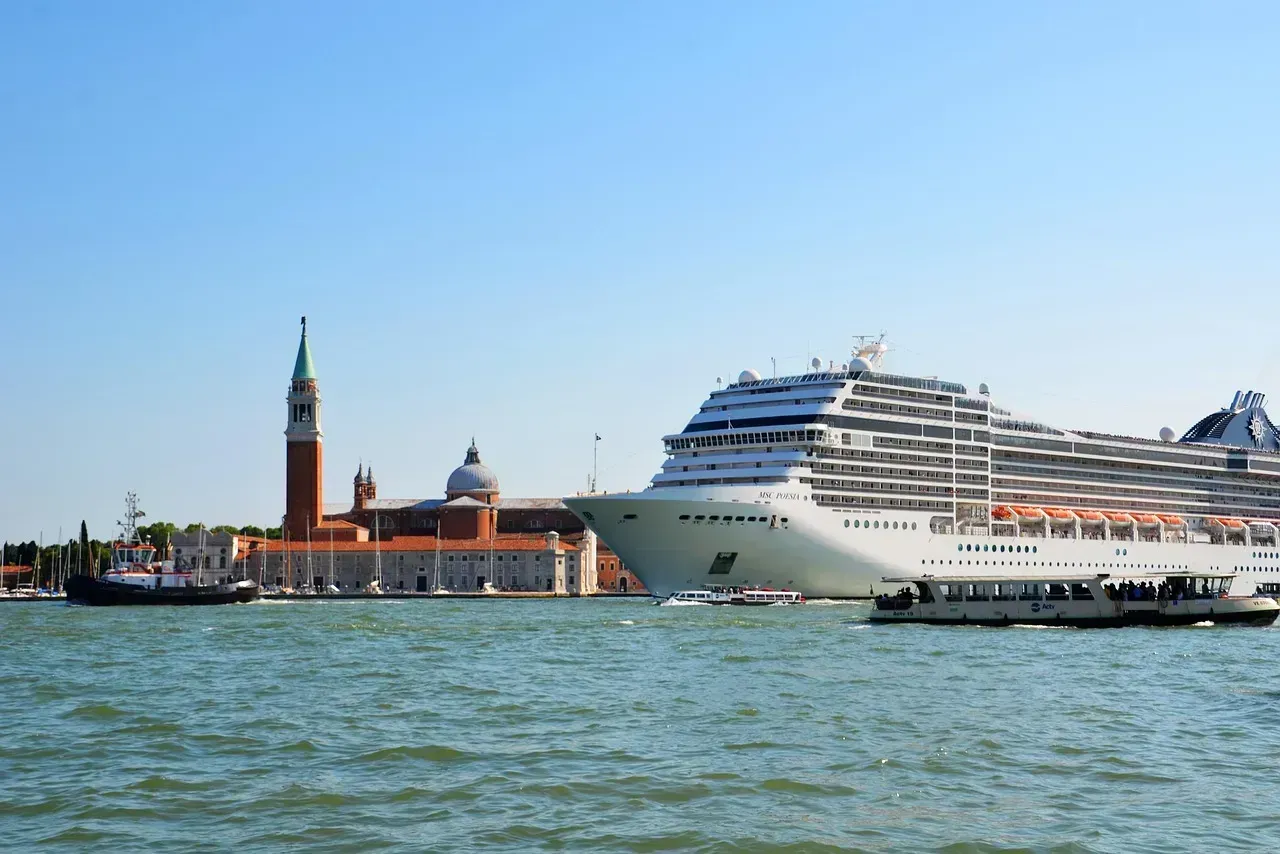
Cities across Europe aren’t just complaining – they are taking legal and regulatory action. In 2021, Venice barred large cruise ships from anchoring in its historic centre, with UNESCO threatening to put the city on its endangered list unless they were permanently banned. That’s a dramatic line in the sand. Barcelona announced in May 2024 that it would limit cruise traffic to address overcrowding issues, with the mayor’s stance being that mega cruise ships pose a negative environmental impact to the city.
Toxic air pollutants from cruise ships around ports are higher than pre-pandemic levels – and Europe’s 218 cruise ships emitted as much sulphur oxides as 1 billion cars, despite the UN shipping body’s sulphur cap introduced in 2020. Valencia is now aiming to ban mega cruise ships from 2026. For decades, the cruise industry’s business practices have put the environment, climate, and public health of coastal communities at risk – and most governments have refused to enact strong regulations. The resistance is real and growing.
7. Onboard Crime Statistics Are Real – and Underreported
I know it sounds uncomfortable to bring up, but safety is a factor some travelers take seriously before booking. In the first quarter of 2025, Carnival reported 12 crimes to the FBI under mandatory reporting rules, the highest number of incidents reported by a specific cruise line that year. Royal Caribbean reported nine incidents in the same period. Carnival also reported 13 sexual assault cases in 2024, the highest amount on any major cruise line.
The FBI received 48 incident reports in the first quarter of 2025 alone: 33 sexual assaults, 7 assaults with serious bodily injury, and 7 thefts over $10,000. It’s fair to keep perspective here – the odds of dying on a cruise ship are just 1 in 6.25 million, and with nearly 40 million passengers sailing in 2025, the vast majority will have safe, incident-free experiences. That said, the numbers exist, they are mandatory reporting disclosures, and travelers especially solo women or families deserve to know them.
8. Norovirus and Illness Outbreaks Keep Happening
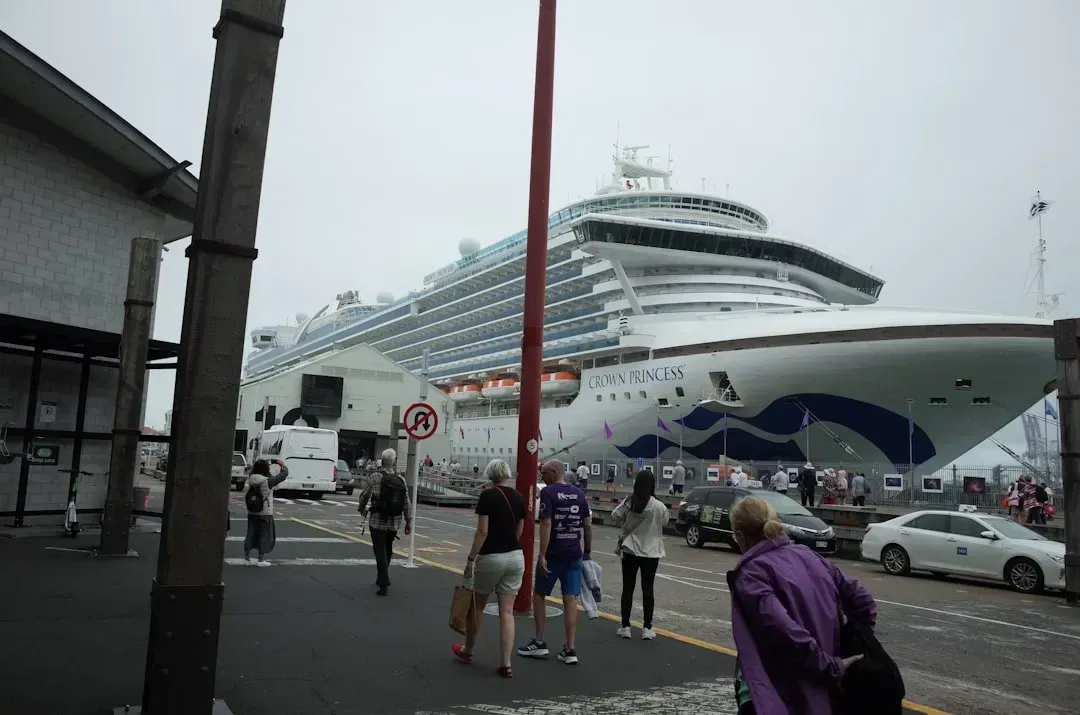
You’ve probably heard the jokes. The cruise ship sick bug. The “norovirus vacation.” It’s become almost a cultural shorthand. In December 2024 alone, five cruise ships were stricken with the vomiting bug, with hundreds of passengers reporting symptoms on Cunard Line, Holland America, and Princess Cruises vessels. That’s a real and recent data point, not ancient history.
To be fair, context matters. Norovirus is often called the “cruise ship disease,” but only about 1 percent of reported outbreaks are actually associated with cruise ships – outbreaks are more common on college campuses, hospitals, and nursing homes where people are living in close quarters. Still, the confined environment of a ship means an outbreak spreads fast. Being sick at sea, far from home, is a uniquely miserable experience. For travelers with health concerns, it’s a valid thing to factor in.
9. The Service Cutbacks Are Real
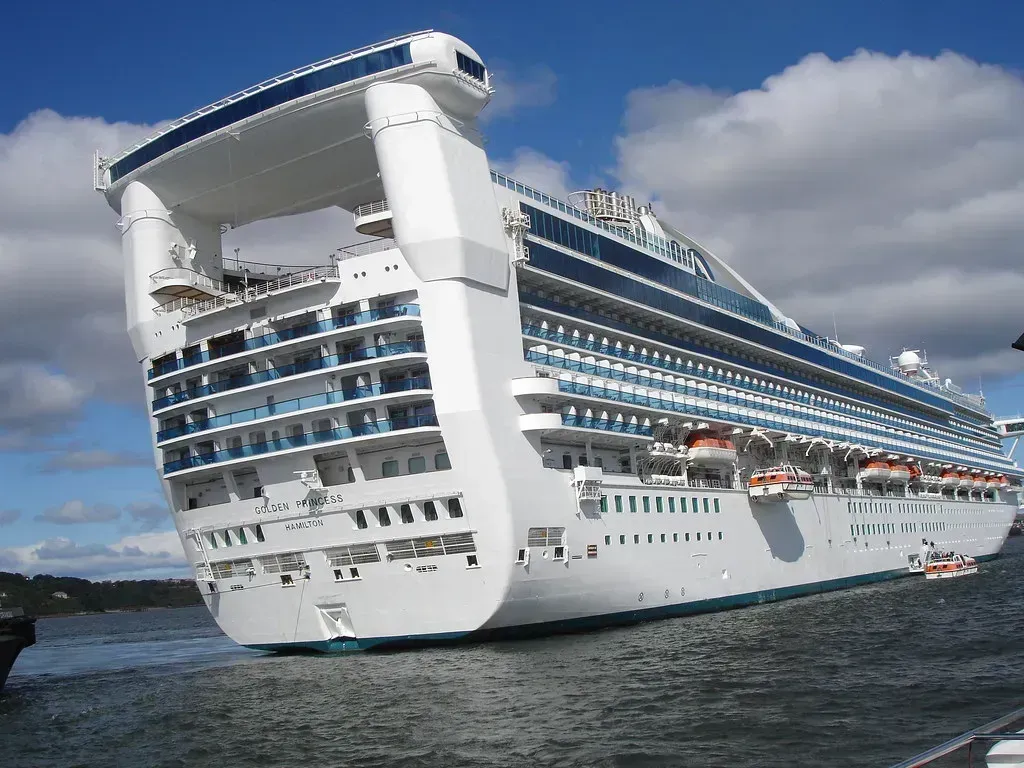
Here’s a complaint that has genuinely accelerated since 2023: you pay more, and you get less. From menu changes in the main dining room to the removal of free room service on several cruise lines, passengers have real complaints – and while many understand costs have increased, they don’t like getting less for more money. It’s a fair reaction, honestly.
Cruise lines used to offer twice-a-day housekeeping – a full cleaning of the stateroom plus a quick turndown in the evening. Contemporary cruise lines like Carnival, Norwegian, and Royal Caribbean have now reduced daily housekeeping from twice a day to once a day. Royal Caribbean now levies a service charge of $7.95 per order for room service, even if all you order is a single side of hash browns – and adds an 18% gratuity fee on top of that service charge. The nickel-and-diming has gotten hard to ignore.
10. Itinerary Changes and Geopolitical Disruptions Are a Growing Risk
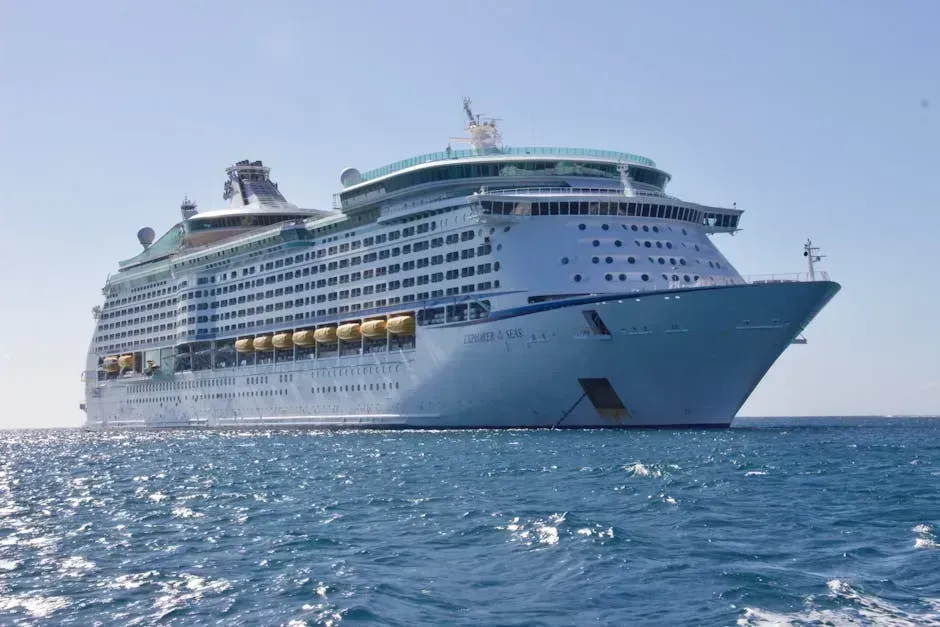
One thing brochures don’t prepare you for is waking up at sea to learn your planned destination has changed – sometimes due to forces completely outside the cruise line’s control. The cruise industry started rethinking plans into 2025 as it became increasingly clear that problems in the Red Sea would persist. Real disruption, for real passengers who had paid real money for specific ports.
MSC Cruises changed its 2024 to 2025 program for the MSC Opera – originally scheduled for the Red Sea and Middle East – and the ship instead spent the winter season in the Canary Islands, substituting a program of 7-night itineraries. Flexibility you never expected to need suddenly becomes essential, and cruise contracts historically offer limited compensation for itinerary changes outside the cruise line’s control. It’s the kind of fine print travelers rarely read until it matters.
11. The Ships Are Getting Enormous – and That Has Consequences
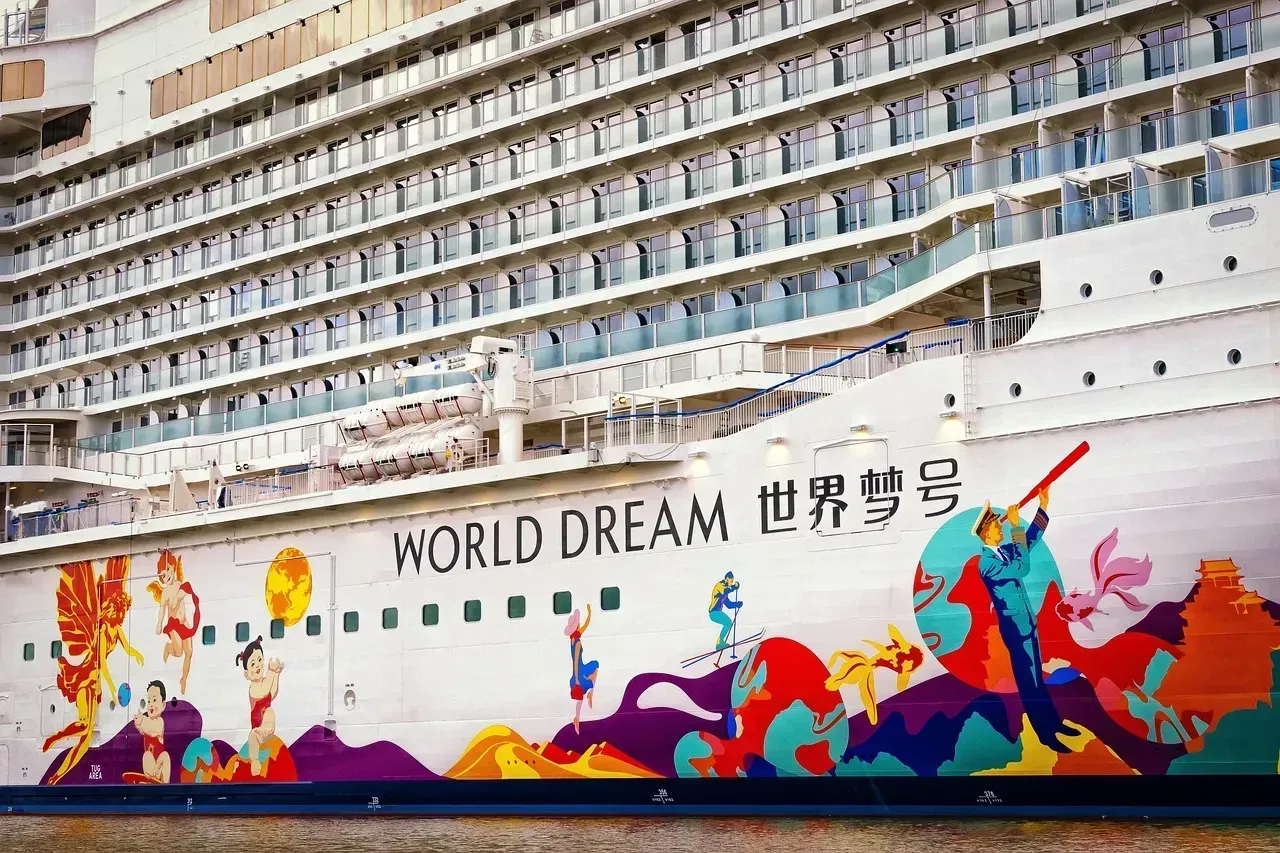
Mega ships are the industry’s current obsession. More cabins, more amenities, more revenue per sailing. According to maritime data, a mid-sized cruise ship burns roughly 150 to 200 tons of fuel per day – and as cruise ships get bigger, fuel consumption increases exponentially. Royal Caribbean’s Symphony of the Seas burns through around 1,500 tons of heavy fuel oil each day. Think of it like upgrading from a sedan to a fleet of semi-trucks.
Most ports in the small island nations where cruises typically stop were not built to accommodate these enormous ships, and as a result, ports are increasing the frequency and depth of dredge projects. A recent study conducted in Key West, Florida found that cruise ships coming into port commonly cause turbidity levels exceeding Environmental Protection Agency limits, sometimes with levels as high as those caused by hurricanes. The coral reefs and marine life near these ports are paying a price that no passenger sees from the deck.
12. Health Risks for Vulnerable Passengers Are Often Understated
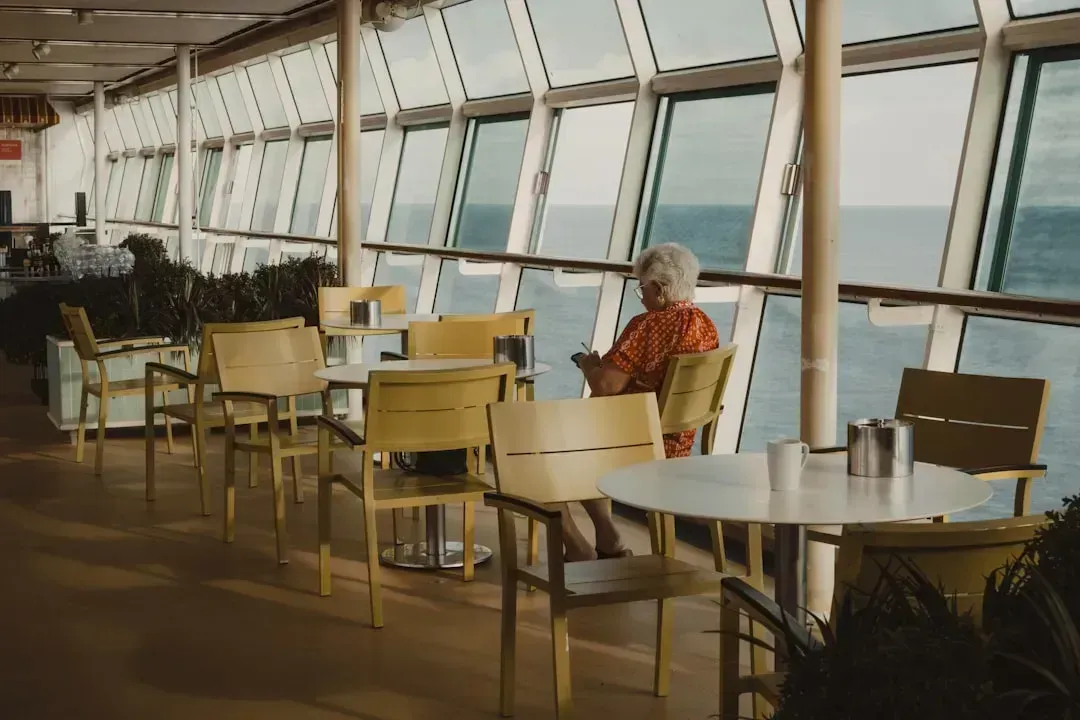
Not everyone is equally well-suited to the cruise environment, and the cruise industry’s own literature rarely addresses this directly. Not everyone is in the same physical condition when they board a cruise ship, and respiratory illnesses are the most common medical complaint onboard. The confined, recirculated air environment of a ship is simply not the same as an outdoor vacation.
Medical facilities on ships vary enormously by vessel and cruise line. For older passengers or those with pre-existing conditions, a medical emergency at sea can mean delayed treatment and complicated evacuations. During pre-travel visits, healthcare providers evaluate whether vaccines or boosters are needed and emphasize the importance of practicing good respiratory hygiene and cough etiquette while onboard. Travelers in good health may not think twice about this. For those who are more vulnerable, it deserves careful thought before booking.
13. The “Authentic Travel” Crowd Simply Wants Something Different
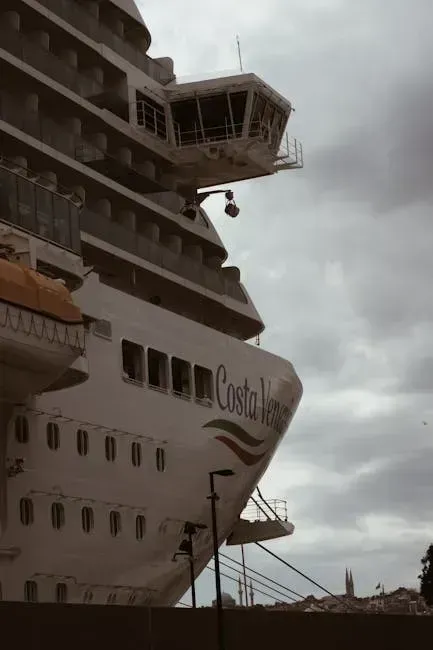
This last reason isn’t about danger or deception. It’s about philosophy. A growing number of Americans – particularly younger and more experience-oriented travelers – find the cruise format fundamentally at odds with how they want to explore the world. Ports for a few hours. Pre-packaged excursions. Hundreds of strangers crowding the same beach. It’s travel on a conveyor belt, and some people want no part of it.
Overcrowding harms more than just the environment – it also puts heavy pressure on local communities, and in many popular Caribbean spots, rapid tourism growth often leads to the loss of cultural heritage and local identity. Travelers who seek genuine local connection, slow travel, and off-the-beaten-path experiences often feel that mass cruise tourism actively works against those values. It’s a hard point to argue with, even if you love a good buffet and a poolside cocktail. What do you think – is skipping the cruise a principled stand, or are the skeptics missing out on something real?