Realtors Say Buyers Are Passing on These 9 Once-Trendy Home Features – A Shift for Sellers
The real estate market in 2025 and heading into 2026 has been brutal in every direction. Prices have remained stubbornly high, mortgage rates have averaged around 6.69%, and buyers have been more selective than ever before. They are not just shopping for square footage anymore. They are rejecting features that sellers once counted on as selling points.
Many features that once defined stylish American homes have rapidly fallen out of favor with modern buyers. Changing lifestyles, maintenance costs, and updated building standards mean that design trends from the 80s, 90s, and early 2000s no longer match what today’s buyers want. The list of deal-breakers is growing, and if you’re planning to sell, you need to know which features are now working against you. Let’s dive in.
1. The All-Gray Everything Interior
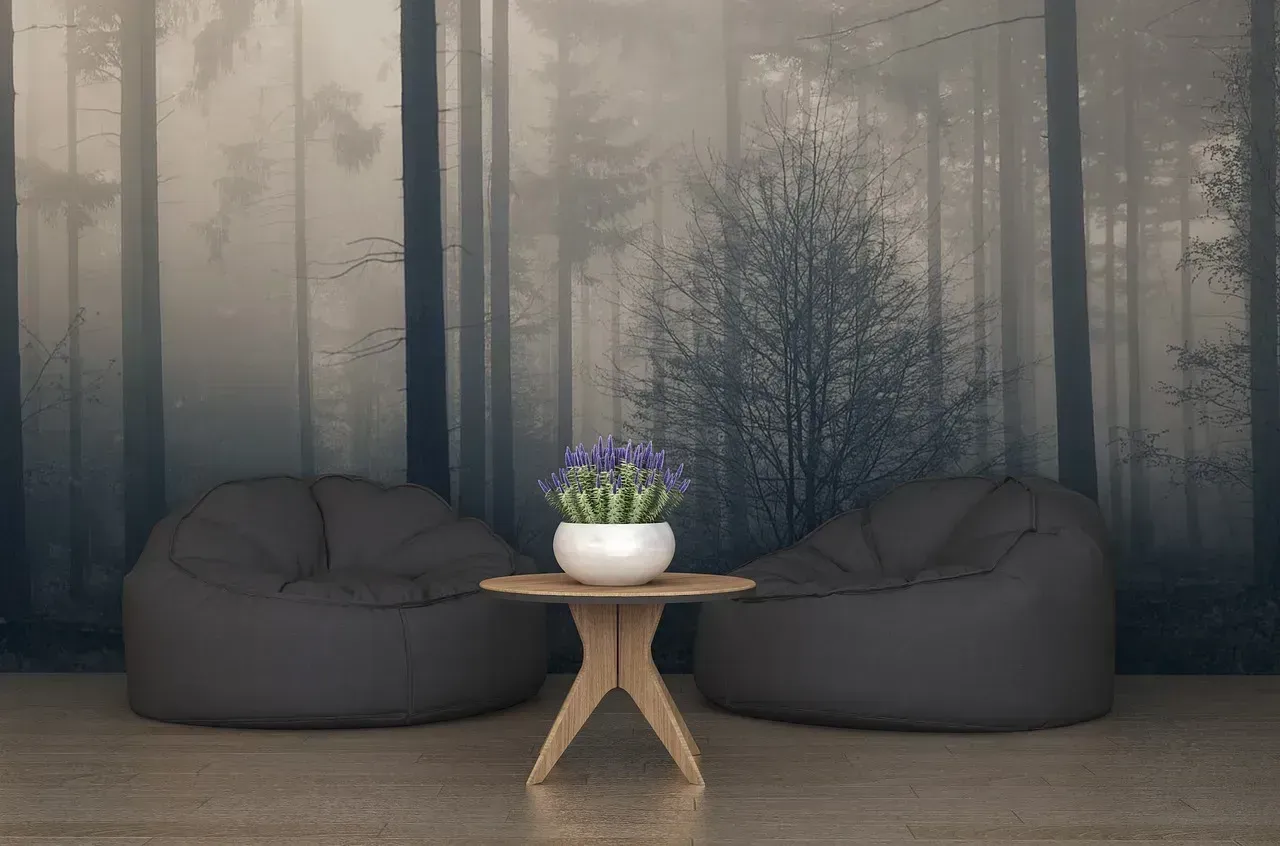
Walk into a home flipped in 2018 and there is a solid chance every surface is some shade of gray. Gray walls. Gray cabinets. Gray floors. It once screamed modern and sophisticated. Honestly, it was everywhere – and that is exactly the problem now.
For years, real estate investors and home flippers relied on gray walls, gray flooring, and gray cabinets to create a “modern” look. In 2025, this trend is dead. Buyers now see all-gray interiors as cold, outdated, and overdone.
All-gray floors, walls, and finishes can feel cold and impersonal, especially when overused. Buyers prefer warm neutrals like soft beiges, taupes, and earthy tones. Natural wood finishes and subtle color variation help homes feel more inviting – and easier to imagine living in. Sellers clinging to their gray flips are likely watching buyers walk away faster than expected.
2. Open Shelving in the Kitchen
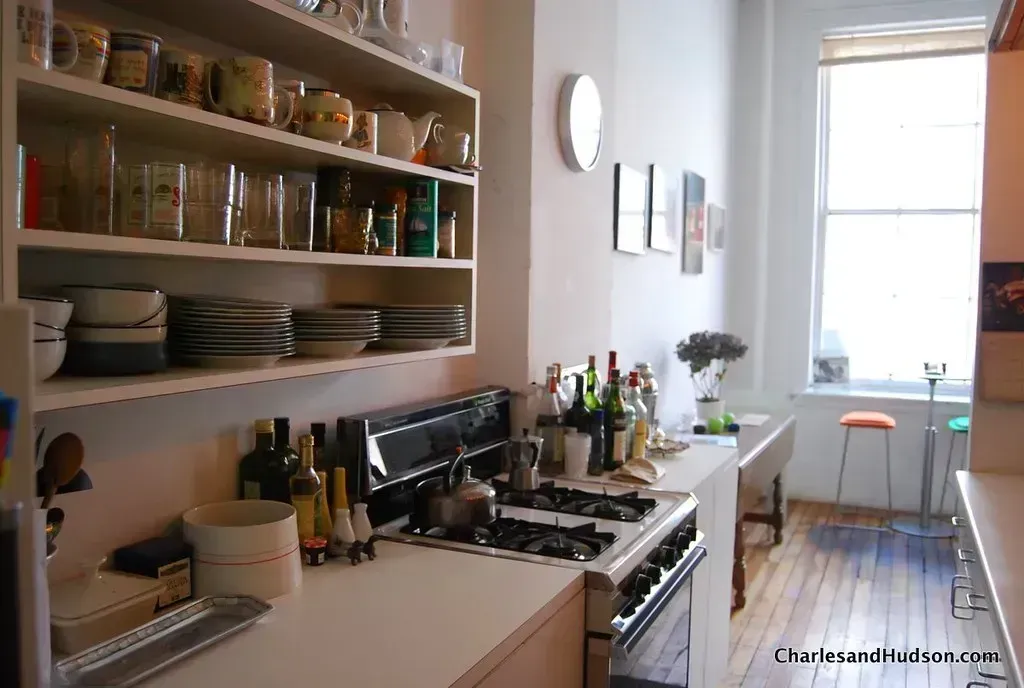
Open kitchen shelving had a serious moment in the spotlight. Design shows pushed it hard, Instagram made it look effortlessly chic, and homeowners tore out perfectly functional upper cabinets to install the look. Let’s be real, though – life gets messy.
Open shelving in kitchens was considered stylish and modern, but buyers have had enough of dusty dishes and cluttered walls. Homebuyers in 2025 prioritized functional storage over aesthetics, making upper cabinets a must-have again.
Shiplap, once the darling of DIY remodels, now feels busy and overdone. And open shelving, while charming in theory, is rarely practical for everyday living. Buyers touring a home with exposed open shelves now mentally calculate what it will cost to put the cabinets back, and that is not the kind of math sellers want happening during a showing.
3. The Fully Open-Concept Floor Plan
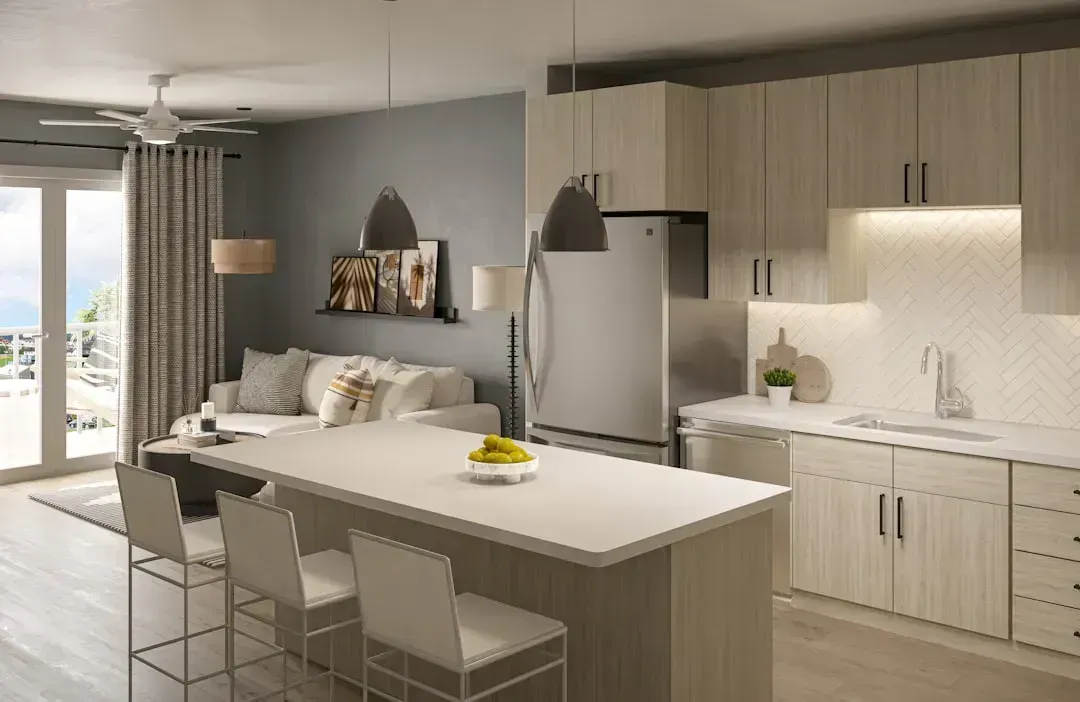
This one is genuinely surprising to many sellers. For decades, knocking down walls was the ultimate renovation move. Agents sold it, TV shows celebrated it, and buyers demanded it. Something has shifted in a big way.
Looking toward 2025 home design trends, there has been a noticeable shift away from open-concept living toward more defined, purpose-driven spaces in homes. The open-concept floor plan was essentially the norm in new construction homes built in the 1990s. Real estate pros say it is increasingly less popular.
While NAHB’s numbers suggest some ongoing popularity for the open concept, American Institute of Architects survey results since 2015 have shown an overall decline in the number of firms reporting increased requests for open layouts in home designs. In 2015, roughly 61% of architects reported new demand for open-concept floor plans; that figure has fallen steeply to 33%. The rise of remote work accelerated this shift, with buyers now needing walls, doors, and quiet corners more than ever before.
4. Wall-to-Wall Carpeting
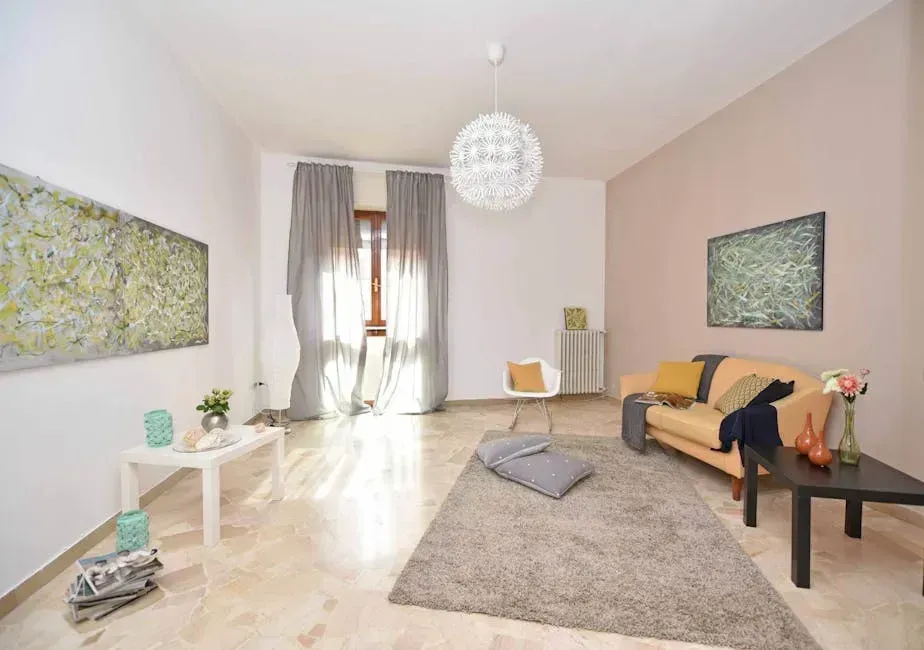
Carpet in the living room, carpet in the dining room, carpet in the hallway – buyers see it all and instantly start mentally budgeting for removal. It used to be a comfort feature. Today, it is often viewed as a liability during a home tour.
Real estate executive John Gafford said carpet is now “the biggest offender and turn-off,” listing numerous disadvantages such as staining, odor trapping, and quickly getting worn down. That is a striking statement, and frankly, it tracks with what agents report on the ground every week.
While carpet often returns zero value at resale – or is even viewed as a liability that buyers mentally deduct the cost of removing – hardwood typically recovers roughly seventy to eighty percent of its initial cost when you sell. In fact, more than half of homebuyers say they’d pay more for a house with hardwood floors, and on average those buyers say they’d be willing to spend just over $2,000 more on a home with a wood floor finish.
5. Farmhouse Aesthetic and Shiplap Overload
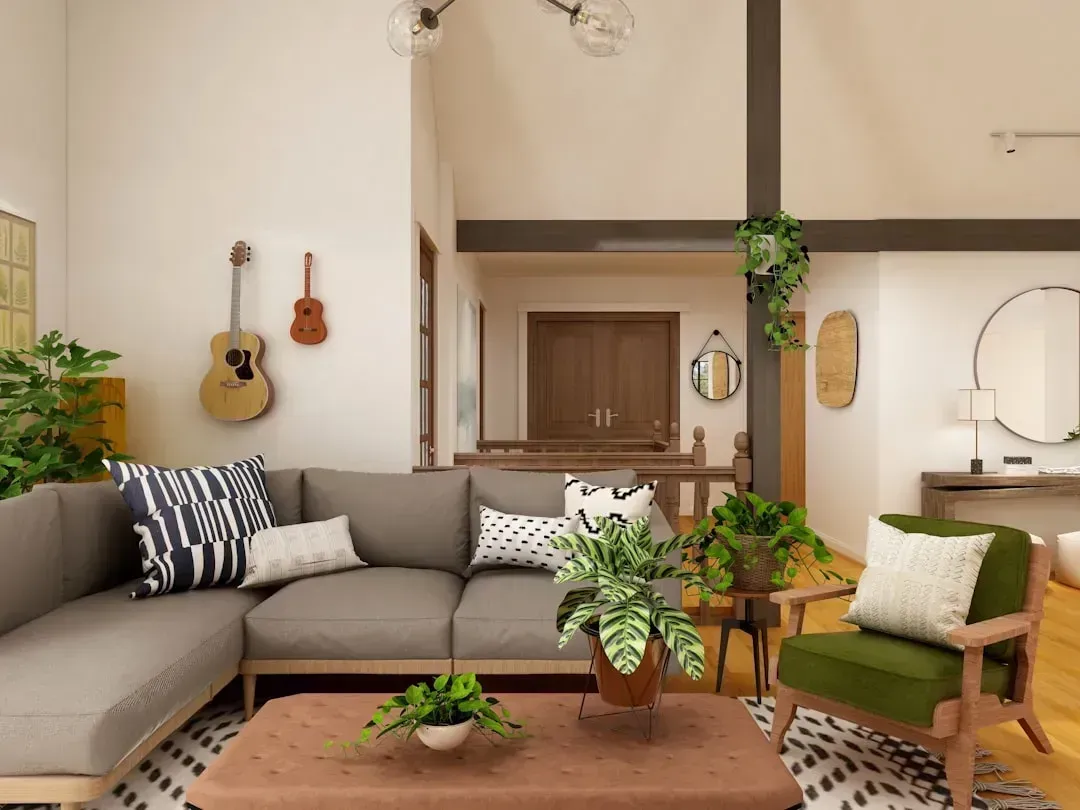
Shiplap. Barn doors. Rustic beams. Chalk-painted furniture. The farmhouse style dominated home design for an entire decade and ruled renovation TV from coast to coast. It felt warm, approachable, and distinctly American. It is now firmly past its prime.
For the last decade, farmhouse design dominated house flips – think shiplap walls, barn doors, and rustic beams. In 2025, the overly “rustic chic” look is officially outdated. Buyers are moving toward sleek, modern, and transitional designs that feel less theme-heavy.
If you already have shiplap, there is no need to rip it out before listing. Shaker-style cabinets are starting to feel too farmhouse-adjacent. The overall message from real estate professionals is consistent: heavily themed interiors, no matter how popular they once were, now narrow your buyer pool considerably. Think of it like wearing a costume to a business meeting – it makes a statement, just not the one you want.
6. Jetted Tubs and Oversized Soaking Tubs
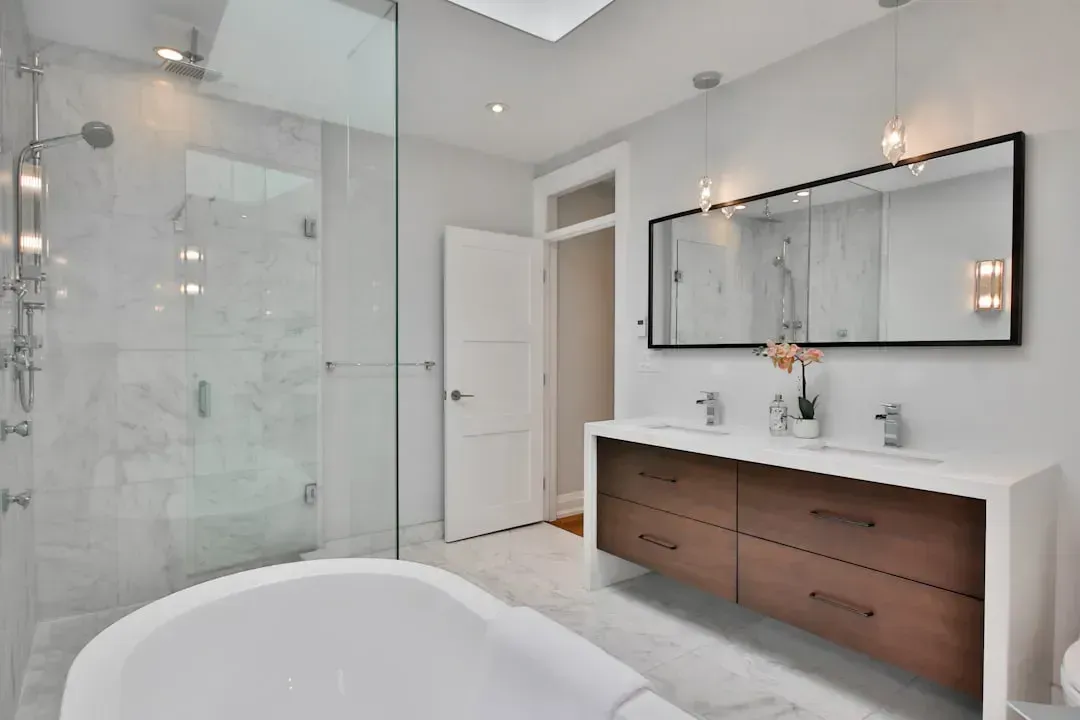
At some point, the jetted tub became the symbol of luxury homeownership. It meant you had made it. Builders installed them, sellers showcased them, and buyers expected to see them in master bathrooms. That era is definitively over.
Large jetted tubs once symbolized luxury, but many buyers now consider them impractical. They consume significant space and require extensive cleaning because the jets can accumulate bacteria. They also increase water and energy usage compared to standard tubs. Real estate agents report that homeowners often remove them in favor of large walk-in showers, which better match current bathroom trends.
Once seen as the pinnacle of relaxation, jetted tubs are losing their appeal. Buyers are now wary of the maintenance, energy use, and space they require. Many say they would rather have a luxurious walk-in shower than a bulky tub they will rarely use. Concerns about mold buildup and outdated aesthetics also play a role. A jacuzzi tub is no longer a luxury feature – it is increasingly something buyers want to negotiate out of the asking price.
7. The All-White Kitchen
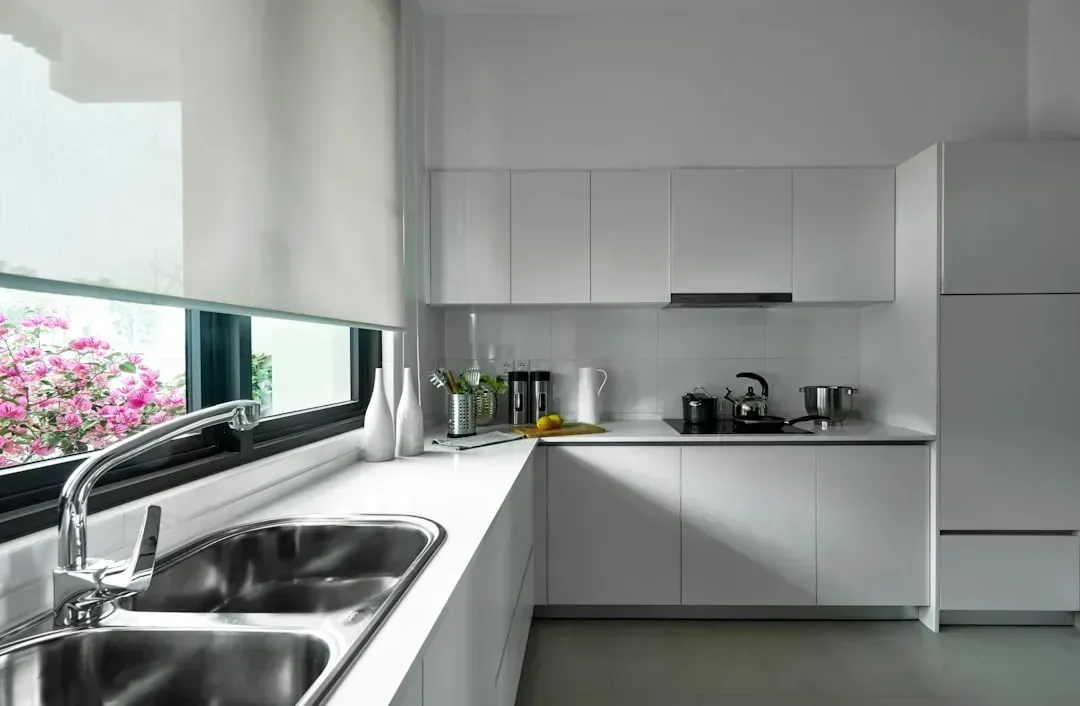
The all-white kitchen was the gold standard for what felt like a generation. It photographed beautifully, it felt clean, and it made any space look larger. Buyers used to light up when they walked in. Now? It can actually make them hesitate.
The once-beloved all-white kitchen is starting to feel sterile and outdated. While still a classic choice, buyers are moving toward more personality in their kitchen designs. There is something exhausting about a kitchen that feels more like a hospital than a home.
All-white kitchens and neutral-toned interiors were once the epitome of sleek, modern design. However, the trend is beginning to feel sterile and uninviting. Homeowners are increasingly leaning toward spaces that feel cozy and personalized. While neutral colors are easy to work with, they often lack the warmth and character that homeowners now seek. Additionally, maintaining pristine white surfaces can be a hassle in the long run, especially in high-traffic areas like the kitchen. The replacement trend is two-toned cabinetry, warm wood elements, and statement islands that bring character into the space.
8. Dark Granite Countertops
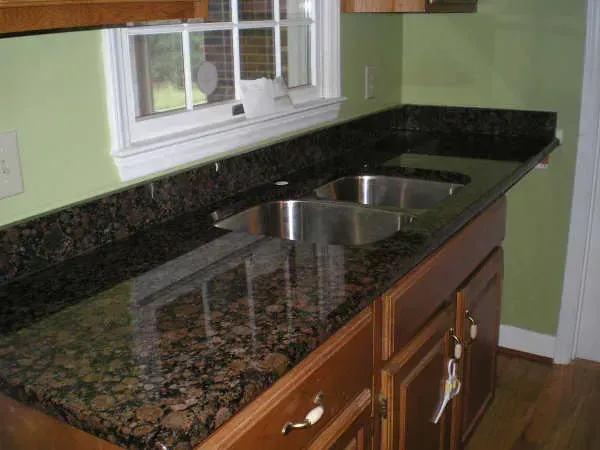
Dark granite was the countertop upgrade that home sellers bragged about for years. It felt upscale and substantial. Buyers in the 2000s and early 2010s genuinely loved it. Fast forward to 2025, and it was the opposite of what sellers hope for.
Dark granite used to be a sign of an upscale kitchen, but trends have moved on. Today’s buyers want light, bright spaces – and that includes countertops. White quartz, butcher block, or soft veining is now the preferred look. Dark granite can make a kitchen feel dated and heavy, even if the layout is modern.
Tile countertops in particular have fallen out of favor because grout lines are difficult to clean and can harbor bacteria. Contemporary buyers want seamless surfaces like quartz, granite, or solid-surface materials that are easier to maintain. Renovation experts note that tiled countertops can make a kitchen feel older, reducing buyer interest even if the rest of the space has been updated. It is worth noting that it is not just about aesthetics – buyers are doing the math on future cleaning and maintenance before they even make an offer.
9. Formal Dining Rooms
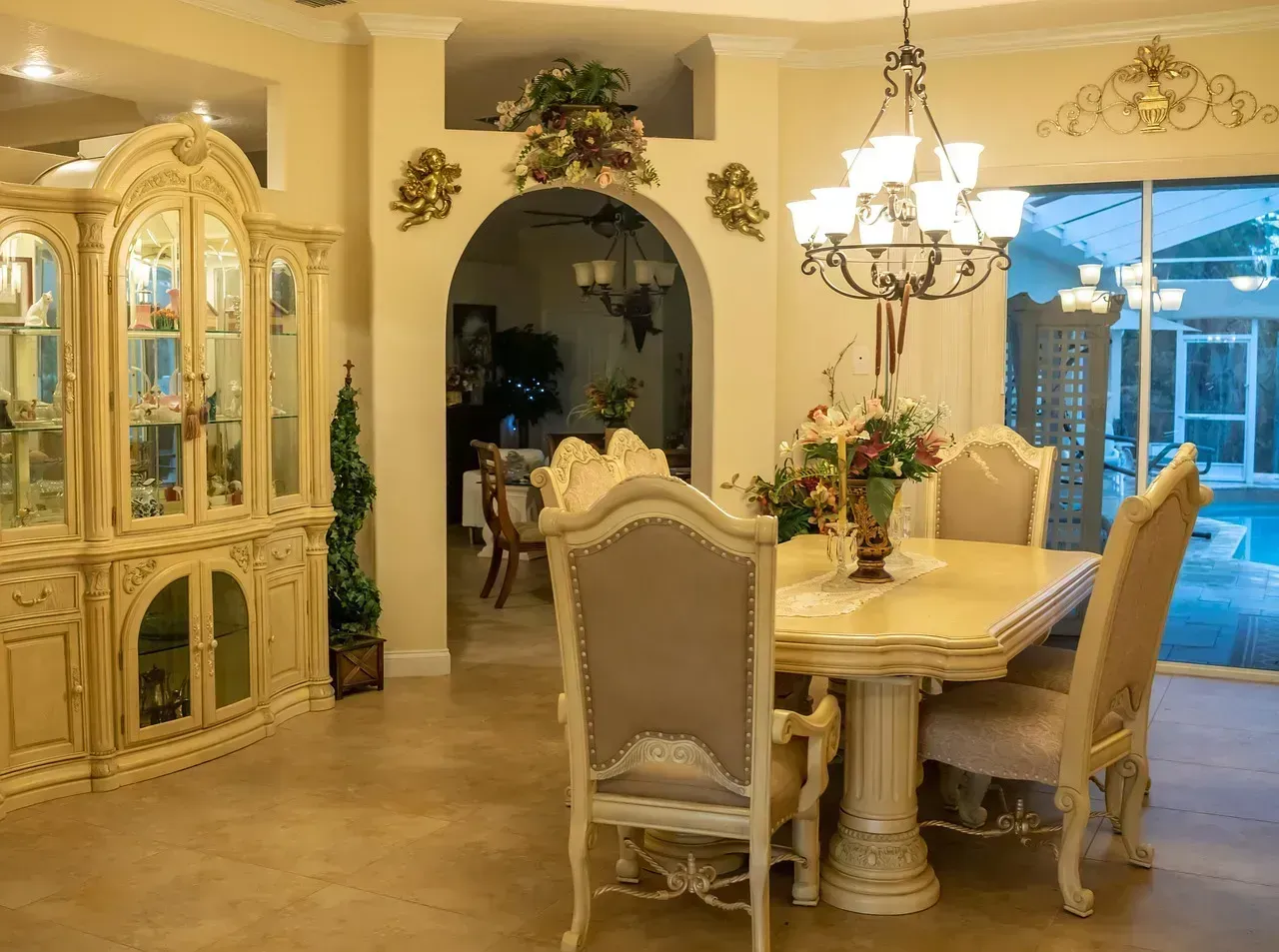
Here is one that genuinely surprises some older sellers. The formal dining room was once a status symbol built into every respectable family home. It signaled that your household hosted proper dinners, entertained guests, and valued ceremony. Today’s buyers see it differently.
The once-coveted formal dining room is falling out of favor. Many buyers see it as wasted square footage, especially when open-concept kitchens with eat-in islands are more practical. In a market where every square foot carries a real price tag, a room used a handful of times a year makes buyers uncomfortable.
Once a staple in traditional homes, formal dining rooms are increasingly seen as wasted space. Today’s families prefer flexible, multi-purpose areas over rigid, single-function rooms. While this used to be a major selling point, it is now seen as an inefficient use of square footage unless you’re in the luxury market. Buyers today prefer multi-purpose spaces. A flex room, a home office, or even an extended kitchen nook will almost always beat a formal dining room in the eyes of a modern buyer walking through a listing.