8 Foods Servers Say Customers Keep Ordering That Frustrate the Entire Kitchen
There is a whole secret world behind every restaurant meal you have ever eaten. The swinging kitchen doors hide a universe of noise, heat, pressure, and precision that most diners will never witness. Servers smile, plates arrive warm, and everything looks effortless.
It rarely is.
The truth is, certain orders land on the kitchen pass like a small disaster. They slow the line, test every cook’s patience, and sometimes bring an entire service to its knees. Let’s dive in.
1. The Well-Done Steak That Nobody in the Kitchen Wants to Cook
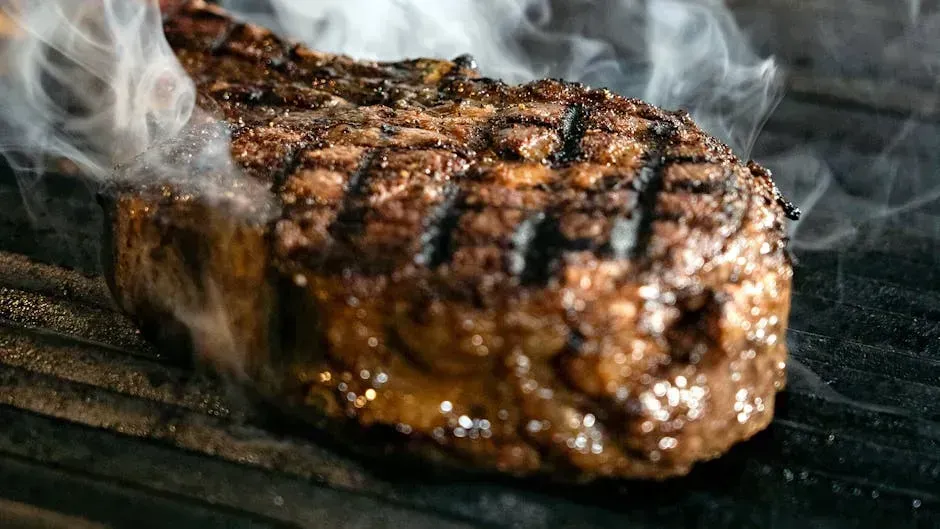
Here is the thing about well-done steak: it genuinely upsets chefs at a deep, almost personal level. Many chefs view cooking a perfectly prepared steak as an art form, taking pride in enhancing the natural flavors of the meat through careful technique. A request for a well-done steak can feel like a direct rejection of their expertise and the quality of the product they are offering. Honestly, it is not pure snobbery. There is real culinary science behind the frustration.
Well-done steaks take noticeably longer to cook, which directly impacts kitchen efficiency, especially during busy service times. That extended cooking time also affects the quality of other dishes being prepared simultaneously. The whole line slows down because of a single ticket. Coming from a steakhouse perspective, an order for well-done steak can be frustrating due to the long cooking time required, on top of the fundamental question of what there is to love about a dry and tasteless piece of meat.
2. Eggs Benedict During a Packed Brunch Rush
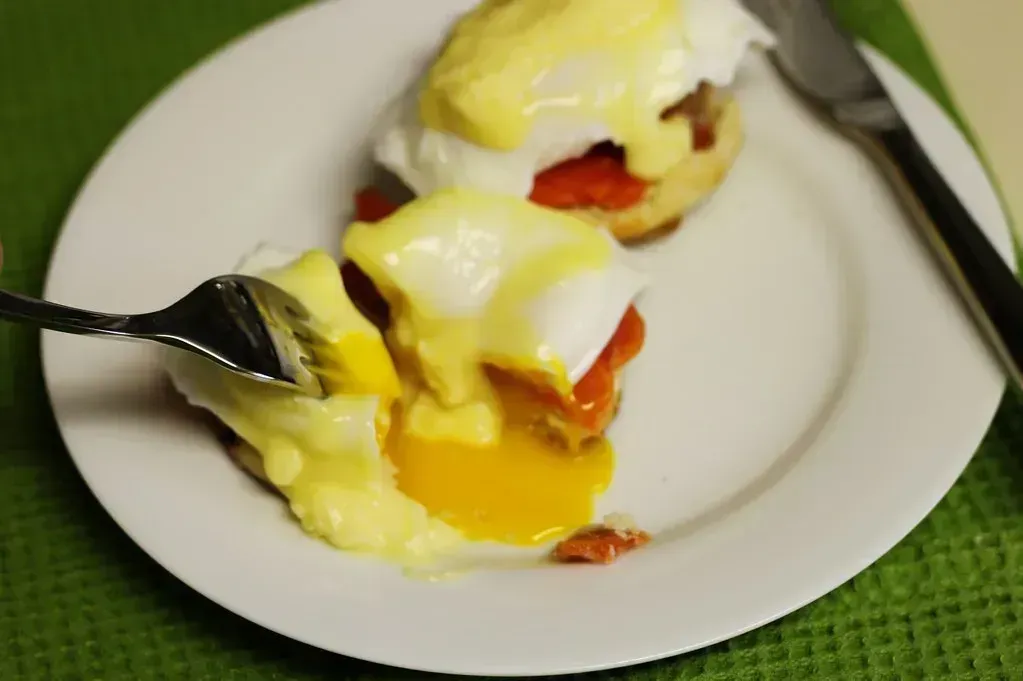
Eggs Benedict looks beautiful on a plate. It is elegant, rich, and deeply satisfying. It is also, without question, one of the most punishing dishes a kitchen can produce at volume. Creative Benedict variations require multiple components prepared simultaneously, making them prime candidates for shortcuts when kitchens get slammed during brunch rush. Cooks often pre-poach dozens of eggs during morning prep, then quickly reheat them in warm water when orders pile in.
Many chefs have spoken openly about avoiding eggs Benedict when dining out themselves. The hollandaise sauce is temperamental, especially during a busy brunch rush. If it is not made to order or held just right, you can end up with a broken sauce or something that has been sitting far too long. Think of hollandaise like a mood ring. It reacts to everything around it, and a packed Saturday brunch is the worst possible environment for it to thrive.
3. Dishes Loaded With Substitutions and Modifications
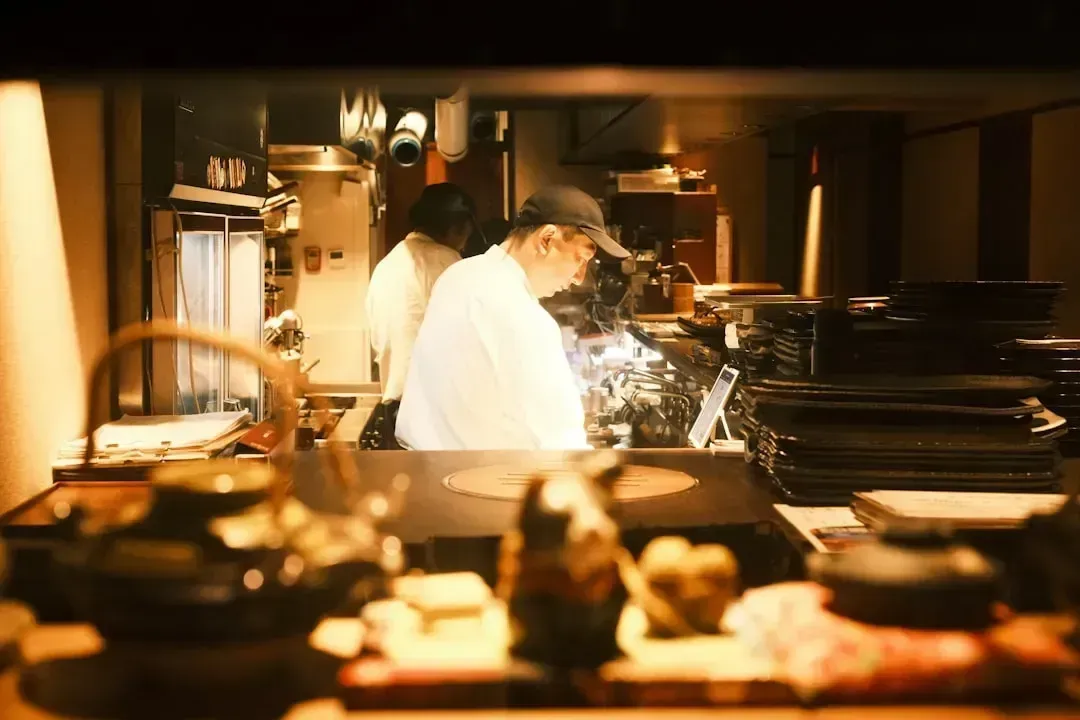
What many customers never understand is that food in a restaurant is not prepared the way it is in someone’s home kitchen. A restaurant kitchen is essentially an assembly line built for rapid and consistent production. Most of the prep work in a high-volume restaurant is done in advance, so cooks can compose dishes quickly and efficiently. When a customer rewrites an entire dish from scratch, that system breaks down instantly.
A ticket with six modifications, three substitutions, and two allergy cross-contamination protocols demands a level of individual focus that, in a kitchen processing dozens of simultaneous orders, can bring the whole operation to a grinding halt. This leads to order mistakes, long wait times, and a generally chaotic kitchen environment. It is a bit like asking a Formula 1 pit crew to repaint the car mid-race. Technically possible. Deeply inadvisable.
4. Allergy Orders That Arrive With Zero Warning

Genuine food allergies are serious and deserve full respect. Nearly one in five consumers self-identify as suffering from a food allergy or sensitivity, and over 30 million people in the United States have medically proven food allergies. Food allergies cause over 200,000 emergency room visits annually in the United States alone, and nearly three-quarters of those severe allergen-related incidents arise specifically at restaurants. That number is not small. It is alarming.
The frustration for kitchen teams is not the allergy itself. It is the timing. In a fast-paced environment, small miscommunications can result in incorrect orders, which wastes time and resources. When communication breaks down, it leads to bottlenecks, errors, frustration, and longer wait times for everyone at the table. California broke ground in October 2025 when the ADDE Act became law, mandating that large chain restaurants list major food allergens on menus, but no law can replace a diner telling the server about allergies before the order is placed, not after the plate arrives.
5. Soup Sent Back Because It Is Not Hot Enough

Few things test a kitchen’s collective patience quite like the reheated soup situation. There is a very specific type of dining experience that involves a customer sending soup back because it is not hot enough, then sending it back again. Older diners especially can demand soup heated to near-impossible temperatures. One former server described watching a cook boil a soup and having it still returned for not being hot enough. At some point, the laws of physics become the real enemy.
The reheating cycle pulls a cook entirely off their station, creating a ripple effect across every other dish being prepared. Every restaurant faces operational challenges. A single misstep like a delayed order can throw off an entire shift. Staff scramble, customers grow impatient, and suddenly a busy night turns into chaos. A soup being sent back three times is exactly that kind of misstep, just played out in slow motion and scalding liquid.
6. The Charcuterie Board That Looks Simple but Is Not
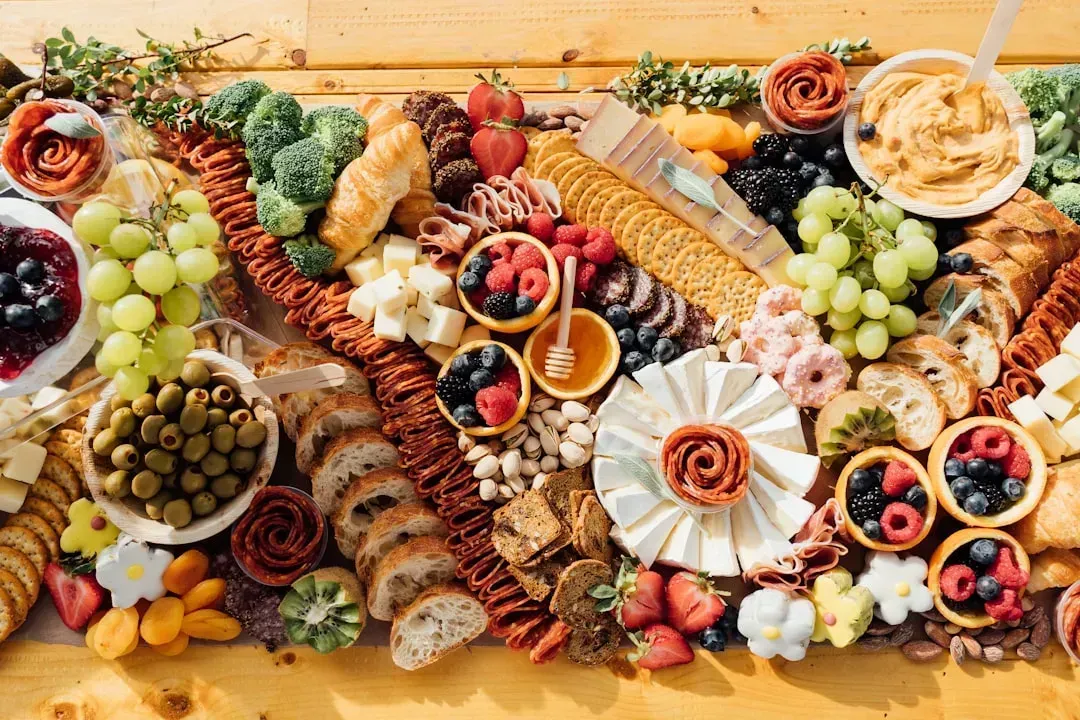
Charcuterie boards have had a full cultural moment over the past several years, and that popularity has translated directly into kitchen headaches. The snackable charcuterie board sounds easy to make. These smorgasbords are assembled from a variety of cured meats, cheeses, and crackers, with optional add-ons like olives, pickles, terrines, and spreads. There is, however, a lot more to making a beautiful board than tossing a handful of meat and cheese on a wood plank.
The kitchen prepares a mise en place, loosely translated as putting in place, a neatly organized template of easily reachable ingredients in front of every cook designed to expedite the cooking process. A cheeseboard exists completely outside that organized system. It pulls a cook away from their station, forces them to hunt through shelves and fridges, and demands beautiful presentation on top of it all. During peak service, that is a genuine disruption. It is the culinary equivalent of asking a surgeon to redecorate the operating room mid-procedure.
7. Off-Menu Requests That Require Ingredients the Kitchen Does Not Have
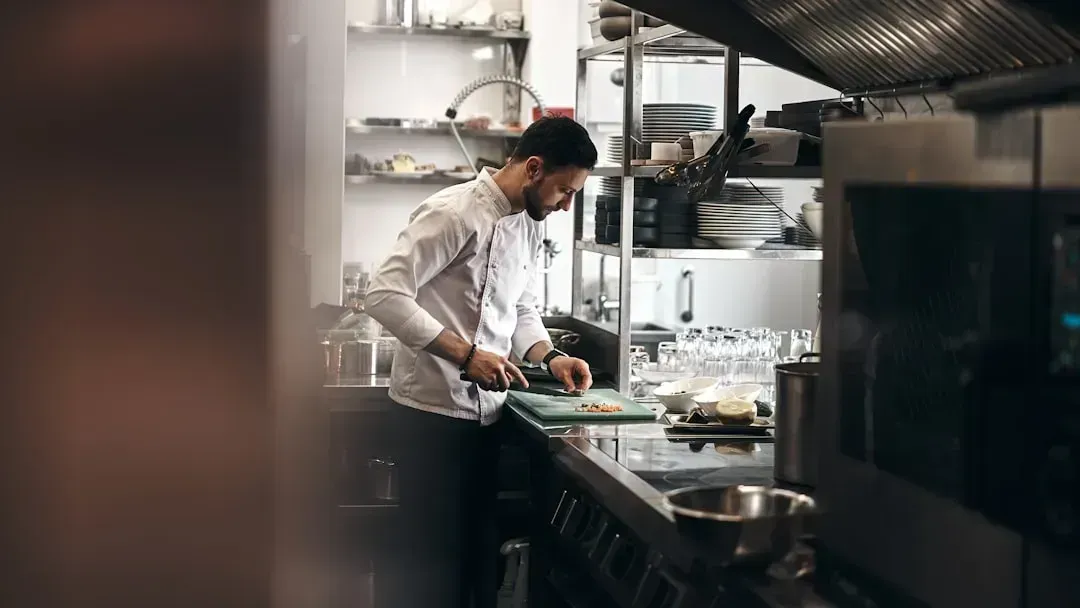
It happens more than most people realize. A customer spots something they like on a different table, or remembers a dish from another restaurant, and asks the server to essentially have it created from scratch. Chefs generally dislike it intensely when guests ask for things that are not on the menu. In certain cases, the kitchen simply does not have the equipment or ingredients to make it happen. No amount of confidence in the request changes the reality of an empty walk-in fridge.
An overly extensive menu may overwhelm customers, making it harder for them to make decisions while complicating kitchen operations with too many ingredients and complex orders. This can lead to increased costs, longer wait times, and reduced profitability. Off-menu improvisation amplifies every one of those issues. Most operators discover that roughly one in five menu items drives the vast majority of profit. That means the other four in five items are already cluttering the kitchen, confusing staff, and slowing service. Adding a spontaneous sixth dish to that mix is not a small ask.
8. Last-Minute Large-Table Orders That Hit All at Once
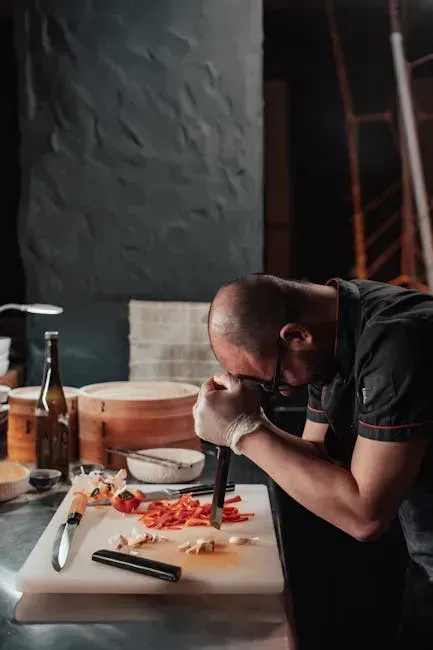
A table of twelve ordering at slightly different times is manageable. That same table ordering simultaneously, in the final twenty minutes before the kitchen closes, is a different beast entirely. A 2024 survey in the UK found that roughly three quarters of hospitality workers reported experiencing mental health challenges at some point in their careers. Several studies show that roles like serving, cooking, bartending, and front desk work are linked with high levels of stress, anxiety, depression, and burnout. The reasons vary from customer demands to long hours and the emotional labor of maintaining positive service in relentlessly stressful situations.
Among restaurant managers and employees, their biggest challenges include staffing at over half, burnout at half, compensation challenges at nearly half, and supply chain issues at four in ten. Within the food service industry, a significant portion of workers want to quit their job. A wave of simultaneous large-table orders does not just strain the kitchen in the moment. It compounds the burnout that is already pushing an industry to its edge. As of late 2024 and into 2025, the food and beverage industry has a high employee turnover rate, often exceeding seventy percent. That context makes every avoidable chaos-order feel like one more weight on an already overburdened system.
Next time you sit down at a restaurant, it is worth taking a small pause before you ask for the steak well-done, send back the soup for the third time, or build a dish from scratch that is not on the menu. The kitchen is not just cooking food. It is running a high-pressure operation with razor-thin margins, exhausted staff, and more moving parts than most people ever imagine. What you order, and how you order it, sends ripples all the way to the back of the house. What would you do differently knowing all of this? Tell us in the comments.