10 Cities Where Home Prices Could Potentially Drop in the Next 12 Months
The U.S. housing market is at a crossroads in 2026. After years of pandemic-fueled price surges, something is shifting, quietly but unmistakably, across dozens of cities. Prices that once seemed untouchable are now softening, and in some metro areas, the correction is anything but subtle.
Property prices are forecast to dip in 22 of the largest 100 U.S. cities, with mortgage rates expected to ease slightly, according to a new analysis from Realtor.com. Honestly, that’s a bigger list than most people realize. So which cities should buyers be watching, and homeowners be cautious about? Let’s dive in.
1. Cape Coral, Florida: The Steepest Drop on the Map

If there’s a ground zero for the 2026 housing correction, Cape Coral is it. The Cape Coral-Fort Myers metro area is facing an estimated decline of around 10.2 percent in home prices. That’s not a typo. A double-digit projected drop in a single year is almost unheard of outside a full-blown recession.
Home prices in the Cape Coral area dropped by about 10 percent over the past year and could fall further before stabilizing, driven by overinflated 2020 pandemic gains, high mortgage rates, rising inventory, and soaring insurance costs. The insurance piece is important and often underreported. Rising insurance costs, driven by FEMA’s planned flood insurance premium hikes and climate change risks, remain a serious concern for homeowners in the area.
Homes are sitting on the market for 85 days, with an 8.1-month supply of inventory. That inventory level, think of it like a grocery store overstocked with bread nobody’s buying, tells you everything about where the balance of power sits right now. The Cape Coral-Fort Myers Metropolitan area currently has more than a six-month supply of homes for sale, well above the national average of 3.3 months, and a clear sign of a buyer’s market.
2. North Port-Sarasota-Bradenton, Florida: Florida’s Second-Hardest Hit

Just up the coast from Cape Coral, North Port, and the broader Sarasota-Bradenton area is experiencing its own painful correction. Prices are expected to decline by an estimated 8.9 percent in the North Port-Sarasota-Bradenton area in 2026. That’s the second-steepest projected decline in the entire country, according to Realtor.com’s 2026 national housing forecast.
These are all markets that became overheated during the 2020 pandemic, facing a surge in demand that waned after prices shot through the roof and domestic migration to Florida slowed. A construction boom in the state also created a glut of inventory, which is now pushing down prices. It’s the classic boom-bust cycle, playing out in slow motion.
Florida experienced a massive influx of new residents during the 2020 pandemic, fueled by remote work opportunities, which helped drive prices sky-high. However, now we’re seeing a correction, as rising mortgage rates, insurance costs, and climate-related risks are making buyers more cautious. The sunshine state’s appeal is real, but so are the headwinds.
3. Stockton-Lodi, California: The Central Valley’s Quiet Collapse
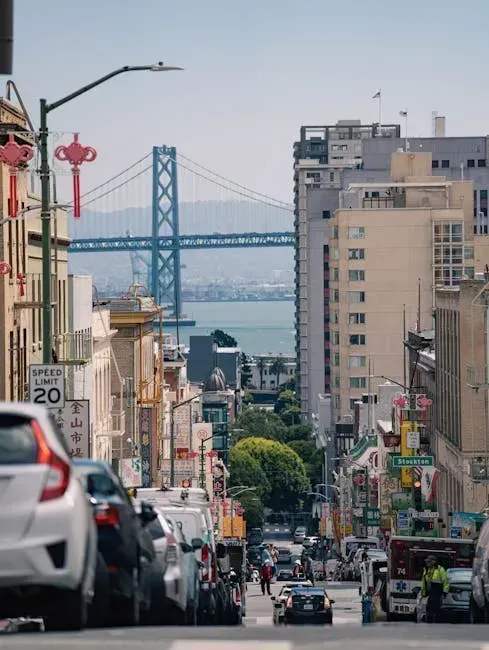
Stockton doesn’t get the headlines that San Francisco or Los Angeles do, but it’s carrying one of the heaviest projected declines in California. Stockton, in the Central Valley, is projected to see a 4.1 percent dip in 2026, making it the largest decrease in California and the third-largest nationwide. That’s a notable distinction for a city that often flies under the radar.
Values in Stockton-Lodi are projected to tumble by 4.1 percent in 2026. Prices had already fallen 3.3 percent as of late 2025, according to Realtor.com. So this isn’t a fresh correction. It’s a continuation of a trend already well underway, which might actually signal that the bottom is closer than it seems.
Stretched affordability is a key driver here. High prices and the persistent drag of high mortgage rates are eating into buyer demand, leading to potential price softening. For buyers with cash or strong financing, though, this could quietly be one of the more interesting windows to enter the market in California.
4. Raleigh, North Carolina: The Tech Boom Hangover
Raleigh built a reputation as one of the hottest mid-sized housing markets in America, but that heat is cooling fast. The Raleigh market is projected to see a price decline of around 3.7 percent in 2026. For a city that was minting equity millionaires just a few years ago, that’s a striking reversal.
Raleigh home shoppers may find more bargains in 2026, as prices are estimated to slip by 3.7 percent. Even if prices fall modestly, that won’t necessarily make them affordable, since in recent years home price growth has far outpaced income growth. That gap between wages and housing costs is the core problem. It doesn’t dissolve overnight.
Here’s the thing: Raleigh’s long-term fundamentals are actually solid. A strong university presence, growing tech employment, and steady population growth all support the market. The current softening looks more like a necessary exhale after years of holding its breath at sky-high valuations. I’d keep a close eye on this one.
5. Tampa-St. Petersburg-Clearwater, Florida: A Market Finding Its Floor
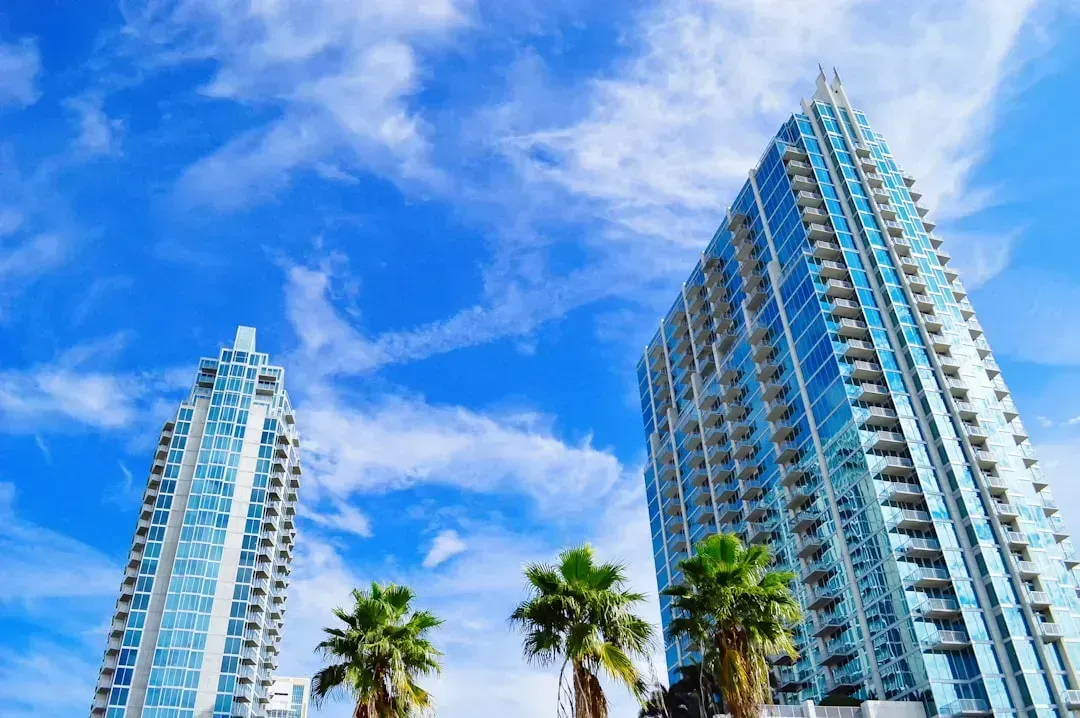
Tampa was one of the biggest pandemic-era winners in all of American real estate. Now it’s giving some of those gains back. Tampa-St. Petersburg-Clearwater, Florida, is projected to see a price decline of around 3.6 percent in 2026, according to Realtor.com’s projections, which factor in inventory, mortgage-rate expectations, and local economic conditions.
Austin, Texas and Tampa, Florida tied for the steepest annual drops at 6.1 percent each in 2025. That’s a remarkable stat. Two cities that were basically synonymous with real estate momentum just a couple years back are now the poster children for correction. Tampa posted negative multifamily rent growth in January 2026 as well.
Jacksonville, Tampa, and Orlando represent major metropolitan hubs that are also included in decline projections, though with more modest projected drops. These are larger, more diverse economies, which can sometimes buffer the impact of market shifts compared to smaller, more specialized areas. However, even in these larger markets, the overall trend of softening prices is evident in the data.
6. Spokane, Washington: The Inland Northwest Cools Down
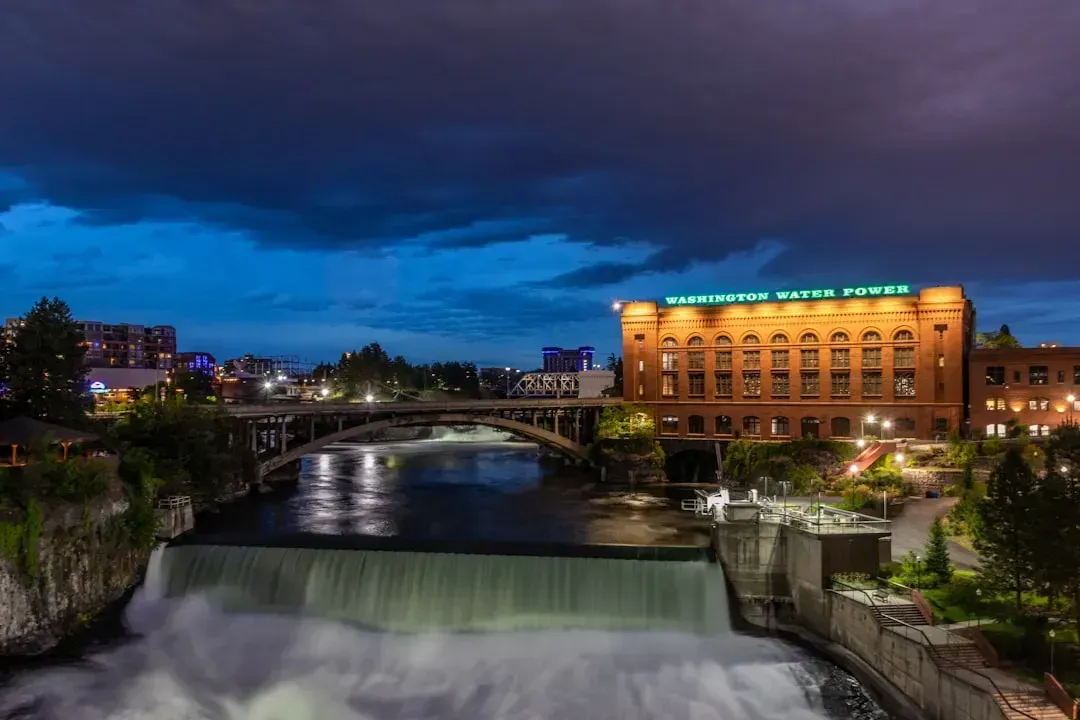
Spokane was something of a sleeper hit during the pandemic housing boom. Remote workers priced out of Seattle and the Pacific Coast discovered it, and prices shot up fast. The Spokane-Spokane Valley metro area now faces a potential decline of around 3.5 percent in 2026. What goes up quickly often comes down just as fast when the underlying demand fades.
While Florida is a major focal point, the cooling trend isn’t confined there. Several markets beyond the Sun Belt are also predicted to experience significant drops in home price growth. Spokane fits squarely into that category. The city attracted a wave of buyers who stretched their budgets to relocate, and now that demographic tailwind has eased considerably.
The affordability math in Spokane just doesn’t pencil out the way it once did. Prices rose faster than local wages could keep pace with, and with mortgage rates still stuck above 6 percent, the pool of qualified buyers has shrunk considerably. That combination creates a market where sellers simply have to accept lower offers or wait a very long time.
7. Denver, Colorado: A Different Kind of Decline
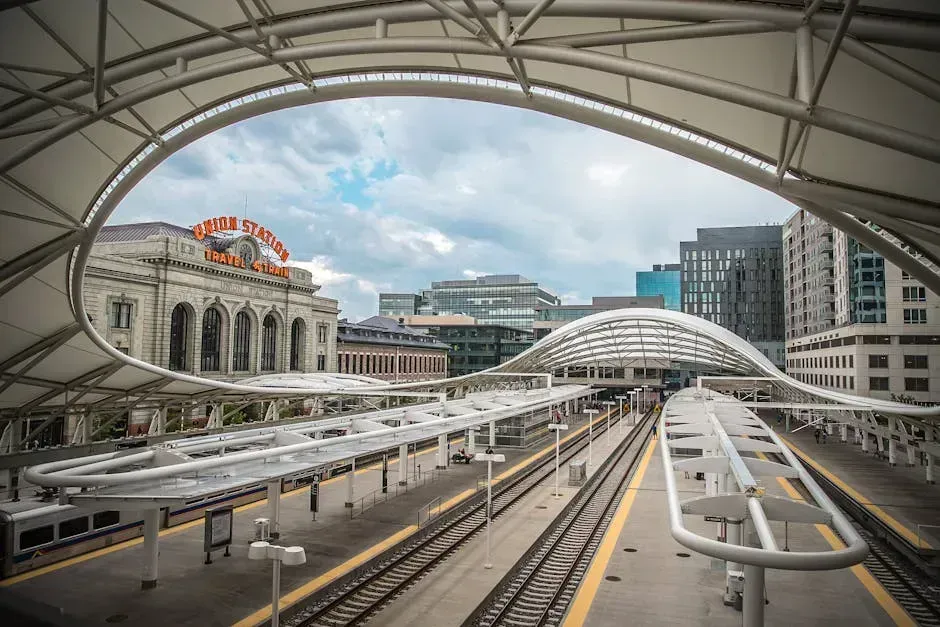
Denver’s situation is a bit more nuanced than the Florida or California corrections. In Denver, Colorado, the home price growth rate is expected to decrease by around 3.4 percent in 2026. What’s interesting here is the specific reason driving it.
The case of Denver is slightly different: prices are expected to fall thanks to the proliferation of multi-family housing in the city. Since multifamily properties typically carry lower price points, they pull the median price downward even when overall values remain stable. Despite this, renting remains more affordable than buying an entry-level home in the city, contributing to dwindling demand and declining home prices.
Shifting migration patterns, with people moving from Denver’s urban core to surrounding counties for more space and newer homes, also play a role. This outward movement redistributes demand and can slightly cool prices in the core city. Despite the projected pullback, local experts view it as a normalization rather than a collapse, noting Denver’s current inventory level signaling a move towards a more balanced market.
8. Sacramento, California: Bay Area’s Budget Escape Loses Its Shine
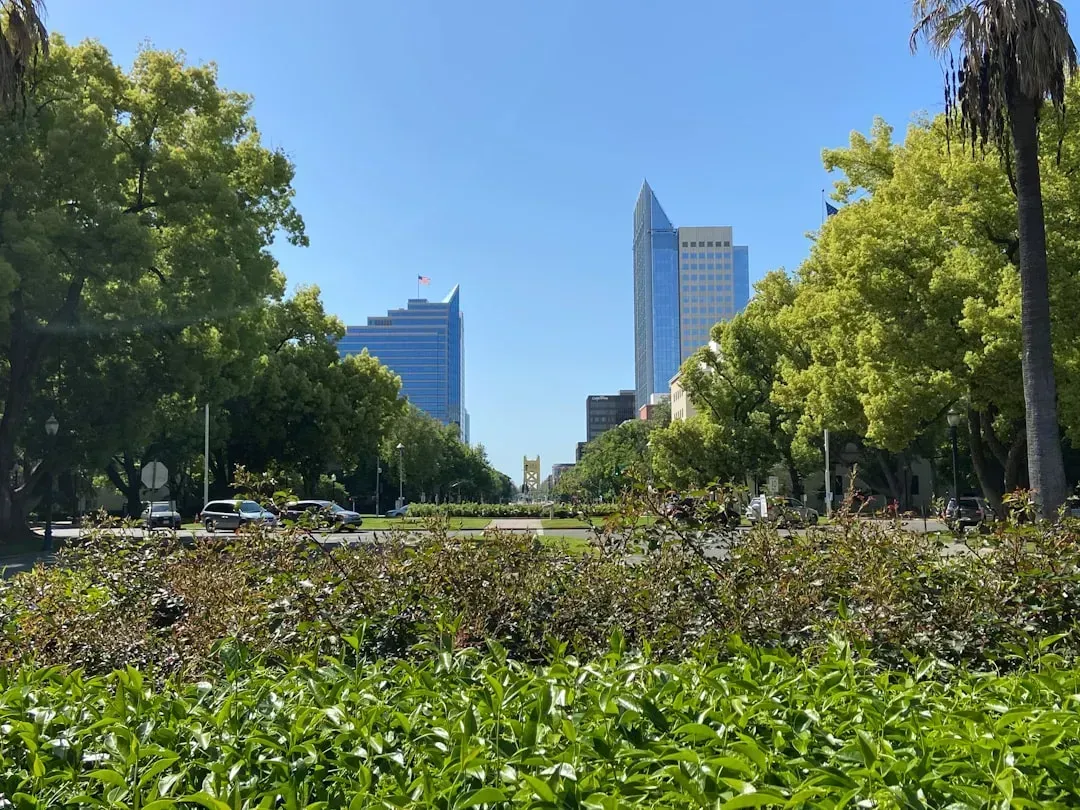
Sacramento boomed when San Francisco workers decided they could work from a cheaper zip code. That era is fading. Sacramento is projected to see a 3.3 percent decrease in home prices in 2026. For a market that rode the remote-work wave harder than almost any other California city, this trajectory makes sense.
Sacramento is among the three California markets expected to face steep price declines, which are facing a stark correction after years of rapid price appreciation. According to a Realtor.com analyst, high prices and the drag of high mortgage rates continue to eat into demand, which could cause home prices to soften.
Sacramento might see a slight continued dip or flattening of home values through early 2026. It’s not a dramatic crash, but rather a period of adjustment, influenced by ongoing mortgage rates and the general economic climate. For buyers who were priced out of the Bay Area but still found Sacramento expensive, this period of softening could finally open a real window.
9. San Francisco, California: The Long Correction Continues
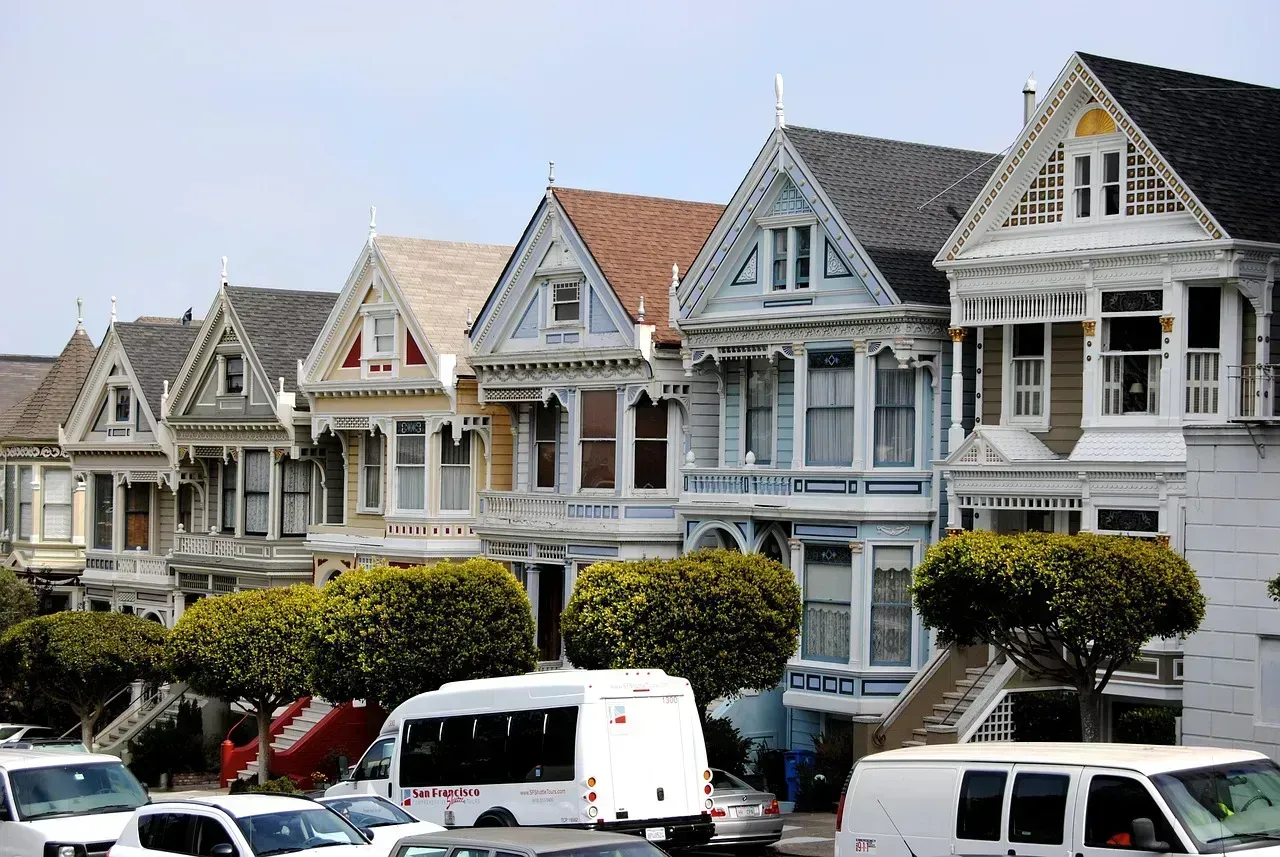
San Francisco has been a housing market story unlike any other American city, and not always in a good way. San Francisco is projected to see a 2.5 percent decrease in home prices in 2026, with appreciation rates expected to slow down significantly. For a city where median prices remain extraordinarily high, even a modest percentage drop represents a meaningful dollar-value decline.
House prices are falling the most along the West Coast and Sun Belt, where there remains a glut of new homes following the pandemic-era construction boom. San Francisco’s dynamic is somewhat unique, though, since its challenge is less about oversupply and more about stubbornly high prices clashing with the reality of remote work eroding the urgency to live close to tech offices.
Buyers continue to move from high-cost coastal cities like San Francisco to more affordable mid-sized cities, particularly in the Florida market and beyond. This outmigration reduces competition for San Francisco properties. Less competition, more inventory lingering on the market, and prices that need to adjust to meet where genuine demand actually lives. That’s the equation being solved right now.
10. Phoenix, Arizona: The Sun Belt’s Reluctant Retreat
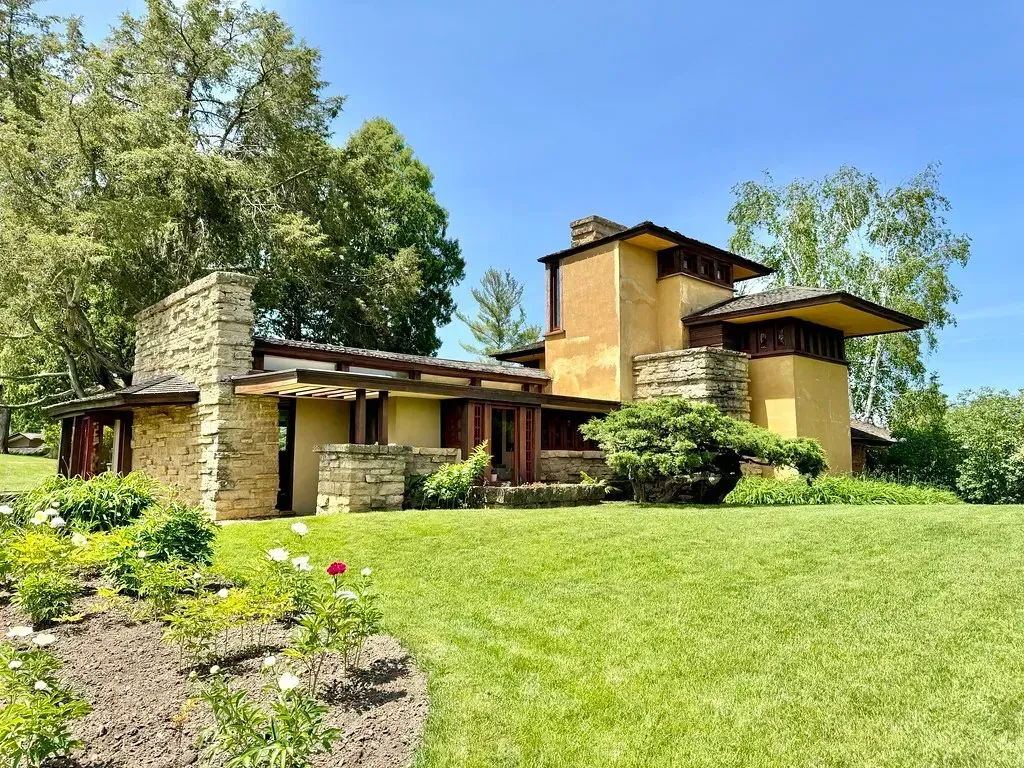
Phoenix was the darling of the 2020 pandemic housing boom. People flooded in from California, Nevada, and beyond, chasing lower costs and sunnier skies. That wave is receding now. Phoenix-Mesa-Scottsdale, Arizona, is projected to see a home price decline of around 2.3 percent in 2026. It’s not the sharpest drop on this list, but it’s telling from a city that seemed unstoppable just a few years ago.
Cities that have built heavily in recent years, including Phoenix, Austin, Orlando, Denver, and Dallas, may continue to offer incentives as developers slow construction in 2026. Builder incentives are a real signal. When homebuilders start cutting prices and throwing in mortgage rate buy-downs, it means they’re sitting on more completed homes than the current pool of buyers can absorb.
In some markets, builders are increasingly using price cuts and incentives to move inventory, giving buyers more leverage, even though affordability remains tight overall. Phoenix is a textbook example of this dynamic. Home prices may fall in numerous markets in the South and Southwest as they shift more toward buyer’s markets, and Phoenix fits squarely within that broader geographic story.