One New Restaurant Trend Boomers Dislike – But Many Diners Are Starting to Embrace
Walk into almost any restaurant today, and there’s a good chance that instead of a laminated menu arriving at your table, you’ll find a small square code printed on a card, stamped on a coaster, or taped to the wall. QR code menus exploded during the pandemic as a contactless necessity, and they never fully left. They have since become one of the most debated shifts in modern dining, loved by some for their speed and convenience, and loathed by others for the friction they introduce before anyone has even ordered a drink. The generation most vocal in its frustration? Baby Boomers. Yet the data tells a more nuanced story – and the industry knows it.
How QR Code Menus Took Over the Dining Room
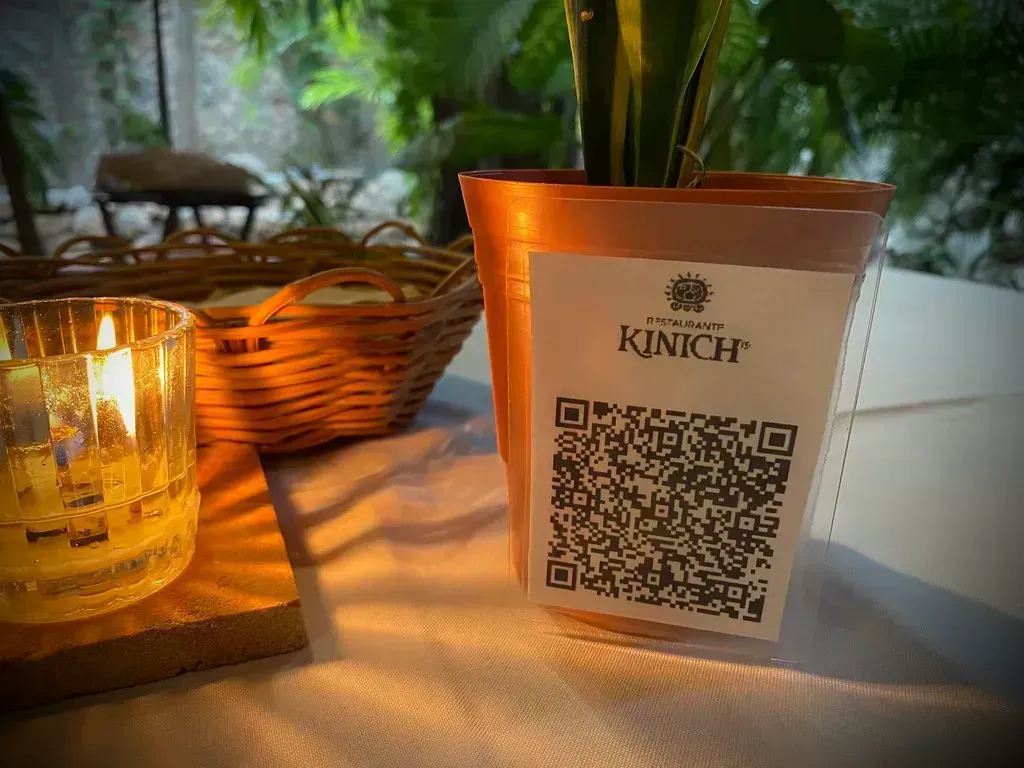
QR-only menus spread fast when restaurants wanted contactless service and fewer shared touchpoints. What began as a practical pandemic fix slowly hardened into a default rule at many tables. Restaurants found them cheap, easy to update, and operationally efficient. The format allowed managers to change prices and remove out-of-stock items instantly, without reprinting thousands of menus every week.
In 2026, the first real interaction many guests have in a restaurant happens through a QR code. People already pull out their phones and scan regularly in restaurants, but most of those scans still land on a basic menu or a generic page. The technology has matured, but the experience for many diners has not always kept pace. The result is a format that restaurants love to offer but that diners frequently tolerate rather than celebrate.
The Numbers Behind Boomer Resistance
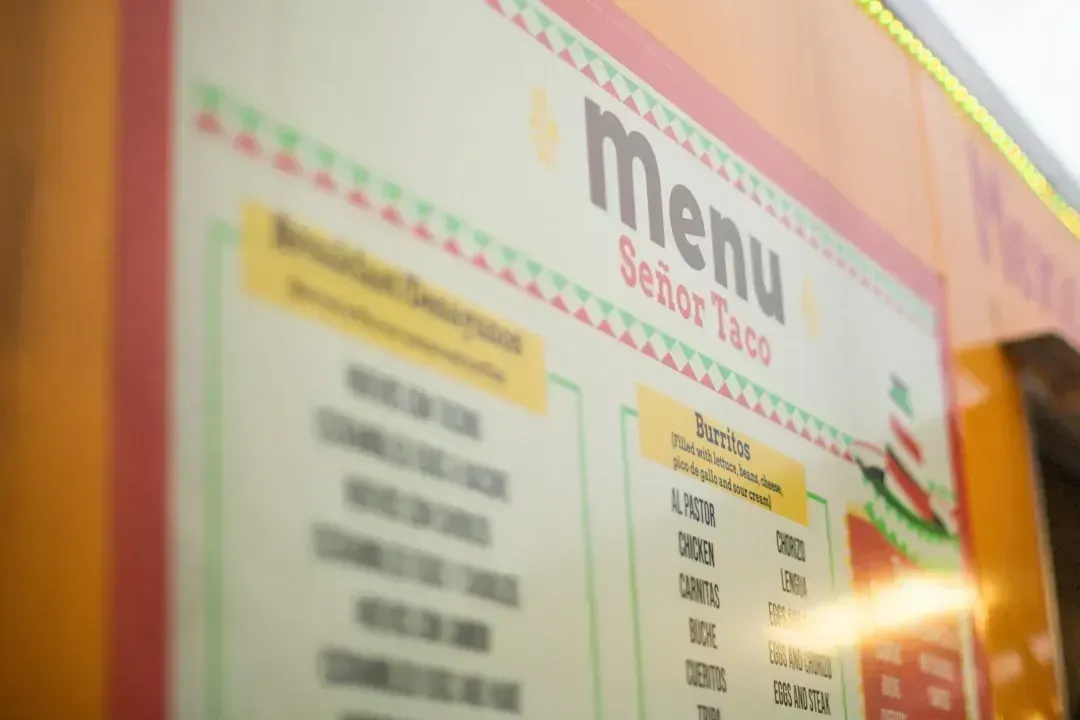
Dislike of QR codes is growing across all generation segments, with 95 percent of Baby Boomers increasing their paper menu preference in 2024 versus 86 percent in 2023, and 90 percent of Gen Z preferring paper menus over QR codes in 2024, up from 69 percent in 2023. That surge in boomer opposition is striking, but what makes it even more significant is that it rose sharply in just one year. These are not passive preferences – they reflect a consistent pattern of pushback at the table.
Restaurant Dive reported that 47 percent of consumers were uncomfortable using QR codes in restaurants, including 65 percent of people age 60 and older. The National Restaurant Association data also shows that 46 percent of baby boomers were interested in QR menu access, compared with 73 percent of Gen Z adults. That gap matters enormously for restaurant operators trying to serve a broad customer base, and it underlines why so many venues have chosen to offer both formats rather than go fully digital.
Why Boomers Push Back – and What It Really Comes Down To
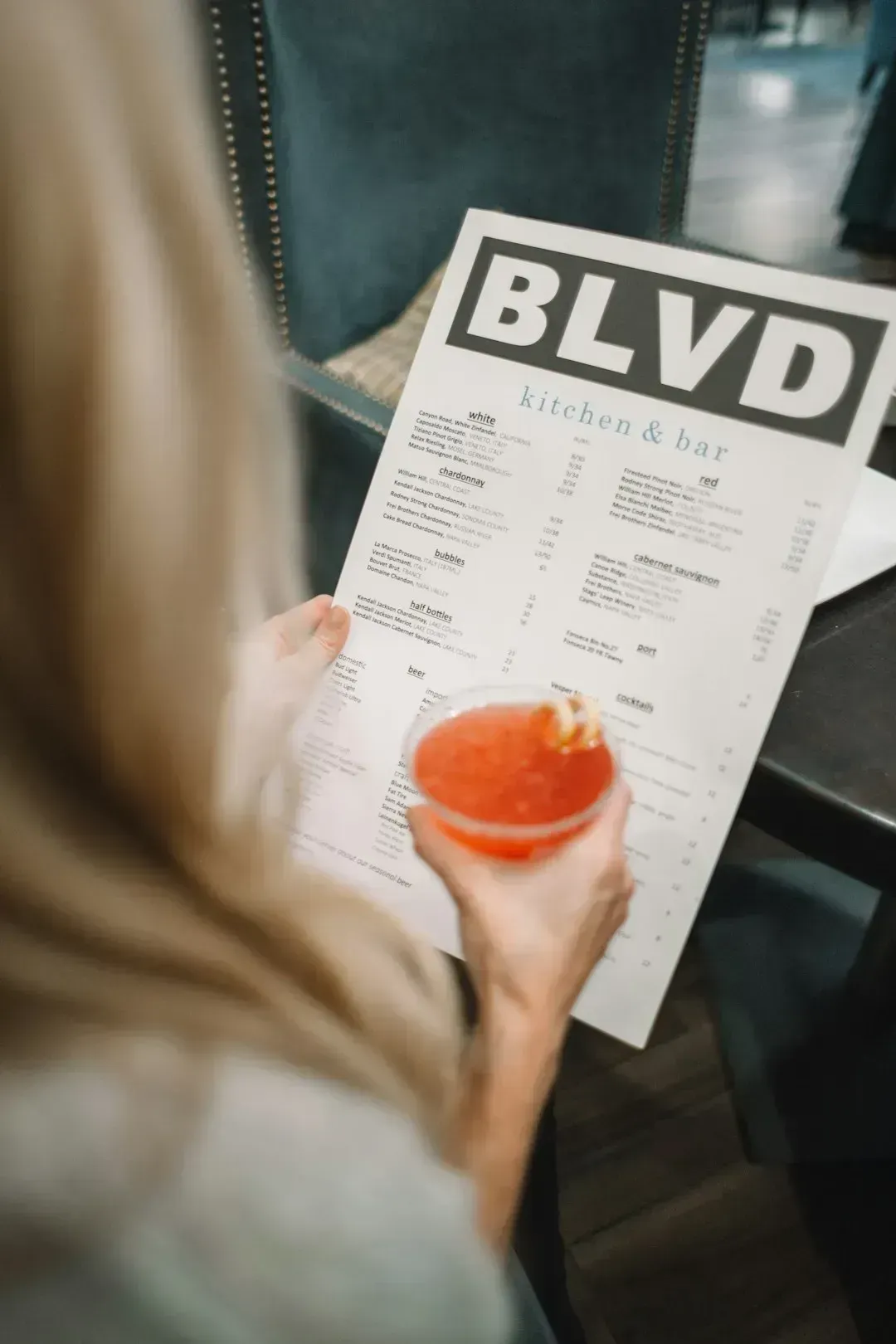
A restaurant menu used to be the simplest part of a meal, and QR-only systems can turn it into a tiny tech test before anyone orders a drink. There is also a hospitality issue buried inside the complaint. A paper menu feels like a service gesture, while a code can feel like the restaurant is handing the guest another job. That feeling runs deeper than a dislike of smartphones. It touches on the meaning of dining out as a social ritual.
Many QR menus open as awkward PDFs that force constant zooming, scrolling, and hunting for basic information. Battery life and signal strength also matter more than restaurants like to admit. A dead phone, weak connection, or bad camera can turn a simple dinner step into a pointless obstacle. Technology can be a real barrier. Many restaurants have embraced QR menus, mobile ordering, and digital payment systems, but older guests often find these frustrating or inaccessible. The practical obstacles are real, not imagined, and they compound the emotional friction.
The Generational Divide Is Bigger Than Boomers vs. Everyone Else
Despite the rise of technology, nearly all Americans – roughly 90 percent – prefer holding a physical menu over using a QR code, with this preference holding strong across all generations. This follows the same trend found in 2023, where the majority also preferred physical menus over QR codes. The story that QR codes are simply a boomer problem turns out to be far too simple. Recent Ipsos polling found that 58 percent of diners wanted to go back to paper menus, while only 39 percent hoped QR-menu use would continue.
Millennials and Gen Z are more inclined to embrace digital tools for dining, loyalty programs, and real-time promotions, while Boomers and Gen X prefer a more traditional approach mixed with modern conveniences. Yet even Gen Z is not without ambivalence. The majority of Gen Z diners still prefer the conventional way of communicating with restaurant staff one-on-one, and not through an app or QR code. This is evident in Gen Z’s preference for calling in to make reservations (64 percent), and looking at a physical menu and ordering from a server (53 percent).
Where Restaurants Are Landing – The Hybrid Approach
The novelty of QR code menus has given way to a desire for the familiar ease of a printed menu in hand – no Wi-Fi or phone juggling required. Restaurants may have taken note, with some that introduced digital-only menus reverting to physical ones or a hybrid approach in view of the fact that a majority of consumers still prefer the low-tech, human-centric dining experience. This reversal is not a failure of technology – it is the industry reading its audience and responding accordingly.
A successful modern restaurant must offer technology as an option, not a requirement. Keeping printed menus available, offering tablet-based menus with large text, and training staff to assist with mobile features can remove friction while maintaining operational efficiencies. Hybrid approaches can work well. Offering a few printed menus for guests who prefer them, but having QR code ordering ready for those seeking a quick, digital experience, means catering to everyone. Many operators have concluded that forcing a single format serves no one well.
Why QR Codes Are Still Growing Despite the Backlash
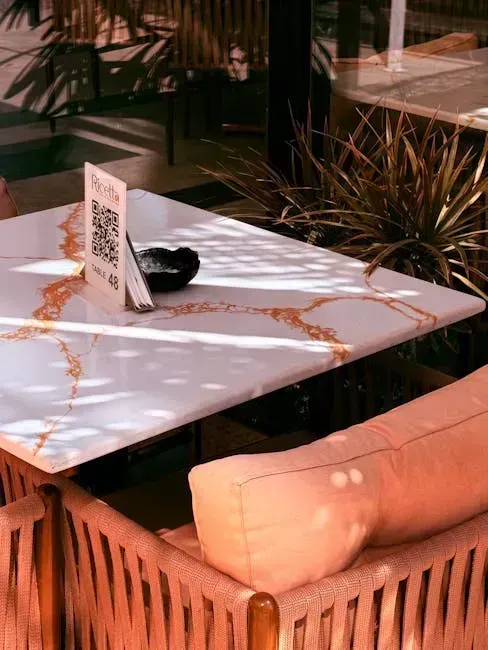
A study conducted by Square, a leading payment processing company, revealed that restaurants adopting QR code-based payments experience a 15 percent increase in table turnover, leading to a substantial boost in revenue. For operators already facing thin margins, that is a compelling argument for keeping the technology in play. In 2023, restaurants’ highest priority was making the service area more productive or efficient by upgrading POS or table management systems or installing self-ordering kiosks. The second-highest priority was enhancing the customer experience, by introducing digital menus, online reservation systems, or new tech-enabled loyalty programs.
In bigger cities, trendy cafés and fast-casual restaurants are already embracing the change, having made the shift to digital menus, and they are most often serving a younger clientele who are looking for quickness, customization, and digital connection. A study by Deloitte found that 70 percent of Gen Z consumers prefer to order digitally if possible, so cafes that implemented QR menus not only increased order efficiency but were able to see more interactions on social media. The economics and the demographics of younger dining are pulling strongly in QR’s favor, even as a broader backlash continues to simmer among older guests. Some industry experts predict that restaurants without this functionality will risk falling behind the curve, especially as younger, tech-savvy demographics grow into the majority of consumers.