Smart Ways to Use Leftover Vegetables Before They Spoil
We’ve all been there. You buy a beautiful bunch of kale, half a bag of carrots, some zucchini with the best intentions, and then life happens. A week later, those vibrant vegetables are quietly wilting in the back of your fridge, turning into a reminder of wasted money. It’s one of the most common frustrations in any kitchen, and yet it’s remarkably avoidable.
The truth is, there are genuinely smart, delicious ways to rescue almost any vegetable before it crosses the point of no return. Whether you’re a minimalist cook or someone who actually enjoys spending time in the kitchen, these strategies are practical, often surprisingly easy, and make you feel good about every dollar spent on fresh produce. Let’s dive in.
The Food Waste Problem Is Bigger Than You Think
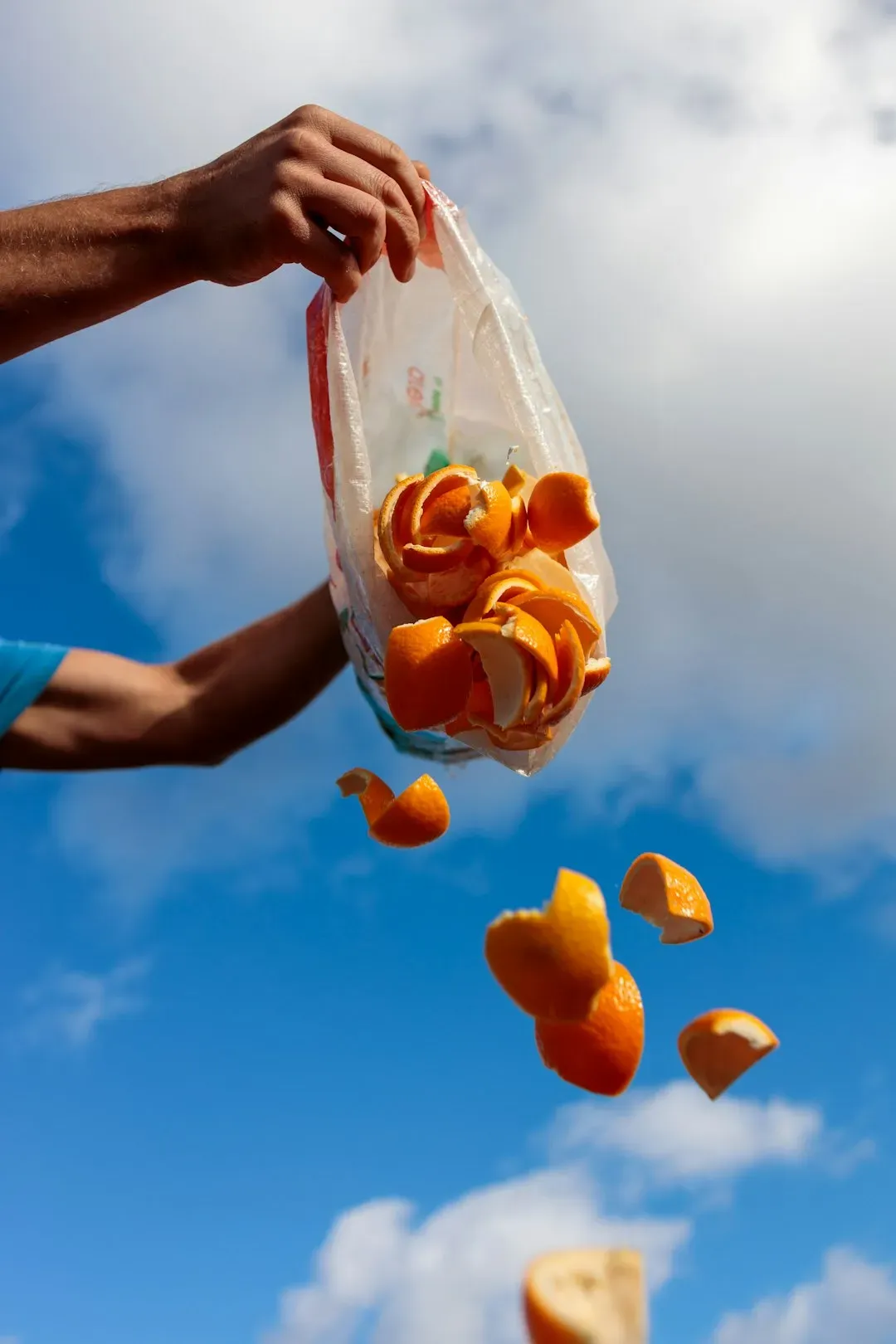
Here’s a number that might genuinely surprise you. In 2022, the world wasted 1.05 billion metric tons of food, amounting to roughly one-fifth of all food available to consumers at the retail, food service, and household levels. That’s not a typo. One fifth. Gone.
Fruits and vegetables constitute more than a third of total food waste, making them the single largest category of wasted food. Roughly forty percent of food wasted by households is fruits and vegetables. So if you’ve ever tossed a soggy pepper or a wilting head of lettuce, you’re far from alone, but you don’t have to keep doing it.
Roast Everything at Once for an Easy Weekly Win
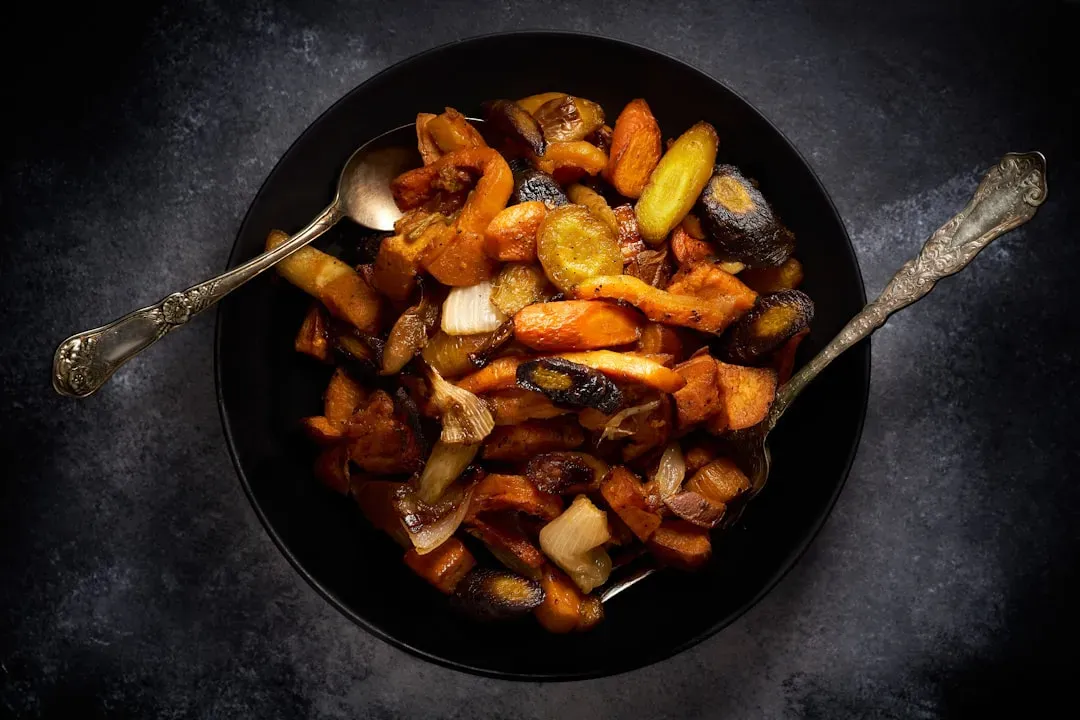
Roasting vegetables is one of the easiest and most flavorful ways to use up fresh produce before it goes bad. Think of it like a kitchen reset button. Toss whatever is lingering in your crisper drawer with olive oil, salt, and pepper, and let the oven do its thing. Good options include carrots, zucchini, bell peppers, broccoli, cauliflower, and onions.
Once roasted, those vegetables suddenly become wildly versatile. It’s generally safe to consume them within three to four days if stored in an airtight container in the fridge, and leftover roasted vegetables make a great addition to lasagna, pasta, grain bowls, soups, and stews. Honestly, roasted vegetables are better the next day anyway. The flavors deepen, and they’re ready to throw into almost anything.
Make a Big Pot of Soup or Stew

Soup is, without question, the greatest vehicle for using up vegetables that are starting to look a little tired. If you have a variety of vegetables, soup is a great way to use them all up at once. It doesn’t matter if the carrots are limp or the celery has softened. Once simmered into a broth, everything transforms. Think of it like giving those vegetables a second, more glorious life.
Soup is easy to freeze in portions, so you can save leftovers for busy days. This is the kind of practical kitchen thinking that actually saves money over time. Make a large batch on a Sunday, freeze half in individual containers, and you’ve got lunch sorted for the week without spending another cent.
Turn Scraps Into Homemade Vegetable Broth
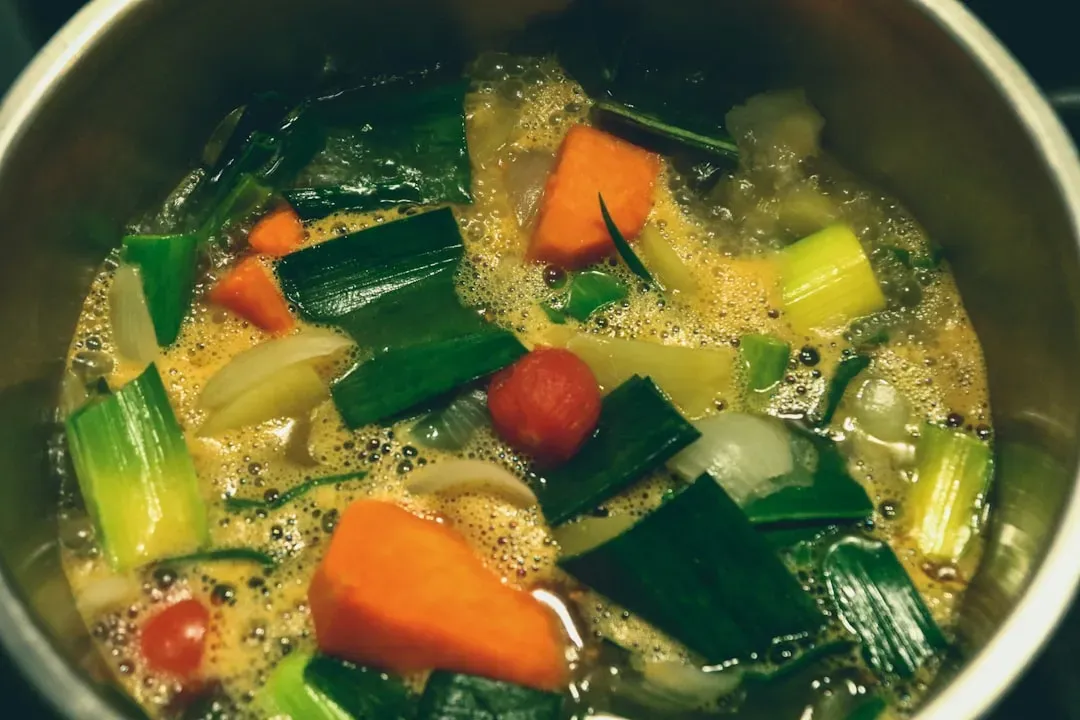
Vegetables that are past their prime or look a bit tired still have value. Instead of throwing them away, use them to make homemade stock. Vegetable scraps like onion skins, carrot ends, celery leaves, and mushroom stems all add flavor to stocks. This is one of those tricks that feels almost magical once you start doing it regularly.
The method is simpler than most people imagine. As you chop and trim, save those scraps in a reusable container or zip-lock bag in the freezer. Then, when you have enough, simmer them in water for about an hour. You can keep the finished broth in the fridge for up to one week, or freeze it for up to three months. Just be mindful that scraps from cruciferous vegetables like cabbage, Brussels sprouts, broccoli, and cauliflower have a strong flavor that can turn bitter when simmered in stock.
Freeze Them the Right Way Before It’s Too Late
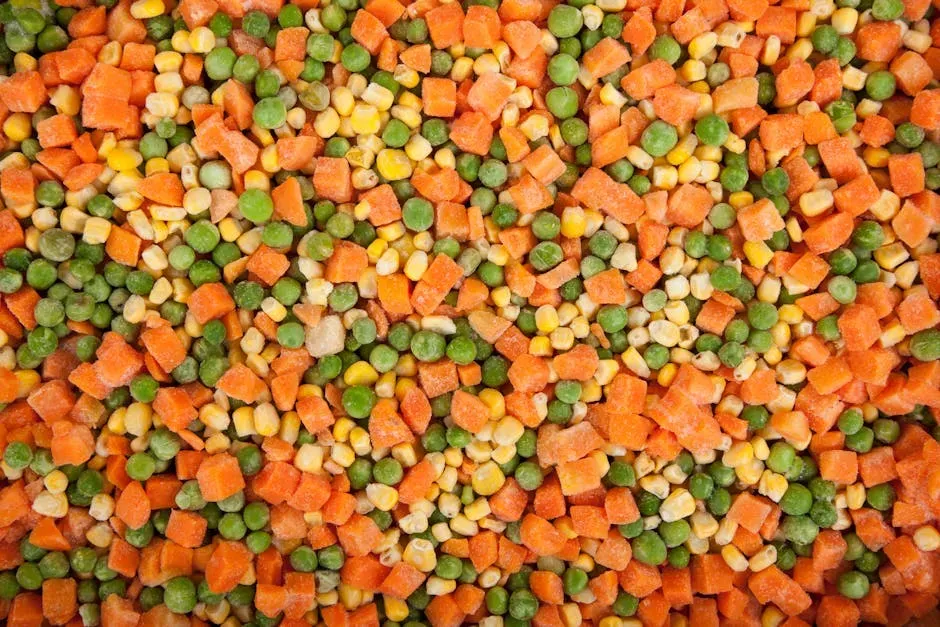
Freezing is often the most underrated weapon in the fight against vegetable waste. The key, though, is doing it correctly. Enzyme activity continues even at freezing temperatures, slowly breaking down color, flavor, and nutrients. This is why blanching matters so much. The brief heat treatment deactivates these enzymes, preserving quality for months instead of weeks.
Vegetables with dense cellular structure and moderate water content freeze best. This includes broccoli, cauliflower, Brussels sprouts, green beans, corn, peas, and winter squash, which maintain good texture and flavor after blanching and freezing. On the flip side, high-water vegetables rarely freeze successfully for fresh use, and lettuce, cucumbers, radishes, and whole tomatoes become mushy and unpalatable. Knowing the difference saves you from a soggy, disappointing surprise later on.
Stir-Fries and Grain Bowls Are Your Best Friends
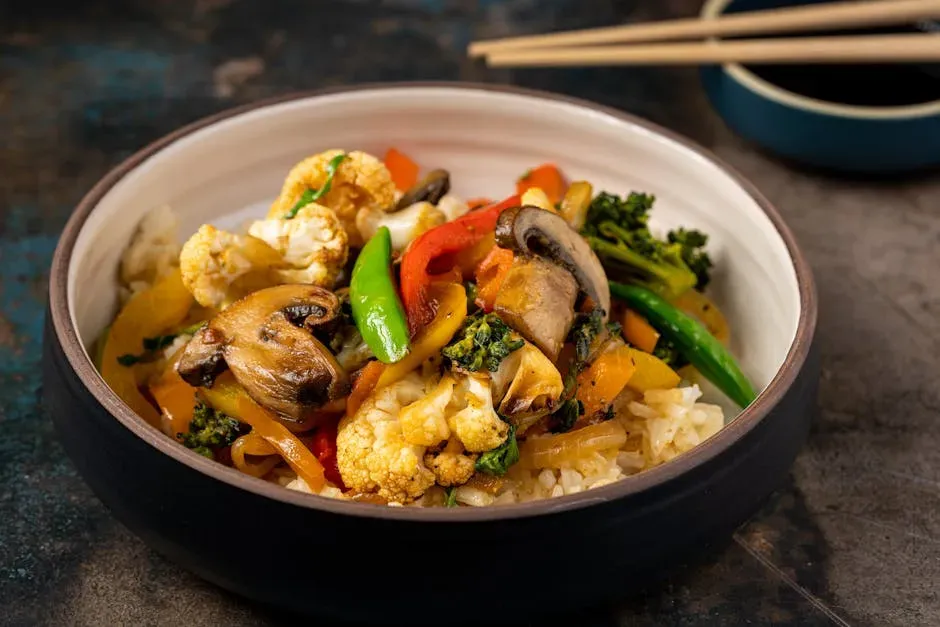
Let’s be real, few things are more satisfying than a stir-fry made from whatever odds and ends are sitting in your fridge. It’s fast, it’s flexible, and it works with almost any combination of vegetables. Stir-fries, soups, tofu scrambles, salads, tacos, Buddha bowls, and curries are just a few of the best ways to use up leftover vegetables. The beauty of a stir-fry is that no one needs to know it was built from leftovers.
Grain bowls work in a very similar way. Cook a base of rice, quinoa, or farro, then pile on whatever roasted or sautéed vegetables you have on hand. Add a sauce, maybe a fried egg or some chickpeas, and you’ve got a satisfying, nutrient-dense meal from what might have otherwise ended up in the trash. It’s honestly one of those techniques where imperfection is the whole point.
Blend Wilting Greens Into Pesto or Sauces
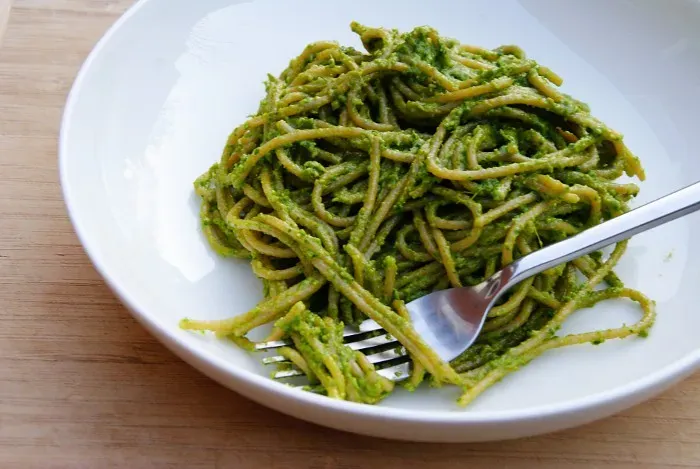
Leafy greens like spinach, kale, arugula, and even parsley can go from sad and wilting to absolutely delicious with one clever trick. To use up greens quickly, combine them and make a batch of pesto. While we usually think of basil as the green that goes into pesto, it can actually be made with many kinds of greens. This is one of those ideas that genuinely surprises people the first time they try it.
Spinach can be enjoyed fresh in salads, sautéed as a side, or blended into dishes like quiches and smoothies. This flexibility allows for using up fresh spinach in various ways and integrating it into different meals. A quick pesto or green sauce can go into pasta, spread onto toast, stir into soups, or serve as a dip. It freezes beautifully too, so you can make a large batch and pull it out weeks later.
Store Vegetables Smarter to Buy More Time
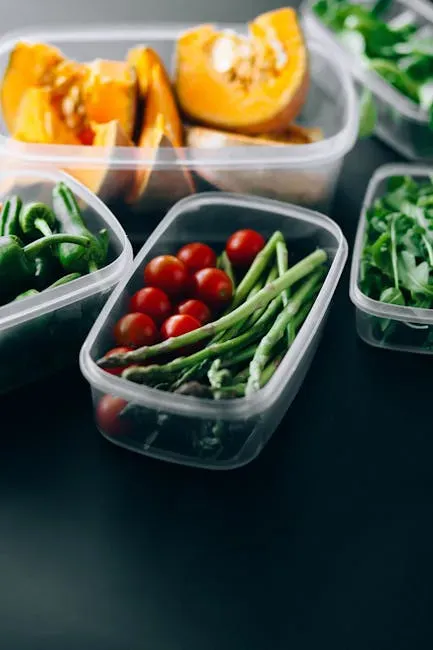
Sometimes the best strategy isn’t a recipe at all. It’s just smarter storage. Onions, tomatoes, apples, and bananas are all ethylene super-producers and can cause vegetables like broccoli, cabbage, and even squash to ripen before their time. Keeping ethylene-producing items away from sensitive vegetables is one of those small habits that makes a surprisingly big difference.
Excess moisture can cause most fruits and vegetables to spoil prematurely. To prevent this, make sure produce is dried thoroughly before storing. For cut vegetables like carrots and celery, storing them in water can help prolong their freshness. The FDA also recommends storing cooked vegetables in covered containers or sealed storage bags to prevent moisture loss and keep them fresh.
Pickle or Ferment What You Can’t Use Fast Enough
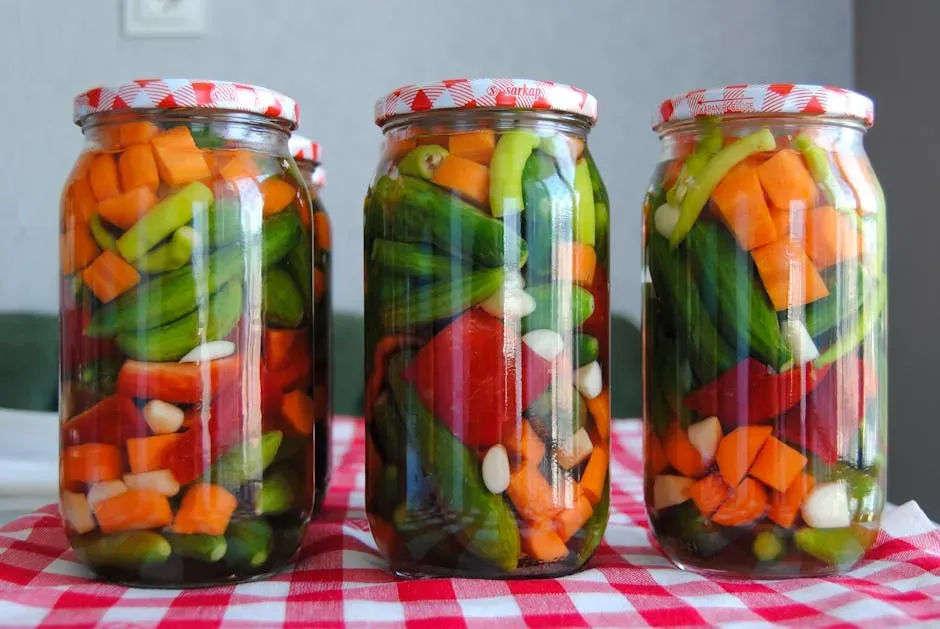
Pickling might sound like something your grandparents did, but it’s honestly one of the most effective ways to save vegetables that are close to their end date. Quick pickling requires no special equipment. A simple brine of vinegar, water, sugar, and salt transforms cucumbers, carrots, onions, radishes, and even green beans into tangy, flavorful condiments that last for weeks in the fridge.
Fermentation takes things a step further and adds a probiotic bonus. Cabbage becomes sauerkraut, vegetables become kimchi, and what was once destined for the bin becomes something genuinely prized. It’s hard to say for sure whether every fermentation experiment will be a hit, but even basic quick pickles are practically foolproof. They’re a brilliant way to buy extra time for almost any firm vegetable sitting in your kitchen.
Plan Meals Around What’s Already in Your Fridge
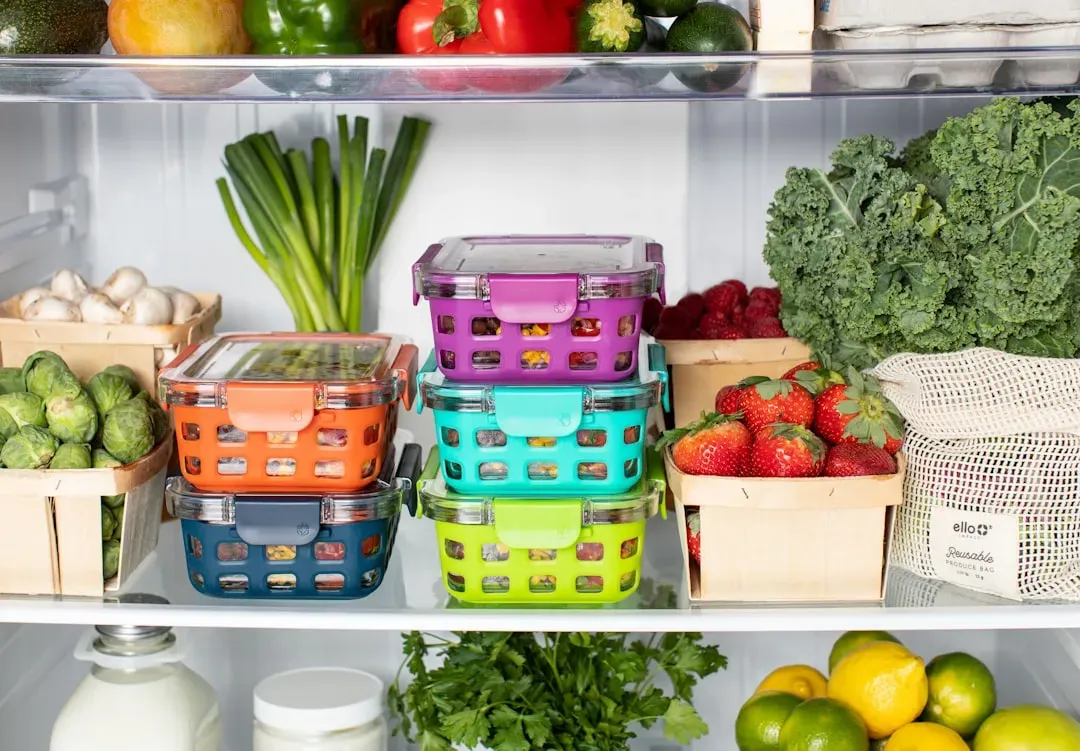
Here’s the thing most people skip entirely. The most powerful strategy for preventing vegetable waste isn’t a recipe or a technique. It’s a mindset. Lack of awareness and improper meal planning are major contributors to household food waste. Taking five minutes at the start of each week to look at what you already have and build meals around it is genuinely transformative.
Think of it like a puzzle. Your fridge is full of pieces, and your job is to connect them before they expire. This approach also tends to make you a more creative and confident cook. The constraints force improvisation, and improvisation builds skill. There are so many ways to reuse leftovers, and you wouldn’t just be making sure you don’t waste food, you’d also be ensuring you have another meal or multiple meals for essentially zero extra dollars. It’s great for your wallet, your stomach, your food security, and the environment.
What starts as a simple habit of checking your crisper drawer before heading to the grocery store can genuinely change how you cook. It saves money, reduces stress, and makes every vegetable you bring home actually feel worth it. So next time you spot those slightly soft carrots or half a wilting cabbage, think twice before reaching for the bin. What would you make with them instead?