A Simple Pasta Upgrade That Adds Restaurant-Level Flavor
Most of us have made pasta hundreds of times. Boil the water, cook the noodles, pour on the sauce, done. It works. It’s fine. Sometimes it’s even genuinely good. Yet there’s always that nagging feeling after eating at a great Italian place – a little voice asking, “Why does theirs taste so much better?” The pasta at a proper trattoria has a silkiness, a depth, a way of pulling everything together into one cohesive, glorious bite that’s hard to recreate at home.
The thing is, the gap isn’t about access to professional equipment or exotic imported ingredients. It’s almost entirely about technique. A handful of small, easy adjustments – changes that take less than a minute each – can completely transform a weeknight bowl of pasta from “pretty good” to “how did I make this at home?” Let’s dive in and break down exactly what makes the difference.
Start With the Right Pasta: Why Bronze-Die Matters More Than You Think
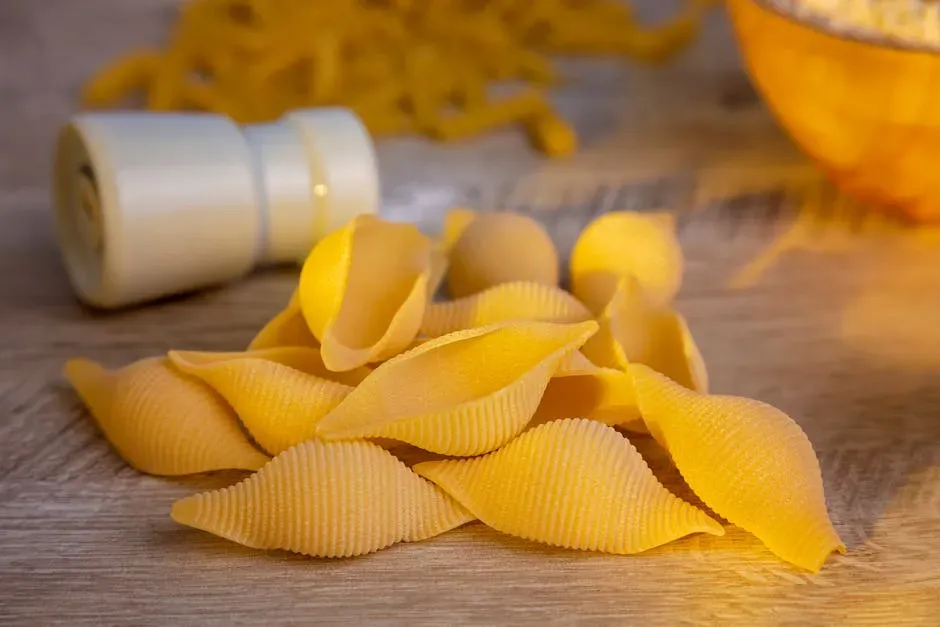
Bronze-cut pasta is made by pushing dough through bronze dies instead of modern Teflon molds, and this process creates a rough, porous surface that helps sauces cling better, delivering deeper flavor and a more authentic texture. Honestly, most people have no idea this distinction exists. You go to the store, grab whichever spaghetti is on sale, and head home none the wiser.
Nearly all pasta on grocery-store shelves has been made with Teflon dies, which allow quicker production, but these industrial dies create pastas with a slick surface that’s nearly impenetrable to sauce or seasoned oils. Think about that for a second. You spend time on a beautiful sauce and it just slides off the noodle. Bronze die extrusion gives the pasta a rougher texture and creates a built-in porous surface on the pasta, and the pasta’s rough texture gives the sauce something to cling to while its porous surface soaks up the sauce, creating cohesive, flavorful bites.
Salt Your Water Like You Mean It
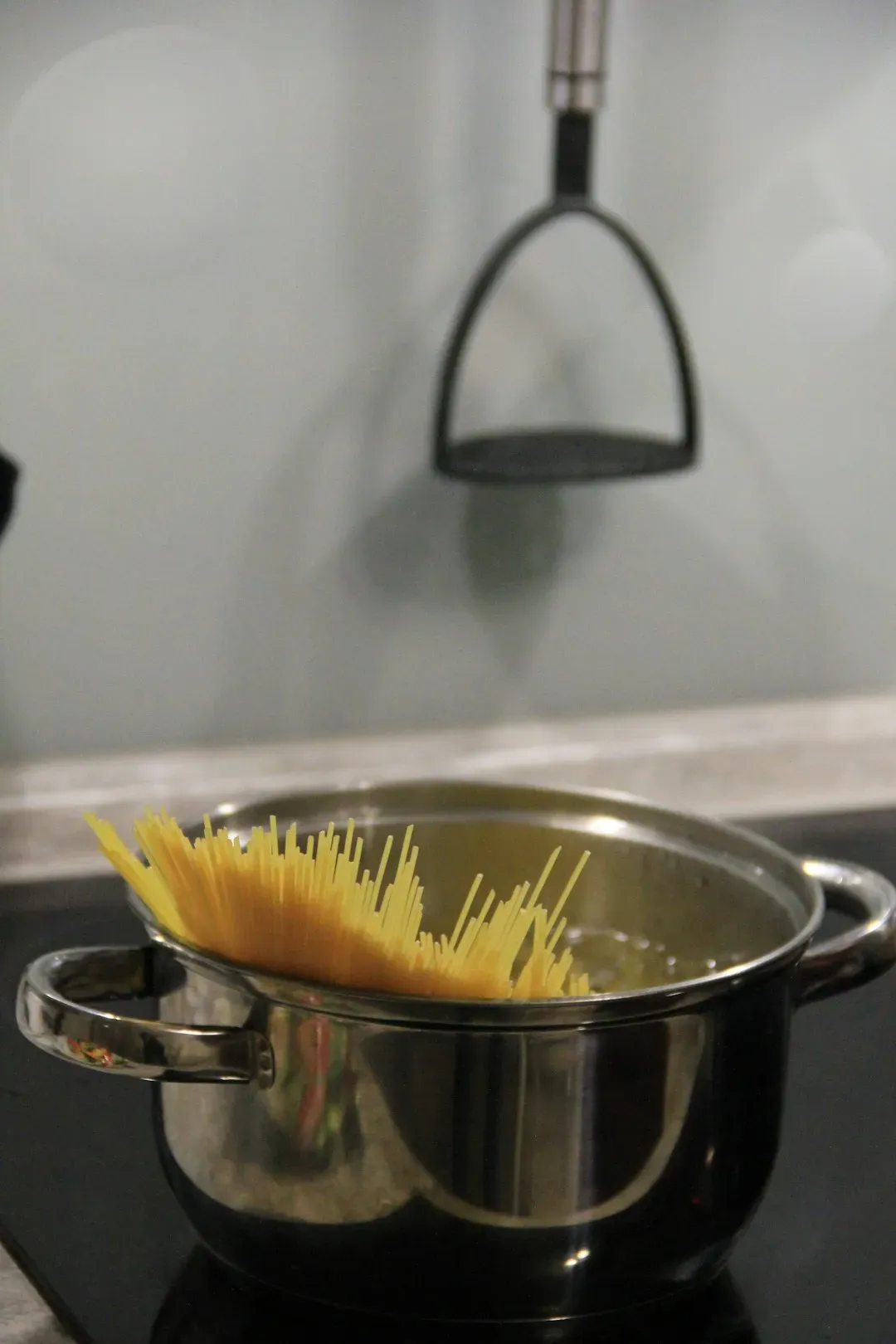
Here’s the thing that trips up so many home cooks. They either skip the salt entirely or add a timid pinch that accomplishes basically nothing. Pasta absorbs water as it cooks, and if that water is salted, the pasta absorbs some salt along with the water, resulting in pasta that’s seasoned throughout, not just at the surface. Unsalted pasta has a flat, starchy taste that no amount of saucing fully corrects, because the interior remains unseasoned.
The concentration needed is roughly one to two percent salt by weight, which for a gallon of water is about one tablespoon of kosher salt, producing water that tastes noticeably salty but not unpleasant, roughly the saltiness of well-seasoned broth. Salting your pasta water is crucial – it’s your only chance to season the pasta itself. Without it, even the best sauce in the world will fall flat. No joke. This one step alone is responsible for an enormous amount of the flavor gap between home pasta and restaurant pasta.
Stop Pouring That Pasta Water Down the Drain
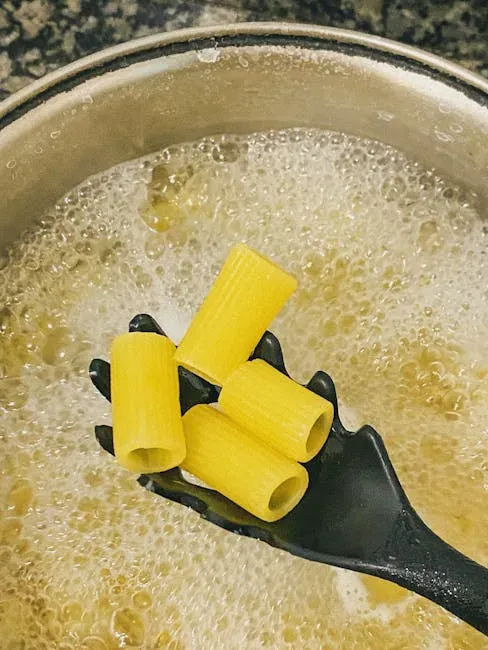
I think this might be the single most underestimated trick in all of Italian cooking. That murky, cloudy water left in your pot after the pasta cooks? It’s essentially liquid gold. Pasta is made up of carbohydrates like starch. When pasta is boiled, the starch weakens, taking on water and expanding. The starch is then released into the pasta water.
Starch acts as an emulsifier by bridging the gap between oil and water phases. Starch granule remnants and dissolved amylose in the pasta water help suspend fat droplets, creating a loose emulsion that coats pasta uniformly rather than separating. A good rule of thumb is to reserve one to two cups of pasta water every time you make pasta. Make sure to take a measuring cup and take the water out right before draining the pasta. Set a cup next to your stove as a physical reminder. You’ll thank yourself later.
Finish Your Pasta in the Sauce, Every Single Time
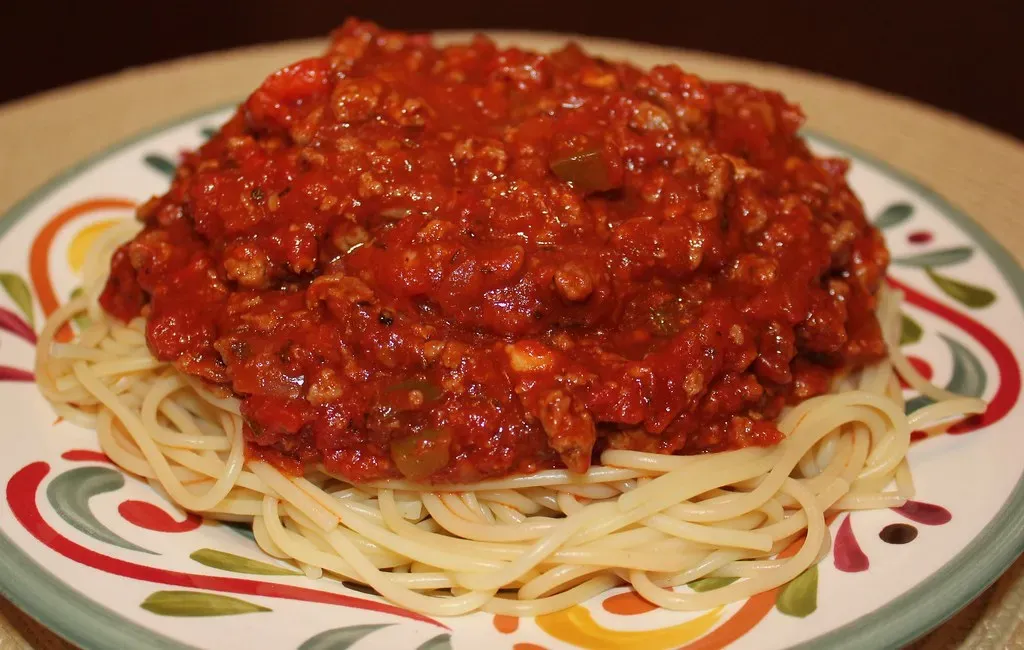
This is the game-changer that separates restaurant pasta from the average home version. Finishing your pasta in the sauce is the only right way. It’s what separates restaurant-level dishes from the “sauce-on-top” versions you may have been guilty of at home. When you finish cooking pasta in the sauce, something magical happens – the noodles absorb the sauce’s flavors, while the starch they release thickens everything into a rich, cohesive dish.
In Italy, one of the oldest pasta-cooking tricks in the book involves parboiling the pasta in water until it’s shy of al dente, draining it, and then simmering it directly in the sauce to finish cooking. Finishing the pasta in the sauce not only allows the neutral-tasting pasta to absorb some of the sauce and its flavor, but it also makes the sauce viscous enough to cling to the pasta, as the starches the pasta sheds during the cooking process thicken the sauce. The result is a dish where the pasta and sauce are genuinely one thing, not two things sitting awkwardly next to each other.
Layer Your Fat Thoughtfully for Maximum Depth
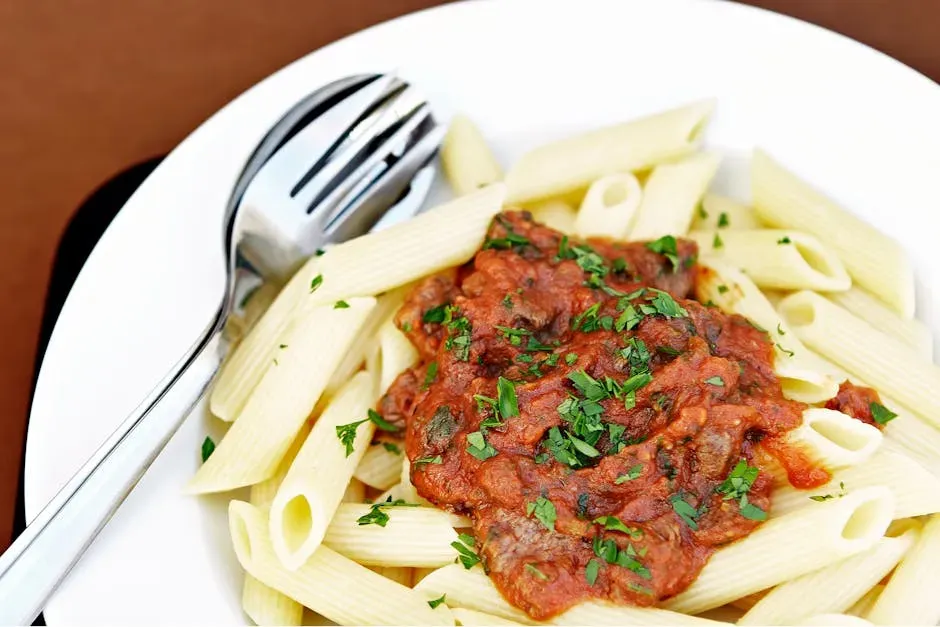
Fat is flavor. Every chef knows this, and Italian cooking built an entire culinary tradition on it. The key isn’t just adding fat – it’s adding it at the right moments. Fat usually first enters a pasta dish when making the sauce through an aromatic base such as adding diced onions, garlic, or carrot and sautéing them down in olive oil and butter. This fat becomes infused with the flavors compounds that are fat soluble. Additionally, spices like red chili flake or oregano could be used. Essentially, you are trapping these flavor compounds in the oil and this aromatic oil base will disperse throughout the entire dish.
A knob of cold, unsalted butter stirred into the hot pasta at the very end creates a rich, glossy sauce that coats every strand. It’s called mantecatura – an Italian technique that turns simple ingredients into something luxurious. Butter shines when you want creamy, cohesive sauces, while olive oil’s lighter touch enhances fresh, vibrant flavors. Rendered fats excel in heartier dishes, where their intense umami complements bolder ingredients. The trick is balance: too much fat, and your sauce feels greasy; too little, and it lacks richness.
Match Your Pasta Shape to Your Sauce – It’s Not Just Tradition
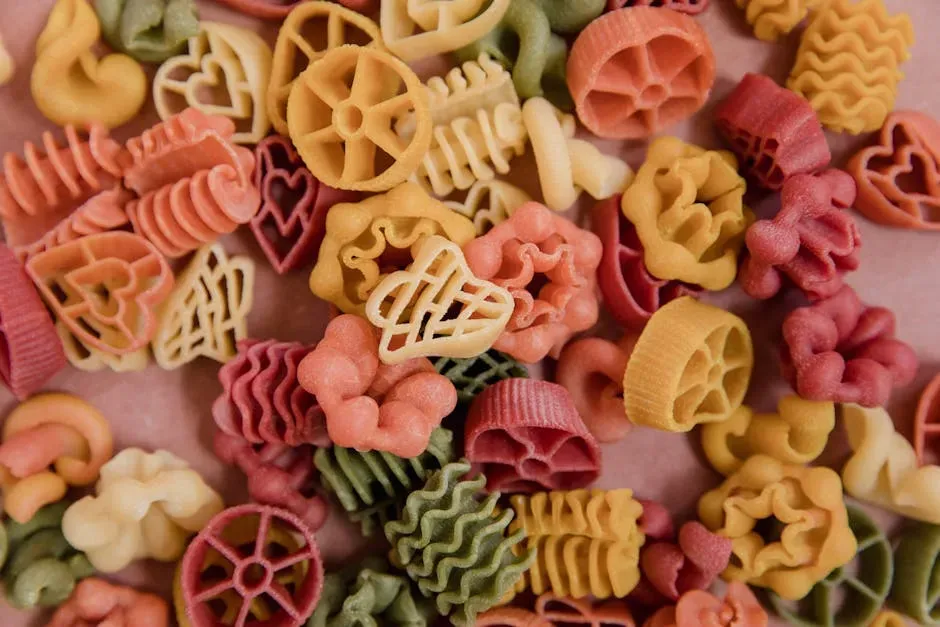
Let’s be real: most people grab whatever shape is already in the pantry and call it a day. That’s totally understandable. Still, matching pasta shape to sauce makes a meaningful difference. Pairing pasta shapes with sauces is more than just tradition – it’s a science rooted in texture and balance. For short pasta, it’s all about grooves and pockets. Rigatoni and penne excel with robust, chunky sauces because their ridges catch every bit of flavor.
Wide, hearty pasta is great to pair with rich, hearty sauces since its weight can really stand up to the weight and richness of the sauce. For dishes like bolognese or ragu, choose hearty pasta like bucatini, fettuccine, or pappardelle. When choosing what shape to use, think about the nature of the sauce and choose pasta that will complement it – the heartier the sauce, the heartier the pasta. Think of it like a handshake – you need the grip to match the pull.
Add Toasted Breadcrumbs for a Texture Upgrade
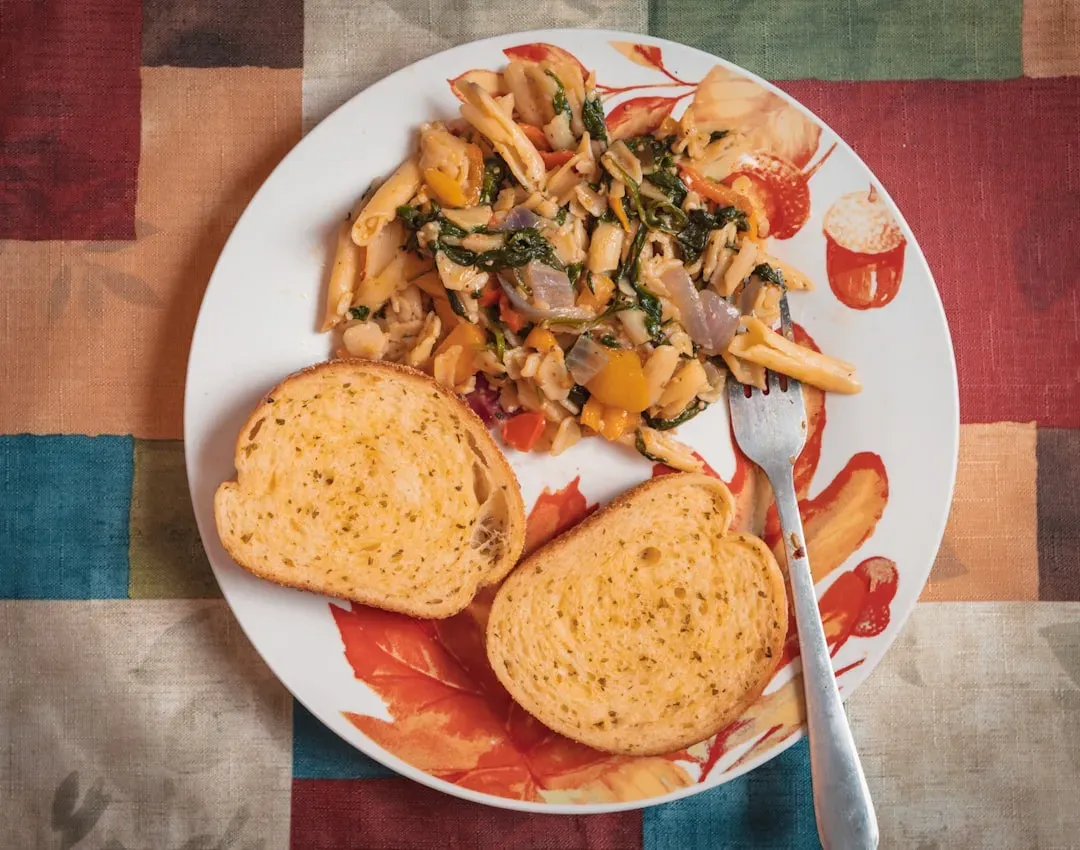
This one surprises people every time. Breadcrumbs on pasta sounds almost too humble to bother with. The truth? It’s one of the most effective finishing tricks in the entire Italian playbook, rooted in the genius of Sicilian peasant cooking. Breadcrumbs are humble and not worth writing home about on their own, but when toasted, seasoned, and mixed through pasta, they add a delightful crunch. Toasting brings out the nutty flavor of the breadcrumbs, enhancing their taste and texture. They’re even better if you add garlic, herbs, salt, and pepper for extra flavor.
Toasted breadcrumbs made with your favorite herbs will not only add a toothy snap to your pasta dishes but also bring an extra buttery flavor that will cement this meal in your mind. Experiment by seasoning your next batch of handmade breadcrumbs with red pepper flakes, lemon zest, or a spoonful of chili crunch to provide that unforgettable zing for your next pasta meal. This technique works exceptionally well with long pasta like spaghetti or linguine, as the breadcrumbs cling to the strands, enveloping each bite in a delightful crunch. It’s best with a basic pasta sauce, such as aglio e olio or cacio e pepe.
Try Toasting the Pasta Itself Before Boiling
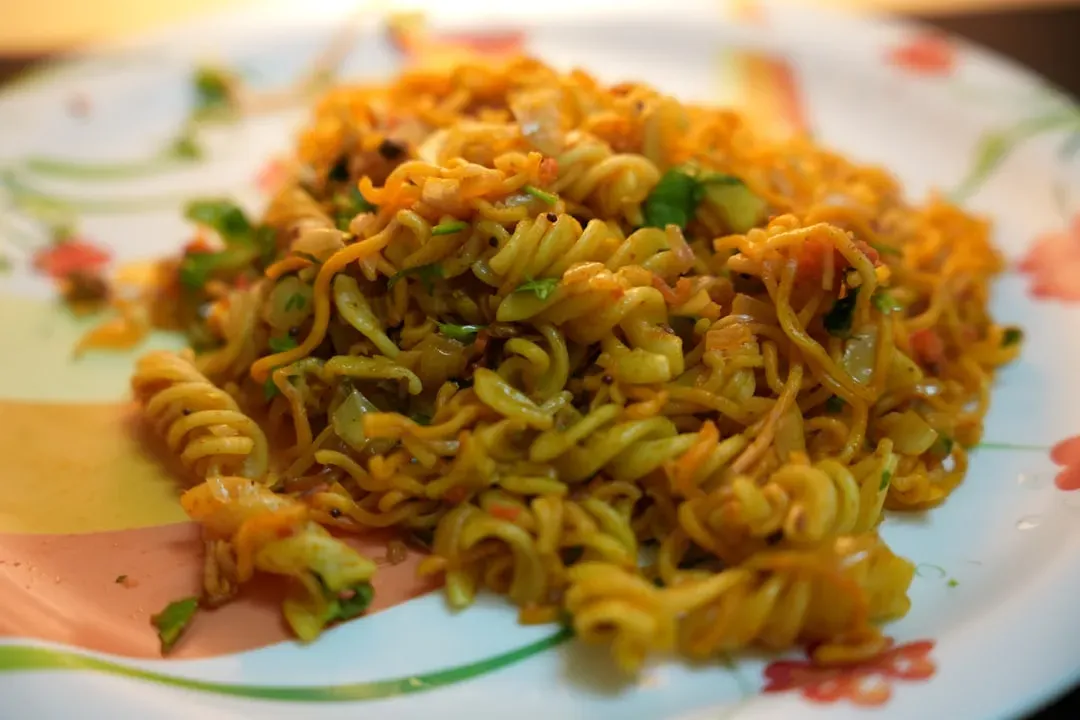
This one is genuinely surprising – and I know it sounds a little unhinged. Toast dry pasta before cooking it? In a skillet? Yes. Exactly that. Toasting pasta before using it is a simple technique that can really upgrade pasta dishes from basic to gourmet – no matter how unconventional it might sound. This method involves cooking pasta in a dry skillet until it becomes golden brown and aromatic before boiling it in water. The toasting process adds a nutty flavor and enhances the pasta’s overall texture, making it a versatile base for a variety of recipes.
The toasting process enhances the nutty flavor of the pasta, adding depth to the final dish. Once the pasta is toasted, begin adding warm broth or stock one ladle at a time, allowing the liquid to be absorbed by the pasta before adding more. Stir the pasta continuously and maintain a gentle simmer, allowing the noodles to gradually release their starches into the sauce, creating a creamy consistency without the need for heavy cream or cheese. As the pasta absorbs the liquid, it becomes tender yet toothsome, and the starches released from the noodles thicken the sauce, creating a velvety, risotto-like texture. This is the kind of technique that makes guests lean over the table and say “wait, what did you do?”
Never Rinse Your Cooked Pasta With Cold Water
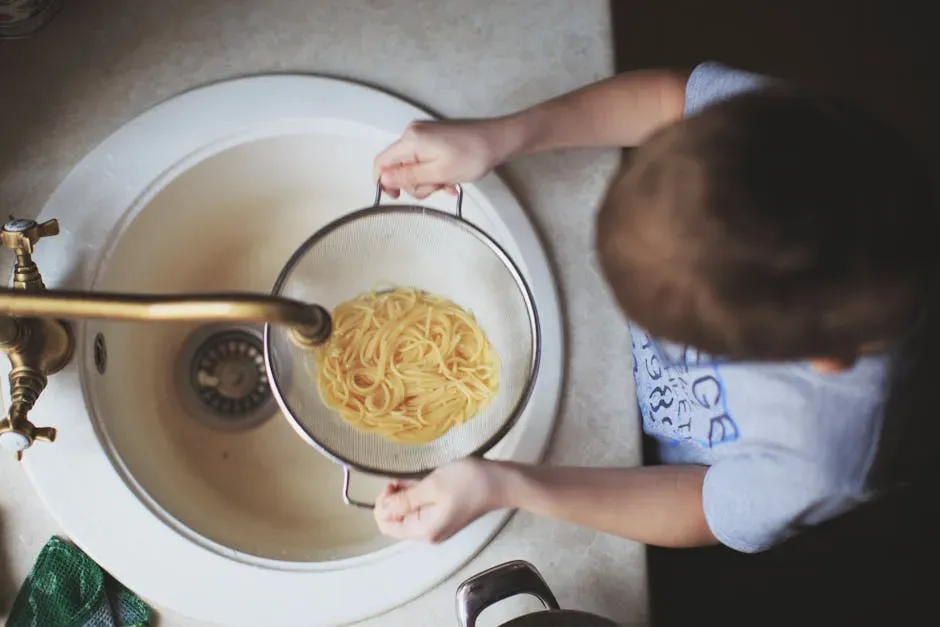
Almost everyone has done this at some point. You drain the pasta, it starts clumping, you panic and hit it with cold water from the tap. Problem solved, right? Actually, you’ve just made things worse. Never rinse cooked pasta with cold water unless you’re making pasta salad. Rinsing removes the surface starch that helps sauce adhere. It also stops the carry-over cooking, which matters for pasta salad but not for a hot dish.
Don’t stop these final moments of cooking with a rinse in cold water. The rinse will result in underdone pasta that is bound to get stuck and seized starch that won’t hold a sauce as well as a hot noodle. Rather than panic, simply add a half cup or so of pasta water to the pan. Your pasta water is full of starch leeched out while cooking your noodles and will help create a glossy, silky sauce that perfectly compliments and commingles with your pasta. Basically, the surface starch is your friend – protect it at all costs.
Finish With Something Bright and Something Aromatic
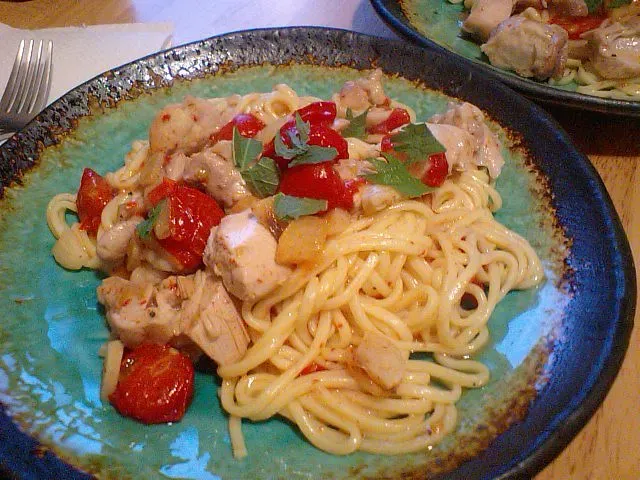
The difference between good pasta and great pasta often comes down to the finishing touches. Fresh herbs, grated cheese, and a drizzle of olive oil might sound simple, but they’re the garnishes that bring everything together. A final flourish isn’t an afterthought – it’s the moment where the dish becomes distinctly yours.
A little lemon or orange zest over a white wine and clam sauce adds a burst that makes you stop and think, “Why didn’t I think of that?” The brightness from citrus or a scattering of fresh parsley acts like turning up the contrast on a photograph. Thoughtful garnishes and toppings, such as crispy breadcrumbs or fresh herbs, add texture and depth to each dish too, elevating the overall dining experience. That final drizzle of good olive oil, the whisper of lemon zest, the generous shower of freshly grated cheese – these are the small details that make a lasting impression long after the plate is cleared. What’s stopping you from trying one of these tonight?