A New Way to Think About Travel in a Fast-Paced World
Something has quietly shifted in how people think about getting away. The old logic of packing as many destinations as possible into a single trip, arriving exhausted and leaving with a camera roll but little else, is losing its appeal. Travelers in 2026 are asking different questions before they book: not just where, but why, and at what pace.
If 2025 was about getting back out there, 2026 is about slowing down. Research shows that this year’s holidays are becoming more thoughtful, restorative, and emotionally led. After years of fast-paced travel and packed itineraries, people are ready to pause, reflect, and reconnect with themselves. That quiet reorientation is rippling through every corner of the travel industry, from how trips are planned to how hotels design their stays.
From Quantity to Quality: The “One Big Trip” Mindset

The idea of collecting destinations like stamps is fading. In 2026, travel isn’t about doing more – it’s about choosing well. Many travelers are taking fewer, more deliberate trips, guided by the “one big trip” mindset. That shift reflects something deeper than budget pressure: it’s a genuine change in what people want from time away.
Compared to 2025, there’s a subtle but meaningful shift toward quality over quantity. While slightly more leisure trips are planned on average, travel is becoming significantly more intentional, personal, and experiential. More travelers are now opting for fewer, longer trips rather than multiple shorter ones – a reversal of the pre-pandemic norm.
Intentional Travel and the Push Against Overtourism

Roughly seven in ten travelers now consider overtourism when deciding where to go, and more than four in ten are actively choosing destinations because of fewer crowds. That’s a meaningful shift from even a few years ago, when destination popularity was often treated as a selling point rather than a deterrent.
Skipping crowded hotspots is not only a way to combat overtourism, but also a way for travelers to discover new places and support local communities. According to survey data, nearly a quarter of respondents said they would absolutely skip a bucket list destination to combat overtourism, and nearly half said they would try to find an alternative. That shift is fueling the rise of so-called secondary cities, which sit outside major tourist hubs and offer more immersive experiences. Accommodation searches in Asia’s secondary destinations are growing roughly fifteen percent faster than in traditional tourism hubs.
Slow Travel: Depth Over Distance
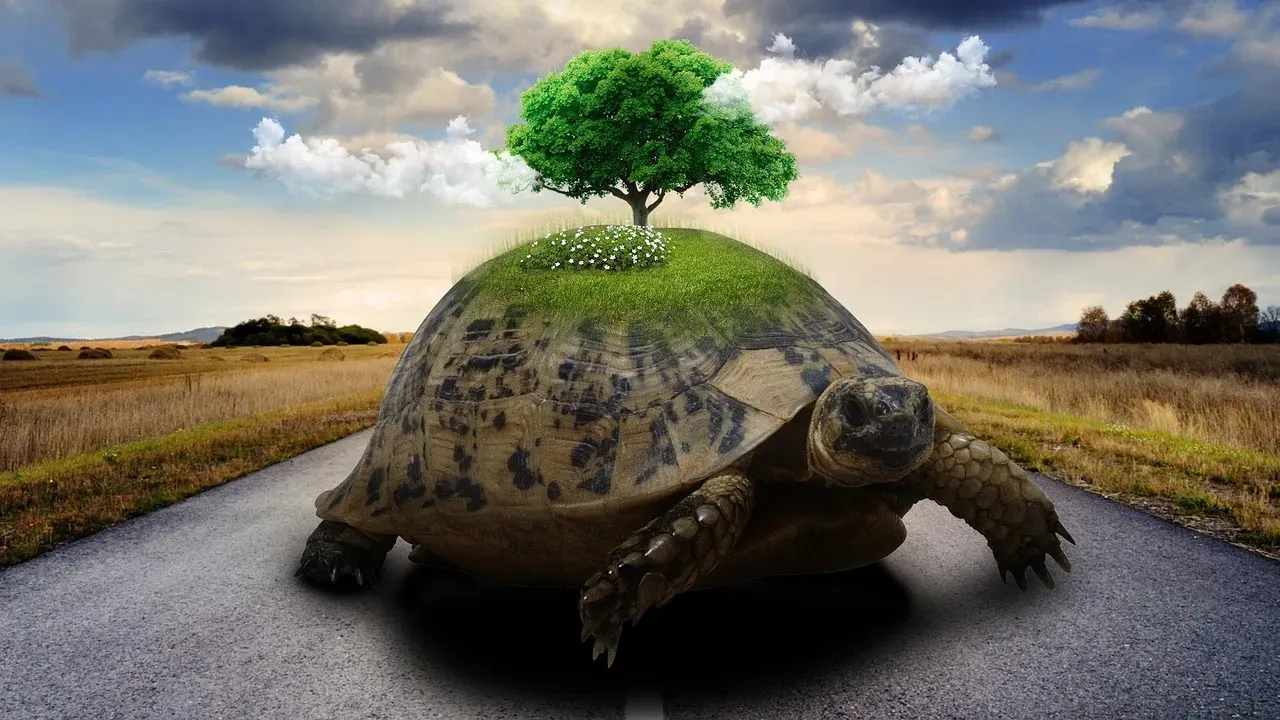
Slow travel is all about trading hurried itineraries for the luxury of time. It invites you to immerse yourself in a destination, to truly engage with its people and embrace a simpler, more meaningful way of experiencing the world. Rather than rushing from one landmark to another, it’s about pausing, reflecting, and savoring every moment.
That intentionality extends to pacing. Roughly four in ten respondents in a Global Hotel Alliance survey now prefer unplanned, relaxing trips that prioritize comfort, wellbeing, and time – what GHA calls the “slow and steady” trend. In an age where overtourism has made headlines and wanderlust fatigue has set in, a quiet revolution is reshaping how we explore the world. Slower, more intentional travel that prioritizes depth over breadth, mindfulness over rushing, and authentic connection over social media moments is taking hold.
The Real Cost of Booking Stress

Planning a trip and actually enjoying it are two very different things. Travel planning may be aspirational, but booking often isn’t. Research puts a number on that tension: roughly seven in ten British holidaymakers find at least one part of the booking process stressful, and about the same proportion of US vacation bookers say the booking experience is stress-inducing.
Rather than rushing to tick off famous landmarks on a travel bucket list, the focus is shifting toward meaningful, manageable trips that offer peace of mind and a sense of control. From mindful beach breaks to offbeat city escapes, travel in 2026 is about feeling good, not just getting away. People want to come home calmer, clearer, and more connected.
Wellness Travel Is Now a Near-Trillion-Dollar Force

The wellness tourism market is projected to reach approximately $978 billion in 2025, growing at a compound annual rate of more than nine percent. This includes trends like a rise in “soft travel” focused on mental health, “digital detox” experiences, and growing interest in sleep tourism, where travelers seek destinations specifically designed for quality sleep.
Wellness travel in 2026 is evolving. It’s less about luxury spas or relaxation and more about meaningful, regenerative experiences. Think forest immersion, star-bathing retreats, desert wellness escapes, nature-rooted rituals, mindful slow travel, and tailored experiences for rest, renewal, and inner balance. Wellness getaways have been among the fastest-growing travel trends over the past few years, and more travelers are seeking meaningful experiences that contribute to personal growth, physical health, and emotional well-being.
Travel as Mental Health: What the Research Actually Shows
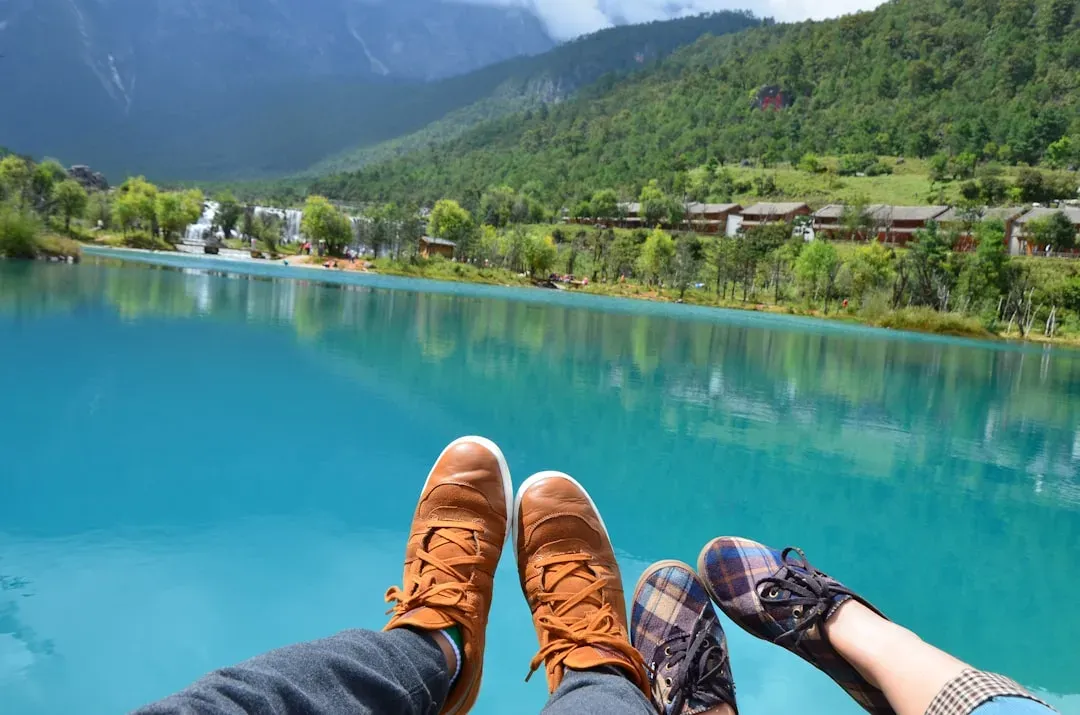
Travel has a powerful role in promoting mental health by alleviating stress, reducing anxiety, and improving sleep patterns. When individuals embark on trips, they often experience a mental reset by leaving behind work pressures and daily responsibilities. This physical and psychological break helps diminish stress hormones.
Research grounded in the Broaden-and-Build Theory of Positive Emotions suggests that the positive emotions elicited during leisure travel – such as joy, awe, and gratitude – broaden thought-action repertoires and build lasting psychological resources like resilience and optimism. These frameworks jointly suggest that travel can produce immediate relief from stress and enduring enhancements in emotional functioning. Empirically, the frequency of leisure travel has been associated with improved mood, increased vitality, and enhanced life satisfaction.
Sustainable and Local: Rethinking Who Benefits From a Trip
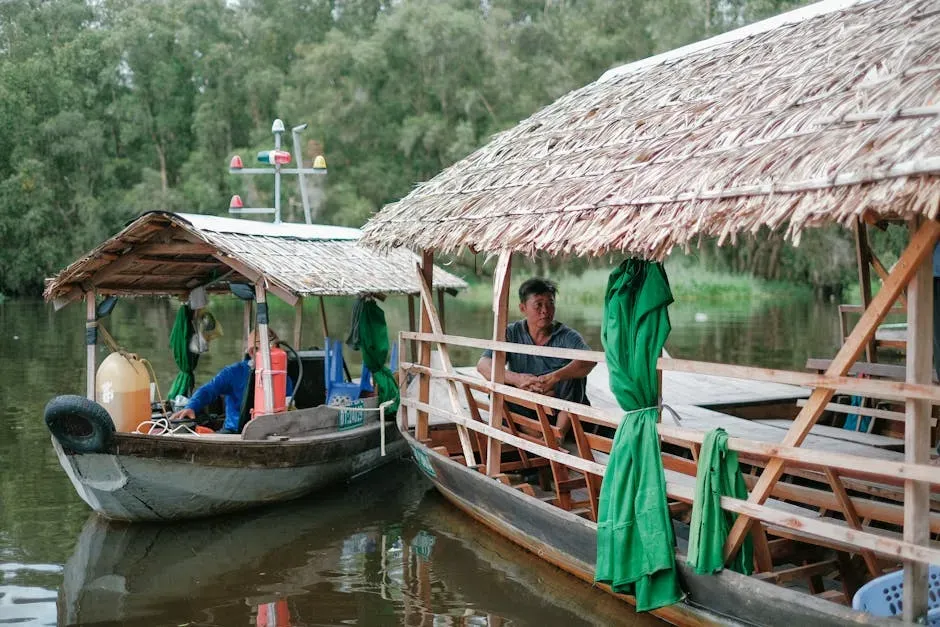
According to Accor’s 2025 report, more than one quarter of Brits are planning sustainable trips, and online searches for eco-nature holidays have surged by a remarkable two hundred and fifty percent. The appetite for greener travel isn’t niche anymore – it’s moving into the mainstream of how people plan and justify their decisions.
One in three travelers plan trips around cultural events or festivals, including music, food, and sports. Meanwhile, nearly three quarters of global respondents aim to support local small businesses while visiting new destinations. Supporting family-run inns or farm stays that are deeply connected to the land and community contributes directly to local livelihoods while offering a richer, more personal travel experience.
AI Is Quietly Rewriting How Trips Get Planned

AI is transforming travel planning, helping younger travelers build itineraries, find hotels, and discover hidden gems while saving time and personalizing trips. Generative AI use in trip planning tripled from 2023 to 2025, led by millennials. It’s a shift in behavior that’s happening faster than most people outside the tech and travel industries realize.
Roughly sixty-two percent of Millennial and Gen Z travelers already use AI tools such as chatbots for trip planning, compared with about thirty-five percent of older generations. Generative AI travel planners tested across multiple tools show strong satisfaction scores, with a majority of users stating they are likely to use these assistants again for inspiration and itinerary planning. For all of AI’s efficiency, there are areas of travel that still require human insight and judgment. Complex itineraries, family travel, and last-minute disruptions call for empathy, negotiation, and on-the-ground expertise that algorithms can’t replicate.
Younger Generations Are Redefining Travel as Non-Negotiable

A striking share of Millennials and Gen Z respondents in a major 2026 survey say travel is a “non-negotiable” expense. A significant portion of that same group would even take a job with fewer benefits if it allowed for more flexibility to travel. That’s a revealing signal about how this generation weighs priorities, not just leisure.
Nearly eight in ten Millennials and Gen Z travelers say they are likely to seek out local workshops or activities specific to the destination they’re visiting. Beyond interactive immersion, travelers are focused on experiences that leave a lasting impression – with the vast majority believing that skills gained on a trip remain with them longer than any material souvenir. A sense of burnout drives many of these choices too, with nearly two thirds of young travelers naming burnout as a common reason for travel, resulting in younger generations deciding to take full advantage of their time off.
The Rise of Climate-Aware and Shoulder-Season Travel

Nearly half of advisors from travel agency Virtuoso say their clients are adjusting plans due to climate change. Of those advisors, roughly three quarters report increased interest in shoulder-season or off-peak travel, while the same proportion say clients prefer destinations with moderate weather. This isn’t just a trend driven by cost – it reflects a broader awareness of how summer heat and natural disasters are reshaping which places feel comfortable to visit.
Travelers are embracing off-peak city breaks, shoulder-season sunshine, and slower, longer stays in place of quick weekend getaways. Europeans are set to stay closer to home, with more than half of Brits, nearly half of Germans, and roughly four in ten Italians and Spaniards planning to holiday within the continent. In the UK, more than half of travelers say they’re concerned about overtourism and many are open to changing behavior like traveling off-season. In the US, more than four in ten say they’re concerned, with two thirds willing to consider off-season travel to avoid crowds.
Travel has never been a static idea. Every generation reshapes it to fit the world they’re living in. What feels different now is that the reshaping isn’t being driven by economics or technology alone – it’s being driven by how people want to feel when they come home.