4 Lifestyle Shifts Inspired by Frequent Travelers
There’s a particular kind of calm that experienced travelers tend to carry with them, even when they’re back at home sorting through ordinary weekday routines. It isn’t really about the miles logged or the passport stamps. It’s something more practical, almost quiet: a set of habits that emerges gradually from moving through the world often enough to notice what actually matters.
The interesting thing is that these habits aren’t exclusive to people who travel constantly. They’re transferable. Once you see how a seasoned traveler organizes their closet, spends their money, or handles an unexpected change in plans, it starts to reshape how you look at your own daily life. Here are four of the most meaningful shifts.
Embracing Radical Minimalism at Home
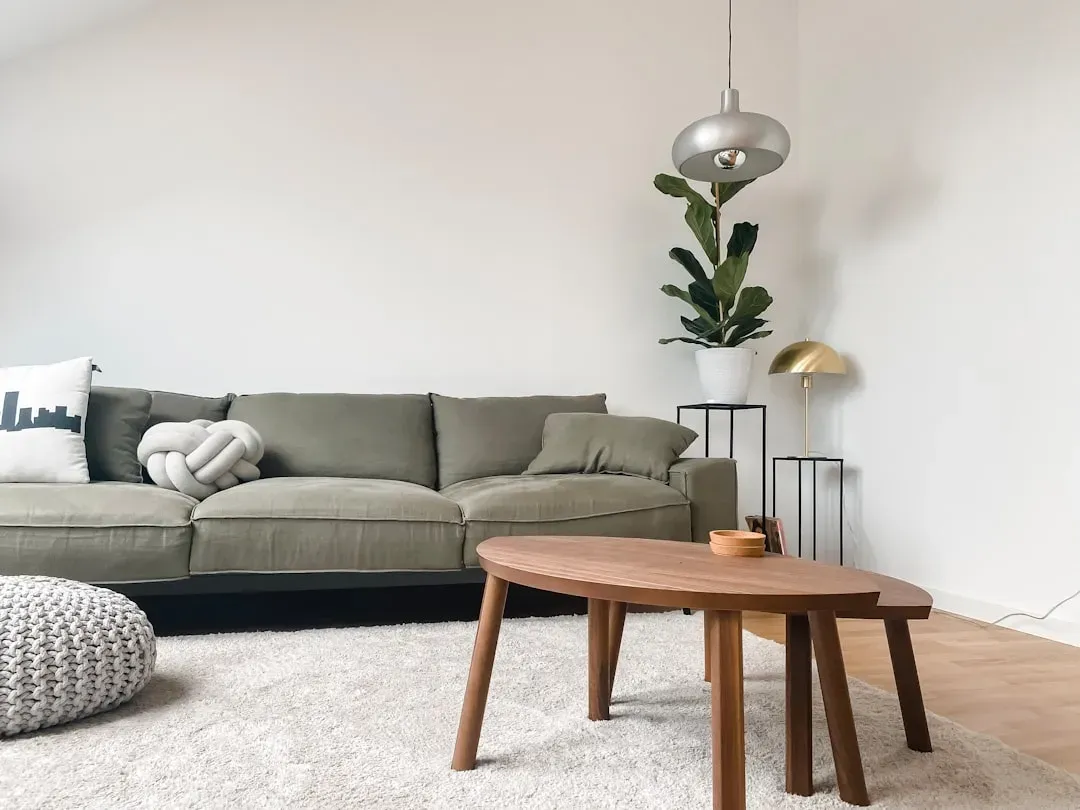
By adopting a minimalist mindset, save time, money, and stress. Research shows the vast majority of travelers are actively looking to avoid checked bag fees, which has pushed more people toward packing lighter and making do with less. What begins as a packing strategy on the road tends to evolve into something bigger once you’re back home.
Minimalist travel is less about packing lighter and smarter, and more about adopting the mindset that less is more and sticking to it. That philosophy carries over naturally into everyday living. One habit that seasoned travelers adopt is regularly decluttering their belongings, getting rid of items they no longer need or use. This helps prevent accumulation of unnecessary possessions and keeps the mind focused on experiences rather than material things. It’s a small but consistent practice that quietly changes how you relate to your stuff.
Choosing Experiences Over Possessions
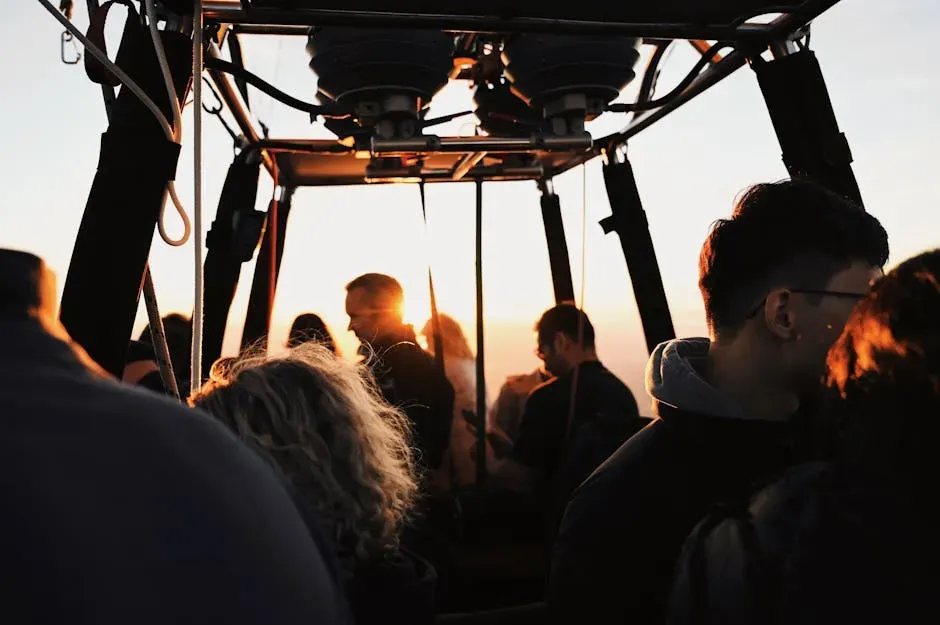
Tripadvisor’s 2024 Experience of Travel Study highlights that roughly two thirds of travelers across seven key markets value experiences over material possessions. That preference isn’t just a sentimental one. Many studies find that people derive more satisfaction from experiential purchases like travel, meals out, and tickets to events than from material purchases like clothing, jewelry, and furniture.
Travelers are prioritizing leisure trips more than ever, and most of them consider travel experiences more important than material possessions, according to Global Rescue’s survey of the world’s most experienced travelers. This shift in spending logic starts to filter into everyday decisions. People are discovering that lasting happiness and fulfillment are less about the accumulation of material possessions and more about collecting moments, learning new skills, exploring the world, and connecting with others. This move toward prioritizing experiences is reshaping industries and influencing how we spend our time and money. For , this reorientation isn’t a philosophy they had to find. It found them.
Building a Flexible, Adaptable Mindset

For those interested in getting the most out of their travels, one of the most important skills to develop is adaptability. Being adaptable means quickly and easily responding to and handling changes. It helps you adjust to new customs and cultures, survive unforeseen adversity, and make the most of unexpected opportunities. develop this skill almost involuntarily, and it becomes one of the most portable habits they carry home.
Through dealing with unexpected situations on the road, travelers learn to be adaptable and flexible and to find new solutions when something goes wrong. These skills don’t just apply to travel; they can be valuable in everyday life, too. Flexibility cultivates adaptability, creativity, and a greater sense of independence. Travelers who embrace spontaneity often report feeling more present and engaged, experiencing destinations with genuine curiosity rather than through a checklist. That same quality of presence tends to follow them into workplaces, relationships, and daily decisions.
Prioritizing Wellness as a Daily Practice
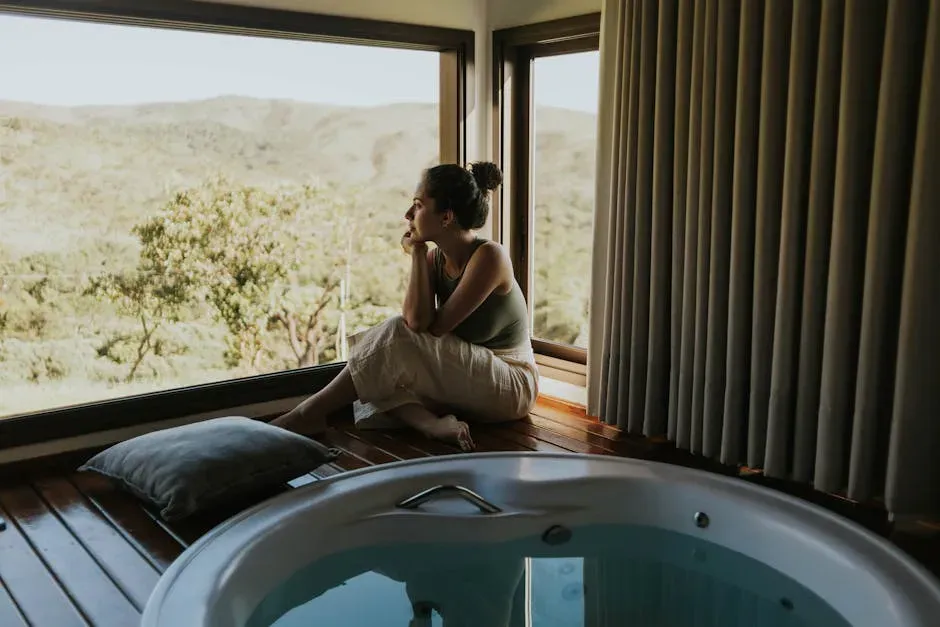
A shift in mindset has transformed wellness travel from a luxury niche into a mainstream necessity. The rise of wellness tourism reflects a collective desire for more meaningful breaks. , exposed to wellness-focused retreats, slower itineraries, and nature-based destinations, begin to internalize this approach rather than leaving it at the airport on the way home.
According to the Global Wellness Institute Report 2024, wellness trips are predicted to see growth rates of nearly fifteen percent for wellness trips and close to seventeen percent for wellness trip expenditures through 2027. That momentum is partly driven by travelers who’ve experienced the benefits firsthand and want to replicate them year-round. Mental wellness as a travel trend has been gaining significant traction, reflecting a broader societal shift toward valuing mental health and self-care. This trend encapsulates a range of experiences and destinations designed specifically to promote emotional, psychological, and spiritual well-being. It is driven by the modern-day pace of life leading to stress and burnout, and a desire for more authentic experiences that create a deeper connection to self. The result is a daily relationship with wellness that feels less like a routine and more like a value.
What’s worth noticing across all four of these shifts is how naturally they reinforce each other. Owning less creates room for experiences. Flexibility makes those experiences richer. A wellness orientation sustains the energy needed to keep showing up with curiosity rather than exhaustion. arrive at these habits through repetition and necessity; the rest of us can arrive at them by paying attention.