The Overlooked Details That Make a Trip Memorable
Most people spend months choosing the right destination, comparing hotels, and building tight itineraries packed with highlights. They return home with photos of monuments and sunsets, yet a strange thing often happens in the months that follow. The memory that keeps surfacing isn’t the famous cathedral or the skyline view. It’s a small table at a side-street café, or the unexpected kindness of a stranger who gave terrible directions in the best possible way.
Travel is one of the few experiences where the peripheral details routinely outlast the main event in our minds. Understanding why that happens, and learning to notice those details in real time, changes everything about how a trip feels long after it ends.
The Brain Remembers Feelings, Not Itineraries

Research shows that the encoding of memories involves complex neurological processes that are heightened during emotionally charged or novel experiences, because the human brain prioritizes encoding new information more vividly when exposed to a different culture or unfamiliar sights, sounds, and emotions. This is why two people can visit the same museum and walk away with completely different memories of the day.
The power of an intense travel experience can remain so vivid that, even decades later, it continues to compel people to go and explore. The feeling is what matters most about a memory, and the fact that it endures suggests it can spark a lifelong love of travel. The practical takeaway: seek out moments that produce a genuine emotional response, not just moments that look good in a photo.
The Peak-End Rule and Why Your Last Day Matters More Than You Think
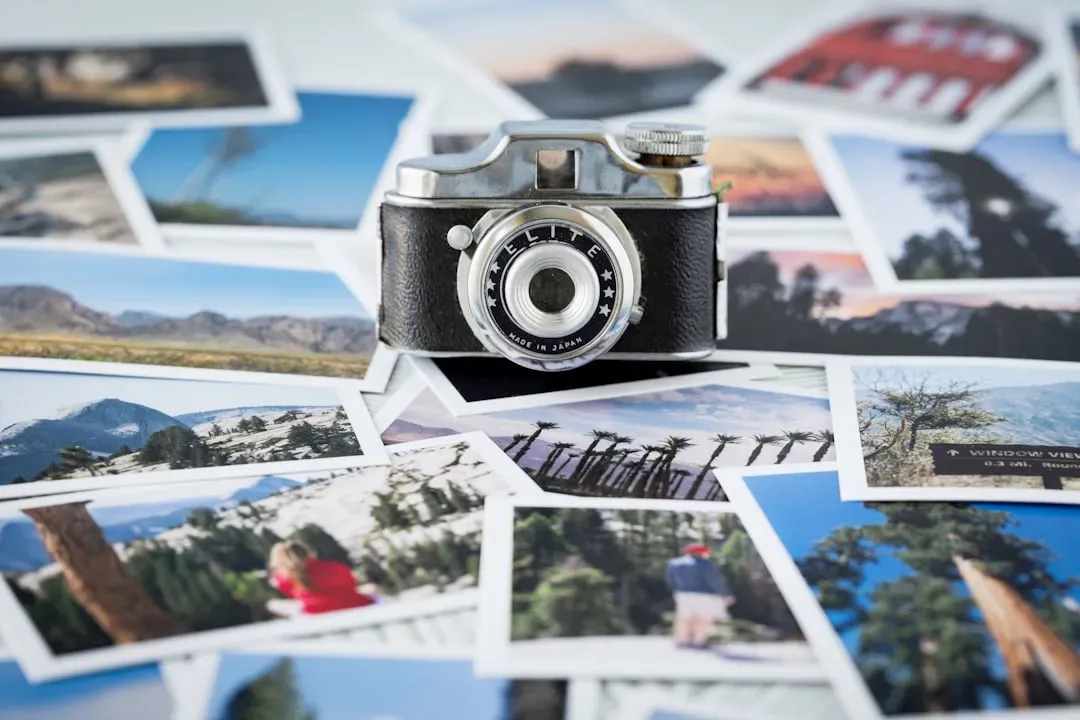
Travel memories are largely shaped by the Peak-End Theory, a psychological principle suggesting that our recollections center around the most intense experiences and the ending of an event. This means a single extraordinary moment, and the way a trip concludes, can color the memory of an entire journey.
The first and last impressions of a trip shape how we remember it, due to the peak-end rule. If the first day is smooth and exciting, and the last day ends on a high note, the brain encodes the vacation as more enjoyable and longer-lasting. Rather than letting the final day become a blur of airports and checkout stress, treating it as a deliberate part of the experience is one of the most underrated things a traveler can do.
Anticipation Is Already Part of the Trip
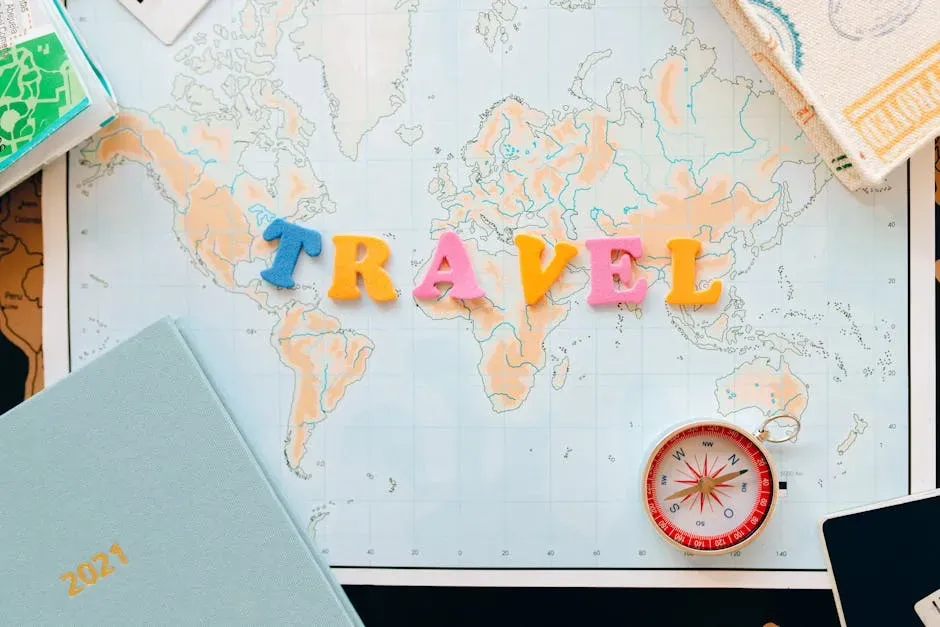
Researcher Jeroen Nawijn found that people were happiest when anticipating a vacation, noting that for most, the enjoyment starts weeks or even months before the holiday actually begins, and that planning and looking forward to travel gives a feeling of control. That’s a remarkable finding: the happiness isn’t waiting at the gate.
Neuroscience tells us that dopamine, the brain’s feel-good chemical, is often released in anticipation of a reward, not just when we receive it. Studies show that when we look forward to something pleasurable, our brains light up with dopamine in much the same way they do when the reward arrives. Stretching out the planning process, flipping through maps, reading about local neighborhoods, picking a restaurant weeks in advance, all of it counts as part of the travel experience itself.
Eating Where Locals Actually Eat
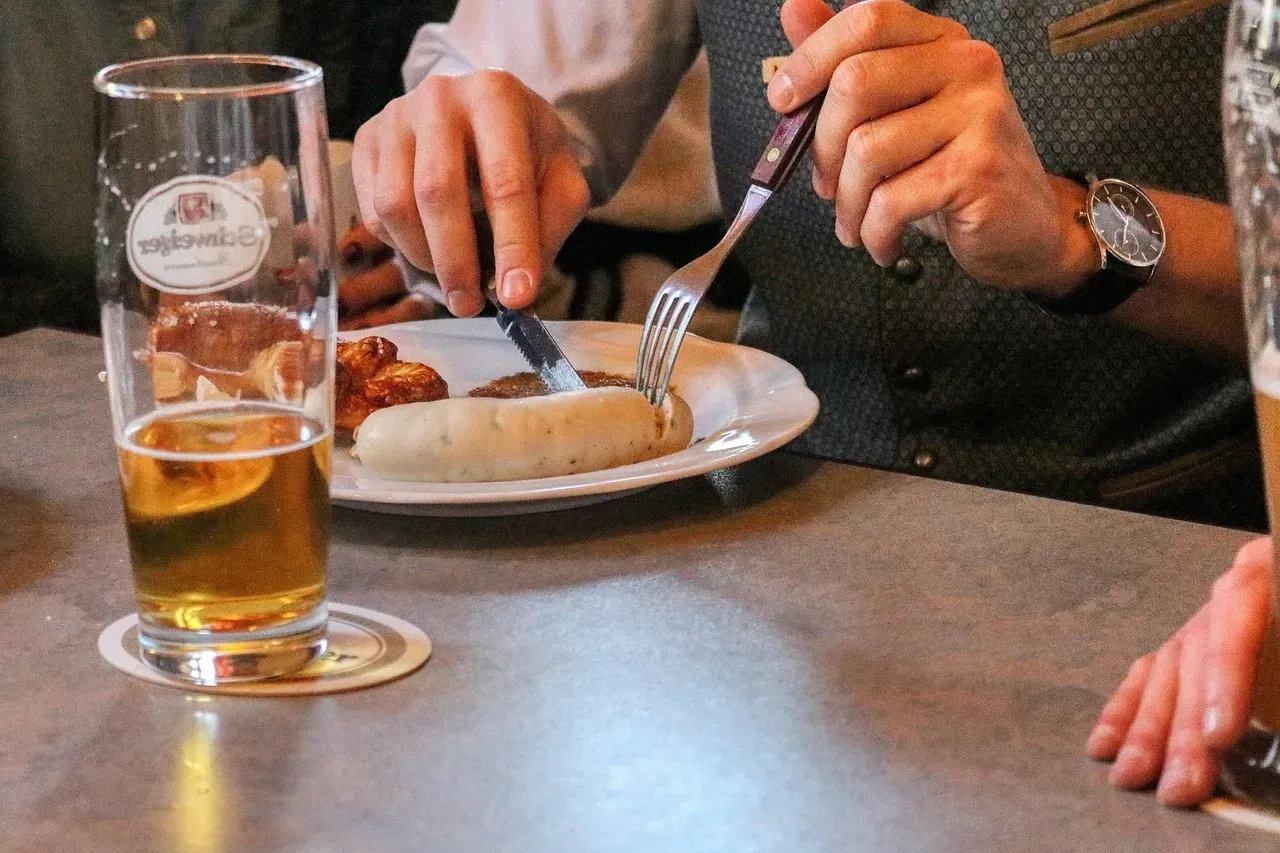
More than half of American travelers describe themselves as foodies, and research shows that foodie travelers are younger, more diverse, bigger spenders, and more frequent travelers overall. A destination’s food scene plays a key role in their decision-making, covering not just restaurants but overall food culture, history, wineries, and breweries. Still, the distinction worth drawing is between eating at the places that show up at the top of every search result versus finding where residents actually gather on a Tuesday evening.
Feeling at home while traveling isn’t about recreating your daily life somewhere else. It’s about the connection you get by staying in neighborhoods, eating where residents eat, and learning the quieter history that shaped a place. These experiences tend to linger longer than postcard views because they feel personal. A bowl of soup eaten standing at a counter, in a language you don’t speak, often lodges itself more firmly in memory than a three-course meal at a celebrated address.
Slow Travel and the Value of Staying Longer in Fewer Places

In 2025, Gen Z and Millennial travelers were increasingly drawn to taking their holidays slowly, embracing different methods of transportation and deep-diving into the culture to get to know the people. Packing ten cities into two weeks isn’t travel so much as stamping a passport.
Slow tourism has become an alternative and sustainable approach within the travel industry. Research emphasizes that tourist experiences prioritizing longer stays, deeper engagement with local culture, and slower travel can benefit both destinations and travelers alike. When you break your daily routine by visiting a new destination, trying local food, or learning a new skill, your brain records more memories, making time feel fuller and longer. That’s why a week exploring a single city can feel more expansive than a rushed multi-country tour. Novelty effectively slows down your perception of time.
Active Engagement Over Passive Observation
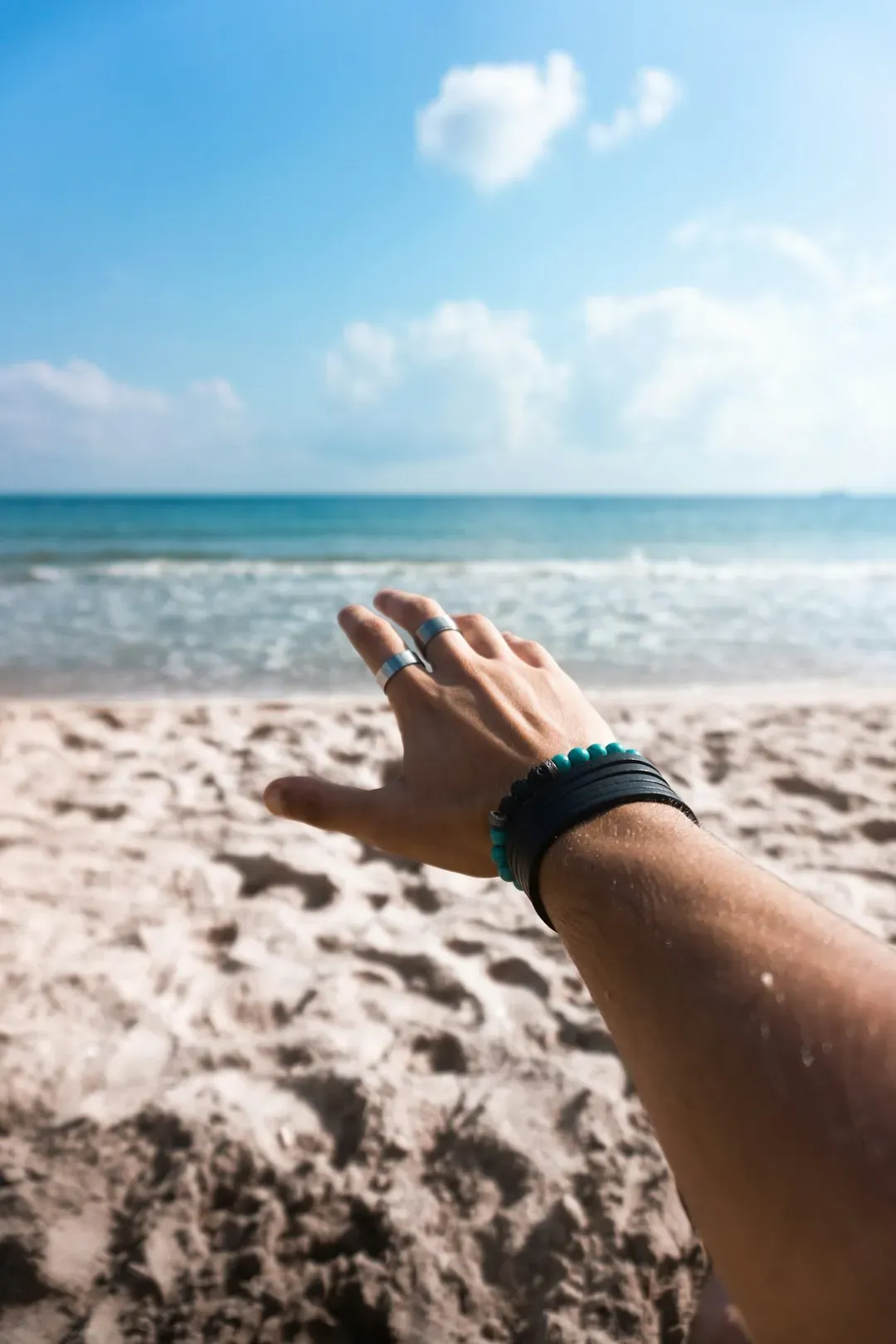
Research highlights the concept of experiential learning in travel, suggesting that hands-on involvement and personal interaction with destinations lead to more robust memory encoding. Touching ancient artifacts or participating in local festivals engages multiple senses, which studies show can improve memory retention. The psychological principle is clear: active engagement, as opposed to passive observation, results in experiential memories that are more likely to be vivid and lasting.
Unlike conventional tourism that races from attraction to attraction, slow food destinations and hands-on experiences invite travelers to pause, participate, and truly understand the cultural fabric woven through local traditions. This approach transforms travelers from mere consumers into active participants in age-old practices. A cooking class, a pottery workshop, or even a guided walk through a working market changes the texture of a trip in ways that passive sightseeing simply cannot replicate.
The Unexpected Detour That Becomes the Story
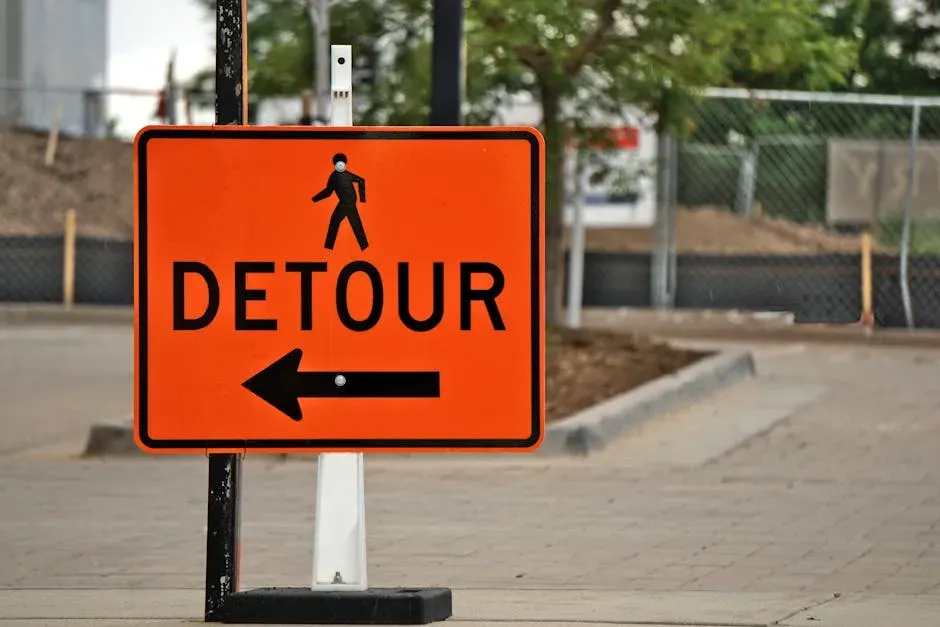
Research from psychology suggests that the worst experiences often make the best memories. This counterintuitive truth shows up time and again in how people describe their most treasured trips. The missed train, the wrong turn that led somewhere beautiful, the afternoon plan that fell apart and became something better – these are the chapters people tell at dinner tables for years.
Core memories are deeply significant and vivid recollections that shape our identities and influence our emotions, behavior, and personality. They often involve meaningful experiences that leave a lasting impact, and they are frequently associated with strong emotions such as joy, surprise, excitement, or even mild fear. Leaving deliberate gaps in an itinerary isn’t laziness. It’s actually one of the most effective strategies for creating the conditions in which memorable moments can occur spontaneously.
Who You’re With Shapes What You Remember

Surveys consistently show that travelers sought out joy and connection, with the most meaningful journeys happening alongside a spouse, partner, or immediate family. Shared core memories can strengthen bonds with others, creating a sense of belonging and understanding that outlasts the trip itself by years, sometimes by a lifetime.
A U.S. Travel Association survey of 2,500 adults and 1,000 youth found that the most vivid memories of family life were often centered on vacations, even when the specific details were fuzzy. The destination fades. The sense of being fully present with the people around you doesn’t. Choosing who you travel with, and giving those relationships actual room to breathe during a trip, turns out to be a more consequential decision than most travelers realize when they’re comparing flight prices.
How You Document a Trip Changes How You Remember It
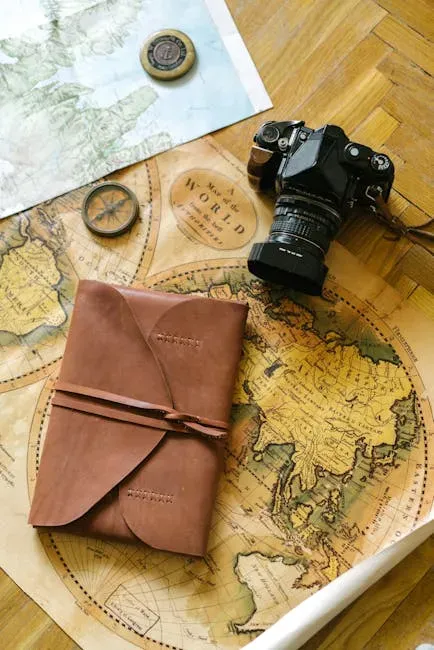
The more researchers have learned about how memory works, the more mysterious it becomes. Memories don’t just fade; they can change entirely as we use them to create meaning. Writing down impressions by hand each evening, even in a few sentences, creates a far richer record than scrolling through hundreds of photos two weeks later.
According to research findings, not only does travel itself boost happiness, but so does planning a trip and reminiscing about past adventures. The act of planning a vacation increases the brain’s endorphins. Surrounding yourself with travel memories, like displaying trip photos or keeping meaningful keepsakes, continues to elevate mood long after the journey ends. A small physical object from a market, a handwritten note from a place you loved, or even a voice recording of ambient sound from a particular evening can pull a memory back with startling clarity months or years later.
Wellness, Rhythm, and Knowing When to Do Nothing
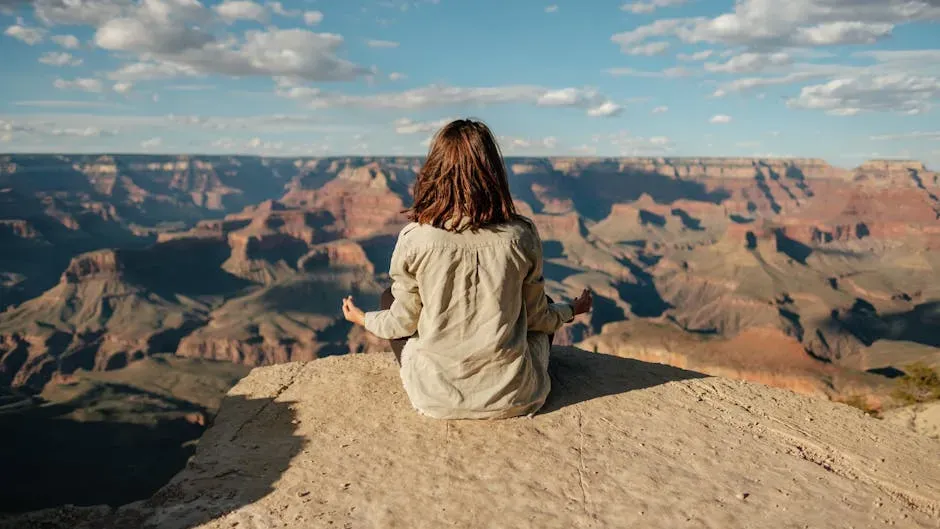
In 2025, trips that incorporated a little more physical effort saw a significant rise in popularity. Survey data found that the majority of travelers were keen on maintaining a wellness routine or engaging in wellness-based activities while on holiday. Morning walks, evening swims, or a slow hike through a landscape you’d normally rush past all have a way of anchoring the day in a way that back-to-back sightseeing never does.
Research found that the height and duration of happiness after traveling was directly related to how relaxing the trip was. Those who travel with intention and in-the-moment awareness experience more travel satisfaction than those who simply follow an itinerary. The technical term is savoring, though it’s really about being totally engaged. Observing deeply and widely, preferably in a multi-sensory way, is what separates a trip you remember from one you only photographed.
The overlooked details of travel are, in most cases, not details at all. They’re the actual substance of the experience, waiting to be noticed by anyone willing to slow down long enough to let them happen.