How Travel Is Influencing Everyday Life Choices
There’s a quiet but persistent shift happening in how people make decisions about what they eat, how they spend their money, where they live, and how they think about their own well-being. Much of it traces back to one source: travel. The experiences people collect on the road don’t just stay there. They come home with them, embedded in new preferences, revised habits, and a subtly different way of looking at ordinary life.
This influence isn’t abstract or anecdotal. Research and behavioral data from 2024 and 2025 increasingly confirm that travel reshapes consumer choices, personal values, and long-term lifestyle priorities in ways that extend well beyond the trip itself. The relationship between where we go and how we live has never been more clearly documented.
The Shift From Escapism to Purposeful Exploration

Food trends in 2024 revealed a craving for authenticity, while lifestyle changes reflected a quest for balance. Travel, once about escapism, has now come to focus on purposeful exploration. That change in framing matters. When travel becomes a tool for intention rather than just a break from routine, its effects on daily life deepen considerably.
Travel is one of the ultimate acts of emotional consumption. It sits at the very root of people’s identity, with choices reflecting who they are, their desires, and their dreams. Increasingly, travelers are not just passive consumers but active participants who seek out meaningful experiences to improve their everyday lives. That mindset doesn’t switch off when the suitcase is unpacked.
How Travel Reframes What We Eat at Home
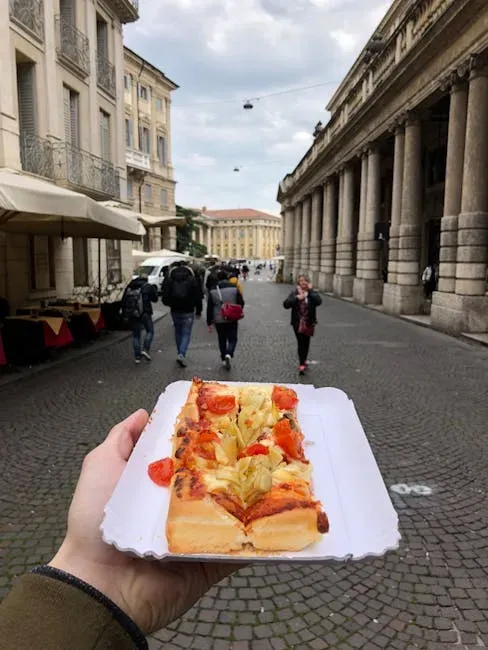
Research highlights how tourists’ food behavior while on a trip can be dependent on their habitual food behavior at home, with new experiences either reinforcing or permanently altering those habits. For many travelers, tasting a locally sourced dish abroad plants a seed of curiosity that eventually changes what they reach for in their own kitchens.
Studies suggest that food tourism consumption experiences significantly affect satisfaction, life domain outcomes, and life satisfaction. Food-related lifestyle and leisure attitudes are significant determinants of food tourism well-being and have a considerable influence on consumption experiences. In practical terms, that means a trip to Japan or Mexico can be enough to permanently shift someone’s grocery habits, cooking methods, or appreciation for regional ingredients.
The Rise of Wellness Travel and Its Lasting Health Influence

Wellness tourism, where individuals seek optimal physical and mental well-being through travel, has gained prominence due to changing health attitudes and the growing integration of wellness into lifestyle choices. This is no longer a niche market. It has become a significant segment of global travel, and its effects ripple into everyday routines long after the return flight.
Wellness tourism has grown significantly, expanding from niche luxury retreats to a broad market encompassing various wellness-focused experiences like mindfulness and fitness programs. In 2024, U.S. travelers spent an estimated $258 billion on wellness trips. When people return from a yoga retreat or a digital detox escape, they often carry those practices into their regular week, gradually redefining what a healthy day looks like for them.
Travel and Mental Health: Benefits That Outlast the Trip
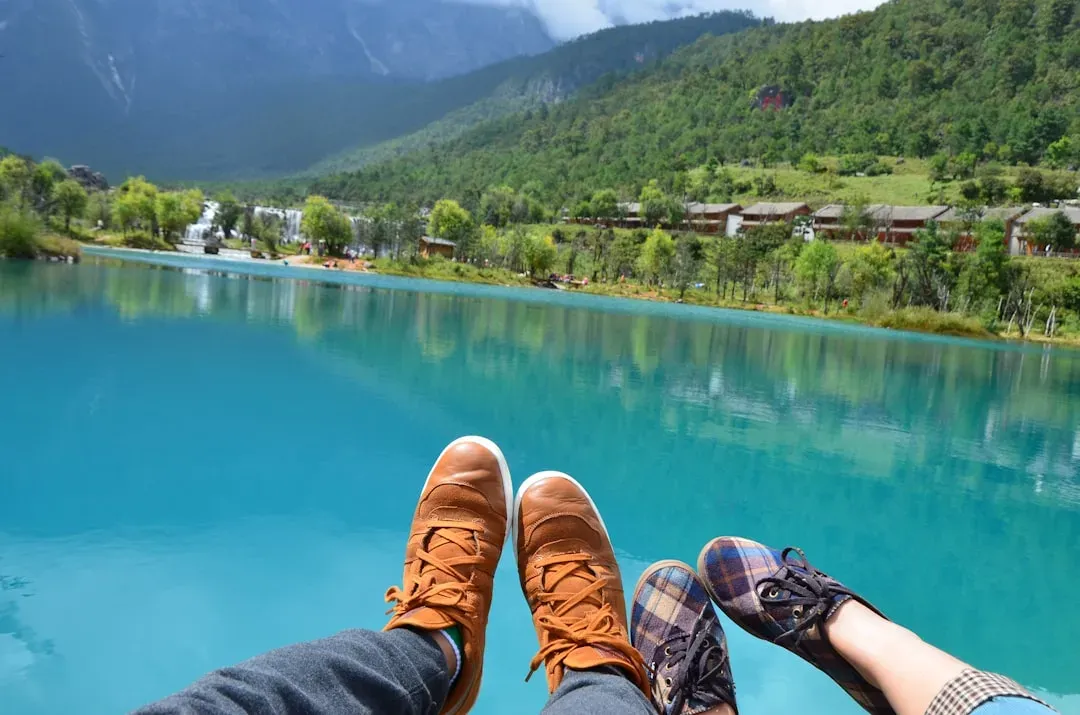
Travel has a powerful role in promoting mental health by alleviating stress, reducing anxiety, and improving sleep patterns. When individuals embark on trips, they often experience a mental reset by leaving behind work pressures and daily responsibilities. This physical and psychological break helps diminish stress hormones, offering a mental space to relax and rejuvenate.
Studies show that travel decreases stress and depression symptoms, with positive effects lasting weeks after returning. Additionally, activities during travel, such as outdoor exploration, promote physical and mental health, reinforcing the importance of making travel a regular part of a wellness routine. That persistence of benefit is precisely what links travel so directly to , including how people structure rest, physical activity, and social connection once they’re home.
Sustainability on the Road Translates to Sustainability at Home

A broad shift in traveler behavior is underway toward travel models that place greater emphasis on environmental responsibility, social contribution, and long-term destination stewardship. Sustainability is increasingly becoming a core criterion in travel decision-making rather than an optional add-on, influencing choices across lodging, transport, tours, and destination experiences.
As of February 2024, roughly eight in ten travelers worldwide believe that sustainable travel is important. That awareness doesn’t disappear upon returning home. Travelers who seek out eco-certified hotels and low-carbon transport options abroad tend to carry those values back into their purchasing decisions, their energy use, and even their food consumption. Sustainable travel in 2025 is fundamentally redefining the relationship between travelers and destinations by prioritizing authentic local experiences and meaningful community interactions. Travelers are now recognizing that sustainable practices extend beyond environmental considerations and involve creating economic opportunities for local communities, preserving cultural heritage, and fostering genuine cross-cultural understanding.
The Workation Shift and How Travel Changed the Work Week

The rise of remote work has fundamentally altered travel patterns. In the past, vacations were often short bursts of leisure, but now, many remote workers are combining business with pleasure through “workations.” These extended trips allow tourists, especially digital nomads, to work during the day and explore during their free time.
This blending of work and travel has done more than extend holiday durations. It has challenged how people evaluate productivity, work-life balance, and even where they choose to live. Spending weeks in Lisbon or Bali while meeting deadlines convinces many professionals that geography matters far less than they assumed, and that insight often shapes future housing, career, and community decisions in significant ways.
Adventure Travel and Its Effect on Physical Lifestyle Choices
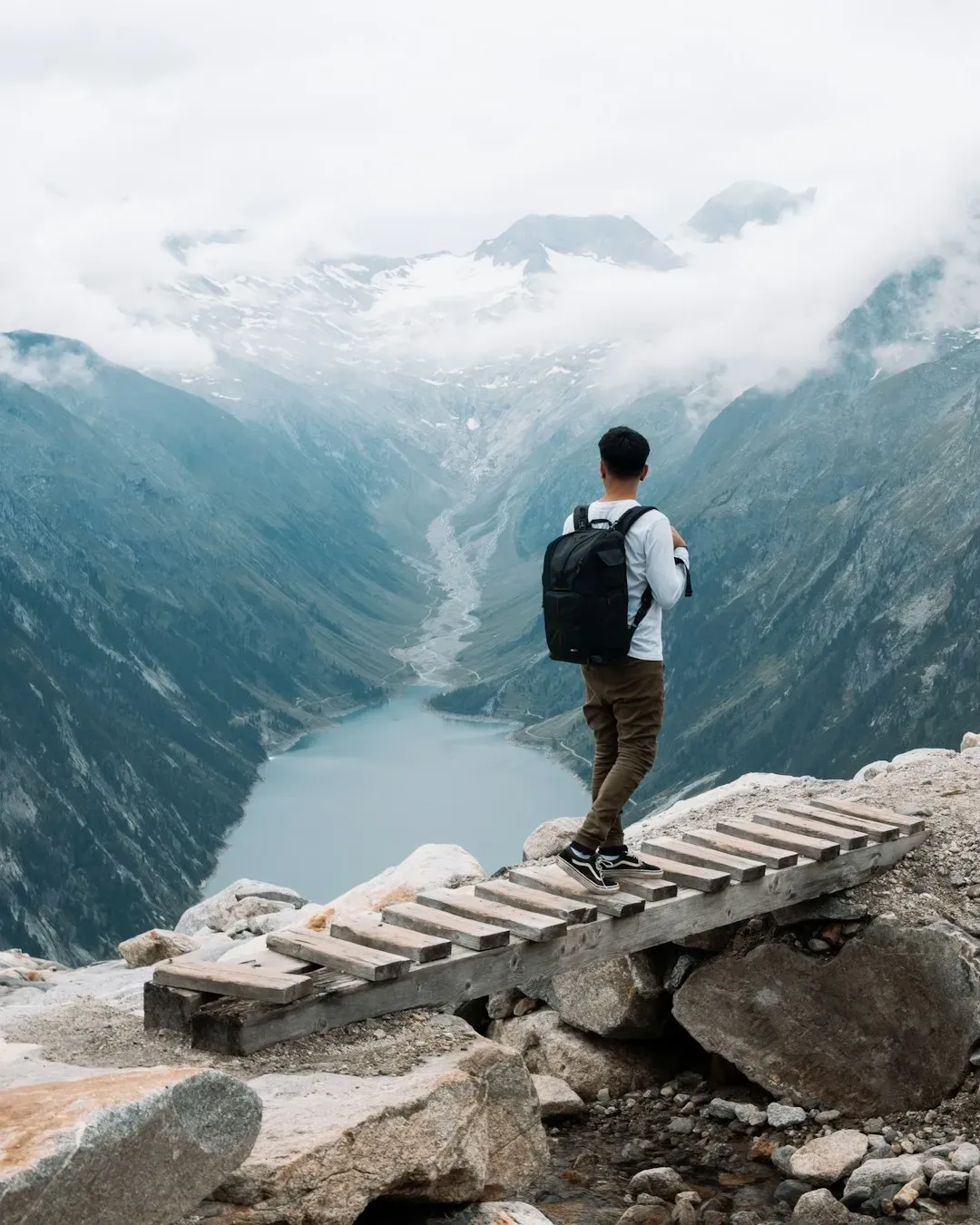
Younger travelers, especially those in the Gen Z group, often associate rest with motion. Adventure and sports-related trips appear frequently among their top choices, suggesting that novelty and physical activity contribute to how they unwind. Hiking a trail in Patagonia or cycling through Vietnam doesn’t just fill an Instagram feed. It often recalibrates someone’s relationship with physical activity more broadly.
The desire to escape from routine and experience strong emotions is growing rapidly. Activities such as hiking, climbing, diving in coral reefs, and safaris are becoming favorite options for adrenaline-seeking travelers. Once people discover they’re capable of physically demanding experiences abroad, they tend to push for more movement and challenge in their everyday routines. It’s a confidence shift that rarely reverses.
How Spending Priorities Change After Travel

The realization that money alone won’t buy happiness means consumers are ever more selective about their spending. People want meaning and fulfillment, and increasingly they choose life-enhancing experiences, like adventure holidays, over possessions. This preference for experiences over things is not a casual observation. It reflects a measurable shift in how travelers allocate their income long after they return.
With popular norms left firmly in the past, there is a growing focus on personal growth and meaningful experiences. From baby boomers taking on thrill-seeking adventures to individuals prioritizing mental well-being, travel is becoming more about self-discovery and deep connections. Research highlights how people want meaning from their travel and a greater sense of purpose at the heart of each trip they take. That same search for meaning quietly rewrites the logic of everyday spending decisions.
Travel’s Influence on Where and How People Choose to Live

Some destinations never go out of style, but how travelers explore the world is shifting, and what drives their decisions is evolving too. Exposure to different urban environments, slower-paced towns, or communities built around nature often prompts travelers to reconsider their own living arrangements. A weekend in a compact, walkable European city or a month in a rural Portuguese village can quietly dismantle assumptions about what makes a neighborhood worth living in.
Wilderness destinations such as mountains and remote beaches appeal to those seeking relaxation away from the hustle and bustle of urban life. These getaways offer a total disconnect from everyday life and an opportunity to recharge. That longing for nature, once tasted during travel, increasingly drives people toward lifestyle changes that prioritize access to green space, quieter environments, and a pace that better matches what they discovered on the road.
Travel as a Lens for Personal Values and Long-Term Identity

New findings from the TGM Global Travel Insights 2025 reveal a subtle but telling gap between what people say they want from travel and how they actually spend their time. This isn’t a contradiction, but a reflection of how modern travel is becoming more layered, more personal, and more responsive to individual context. That layering is where the real everyday influence lies. Travel has become a way people test, confirm, or revise who they think they are.
The majority of older Americans recognize that travel provides a boost to their well-being, with surveys showing that roughly nineteen in twenty believe travel is good for their mental health and a large majority agree it is good for their physical health. Across all ages, that recognition is reshaping how people budget, plan, and prioritize leisure. Travel is no longer treated as an indulgence to be earned. For a growing number of people, it has become a considered investment in the quality of the life they return to.