Why Off-Season Travel Is Gaining Popularity
There was a time when the logic of travel seemed simple: go in summer, go during school breaks, go when everyone else goes. That assumption is quietly coming apart. More travelers today are deliberately choosing the shoulder months, the quiet weeks, the destinations that look completely different when the cruise ships aren’t docked and the queues have disappeared.
This isn’t a fringe movement. Off-season travel has emerged as one of the measurably rising trends, with research confirming it is set to increase in among American travelers heading into the mid-2020s. The reasons behind this shift are worth understanding, because they reveal something broader about how people think about time, money, and what a good trip actually looks like.
The Numbers Behind the Shift
Off-season exploring is rising, with roughly one in six travelers already identifying it as a preferred travel style. That might sound modest, but it represents a meaningful departure from the deeply ingrained peak-season habit that has shaped tourism infrastructure for decades. Seven in ten travelers are planning to continue traveling just as much, if not more, in the coming year, so the question is less about whether people travel and more about when.
Those who enjoy quieter travel periods tend to be drawn by better weather and the appeal of avoiding crowds, with roughly a quarter specifically citing crowd avoidance as a primary motivation. These are concrete, practical preferences, not just aesthetic ones. They suggest that off-season travel is increasingly a deliberate strategy rather than a compromise.
What It Actually Costs to Go Off-Peak
Industry analysis shows that off-peak travel can result in a meaningful reduction in accommodation costs compared to peak season, and airfare prices can also drop noticeably during quieter periods as airlines seek to fill seats and maintain operational efficiency. These are not trivial sums. For a family or couple traveling internationally, those savings can add up to a meaningfully different holiday budget.
Timing choices matter significantly: traveling domestically in February instead of August can produce notable flight savings, and for international trips, certain off-peak months offer measurable discounts compared to peak summer fares. Statistics also show that flight disruption drops considerably during late spring or the autumn shoulder season compared to the peak summer months, which means off-season travelers often deal with fewer delays and cancellations as well.
Remote Work Has Changed the Calendar

Remote work has flattened the traditional tourism calendar. Destinations that once depended heavily on peak summer or holiday seasons are now attracting long-stay travelers throughout the year. This is arguably the single most structural shift behind the rise of off-season travel. When you don’t have to be back at a desk by Monday, the rigid logic of peak-season timing loses much of its power.
Remote and hybrid work remain a significant part of the U.S. labor market, with a substantial share of Americans working remotely at least some of the time. Remote work arrangements allow employees to travel to places they want to explore without being constrained by vacation days, and they no longer have to wait for holidays or summer breaks since they can plan travel outside of peak seasons at a time that works best for them. That freedom, once available only to the self-employed or very senior workers, is now widely accessible.
The Overtourism Factor
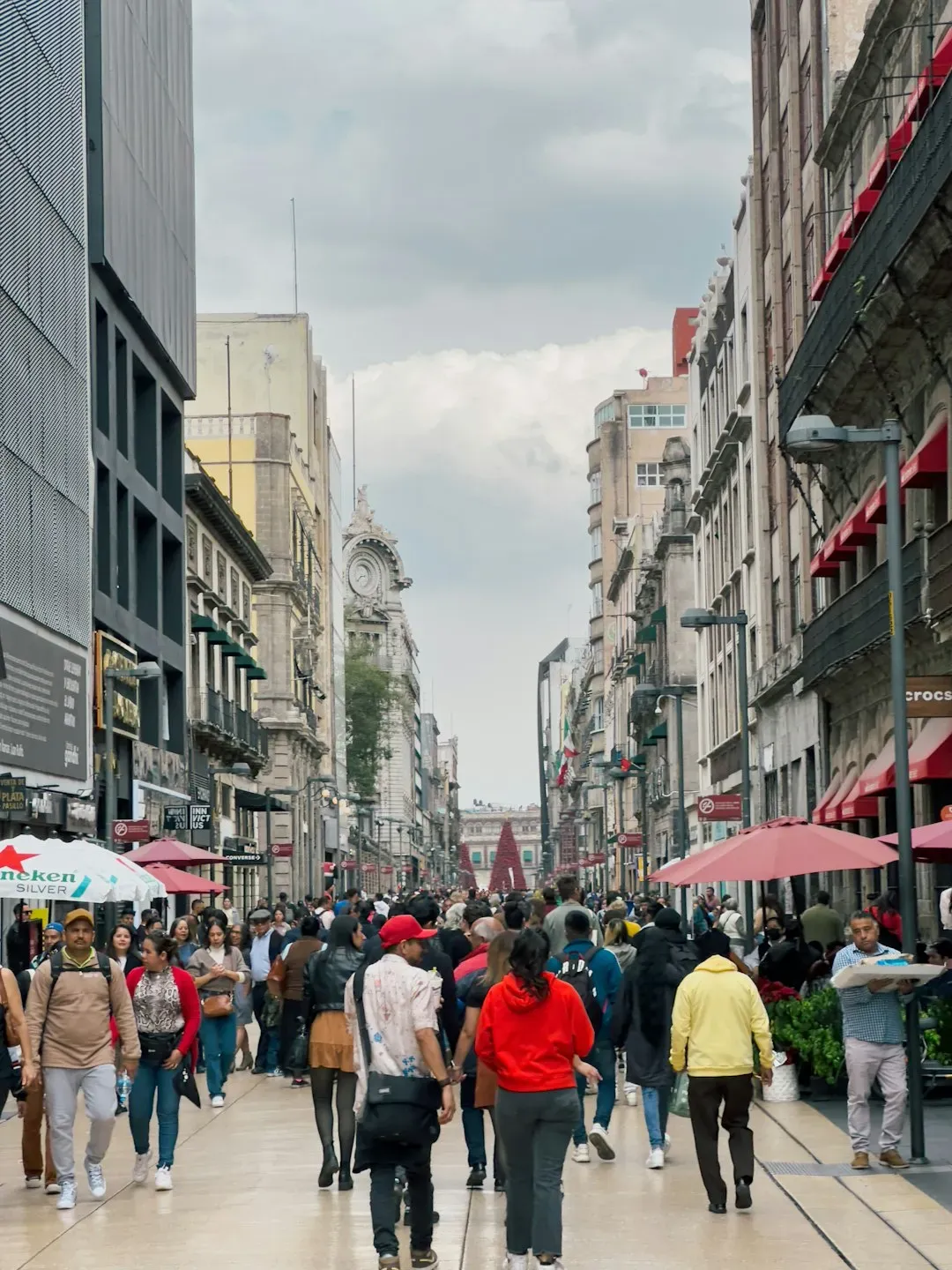
Popular destinations have spent recent years grappling with a problem that was, in many ways, of their own making: too many visitors concentrated in too narrow a window. A growing problem of overtourism has been identified in many destinations, manifested by an increased number of days with above-average and extremely high visitor flow. The experience of waiting in line for hours at a famous landmark, or finding a historic town square completely overrun, has pushed many thoughtful travelers to reconsider their timing.
Travel professionals are well aware of the negative impacts on communities as a result of overtourism. For travelers, peak season means higher prices, bigger crowds, more disruption, and a lower quality experience. The relationship between overcrowding and experience quality is now well understood, and it’s motivating a growing group of travelers to opt out of the rush entirely. Many experts are claiming that the traditional concept of a “shoulder season” is already a thing of the past and that year-round tourism will continue its rise in .
The Authenticity Appeal
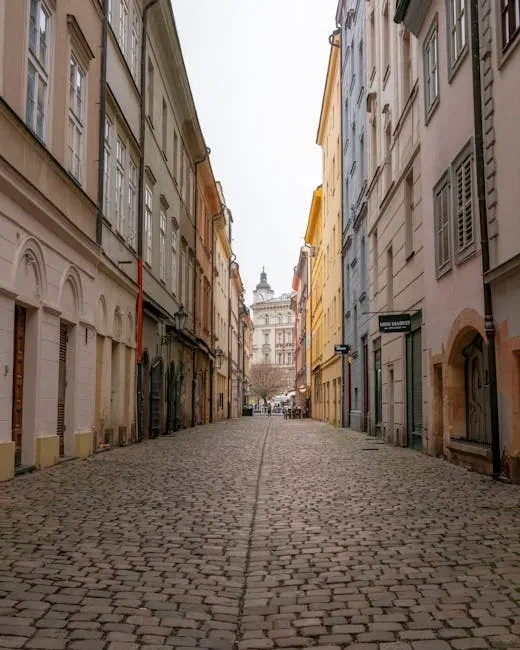
Off-peak travel means skipping the busiest, most crowded months of the year and discovering a dream destination in its truest form. It’s a trend more and more travelers are pursuing as they seek authentic, personal experiences and shorter lines. This appeal to authenticity is something that can be hard to quantify but is very easy to feel. A restaurant where most of the diners are locals, a museum where you can actually stand in front of a painting without being jostled: these are things that peak-season crowds make nearly impossible.
For many European countries, the off-peak season typically runs between November and March. It represents the calm between the summer rush in places like the Mediterranean and the height of the holiday season, offering travelers the chance to cozy up with locals in pubs and tavernas and experience international destinations through a softer, more intimate lens. This quieter quality of engagement is something travelers increasingly say they’re looking for.
Sustainability Is Part of the Equation

Tourism boards have caught on, with more campaigns actively encouraging off-season exploration through discounts, events, and insider tips. Sustainability plays a role as well, since dispersing tourism over the year helps protect ecosystems and prevent overtourism. Travelers who are conscious of their environmental footprint are increasingly aware that concentrated peak-season visits place disproportionate strain on fragile destinations.
Seasonality will always exist in tourism, but destinations that understand and act on off-peak visitor data can balance their economies more effectively. By reducing the pressure of peak season and strengthening shoulder months, tourism organizations not only support local businesses but also improve sustainability and the overall visitor experience. Off-season travel, in this sense, isn’t just good for the individual traveler. It’s better for the places being visited.
Domestic Off-Season Travel Is Also Growing

Domestic travel represents a dominant share of global travel spending, and it has been particularly important for maintaining tourism revenue during off-peak periods. Within the U.S., travelers are discovering that their own country offers compelling off-season options that are both more affordable and far less crowded. Americans are booking trips outside peak seasons specifically to avoid crowds and save money.
According to research from the World Travel and Tourism Council, domestic visitor spending saw a notable increase in recent years, surpassing pre-pandemic levels. This highlights the potential for destinations to attract local travelers during quieter seasons through tailored promotions. Destinations such as Asheville, North Carolina, and Sedona, Arizona, are seeing longer visitor stays that reflect remote work flexibility, a trend that boosts local economies while shifting how accommodations plan inventory and pricing.
Adventure and Wellness Tourism Thrive Off-Peak

The adventure tourism industry is projected to grow significantly in the coming years, driven by increasing consumer interest in outdoor activities, particularly among younger generations such as Millennials and Gen Z, who prioritize experiential travel over traditional vacations. Many of the most compelling adventure experiences are, in fact, better suited to off-peak seasons when trails are less crowded and natural environments are calmer. Iceland leverages its winter season with Northern Lights tours, glacier hikes, and ice cave explorations, while New Zealand promotes off-season hiking and eco-tours in regions where landscapes are particularly stunning during the cooler months.
Wellness tourism is one of the fastest-growing segments within the travel industry, and offering themed experiences such as wellness weekends, guided nature tours, and food and artisanal tastings can cater to this demand during quieter seasons. Mallorca, Spain, organizes cycling and wellness programs in spring or autumn to take advantage of milder temperatures, and Bali organizes wellness programs focused on yoga, meditation, and holistic healing retreats. By promoting these offerings, these destinations draw travelers seeking rejuvenation and a deeper connection with nature, even outside peak tourist months.
The Flight Disruption Argument Nobody Talks About Enough
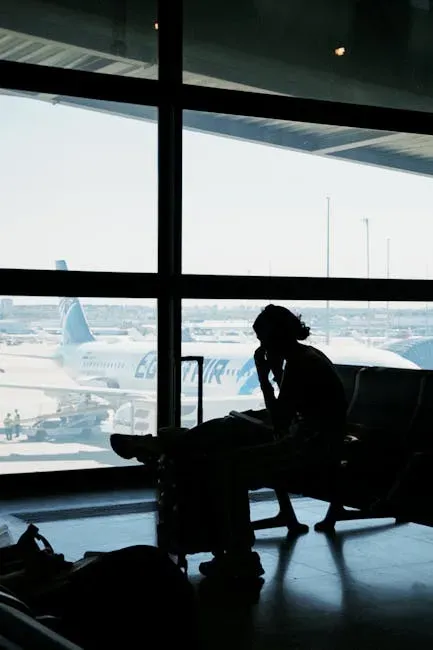
August is the busiest month for inbound tourism in many markets, and this spike in demand mirrors findings that summer is the most disrupted season for air travel. Between June and August, a significant share of flights experience delays or cancellations, with July recording the highest disruption rate. Choosing to travel in quieter months reduces not just cost but also the logistical stress that has made peak-season travel increasingly frustrating.
For travelers, August typically means higher prices, crowded airports, and a greater chance of delays. Visiting in late spring or the autumn shoulder season can offer a smoother experience, as statistics confirm that flight disruption drops substantially during these periods. That combination of lower prices and fewer disruptions is a compelling case that goes well beyond simple crowd avoidance. It makes off-season travel a measurably more reliable experience from start to finish.
How Tourism Boards and Industry Are Responding

To encourage year-round tourism, some destination management organizations are moving away from terms like “off-season” and “low season,” instead using more appealing language such as “secret season,” “cool season,” or “good deal season” to shift traveler perception. The rebranding effort reflects how seriously the industry now takes this shift. It’s no longer seen as a consolation prize for travelers who can’t afford summer. It’s being marketed as the smarter, more rewarding choice.
Practical strategies include promoting events and festivals in autumn or winter to create new reasons to visit, highlighting indoor attractions during quieter months, and partnering with accommodation providers to create off-peak packages. Airbnb reported that nearly one in five bookings were for stays longer than 28 days, a clear sign that travelers are shifting toward extended stays rather than short vacations, which aligns naturally with the off-season model of slower, more immersive travel. The industry and the traveler are, for once, moving in the same direction.