5 Dishes You’ll Recognize If Grandma Cooked in the 1960s
There’s something about the smell of a dish baking in an old oven that takes you straight back to childhood. If your grandmother cooked in the 1960s, her kitchen was a very specific kind of magic. If you spent time at grandma’s table during that era, you witnessed a fascinating moment in American home cooking where convenience foods met aspirations of elegance. The 1960s were a decade when food preparation really accelerated its shift from inside the household to the factory and supermarket, with the focus on a million and one ways to use canned goods like Jell-O, mayonnaise, and other manufactured products. Women cooking at home were a dominant force back then, with the proportion of women who cooked standing at around 92% in 1965 to 1966, and the meals they produced left a lasting impression on everyone lucky enough to sit at their tables.
1. Meatloaf with Ketchup Glaze
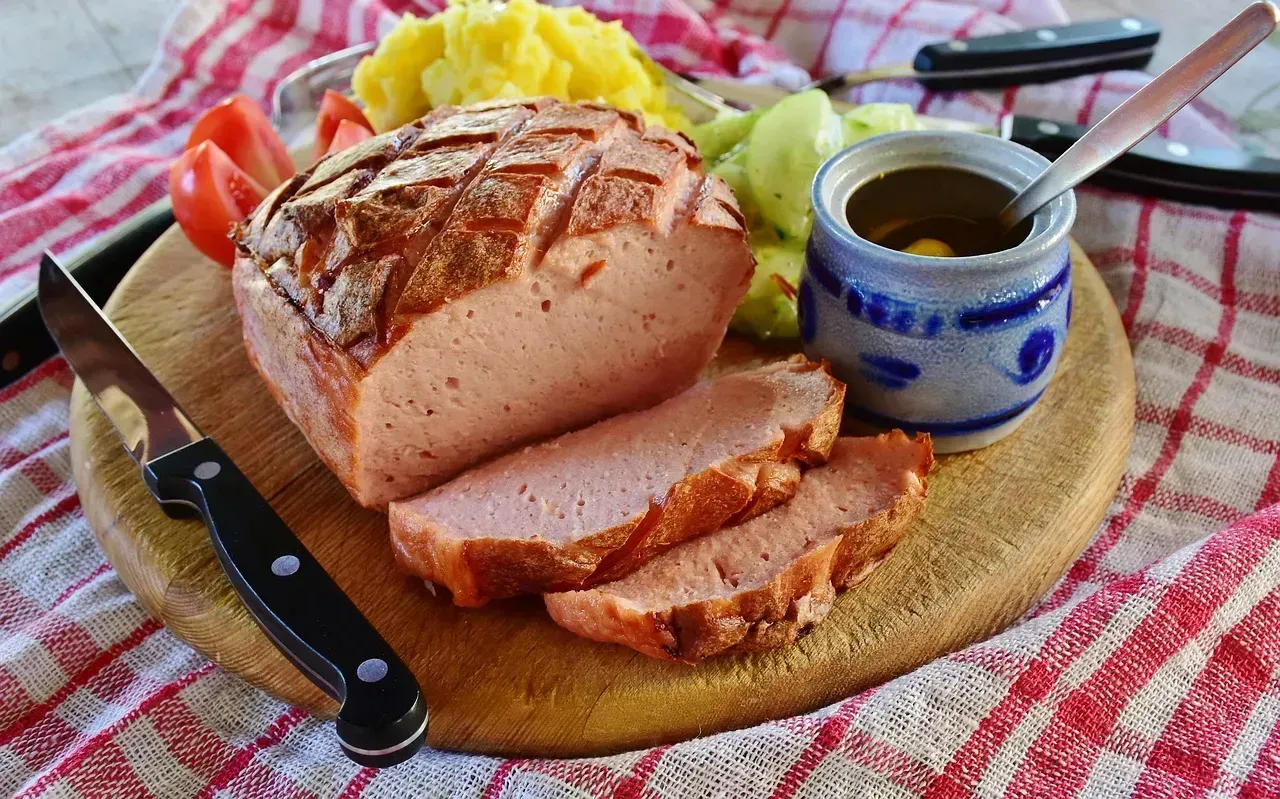
Meatloaf was practically synonymous with home cooking in the 1960s. Every grandmother seemed to have her own secret recipe, passed down and tweaked over the years. What made grandma’s meatloaf special was usually the little additions she’d sneak in – maybe diced green peppers and onions, a splash of Worcestershire sauce, or her special tomato soup topping. It wasn’t a fancy dish by any stretch, but it was the kind of meal that made the whole house smell incredible by late afternoon.
Grandmas have been making meatloaf for generations, but some versions take a modern twist by baking it on a sheet pan for extra caramelized edges, with the sweet glaze on top adding that nostalgic touch everyone remembers from childhood dinners. It was the kind of meal that appeared on rotation throughout the month, reliable and satisfying. The beauty of this dish was its accessibility – you didn’t need expensive ingredients or fancy techniques. Ground beef, onions, mushrooms, and a bit of Worcestershire sauce could transform into something that felt like a proper dinner.
2. Green Bean Casserole
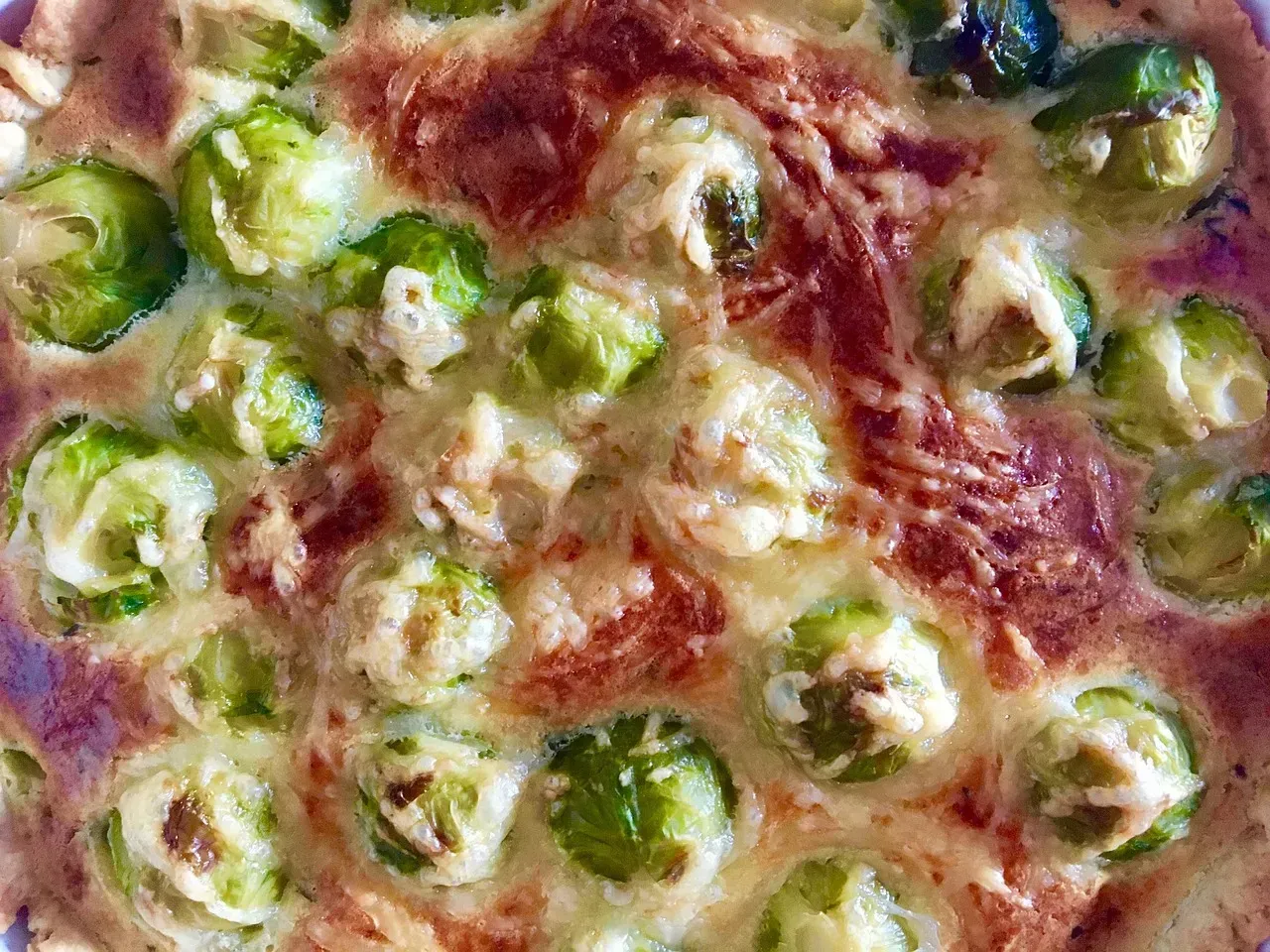
The recipe was created in 1955 by Dorcas Reilly at the Campbell Soup Company. Its popularity didn’t take off until Campbell’s put the recipe on the back of the cans of cream of mushroom soup, beginning in the 1960s. That was the moment grandma discovered it, tore the recipe right off the label, and never looked back. Culinary historian Laura Shapiro called the recipe’s use of the crunchy fried onion topping a “touch of genius” that gave an otherwise ordinary convenience-food side dish a bit of “glamour.”
As of 2020, Campbell’s estimated it was served in 20 million Thanksgiving dinners in the United States each year, and that roughly 40% of the company’s cream of mushroom soup sales go into a version of the dish. The green bean casserole recipe that Dorcas Reilly first created has become so iconic that Reilly’s original recipe card was donated to the National Inventors Hall of Fame. That’s a remarkable legacy for a dish that started as a quick weeknight side made from two pantry staples.
3. Beef Stroganoff
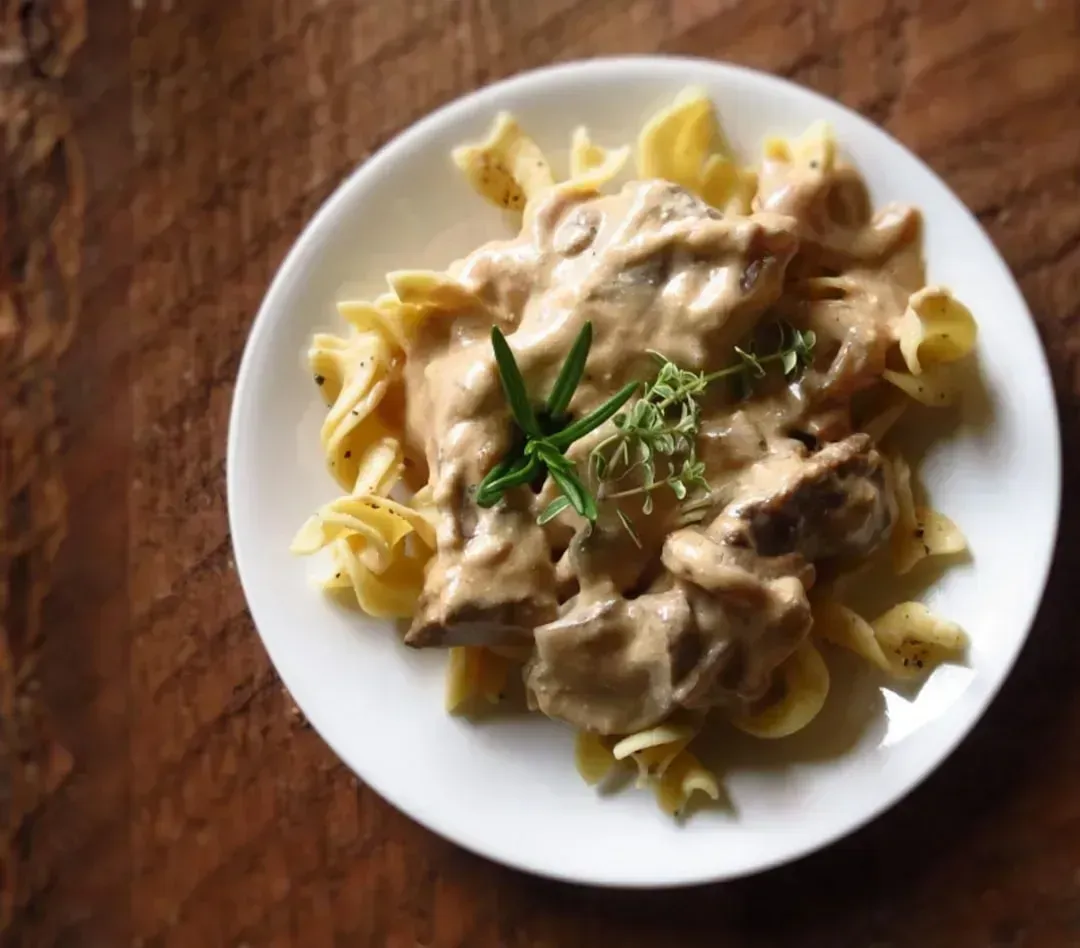
Beef Stroganoff hit its peak of popularity in the United States in the 1950s and 1960s. After World War II, American households were embracing “exotic” and sophisticated dinner party recipes, and Stroganoff fit the bill perfectly. In the United States, the dish became particularly popular in the 1950s and 60s, where it was often made with canned mushroom soup or cream sauces, reflecting the era’s convenience-based cooking. It felt luxurious without requiring a culinary degree, and grandma knew it.
In 1960s United States, several manufacturers introduced dehydrated beef stroganoff mixes, which were mixed with cooked beef and sour cream. The dish also became a staple of American home cooking, with recipes appearing in cookbooks and magazines throughout the 1950s and 1960s. American home cooks simplified the recipe, using convenience ingredients such as canned cream of mushroom soup and frozen beef strips. Served over buttered egg noodles, it felt like something from a restaurant, even when eaten at the kitchen table on a Tuesday.
4. Chicken à la King
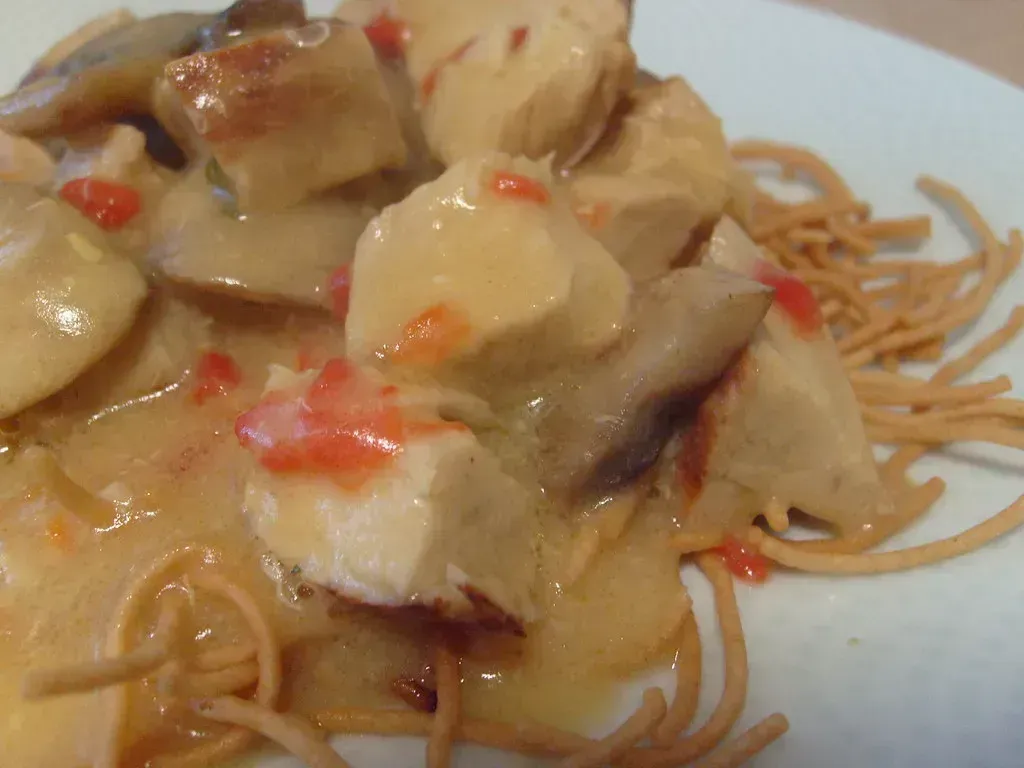
Rarely seen on modern tables, chicken à la King was once a ubiquitous dish in restaurants and at ladies’ luncheons – it appears on over 300 menus from the 1910s to the 1960s in the archives of the New York Public Library. It’s basically diced, cooked chicken, mushrooms, and pimientos in a creamy sauce, often enlivened with a bit of sherry, served over toast, and during its heyday it was welcomed as fancy comfort food. For mid-century cooks, chicken à la King had it all – it was elegant and vaguely French, but easy to make with everyday ingredients.
Despite its Frenchified name, chicken à la King is an all-American creation. It’s a dish that cooks from older generations remember fondly and still enjoy making regularly for their friends and family. Creamed chicken with pimentos served over toast triangles epitomized elegant luncheons. Ladies who lunched considered this dish the height of refinement. It was the kind of meal grandma might serve when someone important was coming over, yet the ingredients were entirely ordinary.
5. Jell-O Salad Mold
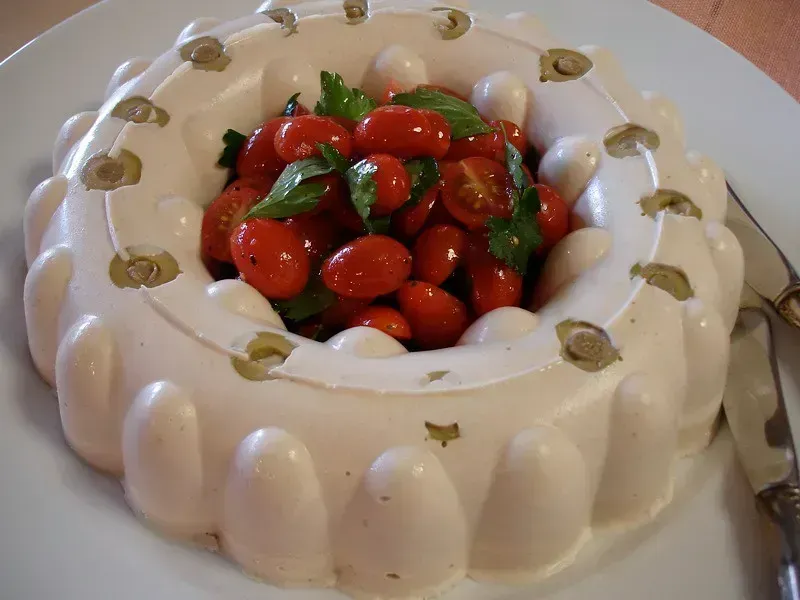
In the 1960s, gelatin salads became so popular that Jell-O introduced various vegetable flavors including celery, Italian salad, and seasoned tomato. It’s hard to overstate just how obsessed people were with molded gelatin creations. By 1960, roughly 83% of Americans owned a refrigerator, and the novelty of Jell-O salads had worn off, yet they remained wildly popular especially in the Midwest. These wobbly, glistening molds were a fixture on every holiday table and potluck spread.
Thanks to a clever marketing campaign, Jell-O was linked to a perfect image of femininity and multiple recipes sprung up detailing all the creative ways one could whip up what was once seen as a delicacy reserved for the rich. Jell-O salads eventually reigned supreme, and 1960s cookbooks document savory Jell-O salads like Molded Avocado and Tuna. Savory Jell-O molds containing everything from tuna to ham dominated potluck tables across America, and housewives proudly displayed these wobbly creations at neighborhood gatherings. Strange as it sounds today, pulling a perfectly set, vegetable-studded mold from the refrigerator was a genuine point of pride.