The Tiny Passport Detail That’s Getting Travelers Stopped at the Boarding Gate
You’ve packed your bags, checked in online, and arrived at the airport with plenty of time to spare. Then, at the very last moment, a gate agent holds up a hand and tells you something is wrong with your passport. It sounds like a travel nightmare, but it’s happening to real people every single week. Nothing derails an air travel day faster than being denied boarding, and in 2023 alone, around 25,000 passengers were denied boarding on U.S. flights – roughly 29 passengers per every million. The reasons are often smaller, and more avoidable, than most people realize.
The Six-Month Validity Rule That Catches Travelers Off Guard
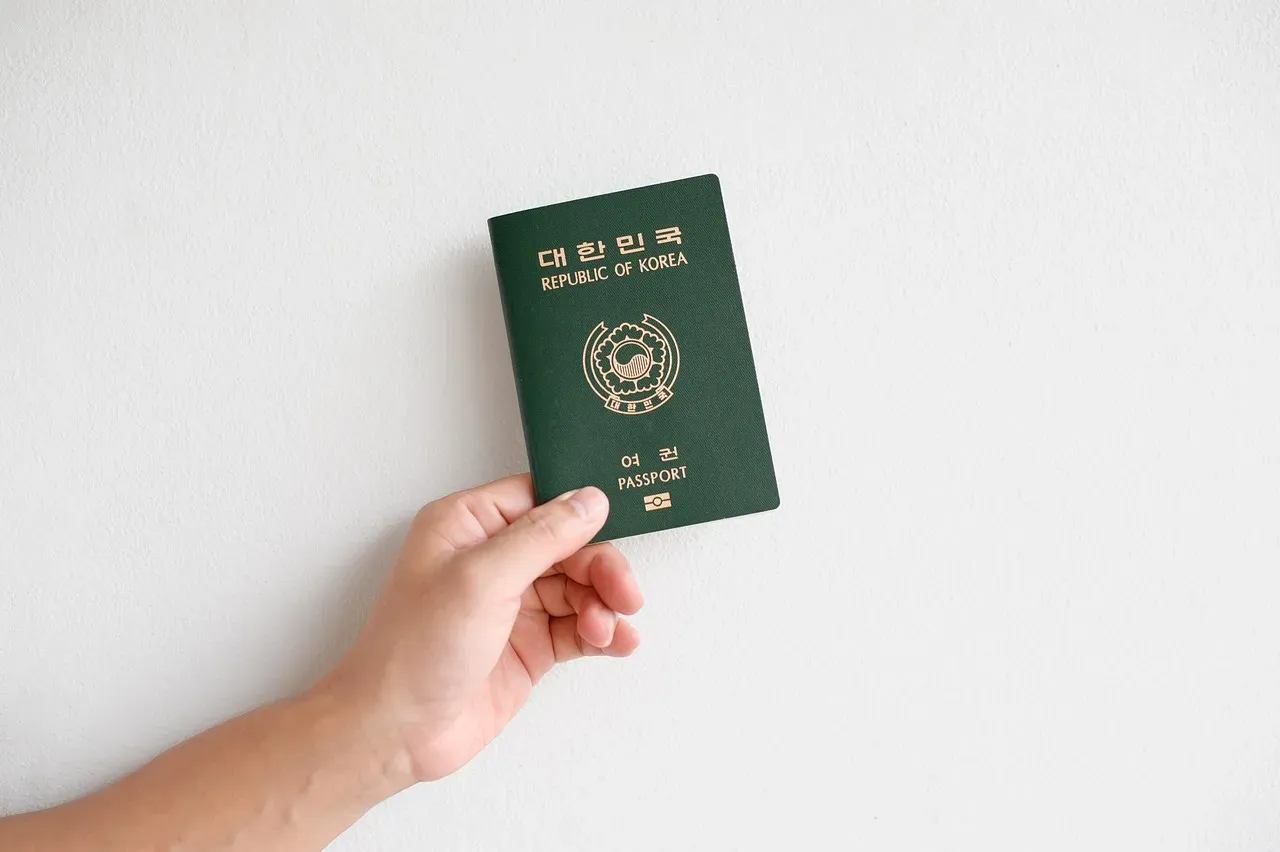
Passport expiration date is critically important because, in many cases, you need at least six months of validity on your passport to travel – otherwise, you may be denied entry to a foreign country. This rule is widely misunderstood. Many travelers assume their passport is fine simply because it hasn’t expired yet, without realizing that “valid” and “valid enough to travel” are two very different things in the eyes of immigration authorities and airline staff.
Some countries require that your passport have at least six months of validity beyond the dates of your trip, and some airlines will not allow you to board if this requirement is not met. Even if your nationality is exempt under international agreements, airlines may still enforce the six-month validity rule to avoid penalties – and they are responsible for ensuring passengers meet entry requirements, potentially denying boarding even when the traveler is technically exempt.
The Schengen Area Has Its Own Separate Trap
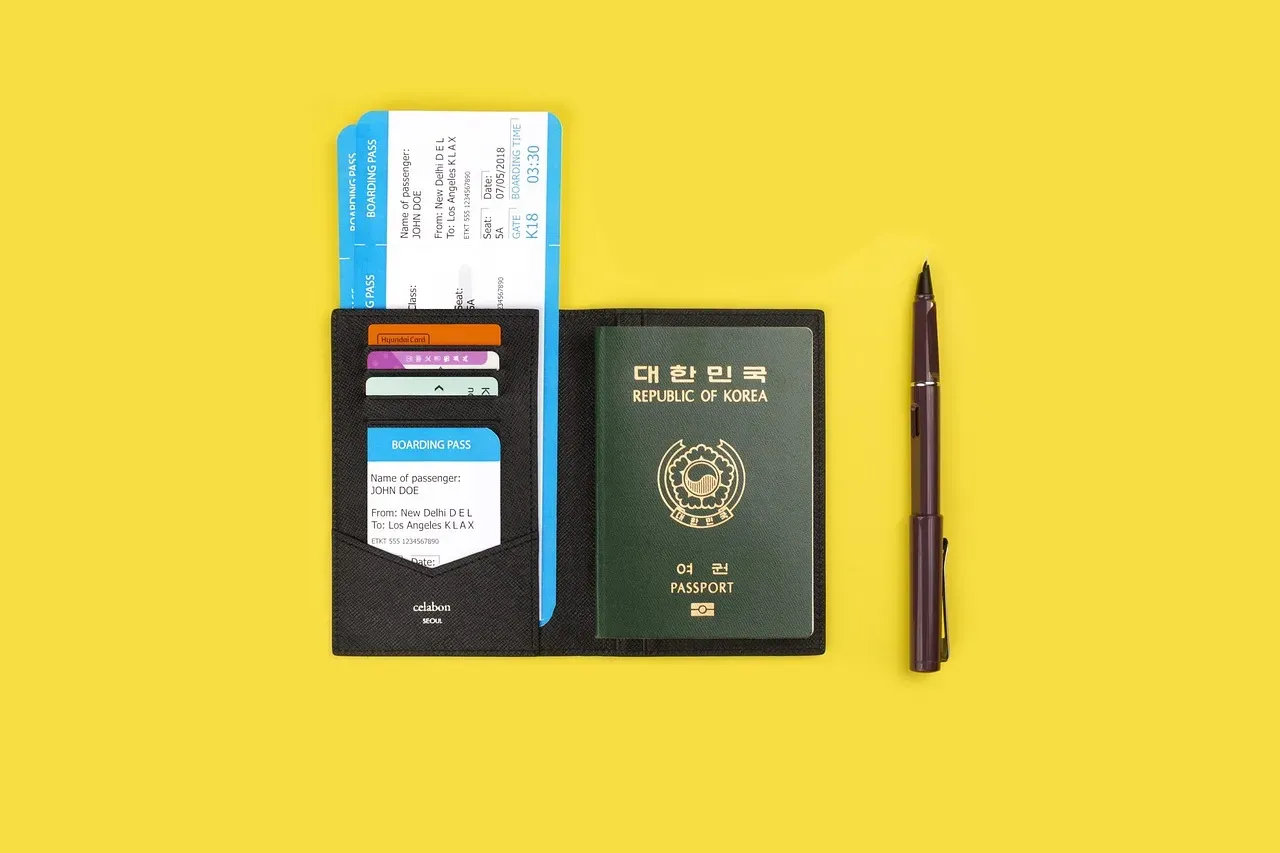
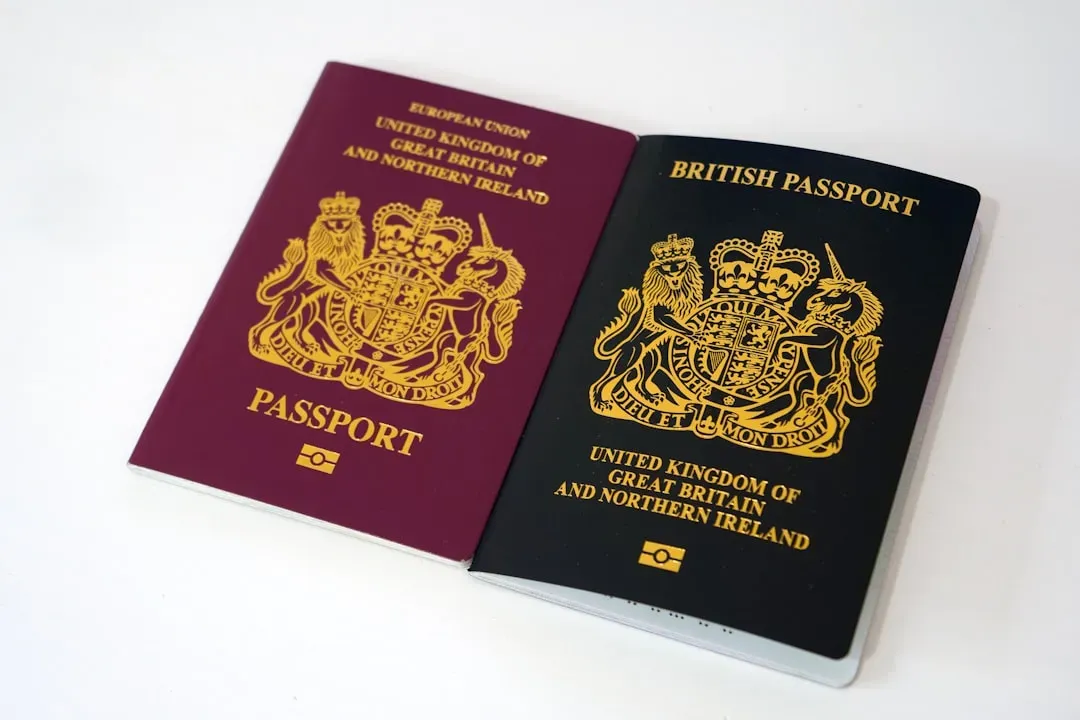
The “six-month rule” is a common entry requirement for many countries, stipulating that your passport must be valid for at least six months beyond your date of entry or exit. However, for the Schengen Area, the rule is different: your passport must have been issued less than 10 years before the day you enter, and it must expire at least 3 months after the day you plan to leave. This catches a huge number of British and American travelers by surprise, particularly those who renewed their passports a decade ago and haven’t thought about it since.
The six-month passport rule is typically very strict in countries that enforce it – if your passport doesn’t meet their validity requirements, you may be denied boarding or entry. Travelers often discover problems not at border control but at airline check-in, when staff refuse boarding for passports with less than six months’ validity. It’s a detail buried deep in the fine print of entry requirements, and most booking platforms won’t warn you about it when you purchase your ticket.
Your Passport’s Physical Condition Can Ground Your Trip
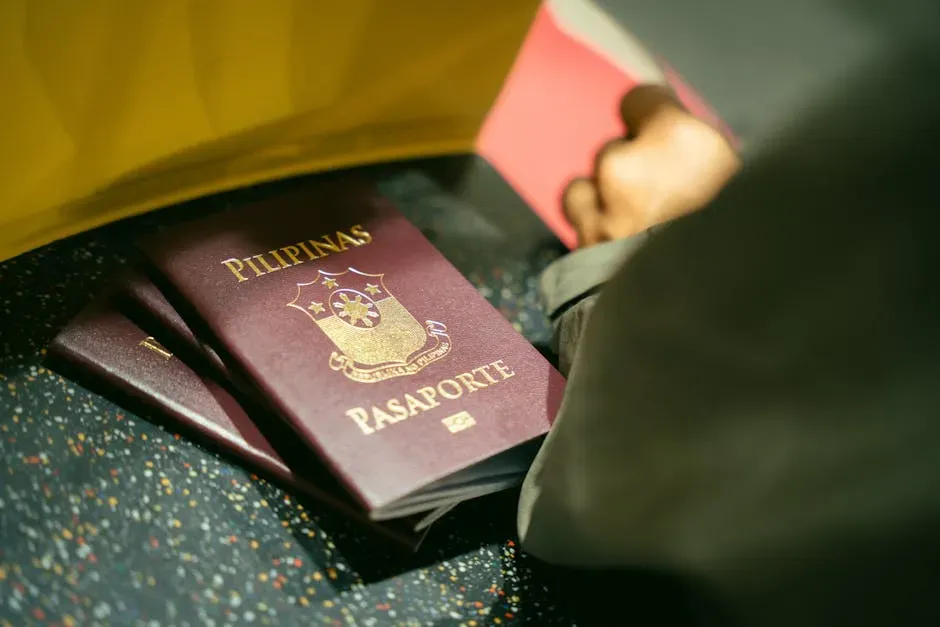
The U.S. Department of State defines a “mutilated passport” as one that is torn, altered, or otherwise compromised so it no longer functions as proof of identity and citizenship – and even a small rip in the photo page, water stains, ink blots, or lifted lamination can trigger concerns. What surprises most people is just how subjective this can be at the gate. One airline agent might wave it through; another might stop you cold.
Over the years, numerous travelers have been denied boarding over documents that have been soaked, ripped, or damaged in some way – discretion around whether a passport can be accepted is often left with the airline boarding agent or customs officer. A real 2024 case confirmed this reality: 25-year-old traveler Laila March had to spend roughly £1,200 (about $1,600 USD) after TUI denied her boarding from London to Cancun over a “slight mark” on the biodata page, and the £1,000 ticket she paid for was entirely lost – while British Airways accepted her on a same-day flight with the exact same passport without issue.
A Name Mismatch Between Passport and Ticket
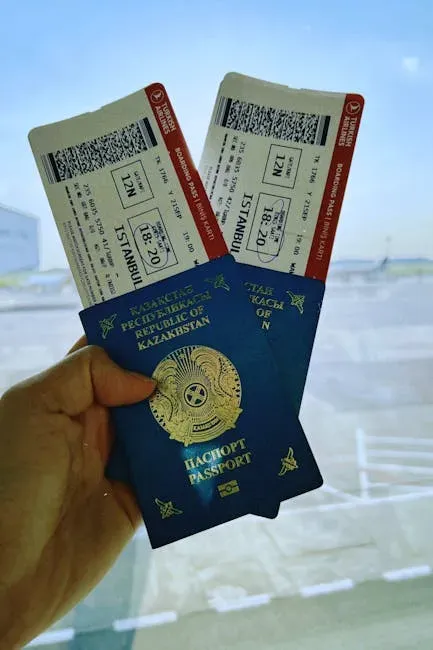
The name on your passport must match the name on your ticket and boarding pass – this is not merely a preference but a requirement enforced by airlines and immigration authorities worldwide to enhance security measures. The problem often starts innocently enough: someone books a flight using a nickname, a maiden name, or a name in a different order than what appears on their government-issued document. The system flags it, and the gate agent has very little flexibility once you’re standing at the boarding door.
A mismatch between the name on your passport and your ticket can lead to delays in check-in or, in some cases, being denied boarding entirely – disrupting your travel itinerary and potentially causing you to lose out on pre-paid bookings. Perhaps more daunting is the risk of detainment for further questioning by airport security or immigration officers. And self-bookers should be aware: there are no refunds owed when a passenger is refused boarding because of this mismatch.
Dual Citizens Using the Wrong Passport
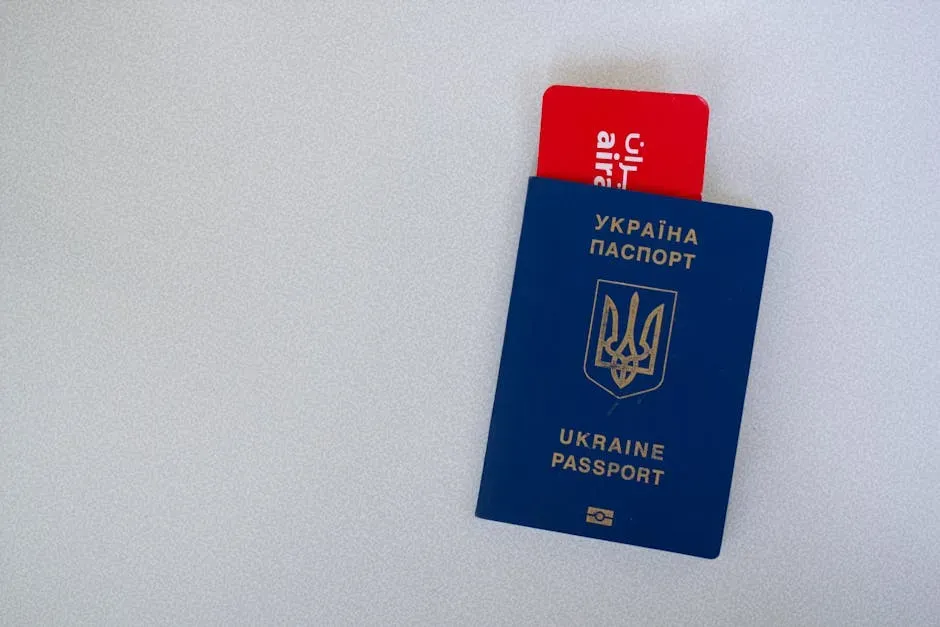
The complexities of international travel for those with multiple passports are often underestimated. While it is common for individuals to believe that a foreign passport is a valid substitute, the U.S. Department of State maintains that foreign passports cannot be used by U.S. citizens to bypass domestic immigration protocols. This issue gained high-profile attention when it happened in a very public way. Chet Hanks had intentionally chosen to use a Greek document because his American passport was nearing its expiration date – a decision that proved to be a critical error, as airline staff and immigration officials are bound by strict protocols, and upon discovery that a traveler holds American citizenship, the use of a foreign passport is rendered insufficient for boarding a U.S.-bound vessel.
The current debate surrounding these travel complications is further intensified by the introduction of the Exclusive Citizenship Act of 2025, a proposed law that has gained traction in legislative circles and aims to force Americans to choose a single national allegiance – meaning the era of holding two passports could potentially come to an end, with individuals required to renounce all foreign citizenships to maintain their American status. The situation is evolving rapidly, and dual citizens who travel frequently are wise to stay closely informed.
REAL ID Enforcement Has Changed the Domestic Passport Picture Too
As of May 7, 2025, state-issued driver’s licenses and IDs that are not REAL ID compliant are no longer accepted as valid forms of identification at airports. This shift pushed a significant number of domestic travelers to rely on their passports instead. About 19% of people flying nationwide did not have REAL ID-compliant cards at the time of the deadline, leaving many confused travelers scrambling to comply ahead of holidays and summer travel.
Currently, more than 94% of passengers already use their REAL ID or other acceptable forms of identification. Yet the remaining travelers are now turning to their passports as the go-to backup – which only increases the stakes of having a passport that is fully compliant, undamaged, and correctly documented. Starting February 1, 2026, travelers without acceptable ID can pay $45 to use TSA’s ConfirmID system, which grants checkpoint access for 10 days – but the screening process takes between 10 and 30 minutes, and if TSA cannot verify your identity, you may still be denied boarding and the fee is non-refundable.