Why I’m Finished With Costa Rica: How the 2026 “Daily Visitor Cap” Is Changing the Experience
I used to love Costa Rica. The howler monkeys at dawn, the smell of rain on red volcanic dirt, the feeling of standing in a cloud forest as mist drifted through the canopy. I have been visiting for years, and for most of that time, it genuinely felt like one of the most rewarding travel destinations on the planet. Something has shifted, though, and I don’t just mean the price of a hotel breakfast. A tightening web of access restrictions, a brutal currency squeeze, and a tourism industry struggling through a real crisis have combined to make the experience feel less like an adventure and more like an audition. The “daily visitor cap” model, rolled out more aggressively than ever in 2025 and into 2026, is only the most visible piece of a much bigger and more uncomfortable picture.
The Park Reservation System That Sounds Reasonable Until You Try It

Costa Rica’s parks now require online reservations through the SINAC website, with entrance time slots and a limited number of tickets available per day. The push to more strictly regulate visitor numbers gained momentum in 2020, but the main goal of this reservation system remains the protection of the national environment from overtourism. On paper, that’s a responsible policy, and nobody serious would argue against protecting fragile ecosystems. The problem is the execution. Buying tickets to Costa Rica national parks is an experience that has left many travelers deeply frustrated, with the process described as not just clunky but confusing, unforgiving, and time-sensitive.
The SINAC site does not offer refunds or rescheduling options, meaning once your ticket is booked, it is final, and you have to double-check your park, date, and time slot before confirming your purchase. Many parks manage daily crowds by capping the number of visitors allowed during each time slot, and if you are visiting during dry season, holidays, or weekends, it is essential to book early or risk missing out entirely. Tickets can be reserved up to 60 days in advance. For anyone traveling spontaneously or coordinating a complex multi-destination itinerary, this rigidity can unravel an entire trip.
Manuel Antonio, Corcovado, and the Cap That Actually Turns People Away
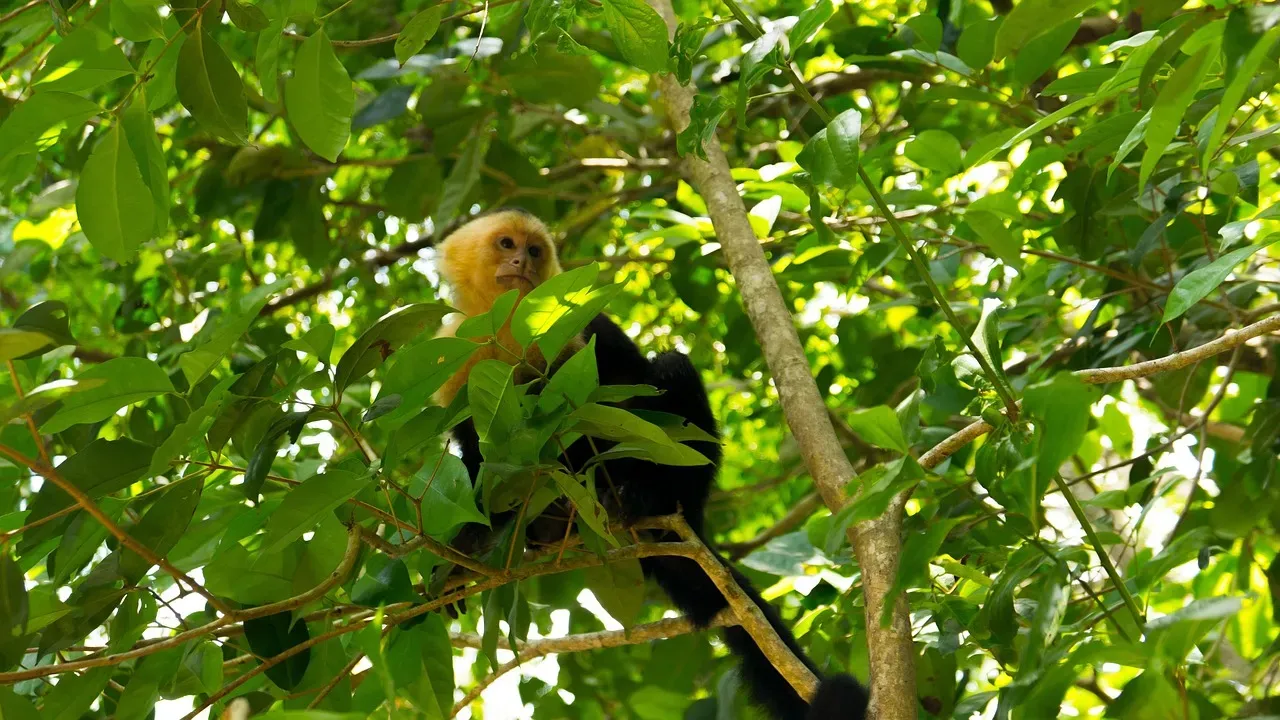
Manuel Antonio National Park has a capacity limit of 2,000 visitors per day. That figure sounds generous until you realize that during peak season, those slots disappear weeks in advance, and arriving without a pre-booked ticket means turning around at the gate. Some national parks have limits on the number of daily visitors specifically to help reduce the impact on local wildlife, and for popular parks like Manuel Antonio and Corcovado, it is best to buy tickets well in advance so they do not sell out. During busy periods like Christmas, New Year’s, or Easter, this is particularly critical.
Many of the newer park rules and visitor caps exist to keep these ecosystems intact. That is a fair and important point. Still, the experience of planning a trip around park availability, only to find every slot sold out, is alienating in a way the brochures do not warn you about. According to SINAC’s Tourism Program Coordinator Guisselle Méndez, the online purchase not only guarantees entry but also helps maintain predefined visitation flows, minimizing negative impacts and enhancing the overall visitor experience. Whether visitors experiencing sold-out parks and crashed booking websites feel their experience is being “enhanced” is another question entirely.
The Cost Problem Is Real and Getting Worse
The average vacation cost in Costa Rica, excluding flights, has risen from $5,500 in 2022 to $7,800, and this has led U.S. tourists to choose cheaper destinations like Panama or the Dominican Republic, or to simply shorten their trips. Since mid-2022, the Costa Rican colón has appreciated by nearly 27 percent against the dollar, which sounds like good news for Costa Rica’s economy but is a serious problem for every international tourist pulling out a wallet. This monetary policy has created a devastating “dollar inflation” effect, making a vacation in Costa Rica substantially more expensive than a comparable trip to Cancún, Medellín, or Santo Domingo.
In 2025, a simple lunch in a tourist town can rival prices in Miami or Los Angeles, national park fees have climbed, and tour prices have surged to cover rising operational costs, meaning the value proposition for international travelers is eroding. Reports have noted that “simple rooms now cost $300 per night,” traditional Costa Rican meals are “priced at luxury restaurant rates,” and a family must pay “over $800 to visit Corcovado National Park,” with children as young as five years old being charged adult rates. Costa Rica is, by most measures, the most expensive country to visit in all of Latin America.
A Tourism Industry Facing a Crisis It Cannot Ignore
Data from the third quarter of 2025 paints a grim picture for Costa Rica’s tourism industry. Employment in the sector dropped from 189,093 jobs in 2024 to 166,923 by the end of the year, marking a loss of over 22,000 positions, and the decline has not been limited to big cities but has deeply affected rural and coastal areas where tourism plays a central role in the local economy. Tourist arrivals also saw a decline of 1.8% through October 2025 compared to the previous year, and from January to July of that year, Costa Rica saw 50,000 fewer international visitors than in the same period in 2024.
March 2025 was the seventh consecutive month of declining tourist arrivals by air compared to the previous year, with tourist arrivals decreasing by 3% compared to March 2024 and the most significant declines coming from European markets. The United Kingdom saw arrivals plummet by 25.6%, Spain by 22.4%, and Germany by 15.3%, with the broader trend resulting in a 13.8% drop in overall arrivals between September 2024 and March 2025, representing a loss of more than 250,000 tourists compared to the same period a year earlier. “We’re losing our competitive edge,” said Bary Roberts, spokesperson for Turismo por Costa Rica, pointing also to a new Value Added Tax on tourism services that further inflates prices.
The Gentrification of “Pura Vida”: What Locals Are Living Through
“Gentrification by tourism” has created a housing crisis in hotspots like Nosara and Monteverde. With landlords favoring short-term vacation rentals over long-term leases, rents have tripled in some areas. Teachers, tour guides, and service workers are being pushed out of the towns they serve, forced to commute long distances or leave altogether. The “Pura Vida” lifestyle is becoming a luxury product that actual Costa Ricans can no longer afford. This is not abstract economic data. It is the lived reality of the people whose warmth and culture are, ironically, a core part of what draws visitors in the first place.
In Manuel Antonio, boutique hotels that once boasted 90% occupancy are operating with skeleton crews. In La Fortuna, nature guides with deep botanical knowledge are increasingly turning to ride-share driving in the city just to pay the bills. Costa Rica’s own tourism minister has acknowledged that expanding the network of tourist development areas helps tourists discover new parts of the country and reduces the risk of overcrowding, stating that the goal is to “develop the south of the country and remove any chance of us having the problems parts of Europe have had.” The intention is clear, but the timeline for real change remains uncertain.
Regional Rivals Are Eating Costa Rica’s Lunch
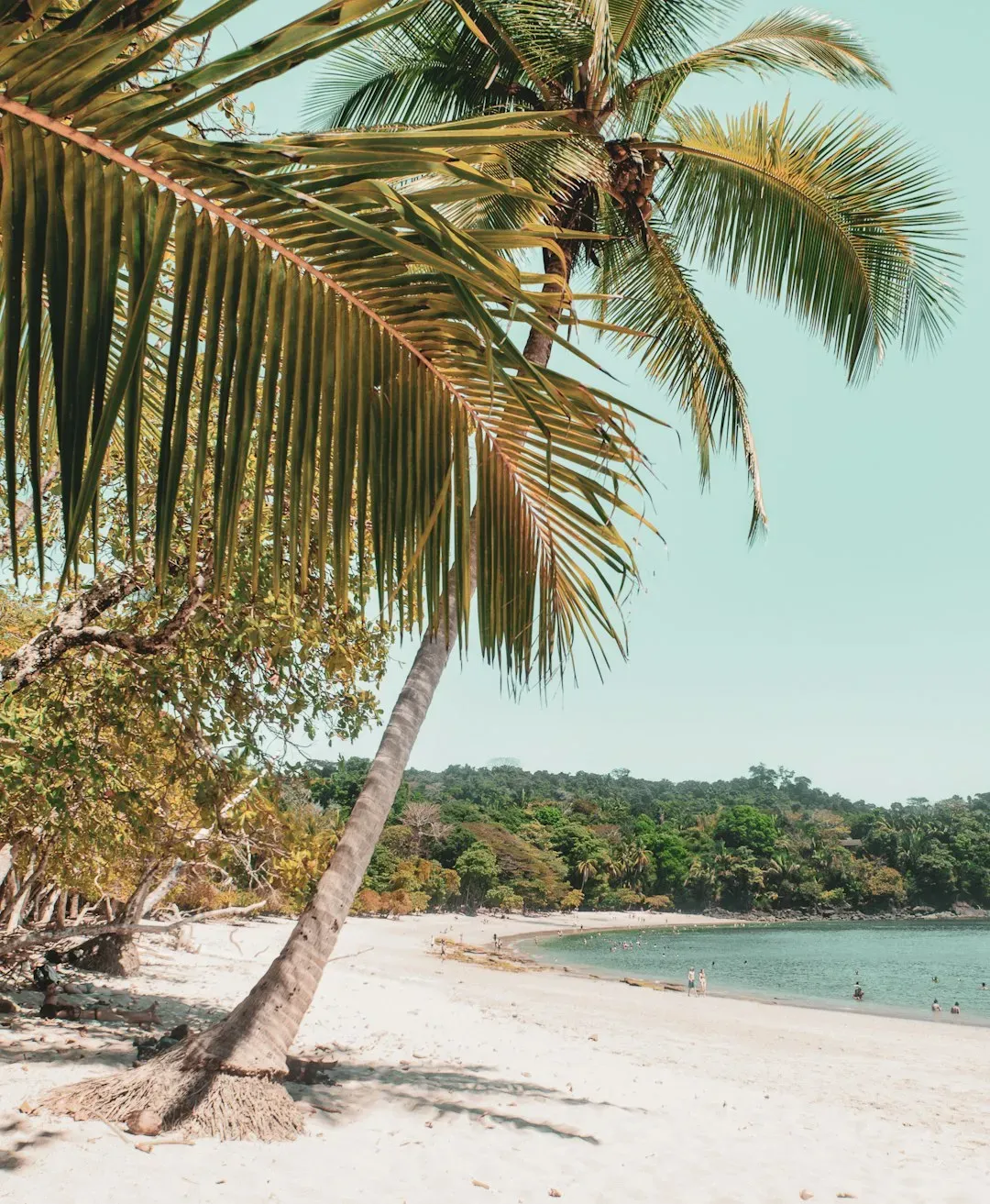
In 2019, Costa Rica welcomed 3.1 million tourists, outperforming Jamaica’s 2.7 million and Central American neighbors that each drew under 2 million. By the close of 2024, however, El Salvador had surged to 3.2 million visitors, Guatemala reached 2.3 million, and Panama hit 2.1 million, while Costa Rica fell to 2.9 million. Costa Rica recorded 2.689 million air arrivals in 2025, a narrow 1% increase from the year before, while growth rates for regional peers told a different story: Guatemala posted 10% and Mexico 6%.
In 2026, a mid-range hotel in Costa Rica starts at $100 or more, whereas a boutique experience in Guatemala can often be found for $50 to $70. When the “Pura Vida” lifestyle costs as much as a trip to Western Europe, budget-conscious travelers are looking elsewhere. The rise of mass tourism, including cruise ships, is starting to bring environmental damage, warn the early promoters of sustainable tourism. Experts recommend shifting from a sustainability model to a regenerative approach, integrating local communities into tourism supply chains, and redirecting profits from mass tourism back into private conservation. Costa Rica built its entire modern identity on being the world’s ecotourism conscience. Whether it can hold onto that title while also making the math work for everyday visitors is the defining question of 2026.