The 10 Poorest Towns In America With The Highest Quality Of Life
There’s a story America doesn’t tell loudly enough. It’s about places that look bleak on paper, with low incomes and high poverty rates, yet somehow manage to offer their residents something surprising: a genuinely decent life. It sounds almost paradoxical, doesn’t it? How can a place where roughly one in three people lives below the poverty line also rank high on livability, culture, and community connection?
The truth is, income is just one slice of the quality-of-life pie. When you factor in access to parks, arts, healthcare, education, strong community bonds, and shockingly affordable housing, a totally different map of America begins to emerge. These ten towns are proof of that. Let’s dive in.
1. Gainesville, Florida – The Broke College Town That Actually Thrives
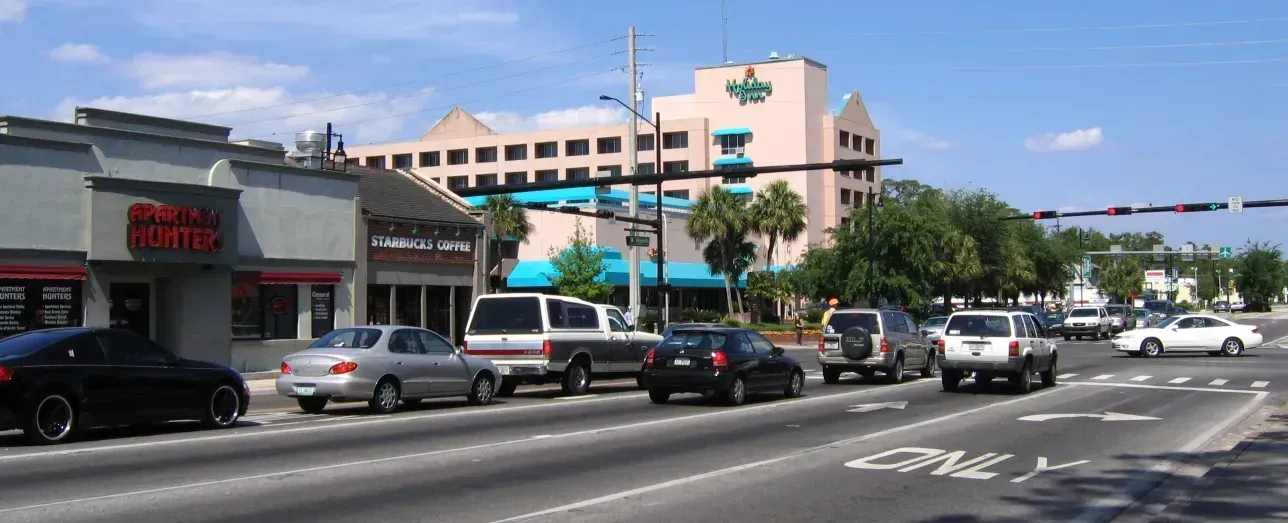
The poverty rate in Gainesville sits at around 33.6%, meaning roughly one out of every three residents lives in poverty. That’s a shocking number. On the surface, it sounds like a place you’d want to flee, not move to.
Located in north-central Florida, Gainesville is a college town with a surprisingly high poverty rate. Home to the University of Florida, the city also houses a large population of poor college students. Other than the high poverty rate and a somewhat elevated crime rate, Gainesville has quite a lot going for it.
Housing availability is rated a solid 6 out of 10, diversity scores an impressive 8.5 out of 10, and amenities reach a remarkable 9.5 out of 10. The University of Florida anchors an entire ecosystem of cultural events, world-class libraries, athletic facilities, and research hospitals. The University of Florida awarded over 19,000 degrees in 2023 alone, making the city one of the most educated communities in the South, regardless of individual income levels.
2. Detroit, Michigan – A City Rewriting Its Own Story
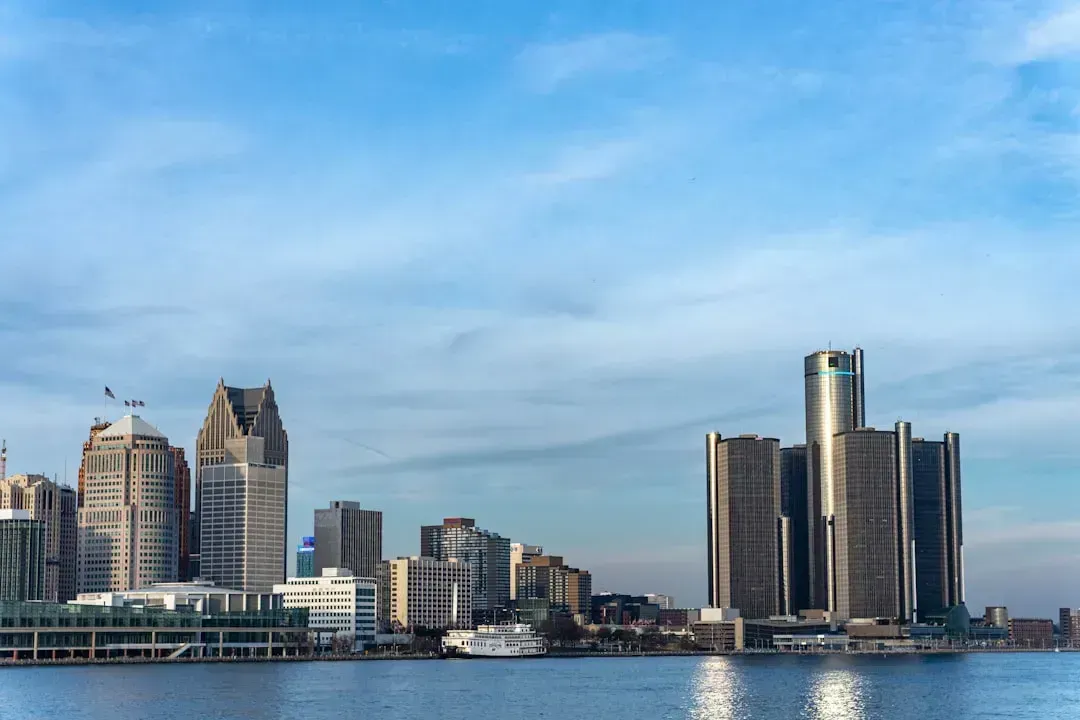
The story of Detroit is definitely notable. Once a global automobile hub, the city collapsed after factories shut their doors and jobs vanished into thin air. People started abandoning the city in high numbers, leading to empty neighborhoods in many places.
Yet Detroit in 2026 is not the Detroit of 2010. Stellantis announced a $2.5 billion plan to expand and modernize two of its auto assembly plants in Detroit, triggering the city’s Community Benefits Ordinance, a unique law that requires companies launching major development projects to negotiate benefits for nearby residents. Stellantis promised to create nearly 5,000 new jobs and invest $13.8 million in the local community.
Detroit has seen growing investment and redevelopment, offering a potential playbook for cities across the country. Its arts scene, Motown heritage, world-renowned music culture, and a fiercely loyal, tight-knit community make it a place with real soul. Detroit is showing how giving communities a seat at the table can help shift long-standing paradigms of development. That’s not nothing. That’s actually everything.
3. Cleveland, Ohio – Quietly Turning the Corner
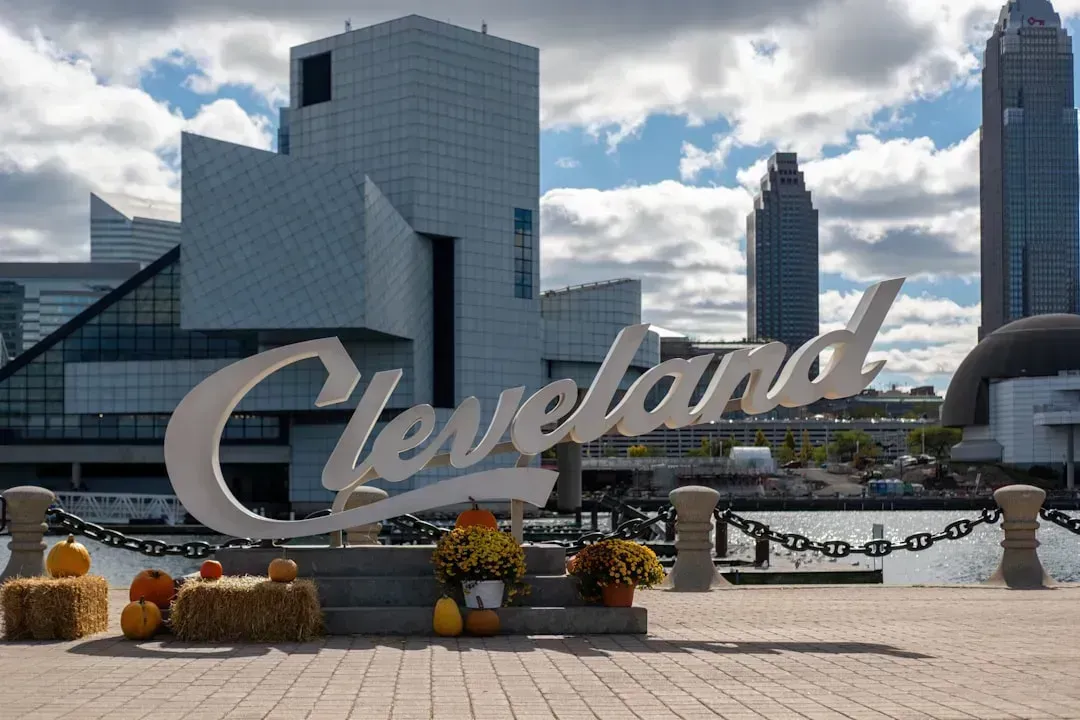
Cleveland continues to have the second-highest poverty rate of large cities in the U.S. According to the latest poverty data released by the U.S. Census Bureau, 28.3 percent of residents in the city of Cleveland live in poverty, accounting for just over 100,000 residents.
For the first time in recent years, the population of Cleveland actually increased instead of decreasing. Ten years ago, the population was just over 376,000 residents, with gradual decline until 2024 when population estimates rose by over 2,700 residents from the previous year. Increases in population in mid-sized cities like Cleveland typically lead to economic growth, community stability, and eventual decreases in poverty.
Poverty rates for Cleveland decreased from 30.7% in 2023 to 28.3% in 2024. In 2024, as Cleveland experienced an overall population increase, it also saw an estimated 7,000 fewer people living in poverty than the previous year. The Rock and Roll Hall of Fame, a spectacular lakefront, a nationally respected medical corridor anchored by the Cleveland Clinic, and affordable housing make daily life here far better than the numbers first suggest.
4. Dayton, Ohio – The Rust Belt Gem That Made the Top 30
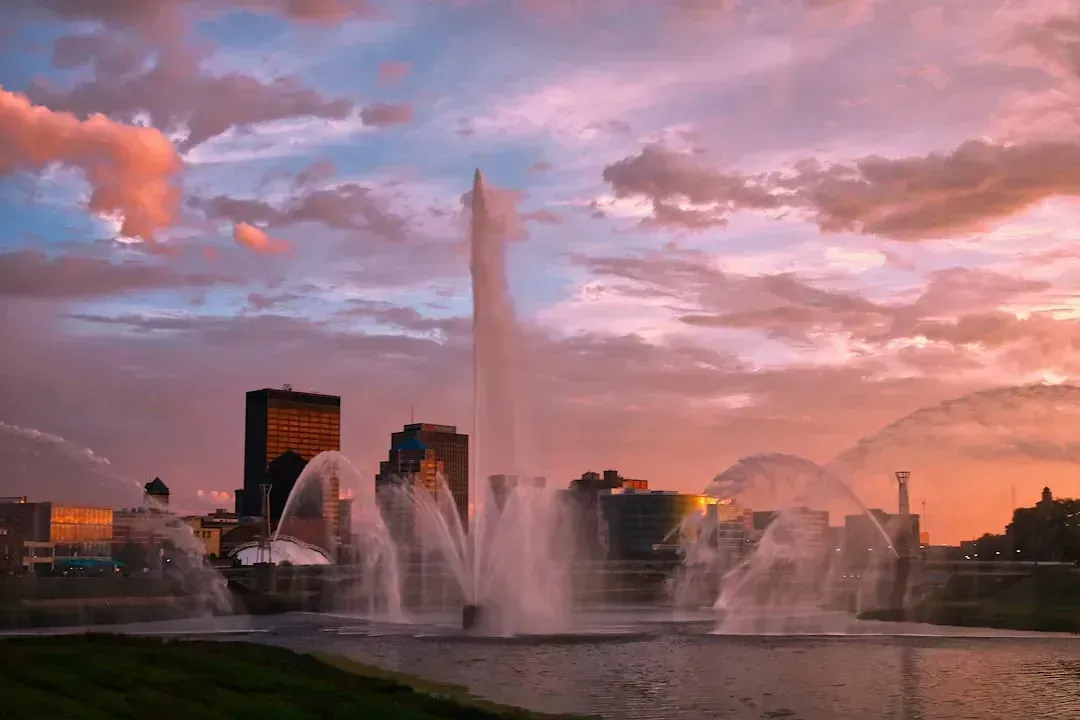
Located in west-central Ohio, Dayton ranks among cities with the highest poverty rates. Its current problems largely stem from a lack of high-paying jobs in the region, mostly because so many high-paying manufacturing jobs have evaporated.
But here’s what you probably didn’t expect. A new study lists Dayton among the top 30 best places to live in the U.S. According to RentCafe.com, the Gem City ranked 26th among 149 U.S. metro areas. The study took into account 17 metrics including cost of living, healthcare access, and community feel.
The cost of living in Dayton is 3.5% below the national average, and the unemployment rate is down to 4.9%, compared to 5.3% in 2024. Many homes lacking gas or electricity have been repaired, with severe housing problems dropping from 11.3% in 2024 to 10% in 2025. Honest progress. Not flashy, but real.
5. Buffalo, New York – Cold Winters, Warm Community
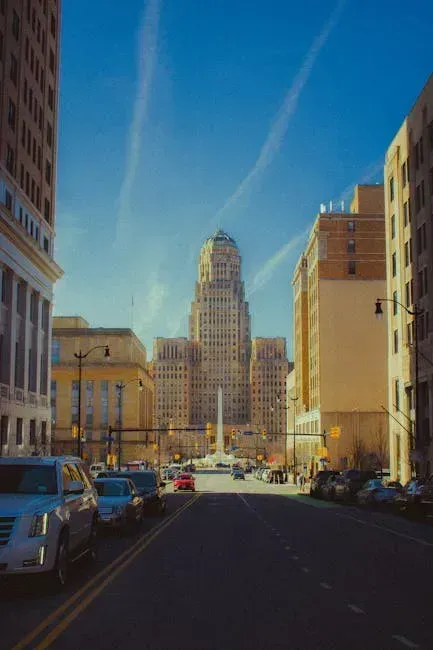
Buffalo in New York is one of the poorest cities in the U.S. Buffalo used to be a popular industrial and shipping hub, majorly because of its location near the Great Lakes. When that industrial base crumbled, the city took a hard hit that lasted decades.
Still, Buffalo has quietly built something different. Its food scene is legendary, its architecture is genuinely stunning, and its neighborhoods are among the most walkable and affordable of any city its size in the Northeast. Sectors like clean energy and healthcare could be really promising in the near future, according to analysts watching the city’s economic transition.
The AARP Livability Index highlights communities that feature a thriving social scene, quality healthcare, job opportunities, and housing costs that stay within reach, and Buffalo ticks several of those boxes. Its poverty rate is high, yet its residents consistently rank local pride, cultural identity, and community connection as exceptionally strong.
6. Hartford, Connecticut – The Paradox of Poverty in a Rich State
Hartford ranked among the poorest cities in the U.S. in 2025. Hartford may be poor, but it is located in one of the richest states in the U.S. You can find a lot of issues in Hartford, such as underfunded schools and limited job opportunities.
Following the Civil War, Hartford was actually the richest city in the U.S. The Industrial Revolution had a lot to do with that, but the once-busy factories shut their doors long ago. Today, Hartford is the poorest city not just in one of the richest states in the country, but among the poorest in the entire nation.
That contrast is almost hard to process. Yet Hartford sits at the center of a state that surrounds it with resources, hospitals, universities, and transit infrastructure. The proximity to Yale University’s medical system, strong nonprofit networks, and a deeply historic urban core give residents access to services and cultural richness that pure income stats completely miss. The gap between Hartford and its wealthy surroundings is a problem, yes. It’s also a lifeline.
7. Flint, Michigan – Resilience Forged in Crisis
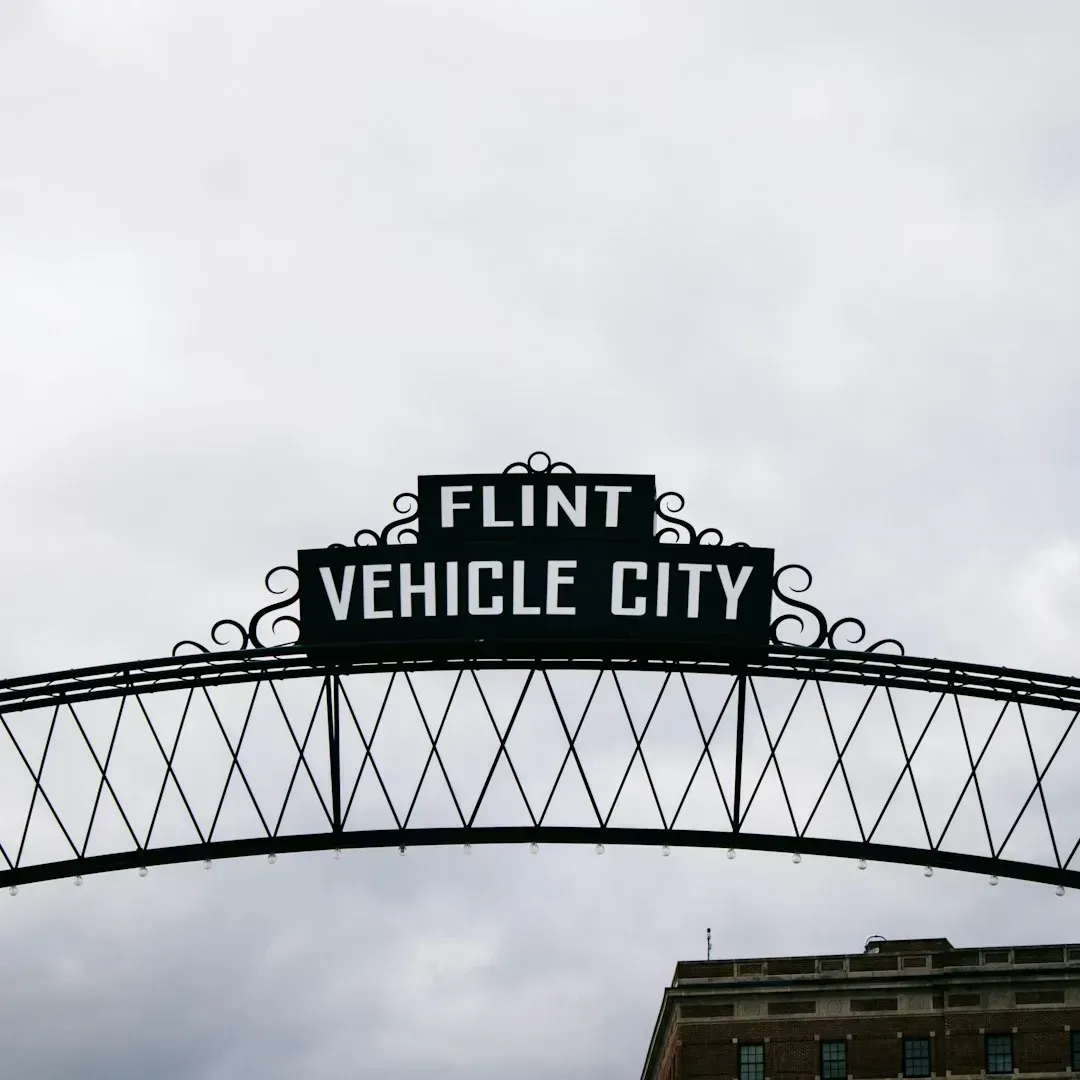
A city that once boasted more than 80,000 GM manufacturing jobs in 1978 saw that figure plummet to fewer than 8,000 by 2010. Nearly 40 percent of Flint residents live at or below the federal poverty line, making it one of the poorest cities in the United States.
Flint’s water crisis brought national attention and federal investment in infrastructure. While the damage was devastating and real, the response also triggered a wave of civic organizing, grassroots support networks, and community health programs that, honestly, transformed the city’s sense of local solidarity. Key factors like housing, neighborhood convenience, environment, transportation, security, and opportunity are all measured by livability experts, and Flint has made verifiable improvements across several of these categories since 2020.
Its housing costs are among the lowest in the country, its community gardens and urban revitalization projects are thriving, and the sheer determination of its residents is something no data index can fully capture. I think sometimes the most powerful thing a community has isn’t money. It’s memory and refusal to quit.
8. Springfield, Massachusetts – Arts and Resilience in the Pioneer Valley
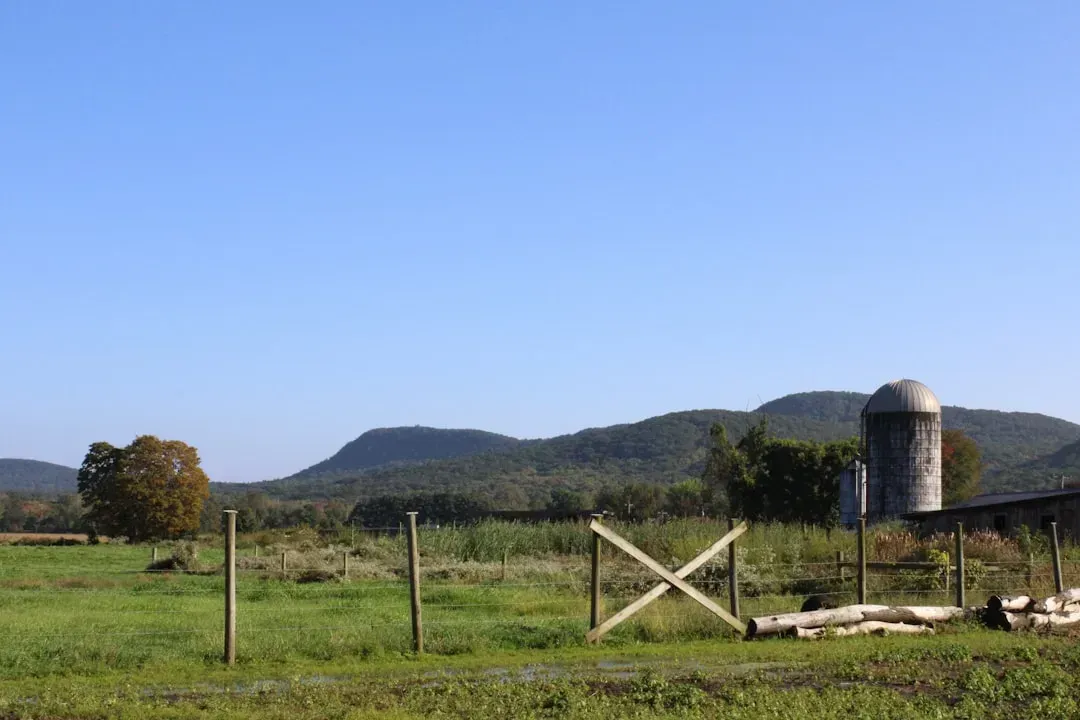
The workers’ rights organization’s list of the poorest cities in the U.S. has Massachusetts’s Springfield at the bottom of its top 10 ranking. Springfield’s median household income lags significantly behind the state average, and poverty here is concentrated and persistent.
Yet Springfield is also the birthplace of basketball, home to the Naismith Memorial Basketball Hall of Fame, and a city with genuine cultural and historical depth. The AARP Livability Index tool measures every city, county, and town against 61 indicators of livability, ranging from monthly housing costs to environmental pollution, opportunities for strong social connections to the presence of age-friendly plans. Springfield consistently scores better than its income figures imply when these broader factors are applied.
The city’s proximity to several colleges, a committed arts community, and strong community health center networks mean residents often have access to healthcare, culture, and education that far exceeds what the poverty rate alone would predict. It’s one of those places that rewards people who look closer.
9. Monroe, Louisiana – The Surprising Livability of the Deep South’s Poorest City
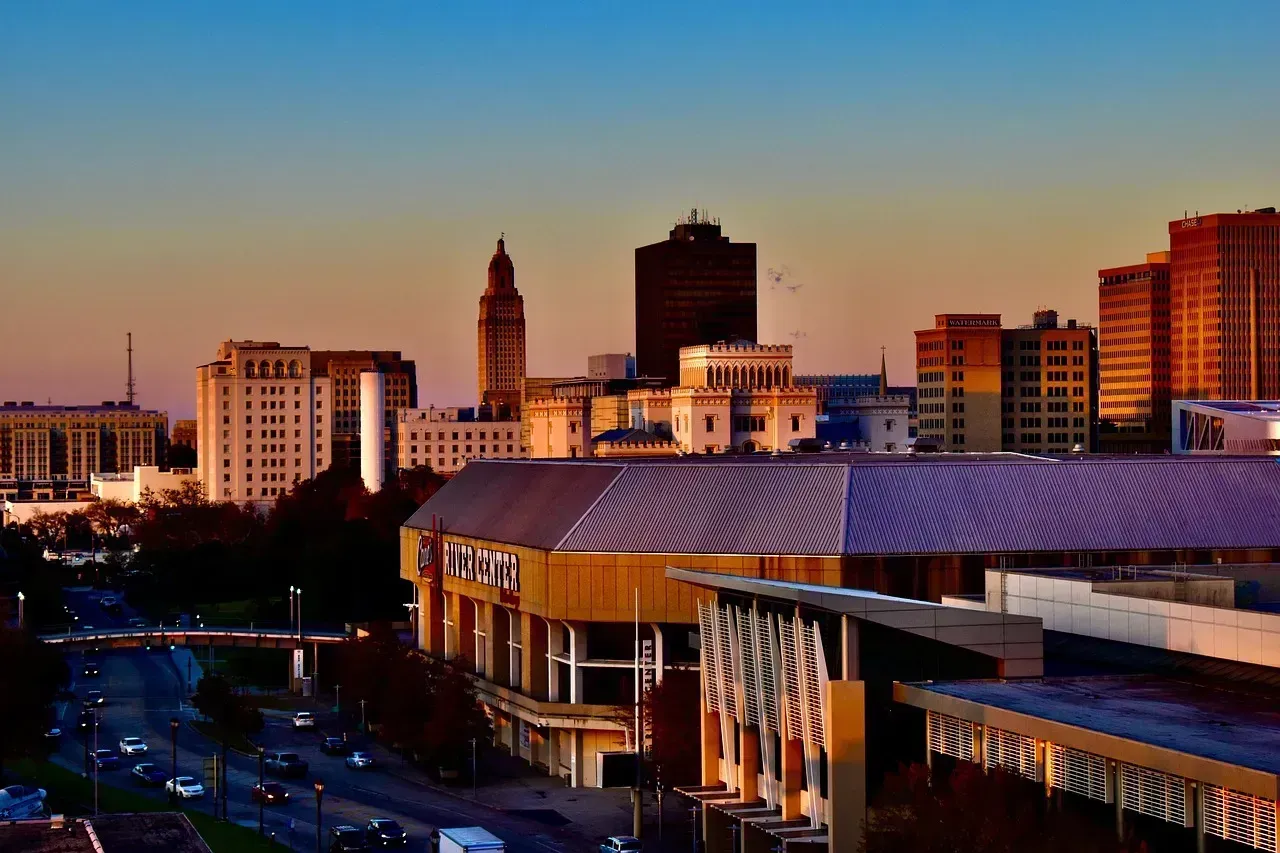
According to data from the U.S. Census Bureau, Monroe, Louisiana has the highest percentage of households living below the poverty level, making it one of the poorest cities in the U.S. That’s a stark starting point for any conversation about quality of life.
Monroe is also the kind of Southern city where cost of living is so low that a modest income can actually go remarkably far. The poverty level in the United States is around $30,000, although this amount of money can go much further in some cities than others. In Monroe, rent, food, and transportation costs are a fraction of what you’d pay in major metros, which means residents sometimes live more comfortably than the numbers suggest.
Louisiana in general carries a reputation for extraordinary food culture, deep musical heritage, community festivals, and a joie de vivre that permeates even its poorest corners. Monroe, situated along the Ouachita River, has parks, regional hospitals, university campuses, and a genuine small-city warmth. It’s not for everyone, but it’s a real life, fully lived.
10. Laredo, Texas – Border Resilience and Cultural Richness
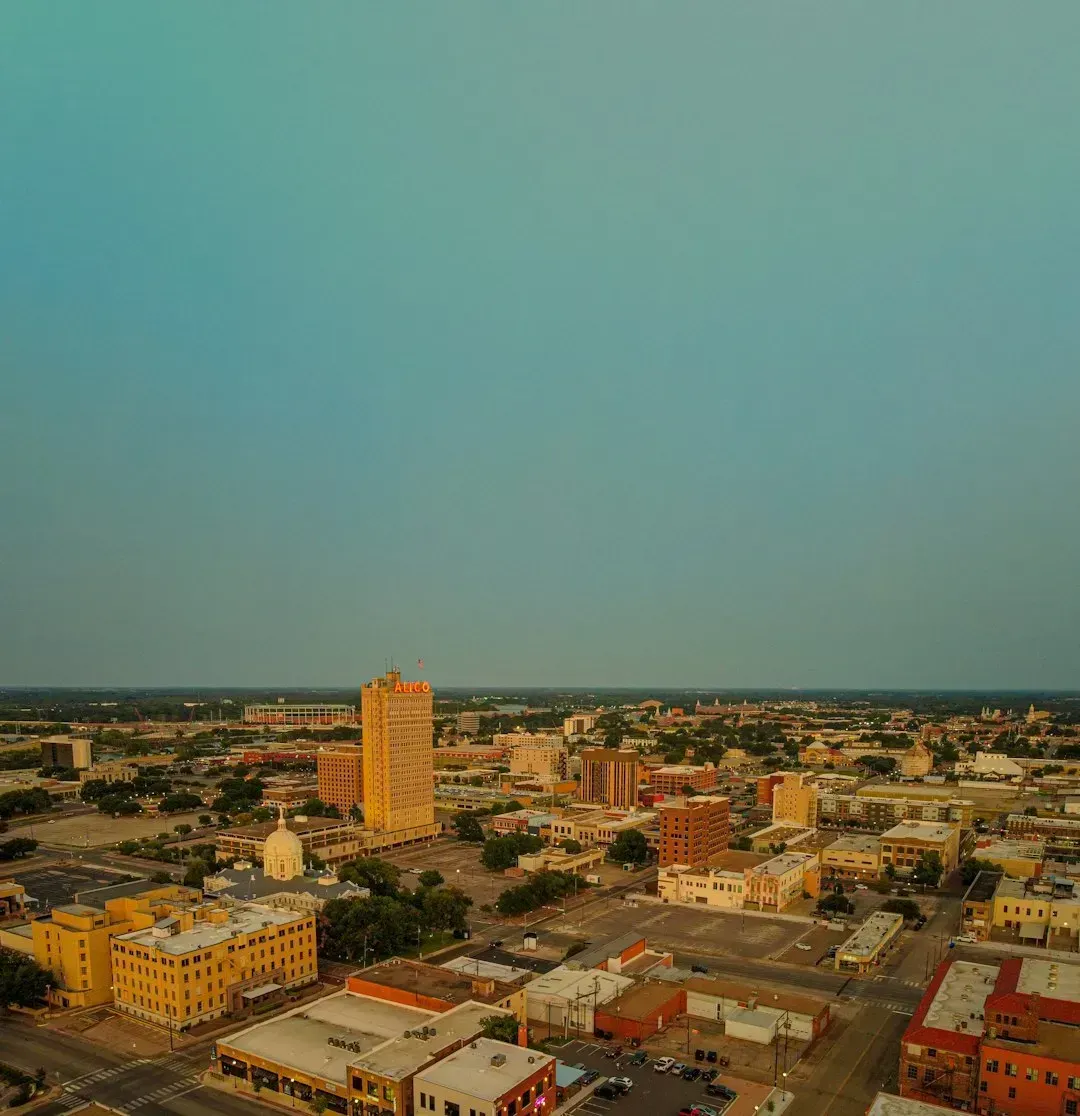
This southern Texas city was long named the poorest in the nation and today still ranks among the top five poorest. Located on the Rio Grande just across from Mexico, part of the reason for the city’s high poverty rate is the regular influx of foreigners from south of the border. The economy doesn’t have enough jobs for so many people, so many end up living in poverty.
Despite that, Laredo has a vibrant binational culture, a deeply rooted family structure, and a sense of community identity that feels almost unshakeable. Its bi-cultural heritage means residents enjoy two distinct traditions of food, music, celebration, and language that give the city a richness no income bracket can measure. Access and convenience make it easier for residents to navigate daily life, and proximity to parks, jobs, grocery stores, public transit, and libraries all play a role in creating a vibrant, enjoyable community.
In 2024, roughly one in ten Americans lived in poverty nationally, but in places like Laredo, that number masks a complicated truth: community ties, affordable living, and cultural identity often fill the gaps that income cannot. What would you have guessed about a city like Laredo before reading this? That gap between assumption and reality is exactly what makes these towns worth understanding.