These 9 Countries Don’t Like American Tourists
Not every passport gets a warm handshake at the door. They have long been one of the largest groups of travelers on the planet, exploring everything from Parisian cafés to Balinese rice terraces. Yet something has shifted, especially since 2024. A combination of politics, cultural friction, and real economic tensions has made some parts of the world considerably chillier for Americans abroad.
A Global Rescue Snap Survey of more than 1,400 experienced travelers found that the vast majority, roughly seven in ten, said Americans were perceived more negatively and less welcome when traveling internationally in 2025, citing recent international policy proposals introduced by the U.S. That is a striking number. So which countries are actually leading the charge? Let’s dive in.
1. France – The Cold Shoulder Capital of Europe

If you have ever walked into a Parisian boutique and felt oddly invisible, you are not imagining it. France tops the list of European countries that are unwelcoming to Americans, and nearly half of all Americans surveyed feel the French hold an unfavorable opinion of them. The tension is not just about croissant etiquette, either.
A 2025 Upgraded Points survey found 15% of French respondents admitting Americans are not always wanted, fueled by perceptions of loudness and entitlement, while U.S. favorability in France plunged 33 points by early 2025, linked to trade disputes and political tensions. That is a dramatic fall in a short amount of time.
In Paris, there is growing exasperation with who come with little respect for local culture, expecting everything to be like back home, including demanding service in English. Honestly, that reputation is hard to shake when it keeps getting reinforced year after year.
2. Portugal – The Surprising Number One for Annoyance

Portugal seems like a dream destination on paper. Sunshine, fado music, incredible seafood. Yet here is the thing – it is actually the country where locals feel most annoyed by American visitors. Portugal, at 18.8%, topped the list of countries where locals said they feel annoyed by .
Portugal consistently ranks high for tourist annoyance despite being relatively welcoming overall. The issue seems to be behavioral rather than political, with locals reporting frustration with loud voices, lack of cultural awareness, and expectations that everyone should speak English.
Locals in Lisbon and the Algarve vent about ignored customs and demands that everyone communicate in English, while overtourism has fueled visible graffiti against visitors. There is a lesson there about showing up with a little curiosity rather than a set of expectations.
3. Denmark – The Greenland Effect
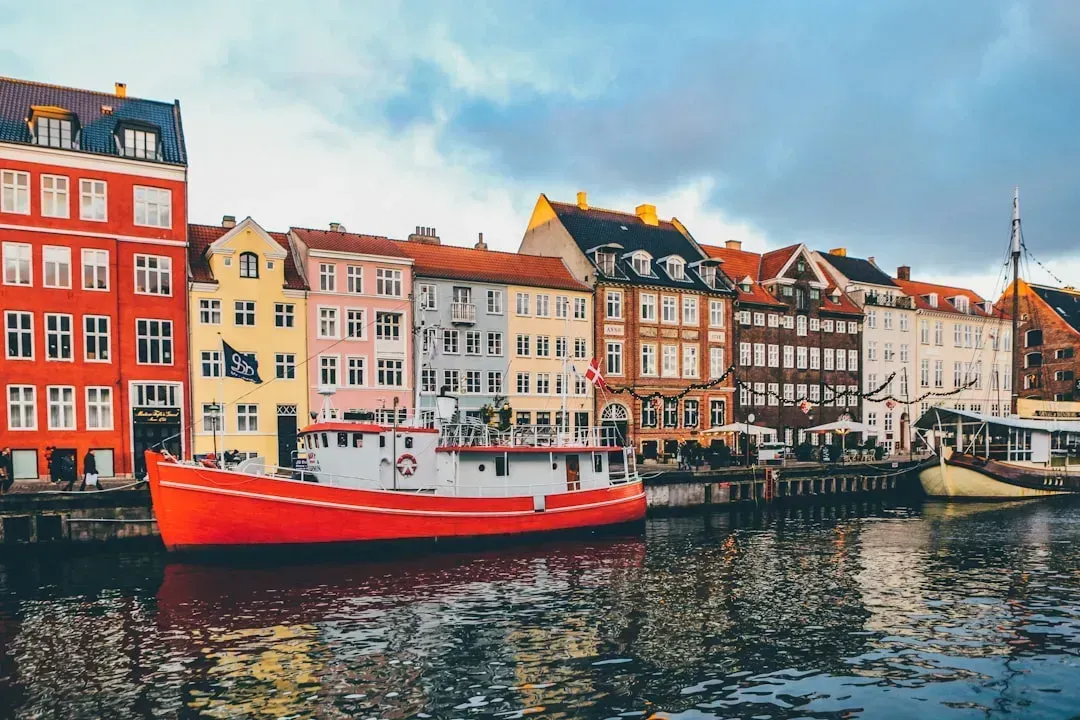
Denmark is perhaps the most politically charged entry on this list, and the reasons are hard to argue with. According to recent data from YouGov, European favorability of the U.S. across major European countries has dropped notably since Trump took office again, and opinion toward the U.S. is lowest in Denmark, not surprising since Greenland, which Trump has vowed to annex, is an autonomous Danish territory.
Favorability toward the U.S. is at its lowest in Denmark, where just 20% of Danes express a favorable view, plummeting from 48% in August 2024. That is a collapse in goodwill that happened in less than a year. It is hard to overstate how personally Danes take the Greenland rhetoric.
Denmark shows up repeatedly in surveys, with nearly 15% of respondents expressing annoyance and 7.5% deeming it unwelcoming to Americans, with Trump’s comments about Greenland sparking roughly three in ten Danes to reconsider their feelings toward American guests. Copenhagen’s famed cycling culture and hygge lifestyle feel a lot less inviting when the political undercurrent is this strong.
4. Canada – The Neighbor That Turned Away
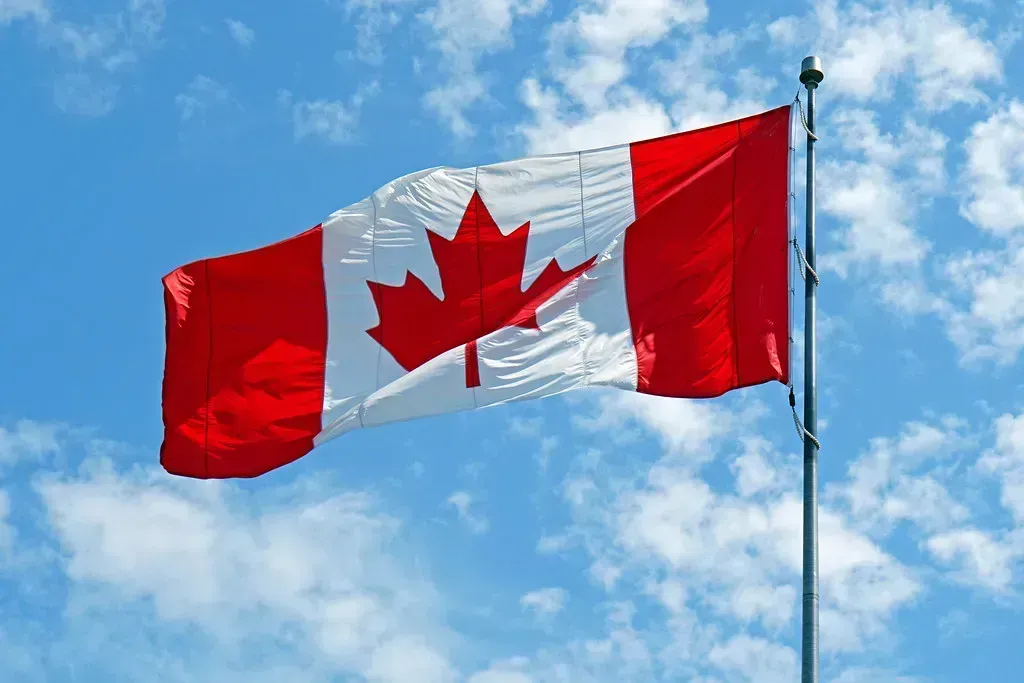
This one genuinely surprised a lot of people. Canada and the U.S. share the world’s longest undefended border, a shared language in most provinces, and decades of cultural overlap. Yet 2025 turned that relationship on its head in a way few could have predicted.
Polling found that 91% of Canadians want Canada to rely less on the United States, an option preferred over simply repairing the relationship, and the shift in attitude has been described as unprecedented by many observers. Flight Centre Canada reported a 40% year-over-year drop in Canadian tourists traveling to the U.S., a boycott that began in early 2025 after President Trump’s remarks about Canada potentially becoming a 51st state and the subsequent trade war.
A Longwoods International study conducted in April found that 60% of Canadians are less likely to travel to the U.S. in the next year due to current American policies, trade practices, and political statements. The reverse is also true, with many Americans now finding their northern neighbors far less welcoming than before. Who knew maple syrup and hockey could coexist with this much tension?
5. Germany – The Steepest Drop in the Numbers
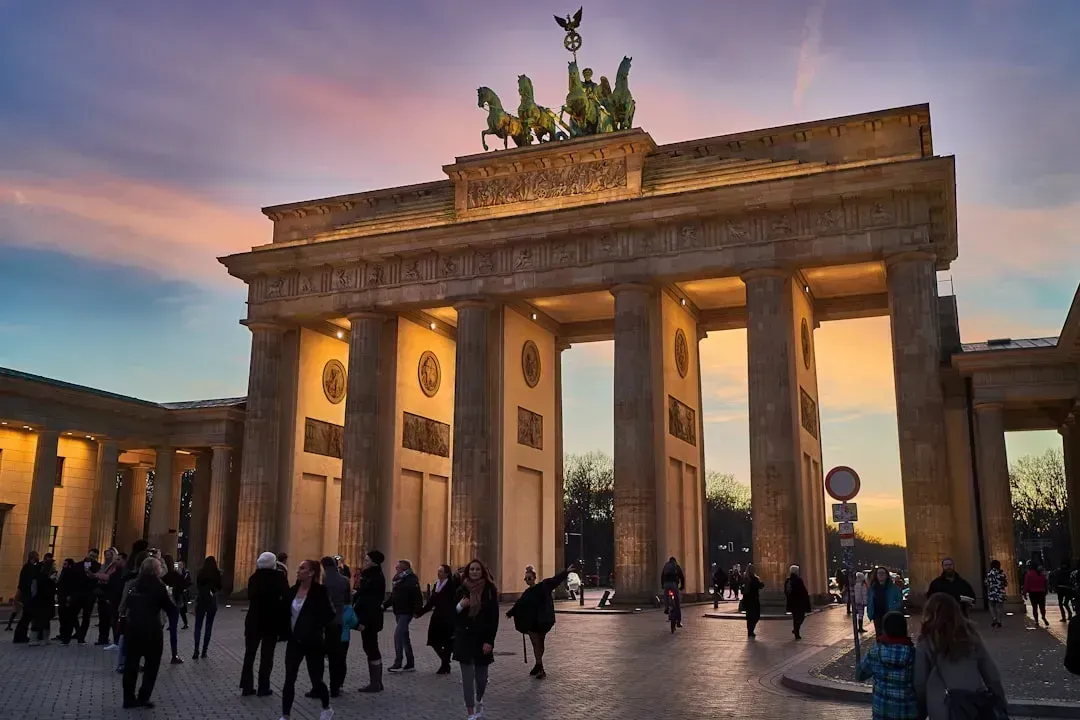
Germany’s pivot away from all things American has been nothing short of staggering. Statistics from 2025 tell a sobering story: Germany ranks number one with a steep 61% drop in interest in visiting America, followed by Canada with a staggering 40% drop since the previous year. That is not a rounding error. That is a seismic shift in sentiment.
Western European tourism to the U.S. was down 2.3% overall, with visitors from Denmark dropping by 19%, from Germany by 10%, and from France by 6.6%. These are not small fluctuations. These are deliberate choices made by millions of people.
The frustration in Germany is partly political, partly cultural. Efficient, direct, and deeply committed to multilateralism, many Germans find the current direction of U.S. foreign policy jarring. Only around a third of respondents in Sweden, Germany, France, and the UK viewed the U.S. favorably, according to recent YouGov data. That context follows through every Berlin hotel lobby and Munich beer hall.
6. Spain – Protests, Banners, and Beach Resentment
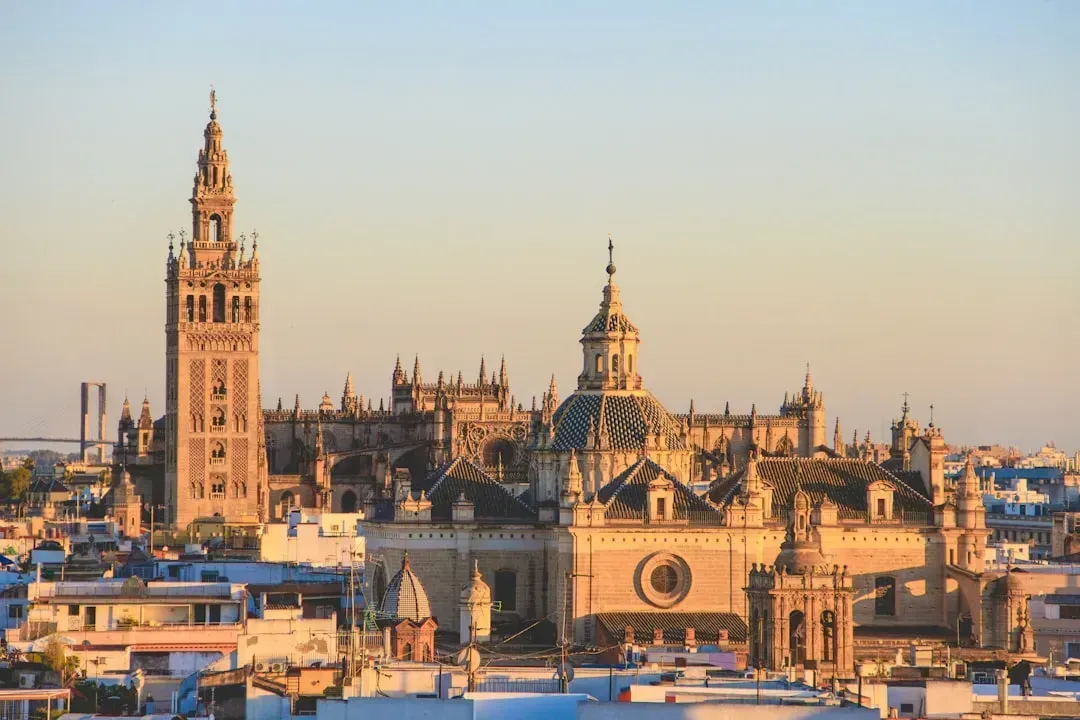
Spain welcomed a jaw-dropping number of visitors in recent years, but the welcome mat is fraying badly. Spain lists among the top unwelcoming spots at 6.9% in the 2025 Upgraded Points survey, amid 2024 and 2025 protests against mass tourism, with Americans lumped in for loud behavior and overcrowding beaches despite roughly 94 million annual visitors to the country.
In cities like Barcelona and Madrid, there is a growing backlash against who ignore local customs such as siestas, creating noise and disturbance during traditional rest hours. The protests in Barcelona became globally famous, with locals physically squirting tourists with water pistols to make their point.
Last year’s news about the viral protests in Barcelona, which included protestors spraying tourists with water pistols, did not deter too large a share of passionate American travelers from booking trips. That tells you something. The frustration from locals is real, but Americans keep showing up anyway, which might just be adding more fuel to the fire.
7. The Netherlands – Bluntly Unwelcoming
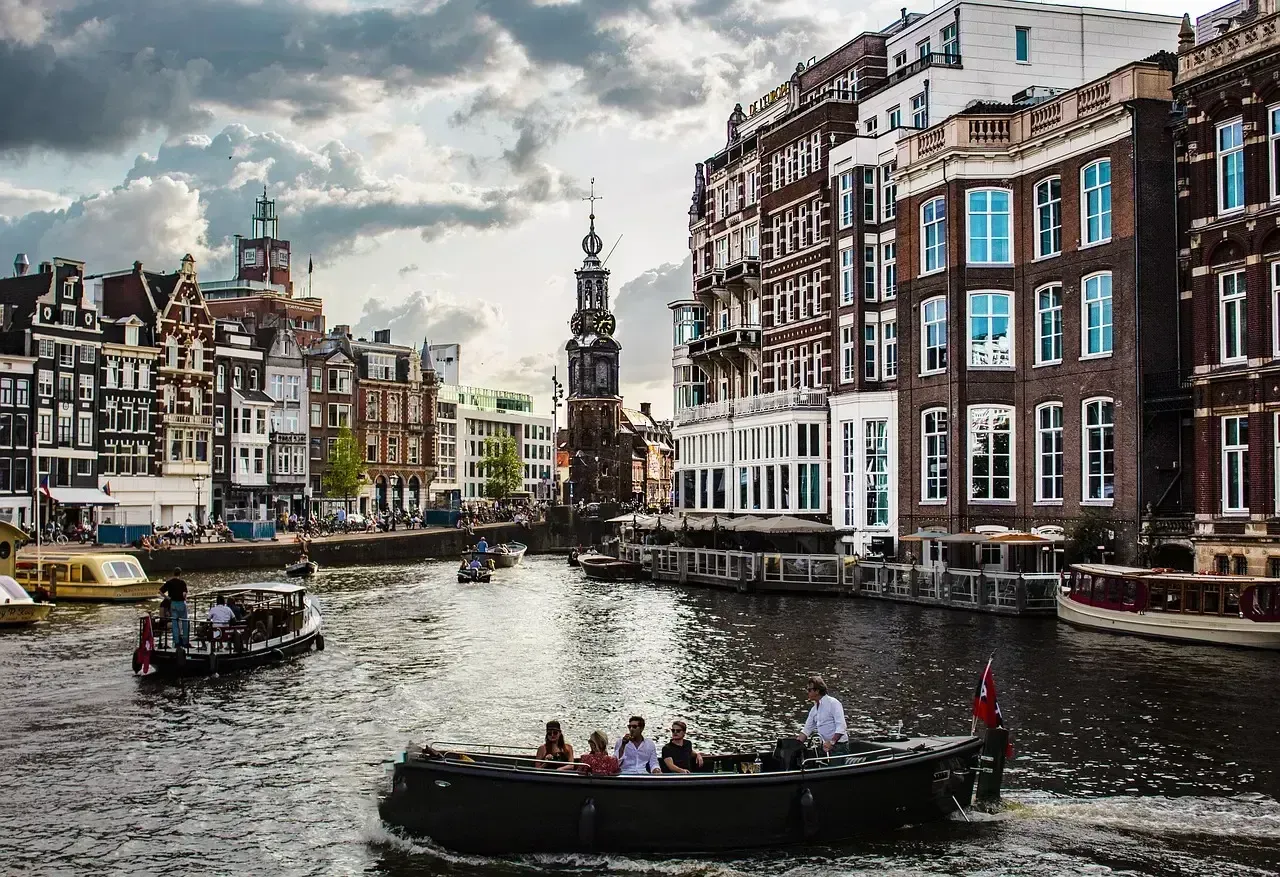
The Dutch are famously direct people. They will tell you, without much sugarcoating, exactly what they think of your behavior. Nearly 40% in the Netherlands said they have a negative view of , one of the highest rates in Europe, in countries that receive massive tourist flows where American behavior stands out for all the wrong reasons.
The Netherlands, at nearly 40% of respondents, leads the pack of countries viewing Americans negatively overall. It is a striking figure for a country often associated with tolerance and open-mindedness. The irony is not lost on travelers who arrive expecting a warm reception and get a raised eyebrow instead.
Think of Amsterdam’s legendary canal streets. Narrow. Historic. Fragile. Then picture a large, loud tour group photographing everything while locals are trying to cycle to work. Noise is the number one complaint, with 64% of European respondents saying Americans are far too loud, while more than six in ten believe Americans expect everyone to speak English. In the Netherlands, where virtually everyone speaks excellent English, that particular complaint takes on an especially sharp edge.
8. Norway – The Quiet Resentment of the Fjords
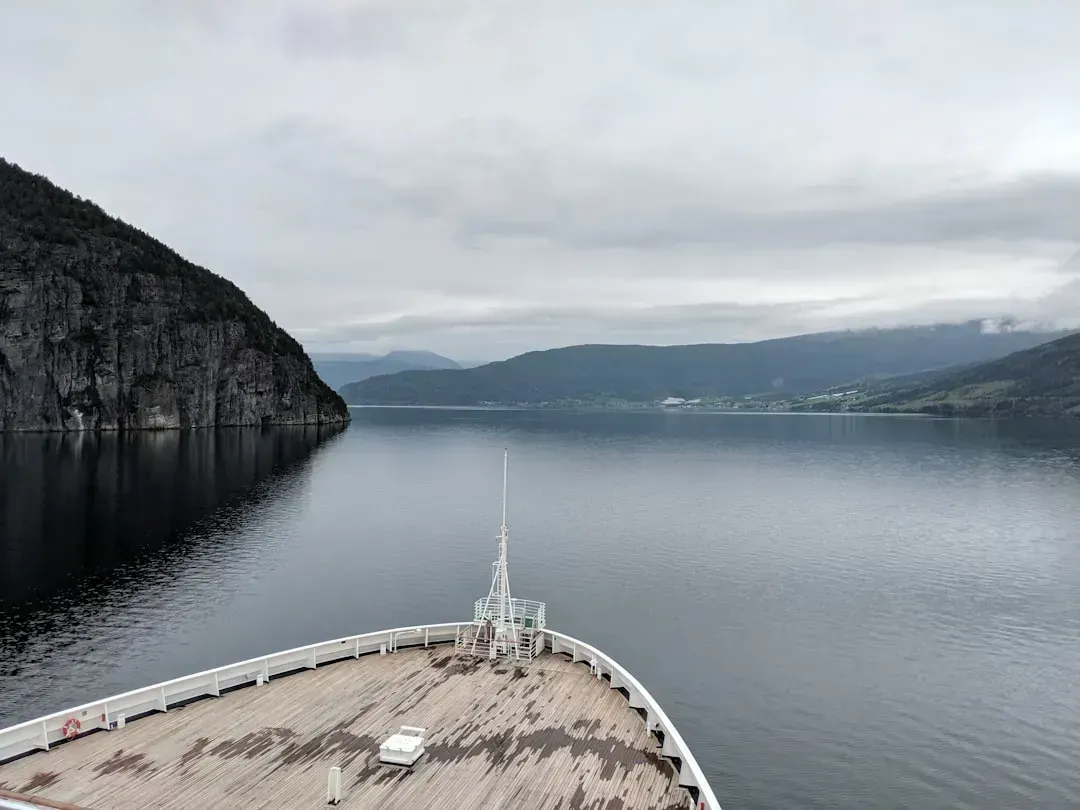
Norway is a country that prizes silence, nature, and deep personal space. I think that alone creates a natural friction with the stereotypical American travel style. Norway is among the top countries calling their own nation unwelcoming to Americans, with 8% of Norwegian respondents describing their country that way in recent surveys.
Norwegians quietly resent American visitors, and the 2024 U.S. election swayed roughly 44% to view American travelers more harshly, amid drops in European tourism to America. Norway’s outdoor culture is built on respect for the environment and for other people’s peace. Loud hiking groups disrupting pristine trails are not exactly welcomed with a warm smile.
It is hard to say for sure how much of this is personal versus political, but the numbers suggest it is a blend of both. The reserved Scandinavian temperament does not naturally warm to boisterous visitors, and when broader geopolitical tensions are layered on top, the chill becomes even more pronounced. Norway is still absolutely worth visiting. Just bring your quieter self along.
9. Hungary – Undercurrents of Anti-Western Sentiment
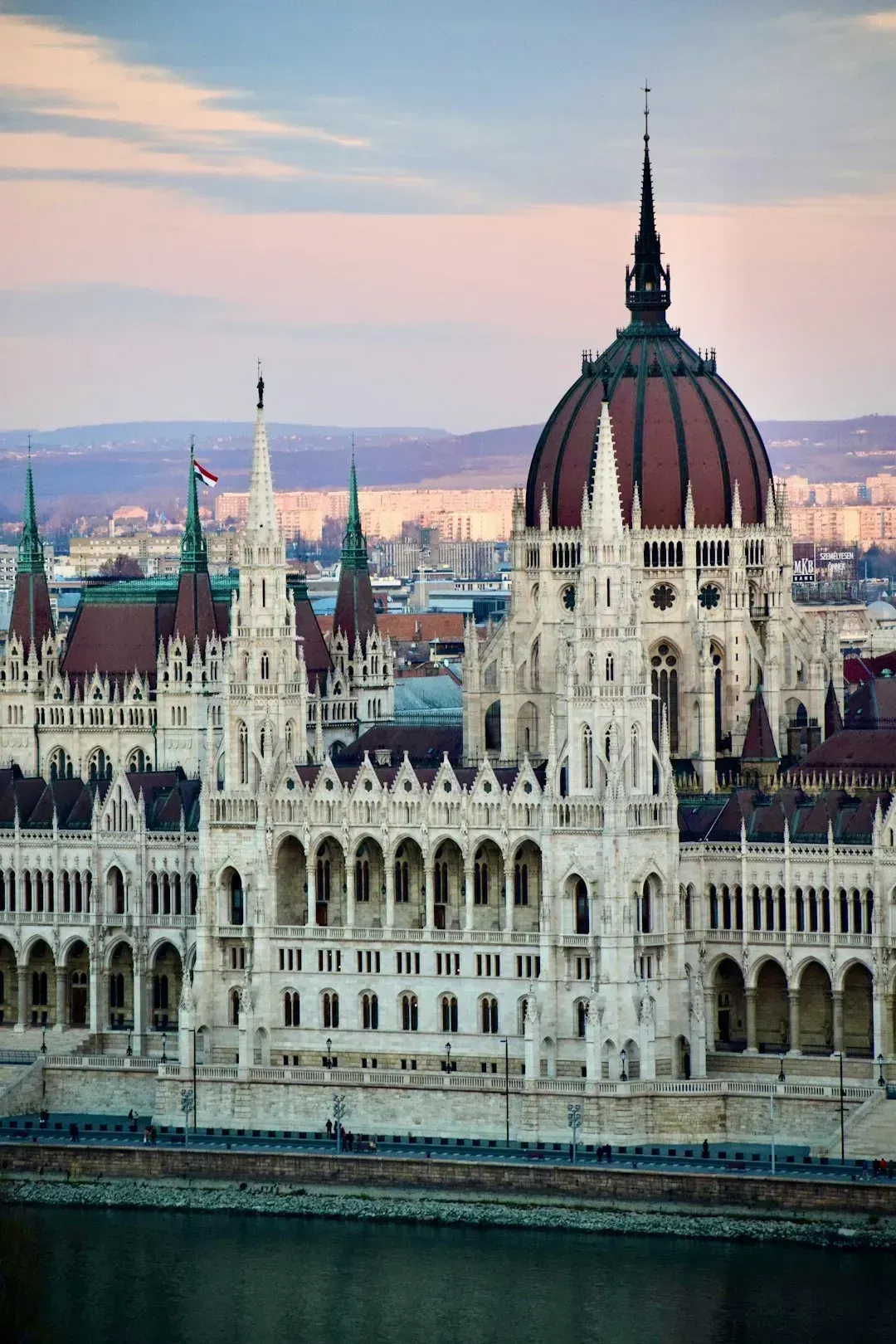
Hungary rounds out this list as an outlier of a different kind. Unlike France or Portugal, where the friction is mostly behavioral and cultural, Hungary’s discomfort with runs deeper into politics and ideology. Hungary ranked among the top unwelcoming European countries for , with 8.7% of Hungarians describing their country as unwelcoming in the 2025 Upgraded Points survey.
Numerous nations provided the U.S. with historically low favorable ratings during the first Trump administration and the COVID-19 pandemic period, though there was a noticeable improvement after Joe Biden assumed office. Hungary, with its distinct geopolitical alignment under Viktor Orbán, sits in a unique position where anti-Western sentiment can blur into anti-American attitudes in ways that feel less predictable to visiting tourists.
Travelers on Reddit and travel forums consistently report a cool, sometimes guarded reception in Budapest, particularly in conversations about American foreign policy. It is not outright hostility most of the time. It is more like a door that is slightly ajar but never fully opens. It is important to note that these sentiments are not representative of the views of the entire population in these countries. Hungary is full of extraordinary people. But the political climate shapes the atmosphere in ways that American visitors can genuinely feel.