7 Things Hotel Housekeepers Wish Guests Would Stop Doing Before Checkout
Most of us waltz out of a hotel room without a second glance. Bags packed, key card dropped at reception, and we’re gone. But behind that door, someone is about to walk in and face what we left behind. And honestly, it’s not always pretty.
Hotel housekeeping is one of the most physically demanding and chronically underappreciated jobs in the entire service industry. The people doing it work fast, they work hard, and they work through a staggering number of rooms every single shift. Research by Revfine revealed that housekeepers are assigned an average of nearly 22 rooms per day, significantly exceeding the industry standard of 12 to 15 rooms. That is a punishing pace. So before you pack up and check out, here are seven things housekeepers genuinely wish you would stop doing. Some of these might surprise you.
1. Leaving the Room in Total Chaos
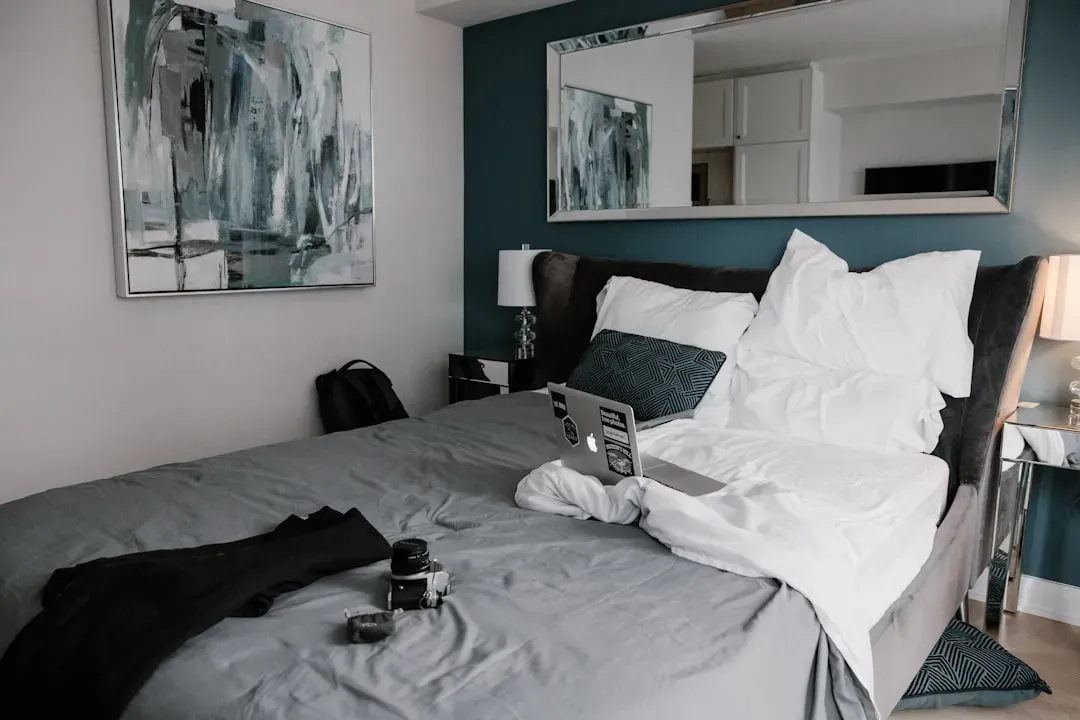
Let’s be real. Everyone makes a mess when they travel. Bags explode, food wrappers accumulate, and shoes end up in inexplicable places. That is completely normal. What is not normal is leaving a room that looks like a tornado touched down.
Housekeeping expects mess, not chaos. Piles of trash everywhere, food ground into the carpet, stained sheets, and what can only be described as a glitter explosion – these things significantly slow down turnaround time and put real pressure on staff. Basic tidiness goes a long way. A checkout clean is fundamentally different from a mid-stay tidy, and the more destruction left behind, the harder and longer that job becomes.
Housekeepers have described walking into rooms where trash smells, food and drink residue cover surfaces, and rooms are so filthy that staff sometimes cannot finish cleaning them before the next guest arrives. Think of it this way: if you would not leave a friend’s guest room looking like that, you probably should not leave a hotel room that way either.
Your housekeeper will appreciate you for putting trash in the waste bin and treating your room like you would your own home. If you leave it in disarray, empty pizza boxes on the floor or soda cups strewn around, tip accordingly, because someone is paying for that mess with their body and their time.
2. Not Leaving a Tip
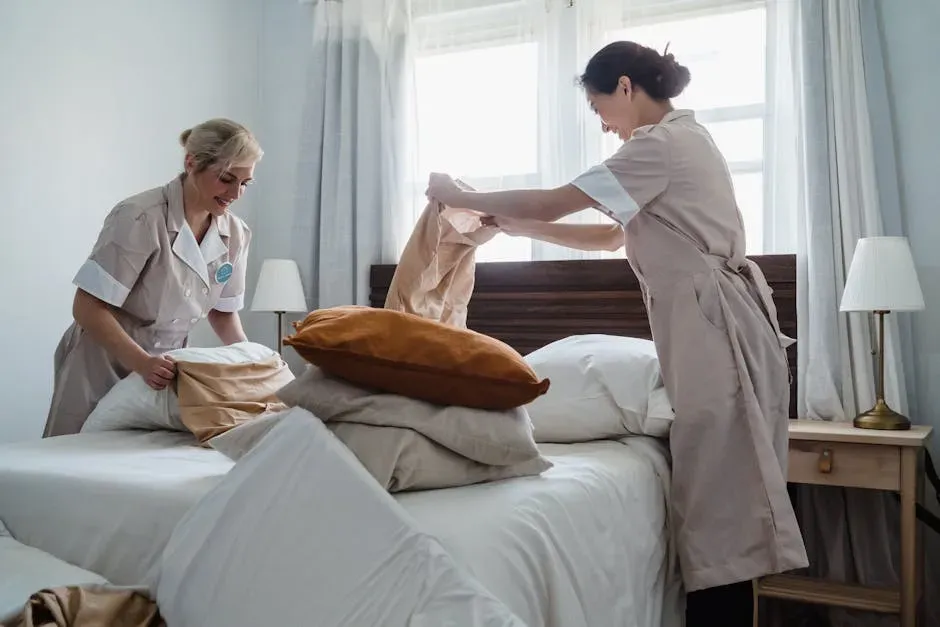
I know, I know. Tipping fatigue is very real in 2026. We are all exhausted by tip prompts at every coffee shop and self-checkout kiosk in existence. Still, hotel housekeeping is genuinely one of the most overlooked places to leave a gratuity, and the numbers tell a sobering story.
Only about 39 percent of Americans say they usually tip hotel housekeepers, according to a 2023 survey by The Vacationer website. That means nearly two thirds of Americans are not routinely tipping the people who clean their rooms. That gap is enormous, especially when you consider how physically demanding the work is.
The American Hotel and Lodging Association recommends tipping housekeeping staff between $2 to $5 per night, a range that reflects the level of service, room size, and hotel class. That is not a fortune. It is the cost of a coffee. Even if you never utilize housekeeping during your stay, on the final day it is a courteous gesture to leave some form of gratuity, because the housekeeper will come in to change sheets, clean the bathroom, and refresh the room before the next guest arrives.
Housekeeping work is demanding, and nearly half of housekeepers report musculoskeletal injuries, yet these teams are essential to the entire hotel operation. Leaving a few dollars is a small act that carries real weight for the person on the receiving end.
3. Keeping the “Do Not Disturb” Sign Up for the Entire Stay
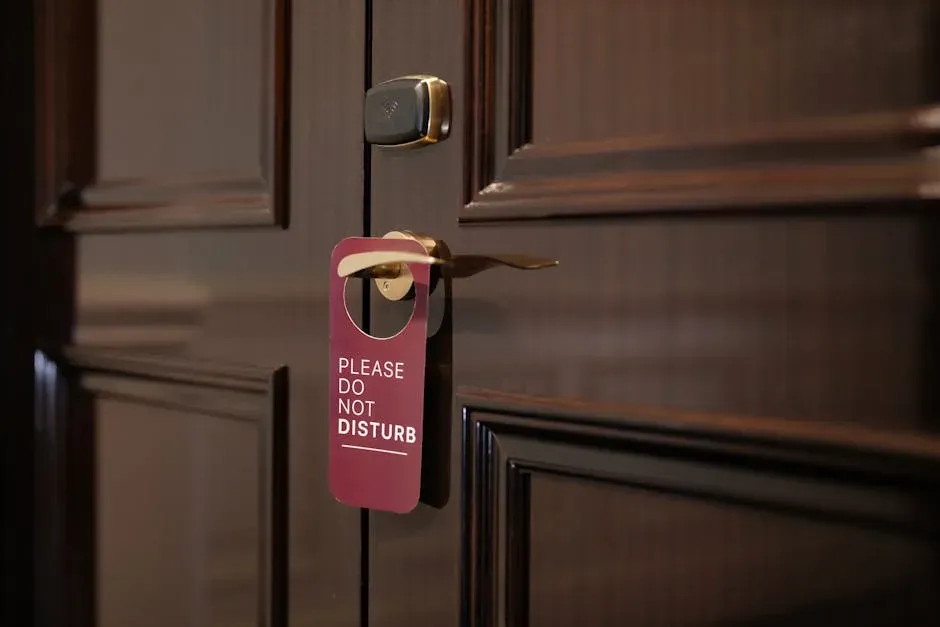
A lot of guests assume that keeping the “Do Not Disturb” sign on the door handle all week is doing the housekeeping team a favor. It feels considerate. It feels like less work for them. Here is the thing though: it is actually more complicated than that.
When enough guests opt out of housekeeping service entirely, the hotel may tell staff not to come in to work, meaning they lose the wages they were counting on that day, even though the cleaning cost is already factored into the room rate. Think about that for a moment. You paid for the service. The housekeeper loses a day of income regardless.
One Toronto-based housekeeper explained it clearly: “If 100 guests choose not to have their room cleaned at my hotel, then the next day six to eight housekeepers get a call that they don’t have to come in to work.” That is not a day off. That is a day without pay. Roughly three quarters of travelers say they want to reduce water usage by reusing towels or opting out of daily room cleaning, which is a genuinely good impulse, but opting out without communicating clearly can disrupt a housekeeper’s entire shift planning.
4. Leaving Wet Towels on the Floor

This one feels minor. It is not. Tossing a damp towel on the bathroom floor is something most guests do without any thought at all, yet it creates a cascade of problems that housekeepers deal with constantly.
When guests toss wet towels on the floor, housekeepers have more work to do. Damp towels can lead to mildew, musty smells, and slippery surfaces that cause falls. It also makes it harder to pick them up and sort them for laundry. That last part matters more than it sounds. Housekeepers can spend significant physical energy just bending down to collect wet fabric scattered across a large room.
It speeds things up considerably when guests pile towels together, so the housekeeper does not have to bend down repeatedly to pick them up from different corners of the room. Stacking used towels in the bathtub or on a single surface is one of the simplest, most considerate things a guest can do. It takes about three seconds. Using hotel towels to wipe off makeup causes permanent staining and these items often need to be thrown away entirely, so bringing your own makeup wipes is a smart and considerate habit.
5. Using Towels for Things They Were Never Meant For
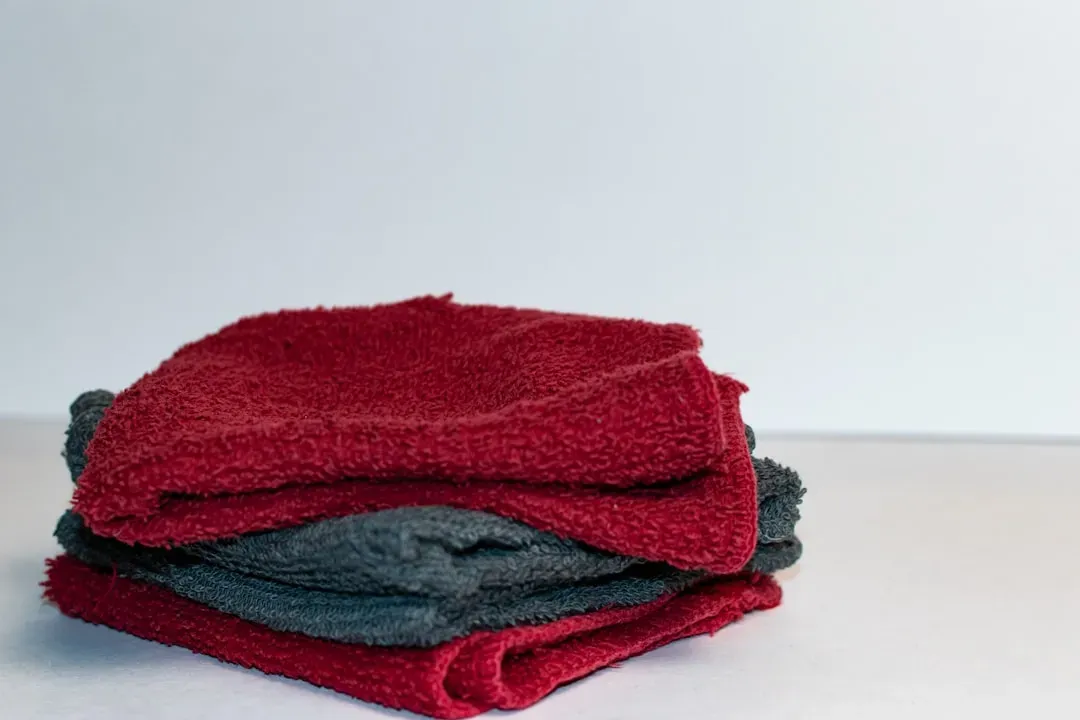
Hotel towels are for drying off after a shower. That seems obvious. It is apparently not, judging by what housekeepers routinely encounter. Guests use them to clean shoes, wipe up spills, remove nail polish, and perform all manner of tasks that destroy the linens permanently.
Hotel towels are for drying your body, not cleaning up messes. Some guests use them to wipe floors, remove makeup, or clean dirty shoes. This ruins the towels and can stain them beyond repair. It also spreads germs and adds to laundry costs. Those ruined towels do not magically get replaced from thin air. They come out of hotel budgets, and the cost is real.
A 200-room hotel can generate almost 300,000 plastic items per month, and linen waste adds an entirely separate environmental and financial burden on top of that. Housekeepers are already navigating massive sustainability pressures, and avoidable linen destruction makes the job harder on every front. If you have made a mess, call the front desk and ask for proper cleaning supplies.
6. Requesting Late Checkout at the Very Last Minute

Needing a late checkout is completely understandable. Flights get rescheduled, meetings run long, life happens. The issue is not asking for it. The issue is asking for it at the last possible second, sometimes literally minutes before the standard checkout time.
Housekeepers have a checklist of up to 100 inspection points, not just for your room but for many rooms that day. When one room takes longer, it throws off their schedule for the entire day. A domino effect ripples through the entire floor when a single late checkout happens without warning. The next guest waiting for that room feels it too.
If you do need a late checkout, communicate it as early as possible. The difference between requesting it the night before and requesting it at 11:58 a.m. is enormous. It is the kind of thoughtful heads-up that costs you nothing but saves a housekeeper from having to reorganize their entire afternoon in real time. Special requests like late checkout also add to the housekeeper’s overall workload, and this typically warrants at least a slightly increased tip that most guests never think to leave.
7. Never Acknowledging Housekeeping in Reviews or in Person
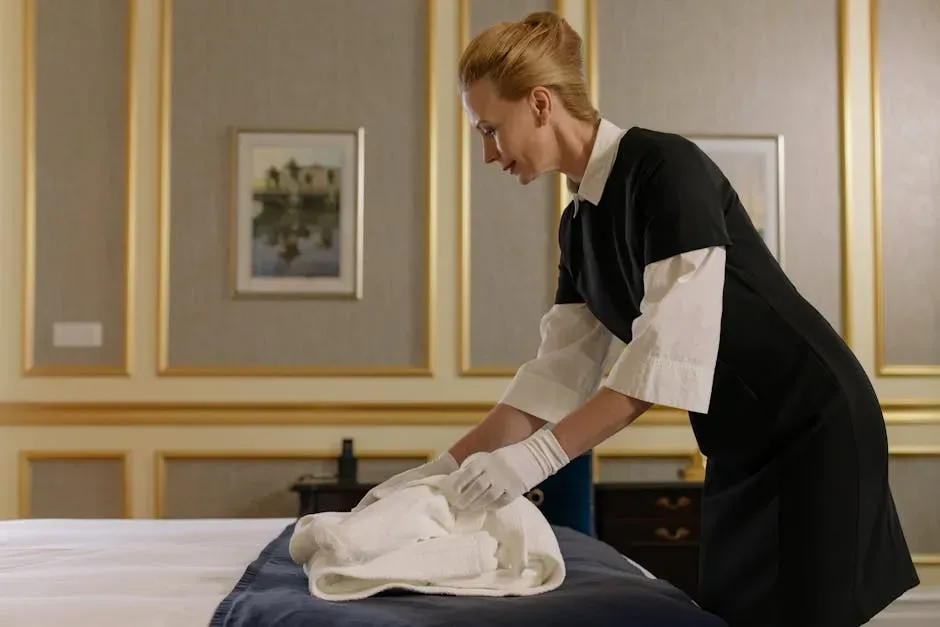
This last one is the quiet one. The one that nobody talks about. Guests leave detailed online reviews about the front desk staff, the restaurant, the pool, the view from their room. Housekeeping, which is arguably responsible for the most direct and intimate aspect of the stay, almost never gets mentioned by name.
Housekeeping staff rarely interact directly with guests, which means they almost never get individually recognized for their work. Yet the condition of your room, the folded towels, the spotless mirror, the restocked amenities – that is entirely their doing. They are often the most overlooked yet hardest-working employees in a hotel, cleaning, sanitizing, restocking, and sometimes handling minor repairs, all while maintaining guest privacy. Unlike front-desk staff or bellhops, they rarely interact directly with guests, making their work invisible despite its importance.
When problems occur during a hotel stay, guest satisfaction scores fall dramatically, dropping 217 points according to the JD Power 2025 North America Hotel Guest Satisfaction Index. The flip side of that is equally true: a brilliantly clean room, fresh linens, a spotless bathroom – those things are the reason many guests leave glowing reviews in the first place. Some hotels pay close attention to review platforms like TripAdvisor or Expedia, and if guests know the names of their housekeepers, mentioning them in a review is greatly appreciated, because housekeepers typically do not receive that kind of recognition otherwise.
A kind word costs nothing. A review shoutout takes sixty seconds. For someone working through twenty-plus rooms on a demanding shift, it can genuinely make a difference to how valued they feel in a job that the industry itself acknowledges is often invisible.