Think Twice Before Booking: 13 Tourist Destinations Travelers Say Disappointed Them
You’ve saved up, scrolled through thousands of dreamy Instagram photos, and finally clicked “book.” We’ve all been there. The destination looked absolutely perfect online. Then you actually arrived. What followed, for millions of travelers, was that quiet, sinking feeling – the one where you look around and wonder: is this really it?
It turns out you are far from alone. Surveys, review platforms, and travel analysts have been quietly compiling the receipts on some of the world’s most beloved destinations, and the results are genuinely surprising. Some of history’s most celebrated landmarks, beaches, and cities are leaving visitors frustrated, underwhelmed, and, honestly, a little regretful. Let’s dive into which places made the list.
1. Cancún, Mexico: The World’s Most Disappointing City in 2025
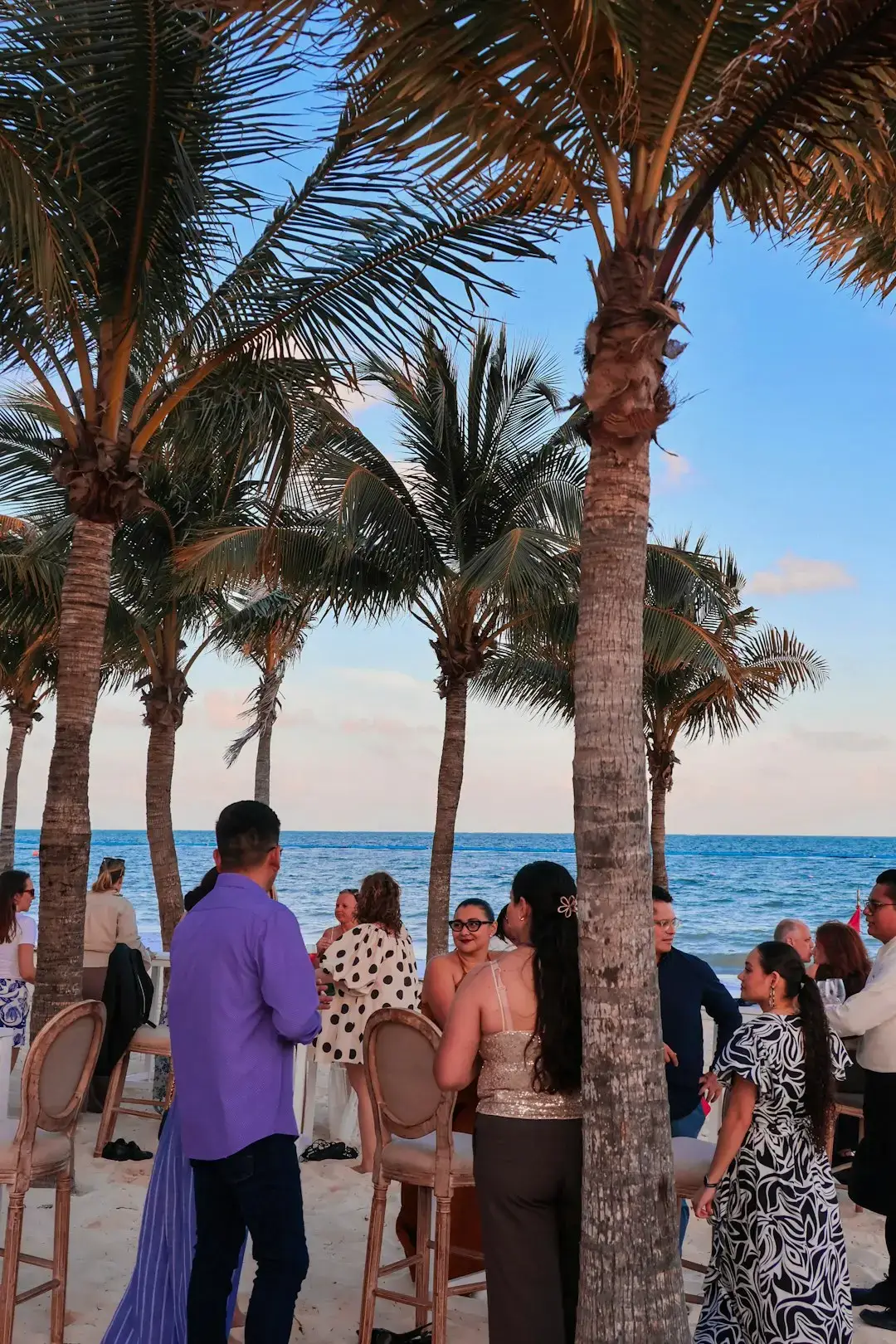
A study by Radical Storage puts Mexico’s Cancún at the top of the list of the most disappointing tourist cities of 2025. That ranking comes from visitors themselves – Radical Storage analyzed nearly 100,000 Google reviews of 100 of the world’s most-visited cities and found that 14.2% of Cancún’s reviews were negative, the highest of all cities analyzed. That is a striking number for a place marketed so relentlessly as paradise.
The most common charges against Cancún were its marked-up prices, relentless souvenir hawkers, and a superficial, tourist-centric feel. According to SECTUR data, there were over 9.7 million international arrivals in Cancún in 2024, more than double the arrivals for Mexico’s second-biggest travel destination. That huge influx of tourists can make for overcrowded beaches and an overburdened city, where upselling becomes the standard.
2. Times Square, New York: The World’s Most Stressful Tourist Trap
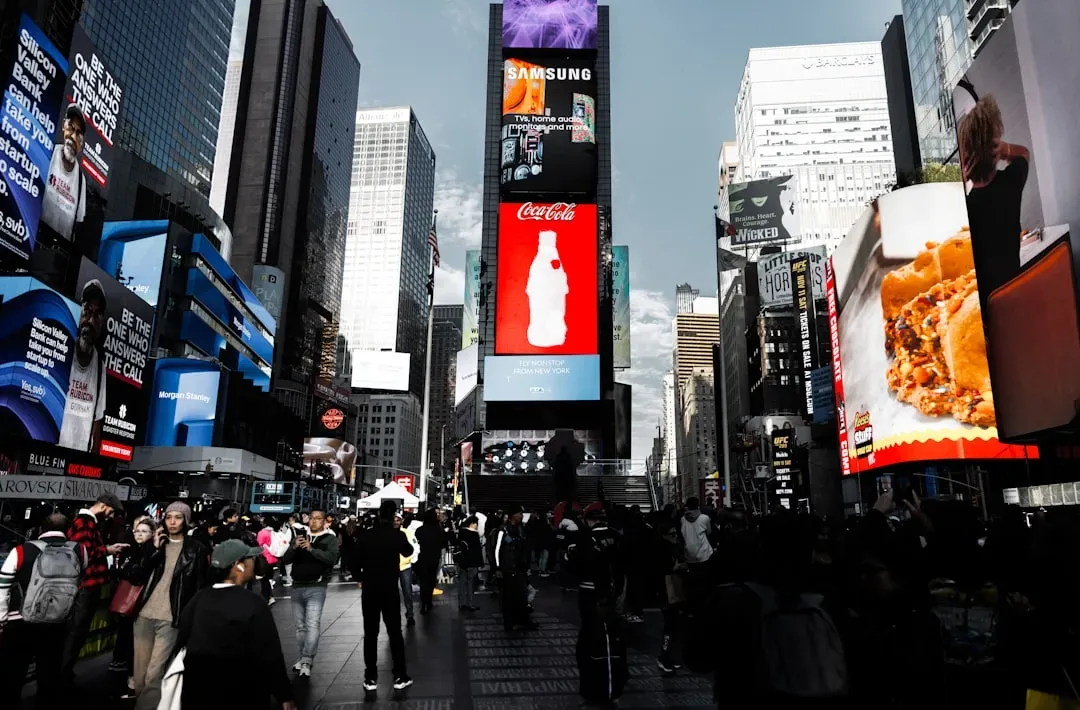
Times Square in New York is the world’s most stressful tourist trap, with 1,761 reviews calling it “overrated” or “underwhelming,” according to research. Think about that for a second. Nearly two thousand people sat down and specifically took the time to warn others. That is not a fluke – that’s a pattern.
Complaints about crime, homelessness, and sanitation in Times Square have reached levels not seen in over a decade, with more than 2,800 sanitation-related complaints made about the surrounding ZIP code between January 2022 and May 2025, more than a 200% increase from pre-pandemic tallies. A reported 64.5 million tourists are expected to pour into New York City in 2024, with almost all of them guaranteed to at least stroll through Times Square. Honestly, if you want real New York energy, just about any other neighborhood does it better.
3. Stonehenge, England: Big Rocks, Bigger Disappointment
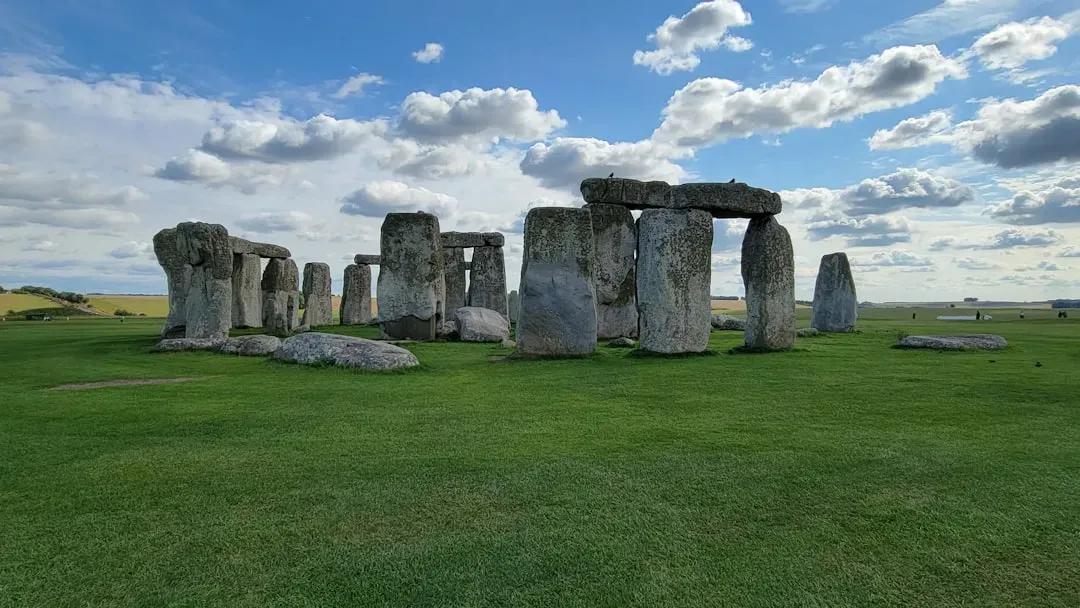
In 2024, a poll by Rough Guides saw the 5,000-year-old stone circle voted the world’s most overrated attraction, with visitors describing it harshly. That is a brutal verdict for one of humanity’s oldest surviving monuments. People travel from across the globe to stand in a muddy English field, and the consensus seems to be: it’s smaller than expected.
What is essentially a bunch of big stones in a field disappoints tourists who don’t expect to be kept at a significant distance from the monument, and who find the site offers minimal context or educational material. A renovation project began in 2024 to try to improve things, though it’s hard to say how much a renovation can fix what is, fundamentally, a viewing experience that keeps you very far from the thing you came to view.
4. The Trevi Fountain, Rome: Romantic Dream, Crowded Reality
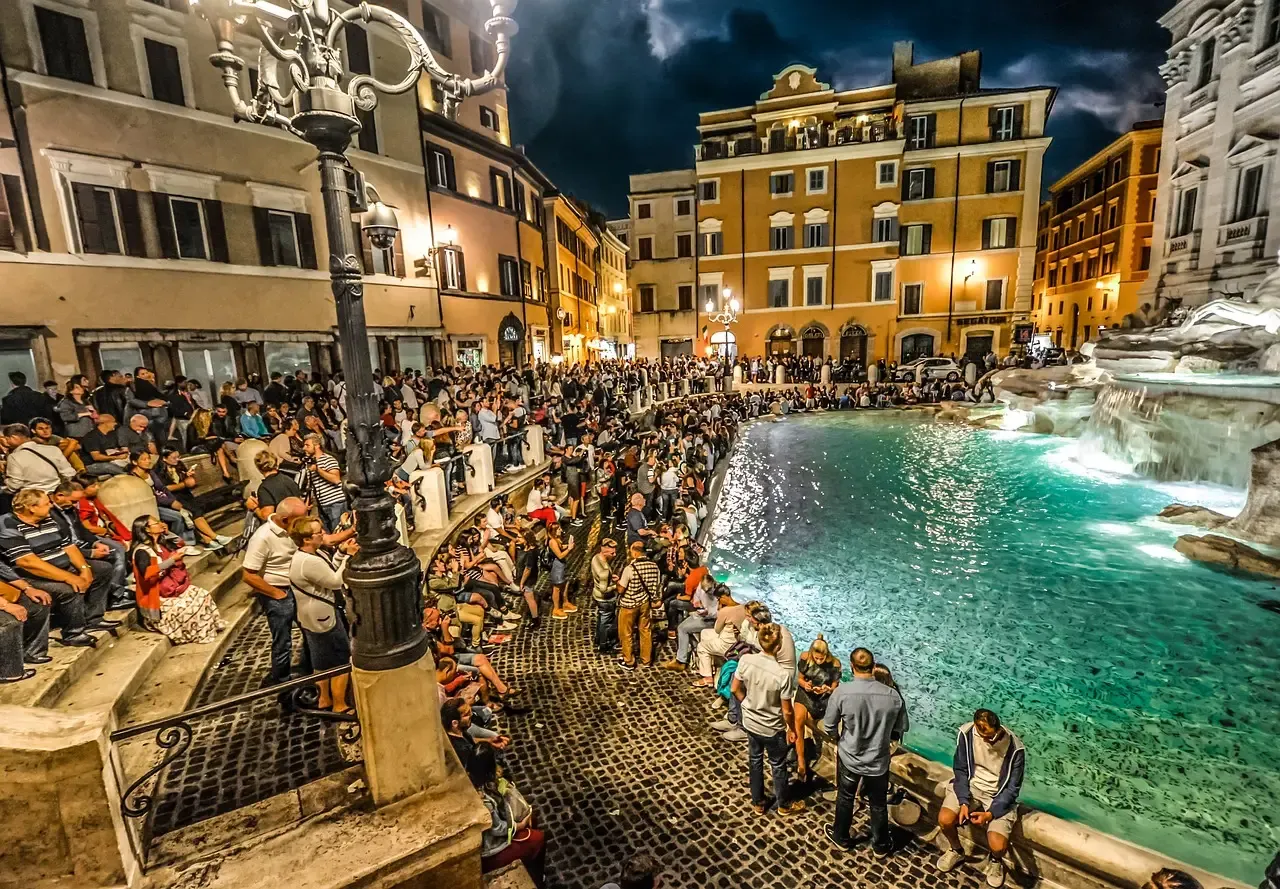
The popularity of the Trevi Fountain got it outed by a March 2025 Radical Storage survey as one of the most disappointing tourist attractions, with almost a quarter of people surveyed having a negative take on their experience, with just under 17% of people citing the crowds and mobility as the biggest impediments. People plan their whole Rome trip around this fountain. They toss the coin. They expect a moment. What they often get instead is a shoulder-to-shoulder crowd fighting for a phone angle.
Roughly one in four tourists shared negative experiences. Common issues included overcrowding, pickpocket warnings, and a sense that the fountain was “underwhelming” in person. What many hoped would be a romantic moment turned into a stressful, hurried photo-op. The baroque masterpiece draws such massive crowds that Rome implemented a new queuing rule in 2024 to manage the excited hordes.
5. The Louvre, Paris: Art Museum or Human Traffic Jam?
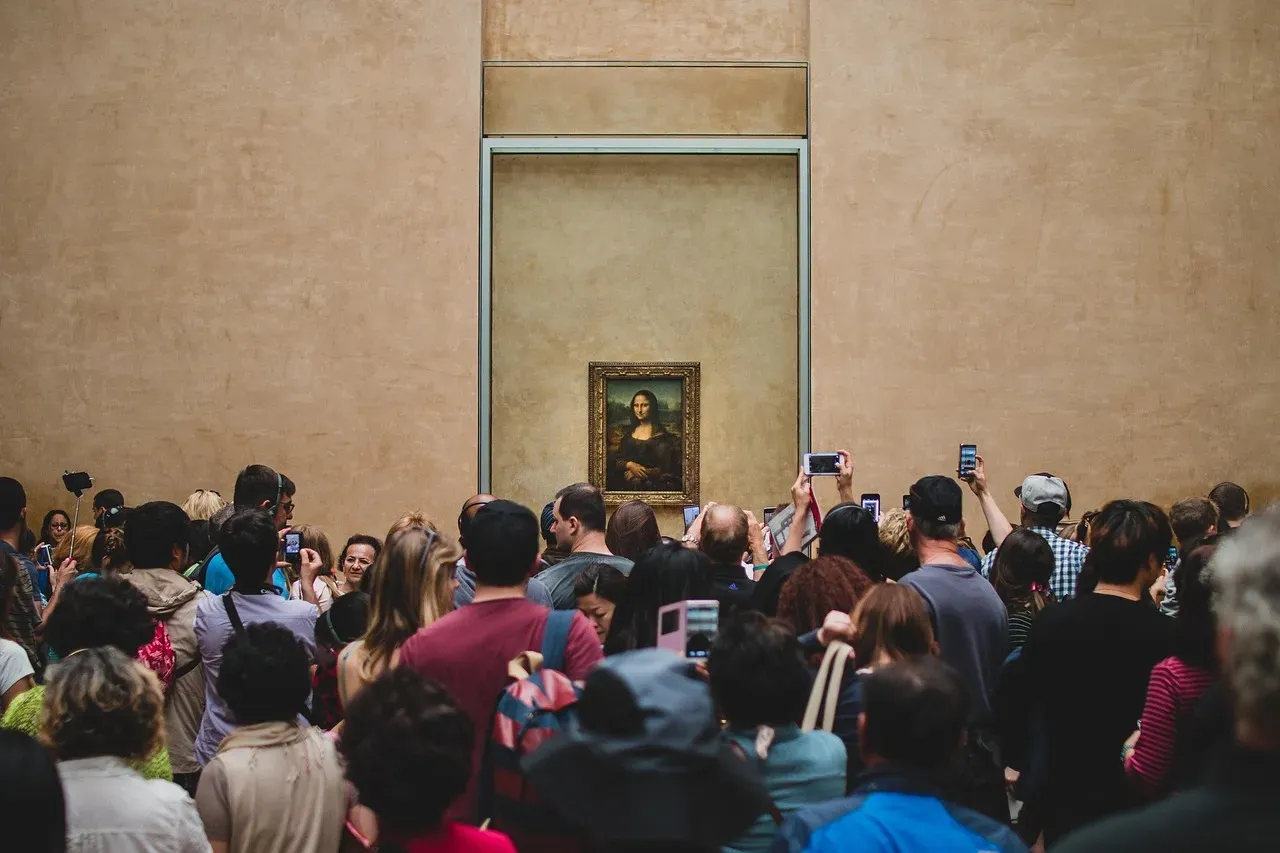
The Louvre welcomed 8.7 million visitors in 2023 and nearly 9 million in 2024. Tourism has surged post-COVID, driven by what industry experts call “revenge travel,” and the Louvre’s glass pyramid entrance, designed to handle 4.5 million visitors annually, is now overwhelmed by double that number. Imagine designing a building for a certain capacity and then cramming twice as many people through it. That’s what visiting the Louvre often feels like.
The Louvre Museum unexpectedly closed on June 16, 2025, as staff staged a spontaneous walkout to protest overwhelming crowds and deteriorating working conditions. Gallery attendants, ticket agents, and security personnel refused to take up their posts, bringing the world’s most-visited museum to a standstill. The Louvre director herself acknowledged the problem is so severe that in January 2025, she described it as being at “saturation point,” and President Emmanuel Macron announced that the gallery was set to undergo a major renovation with the Mona Lisa set to get a dedicated exhibit.
6. Alton Towers, United Kingdom: Half of All Visitors Leave Unhappy
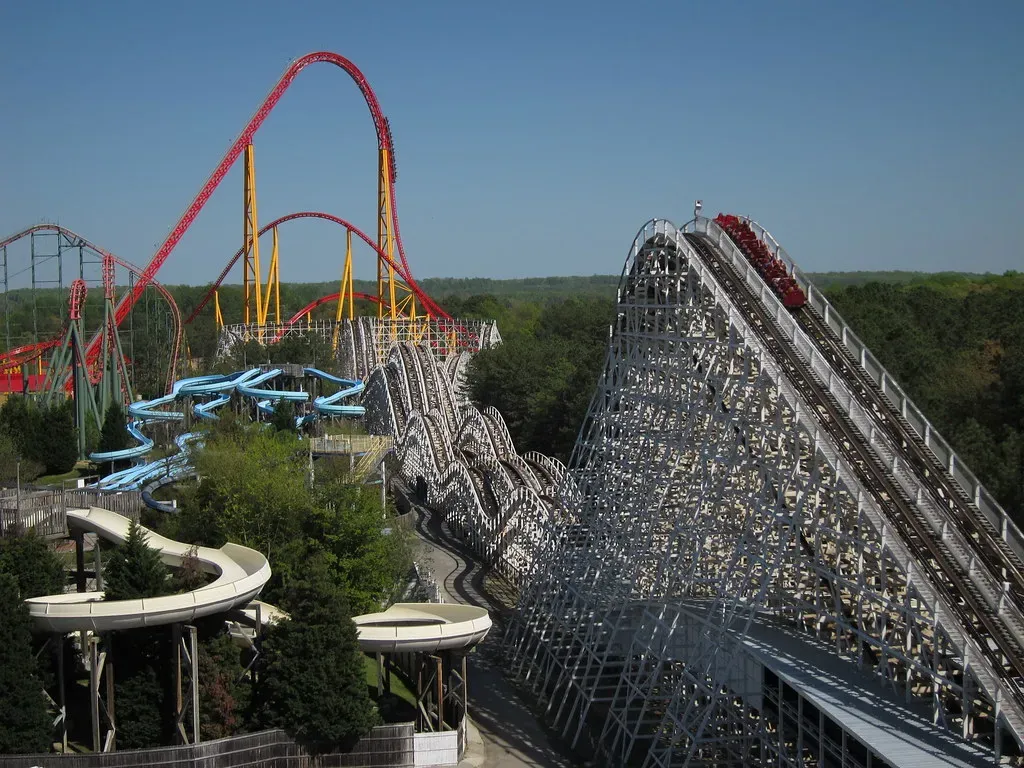
Inspired by the massive success of Disneyland in the U.S., Alton Towers was transformed into a theme park during the 1980s. Today, it is the largest amusement park in the UK, yet nearly 49.4% of visitors reported a negative experience. Think about that for a moment. Roughly half the people who go there leave disappointed. That’s not a bad day – that’s a structural problem.
As per the survey, 18% of reviews called out a lack of value for money, with visitors complaining bitterly about pricing. A 2024 Reddit thread wrote about spending £900 – equal to around $1,216 USD – to fast-track five people through the park for a single day. Reviews also complained of a confusing map of the park, which made navigating and finding specific rides a logistical nightmare. Visitors arriving during Europe’s 2024 heatwave, where temperatures broke 105 degrees Fahrenheit, found the lack of available seating and long queues particularly uncomfortable.
7. Széchenyi Baths, Budapest: Long Lines and Lukewarm Experiences

The Radical Storage survey found that 37.2% of reviews for the Széchenyi Baths were negative, with inaccessibility and large crowds impacting wait times. The baths had 1.7 million attendees in 2024 alone, earning over $37.3 million in revenue. Nearly four out of ten visitors leave unhappy. That should give any traveler serious pause before they book. It’s the kind of number that sounds almost impossible for a place so relentlessly praised on travel blogs.
A June 2025 Tripadvisor review called the place a disaster, with no available sunbeds and queues of people lining up for an already overcrowded space. The idea of soaking in a grand thermal bath sounds deeply relaxing, almost like something out of a period film. The reality, according to far too many reviewers, is that you’ll spend more time in line than in the water.
8. Las Ramblas, Barcelona: Europe’s Most Notorious Tourist Corridor
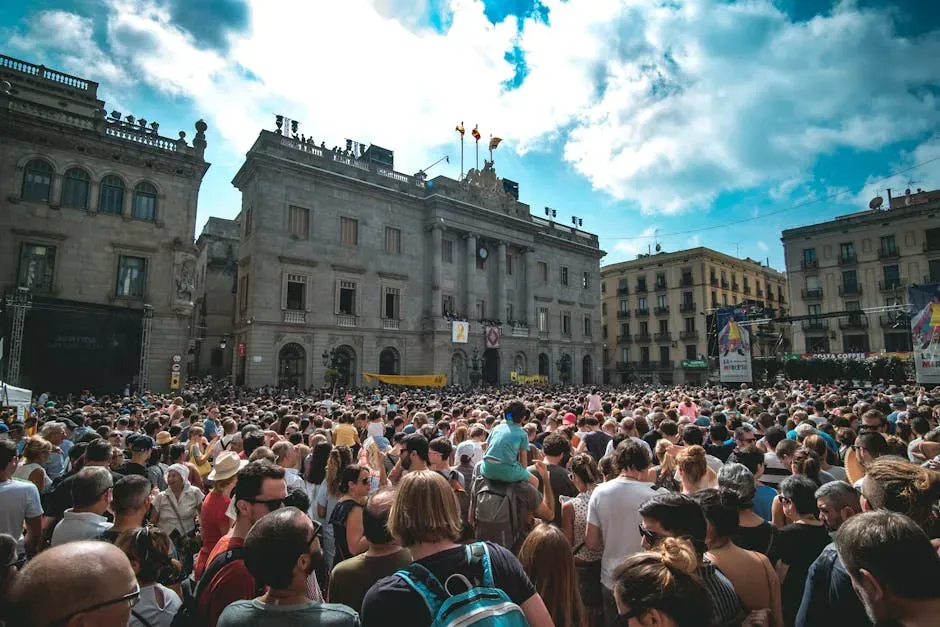
With 826 reviews, Las Ramblas in Barcelona is the second worst tourist trap in the world. This iconic promenade runs for 1.2 kilometers through central Barcelona and is packed with shops, eateries, and attractions. While some travelers enjoy its energetic vibe, others find the experience chaotic and overwhelming. The area is often packed with crowds and is known for pickpocketing.
Las Ramblas epitomizes why many consider parts of Barcelona overrated. Once the cultural heart of the city, today it’s a 1.2km tourist conveyor belt lined with overpriced cafes, tacky souvenir shops, and street performers charging for photos. The historic market, La Boqueria, has transformed from a local institution into a tourist attraction where prices are inflated and the authentic local shopping experience has largely disappeared. Many Barcelona residents avoid Las Ramblas entirely, considering it a poor representation of their city.
9. Venice, Italy: A Floating City Drowning in Tourists
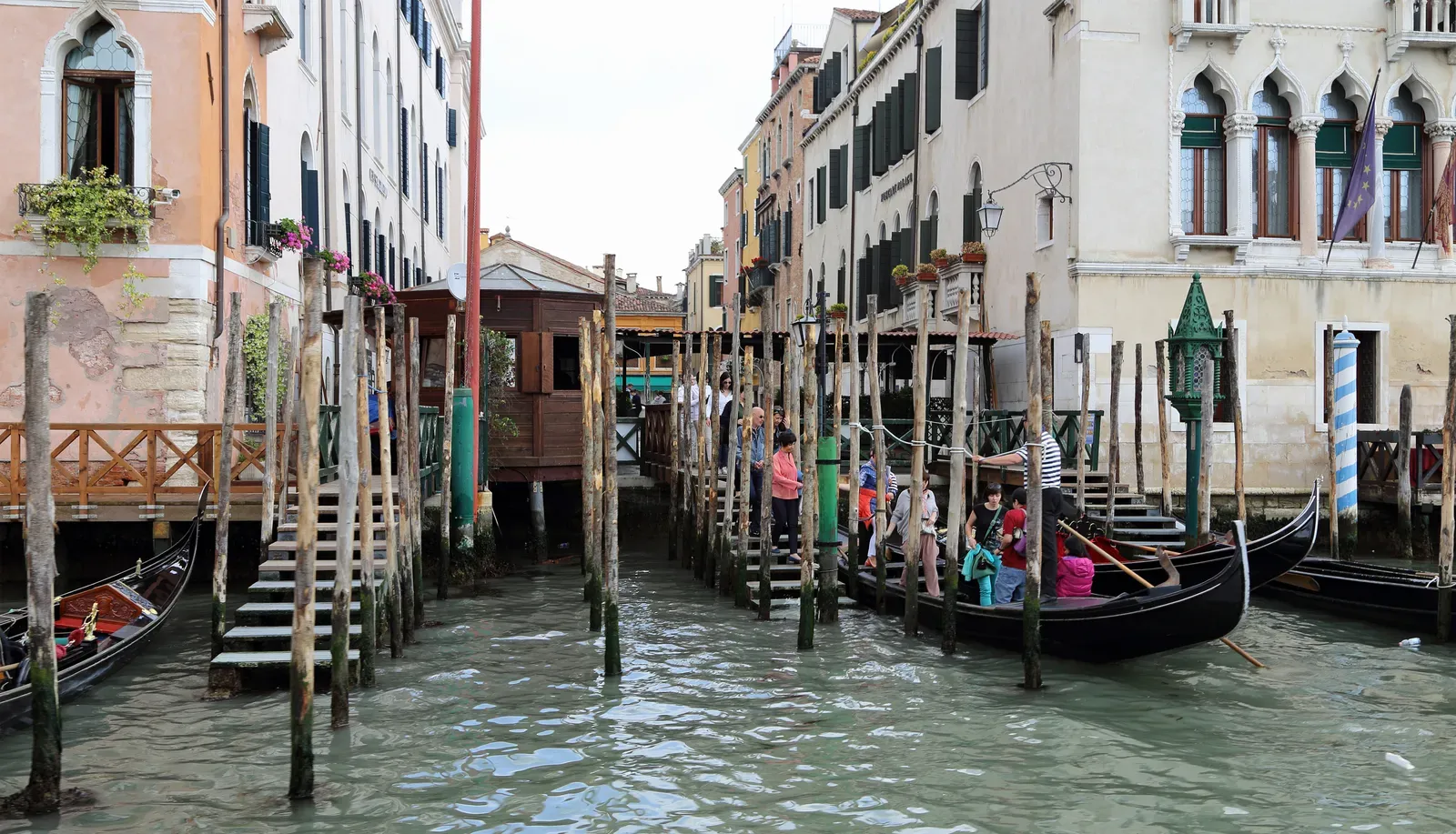
Famous destinations like Venice were grappling with overcrowding in 2024, and the effects were noticeable: from environmental damage to overwhelmed local services and the displacement of residents. Venice is still worth visiting for its architecture alone, but going in summer without any plan is a recipe for the kind of holiday you’ll spend complaining about for years afterward.
Venice made global headlines in April 2024 as the first city to impose a €5 entry fee for day visitors, with plans to expand the tourist tax to €5 to €10 in 2026. With all that beauty comes an overwhelming number of tourists and crazy prices, not to mention overpriced and bland food. The canals are still magical. The chaos surrounding them, less so. It’s a bit like discovering a beautiful painting – but being forced to admire it while someone elbows you in the ribs.
10. Bali, Indonesia: The Paradise That’s Been Loved to Death
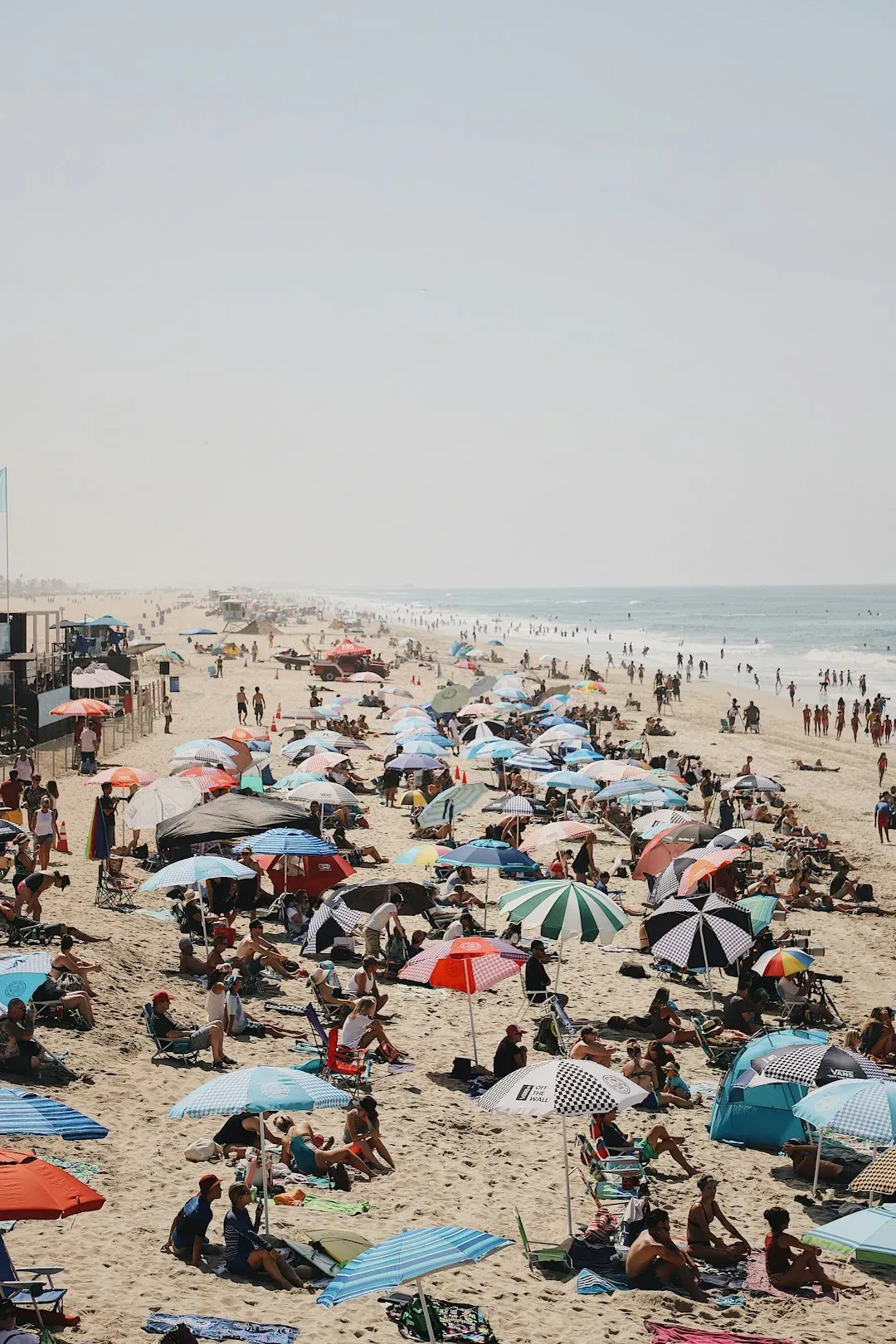
According to the Central Bureau of Statistics for Bali Province, the Indonesian island welcomed 5.3 million international visitors in 2023, a number that rose by 22 percent by the end of July 2024. Bali’s reputation as a tropical paradise is now tempered by stories of overdevelopment and lost tranquility. Visitors in 2025 increasingly report disappointment with the crowded beaches and tourist-centric nightlife in areas like Kuta and Seminyak.
There’s also a growing focus on environmental impact, with travelers expressing concern about pollution and overuse of resources. These realities are pushing more tourists to seek out quieter Indonesian islands in hopes of finding the authentic escape Bali once promised. The version of Bali that lives on social media, all rice terraces and serene temples, still exists. It’s just buried under layers of beach clubs, overpriced smoothie bowls, and tour groups.
11. The Eiffel Tower, Paris: Most Expensive Tourist Trap in the World
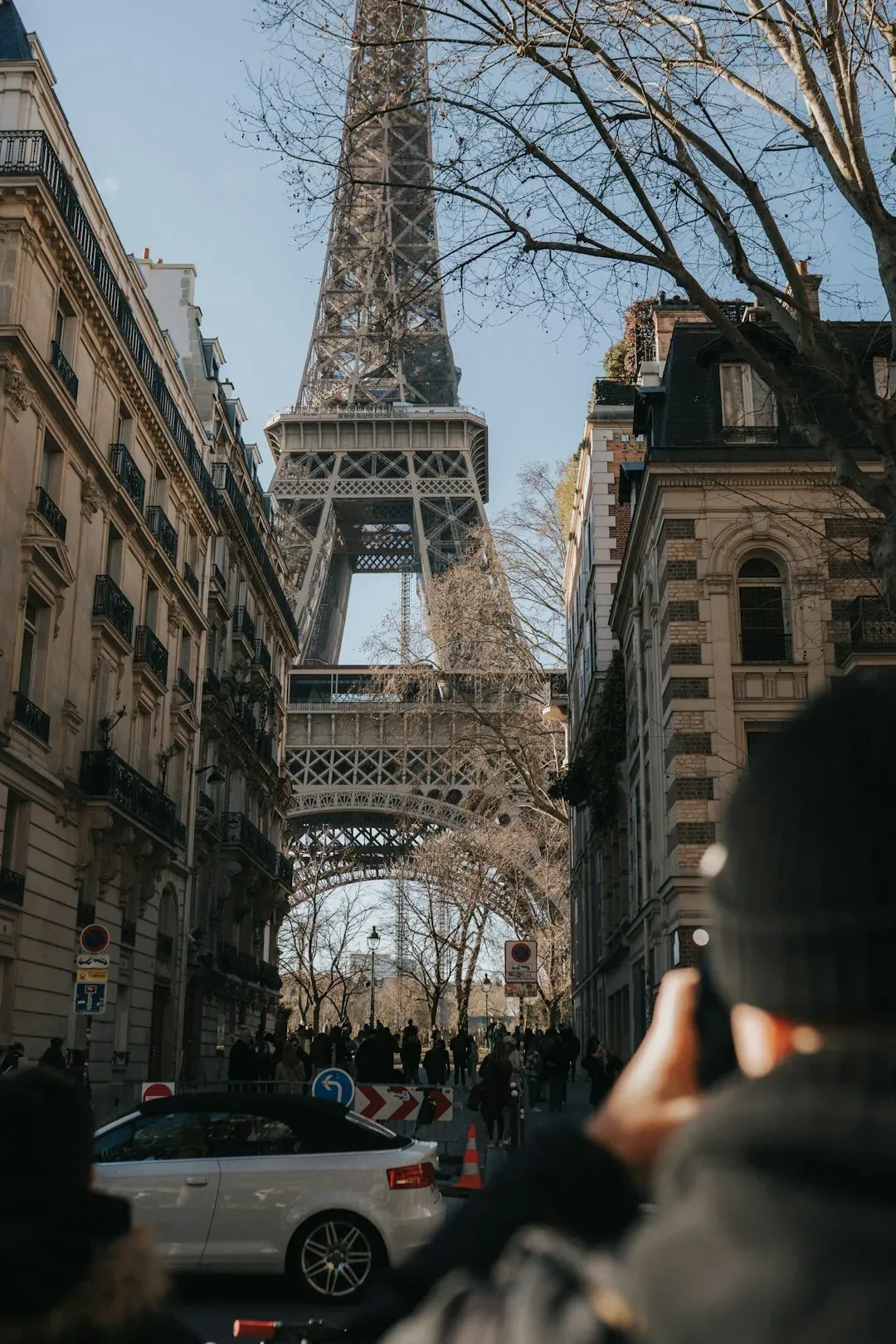
Ranking fourth on the global tourist trap list is the Eiffel Tower, with 303 reviews calling it a “tourist trap” and an entry fee of $24. While it remains one of the most recognizable landmarks in the world, many visitors feel the price doesn’t match the experience, especially when factoring in long queues, crowds, and aggressive street vendors.
The most expensive tourist trap in the world is the Eiffel Tower, according to Nomad eSIM’s 2025 research. Crowded tourist destinations, long lines at major attractions such as the Eiffel Tower and the Louvre, and soiled streets have disillusioned some visitors. The tower is undeniably iconic from afar. It’s the kind of thing that photographs beautifully at a distance, like many things that disappoint up close.
12. Fisherman’s Wharf, San Francisco: Overrun and Underwhelming
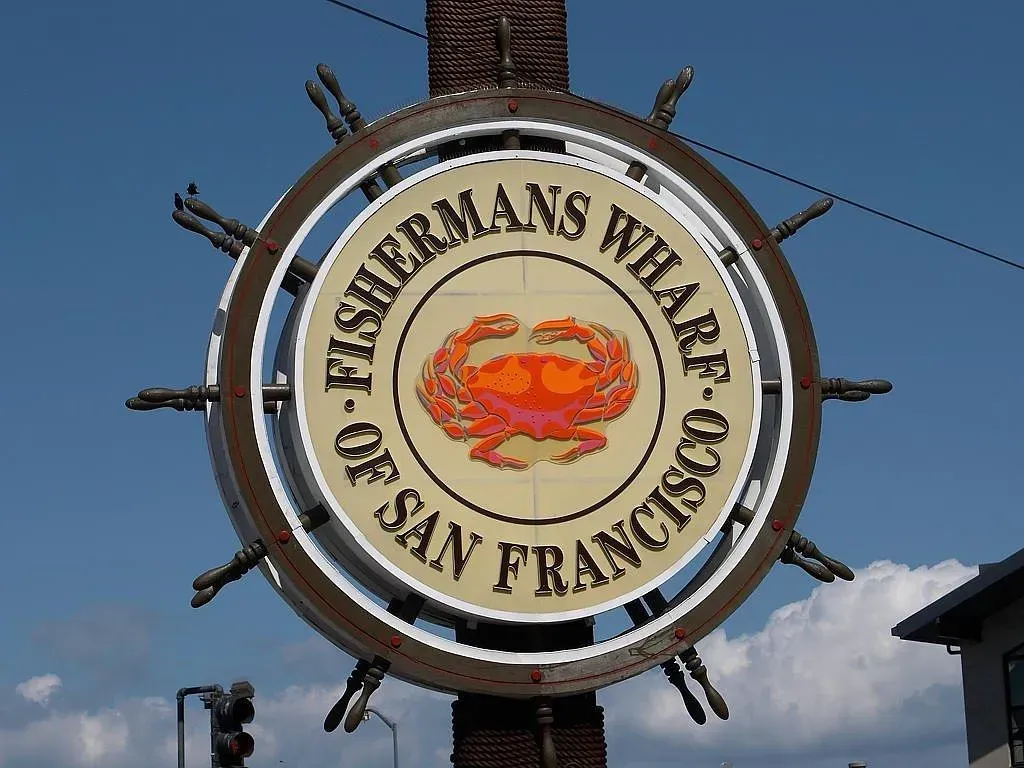
There was a two-way tie at the top of the worldwide list for 2025, with two American destinations – Wall Drug, South Dakota, and Fisherman’s Wharf, San Francisco – both being labeled a “tourist trap” 1,000 times each. One thousand individual reviews. That’s not bad luck, that’s a warning.
Fisherman’s Wharf in San Francisco ranks as the world’s worst tourist trap, with 1,000 reviews using the same phrase. While it’s located on the city’s northern waterfront and attracts around 12 million visitors a year with its souvenir shops, seafood restaurants, and sea lion sightings, many travelers are underwhelmed. Some describe the area as “dirty, run down and overcrowded,” saying it’s “only worth it to see the seals.” Let’s be real – if the sea lions are the highlight, the rest of the experience has some explaining to do.
13. Checkpoint Charlie, Berlin: Cold War History Reduced to a Photo Backdrop

Coming in fourth on the global tourist trap list is Checkpoint Charlie in Berlin, with 681 reviews calling it a tourist trap. Once a symbol of the Cold War divide between East and West Berlin, today it’s mostly a photo backdrop flanked by souvenir stalls and people dressed in fake military uniforms. While the site still attracts crowds, many travelers describe it as disappointing.
This one is particularly sad when you think about it. Few places in modern history carry as much genuine weight as Checkpoint Charlie. The fall of the Berlin Wall, the escape stories, the sheer human drama of that divided city – all of it still resonates. Excessive signage in English, pushy salespeople, identical souvenir stalls, and high prices without locals in sight are all classic signs of a tourist trap. If it feels manufactured or designed purely for outsiders, it probably is.