The Biohacking Trend Doctors Say Is Harming Hearts
Look around the wellness space in 2026, and you’ll see it everywhere. Peptides sold like vitamins. Cold plunges promoted as miracle cures. Influencers injecting mystery compounds from overseas suppliers. The biohacking market exploded past 24 billion dollars last year, yet cardiologists across the globe are sounding alarms about what’s quietly happening to people’s hearts.
Something insidious is unfolding beneath the slick marketing and testimonial videos. While the promise of optimized health pulls millions toward experimental treatments, medical professionals are documenting an emerging pattern of cardiac damage. Here’s what the evidence actually shows.
Unregulated Peptides Are Flooding the Market
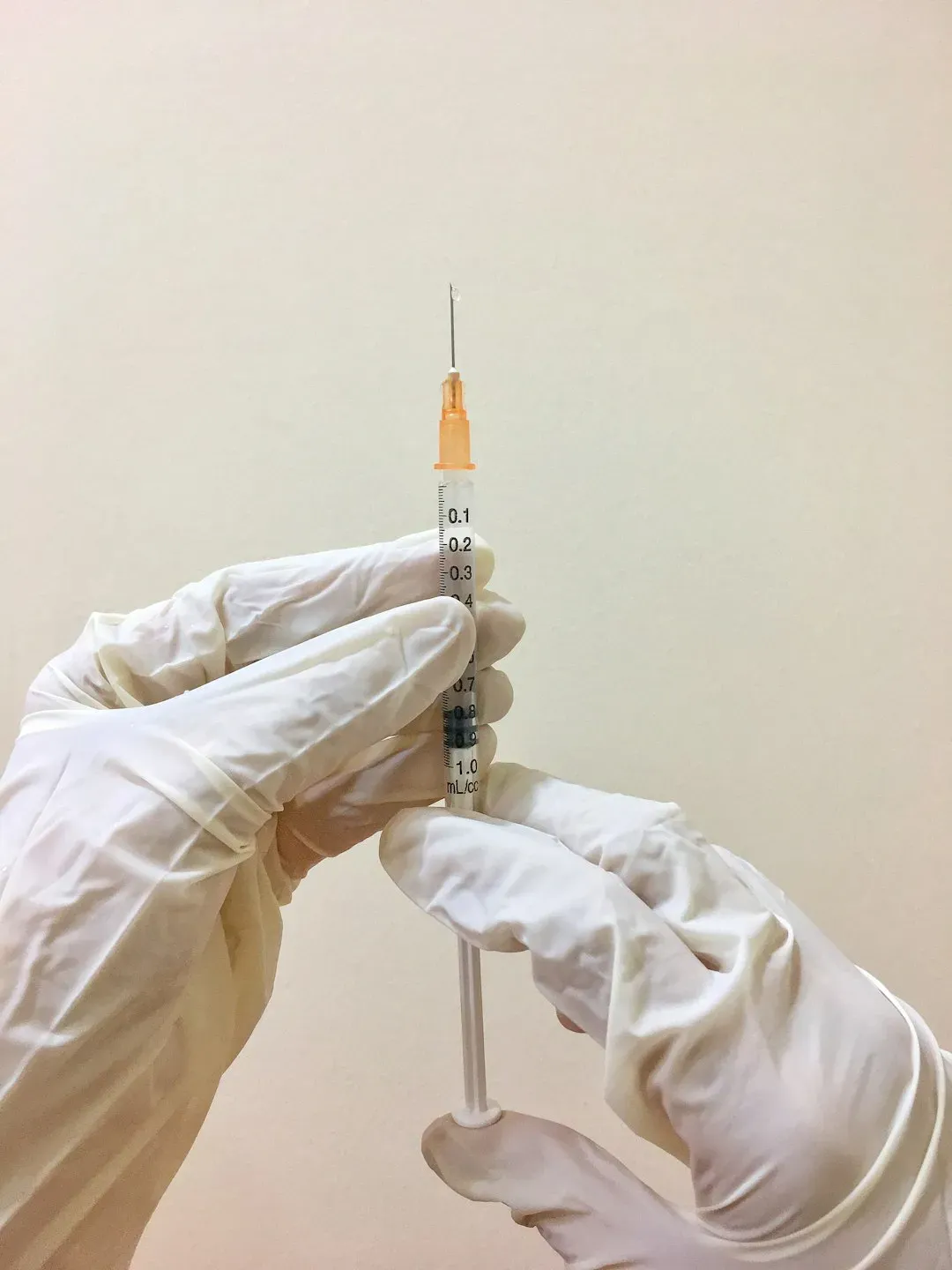
In July, two women were hospitalized with swollen tongues, breathing difficulties and an increased heart rate after getting peptide injections at an anti-aging festival in Las Vegas. The peptide market exploded to $117 billion in 2024. Most buyers have zero idea what they’re actually injecting into their bodies. The drugs can be purchased directly from factories in China, the world’s peptide manufacturing hub, or through the websites of U.S. intermediaries that import and test them. They arrive in powders in vials labeled “for research use only,” but the warning is a thin legal fiction.
Making peptides requires coupling agents like HBTU and HATU. These chemicals link amino acids together during synthesis. In legitimate facilities, multiple purification steps remove these residues. In underground labs cutting costs, they remain as invisible contaminants. Although they are marketed as “next-generation biohacks” and “research chemicals”, many peptides are not approved for human use and lack basic clinical testing. Let’s be real, when you’re buying gray-market compounds with no quality control, you’re gambling with your life.
Contaminated Injections Trigger Life-Threatening Reactions
We’ve mapped the typical timeline of a severe peptide reaction: **0-5 minutes:** Heat in face and chest, metallic taste, sense of impending doom · **5-20 minutes:** Fever spikes to 104°F, chills, rapid heartbeat, blood pressure drops · **20-60 minutes:** Hypotension progresses to shock, mental status changes, airway swelling · Without emergency intervention, collapse follows. That progression is terrifyingly fast. Many users don’t realize something’s gone wrong until it’s almost too late.
More alarming still are reports of users contracting HIV, hepatitis B and C, and serious eye infections from contaminated injections. The reality behind those Instagram success stories? The health consequences extend well beyond allergic reactions. Long-term injection of performance-enhancing substances can lead to heart failure that can occur rapidly with little warning, as documented in recent medical case studies of young bodybuilders.
Growth Peptides Can Fuel Hidden Cancers
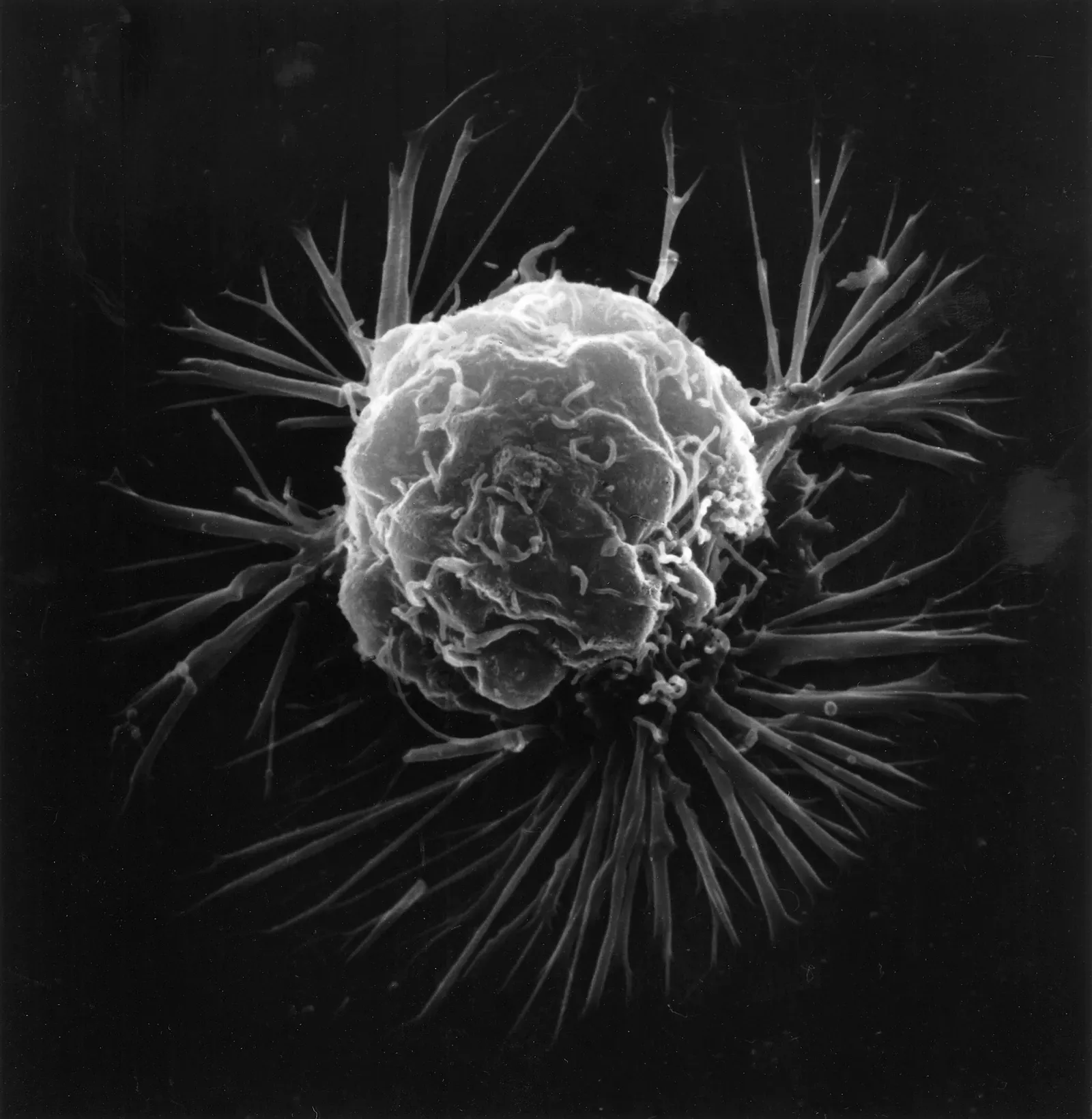
Many tumors overexpress IGF-1 receptors. Artificially elevated IGF-1 removes natural brakes on tumor growth, especially concerning for anyone with active cancer or recent remission. Think about that for a second. These compounds work like fertilizer for cells. They don’t distinguish between healthy muscle tissue and abnormal cells that shouldn’t be growing.
Think of IGF-1 peptides as fertilizer and irrigation for your cells. If all cells are healthy, they help repair tissue. But if even one cell is abnormal, you’ve given it exactly what it needs to grow faster. Online vendors never screen for cancer history. No prescription means no medical oversight. You’re essentially self-medicating with substances that could accelerate the deadliest disease on Earth.
Cold Plunges Trigger Dangerous Heart Rhythm Disruptions

Plunging the body into cold water triggers a sudden, rapid increase in breathing, heart rate and blood pressure known as the cold shock response. That can cause a person to drown within seconds if they involuntarily gasp while their head is submerged. The shock also places stress on the heart and makes it work harder. Cold water immersion activates the “cold shock response.” It causes your heart rate to spike and blood vessels to constrict, which can raise blood pressure in just a few seconds.
Cold water submersion can induce a high incidence of cardiac arrhythmias in healthy volunteers. Submersion and the release of breath holding can activate two powerful and antagonistic responses: the ‘cold shock response’ and the ‘diving response’. Extra adrenaline can also disrupt the heart’s steady rhythm. For those with unknown heart conditions or rhythm abnormalities, that first plunge could be the last thing they remember.
Ice Baths Cause Serious Damage to Heart Muscle

Some studies suggest that people who adapt to cold water immersion through routine ice bathing or winter swimming may reduce inflammation and other cardiovascular risks. But others have found evidence of higher levels of troponin in people who compete in winter swims, suggesting that prolonged cold water immersion could lead to heart muscle damage. Troponin is a protein released when heart cells are injured or dying. Its presence in the blood is literally a marker of cardiac damage.
Furthermore, the National Center for Cold Water Safety warns that because blood vessels constrict in response to sudden cooling, cold water immersion causes an instant and massive increase in heart rate and blood pressure which increases the danger of heart failure and stroke. This rapid constriction forces your heart to pump harder to circulate blood through the narrowed vessels, causing a significant and sudden rise in blood pressure. If you already have hypertension or arterial plaque, this added strain can elevate your risk of a heart attack or stroke.
Testosterone Misuse Increases Cardiovascular Strain

The team found that male sex hormones, such as testosterone, also called androgenic anabolic steroids (AAS), which are misused for muscle building particularly among in young men can increase the risk of atrial fibrillation in individuals genetically predisposed to heart diseases. Here’s the thing most biohackers don’t understand: medical testosterone therapy under proper supervision differs massively from self-dosing with underground compounds.
Why it’s unsafe: requires medical oversight and periodic labs. Risks: liver damage, cardiovascular disease, psychiatric effects, hormonal imbalances, infertility. Often obtained via illicit channels and used in high doses for performance gains. The misuse of peptides can lead to serious health risks, including heart problems, liver damage, and hormonal imbalances. Additionally, the use of peptides without proper medical supervision can result in unintended side effects, such as allergic reactions or infections.
GLP-1 Agonists Stress the Cardiovascular System

But he mentioned that during his experiments with some of the GLP ones, while they worked, they also significantly disrupted his nervous system. The increased resting heart rate, the lower HRV, all of these biomarkers were reflected very quickly on his wearable data. And he also said he felt the difference. Because while it has its time and place, dramatically jacking up GLP one like this adds stress to the body. Those heart rate variability changes matter. They’re signals your autonomic nervous system is struggling.
People think peptides like semaglutide are harmless because celebrities use them. Topol, who has covered these trends in his Substack newsletter about medical misinformation, worries that people are extrapolating from the success of GLP-1s to dozens of untested, unrelated peptides, exposing themselves to contamination and long-term health risks in the process. That blind faith in one drug class doesn’t transfer to every compound with a similar name.
DIY Biohacking Bypasses Critical Safety Testing

In essence, trying to discover drugs through biohacking compromises on quality scientific research. The drugs usually skip key toxicity tests before being administered to patients and in doing so seriously jeopardises the safety of those involved. Without rigorous pre-clinical testing in the laboratory, it is very difficult to predict how that drug will fully interact with the complexity of the human body. This isn’t about being anti-innovation. It’s about recognizing that decades of pharmaceutical safety protocols exist for good reasons.
Researchers traditionally conduct research in teams with institutions to oversee and ethically review their studies. However, biohackers often do not obtain ethical reviews and may work in private and unsafe settings. … have voiced concerns about biohackers’ lack of regulation and accountability, which could lead to unsafe work. Biohackers may inconsistently apply safety measures while working with hazardous chemicals and biological materials and may not use safety equipment such as gloves, lab coats, or chemical spill kits. A lack of regulation and consistency may lead to contamination, illness, or injury.
Young Men Are Most at Risk

Men over 40 inject BPC-157 for muscle recovery. Biohackers chase IGF-1 levels with growth hormone peptides. Most have no idea they’re playing Russian roulette with contaminated vials. The demographic most aggressively targeted by biohacking marketing also happens to be the group taking the biggest risks. Young men typically feel invincible, which makes them vulnerable to wellness industry manipulation.
Where people have lost trust in the FDA, wellness influencers such as Andrew Huberman and Joe Rogan have brought experimental peptide use into the mainstream, in Rogan’s case while being sponsored by Ways2Well, a company selling “clinician-supervised peptide therapy. That sponsorship detail matters. When someone’s getting paid to promote these products, their objectivity vanishes. Medical experts are frustrated by this mindset.
Medical Community Urges Caution and Oversight
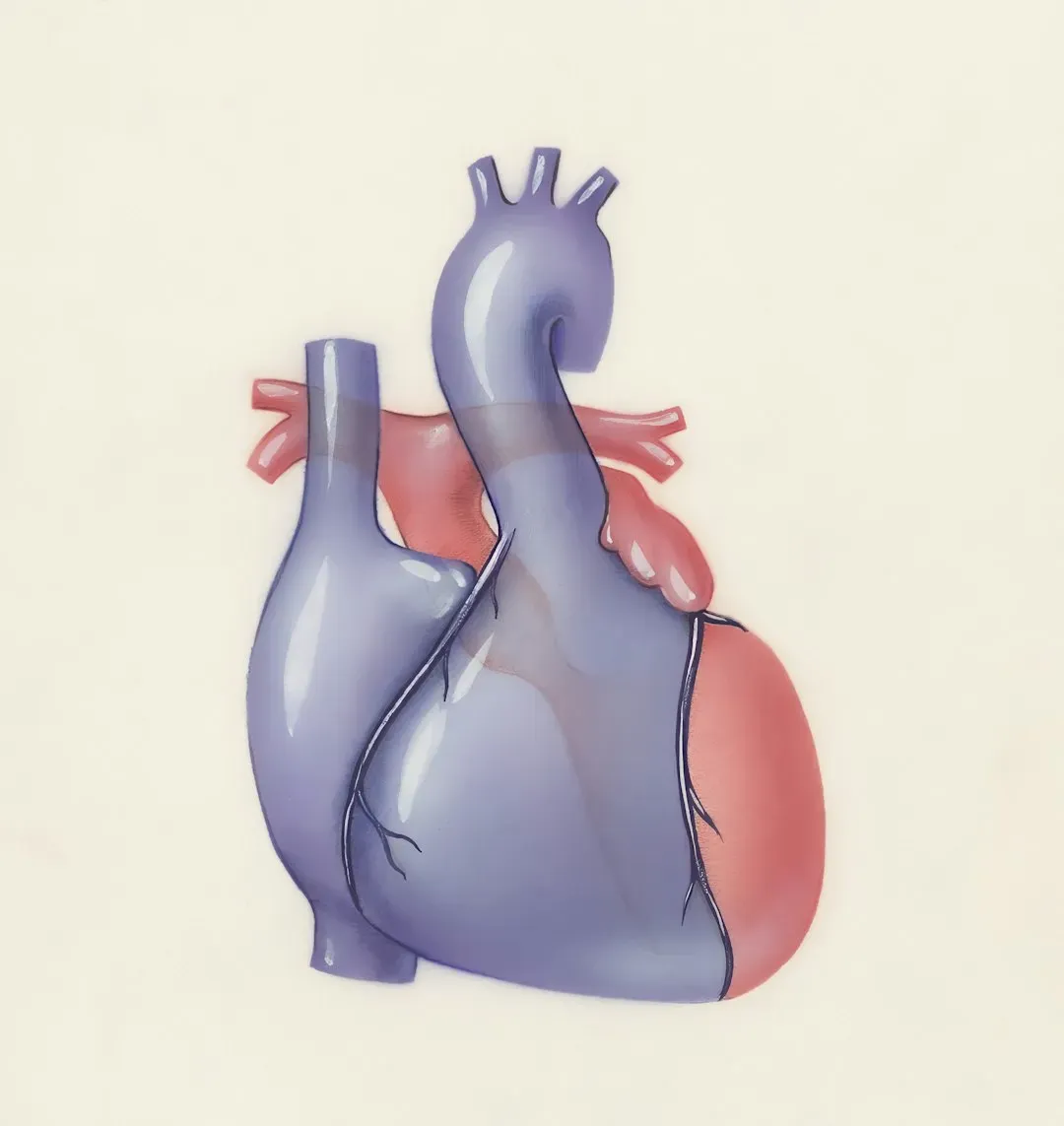
I would caution against it for anyone with a cardiac history,” said Plutzky, who noted that little research on the health effects of cold water immersion included people with heart conditions. People with heart conditions also may take medications, such as beta blockers, that lower blood pressure and reduce the heart rate, which could make it harder for the body to adapt to the shock of a sudden temperature drop, Plutzky said. As a cardiologist, I strongly recommend anyone with a history of heart disease or a heart condition, consult their doctor before starting their cold plunge routine.
“Do your own research’ has lots of dangers,” Topol said. “If they really were good citizen scientists, they would know what the criteria are: randomized, placebo-controlled trials; peer-reviewed publications independent of the company. We don’t have any of those studies for most of these peptides.” The absence of evidence doesn’t mean something is safe. It means we simply don’t know what the long-term consequences will be. By the time we figure that out, damage could already be done.
The biohacking movement promised empowerment through biology. What many people got instead was risk without reward, contaminated products without oversight, and cardiac consequences that nobody warned them about. Before you inject that next vial or plunge into freezing water, ask yourself whether optimization is worth what it might cost your heart. Did the wellness industry’s promises match the medical reality?