The Home Security Lie: 3 Upgrades That Can Actually Attract Burglars
You’ve invested in those shiny new security cameras, installed that state-of-the-art alarm system, and proudly posted that yard sign announcing your home is protected. You feel safe, right? Well, here’s something most security companies won’t tell you. Some of those very upgrades meant to protect your home might be doing the exact opposite.
In 2023, residential burglaries represented 52.8% of all burglary offenses, yet homes without a security system are 300% more likely to be broken into. That’s why millions rush to secure their properties. The problem? Not all security upgrades are created equal, and some can inadvertently send the wrong message to criminals watching your neighborhood. Let’s dive into what really happens when you upgrade your security.
Overly Expensive Visible Security Systems That Scream Wealth
Here’s the thing most people miss: when you install top-tier, obviously expensive security equipment, you’re not just advertising protection. You’re advertising what you’re protecting. Think about it from a burglar’s perspective. Why would someone invest thousands in cutting-edge cameras and sensors unless they had something valuable inside worth stealing?
Burglars conduct reconnaissance, noting when residents leave for work, school schedules, and vacation patterns. Properties displaying wealth indicators – such as luxury vehicles, expensive landscaping, or visible electronics – often attract unwanted attention. That premium security system? It’s just another wealth indicator. A recent study found that while security cameras did have a deterrent effect on burglars, this effect was not as strong as commonly believed. In fact, the study found that in some cases, burglars were actually more likely to target homes with security cameras.
I know it sounds crazy, but criminals aren’t stupid. In 54% of burglaries, the offender lives within 2 miles of the home they burglarized, and in 30% of burglaries, the offender knows the victim. These aren’t strangers casing random houses. They’re watching, learning, and calculating risk versus reward. When they see a fortress-level setup, some interpret it as confirmation that something inside is worth the extra effort to bypass it.
Smart Home Devices With Glaring Security Vulnerabilities
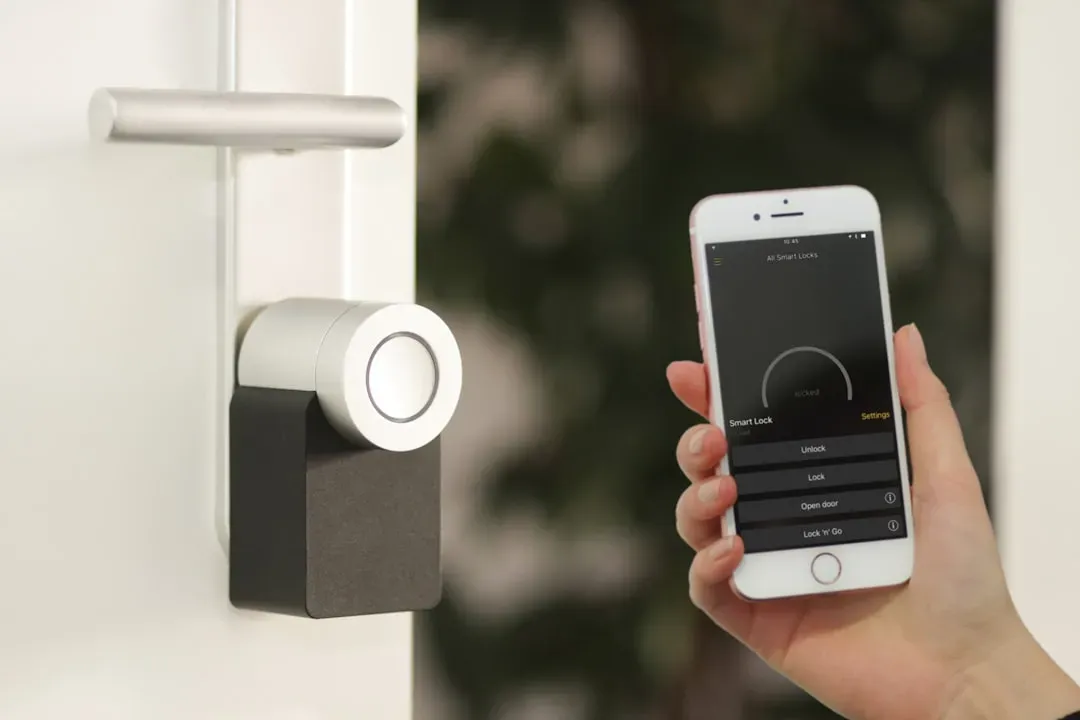
Smart locks, connected cameras, video doorbells with cloud storage – they sound perfect, right? Convenient, modern, cutting-edge protection. Except there’s a massive problem nobody talks about enough. According to a new report by cyber security firm SonicWall, attacks on smart home products have increased by 124% in 2024. Cyber attacks on smart home devices have increased massively in the last year.
Let’s be real here. Most homeowners aren’t cybersecurity experts. They buy these devices, connect them to their Wi-Fi, maybe change the password if they remember, and assume everything’s fine. On average, 25 vulnerabilities exist in every IoT device. Countermeasures exist today, such as naming the router without any personal information, using a strong password for the network, and encrypting the data sent over the network. But how many people actually do this?
SonicWall claims that it prevented more than 17 million attacks on IP cameras in 2024. That’s just one company stopping attacks on one type of device. A November report from Zscaler found that IoT malware attacks had jumped nearly 400% in recent years. The NetGear/Bitdefence 2024 IoT security report suggested that smart home products now experience up to 10 attacks every day. Every single day your supposedly secure devices are being targeted by sophisticated criminals who know these systems better than you do.
The worst part? Once a hacker gains access to one smart device on your network, they potentially have a backdoor to everything else. Your security camera becomes their surveillance tool. Your smart lock becomes their remote entry system. The very technology meant to protect you becomes the vulnerability that gets you robbed.
Visible Security Signs Without Actual Working Systems
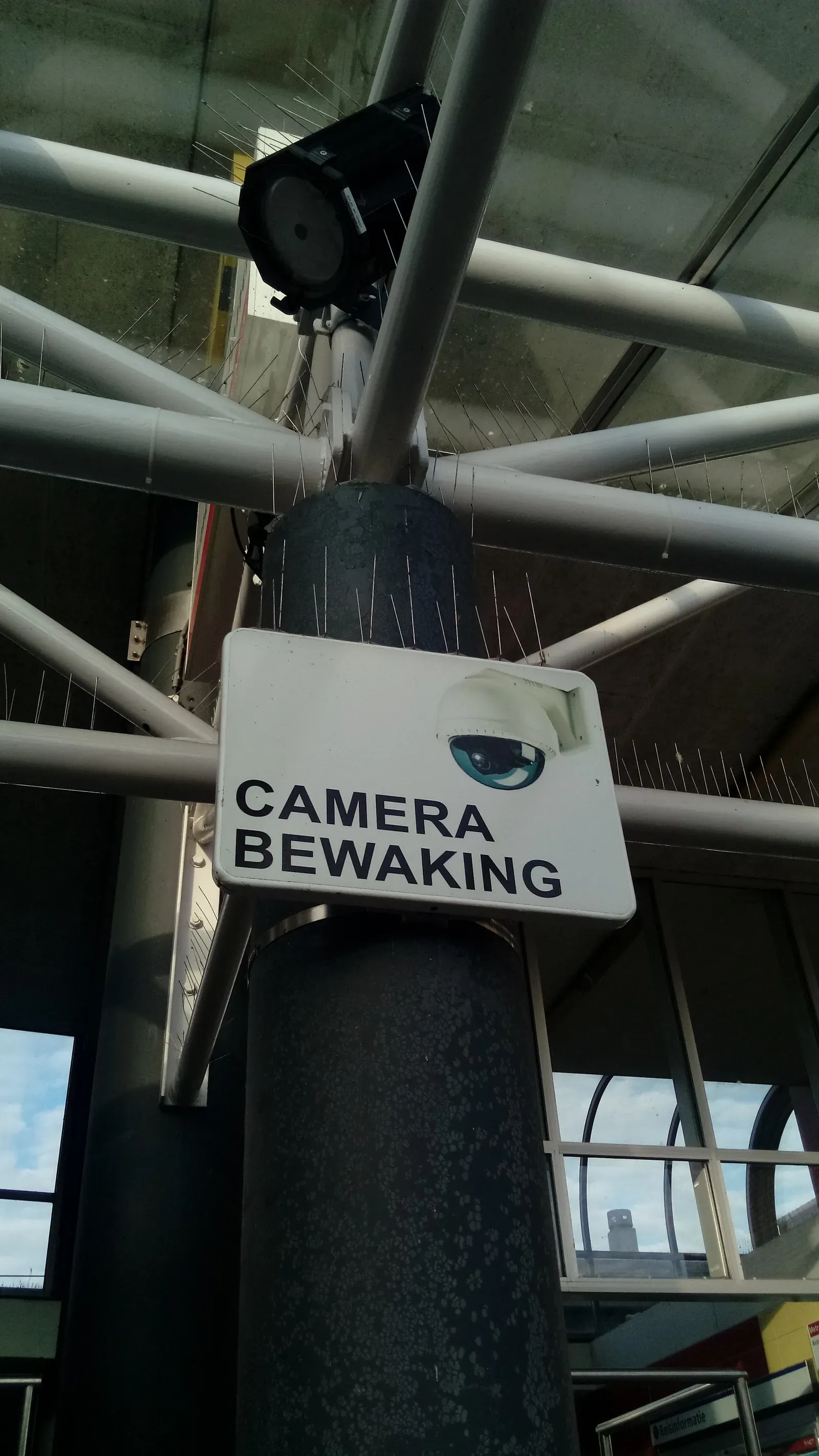
Some homeowners think they’re clever. Why spend hundreds or thousands on actual security when you can just buy a fake camera or a yard sign from Amazon for twenty bucks? This seems like the ultimate budget hack until reality hits.
In a study from the University of North Carolina, 25 percent of burglars said that security signs would deter them from choosing a house. However, signs are a less effective deterrent than security cameras and systems, which would deter 53 percent of burglars. So signs do work, to a degree. The problem emerges when criminals figure out you’re bluffing.
Most burglars (83%) try to determine if an alarm is present before attempting a burglary. These aren’t amateurs stumbling around hoping for the best. They check for actual alarm panels visible through windows. They look for those tiny sensors on doors and windows. They sometimes even test systems by triggering motion sensors to see if anything happens. When nothing does? You’ve just announced that your home is unprotected while simultaneously revealing you’re worried enough about break-ins to try faking security.
It gets worse. Most convicted burglars are repeat offenders. If they couldn’t take something they liked the first time, they might decide to go back for it. Additionally, burglars want to capitalize on gaining an entrance to the home before homeowners repair the broken door or window or increase the home security. You might fool someone once with your fake setup, but once word spreads in criminal networks that your security is theater, you become a known soft target.
If you do have a security system, putting up yard signs to increase visibility is a good idea. Just make sure your security system is top-notch and that it doesn’t have any known vulnerabilities, because if it does, the burglar can exploit those weaknesses and use them to sneak into your home. The bottom line? Authentic, properly maintained security deters criminals. Fake security just marks you as someone trying to look protected without actually being protected.