The Home Security Lie: 3 Upgrades That Can Actually Attract Burglars
Fake Security Signs: Broadcasting Your Vulnerability
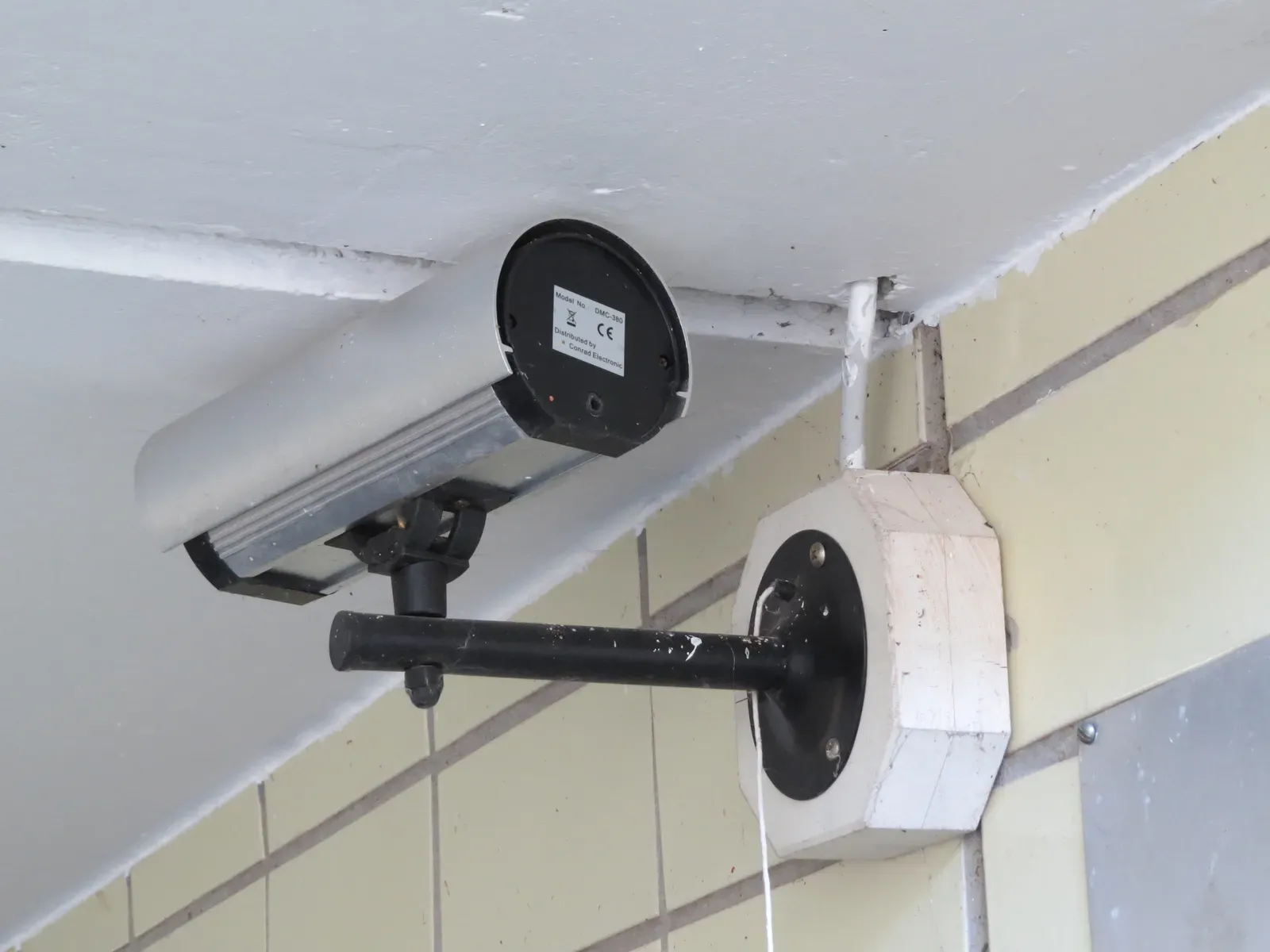
Let’s be real here. You might think slapping a fake ADT or Brinks sticker on your window is some brilliant shortcut to safety. Security system signage ranked number nine on the list of burglar deterrents according to research by the University of North Carolina, so signs do have some effect. Yet here’s the thing most people never consider: experienced burglars know exactly what to look for.
Career burglars with experience plot their crimes methodically and are quite aware of the fake sign phenomenon. They spend unusual amounts of time looking at alarm company signage, noticing the subtle differences. Most signs sold online by third parties are aesthetically different than ones sold by security companies to avoid copyright issues, and if anyone’s going to spot those tiny variations, it’s someone who cases houses for a living. Even worse, a staggering 83% of burglars admit to attempting to determine whether an alarm system is installed before making a move on a house. They’ll peek through windows, ring your doorbell during the day, and look for actual cameras or alarm equipment.
What makes this particularly dangerous is the false sense of security these fake signs create. With a fake security sign in the front yard, you may be less likely to secure the garage door at night or even lock the front door, thinking that replica sticker will keep burglars away. The sign isn’t protecting you at all. It’s making you careless while simultaneously tipping off savvy criminals that you’re running a bluff with no actual protection behind it.
Visible Expensive Smart Locks: A Wealth Indicator
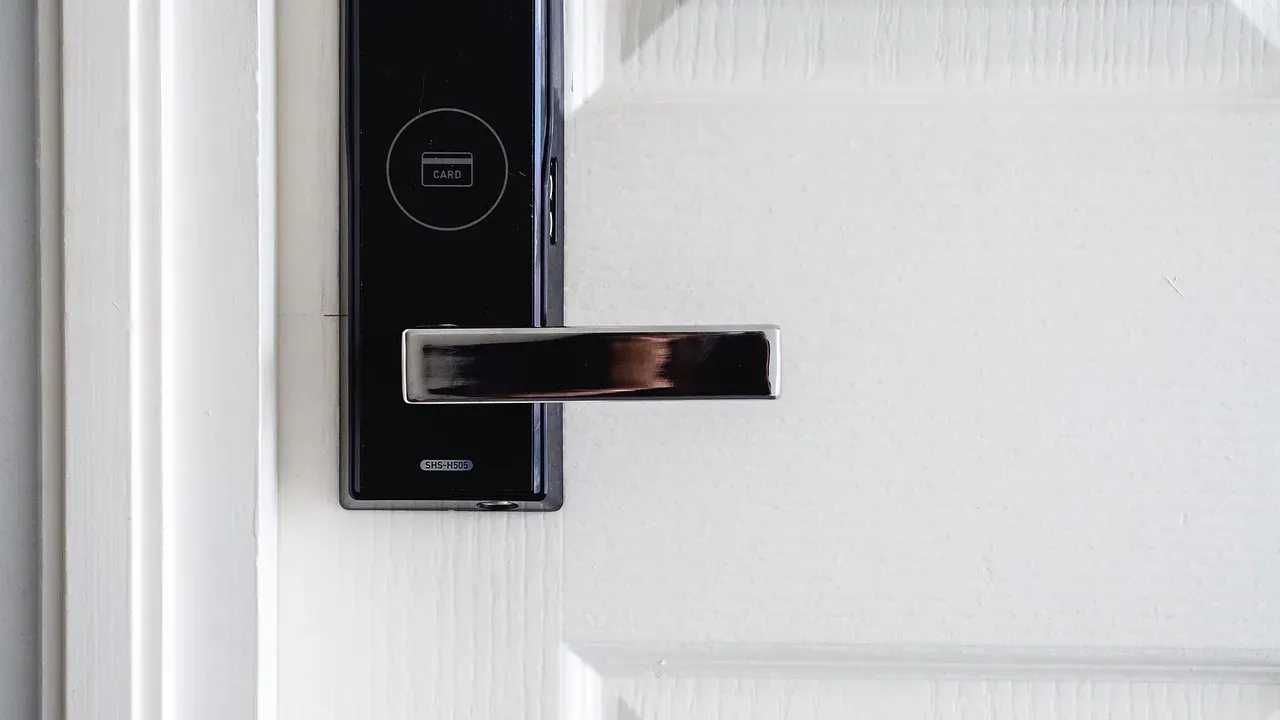
Smart locks are supposed to make your home more secure, right? Well, not always. Here’s what the security industry doesn’t always tell you: Smart lock systems can be breached due to various vulnerabilities, including software flaws. The U.S. government recently warned about a severe flaw in the Chirp Systems app that could allow unauthorized individuals to remotely control smart locks, with a severity score of 9.1/10.
Think about what a high-end smart lock actually signals to a burglar. You’ve just advertised that someone inside values convenience and technology enough to spend several hundred dollars on a door lock. Smart locks using Bluetooth can be vulnerable to man-in-the-middle attacks if encryption is not used, as demonstrated with certain smart lock models. Some models have been found with hard-coded credentials, creating significant risk for an estimated 50,000 homes where attackers could exploit this weakness to remotely lock or unlock doors. The very connectivity that makes these locks convenient also creates attack vectors that traditional deadbolts simply don’t have.
Moreover, burglars targeting homes in wealthier neighborhoods have become increasingly tech-savvy. Burglars are using jamming devices to disrupt signals and gain entry into homes undetected, according to warnings issued by the Los Angeles Police Department in 2025. By emitting a high-energy signal that disrupts Wi-Fi connections, jamming devices disconnect security systems from their networks, leaving luxury primary and secondary residences vulnerable to invasion. Your fancy smart lock might look impressive, but to someone casing your street, it screams that you have valuables worth protecting behind that door. Honestly, sometimes the old-fashioned Grade 1 deadbolt is the smarter choice.
Overly Visible High-End Security Systems: Marking Yourself as a Target
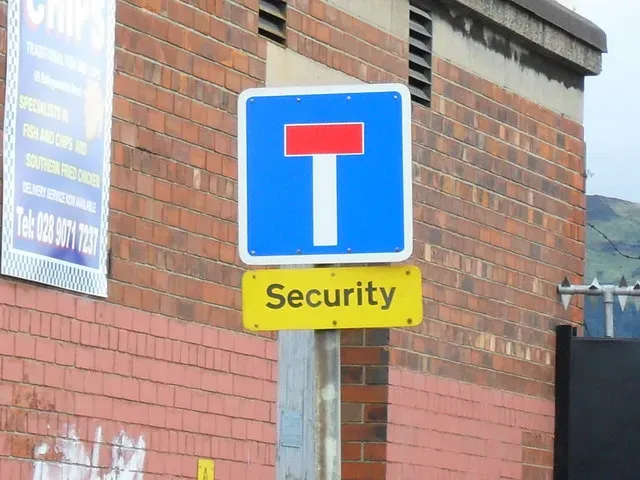
This one’s counterintuitive, I know. Security experts constantly tell us to make cameras visible as deterrents. 60 percent of convicted burglars said they looked for a new target if they saw a security system, according to research by the Alarm Industry Research and Education Foundation. That statistic sounds reassuring until you consider what it means for the remaining 40 percent who aren’t deterred at all.
When you install obviously expensive, professional-grade security equipment with multiple high-definition cameras covering every angle, you’re potentially sending an unintended message. Organized crime groups know that people don’t invest thousands of dollars in elaborate security systems to protect modest belongings. Entry-level protection for homes of the super-rich routinely reaches $150,000, but can be fabulously more expensive according to security firms specializing in protecting the wealthy. The presence of commercial-grade equipment can actually mark your home as belonging to someone with substantial assets.
Organized criminal groups today are targeting wealthy homes hard and fast with crews of between three and seven people, according to security managers working with high-net-worth individuals. These aren’t opportunistic amateurs who’ll be scared off by a camera. They’re professionals who see your elaborate visible security setup and think, “That person has something worth stealing.” They’ll study your system, wait for patterns, and plan accordingly. Many security experts now recommend shifting from wireless to wired security systems because hardwiring eliminates vulnerability to Wi-Fi jamming and hacking. In fact, many high-net-worth insurers have begun to require wired systems precisely because wireless systems have become such attractive targets for sophisticated criminals.
What’s the alternative? Smart security means balancing visibility with discretion. A few well-placed cameras combined with strong locks, motion-sensor lighting, and good old-fashioned neighborhood awareness often works better than broadcasting your wealth with obvious high-end equipment. Did you expect that the very upgrades marketed as protection could actually paint a target on your home?