The No-Go List: 5 Restaurant Chains Diners Say Don’t Deliver
Every diner has a horror story. You know the one. You’re starving, you’ve handed over your hard-earned cash, and what arrives at the table barely resembles what was advertised. Across the country, millions of people are sharing the exact same frustration, and the names they’re pointing fingers at are some of the most recognizable brands in America.
Customer satisfaction data from 2024 through early 2026 paints a pretty damning picture. When it comes to measuring this kind of thing, one of the most reliable tools is the American Customer Satisfaction Index, developed by researchers at the University of Michigan in 1994 and widely used to track the quality of goods and services from the customer’s perspective. The numbers don’t lie, and they’re not exactly flattering for the chains on this list. Let’s dive in.
1. Sonic Drive-In: The App Doesn’t Work, and Neither Does Much Else

Sonic has always had a certain charm. Carhops, retro signs, slushies in a dozen flavors. Honestly, I get the nostalgia. But nostalgia alone won’t save you when the data looks this grim.
The chain scored a deeply disappointing 73 in 2025, falling well short of the 79-point average for quick-service restaurants, and had fallen from a score of 76 the year before, suggesting things are heading downhill fast. That’s not a blip. That’s a trend.
On Trustpilot, Sonic’s reputation takes an even harder hit with a dismal 1.5-star rating, with customers reporting rude staff, shakes that arrive runny instead of thick, and an ordering system and app that is often not working. Think about that for a second. Shakes are arguably the whole point of Sonic, and they’re getting that wrong too.
Sonic’s ratings slide is significant at roughly four percent, with their iconic stall model making staffing gaps obvious, leading to long waits and missing modifications showing up more often. When the drive-in format that made you famous becomes the very thing exposing your weaknesses, there’s a real problem at the core.
2. Denny’s: America’s Diner Is Running on Empty
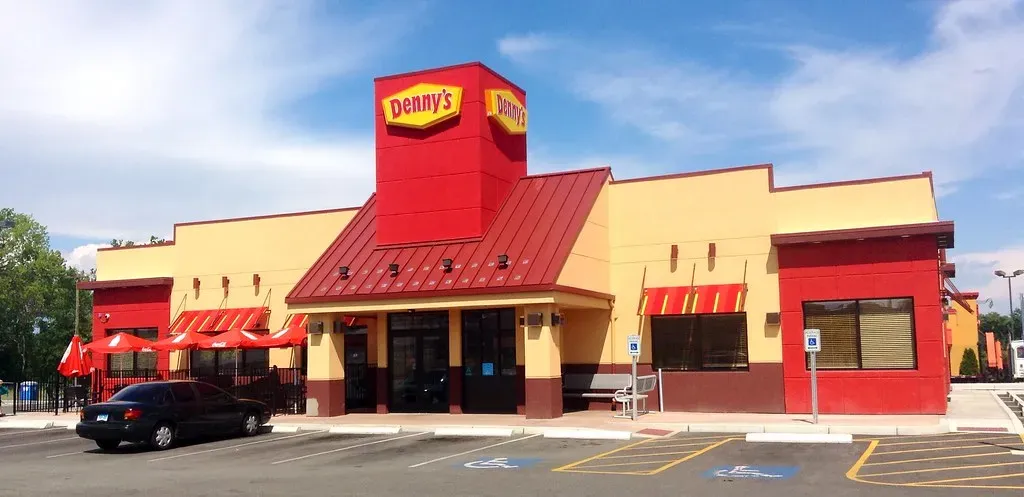
Denny’s has always marketed itself as the dependable late-night staple, the place where anyone can get a decent plate of eggs at two in the morning. The reality in 2025? That promise is wearing pretty thin.
According to the American Consumer Satisfaction Index, Denny’s is the worst-rated full-service restaurant chain in 2025, with a rating of just 75 out of 100, and its customer satisfaction score has gone down since 2024. Being dead last among sit-down chains is not a small thing. That’s a serious red flag.
According to Consumer Affairs, which holds more than 400 ratings and reviews of the chain, customers agree on a few main problem areas, particularly long wait times and inconsistent service quality, with some noting it took more than an hour to be seated while others claim their server all but ignored them.
At the bottom end of the full-service industry, Denny’s slipped one percent to a score of 75. Meanwhile, other chains including Denny’s have also been closing underperforming locations to improve the health of their overall systems, with Denny’s expecting to shutter between 70 and 90 restaurants in a single year. When you’re closing locations at that rate, the struggle is real.
3. KFC: The Colonel Would Not Be Pleased
Here’s the thing about KFC. It used to own the fried chicken category. Full stop. But the chain that once had customers lining up around the block has somehow managed to fumble what should be its most obvious advantage: making chicken people actually want to eat.
KFC experienced a significant five percent drop in its customer satisfaction score, falling from 81 to 77, which was the steepest decline among all fast-food chains measured, with Five Guys and Sonic each posting a four percent decline, making KFC’s dip all the more glaring. Steepest of all measured chains. Let that sink in.
When it comes to overall customer experience, roughly four out of every five KFC customer complaints relate to food quality and service. That’s a crushing ratio. In 2024 and 2025, KFC saw monthly traffic declines ranging from two percent to twelve percent every quarter.
In the summer of 2024, several dozen KFC branches closed without prior warning across Illinois, Wisconsin, and Indiana. The timing lines up with the satisfaction score collapse. KFC’s sales and customer traffic have been down most quarters since 2023, with leadership shake-ups, store closures, and constant customer criticism that the menu is overpriced. When the customers are leaving and the stores are closing, something has gone genuinely wrong at the operational level.
4. Buffalo Wild Wings: Long Waits, Lackluster Food
There is something almost tragic about Buffalo Wild Wings. It should be a slam dunk. Wings, sports on every screen, cold beer, friends. What could go wrong? According to the data, quite a lot.
Buffalo Wild Wings sank four percent to a score of 76 in the latest ACSI full-service restaurant rankings, one of the sharpest drops in the entire full-service category. Customers have been especially unhappy about wait times and new menu items such as the Beer Cheese and the Philly Cheesesteak and Chicken Parm Sandwich. Introducing the wrong items at the wrong time is a fast track to losing the loyal crowd you spent years building.
ACSI warned that consumer price sensitivity will make this period especially hazardous for many brands, noting that with households increasingly treating dining out as a luxury, every menu item and service interaction becomes a potential make-or-break moment. Buffalo Wild Wings is finding that out the hard way.
The chain sits in the very bottom tier of full-service restaurants according to the ACSI 2025 data. Customer experience benchmarks across full-service restaurants declined across the board, with customer satisfaction varying significantly depending on the type of purchase experience, whether dine-in, carry-out, or delivery. For a wings chain where the whole point is the in-person experience, that dine-in satisfaction slide is especially painful.
5. Red Robin: Closing Doors and Losing Diners
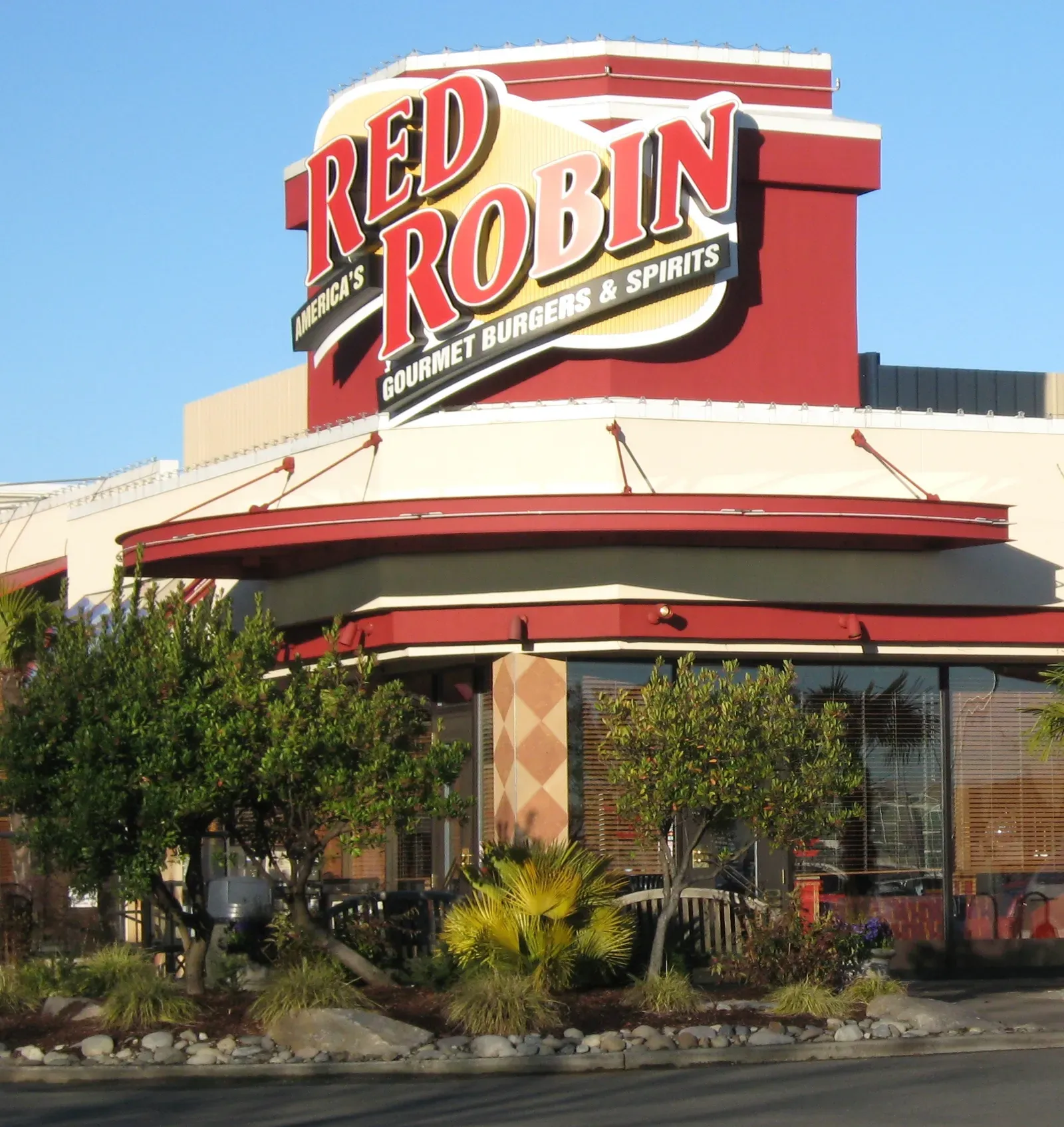
Red Robin is probably the most dramatic story on this list. It’s not just a chain with disappointed customers. It’s a chain in a genuine financial fight for survival, and the customer satisfaction data and the balance sheets are telling the same gloomy story.
Red Robin’s CEO announced in early 2025 that the burger chain would be considering closing 70 underperforming store locations because of decreased revenue and foot traffic, and according to more than 99,000 customer reviews on Yelp, Red Robin has a severe customer satisfaction issue, mostly for its food quality, service, and wait time. Nearly 100,000 reviews painting the same unhappy picture is hard to dismiss.
In fiscal year 2023, the company posted losses of 21.2 million dollars. In 2024, that number skyrocketed to 77.5 million dollars. Those are staggering figures for a casual burger chain. In late 2024, Red Robin confirmed plans to close 70 locations in a cost-saving move, calling it the “North Star plan,” promising to bring hungry diners back into its restaurants.
The chain also struggles with customers trading down to fast-food chains such as McDonald’s and Burger King, while also competing with higher-end fast-casual chains like Shake Shack and Five Guys that offer lower prices. That’s a brutal squeeze from both directions. Once associated with “gourmet” burgers, Red Robin has struggled to reinvent itself to be competitive. It’s hard to watch a once-beloved brand lose its identity in real time.