The Dinner Party Kiss of Death: 4 Hosting Mistakes That Can Derail the Meal
The dinner party is having a serious moment right now. After years of being declared dead, killed off by overworked schedules, tiny apartments, and an Instagram-fueled obsession with unattainable perfection, it has roared back to life. Hosts and entertaining aficionados had reason to celebrate in 2024, which was called “the year of the dinner party” according to Eater. Pinterest and Instagram searches for “dinner party dining” rose a staggering 160% from 2024 to 2025. People are clearly hungry for connection around a table again.
Yet here’s the uncomfortable truth nobody tells you: most dinner parties quietly fail. Not dramatically, not with a scene – they just slowly sink into an uncomfortable, forgettable evening that nobody speaks about afterward. The food might be fine. The wine might be lovely. Still, something goes wrong. And often, the host has no idea what it was. Let’s find out exactly what derails a dinner party before you make the same mistakes.
Mistake #1: Overcomplicating the Menu Until It Breaks You
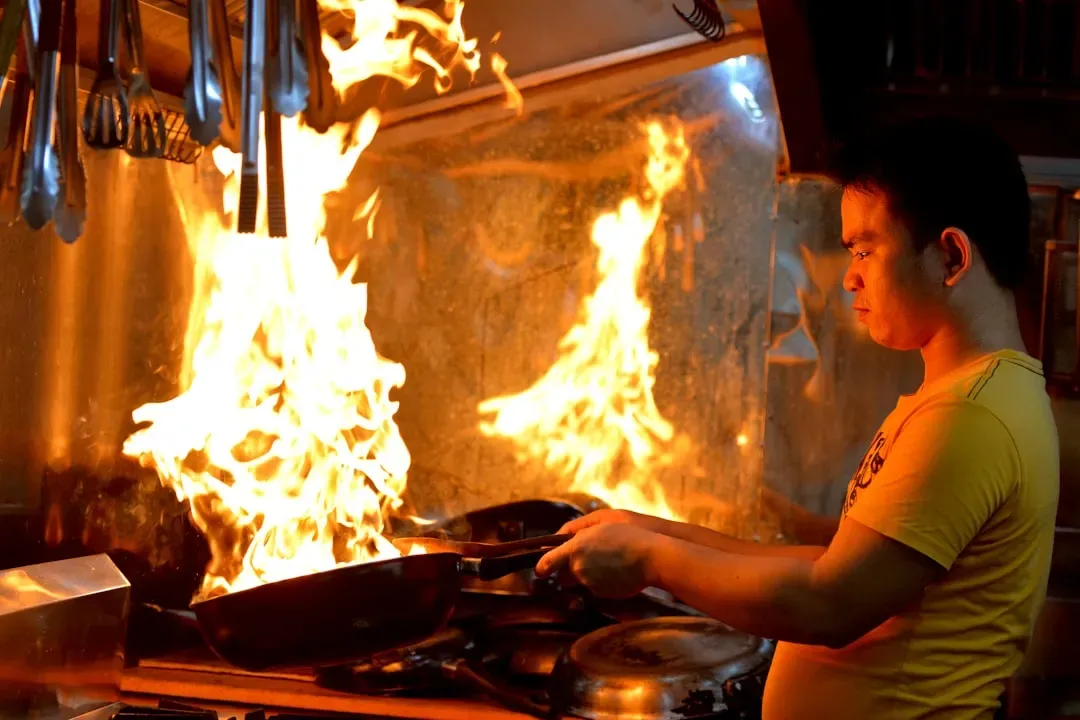
This is probably the most universal hosting sin, and honestly, I’ve seen it happen to the most confident cooks. There’s something about having guests over that triggers this almost irrational impulse to perform – to cook five courses when three would have been spectacular, or to attempt a technically demanding dish you’ve never made before. The result is a host who barely sits down, arrives at the table exhausted, and spends the entire evening running back to the kitchen.
Overcomplicating the menu is a classic first-timer trap – we tend to go above our means when guests come over, leading to more time in the kitchen, not to mention more money and more stress. The irony is brutal. Guests do not come for a restaurant-grade tasting menu. They come for you. Keeping it simple and impressing guests with your ability to be present is far more powerful than fancy dishes.
Think of it like this: a perfect roast chicken you know by heart beats an elaborate bouillabaisse that has you panicking for three hours. Your calm, engaged presence at the table is the secret ingredient most cooks completely forget. A frazzled host sets a frazzled tone – and that energy spreads to every single person sitting there.
Mistake #2: Ignoring Dietary Needs Until It’s Too Late
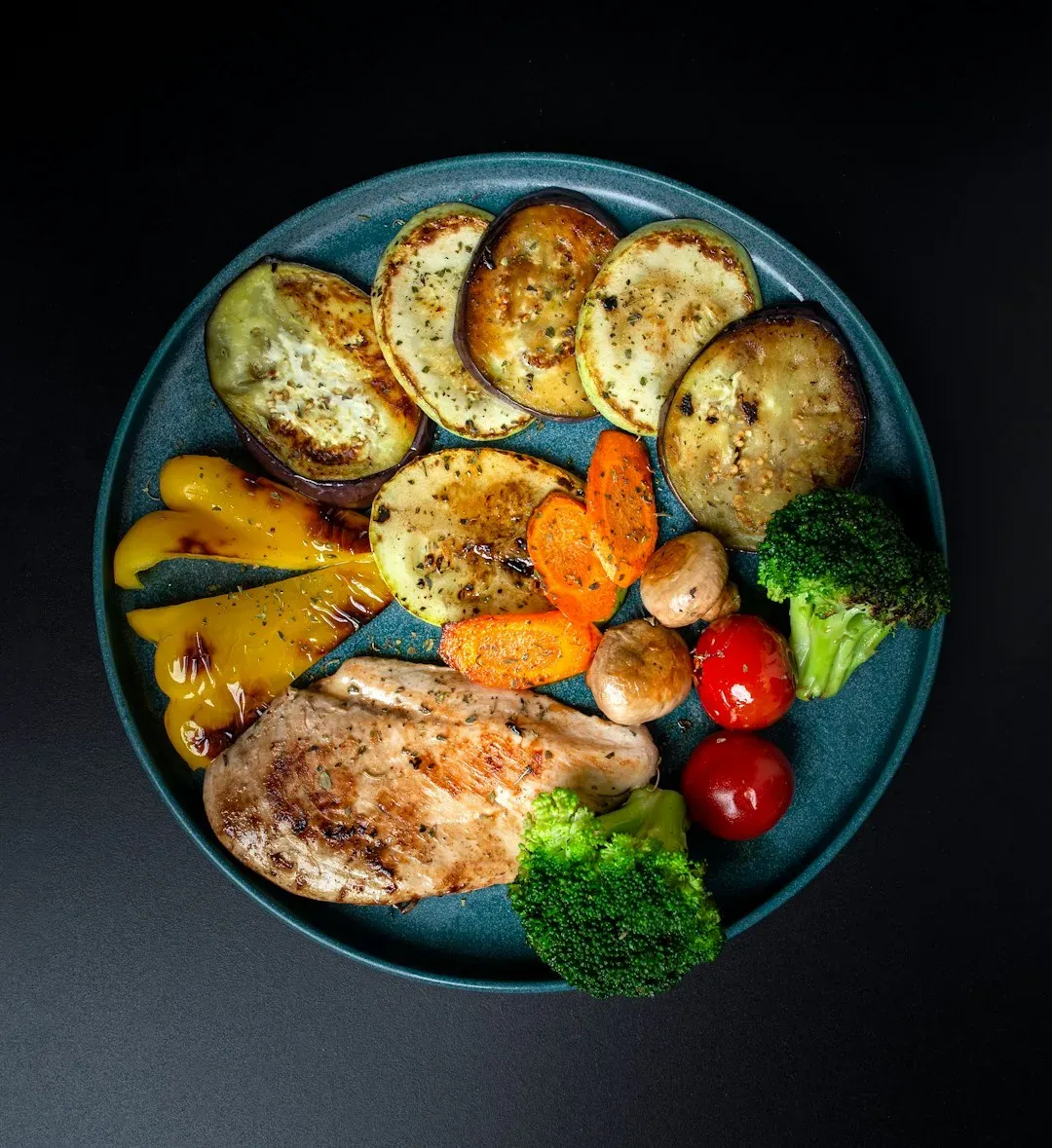
Few things are more awkward than watching a guest push food quietly around their plate because they cannot eat a single thing on the table. It happens more often than hosts want to admit. Food allergies, intolerances, religious requirements, and lifestyle choices are not quirks or demands – they are simply part of feeding people in 2026. Ignoring them is not just inconvenient. It can actually make someone physically ill.
Forgetting about dietary restrictions is a genuine hazard – it’s good practice to ask guests ahead of time, because the last thing you want is to serve a meal that makes guests feel uncomfortable at best, or sick at worst. A simple message sent a week in advance asking about any food needs takes all of three minutes and saves enormous stress. It also signals to your guests that you actually thought about them as individuals, not just as warm bodies filling chairs.
Here’s the thing: one guest feeling excluded from the meal can subtly poison the whole table’s atmosphere. The rest of the group notices. They feel guilty. Conversation stiffens. Checking dietary restrictions before the big night – as simple as a Monday message confirming dinner and asking about any food needs – transforms a potential disaster into a seamless experience. Do it every single time.
Mistake #3: Treating Conversation as Someone Else’s Responsibility

Here is a mistake that might actually surprise you. Most hosts obsess over food and atmosphere, yet completely overlook the one thing that will define the entire evening in guests’ memories: the quality of conversation. A meal can be extraordinary, but if the table descends into awkward silence or drifts into uncomfortable territory, no amount of good food rescues it. The conversation is not a happy accident. It is the host’s job.
The primary entertainment at a dinner party is conversation – and conversation is firmly the responsibility of the host. Great dinner parties are defined by lively and engaging conversation, but even the most extroverted groups can hit occasional quiet patches, and the solution is to facilitate things gently without oversteering. Think of yourself less like a chef and more like a talk show host: your real job is to make everyone feel interesting and heard.
You can head off conversation lulls at the pass by planning out guest seating strategically – place your more outgoing guests next to quieter ones, and make sure to spread familiar faces throughout the table so that no one guest feels particularly isolated. That is not overthinking. That is hosting. It is the difference between a dinner party that buzzes with life and one that sputters into everyone quietly checking their phones by 9pm.
Mistake #4: Trying to Do Everything Alone
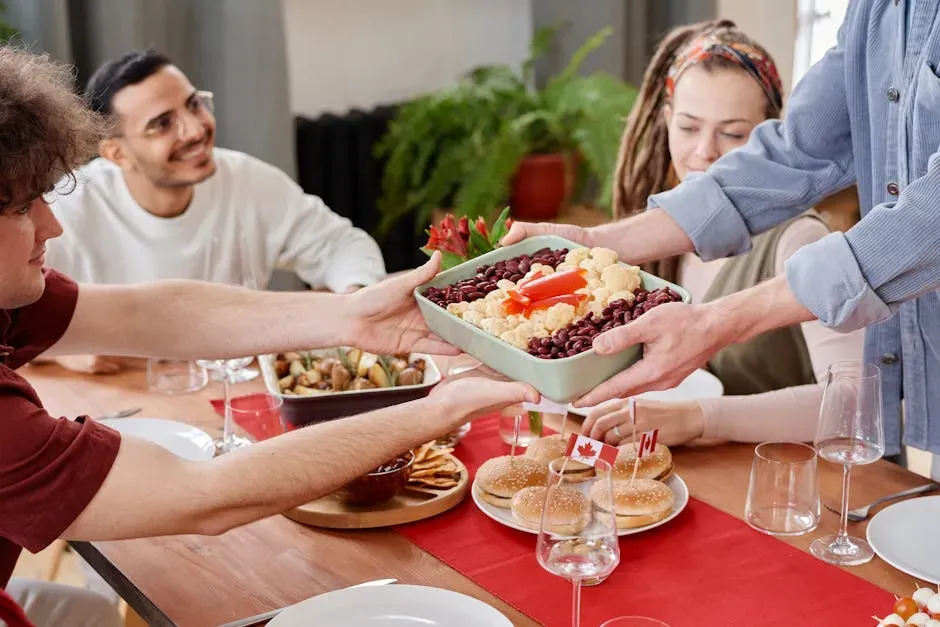
There is a particular kind of host – and you probably know one – who refuses all offers of help with a slightly manic smile. They insist on carrying every dish, refilling every glass, managing every detail, and then wonder why they never actually enjoy their own parties. Doing everything yourself is not generous hosting. It is a guaranteed path to exhaustion, resentment, and a dinner party that slowly loses its host to the kitchen for most of the night.
Doing everything yourself is a fundamental hosting mistake – if a dinner party is truly about connection, it is perfectly okay to ask for or accept help, and guests genuinely enjoy having a role to play, so there is no reason to be afraid to delegate. This is backed up by real experience. Going potluck style, where people chip in with food, can be a more manageable way to host, and hosts should not have to bear the full financial burden alone.
Accepting help also changes the energy of the room in a beautiful way. When a guest brings a dish or pours the wine or tosses the salad, they become invested in the evening’s success. It stops being your party and becomes everyone’s party. That shift – subtle as it sounds – creates exactly the kind of warmth and belonging that makes a dinner party memorable for weeks afterward.
What Actually Makes a Dinner Party Memorable
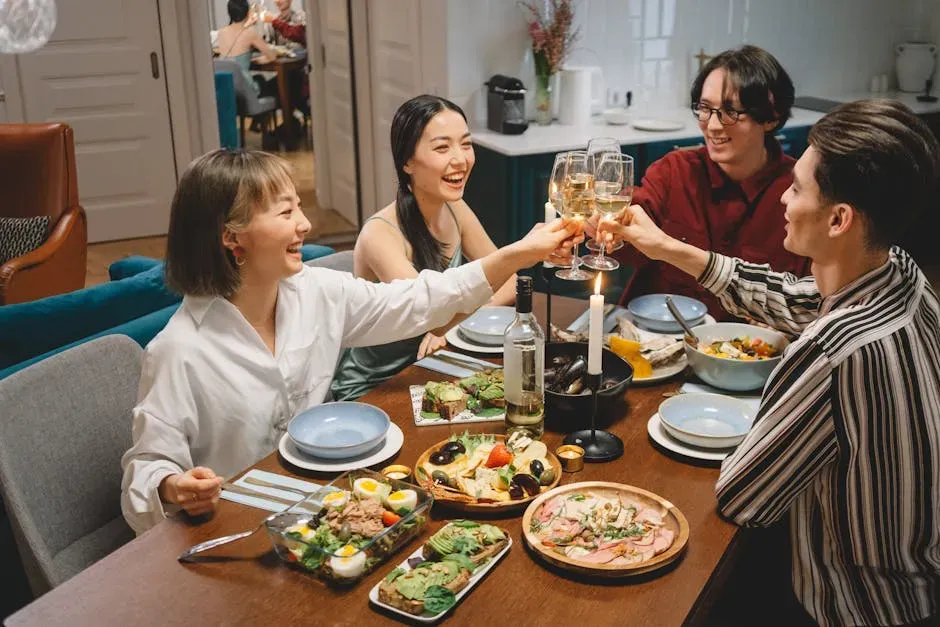
It is tempting to think that the secret to a great dinner party is a flawless execution – the perfect centerpiece, the perfectly timed courses, the immaculate home. But that is a trap. The most memorable evenings are not the most impeccably planned ones, free from any mistakes – they are the ones where people feel connected and cared for. That reframe changes everything about how you approach hosting.
Over-apologizing for mistakes is itself a mistake – all that does is draw excess attention to things your guests might not even have noticed, and if they do notice, they will appreciate your calm, confident resolution of the problem far more than your panic. The host’s attitude is essentially the weather system of the evening. When you are relaxed and genuinely present, the room follows. When you spiral, the room senses it immediately.
Real-world experience confirms all of this. In this moment, people feel very lonely – and taking meaningful actions to fix that through gathering genuinely improves mental health. The act of hosting others in your home creates an intimacy that meeting at a restaurant or a park simply cannot replicate, and there is something deeply gratifying about bringing people together, nourishing them through cooking, and sharing abundance. No five-star restaurant can manufacture that feeling. Only a real host in a real home can.
So the next time you plan a dinner party, resist the urge to perform. Ask about dietary needs. Keep the menu something you can cook with one eye on your guests. Let people help. Guide the conversation with intention. Those four small shifts are not just tips – they are the difference between a dinner party people talk about for weeks and one they politely never mention again. What kind of host do you want to be?