Countries Where Americans Struggle to Adjust, Traveler Data Shows
The dream of living abroad often clashes with reality when Americans pack their bags and venture overseas. While social media feeds overflow with picture-perfect expat lifestyles, the truth tells a different story about cultural adaptation and adjustment challenges. Recent surveys and expat forums reveal surprising patterns about which destinations prove most difficult for American transplants, with language barriers, bureaucratic hurdles, and cultural differences creating unexpected obstacles even in seemingly familiar territories.
Japan: Where Perfectionism Meets Cultural Complexity

Despite its reputation as a modern, tech-savvy nation, Japan consistently ranks among the most challenging countries for American expats to navigate successfully. The intricate social hierarchies, unspoken communication rules, and emphasis on group harmony over individual expression create daily stress for many Americans. Work culture demands exceptional attention to detail and lengthy hours, while social interactions require understanding subtle non-verbal cues that can take years to master. Housing discrimination against foreigners, complex banking systems, and the need for personal guarantors for basic services add layers of difficulty that catch many unprepared Americans off guard.
South Korea: High Expectations, Higher Stress Levels
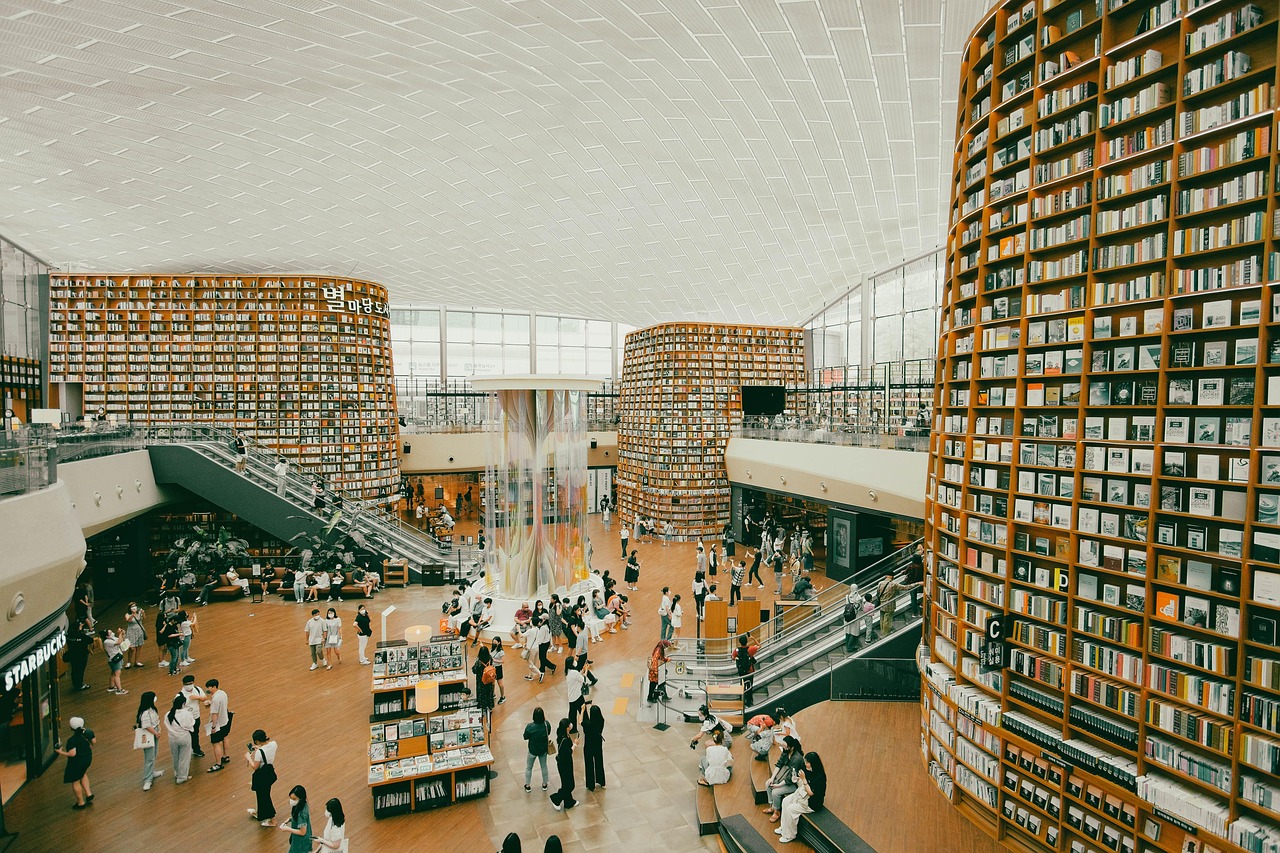
The Korean Wave may have captured American hearts through K-pop and Korean dramas, yet living in South Korea presents formidable challenges for American expats. Age-based respect systems and rigid workplace hierarchies clash directly with American values of equality and directness in communication. The education-focused society creates intense pressure even for adult foreigners, while the concept of “nunchi” requires reading social situations with precision that many Americans find exhausting. Seoul’s hyper-competitive environment and the expectation to maintain appearances through expensive lifestyle choices strain many American budgets and mental health.
Germany: Bureaucracy and Bluntness Create Barriers
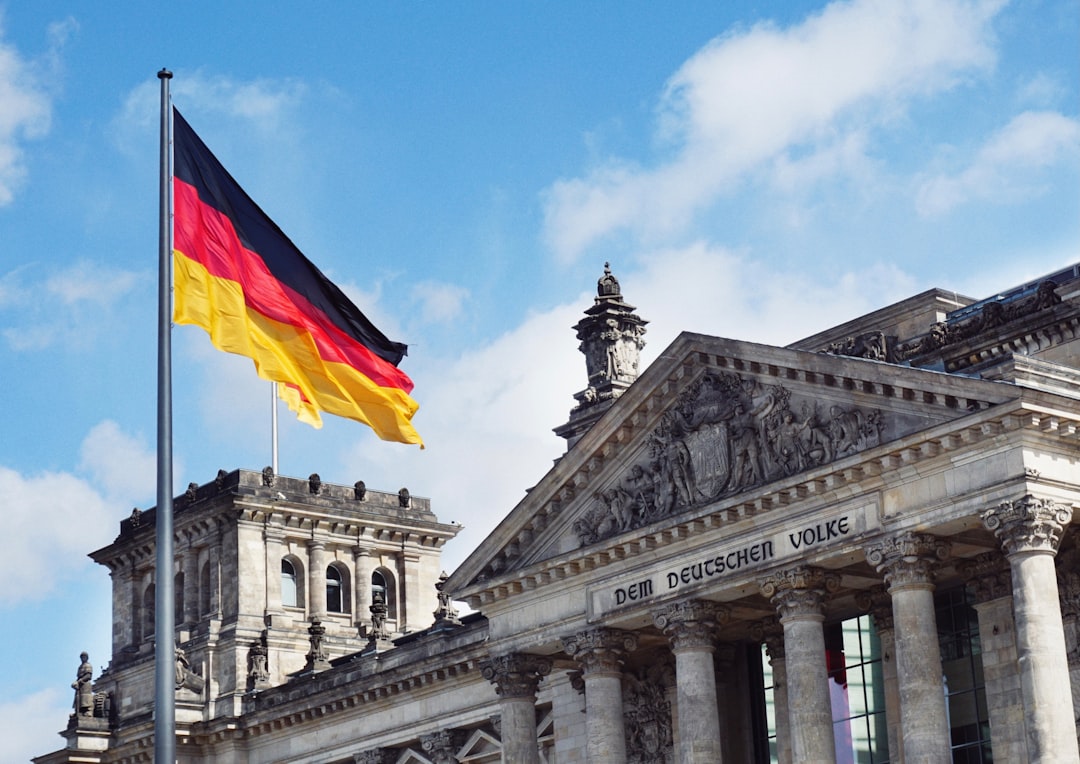
Germany’s reputation for efficiency doesn’t extend to its bureaucratic processes, which overwhelm many American newcomers with their complexity and rigid requirements. The German directness in communication, while refreshing to some, often leaves Americans feeling criticized or unwelcome in professional and social settings. Sunday closures of nearly all businesses, strict noise regulations, and the cash-heavy economy frustrate Americans accustomed to convenience and digital transactions. Regional dialects and cultural differences between German states add additional layers of complexity that many Americans underestimate when choosing their new home.
France: Romance Meets Reality in Daily Life

The French art de vivre attracts countless Americans, yet daily life in France proves more challenging than romantic expectations suggest. Strict labor laws and limited business hours clash with American work flexibility, while the formal approach to relationships means building genuine friendships takes considerable time and effort. French administrative processes require extensive paperwork and in-person visits that test the patience of efficiency-minded Americans. The linguistic perfectionism expected in professional settings and the cultural emphasis on intellectual discourse can intimidate Americans who struggle with advanced French language skills.
Switzerland: Precision Living at a Premium Price
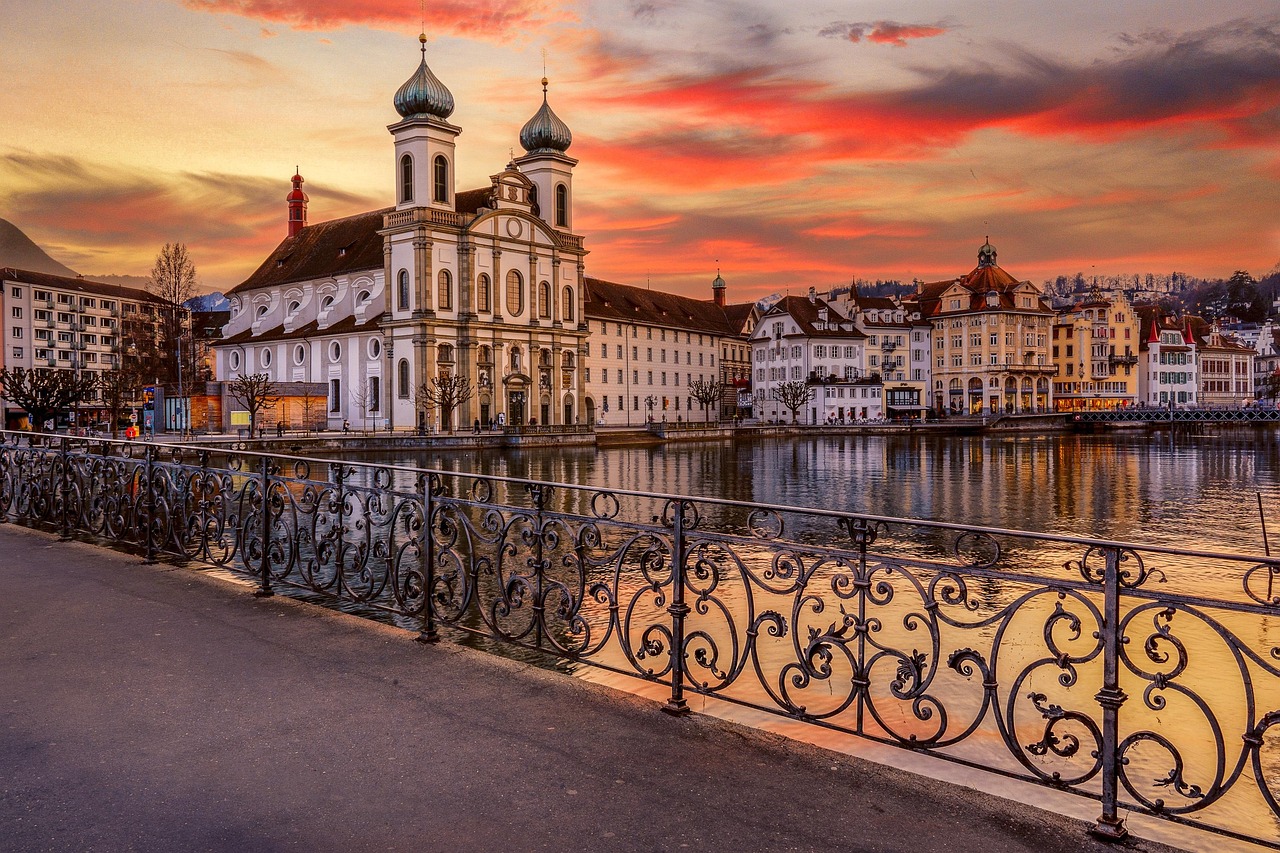
Switzerland’s picture-perfect landscapes hide a society governed by strict rules and social norms that many Americans find restrictive and overwhelming. The cost of living reaches astronomical levels that shock even well-prepared Americans, with basic groceries, dining out, and entertainment consuming disproportionate portions of typical salaries. Swiss punctuality expectations and noise ordinances create constant anxiety for Americans accustomed to more relaxed social norms. Integration into Swiss communities requires years of consistent effort, as the reserved nature of locals and emphasis on established social circles make forming meaningful connections particularly difficult for outgoing Americans.
United Arab Emirates: Modern Facade, Complex Social Navigation
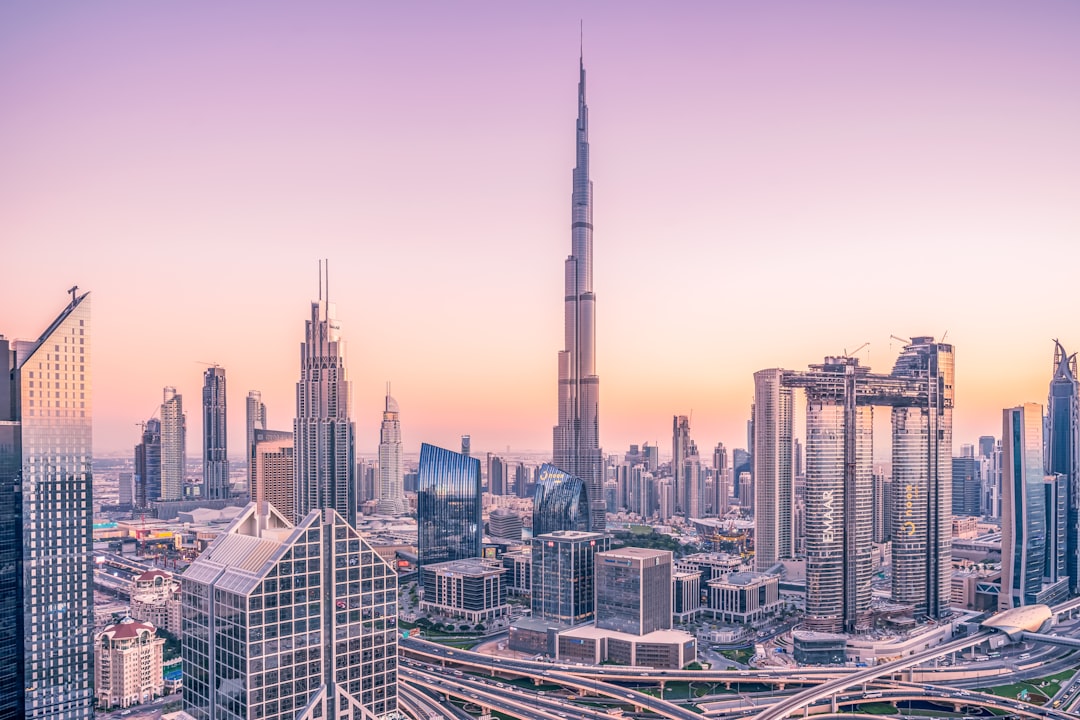
Dubai and Abu Dhabi’s glittering skylines attract Americans seeking tax-free salaries and luxury lifestyles, yet the reality involves navigating complex cultural and legal frameworks. The transient expat community creates surface-level relationships that leave many Americans feeling isolated despite being surrounded by other foreigners. Strict laws regarding public behavior, alcohol consumption, and social media posts require constant vigilance that exhausts Americans accustomed to personal freedom. The extreme climate confines social activities to air-conditioned spaces for much of the year, while the emphasis on material success creates pressure to maintain expensive lifestyles that many find unsustainable.
China: Language Barriers and Digital Divide
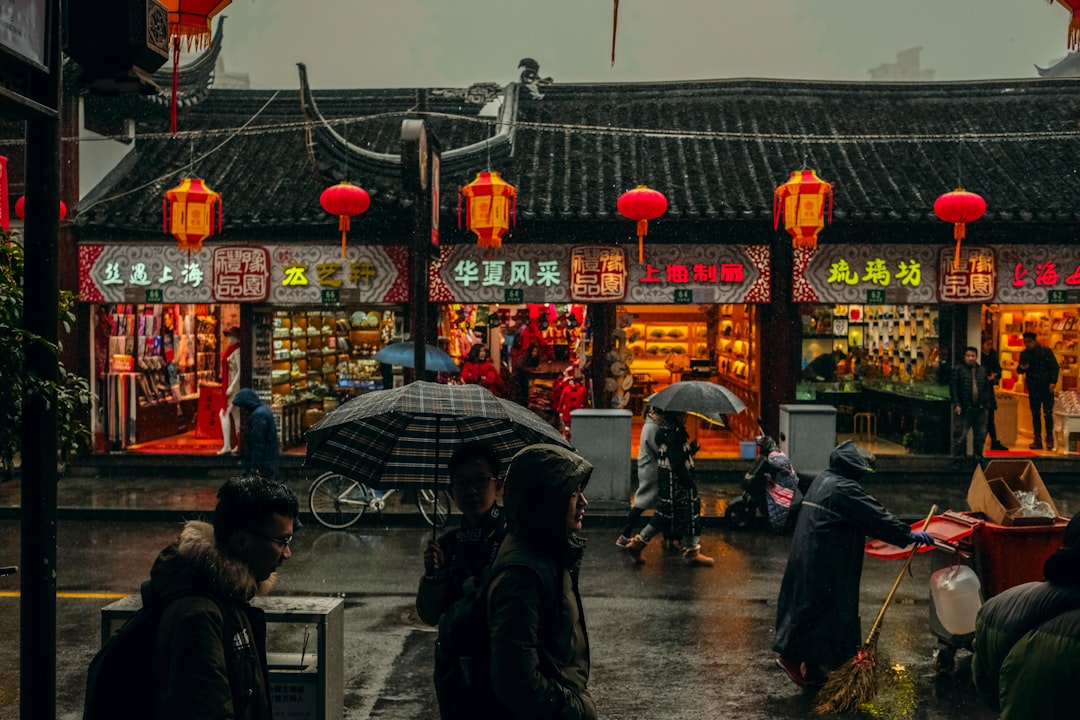
China’s rapid development attracts American professionals, yet the Great Firewall and restricted internet access create daily frustrations for Americans dependent on Western digital services. Mandarin Chinese presents one of the steepest learning curves for English speakers, making basic tasks like banking, shopping, and healthcare appointments overwhelming challenges. Air quality concerns in major cities affect daily life decisions, while the social credit system and surveillance technology create unease among Americans valuing privacy. Business relationships require extensive relationship-building through banquets and gift-giving that many Americans find time-consuming and culturally foreign.
India: Sensory Overload and System Complexity
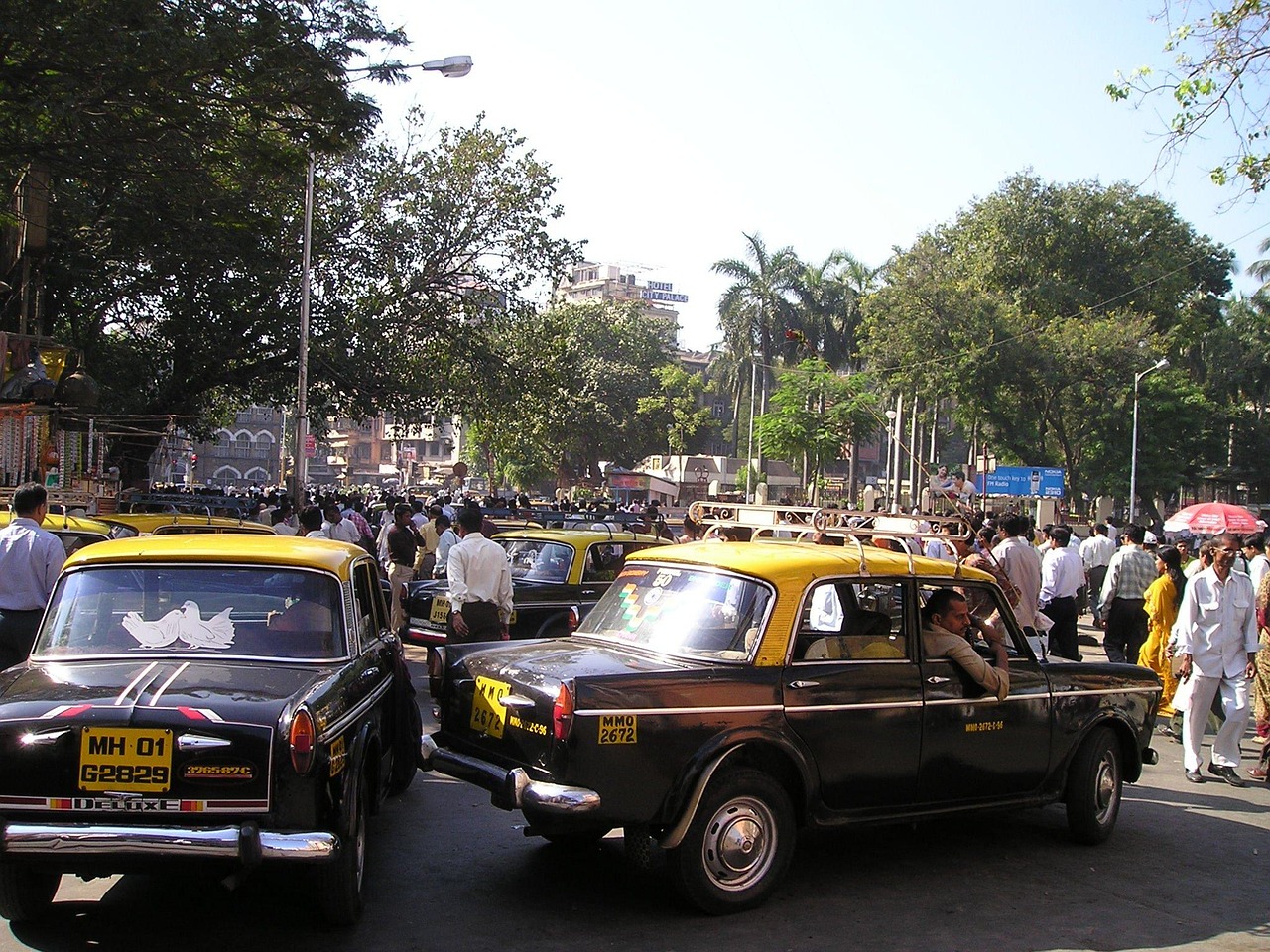
India’s vibrant culture and growing economy draw American expats, yet the country’s complexity overwhelms many newcomers struggling to adapt to vastly different systems and social norms. Infrastructure challenges including unreliable electricity, water shortages, and traffic congestion create daily stress for Americans accustomed to consistent services. The hierarchical social structure and complex bureaucracy require patience and relationship-building skills that many Americans lack. Health concerns from food safety, air pollution, and tropical diseases demand constant vigilance, while the intense social interactions and lack of personal space exhaust Americans seeking quiet downtime.
Russia: Political Climate and Cultural Barriers
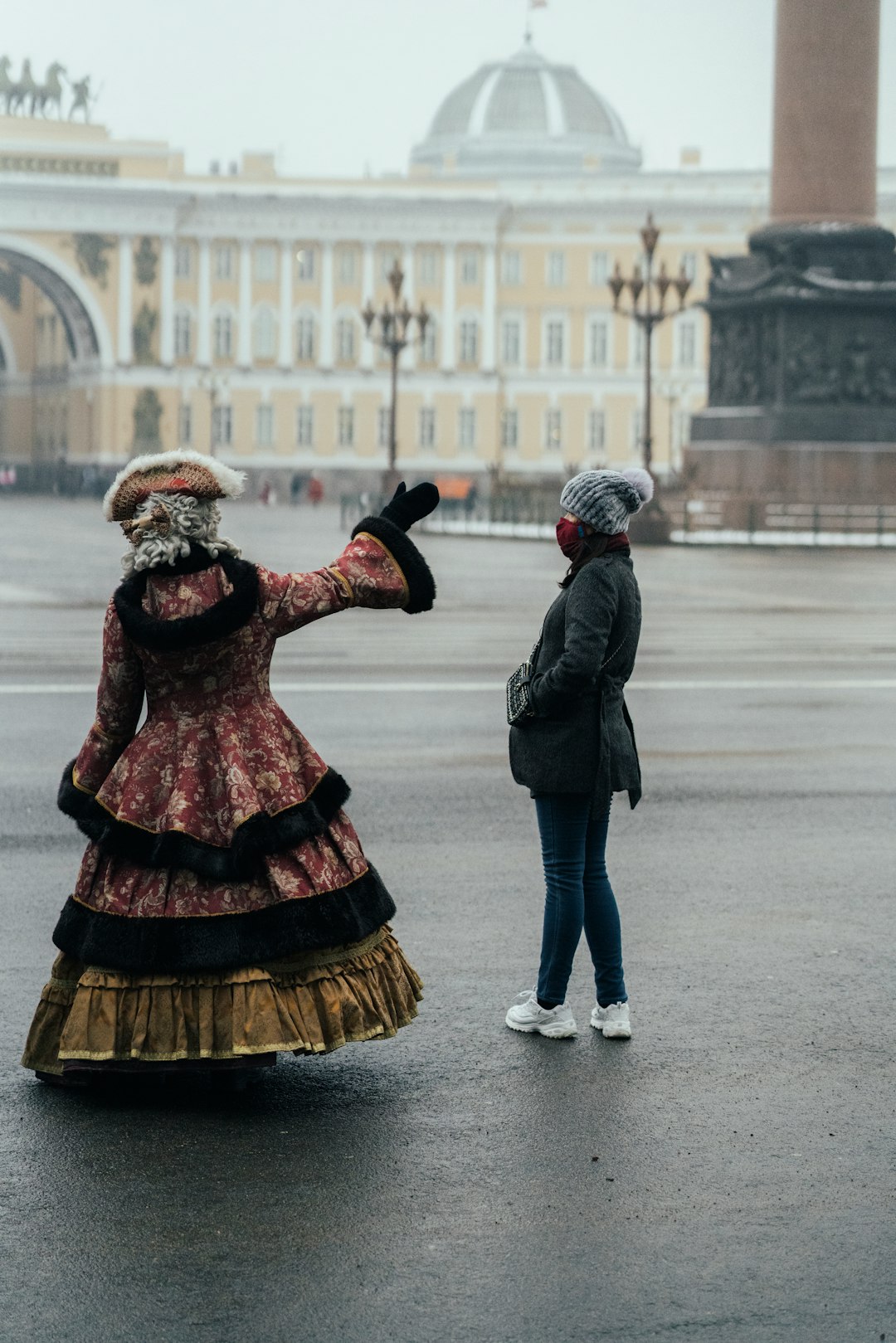
Political tensions between the United States and Russia create additional stress for American expats already struggling with cultural adaptation challenges. The Cyrillic alphabet and Russian language complexity make basic navigation difficult, while bureaucratic processes require extensive documentation and patience. Social interactions follow different patterns than Americans expect, with directness often interpreted as rudeness and personal space concepts varying significantly. Winter weather conditions in most Russian cities prove more severe than many Americans anticipate, affecting mental health and daily activities for months at a time.
Brazil: Beautiful Chaos with Hidden Challenges
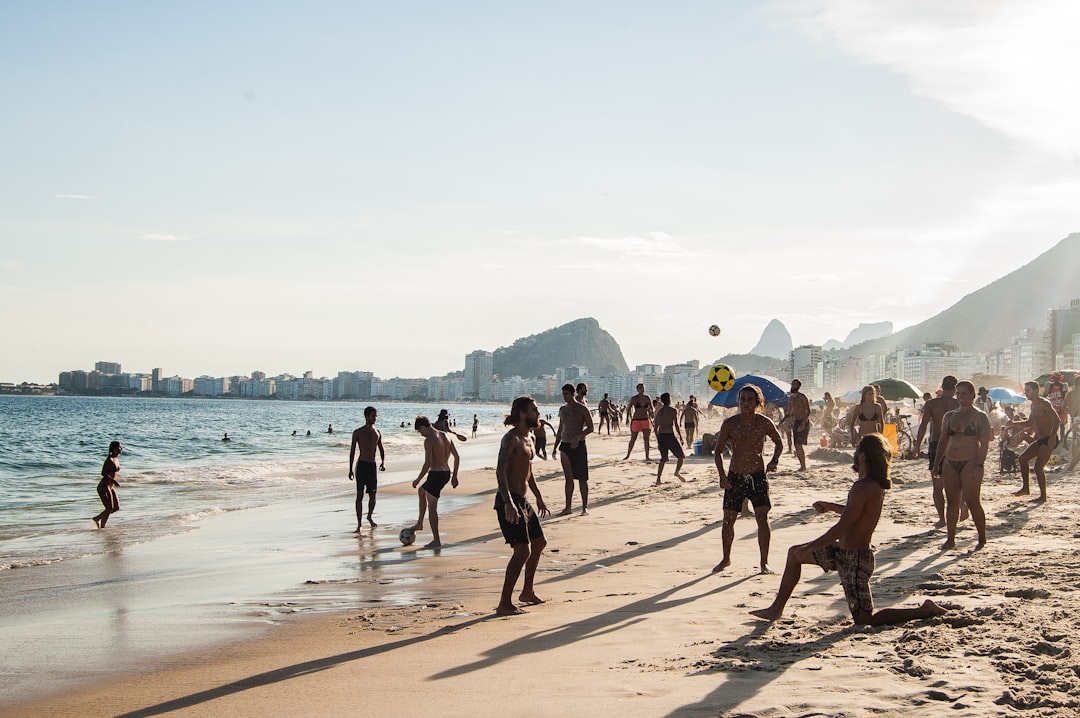
Brazil’s beaches, music, and warm culture attract American expats seeking adventure, yet safety concerns and economic instability create ongoing stress for many newcomers. Portuguese language requirements for professional advancement catch many Americans off guard, as Spanish knowledge provides limited assistance with Brazilian Portuguese nuances. Bureaucratic processes move slowly and require personal connections that take time for Americans to develop. Income inequality and security concerns restrict movement and activities in ways that limit the freedom many Americans expect when choosing to live abroad.