5 Nations Where U.S. Tourists Feel Overcharged Most, Survey Finds
Rising travel costs have become a major concern for American tourists venturing abroad in 2025. High travel costs have been cited as a major barrier to international travel, according to tourism industry reports. The rising expenses of travel have led to a decrease in American tourists who plan to visit Europe in 2025. Tourism industry reports suggest decreased interest in European destinations among international travelers compared to previous years. Let’s explore which destinations are hitting American wallets the hardest this year.
Iceland – The Arctic Price Tag That Shocks

Iceland is widely regarded as one of the most expensive destinations for U.S. tourists, with daily vacation costs reportedly exceeding $400 according to some tourism cost analyses. In addition, the report noted Iceland’s inflation rate is 5.5 percent, adding to the overall costs of hotels, food, and transport. The combination of naturally high prices and currency fluctuations creates a perfect storm for budget-conscious Americans.
Australia – When Down Under Costs Up Top
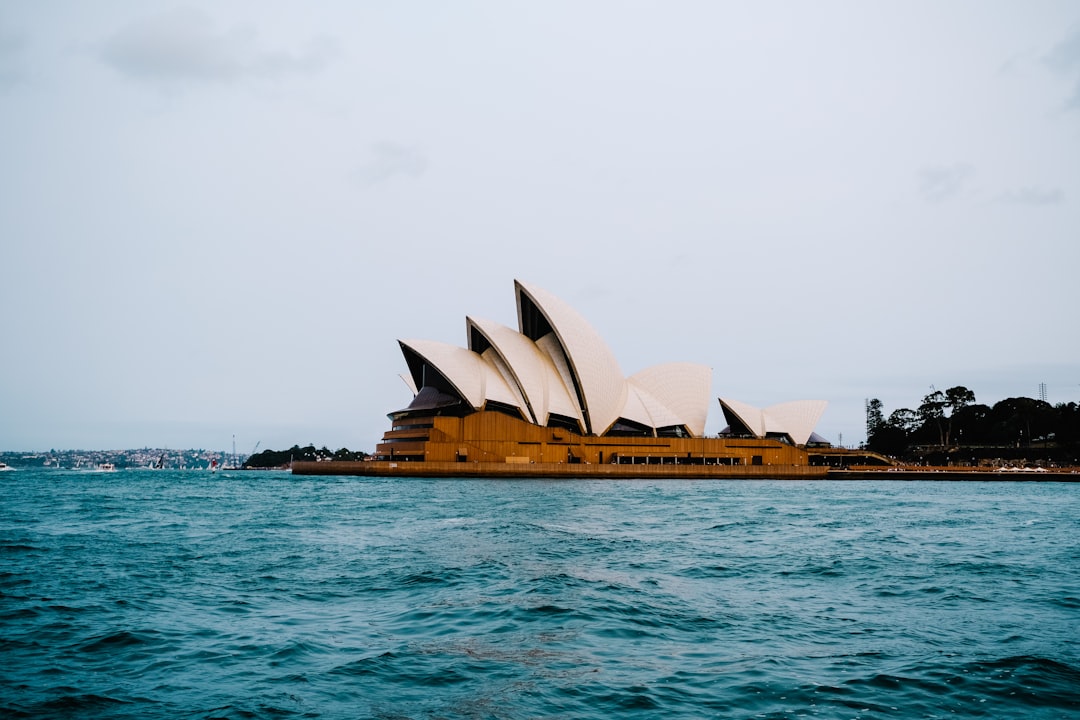
Australia is also considered among the most expensive destinations, with daily vacation expenses reportedly around $280 per day according to some estimates. Inflation in Australia is relatively low – just 2.4 percent – but costs remain high. Despite the relatively stable inflation rate, American tourists consistently report feeling overcharged for basic services and accommodations. The distance factor adds significant airfare costs, making Australia a double financial hit for U.S. travelers seeking an international escape.
Mexico – The Surprising Budget Breaker
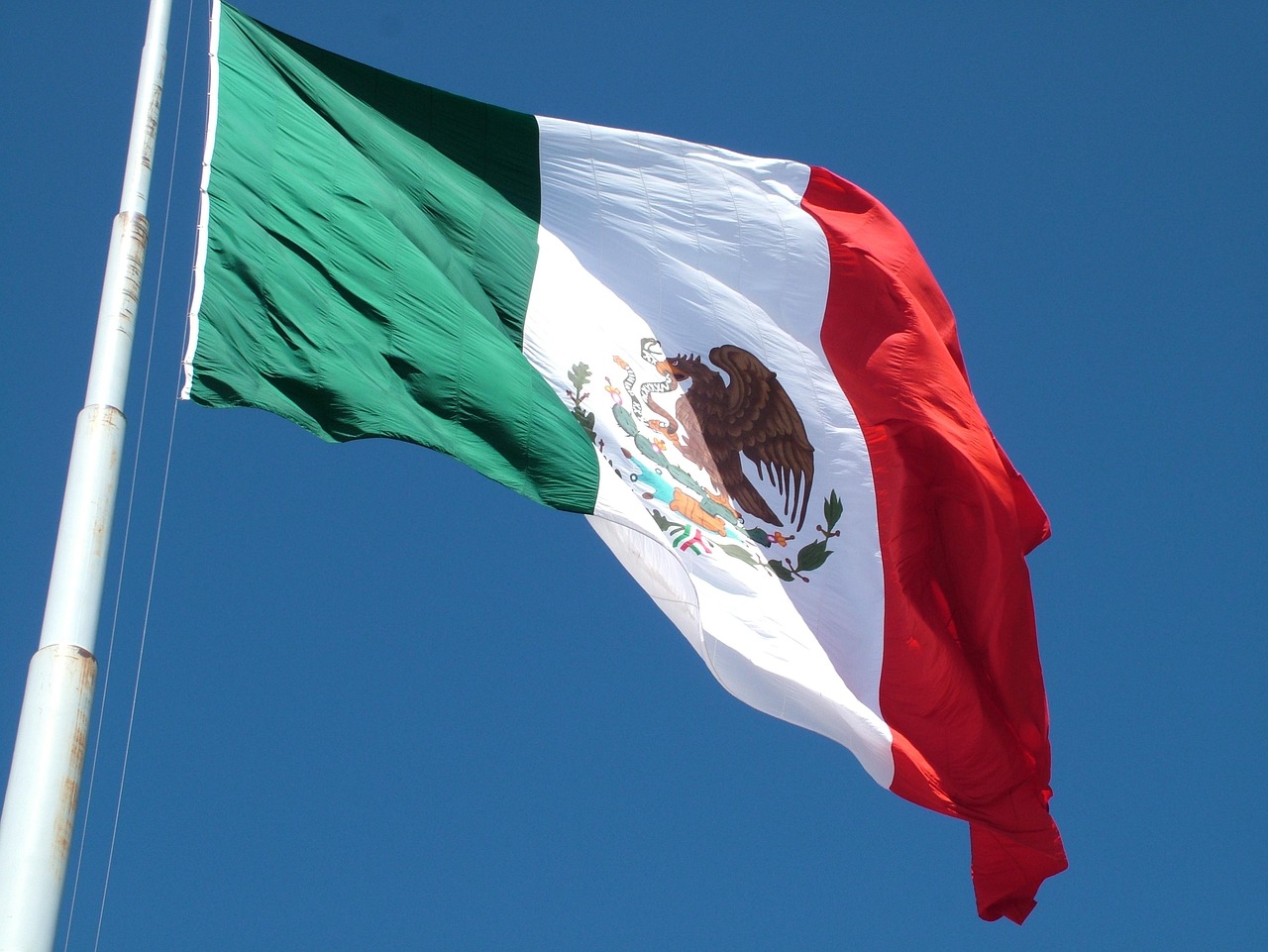
Mexico has become more expensive for American tourists, though currency fluctuations between the peso and dollar continue to vary. This adds to costs for American tourists and may offset the relatively inexpensive prices that would otherwise make Mexico a more budget-friendly destination. Many Americans expect Mexico to be affordable, making the reality of inflated tourist pricing particularly jarring. The strengthened peso has transformed what was once considered a bargain destination into an expensive proposition for U.S. visitors.
Barbados – Caribbean Paradise at Premium Prices
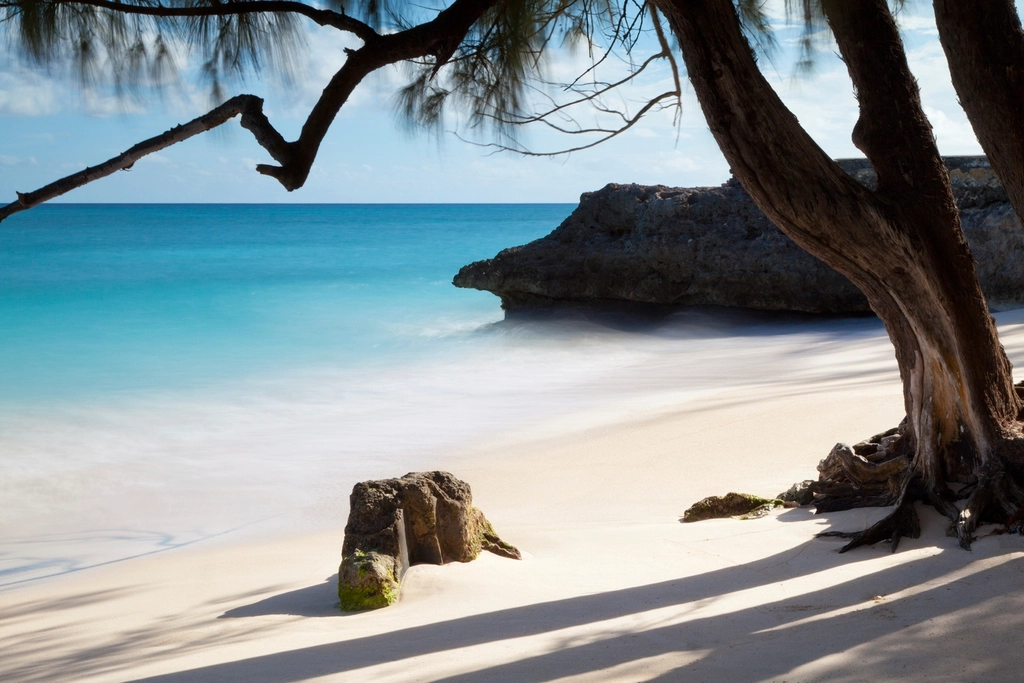
In a recent survey undertaken by Hello Safe, a UK company that helps travelers find the best deals on insurance and financial products, Barbados was named as the world’s most expensive place to travel. Closely followed by various other Caribbean Islands as well as the Maldives, Barbados will cost the average tourist a whopping £264 ($342) per day! Given its high-end accommodation options, ease of access, and its array of exciting activities, Barbados is a firm favorite among American travelers. To add to this, Barbados also appeals to American tourists since it is packed full of hidden gems, and it is a particularly popular destination for honeymooners, families, and solo travelers. The island’s appeal to American tourists makes the high costs particularly frustrating for visitors.
United Kingdom – European Expenses Hit Hard
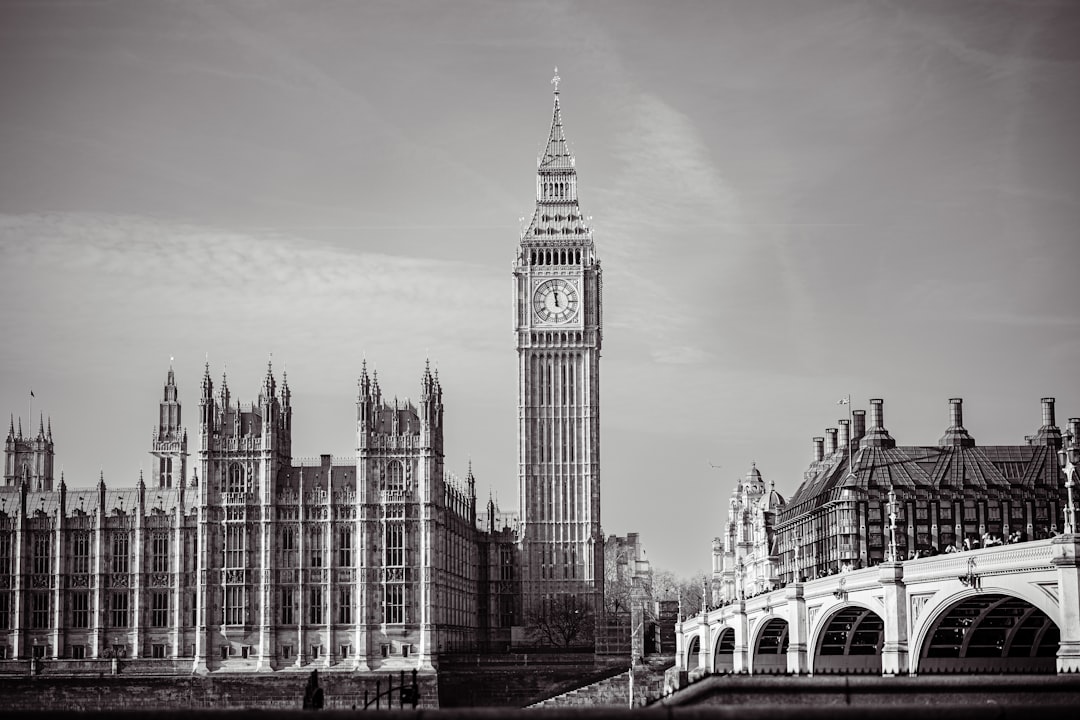
Popular destinations for American tourists in Europe – like the United Kingdom, Germany, and Italy – now cost less thanks to more favorable exchange rates, but high daily prices still keep them in the top 10. (The UK came in at No. 8, Germany came in at No. 9, and Italy came in at No. 10.) Despite improved exchange rates, the UK remains expensive for American tourists. New York ranked as the world’s most expensive city for business travel, with an average daily cost of approximately $685, but London often matches or exceeds these prices for leisure travelers. The combination of accommodation costs, dining expenses, and transportation fees creates significant financial pressure for American visitors.
The data reveals a troubling trend for American travelers seeking international adventures. When they chose where to vacation in 2024, the factors that held the most importance were the destination itself (53%), cost (48%) and the experiences or activities available (30%). In 2025, priorities have shifted slightly; cost will be the driving factor (52%), with destination coming second (49%). This shift demonstrates how price concerns are reshaping American travel decisions worldwide.
What are your thoughts on these expensive destinations? Have you experienced sticker shock while traveling abroad?