6 Animals Humans Are Naturally Hardwired to Fear
Think about the last time you saw a spider scurrying across your floor or a snake slithering through the grass. Your heart probably raced, your palms got sweaty, and you might’ve even jumped back before you had a chance to think about it. Let’s be real, most of us aren’t being chased by predators on a daily basis anymore, yet certain animals still trigger an instant fear response that seems almost automatic.
Scientists have spent decades trying to figure out why we react this way to specific creatures while staying relatively calm around others that might actually be more dangerous. The answer lies deep in our evolutionary past, written into our neural circuits millions of years ago. Our ancestors who spotted danger quickly and responded appropriately lived long enough to pass on their genes, and we’re still carrying that legacy today.
Snakes
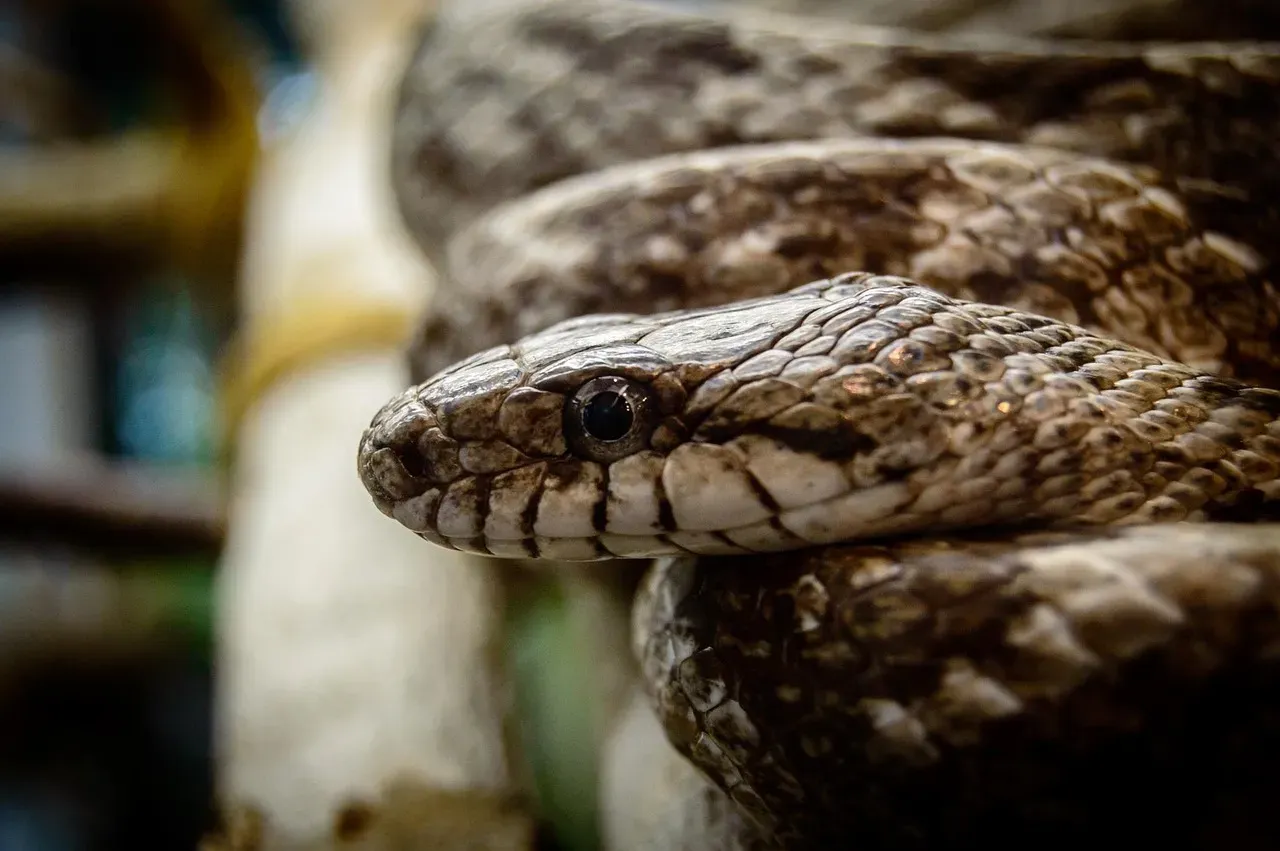
Here’s the thing about snakes – they’ve been hunting primates since long before humans even existed. Snakes are primates’ oldest predators and have been killing people since before people were people. More than 125,000 humans are killed by venomous snake bites annually, making them one of the deadliest animals on the planet even today. Yet honestly, it’s not just about the numbers.
Babies as young as six months old feel stressed when seeing snakes, long before they could have learned this reaction. Researchers discovered this by showing infants images of snakes while measuring their pupil dilation, a telltale sign of stress. When babies saw pictures of snakes and spiders, they consistently reacted with larger pupils than when shown control images of flowers and fish, suggesting that a fear of these creatures could be innate. Our brains evolved specialized detection systems that make us spot snakes faster than almost any other visual stimulus.
Research in evolutionary psychology suggests that threats likely to cause injury or death have shaped the human brain’s fear response, resulting in cognitive mechanisms that prioritized survival. What’s fascinating is how specific this gets. Our vision has evolved to spot their shape and patterns even before we’re consciously aware of them and our neurons activate a fearful reaction. We’re not alone in this response either – most primates show similar reactions to snakes, suggesting this fear dates back roughly 40 to 60 million years of coevolution.
Spiders
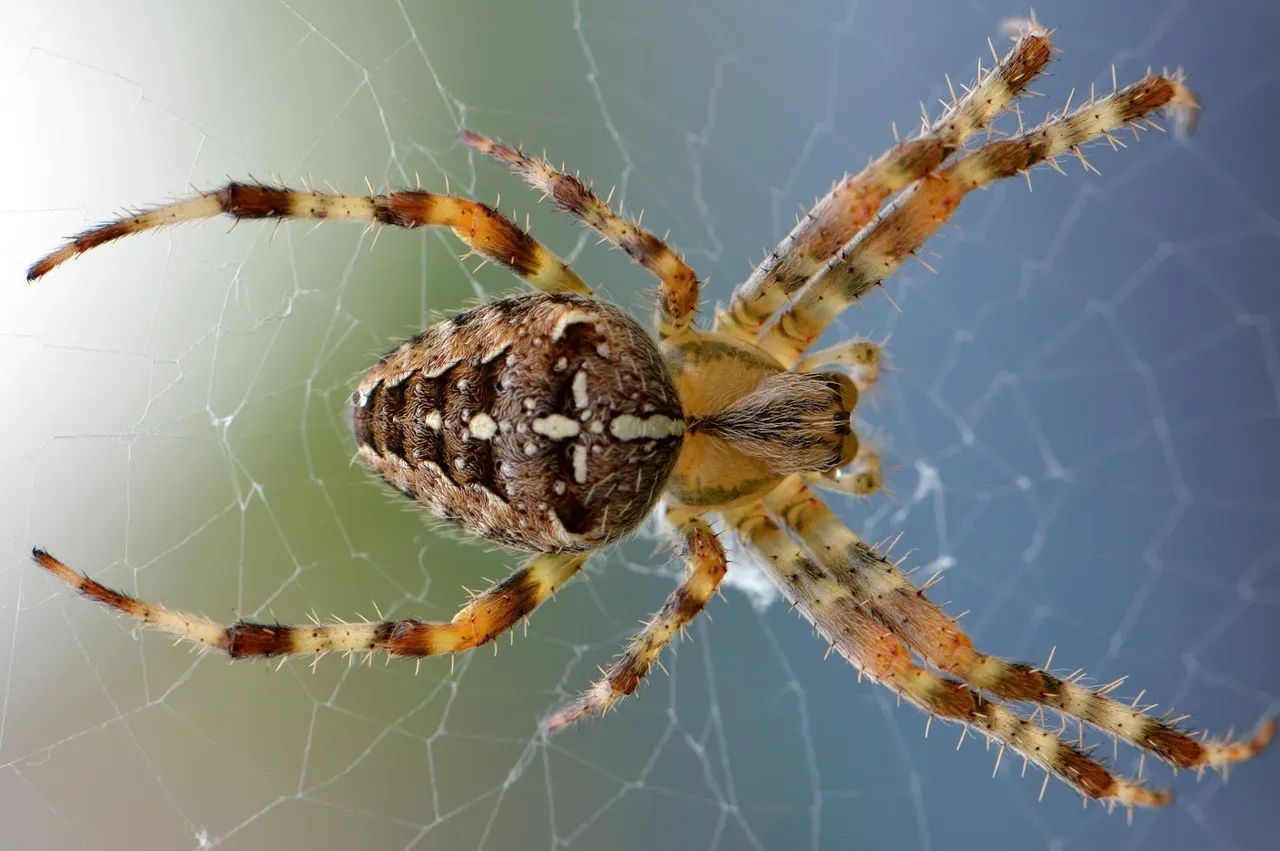
I know it sounds crazy, but we’re hardwired to notice spiders incredibly quickly, even when they’re tiny or partially hidden. A study examining animals perceived as most frightening by Somali people found that snakes, scorpions, the centipede, and large carnivores topped the list, followed up by lizards and spiders. The spider fear phenomenon is so widespread that it has its own name – arachnophobia – and snake phobia is more prevalent at 2.6% than phobic fear of driving at 1.1%.
Research shows something really interesting about spider detection. Studies have shown that humans are biologically prepared to detect and respond to snakes more rapidly than to other stimuli, indicating a default attentional bias toward these creatures, and the same applies to spiders. Even three-year-olds can pick out spiders from a grid of images faster than flowers or other similarly shaped creatures. Children who haven’t yet developed spider fear can spot them just as quickly as fearful children, suggesting the detection mechanism exists independently from the fear itself.
Even in infants a stress reaction is evoked when they see a spider or a snake. The fascinating part? This occurs already at the age of six months, when infants are still very immobile and have had little opportunity to learn that these animals can be dangerous. Still, not everyone ends up terrified of spiders. Some people keep them as pets or study them professionally, which shows that while the attentional bias is innate, actual fear development depends heavily on experience and learning.
Large Carnivores
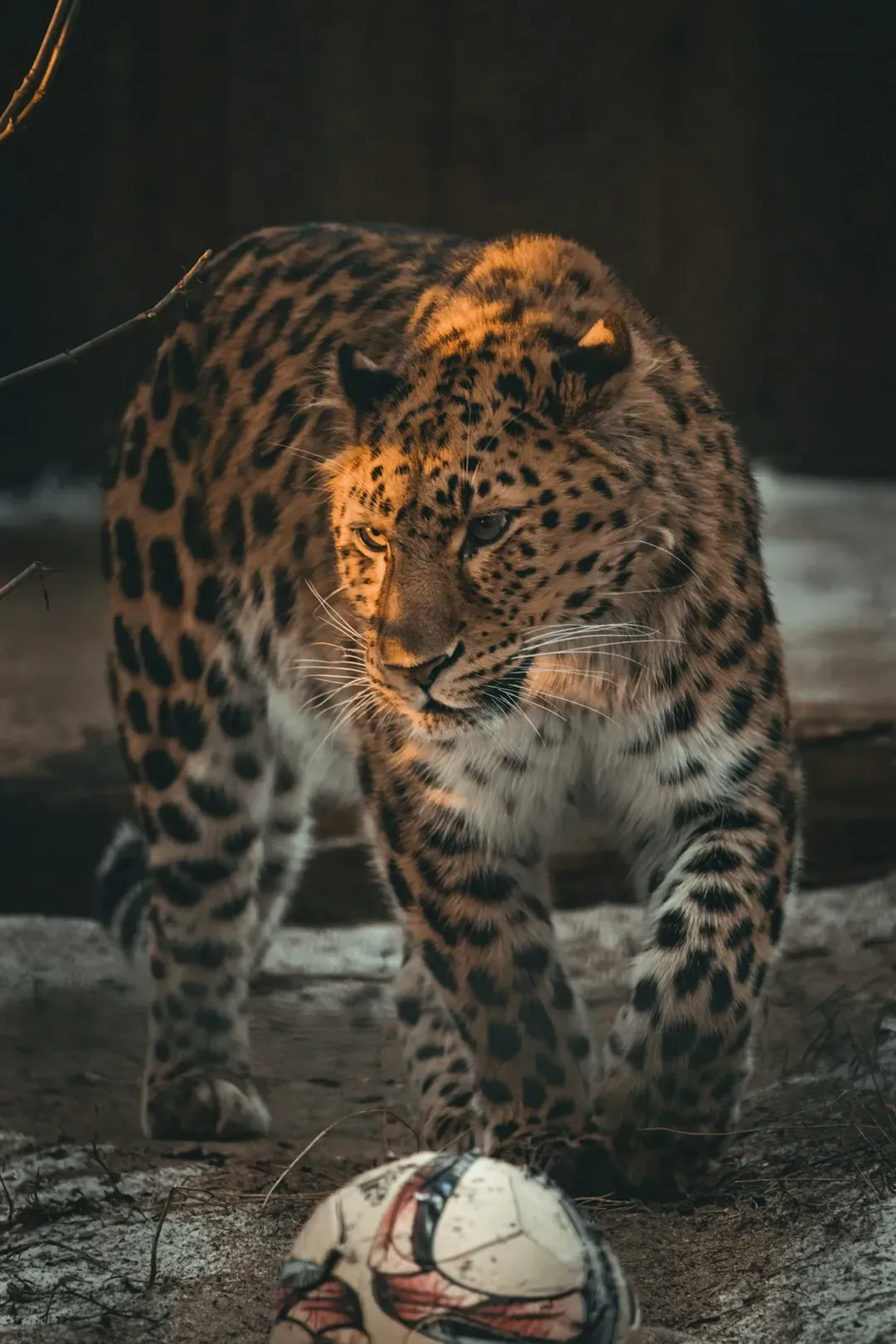
Large carnivores like cheetahs and hyenas rank among the most frightening animals in regions where humans have evolved. Throughout human evolution, big predators represented an immediate and deadly threat. Human ancestors faced immediate physical dangers from predators and conspecifics belonging to other tribes, as well as insidious risks posed by parasites and pathogens. These weren’t abstract fears – they were life-or-death situations that occurred regularly enough to shape our entire threat-detection system.
Think about it – lions, tigers, and bears have the size, speed, and weaponry to kill adult humans quickly. Bear attacks are extremely rare, and although there are thousands of human-bear encounters every year, only a very few result in personal injury, with most bears actually retreating before you are even aware of their presence. Yet we’re still terrified of them. Lightning strikes and bear attacks are more common than shark bites, yet of the more than 500 species of shark, only a handful have ever attacked humans.
The amygdala as a key component of the brain’s fear circuitry played a primordial role in the detection of phylogenetic threats and the initiation of a rapid and instinctual fight-or-flight response. This means when you encounter a large predator, your brain doesn’t wait for conscious analysis – it triggers an immediate survival response. Modern safety has only existed for a tiny fraction of our evolutionary timeline, so these ancient alarm systems remain fully operational.
Sharks
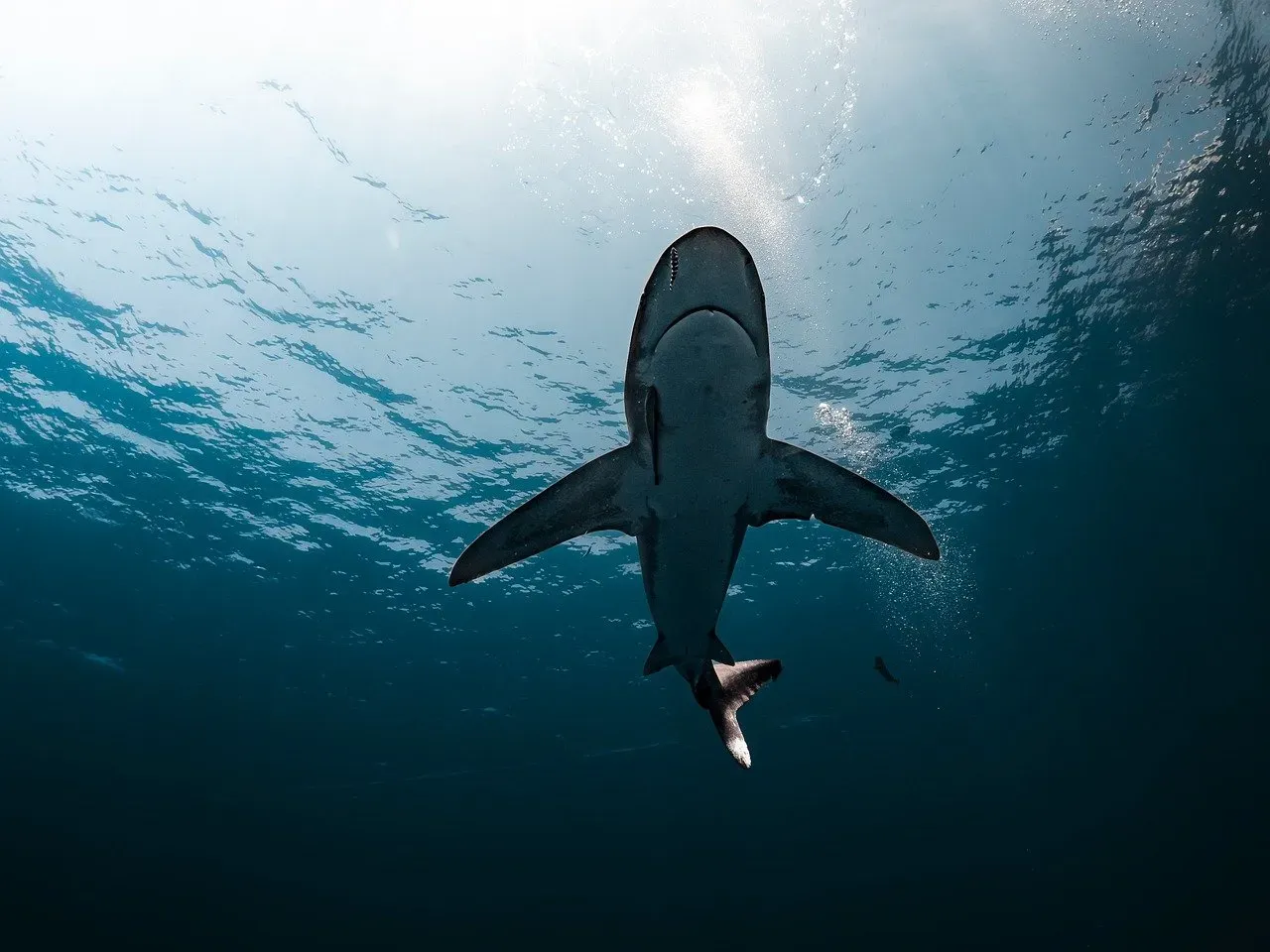
Let me be honest – sharks terrify a huge portion of humanity despite being statistically one of the least dangerous animals we regularly encounter. Fifty-one percent of Americans admit they are scared of sharks and 38 percent are so terrified that they won’t even go in the water. This fear has a specific name – galeophobia – and it persists even in landlocked areas that have never experienced a shark attack.
While 100 million sharks are killed by humans yearly, only five to eight people die in shark attacks worldwide. The disconnect between risk and fear is enormous. There were only 36 unprovoked shark attacks in the United States in 2023, according to the Florida Museum of Natural History, and they caused two deaths. For comparison, heart attacks outnumber shark attacks in this country by over 20,000 to one.
So why the intense fear? Sharks differ from other potentially dangerous predators like tigers, bears and wolves in that not only do they rule an oceanic environment uniquely hostile to humans but also, in contrast to frolicking bear and tiger cubs or maternal qualities of a she-wolf, possess zero cuddly or cute qualities that might elicit empathy from our own species. The Jaws Effect – a known phenomenon where people are excessively and irrationally scared of sharks – still influences people’s perceptions of sharks nearly 50 years after the first Jaws movie. The combination of their alien underwater domain, predatory appearance, and cultural amplification creates a perfect storm of fear.
Wolves
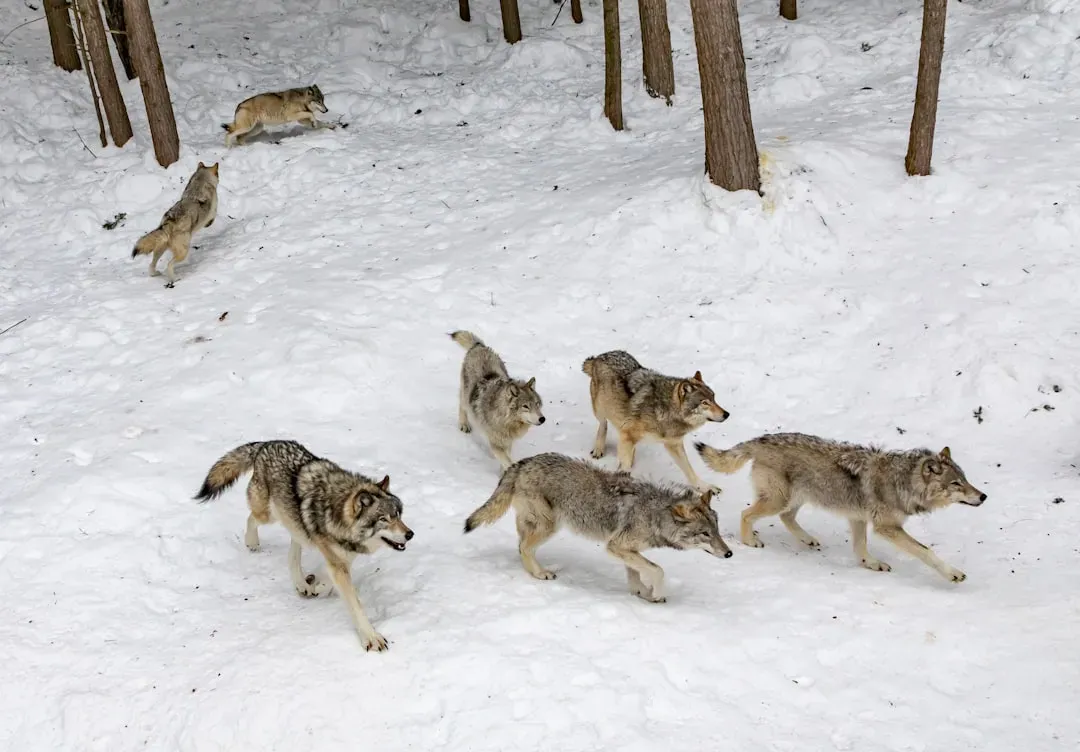
Wolves occupy a complicated space in human psychology. Throughout history, they’ve been both feared predators and respected pack animals that some researchers believe inspired early human social cooperation. Coyotes and wild wolves aren’t historically much of a threat to humans in North America, but they have killed a few people each. In reality, wolf attacks on humans are exceptionally rare in modern times.
Over evolutionary time, humans faced danger from predatory animals ranging from mammalian carnivores to venomous animals such as spiders and snakes, from hostile members of their own species, from invisible pathogens, from loss of status and social exclusion, and from dangerous environmental features. Wolves fell squarely into that first category for our ancestors. They hunted in coordinated packs, operated at night when human vision is poor, and competed with early humans for the same prey animals.
Here’s what’s interesting about wolf fear compared to some other predators. There’s a common story in ecology that these predators deliberately avoid humans, and many key ecological theories hinge on this story. Modern wolves have largely learned to stay away from human settlements, yet the ancient fear response remains embedded in our nervous system. Fairy tales like Little Red Riding Hood and The Three Little Pigs perpetuate cultural narratives of wolf danger, keeping the fear alive across generations even in populations that haven’t encountered wild wolves in centuries.
Scorpions
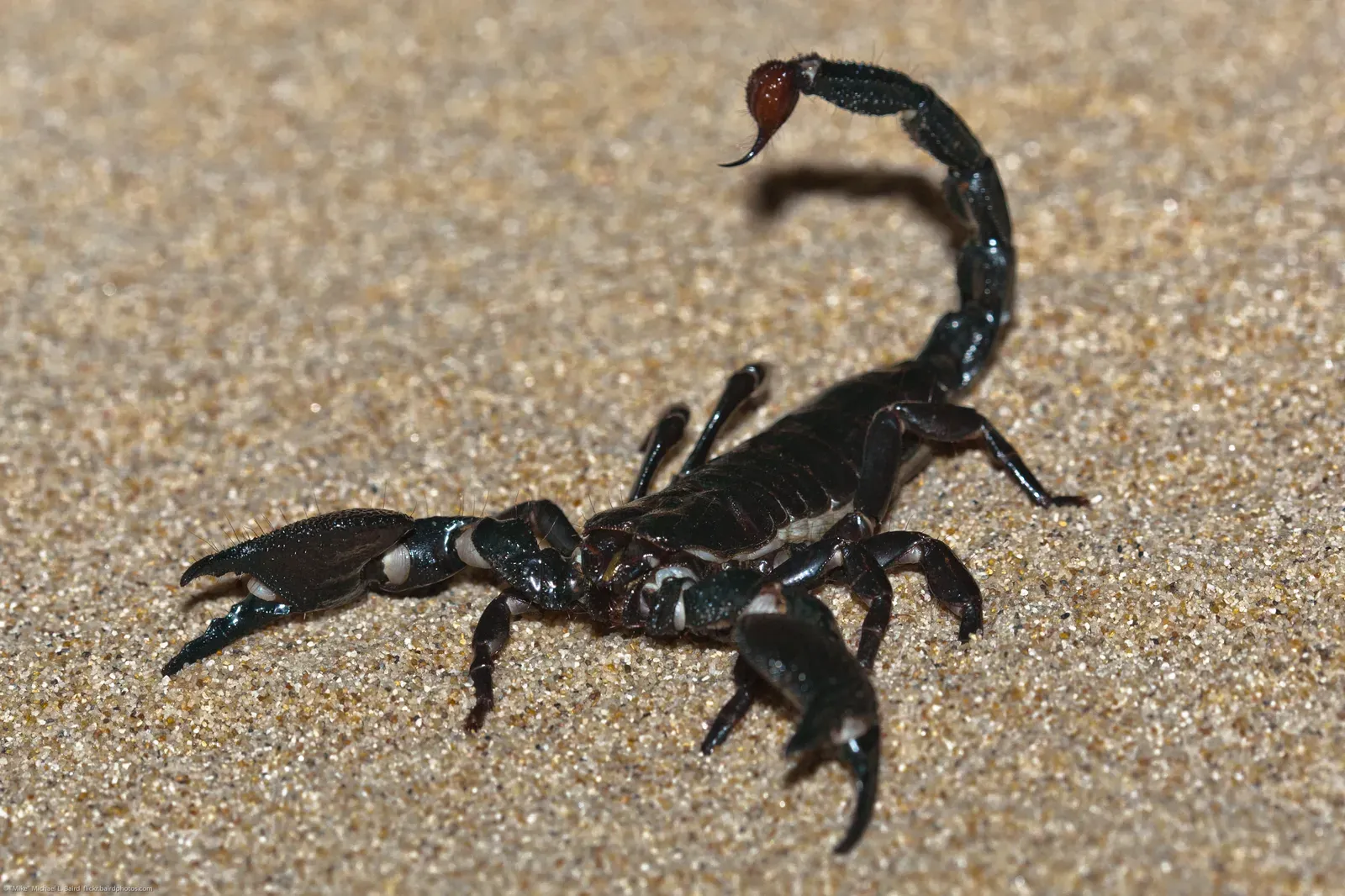
Among the most frightening animals ranked by people inhabiting environments where humans have evolved are snakes, scorpions, and the centipede, with scorpions representing more salient stimuli than spiders for Somali respondents. This makes sense when you consider their venomous stings and tendency to hide in dark places where humans might accidentally encounter them. Scorpions have coexisted with humans in certain regions for millennia, creating plenty of opportunities for fatal encounters.
What makes scorpions particularly fear-inducing is their combination of features – the venomous tail, multiple legs, rapid scuttling movement, and nocturnal habits all trigger our threat-detection systems. They’re small enough to hide almost anywhere but dangerous enough to kill, especially in species with particularly potent venom. Like snakes and spiders, scorpions have been part of the human threat landscape for millions of years, plenty of time for natural selection to favor individuals who avoided them.
Eye-tracking studies focusing on scorpions and snakes in Somaliland provide supportive evidence for heightened attention. The speed at which people from these regions detect scorpions suggests an evolved attentional bias similar to what we see with snakes and spiders. Interestingly, this fear varies by geography and experience – people in scorpion-dense regions show stronger reactions than those who’ve never encountered them, suggesting both innate detection mechanisms and learned fear components working together.
Our ancestors survived by being hypervigilant around these creatures. That same vigilance lives on in us today, sometimes causing disproportionate fear but originally serving as essential protection. While we now face more danger from cars and heart disease than from animal attacks, our brains haven’t caught up to modern reality. These ancient fear circuits remain as active as ever, a reminder that evolution moves much slower than civilization. The next time you feel that jolt of fear at the sight of a snake or spider, remember – you’re experiencing millions of years of survival wisdom compressed into a single moment.