The 5 Processed Foods Scientists Now Link to Early Cognitive Decline
Most of us know processed foods aren’t great for our waistlines or heart health. Yet here’s something that might really make you rethink that next convenience meal: emerging research from around the globe suggests certain ultra-processed foods could be accelerating cognitive decline far earlier than we ever imagined. We’re not talking about dementia appearing in our eighties. Recent studies track people for decades and find measurable changes in thinking and memory beginning in middle age. Let’s be real, the food choices we make today might be shaping how sharp our minds stay twenty or thirty years from now. So which processed foods should genuinely concern us?
Processed Meats: The Stealthiest Brain Saboteur

Research from Virginia Tech published in 2025 linked consumption of at least one serving of ultra-processed meat daily to poor memory and cognitive issues. That’s basically two slices of bacon, a hot dog, or some deli meat. Think about that for a second.
Studies found the increased dementia risk was linked to people eating at least a quarter of a 3-ounce serving of processed red meat daily – equivalent to two slices of bacon, one and a half slices of bologna, or a hot dog, compared to those eating minimal amounts. People consuming roughly two servings a week had a higher risk of dementia than those eating about three servings a month.
Scientists believe the issue lies with compounds like nitrites, sodium, and other preservatives found in bacon, sausages, hot dogs, and deli meats. These substances may promote inflammation in the brain and damage blood vessels over time. Honestly, when you consider how much processed meat shows up in American diets, that’s a lot of potential risk piling up.
Sugary Beverages: A Six Percent Problem Per Can
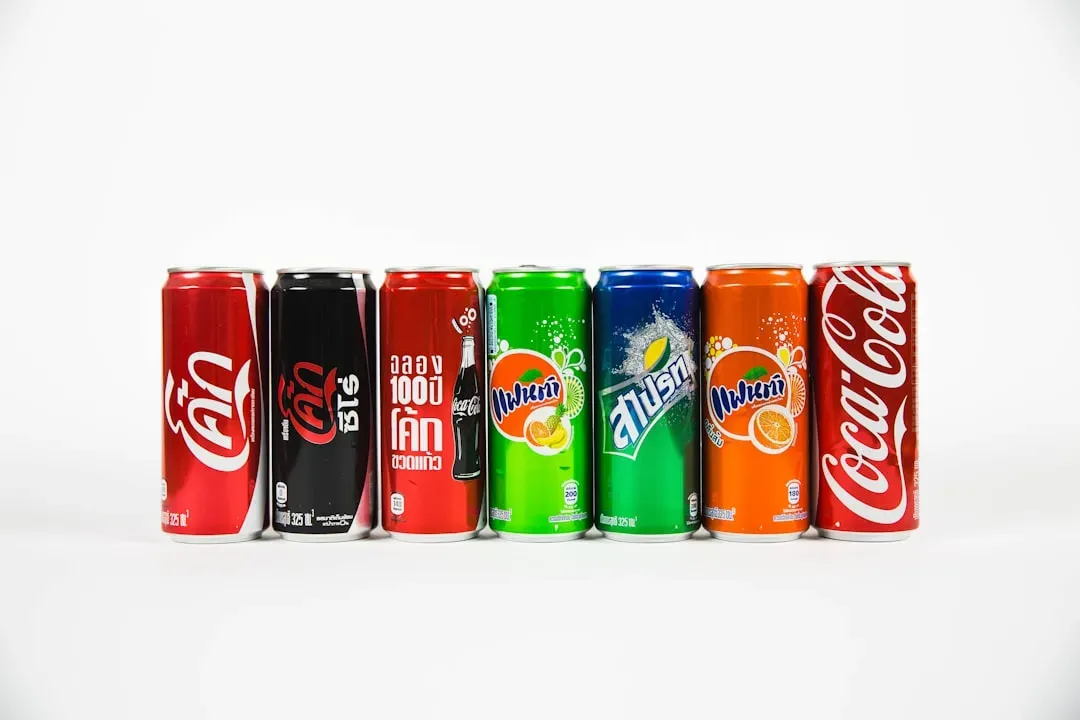
According to the Virginia Tech research tracking U.S. residents over seven years, consumption of sugary beverages was linked to cognitive impairment. That might sound small until you realize many people drink multiple sodas daily.
The sugar content in these drinks creates rapid spikes in blood glucose, potentially damaging brain cells over time. Five studies investigating sugar-sweetened beverages found they were associated with impairment in executive functioning, global cognitive function, memory, and attention. Some research even suggested links to Alzheimer’s disease specifically.
What makes this particularly concerning is how ubiquitous these drinks are. Energy drinks, sweetened iced teas, lemonades, and fruit punches all fall into this category. The brain essentially gets bombarded with sugar it doesn’t need, and the cumulative effect appears significant.
Diet Drinks and Artificial Sweeteners: The False Safety Net

Many people switched to diet sodas thinking they’d outsmarted the problem. Turns out, that strategy might backfire. Researchers found people who consumed the highest amounts of artificial sweeteners showed faster declines in thinking and memory skills than those who consumed the lowest amounts.
The artificial sweeteners examined included aspartame, saccharin, acesulfame-K, erythritol, xylitol, sorbitol and tagatose, mainly found in flavored water, soda, energy drinks, yogurt and low-calorie desserts. Even stevia and other “natural” alternatives weren’t necessarily safe bets.
The mechanisms aren’t entirely clear, though some research points to these sweeteners potentially altering gut bacteria or affecting glucose metabolism in unexpected ways. Either way, the idea that diet drinks are harmless brain-wise doesn’t hold up anymore.
Fast Food Meals: The Perfect Storm of Cognitive Risk

Fast food represents perhaps the most dangerous combination: high sodium, unhealthy fats, refined carbohydrates, and minimal nutritional value all in one convenient package. High consumption of ultra-processed food has been linked to an increased Alzheimer’s disease risk.
Ten servings sounds extreme until you break down a typical fast food meal. A burger counts as multiple servings of processed food. Add fries and a drink, and you’re easily hitting that threshold. Higher consumption of ultra-processed foods has been associated with an increased risk of cognitive impairment.
The combination of ingredients matters too. It’s not just one harmful component but the synergy of refined grains, saturated fats, sodium, and additives working together to potentially damage brain health over decades of consumption.
Packaged Snacks and Convenience Meals: Death by a Thousand Bites
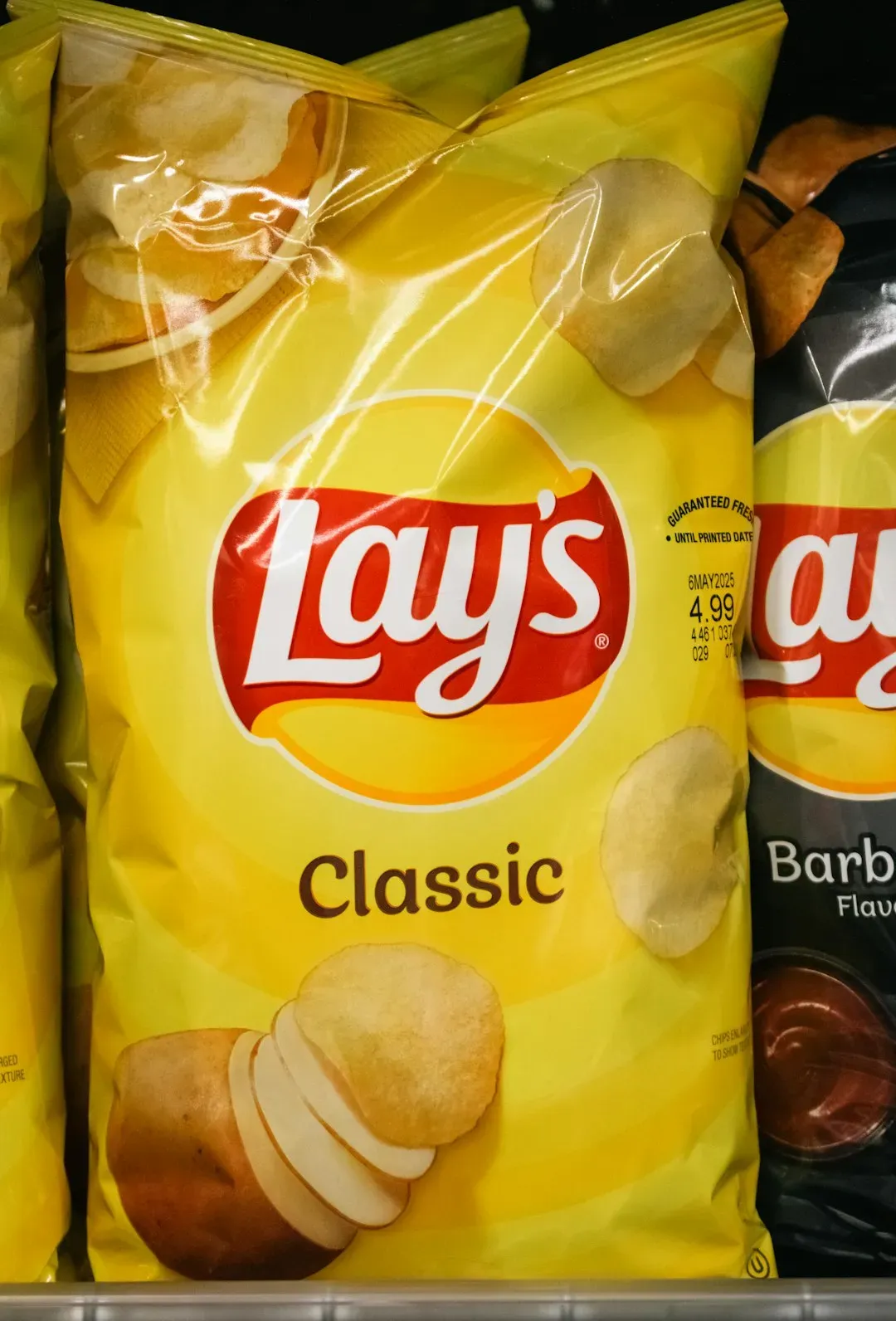
Chips, crackers, packaged cookies, frozen dinners, flavored cereals. These seem innocuous because we eat them in smaller quantities throughout the day. Yet their cumulative impact appears substantial. Participants who reported consumption of ultra-processed foods of more than 19.9% of daily calories had a 28% faster rate of global cognitive decline compared with those consuming less, according to an eight-year Brazilian study.
People who ate a large amount of ultra-processed food in their diets experienced a 28% faster rate of cognitive decline compared with people who ate very little of it. These foods typically lack the fiber, antioxidants, and beneficial compounds found in whole foods while concentrating sugars, unhealthy fats, and artificial additives.
The scary part? Twenty percent of daily calories from these foods isn’t that much when you think about it. A bowl of sugary cereal for breakfast, some crackers as a snack, and a frozen meal for dinner could easily get you there. The research suggests our brains pay a price we don’t notice until years later.
Scientists emphasize that even small reductions matter. Switching out 10% of ultra-processed foods with unprocessed or minimally processed foods could lower dementia risk by 19%. Simple swaps like choosing nuts over chips or cooking fresh meals instead of reheating frozen dinners might genuinely protect cognitive function as we age. The evidence keeps mounting that what we eat shapes not just our physical health but how well our minds work decades from now.