Flight Attendants Reveal 6 Passenger Habits That Get You Better Treatment
Most of us spend hours searching for the best seat, the cheapest upgrade, or the secret hack that guarantees a free drink at 35,000 feet. The truth? The real advantage has nothing to do with booking tricks or expensive loyalty programs. It comes down to how you actually behave once you step onto that plane.
Flight attendants are first and foremost safety professionals, often seen as just servers. They are trained in all manner of emergency situations, and most genuinely love their jobs and do everything they can to make flights as pleasant as possible. So it makes sense that the passengers who understand this – and act accordingly – get treated very differently from everyone else. What follows might just change the way you fly forever. Let’s dive in.
1. Greet Them at the Door Like a Human Being
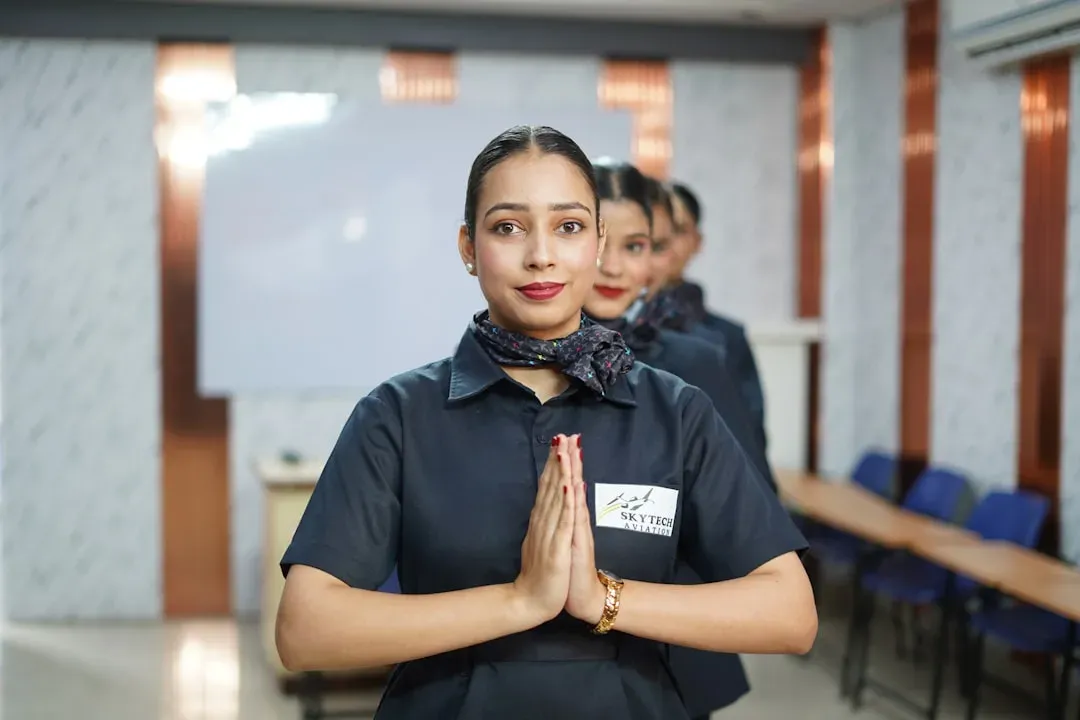
Here’s a surprising reality that most travelers walk right past, literally. Behind every friendly greeting at the aircraft entrance is a highly trained professional conducting essential safety, operational, and behavioral assessments. These evaluations help ensure that the cabin is secure, passengers receive the support they need, and the flight operates smoothly from boarding to arrival.
A simple “hello” or “good day” is always appreciated when boarding. It sounds almost laughably basic, but the vast majority of passengers just shuffle past without even making eye contact. Flight attendants notice – and remember – who treated them like a person from the very first second.
At airports like New York JFK or London Heathrow, crews interact with hundreds of passengers during boarding, giving them only seconds to identify behavioral cues. The assessment begins immediately, and the information gathered helps crews prepare for in-flight operations and manage possible disruptions. Being warm, calm, and friendly during those few seconds genuinely sets the tone for your entire journey. You are not just another face in the queue when you smile and say hello.
2. Say Please and Thank You When Ordering
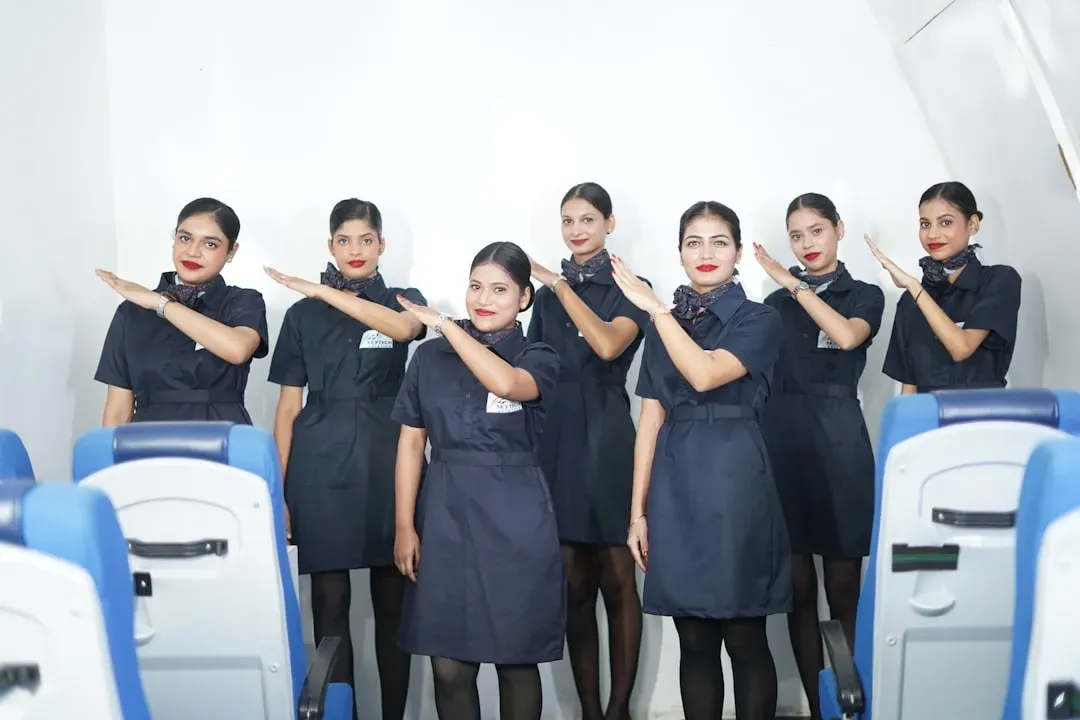
It sounds so obvious that it’s almost embarrassing to write. Yet flight attendants consistently single this out as one of the behaviors that makes the biggest difference. Flight attendants love passengers who say please and thank you when ordering food or drink. That’s the full list. No special trick required.
Passengers get “bonus points” for making any special requests upfront – for instance, telling the flight attendant you would like two creams and two sugars in your coffee. Flight attendants find this clarity so appreciated that they might just slip you a mini bottle of something extra. Think of it like ordering at your favorite neighborhood café. Clarity plus courtesy equals a noticeably warmer response.
Simply put, manners matter. I know it sounds crazy, but in a cabin full of stressed, tired, demanding passengers, the person who says “please” with a genuine smile stands out like a lighthouse. A survey by the Association of Flight Attendants found that roughly nine in ten had encountered unruly passenger behavior within a year, and nearly one in five incidents involved physical aggression. Against that kind of daily backdrop, a polite passenger is genuinely refreshing.
3. Remove Your Headphones When They Approach
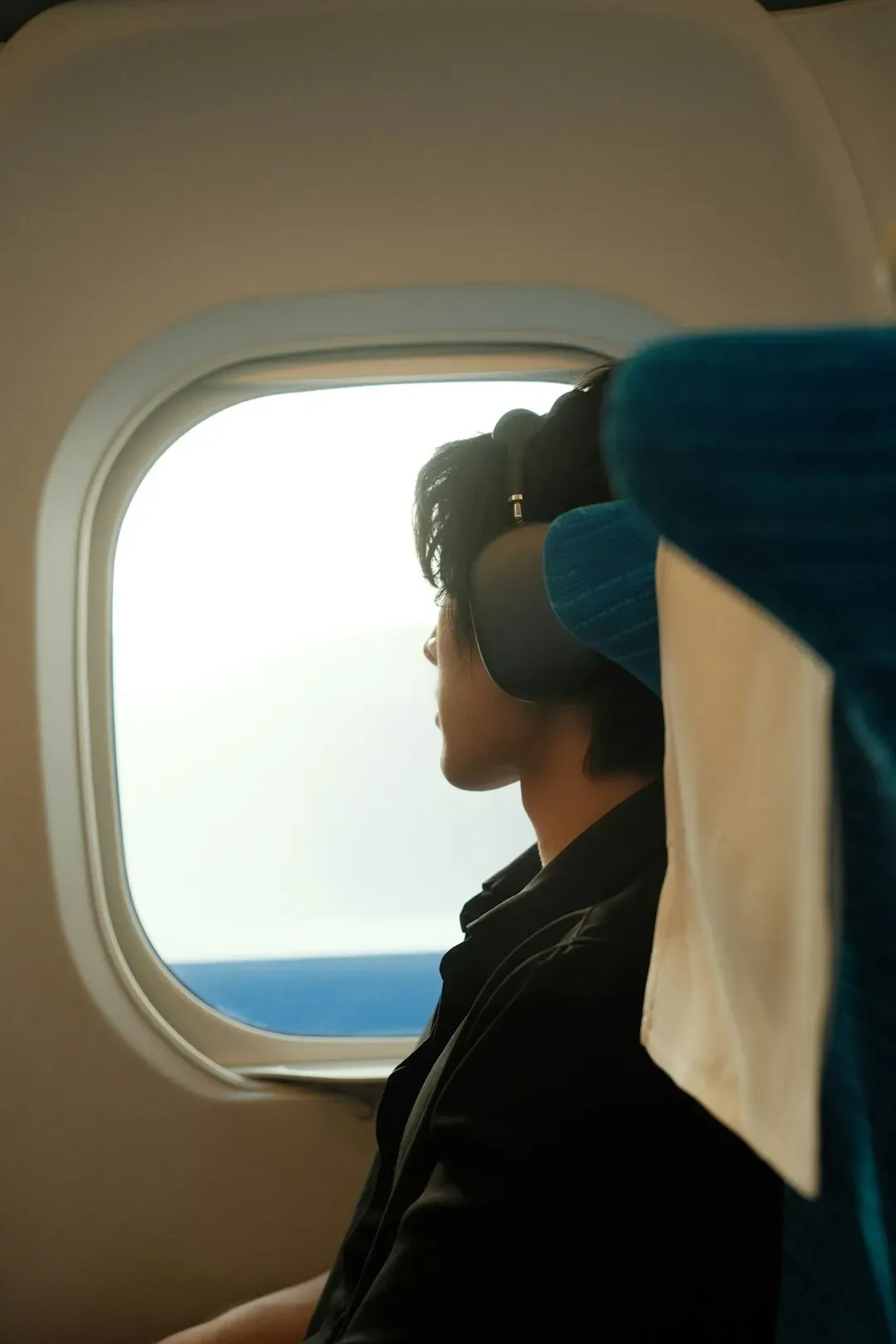
It’s hard to hear the flight attendant when you’re wearing headphones. This leads to passengers saying “huh” and “what” when a flight attendant attempts to take their drink order. Honestly, few things communicate disrespect more efficiently than forcing someone to repeat themselves twice while you fumble with an earbud.
Flight attendants appreciate it when you remove your headphones or turn them off when you see them coming down the aisle. You don’t even need to wait until they reach you. The act of proactively removing them signals awareness and respect, before a single word is exchanged.
Between the constant white noise, chatty passengers, and the occasional baby crying, it’s already a challenge to hear each other on board. Making eye contact, taking out your earbuds, and speaking clearly is a small gesture that makes a big difference. Flight attendants are juggling an enormous number of tasks simultaneously. Making their job even slightly easier earns you goodwill that can translate into better service all flight long.
4. Respect the Seatbelt Sign and Timing Your Bathroom Breaks
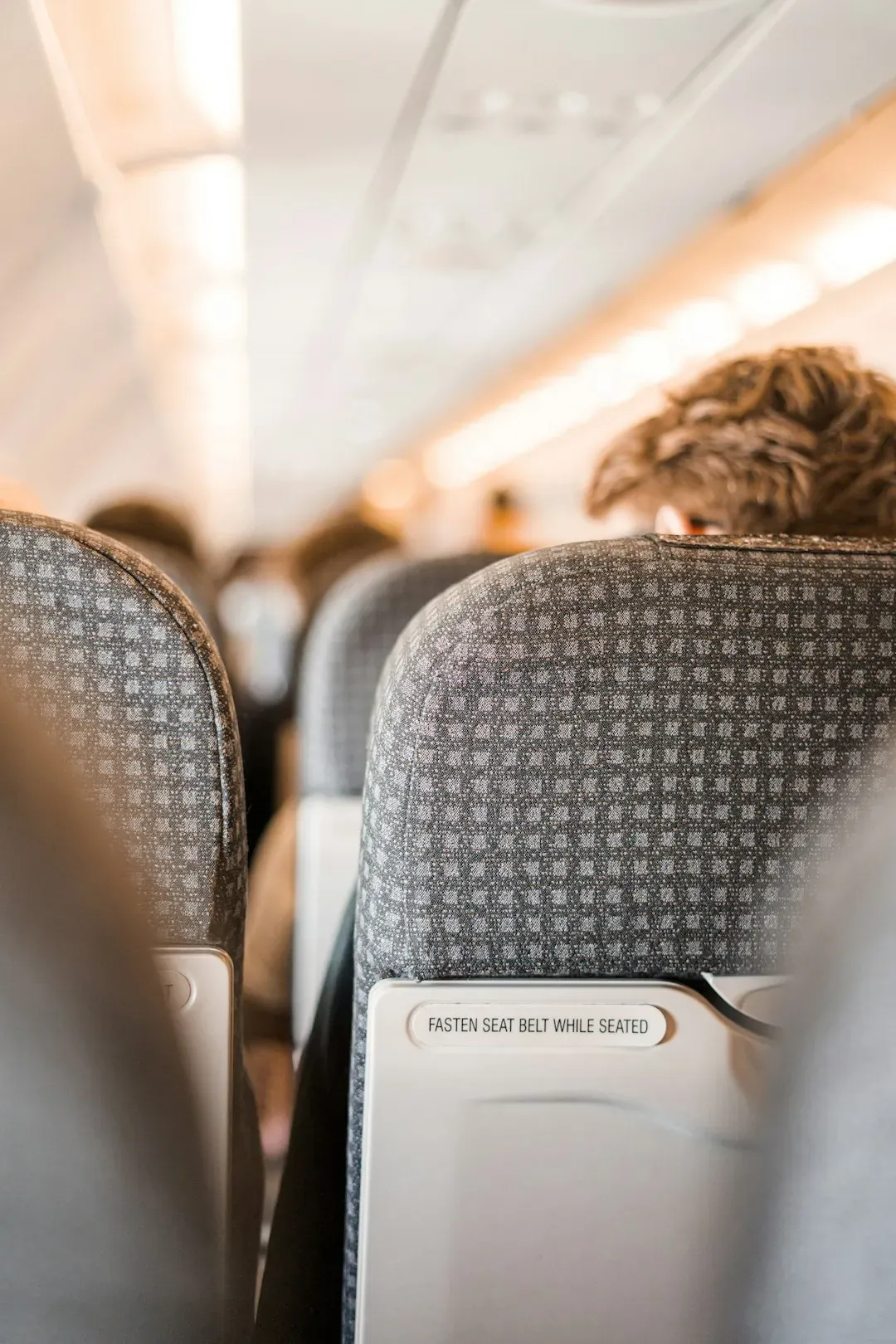
Flight attendants love passengers who respect the seatbelt sign. This one goes deeper than simple rule-following. FAA data from 2009 to 2024 shows there were 166 serious crew injuries versus 40 passenger injuries from turbulence, meaning that about four in five victims were flight attendants. When you ignore the seatbelt sign and wander the aisle, you’re not just risking yourself.
Airline aisles are tight and narrow. There’s no room to pass a drink cart during beverage service. When passengers try to squeeze past, it’s very frustrating, irritating, and rude. Instead, wait to get up after the flight attendants finish service and return to the galley. It’s a small thing, but it shows you understand that the cabin operates on a rhythm.
The FAA advises keeping your belt fastened whenever you’re seated, not just when the sign is on. Passengers who understand this – and who time their bathroom trips thoughtfully – are the ones crew members quietly appreciate most. Let’s be real: the aisle isn’t your personal shortcut. Patience here costs you nothing and communicates enormous self-awareness.
5. Store Your Luggage Correctly and Sit in Your Assigned Seat
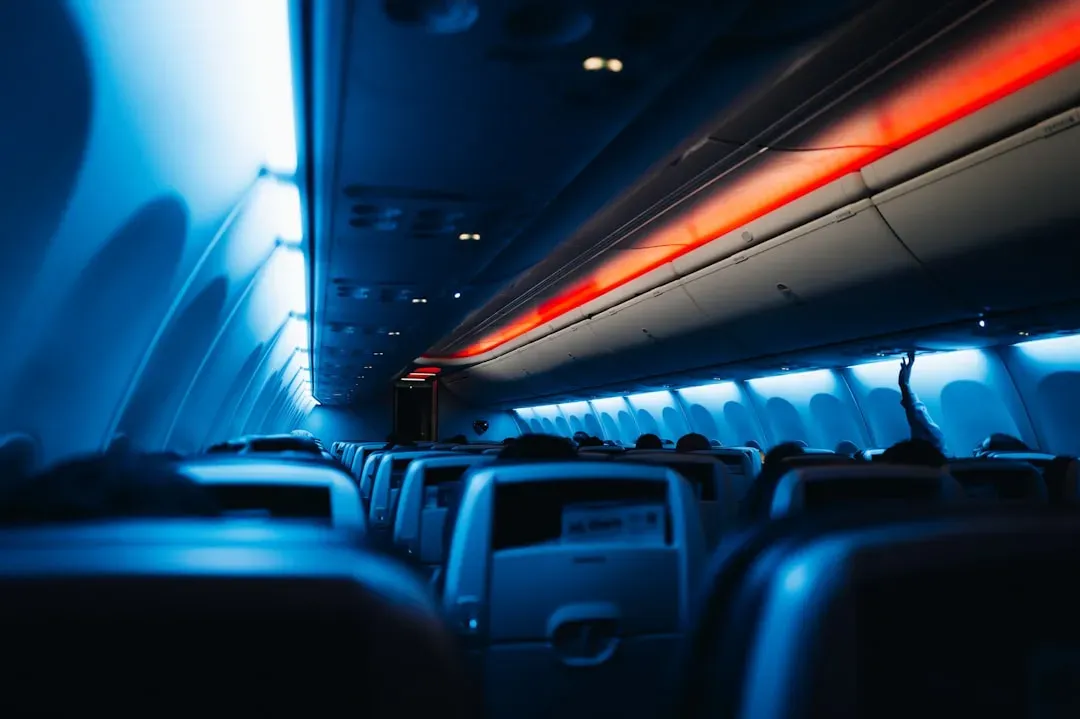
In many flights, overhead bin space is a hot commodity. If you put your suitcase in sideways, you’re effectively claiming more than your fair share. Flight attendants love it when travelers put their suitcase in wheels first or wheels last as a consideration for other passengers. It genuinely makes boarding smoother for absolutely everyone involved.
One of flight attendants’ pet peeves is passengers who see their seat assignment as a suggestion, not a rule. It’s never open seating, so just sit in your assigned airplane seat. If you don’t sit in the correct seat, it can slow down boarding and create chaos. You’d be amazed how often this happens, and how much time it wastes for everyone in the cabin.
Boarding by groups is designed to avoid crowding in the aisles and streamline the process. Try to wait until your group or row is called before approaching the gate. Flight attendants notice passengers who follow the system versus those who barrel forward the moment boarding is announced. One of those groups gets remembered far more fondly than the other. I’ll let you guess which one.
6. Be a Loyal, Frequent Flyer With the Airline
There is no guarantee of an upgrade, but if you’re part of the airline’s frequent flyer program, you’ll be prioritized when a spot pops up. Loyalty programs aren’t just about points. They signal to the entire crew that you’re a valued, returning passenger before you’ve even said a word. That status quietly follows you all the way to your seat.
Flight attendants definitely appreciate passengers for their loyalty in staying with their airline, and the perks extended to frequent flyers can include free drinks and sometimes better food options. These aren’t published policies. They’re human responses to passengers who have demonstrably committed to the airline over time.
Upgrades are generally based on availability, loyalty status, and operational needs. On very rare occasions, the crew onboard can make exceptions for genuinely special circumstances. Building real loyalty status takes time, but even being enrolled and identifiable in a program changes how crew members interact with you. Flight attendants insist there are still ways to increase your chances of better treatment. Being unfailingly polite and joining airline loyalty programs remains the most consistent advice, and sometimes simply asking politely at the gate can work wonders, especially if the flight isn’t full.