9 Once-Popular Destinations That Are Becoming Much Less Popular, Says Data
Travel is a funny thing. A place can be the hottest destination on the planet one decade, and a cautionary tale in the next. What the data from 2024 and 2025 is showing us is that some of the world’s most iconic destinations are quietly, or not so quietly, losing their appeal. Some are overwhelmed by their own fame. Others are pricing themselves out of the market. A few are watching visitors vote with their feet, redirecting budgets toward friendlier, more affordable alternatives.
This is not about places being “bad.” Honestly, some of these destinations are breathtakingly beautiful. It’s about a shift in demand, sentiment, and accessibility that the numbers simply can’t ignore. Let’s dive in.
1. Las Vegas, Nevada – The Strip Is Losing Its Shine
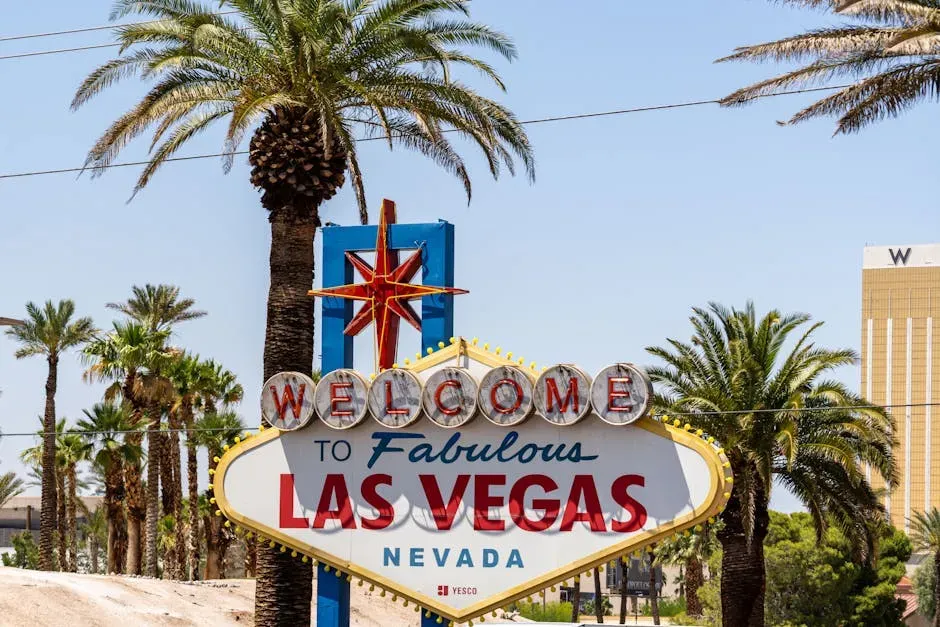
Las Vegas has long been the gold standard of American excess, but the numbers coming out of 2025 tell a sobering story. Tourism in Las Vegas plummeted by roughly seven and a half percent in 2025, dropping to levels not seen since the early 2000s as visitor numbers fell to around 35.4 million. That’s not a blip. That’s a structural trend.
The market experienced twelve consecutive monthly declines, including double-digit drops in February, June and July. Think about that for a second. Twelve months in a row. For a city that built its entire identity on being irresistible, that stat hits hard.
Harry Reid International Airport experienced eleven straight monthly declines in passenger volume during 2025, ending a two-year streak of record-setting totals. The Clark County Department of Aviation reported the airport served just under 55 million passengers last year, compared to the record 58.4 million in 2024, a six percent drop.
Las Vegas has suffered without the regular inflow from Canada, its largest source of international visitors, according to the Las Vegas Convention and Visitors Authority. Meanwhile, viral “ghost town” stories circulated about Vegas in 2025, as its once-affordable resorts have become luxury destinations amid a chorus of complaints about “nickel-and-diming” of guests. The city even ran a city-wide sale to lure visitors back, which tells you everything you need to know.
2. New York City – Fewer Visitors, Big Revenue Gap
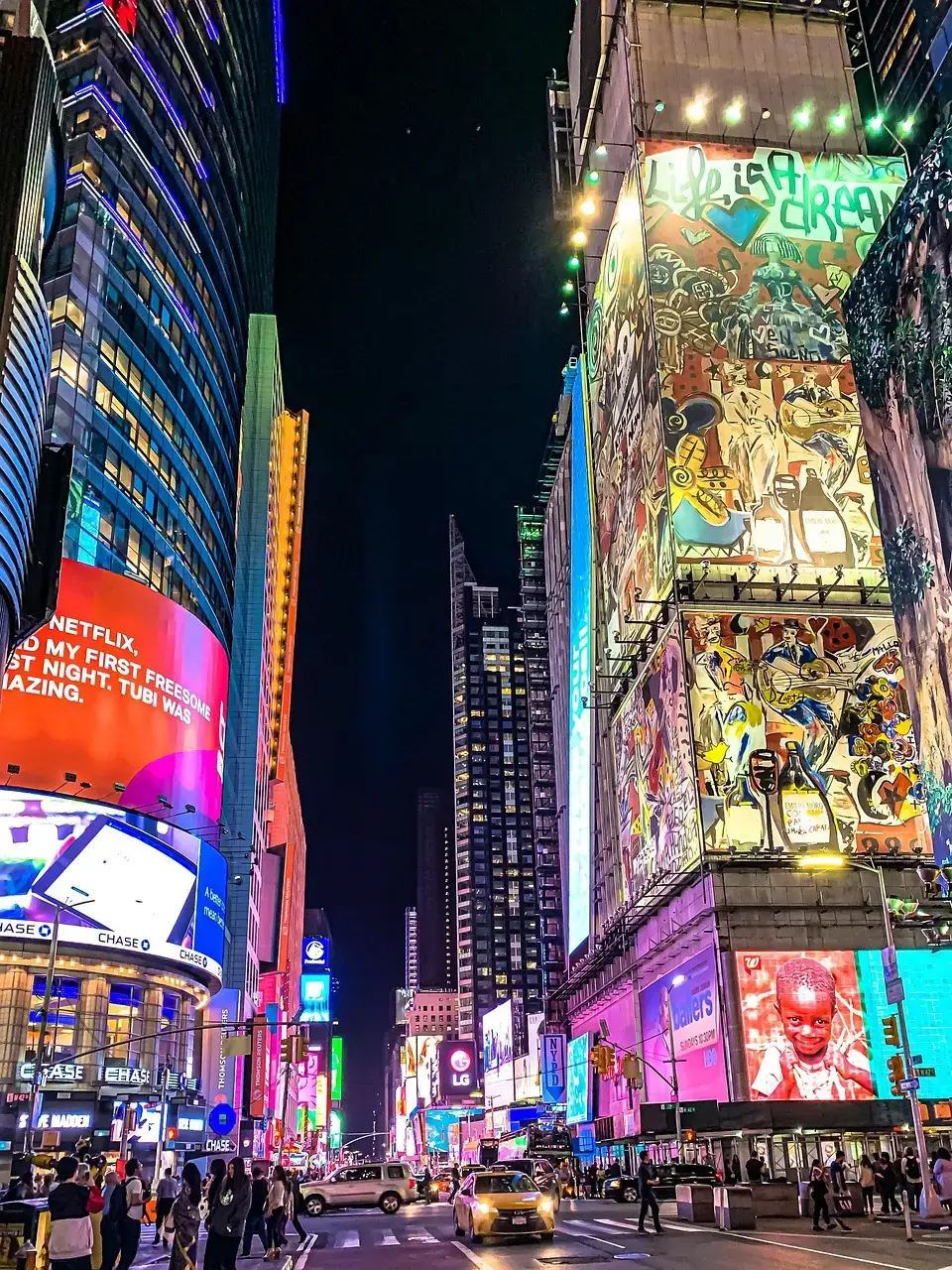
New York is the most iconic destination in the U.S. and was long favored by both business and leisure travelers. Yet in 2025, the city suffered from steady year-over-year international visitor declines. That’s not the narrative “The Big Apple” is used to hearing.
The president of New York City Tourism and Conventions forecasted that New York would receive two million fewer tourists in 2025, attributing the downturn largely to political uncertainty taking the largest toll. When a destination’s own tourism authority is publicly downgrading projections, something real is happening.
International visitation dropped at a time when the city was expected to return to pre-pandemic levels, leaving New York especially vulnerable given the outsized role international travelers play in local spending. Foreigners make up only about a fifth of the overall flow of visitors to the city, but they account for roughly half of all tourism revenue. Losing those high-value visitors stings more than raw headcount suggests.
3. Barcelona, Spain – Residents Are Literally Spraying Tourists Away
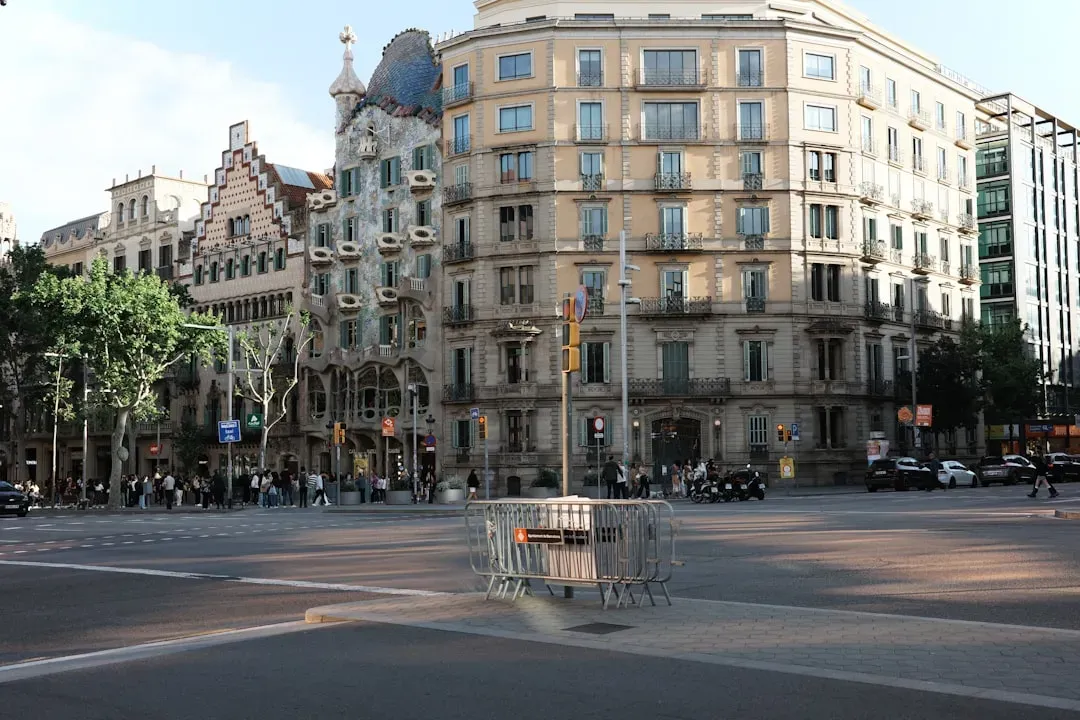
Here’s a destination that has become almost a symbol of the overtourism crisis. The backlash in Barcelona has grown so fierce that in July 2024, around 3,000 people took to the streets, shouting “tourists go home” and spraying them with water pistols. That image went viral globally, and it changed the conversation.
Barcelona is a city rich in history, art, and culture, but the immense popularity of landmarks like La Sagrada Família, Park Güell, and the Gothic Quarter has made it a victim of overtourism. The city’s compact design, with its narrow streets and densely packed historic areas, can only handle so many visitors at once.
The data reflects the real-world consequences of this resentment. Data suggests these protests are having measurable effects, with Barcelona seeing declining volume every month. The biggest gap came in June, when there was a twenty-one percent difference in year-over-year change, as Barcelona had thirteen percent fewer searches than in 2024, while Spain overall saw eighteen percent growth. Barcelona is losing ground even as its own country grows. That’s telling.
Barcelona changed its tourism tagline in August 2024 from “Visit Barcelona” to “This is Barcelona,” signaling a dramatic pivot away from aggressive tourist recruitment. Whether that pivot will stabilize or accelerate decline is the key question for the years ahead.
4. Venice, Italy – A City Dying Under Its Own Fame
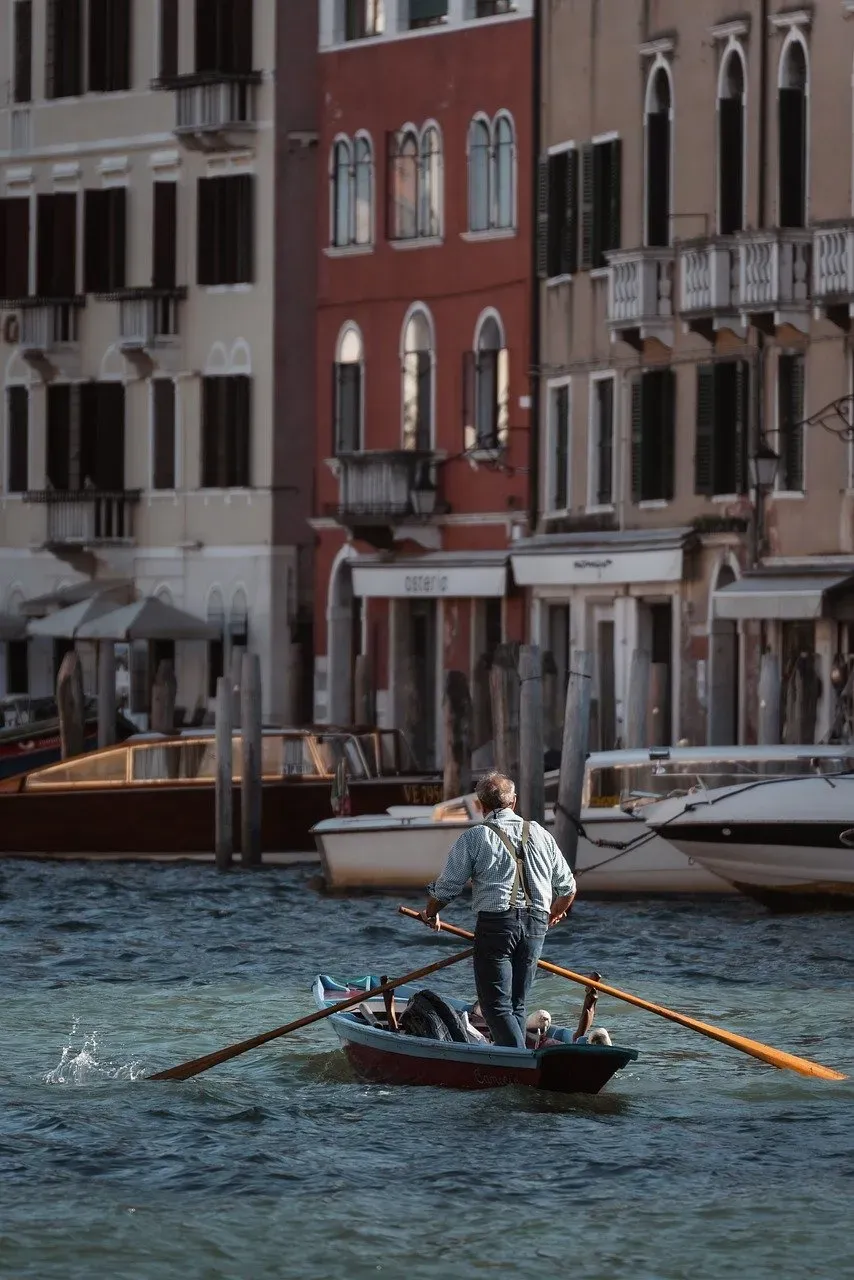
Venice has been discussed as an overtourism crisis for years, but 2024 brought a jarring new data point. Venice’s decline isn’t just about rising sea levels anymore. Last September 2024, the number of tourist lodging beds actually surpassed the resident population for the first time, revealing how thoroughly tourism has transformed the city into something unrecognizable to its own people.
The problem stems from the sheer number of visitors who flock to the city daily – over 20 million tourists a year for a city with just over 50,000 residents. Massive cruise ships used to dock close to the historic center, disgorging thousands of tourists at a time. Although new regulations have moved these ships further away, the city still struggles under the weight of tourists who visit for just a day, adding to overcrowding but contributing little to the local economy.
Most troubling is how Venice risks losing its UNESCO World Heritage designation. UNESCO has warned Venice risks losing its crucial cultural designation if the historic center’s permanent population falls below 40,000, a fate that could make the city far less attractive to newcomers. I think the cruel irony here is that the very appeal that drew millions of visitors may ultimately destroy the thing they came to see.
5. The United States as a Whole – A Nation Losing Its Welcome Mat

This one is bigger than a single city. The entire U.S. has become, by the data, one of the world’s most conspicuously declining destinations for international travelers. In 2025, the United States was the only one of 184 countries projected to have a decline in international visitor spending, according to the World Travel and Tourism Council in its annual report on travel’s global economic impact.
Data from the National Travel and Tourism Office show that international tourist arrivals, excluding Canada and Mexico, have fallen continuously since May 2025. Only 3.2 million overseas visitors arrived in December 2025, which is eight percent below the already-low pre-pandemic level. Those are extraordinary numbers for the world’s historically most-visited nation.
Western Europe saw sharp declines, with France down nearly six percent, the United Kingdom down over four percent, and Germany down more than seven percent. The African market fell by nearly nineteen percent in December alone. The breadth of decline across so many source markets makes this trend particularly alarming for the U.S. travel sector.
The World Travel and Tourism Council calculated that the U.S. tourism economy lost $12.5 billion in foreign visitor spending in 2025. The U.S. Travel Association warns of serious consequences for employment, noting the sector supports about 15 million jobs nationwide.
6. Santorini, Greece – Too Beautiful for Its Own Good
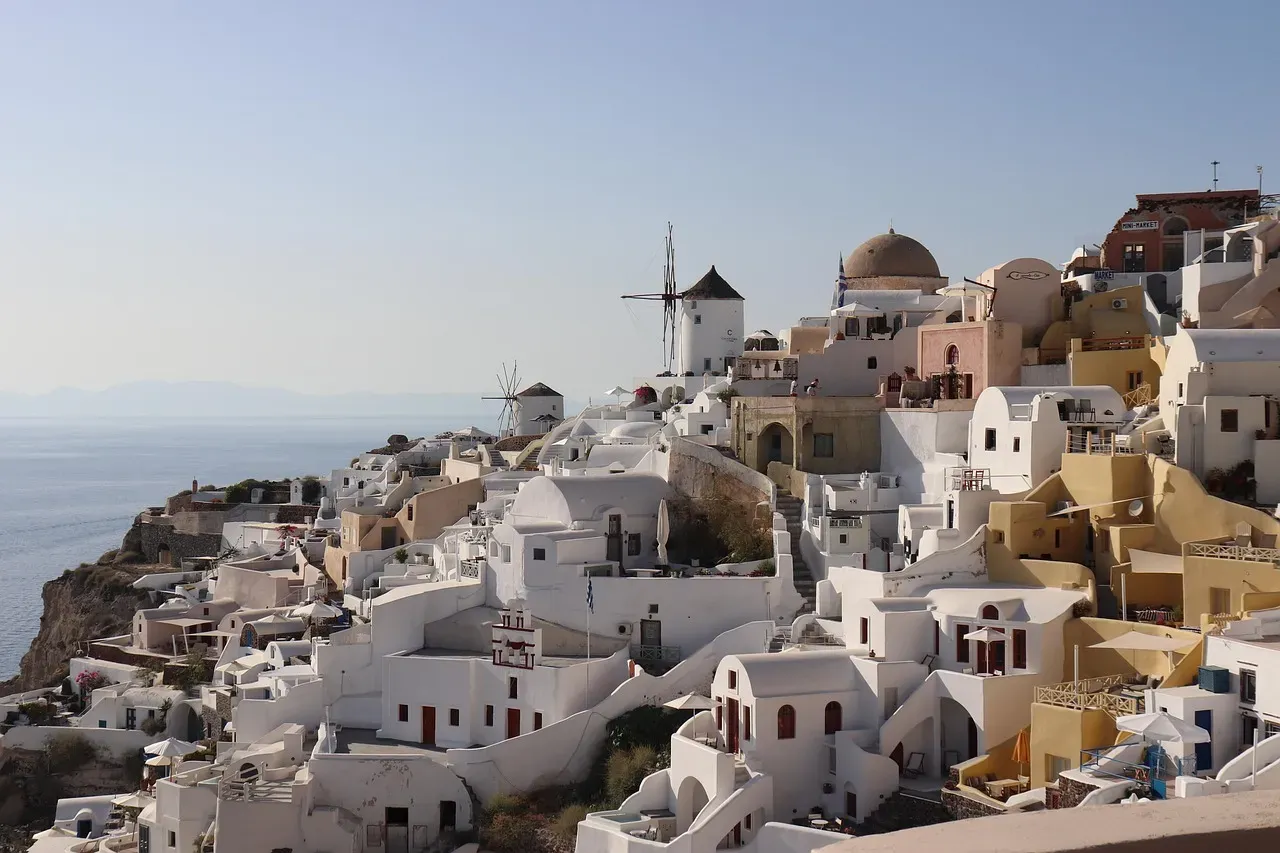
Santorini is the postcard destination par excellence. White-washed walls, volcanic sunsets, deep blue domes. But those Instagram photos have a shadow. In 2024, reports surfaced of up to 18,000 cruise passengers overwhelming the island daily, straining resources for its 15,000 permanent residents. More daily visitors than people who actually live there. That’s not a tourism destination anymore; that’s a spectacle under siege.
In Greece, residents in Athens and on islands like Santorini and Mykonos have protested against overtourism, accusing tourists of displacing locals and diluting the city’s character. The backlash is intensifying with every season, and the government has been forced to respond.
Santorini attracted over 2 million visitors in 2024. Residents have staged protests to send cruise ships home, while the Greek government has introduced fees per cruise passenger, cruise docking limits, and sustainable tourism plans. When a government starts limiting the very product it sells, it’s a clear sign that visitor fatigue has reached a critical threshold.
7. Cancún, Mexico – Numbers Down, Charm Under Pressure
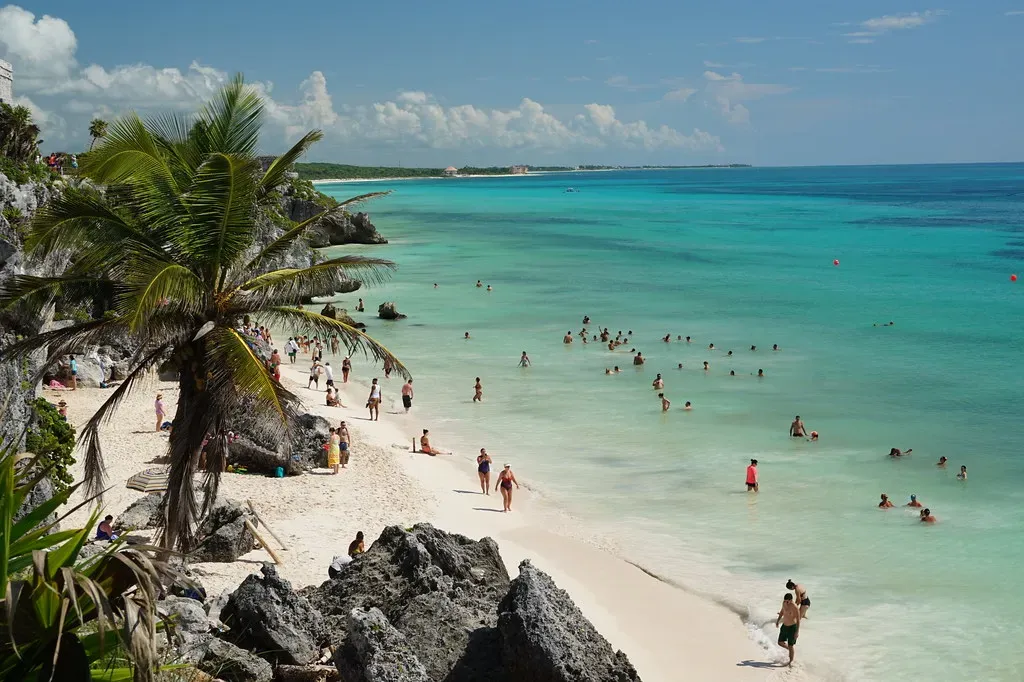
Cancún’s all-inclusive resort strip was once the dream budget getaway for millions of North Americans. But a shift is underway. In 2024, Cancún received 9.72 million international visitors, representing a three percent decrease from 2023’s 10.04 million. That slide is continuing into 2025.
From January to May of 2025, Cancún received a total of just over 13 million visitors across both domestic and international arrivals, representing a nearly five percent decrease from the same period in 2024. The trajectory is clear and consistent, not a one-year anomaly.
The most common charges against Cancún are its marked-up prices, relentless souvenir hawkers, and a superficial, tourist-centric feel. Endless rows of all-inclusive resorts have made the area feel less like Mexico and more like a corporate playground, and many travelers say they barely tasted genuine local cuisine. Environmental worries are mounting as well, with snorkelers noticing bleached coral and a declining fish population, making the underwater experience far less magical than advertised.
8. Amsterdam, Netherlands – Deliberately Cooling Itself Down
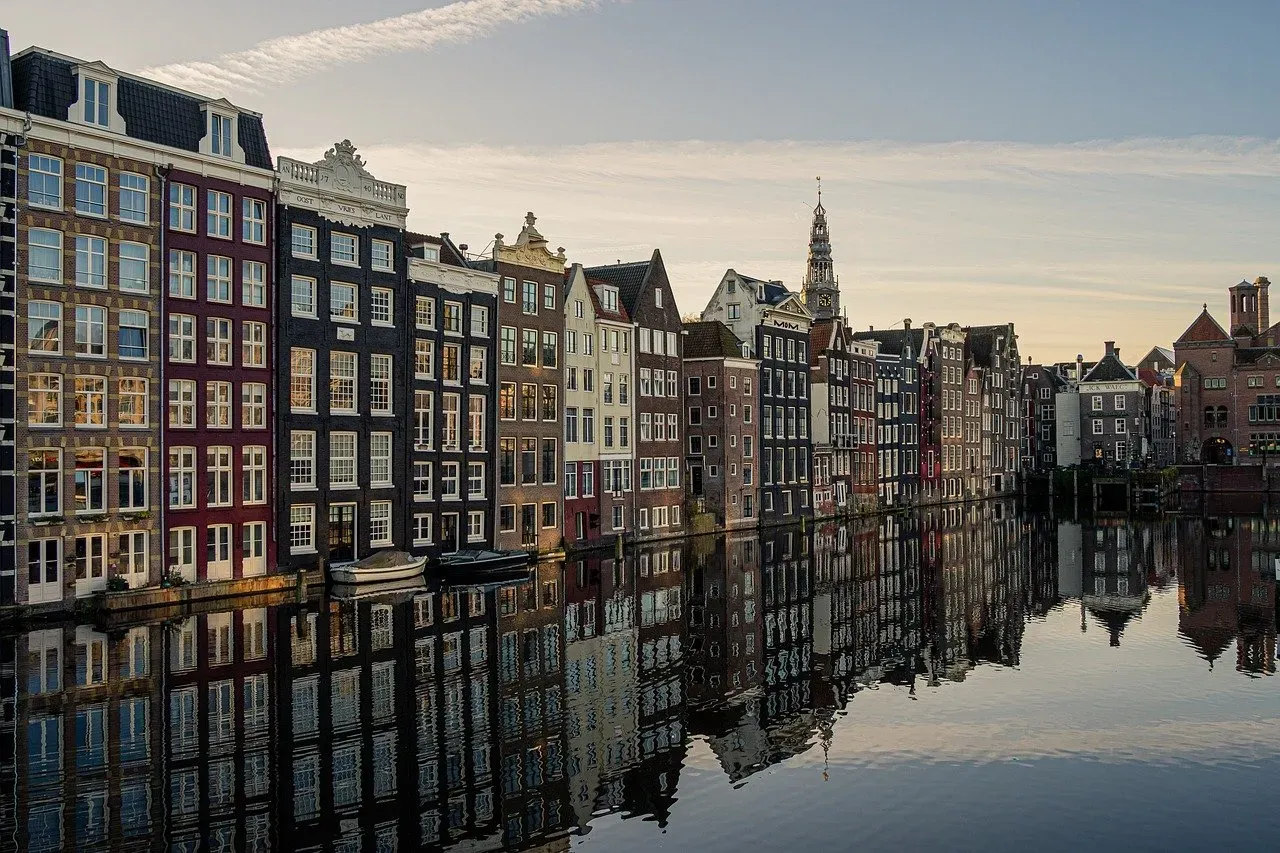
Amsterdam is a fascinating case because some of its visitor decline is actually intentional. The city has been fighting overtourism for years, and now it’s doing something genuinely radical about it. Amsterdam’s local government has enacted a strict “Tourism in Balance” policy, which includes an annual cap of 20 million tourist overnight stays and a ban on new hotel construction. Under the policy, a new hotel can only be developed if an existing hotel of equivalent size closes, ensuring no net increase in total rooms.
Amsterdam had already eliminated official tours of the Red Light District in 2020 and launched a “Stay Away” marketing campaign, which is about as bold a messaging reversal as you can get from a tourism authority. It’s the kind of policy that would have seemed unthinkable ten years ago.
The city is essentially engineering its own decline in mass tourism, betting that quality will replace quantity. The balance of supply and demand enforced by the “tourism in balance” policy creates a tight market dynamic, with Amsterdam now operating as a high-barriers-to-entry hotel market with structurally constrained room supply and carefully managed visitor volumes. Whether this pays off long-term for the city’s economy remains genuinely uncertain.
9. Bali, Indonesia – Domestic Tourism Quietly Deflating
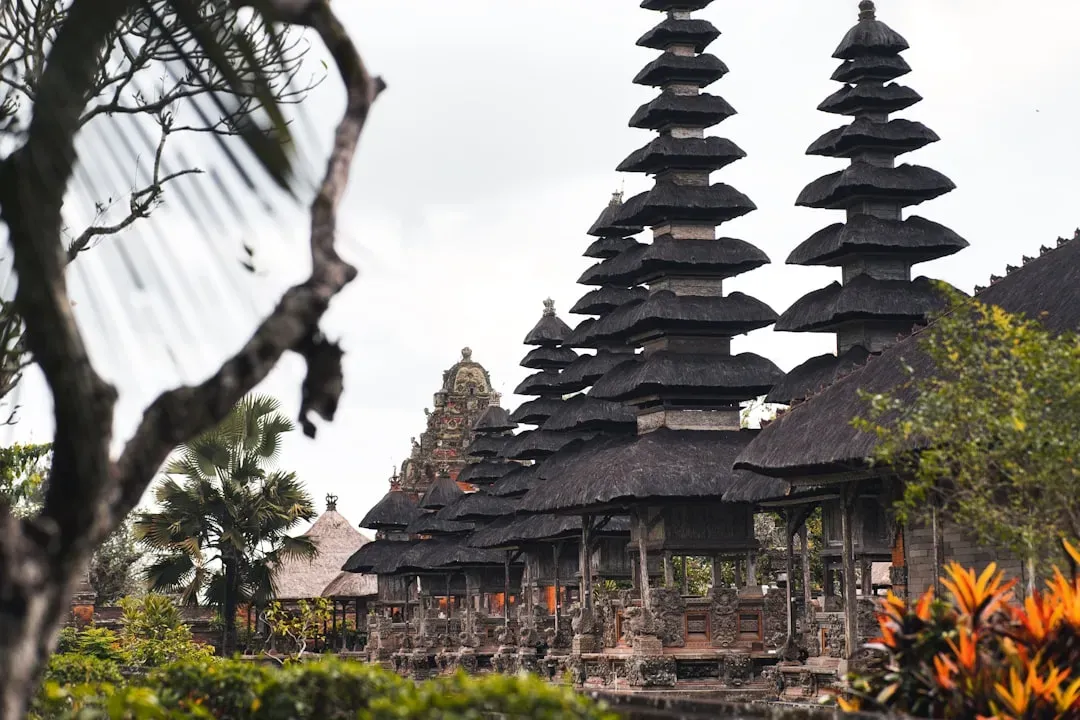
Bali’s international numbers are still growing, but the full picture is more complicated than the headline suggests. The perception that Bali feels quieter is not without basis. According to provincial data, the number of domestic tourists traveling to the island in 2025 fell by as many as 700,000 visitors, a decline the Bali government attributes largely to limited flight capacity and shifting travel preferences within Indonesia.
On Bali, the once-idyllic island saw approximately 6 million international visitors in 2024, sparking heavy backlash. Locals and grassroots activists are protesting the disappearance of sacred paddy fields, illegal construction of resorts, and untreated plastic pollution on beaches. The government has responded with a visitor levy, expanded eco-tourism initiatives, and bans on single-use plastics and tourist motorbike rentals.
While tourist numbers are undeniably up, the real economic value – the actual money per tourist – may be declining, giving a misleading impression of true growth. So even when the arrivals counter ticks upward, the underlying story is one of a destination under growing strain, grappling with what kind of tourism it actually wants. That tension, between volume and value, is exactly what defines Bali’s complex position in 2026.