I Asked AI Where Living Could Become Hardest by 2050 – The Results Were Sobering
When I sat down and asked an AI to walk me through the regions of the world that scientists, researchers, and climate agencies consider most at risk of becoming genuinely hard – or even impossible – to live in by 2050, I expected a list of distant, abstract places. What I got instead was a geography lesson that felt uncomfortably close to home for hundreds of millions of people. The data behind these projections is not speculative fiction. It comes from NASA, NOAA, the IPCC, the World Bank, and peer-reviewed journals. The picture is sobering, detailed, and demands serious attention.
South Asia and the Persian Gulf: Where Heat Becomes Unsurvivable

The most vulnerable areas include South Asia, the Persian Gulf, and the Red Sea by around 2050, with Eastern China, parts of Southeast Asia, and Brazil following by 2070. The reason these regions top the list is not simply extreme air temperature – it is the lethal combination of heat and humidity measured by what scientists call the “wet-bulb temperature.” Once the wet-bulb temperature exceeds 35 degrees Celsius (95 degrees Fahrenheit), no amount of sweating or other adaptive behavior is enough to lower the body to a safe operating temperature. Countries like Iran, Kuwait, and Oman sit squarely in this danger zone. Climatic conditions will also be very difficult to bear in the countries bordering the Red Sea, including Egypt, Saudi Arabia, Sudan, Ethiopia, Somalia, and Yemen.
Extreme levels of heat stress have more than doubled in the last 40 years, with significant implications for human health. What makes this especially alarming is the pace of change. The progression from uncomfortable to deadly is happening within a single human lifetime, and the regions most affected are often those with the fewest resources to adapt. Already at least 3.3 billion people’s daily lives “are highly vulnerable to climate change” and are 15 times more likely to die from extreme weather. For countries in the Persian Gulf, where infrastructure is modern but the outdoor environment is rapidly becoming incompatible with human physiology, the question shifts from comfort to survival.
Low-Lying Pacific Islands: Nations That May Simply Disappear
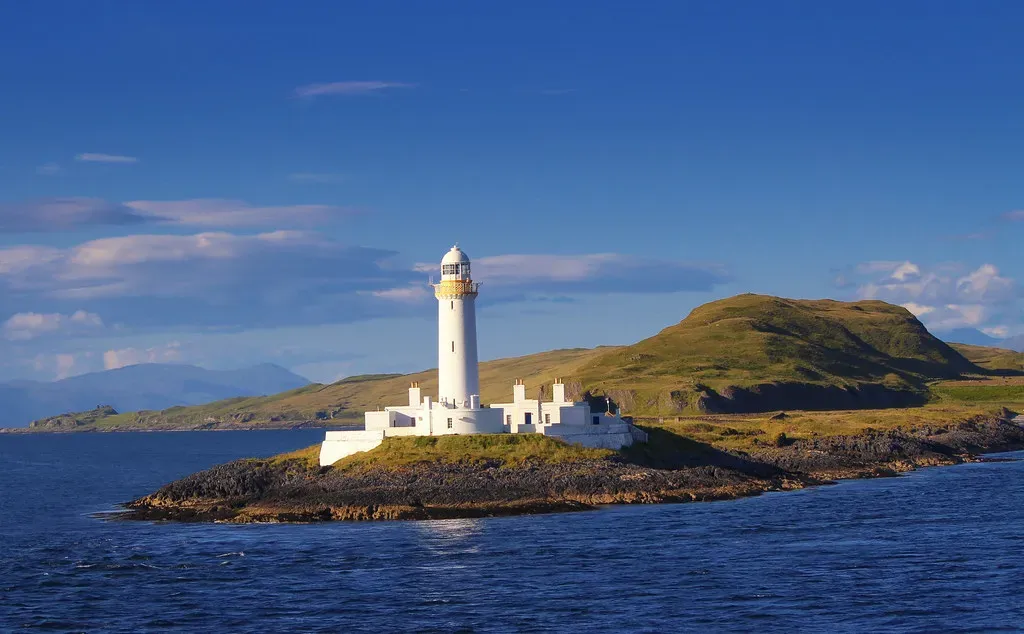
Around a million people live in coral atolls like those in the Maldives, Tuvalu, Kiribati, and the Marshall Islands – islands that are just a few feet in elevation, making them some of the places most at risk from the rising seas that will result from climate change. These are not hypothetical future threats. The process is already underway. There was an unexpectedly fast rising of the global sea level in 2024, with scientists anticipating a rise of 0.43 centimeters per year but instead recording a rate of 0.59 centimeters. The acceleration caught even experienced oceanographers off guard.
When waves roll over low-lying islands, they contaminate fresh groundwater with salt. Higher seas mean frequent floods, and groundwater cannot recover from daily or even yearly inundation – food trees die and water must be imported. A 2018 paper in Science Advances found a particularly grim prediction: most atoll islands will have no potable water by the 2060s if global climate goals are not met, or by the 2030s if ice sheets collapse under the worst-case scenario for climate change. Pacific island nations like Tuvalu, Kiribati, and Fiji have been battling rising sea levels for years, and NASA predicts they will experience a further 15 centimeters of sea level rise in the next three decades, even if greenhouse gas emissions are brought under control.
Sub-Saharan Africa: A Convergence of Water Scarcity and Food Collapse
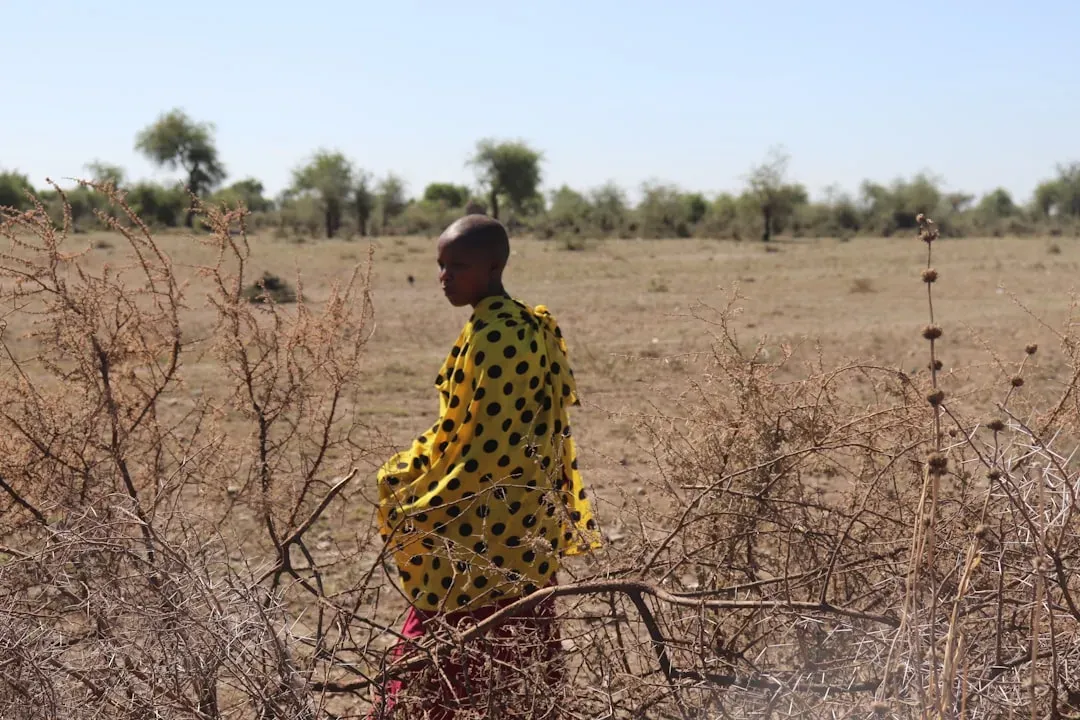
The climate crisis has dramatically worsened water scarcity in Eastern and Southern Africa over the past few decades, leaving nearly 116 million people – roughly 40 percent of the population – without safe drinking water, according to an Oxfam report. This is the lived reality right now, before 2050 projections even come into play. By 2050, water demand in Sub-Saharan Africa is expected to skyrocket by 163%, which is four times the rate of change compared to Latin America, the second-highest region. The continent’s food systems are particularly exposed, since agricultural activities which depend on rain account for over 95 percent of the total agriculture in Sub-Saharan Africa.
Increased temperature has contributed to a 34 percent reduction in agricultural productivity growth in Africa since 1961 – more than any other region in the world. That number will only worsen. Crop yields in Sub-Saharan Africa are projected to decline by 5 to 17 percent by 2050, especially in key staples. Meanwhile, an estimated 800 million Africans could face water scarcity by 2050, exacerbating a crisis already affecting hundreds of millions. The combination of heat, drought, food insecurity, and limited adaptive capacity makes Sub-Saharan Africa one of the most acutely threatened inhabited regions on the planet.
Coastal Cities on Every Continent: The Rising Tide of Urban Risk
According to analysis by C40 Cities, the total urban population at risk from sea level rise, if emissions do not go down, could number over 800 million people living in 570 cities by 2050. The economic consequences would be staggering. Even just 20 centimeters of sea level rise by 2050 would lead to global flood damages of at least one trillion dollars a year for the world’s 136 largest coastal cities. Cities like Bangkok are already confronting this reality head-on. Sea level rise projections put Thailand’s capital as the world’s most vulnerable city – a low-lying city with an average elevation of just 1.5 meters above sea level already paying a significant price.
In the United States, the threat is equally concrete. In 2024, NOAA projected sea levels to rise by about 10 to 12 inches by 2050, exposing coastal areas to more regular flooding, especially during high tides and storms. Cities and regions highlighted as vulnerable include Miami and the Florida Keys, New Orleans, Galveston, Charleston, and Boston, among others, with large portions of the Gulf and Atlantic coasts expected to be particularly hard-hit, with severe consequences for local economies and infrastructure. A 2024 study published in Nature found that even when considering current coastal defense structures, land area of between 1,006 and 1,389 square kilometers is threatened by relative sea-level rise by 2050, posing a threat to a population of 55,000 to 273,000 people and 31,000 to 171,000 properties across 32 major U.S. coastal cities.
The American Midwest and South: Heat Zones Hiding in Plain Sight
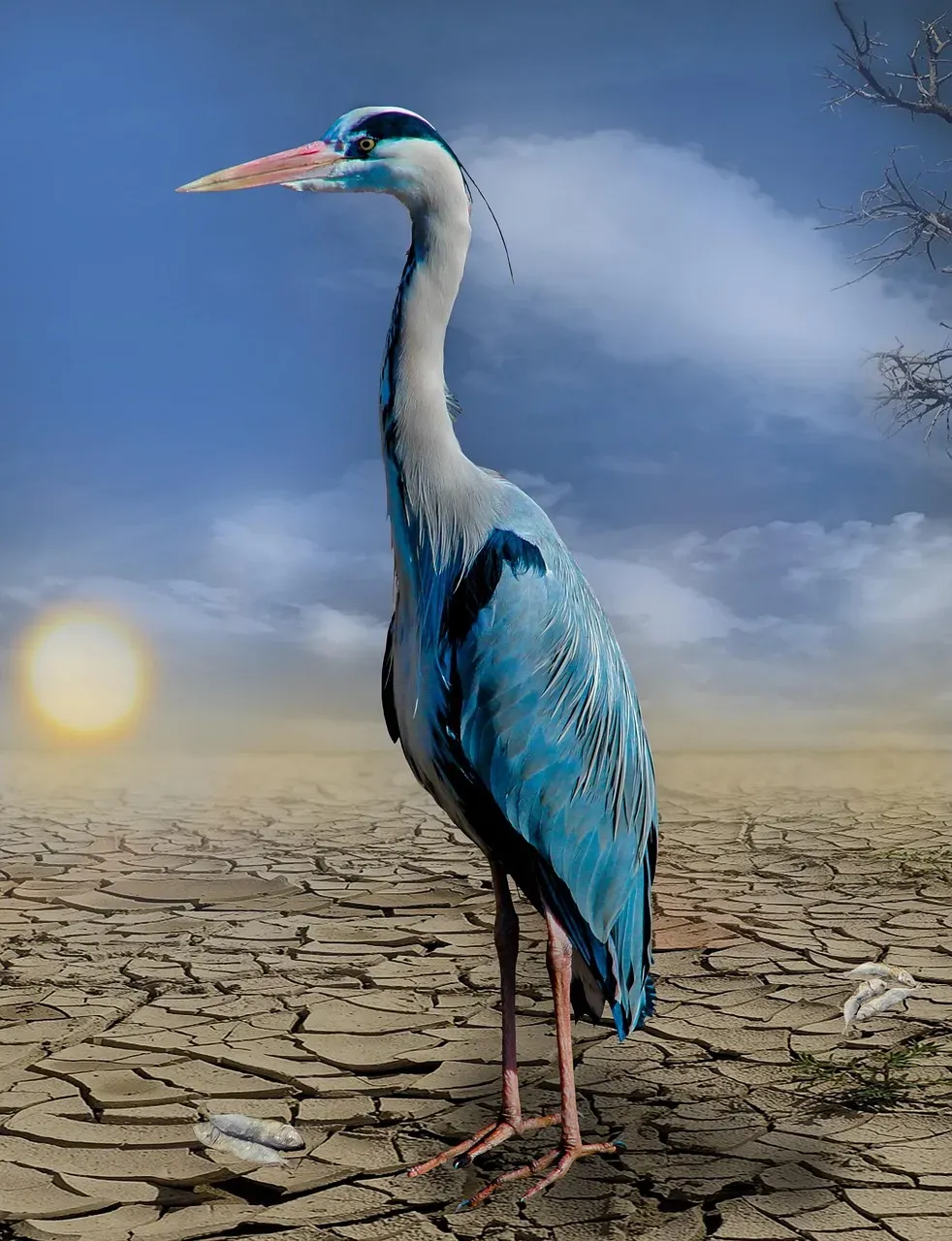
By the mid-21st century, summer temperatures are projected to be 6 degrees hotter in the middle of North America, from Tennessee to Nevada and southern Wyoming to northern Texas, while most of the rest of the country will be 5 degrees hotter than today. These are not marginal changes – they represent a fundamental shift in what it means to live outdoors in those regions. The United States is not immune; within 50 years, Midwestern states like Arkansas, Missouri, and Iowa will likely hit the critical wet-bulb temperature limit. Meanwhile, in 2024 alone, the world witnessed the hottest year on record globally, with July marking the planet’s warmest month ever recorded.
The central corridor of the United States will see worsening tornadoes; below the 42nd parallel, heatwaves, wildfires, and drought will be perilous; and at the coasts, flooding, erosion, and freshwater fouling will be an issue. Florida and coastal California, long among America’s most desirable places to live, face compound threats. Florida and South Carolina are the most at risk from climate change, facing extreme heat, drought, and flooding. The insurance industry has already begun responding to this reality, with major providers pulling out of the most vulnerable markets as climate risk becomes financially unmanageable for standard actuarial models.
The Climate Migration Crisis: Where People Will Go When They Can No Longer Stay

More than 216 million people across six continents will be on the move within their countries by 2050 in large part due to climate change, according to the World Migration Report 2024, released by the United Nations in May 2024. That figure represents an enormous and historically unprecedented restructuring of where human civilization is physically located. The UNHCR predicts that by 2050, more than 200 million people will be forcibly displaced by extreme weather and environmental disasters, including droughts, floods, storms, rising sea levels, and extreme temperatures. Most of this movement will be internal – people moving within their own countries – but the strain on receiving cities will be immense.
Most climate migrants go to cities, hoping to find economic opportunities and better infrastructure. However, many cities – particularly in developing countries – are already strained by population growth, underdevelopment, and poor planning, meaning public services like schools, transportation, and health care can quickly become overwhelmed. By mid-2024, around 90 million of the current 123 million forcibly displaced people were already living in countries with high-to-extreme exposure to climate-related hazards – an increase of around 5 million since the end of 2023. The compounding effect is clear: displacement drives people toward cities that are themselves increasingly threatened, creating a tightening spiral with no simple exit. By 2040, the number of countries facing extreme climate-related hazards is expected to rise from 3 to 65, the vast majority of which already host displaced people.