9 of The Poorest Countries That Are Great Travel Destinations
There’s something almost paradoxical about it. The countries with the least money are sometimes the ones that offer the most unforgettable travel experiences. Think ancient ruins that took centuries to build, mountain ranges that touch the clouds, and cultural traditions so rich they make modern life feel a little shallow by comparison.
These destinations are not for everyone. They’re raw, sometimes rough around the edges, and rarely polished for mass tourism. Yet that’s exactly what makes them extraordinary. If you’re tired of cookie-cutter holidays and overpriced resort bubbles, you might want to keep reading. What you’ll find here might genuinely surprise you.
1. Nepal: Where the Himalayas Meet Ancient Culture
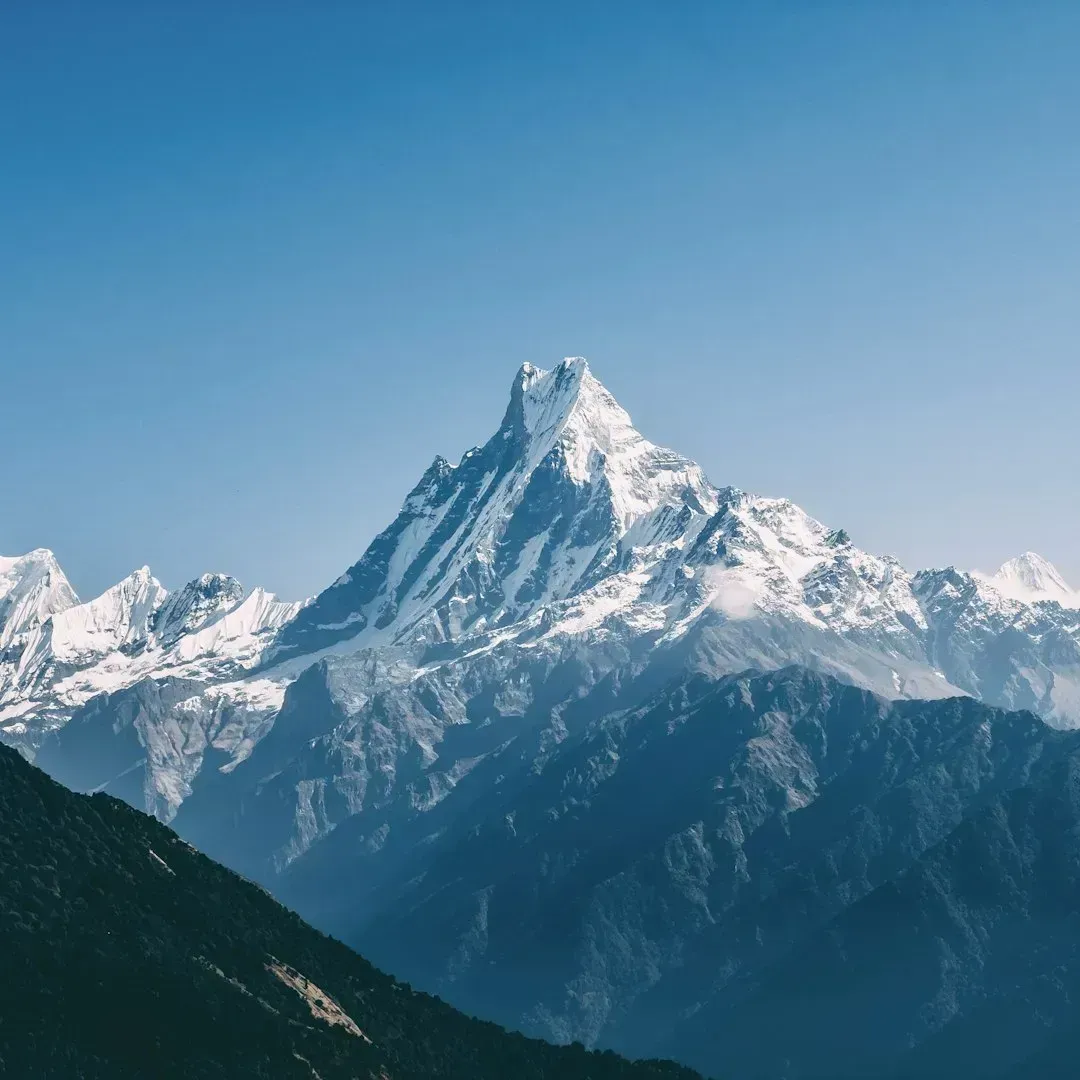
Let’s be real, few destinations on Earth can match what Nepal delivers for the price. Nepal’s per capita income sits at roughly $1,336 as of 2024 World Bank figures, making it one of South Asia’s economically challenged nations, but that hasn’t stopped adventure seekers from flocking to its mountain trails. Honestly, that contrast between economic reality and sheer natural grandeur is almost dizzying when you think about it.
Nepal contains eight of the planet’s 14 highest mountains, including Mount Everest at 8,849 meters, while the Kathmandu Valley alone hosts seven UNESCO World Heritage Sites. That’s a density of cultural and natural wonder you won’t find almost anywhere else on Earth.
Tourism accounts for nearly 7.5% of Nepal’s GDP according to Nepal Tourism Board statistics from early 2024, with over 940,000 visitors arriving in 2023 alone. Mount Everest base camp treks remain bucket-list items for thousands annually, while the lakeside city of Pokhara offers more accessible mountain views without the extreme altitude challenges. It’s the kind of place where you can choose your own adventure, quite literally. Budget travelers can survive comfortably on roughly $25 to $30 daily, making extended stays feasible for backpackers who might struggle in pricier destinations.
2. Cambodia: Temples Rising From a Difficult Past
Cambodia carries a heavy history, but its resilience is astonishing. Cambodia’s economy remains fragile, with GDP per capita around $1,785 in 2024, reflecting decades of recovery from civil conflict and political instability. Yet none of that fragility seems to diminish the country’s magnetic pull on travelers from around the world.
Cambodia’s tourism sector thrived in 2024, generating approximately $3.6 billion from roughly 6.7 million international visitors, a nearly 23 percent surge compared to 2023, according to the Ministry of Tourism. Those are remarkable numbers for a country of this size.
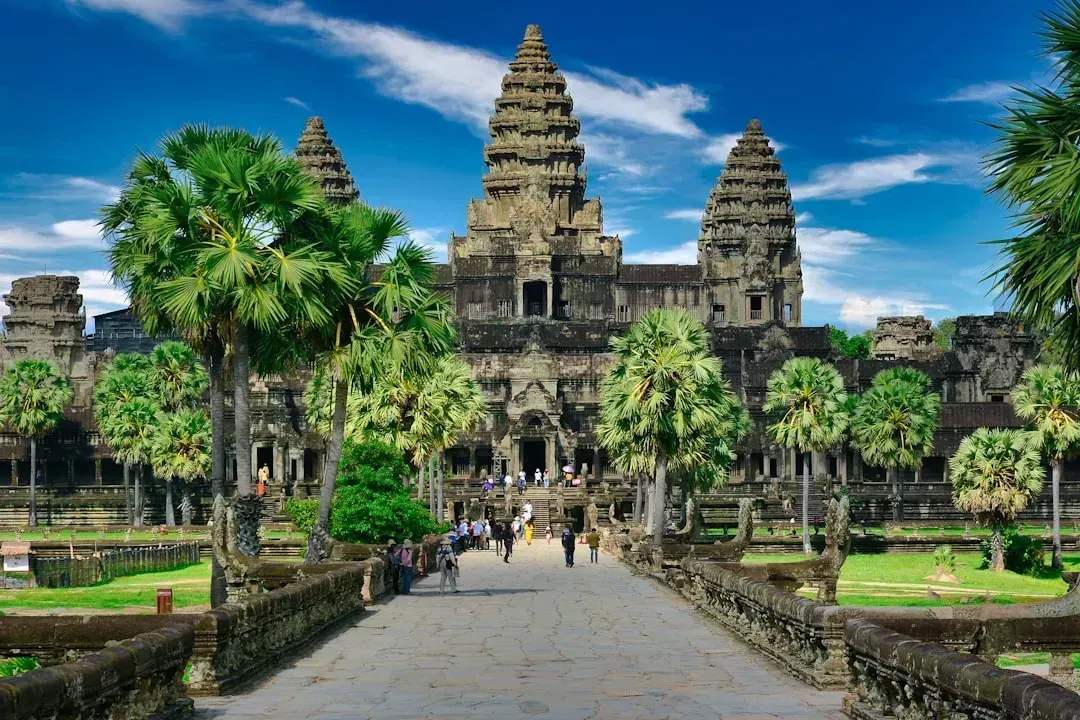
Cambodia is well-known for its world cultural heritage sites, including the Angkor Archaeological Park in Siem Reap province and the Preah Vihear Temple, while the kingdom also has a 450-kilometre-long pristine coastline stretching across four southwestern provinces. The main draw remains Angkor Wat, the world’s largest religious complex, covering over 400 square kilometers. There’s no photograph that fully prepares you for standing in front of it.
3. Tanzania: Safari Royalty on a Budget
Tanzania punches way above its economic weight as a tourism destination, and the numbers back this up. Tanzania has a GDP per capita of $1,220 and is one of the poorest countries by GDP per capita in 2024. Yet the country’s tourism story is one of the most spectacular turnarounds you’ll find anywhere in the world.
The Tanzanian tourism industry experienced a robust period of growth, marked by a record 5.36 million tourist arrivals in 2024 and generating approximately USD 4 billion in revenue. The United Nations Tourism body ranked Tanzania the fastest growing African destination in 2024, with a 48 percent increase compared to the pre-COVID-19 period. That’s not a fluke. That’s a destination firing on all cylinders.
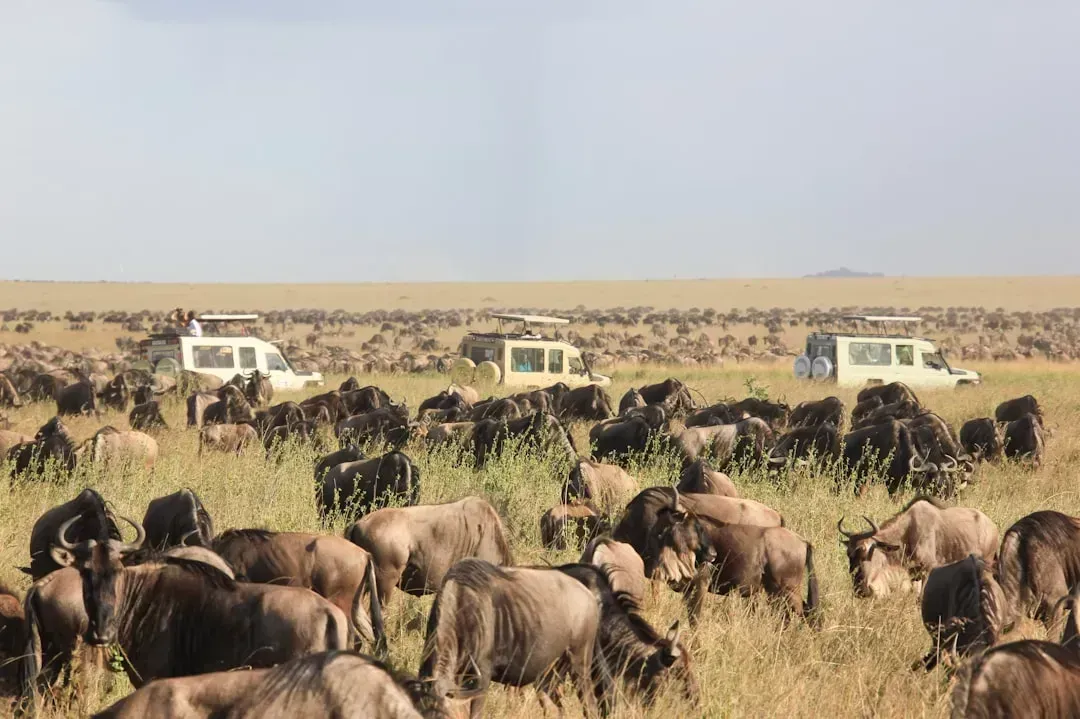
Serengeti National Park received over 589,300 visitors in 2024, Zanzibar beaches drew 478,900 visitors, and Mount Kilimanjaro attracted 295,400 visitors, seeing the fastest growth at over 13 percent. Serengeti National Park retained its title as the best safari destination globally for the sixth consecutive year since 2019. I think that title says everything you need to know.
4. Ethiopia: Africa’s Most Underrated Destination
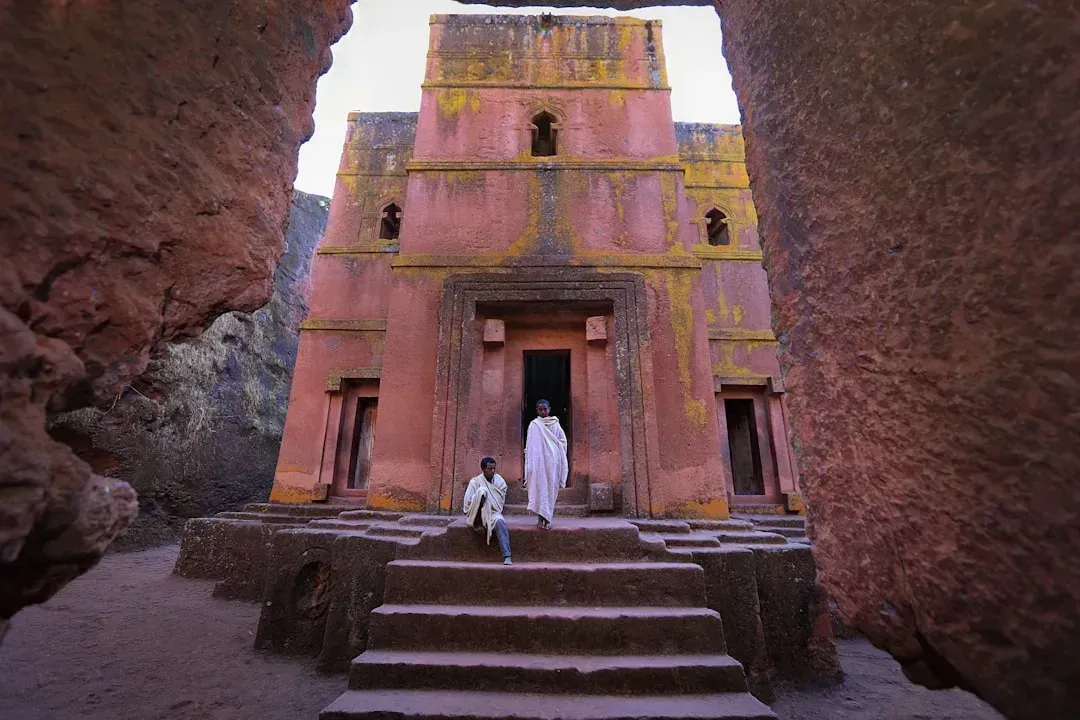
Ethiopia is the kind of place that changes people. It’s older than most civilizations you’ve ever read about, and yet it barely makes the travel brochures in the Western world. Despite an average income of about $1,100 per capita, Ethiopia attracts over 900,000 international visitors each year and stands apart culturally with nine UNESCO World Heritage Sites, the most in Africa.
Highlights include Lalibela’s rock-hewn churches, carved over 800 years ago, and Axum’s ancient obelisks, while Ethiopia also follows its own calendar, running seven to eight years behind the Gregorian system. There’s something deeply humbling about visiting a country that literally measures time differently.
Ethiopia’s 900,000 visitors explore Lalibela’s rock-hewn churches and the Simien Mountains, while cultural tourism including the Timkat festival grew by 7 percent in 2024, contributing $700 million to the economy. Ethiopia had the second-fastest tourism growth rate in Africa in 2024 at 40 percent. This is a destination that’s just getting started. Get there before the crowds do.
5. Bolivia: South America’s High-Altitude Wonderland
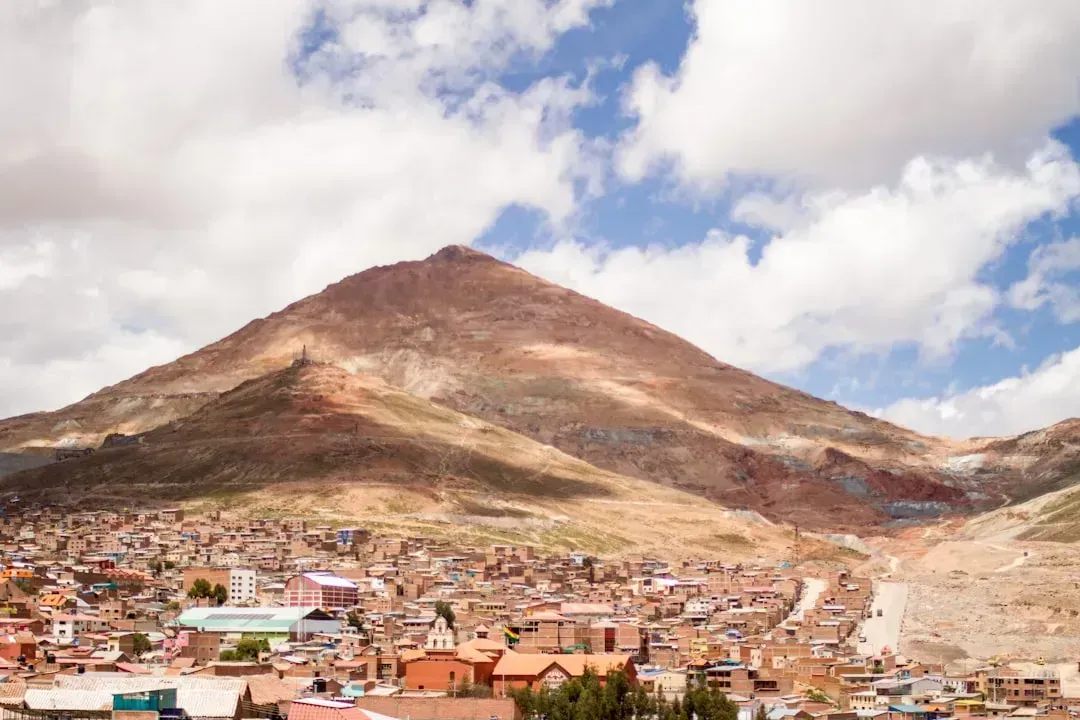
Bolivia is the kind of place that makes you reconsider everything you think you know about travel. Bolivia is South America’s poorest country, with GDP per capita below USD 3,500, but still receives around 1.2 million tourists annually, with its appeal lying in raw geography and altitude extremes. Honestly, this place feels like another planet, and that’s not an exaggeration.
La Paz sits at 3,650 meters, making it the world’s highest administrative capital, while Bolivia’s most famous attraction, the Salar de Uyuni, spans over 10,000 square kilometers, forming the largest salt flat on Earth. Imagine walking across a mirror the size of a small country. That’s what standing on the Uyuni salt flats actually feels like.
Budget travelers often spend just $30 to $40 per day, drawn by untouched landscapes and minimal commercial tourism. The lack of mass tourism infrastructure is both its challenge and its greatest charm. You travel there as an explorer, not as a consumer. There’s a big difference between the two.
6. Laos: Southeast Asia’s Quiet Soul
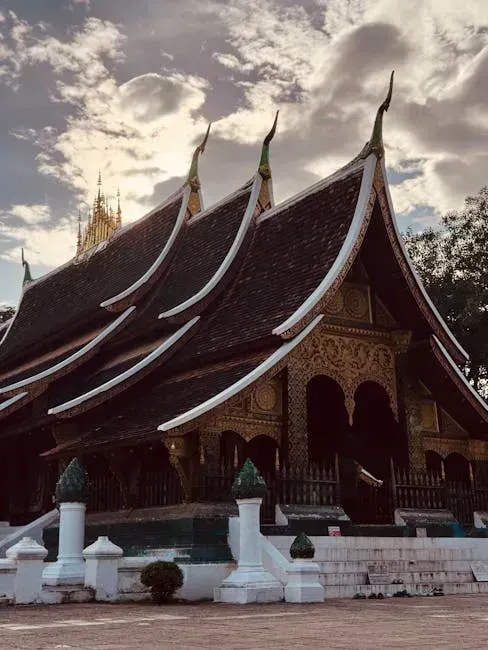
Sandwiched between Thailand and Vietnam, Laos is often overlooked by travelers who rush between its more famous neighbors. That’s their loss. Laos is one of the least developed countries in Southeast Asia economically, yet it carries an atmosphere of calm and authenticity that’s increasingly rare in this part of the world.
In 2024, tourist numbers topped 5 million, contributing over USD 1 billion to the economy, making tourism the third largest source of foreign income for the Laos government, behind mining and electricity generation. For such a small and landlocked nation, that’s a genuinely impressive tourism story.
The UNESCO-listed town of Luang Prabang, with its golden temples and Buddhist monks at dawn, offers one of the most serene travel experiences in Asia. The landlocked Lao PDR relies heavily on tourism from neighbouring countries, and official data from the Lao Statistics Bureau showed that total international arrivals reached about 4.1 million in 2024. It’s hard to say for sure whether Laos will stay off the beaten path much longer, but for now, it’s still a gem that rewards the patient traveler.
7. Madagascar: A World Unlike Any Other

Here’s the thing about Madagascar: it’s not just a destination, it’s a biological miracle. Since becoming independent from France in 1960, Madagascar has experienced bouts of political instability, violent coups, and disputed elections, which has kept it far from the mainstream tourist circuit. That isolation, however, is precisely why its natural world is so extraordinarily intact.
Madagascar is home to roughly five percent of the world’s plant and animal species, the vast majority of which exist nowhere else on the planet. Think lemurs, baobab trees shaped like something out of a Dr. Seuss story, and rainforests dripping with life. Travel to Madagascar doubled from 2023 to 2024, a sign that adventurous travelers are increasingly waking up to what this island holds.
This tourism boost to Madagascar was likely a result of new airlines and flight routes now serving the island. Better connectivity is slowly opening up one of Africa’s most remote and biologically unique destinations. If ever there was a place worth making the effort for, this is it.
8. Cambodia’s Neighbor: Laos Has Competition From Myanmar’s Untouched Routes
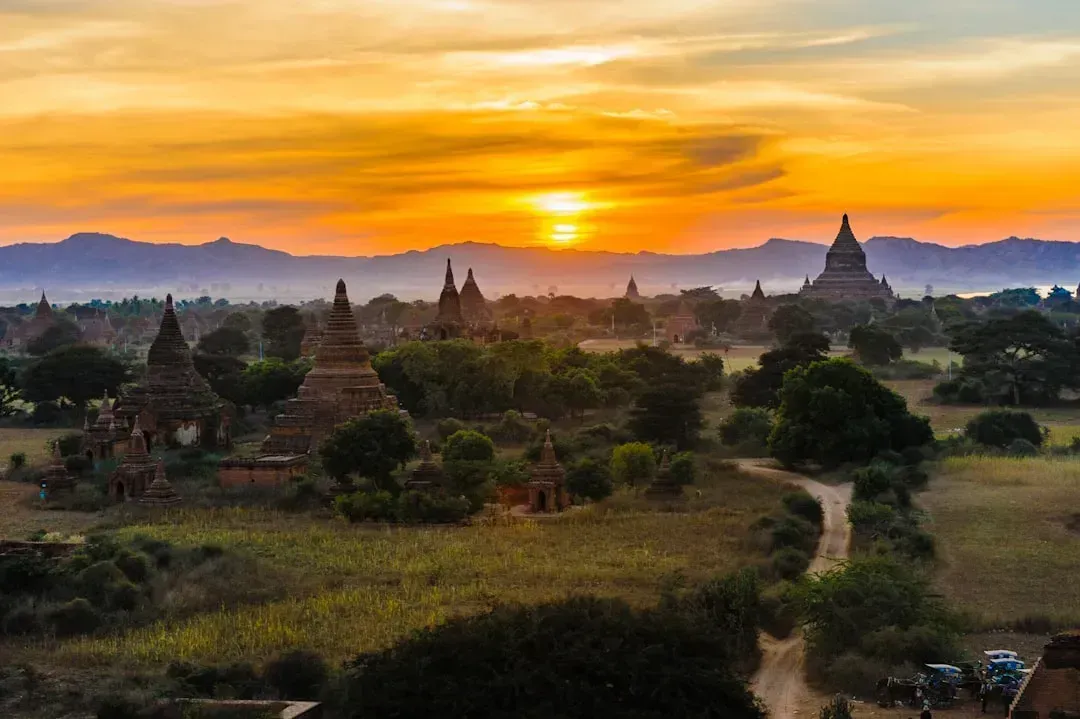
Myanmar is complicated. There’s no way to write about it without acknowledging the political situation that has gripped the country since the military coup in 2021. The political situation continued to deter visitors through early 2026. Yet pockets of the country, particularly certain cultural regions, still attract a trickle of travelers drawn by some of Asia’s most stunning temple landscapes.
The ancient temple city of Bagan, with over two thousand Buddhist pagodas spread across a dusty plain, is genuinely one of the most breathtaking places you can set eyes on in all of Asia. Myanmar is one of the poorest countries in the world and has a GDP of $68.01 billion with a population of 55.57 million as of 2024. The contrast between this ancient spiritual wealth and economic hardship is striking everywhere you turn.
Travel advisories issued by European governments urged caution, and most airlines suspended routes from Europe, leaving only limited options via regional hubs. It’s worth noting that travel here requires careful research and personal judgment. For those who do make the journey responsibly, some of the most unspoiled temple landscapes in the world await. Proceed with awareness.
9. Mozambique: Africa’s Forgotten Coastline
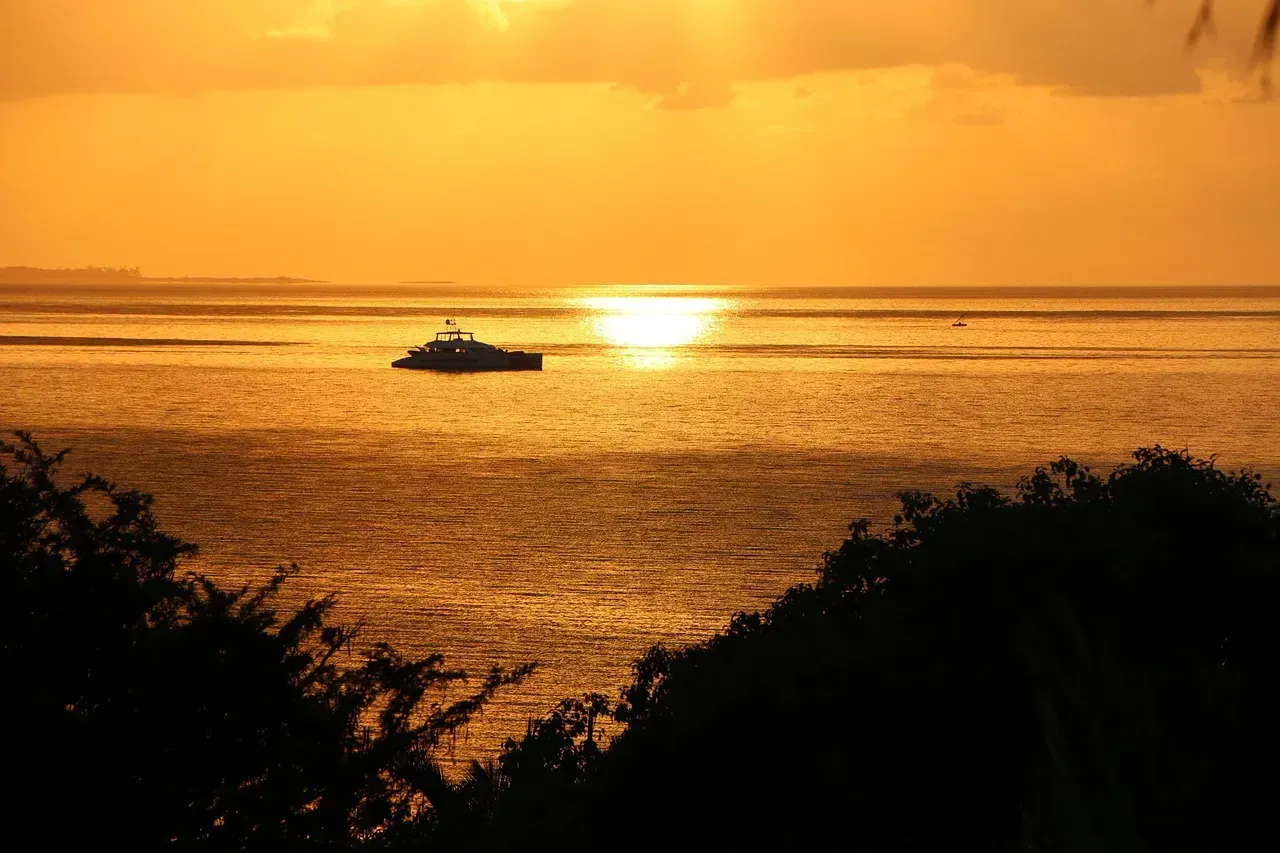
If you’ve never considered Mozambique for a holiday, you’re not alone. Most travelers haven’t. Mozambique’s underdevelopment stems from a history of colonial exploitation, followed by a drawn-out civil war that ended in 1992. That history left deep scars, but the country’s natural beauty has remained untouched by mass tourism in a way that makes it feel genuinely raw and spectacular.
Mozambique has roughly 2,500 kilometers of Indian Ocean coastline with coral reefs, marine reserves, and beaches that look like they’ve been photoshopped. The Bazaruto Archipelago is one of the last pristine coral ecosystems on the continent. After contracting in 2020 and 2021, growth restarted in 2022 and is projected to stay above 5 percent in the years ahead. Slow but steady economic recovery is helping to build the tourism infrastructure this extraordinary destination deserves.
New parks such as Gorongosa in Mozambique are emerging as conservation success stories, drawing a new generation of eco-conscious travelers who want their trips to mean something. According to UNWTO data from 2024, tourism in least developed countries generated approximately $22 billion in direct revenue, providing crucial foreign exchange and employment opportunities. In Mozambique, every tourist dollar genuinely counts, and you’ll feel the warmth of that welcome the moment you arrive.