Know Before You Go – 7 Once Popular US Cities Now Declining
There was a time when certain American cities felt unstoppable. Industrial powerhouses, cultural capitals, gateway hubs. People moved toward them, not away. They built stadiums, bridges, skyscrapers, entire identities around growth and momentum.
Fast forward to 2026, and something has quietly shifted. The American urban landscape is undergoing a major transformation, with several cities experiencing significant population declines. The reasons are rarely simple, and honestly, that makes this story a lot more interesting than just reading a list of numbers. Let’s dive in.
1. St. Louis, Missouri – America’s Fastest-Shrinking Major City
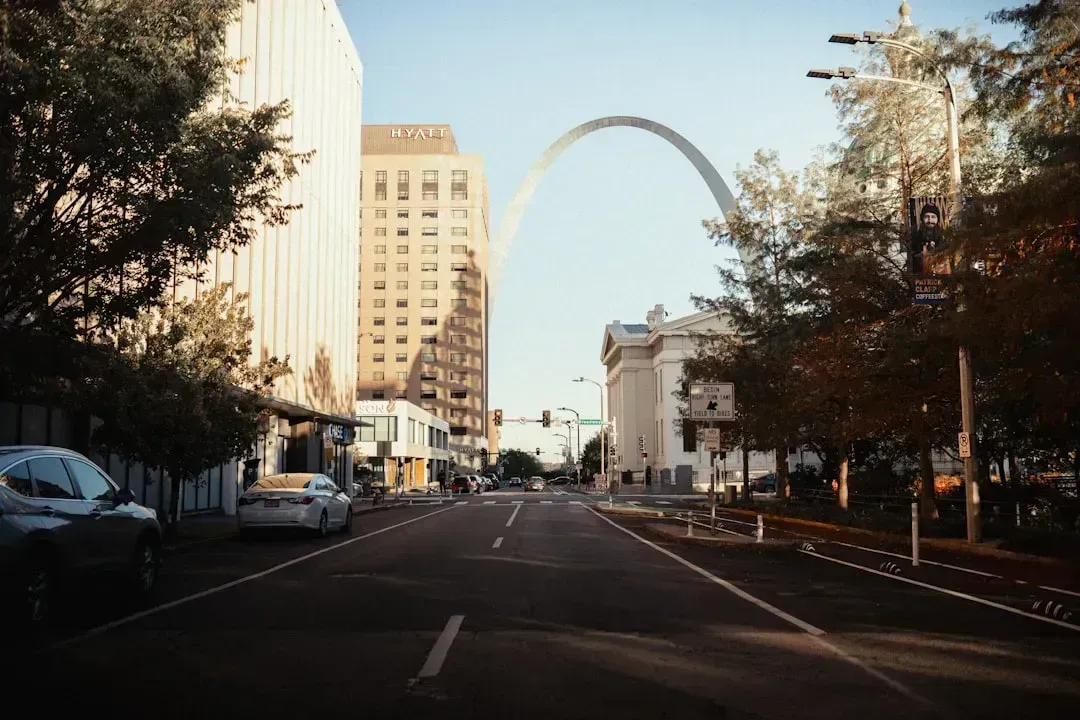
If you only know St. Louis for its iconic Gateway Arch, this might come as a shock. At its peak in the 1950s, St. Louis had nearly 900,000 people living in the city. Now, the population stands at just under 280,000. That’s a drop of about 65%. Think about that for a second. It’s like two-thirds of an entire city just vanished over a few decades.
According to St. Louis Public Radio, 2024 U.S. Census data showed that St. Louis had the most severe population decline of any American city, losing more than 20,000 residents in just four years. That is an accelerating trend, not a stabilizing one. The 2024 estimate showed St. Louis at 279,695 residents, down from 301,578 in the 2020 census, a decline of 7.26%. A change that steep can affect transit demand, school enrollment, and small-business survival all at once.
On the crime front, there are mixed signals. St. Louis experienced one of the largest drops in homicide rates across city samples, down by 33% between 2019 and 2024. Still, St. Louis went from a homicide rate of 72.1 in 2019 to a rate of 48.6 in 2024, a rate drop of 23.5 homicides per 100,000 people. Progress, yes. Comfortable? Not quite yet.
The factors behind St. Louis’s crime are complex: the city has deep economic and racial segregation, pockets of concentrated poverty, and longstanding issues with gun violence. Revitalization is possible, but the numbers make clear this city has a very long road ahead.
2. Detroit, Michigan – The Motor City Still Stalling
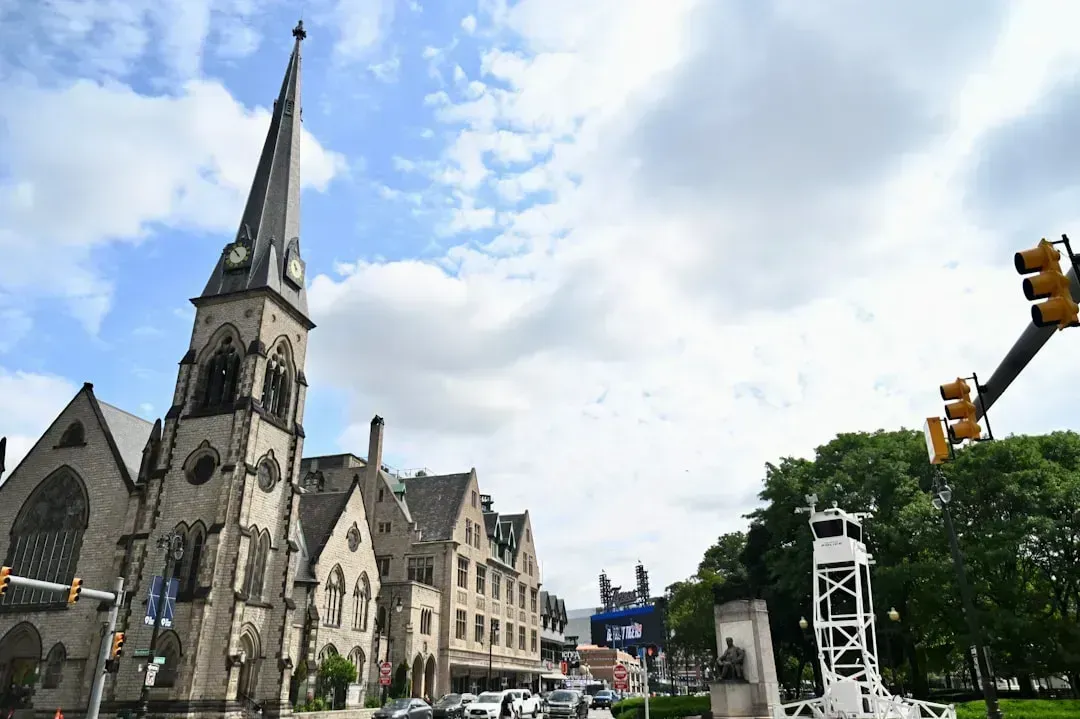
Detroit is perhaps the most globally recognized symbol of American urban decline. Here’s the raw truth: from its peak population of 1.8 million in 1950, Detroit’s population fell by over 60%, dropping to 713,000 by 2010, and continued to decline to 631,524 in 2024. For a city built for nearly three times as many people, that leaves a lot of space.
The city filed for bankruptcy in 2013, facing $20 billion in unpaid bills, the largest municipal bankruptcy in U.S. history. That financial collapse didn’t happen overnight. Between 1947 and 1963, Detroit lost 150,000 manufacturing jobs. This wasn’t foreign competition. It was the auto companies themselves. Instead of reinvesting in Detroit, the Big Three built 25 new plants in the metro area but none inside the city.
Detroit’s violent crime rate is 488% higher than the national average. The poverty rate sits at 33.8% in Detroit, higher than Michigan’s 13.4%. An unemployment rate of 8.8% contributes to high crime rates. Those numbers are genuinely sobering, even in 2026.
There are signs of a slow turnaround, though. In 2024, the United States Census Bureau reported that Detroit experienced a slight population increase in its 2023 estimates, marking the city’s first recorded growth since 1957. In 2024, Detroit had its lowest murder rate since 1965. A flicker of hope, but it will take decades to undo what decades of decline created.
3. San Francisco, California – The High-Cost Exodus

San Francisco is a different kind of urban decline story. It isn’t poor. It isn’t abandoned. It’s arguably too expensive for its own good. Census estimates indicate that San Francisco is below its 2020 baseline, and analysts often cite high housing costs and remote work as key factors contributing to domestic out-migration. The loss has been steady rather than sudden, signaling a long-term shift rather than a temporary dip.
The downtown office market tells a striking tale. Despite improving leasing momentum, the office vacancy rate remains historically high at 22.8% as of Q2 2025. This is starkly higher than the roughly 5.9% vacancy of 2019 before the pandemic. Entire city blocks that once buzzed with commuters are still quieter than they should be.
Homelessness remains a defining challenge. While 8,323 homeless individuals were observed on the night of the 2024 Point-in-Time Count, more than 20,000 people seek homeless services in San Francisco over the course of a full year. These figures suggest that for every person helped out of homelessness, approximately three people become homeless.
Tech firms, particularly in the booming artificial intelligence sector, have led a leasing uptick by expanding into quality spaces freed up by earlier tenant contractions. Companies like OpenAI, Anthropic, and Databricks have all signed large leases for space in San Francisco in recent quarters. The AI boom may yet rewrite San Francisco’s next chapter, but the city is not out of the woods.
4. Memphis, Tennessee – A City Fighting Its Own Statistics
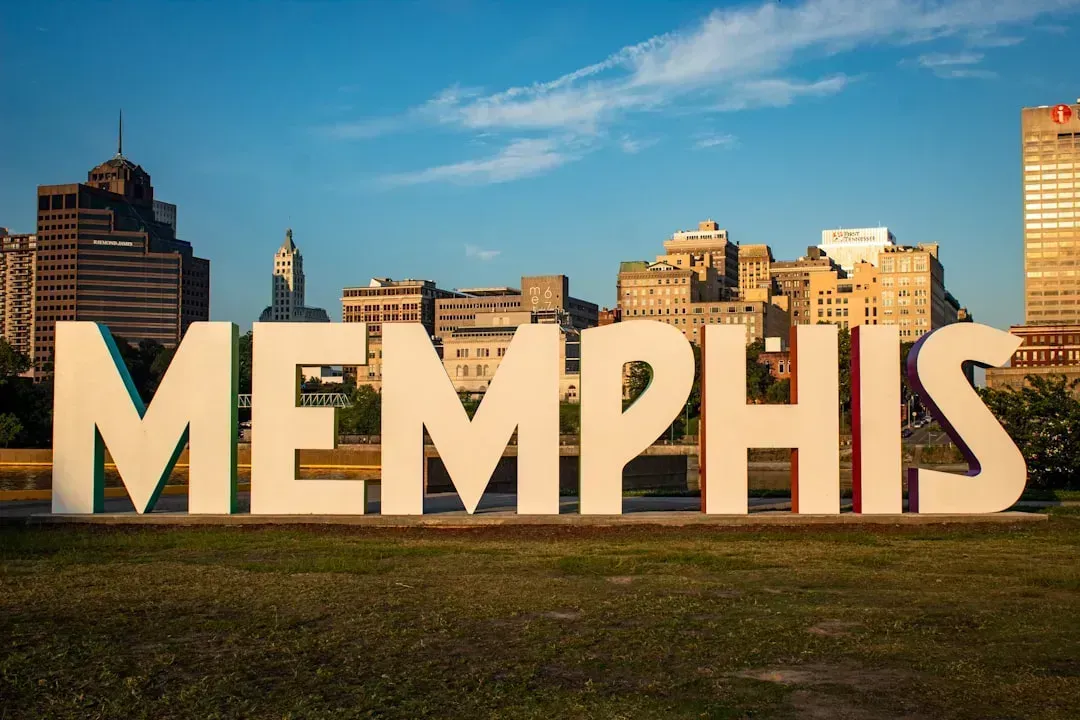
Memphis carries a heavy burden. It was once a celebrated river city, a cradle of American music, and a commercial hub for the entire mid-South. Today, it carries a very different kind of reputation. Memphis tops the list of the most dangerous large cities in the U.S., with a violent crime rate nearly six times the national figure.
Memphis has long struggled with poverty, with the city’s poverty rate hovering around 25%, and persistent gang activity, which experts cite as key drivers of crime. That’s roughly one in four residents living in poverty. Memphis remains one of the South’s most important river cities, with lasting influence in music, freight, and food, but the recent numbers show a continued population slide instead of the stronger rebound many civic plans have aimed to build.
There is, however, a data point that deserves recognition. In 2024, Memphis, Tennessee recorded the highest murder rate among America’s largest cities. However, there are signs of recent improvement: Memphis saw a 30 percent decrease in homicides by the end of 2024, with overall crime dropping to a 25-year low across major categories.
It’s hard to say for sure whether that momentum will hold. Memphis ranked among the top large cities for both violent and property crimes, leading in aggravated assault, larceny-theft, and motor vehicle theft. The cultural soul of this city is undeniable, but it would be irresponsible to travel there without understanding what current conditions actually look like on the ground.
5. Baltimore, Maryland – Resilience Under Enormous Pressure
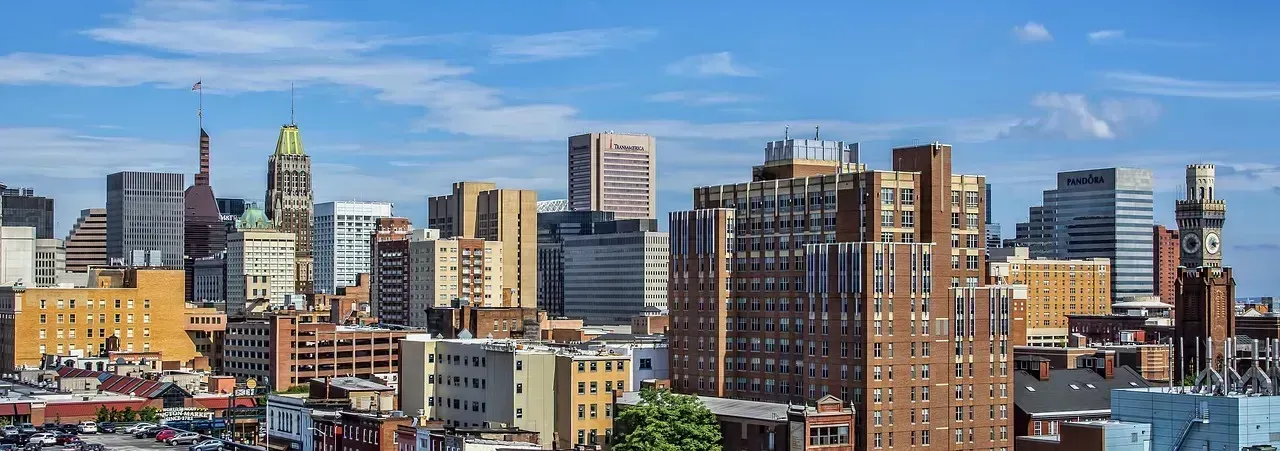
Baltimore is a city that has been punching hard, and taking hard hits, for a very long time. Baltimore faces economic stagnation and social challenges due to deindustrialization and a declining manufacturing base. The city’s poverty rate is 20.3%, significantly higher than the national average. Crime remains a major concern, with Baltimore ranking as the 4th most dangerous city in the US, according to a 2023 Forbes report.
Baltimore ranked second in murders while maintaining its position as the nation’s leader in robbery rates. Baltimore’s crime challenges stem from decades of economic decline, the opioid crisis, and other systemic issues. These aren’t new problems. They are layered, generational, and deeply embedded in the city’s economic structure.
Here’s the thing, though. Baltimore is also fighting back with real data to back it up. Baltimore experienced one of the largest drops in homicide rates across the studied city sample, down by 40% between 2019 and 2024. As of mid-2025, robbery and motor vehicle theft are down compared to the previous year. The homicide clearance rate has jumped from 40.3% in 2020 to 68.2% in 2024, demonstrating improved investigative effectiveness.
Baltimore is a city caught between a painful past and a genuine, if fragile, recovery. The Inner Harbor draws tourists, the hospital and university sectors provide stability, yet vast parts of the city remain deeply underserved. Visiting Baltimore in 2026 means walking into a complex, unfinished story.
6. Philadelphia, Pennsylvania – Still Climbing Out
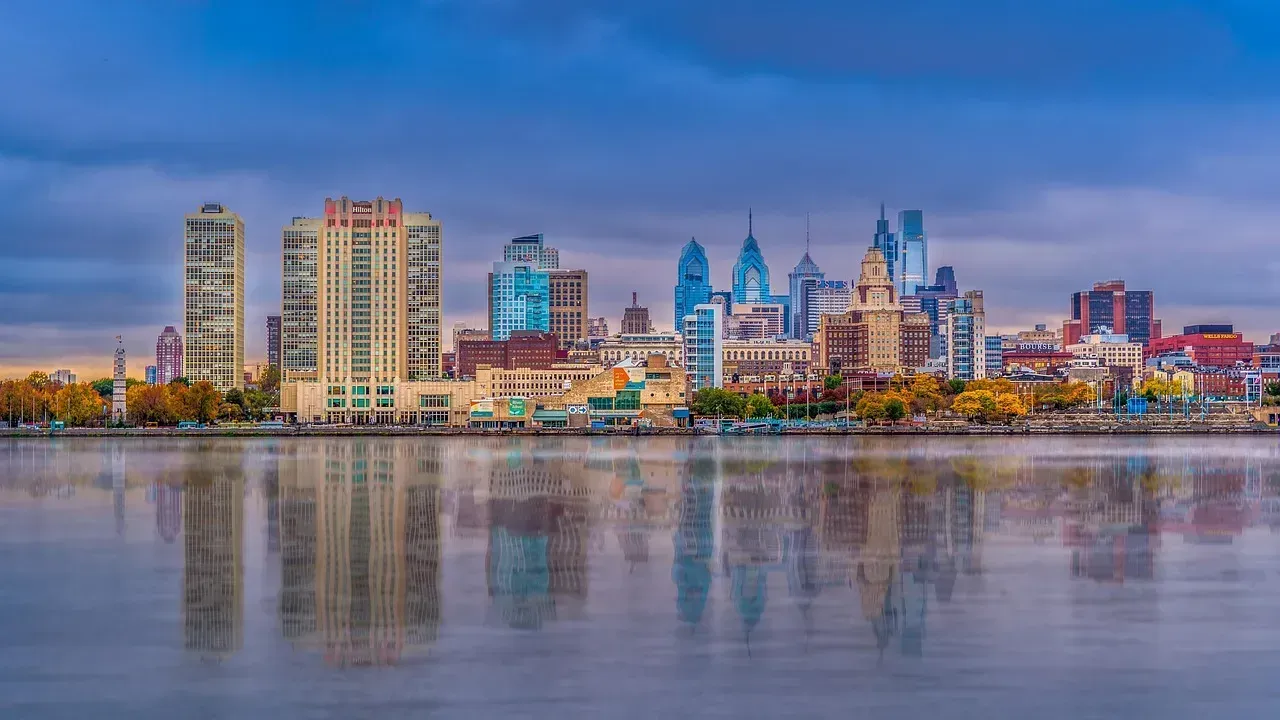
Philadelphia, the City of Brotherly Love, has a complicated relationship with its own identity. On paper, it is one of America’s great cities. In practice, it has carried the weight of being one of the country’s most impoverished large urban centers for generations. Philadelphia still carries the weight and texture of a major American city, yet its recent population count points to a slower chapter. The 2024 estimate lists Philadelphia at 1,573,916 residents, compared with 1,603,797 in 2020, a decline of 1.86%.
According to the latest data from 2022, Philadelphia’s poverty rate was 21.7%, the lowest it had been since the 1990s. That sounds encouraging, until you realize the number itself remains alarmingly high. The median income in Philadelphia was $60,302 in 2023, lower than in Washington, D.C., Boston, Phoenix, Chicago, Pittsburgh, and Houston.
Crime data in Philly is genuinely improving, though not uniformly. Poverty in Philadelphia continues to decline while violent crime, unemployment, and education have improved. In 2021, there were 562 homicides in the city. In 2024, there were 269. That is a dramatic, meaningful drop and it deserves acknowledgment.
Still, the picture isn’t uniformly rosy. The average unemployment rate in Philadelphia in 2024 was 4.5%, up slightly from 4.2% in 2023. The city’s job growth was 2.1% in 2024, outpacing the national average of 1.3%. Philadelphia is climbing, but it is climbing from a very deep place, and certain neighborhoods tell a very different story than the revitalized Center City skyline suggests.
7. Portland, Oregon – The Creative City That Lost Its Footing
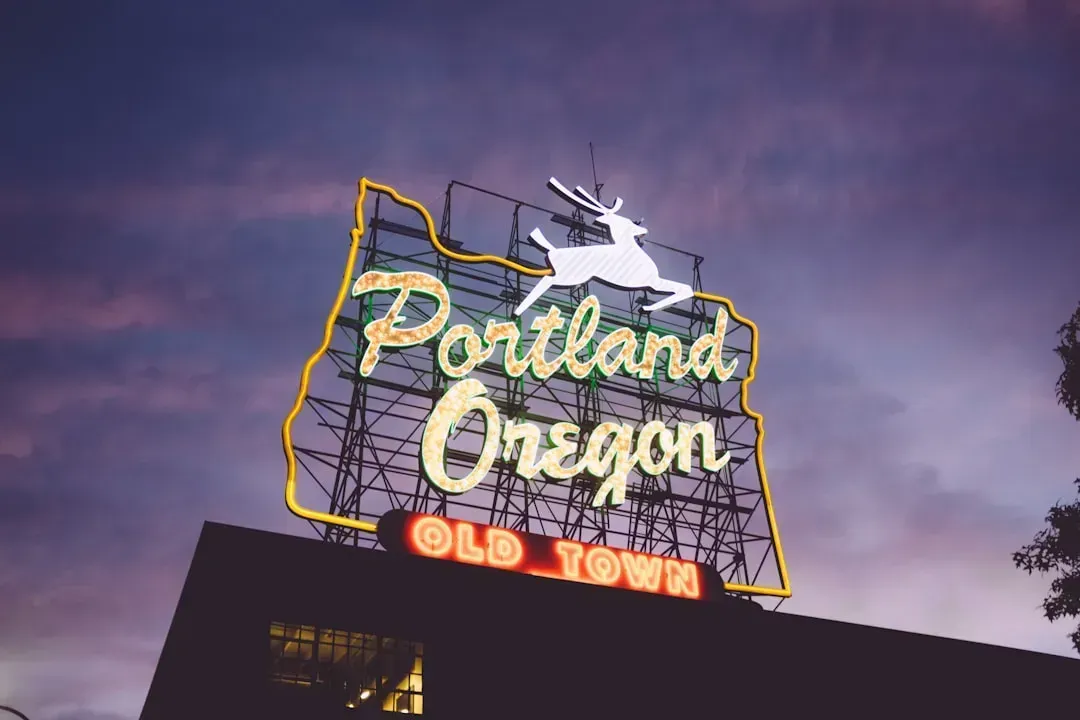
Portland was, for a long time, a genuine cultural phenomenon. A city that seemed to define a certain kind of progressive, artsy, walkable American urban life. People moved there on purpose, excited about it. That energy has visibly cooled. Portland still has deep civic loyalty and a strong creative identity, but the recent population figures point to a city adjusting to weaker momentum. The 2024 estimate records Portland at 626,576 residents, down from 641,162 in 2020, a decline of 2.27%.
In a place shaped by walkable districts and local businesses, a pullback like that can leave visible gaps in storefront turnover, street vitality, and confidence in the next cycle of investment, especially in streets facing more vacancies. Walk certain stretches of downtown Portland today and the contrast with even five years ago is striking. It’s quieter. Emptier. Harder to ignore.
Portland recorded very high larceny-theft rates, with Portland’s challenges likely connected to ongoing issues with homelessness and drug-related activity. The fentanyl crisis hit Portland with particular force, and the city’s highly publicized experiment with drug decriminalization, which has since been reversed, drew national attention for all the wrong reasons.
Stalwart patterns continue to show an exodus from once-popular hive-like megacities, where skyrocketing costs of living and population densities are the norm, in favor of smaller, more breathable cities and towns with lower costs of living, easier access to the outdoors, and vibrant, self-contained cultural scenes. Portland is learning this lesson the hard way as residents seek out those smaller, cheaper alternatives in the very Pacific Northwest it once dominated.