9 Countries Travelers Say Felt Unwelcoming to Tourists in 2026
Not every destination rolls out the welcome mat. In fact, some places make it perfectly clear that they would rather you stayed home. Whether it’s political friction, local exhaustion from mass tourism, or outright government bans, the experience of feeling genuinely unwanted in a foreign country is more common than most travel guides would have you believe.
The numbers heading into 2026 tell a striking story. According to a Global Rescue Snap Survey of more than 1,400 current and former members conducted in early 2025, the vast majority of the world’s most experienced travelers expect tourists will be less welcome and perceived more negatively while traveling internationally. Seven out of ten surveyed said travelers will be perceived more negatively and feel less welcome abroad. That is not a small opinion poll. That is a measurable global shift. Let’s dive in.
1. France: Frosty by Reputation, Frostier by Data

France has carried a reputation for coolness toward foreign visitors for decades, particularly toward Americans. Honestly, for a long time it felt more like a cultural joke than a real problem. That’s no longer the case.
France led the way in a major European survey at 15%, making it the country most likely to call itself unwelcoming to tourists. That is not a close competition. No other European nation even comes close to that level of self-declared coolness toward visitors.
U.S. favorability in France plunged 33 points by early 2025, tied directly to trade disputes and political tensions. France’s disapproval rating for the United States currently sits at 67%, and this level of animosity can make it hard for visitors to feel welcomed in the country.
Locals regularly express frustration about tourists skipping lines at the Eiffel Tower or demanding English everywhere. Here’s the thing: while the French appreciate tourist spending, that cultural friction simmers just below the surface. Think of it like turning up to a dinner party uninvited and wondering why the host looks tense.
2. Russia: A Legal and Literal Dead End for Travelers
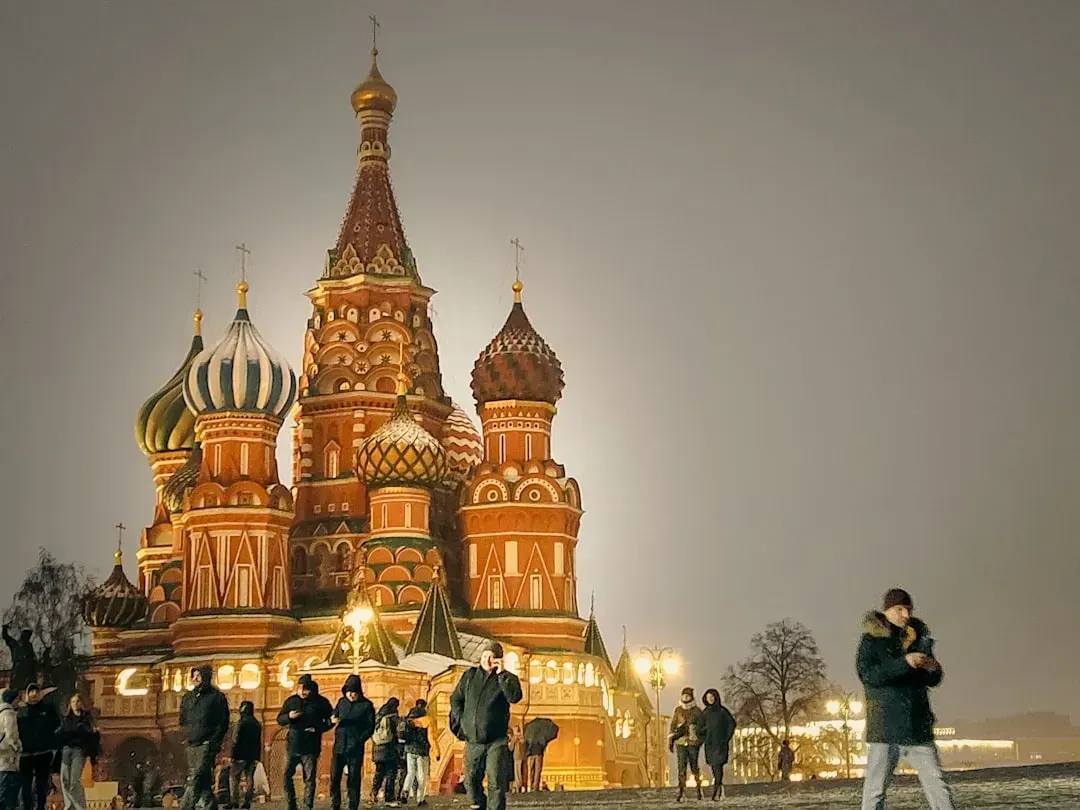
Russia was never a simple destination, even in better times. Now it has moved into an entirely different category. It is not just unwelcoming. For many travelers, it is legally off-limits.
As of December 2025, the U.S. State Department confirmed that Russia remains under a “Level 4: Do Not Travel” advisory due to dangers associated with the continuing war between Russia and Ukraine. U.S. citizens in Russia are urged to leave immediately. The risk of harassment or wrongful detention, arbitrary enforcement of local laws, and the possibility of terrorism were all cited.
Russian officials have questioned, threatened, and detained U.S. citizens without reason. This includes both former and current U.S. government and military personnel, as well as private citizens. Russian authorities have a documented history of wrongfully detaining U.S. nationals and using them as bargaining chips.
International sanctions imposed on Russian banks due to the Russia-Ukraine war mean that U.S. and other Western credit and debit cards do not work in Russia. So even if someone dared to go, basic financial transactions would become a daily ordeal. There is simply no upside here.
3. North Korea: The Ultimate Closed Door
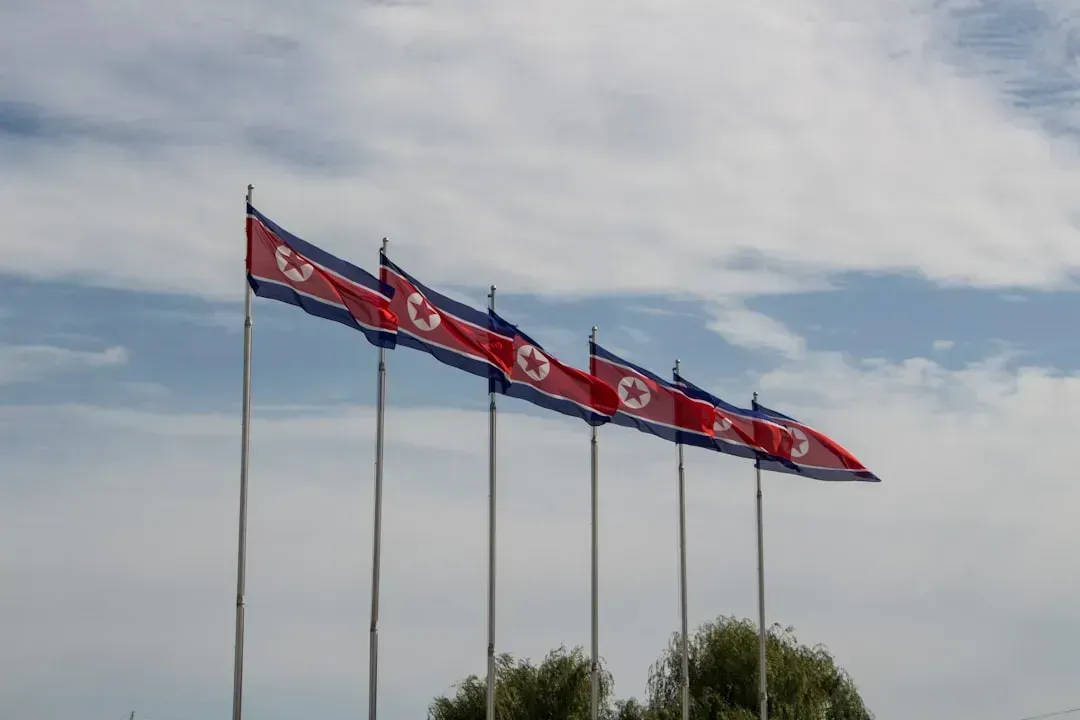
If Russia feels like a cold shoulder, North Korea is a slammed door. For American travelers in particular, this destination has been formally off the table for years, and 2026 is no different.
The U.S. has issued a travel ban restricting all U.S. citizens from entering North Korea through August 2026, citing persistent and serious security threats. According to the State Department, the decision follows continued concerns over the safety of American travelers, who face a high risk of arbitrary arrest, prolonged detention, and lack of consular assistance. All U.S. passports remain invalid for travel to, in, or through North Korea unless granted special authorization.
Stepping into North Korea feels like entering a parallel universe. The strict regulations on where visitors can go and what they can photograph contribute to a sense of unease. Tourists are constantly accompanied by government-assigned guides, making spontaneous exploration impossible. The country’s political tensions and its history of isolation further add to the perception that visitors are more tolerated than welcomed.
In February 2025, North Korea briefly reopened tourism to foreigners after five years of lockdown, only to close its borders again in March 2025. That erratic back-and-forth says everything you need to know about how seriously the regime takes the idea of welcoming outsiders.
4. Iran: Where Tourism Meets Legal Risk
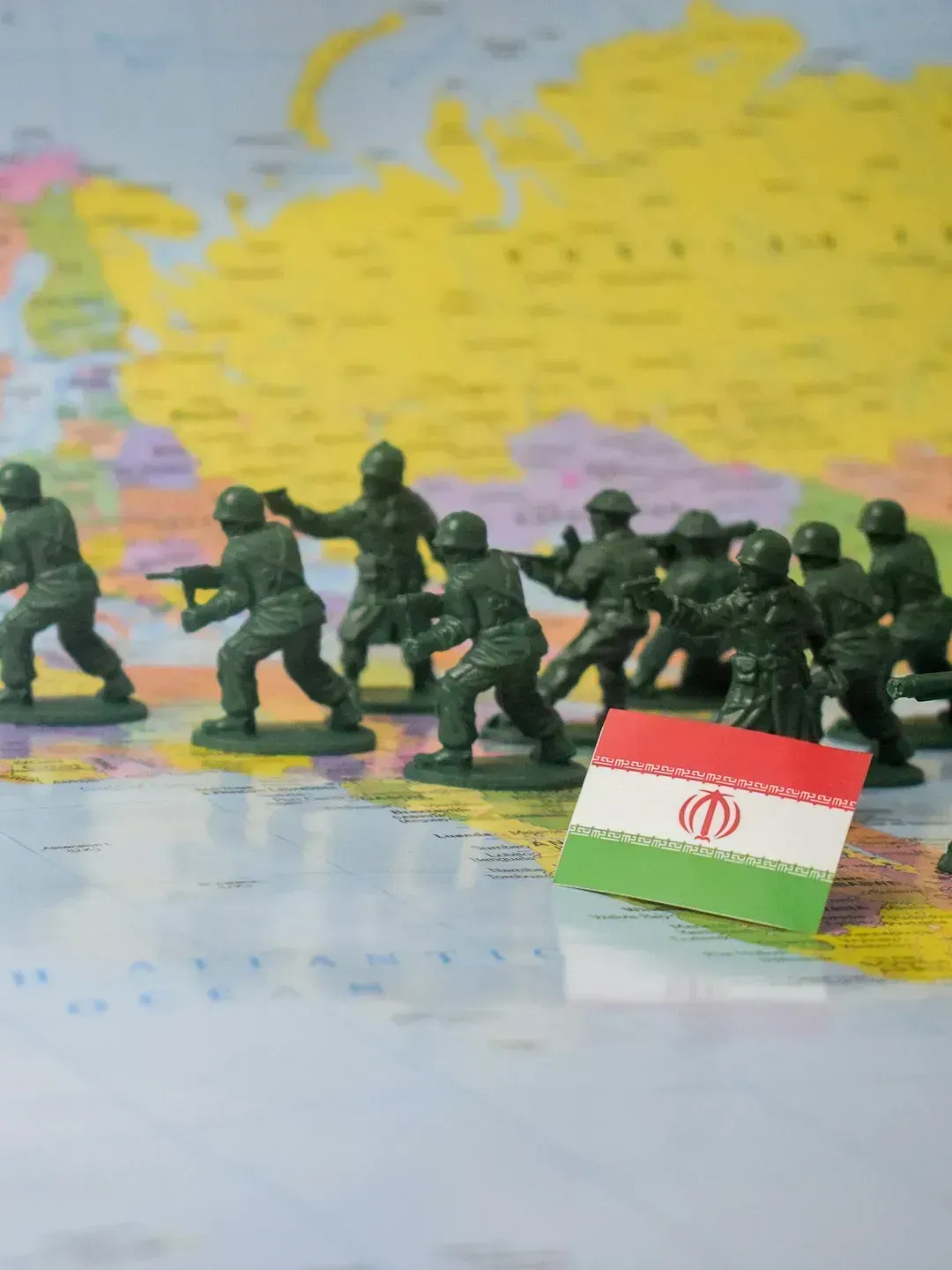
Iran is a country of breathtaking history, ancient architecture, and genuinely warm local people. I think it’s one of the most tragically misunderstood destinations on earth. The problem is that the political reality makes a visit extraordinarily dangerous, especially for Westerners.
Iran remains at Level 4: Do Not Travel under an advisory reiterated in early December 2025. The State Department continues to warn of terrorism, civil unrest, kidnapping, arbitrary arrest, and wrongful detention, noting that some U.S. nationals have been held for years on politically motivated charges.
In December 2025, U.S. citizens were warned about escalating protests in Iran, which increased security presence, shut down roads, and disrupted public transportation and internet connection. The U.S. Embassy warns that these demonstrations can turn violent and lead to arrests and injuries. The Level 4 travel advisory for Iran cites risks of terrorism, unrest, kidnapping, and arbitrary arrest of U.S. citizens.
While Iranians themselves are known for their hospitality, government policies and the potential for sudden political unrest can deter tourists. The duality of warm local interactions versus the overarching political atmosphere creates a deeply complex travel experience.
5. Spain: Beautiful Country, Exhausted Locals

Spain’s case is different from most on this list. The tension here is not really about politics or legal bans. It is raw, visceral frustration from locals who feel their cities and coastlines have been swallowed whole by mass tourism.
Spain lists among the top unwelcoming spots in survey results, amid 2024 to 2025 protests against mass tourism. That figure of nearly 100 million visitors is staggering for a country of roughly 48 million people. Locals in Barcelona took to the streets, spraying water pistols at visitors, and protests gripped parts of Mallorca.
A Spanish mobility consulting firm reported that the availability of long-term rental property in the nation decreased by roughly three percent in 2024, with rental prices reaching a new all-time high. Locals are not being dramatic. They are being pushed out of their own neighborhoods, and they know exactly why.
Barcelona banners have openly called for tourists to go home. Locals blame rising rents on outsiders, and data shows tourism doubles the population strain in certain areas. The frustration is real and it does not disappear the moment you order a glass of sangria.
6. The Netherlands: Blunt, Bilingual, and Over It
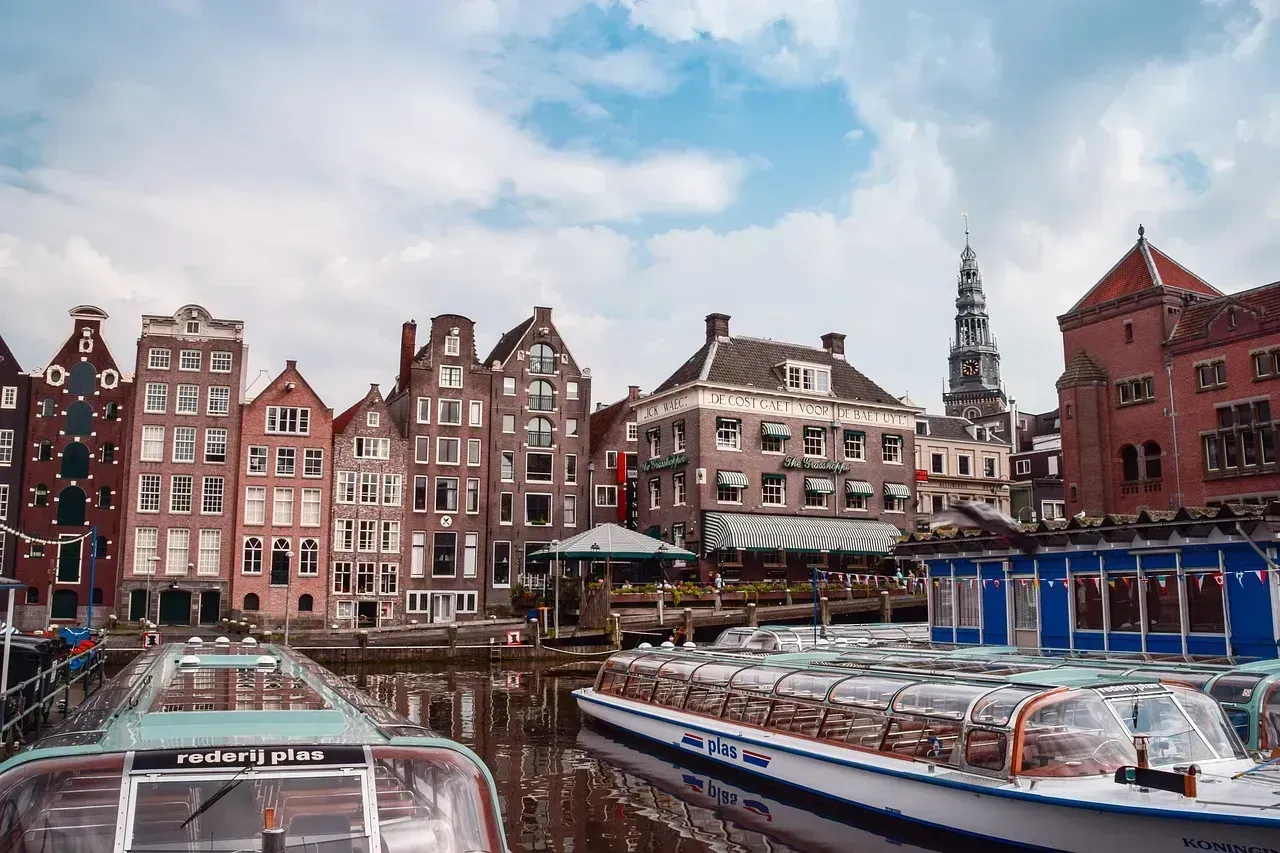
Amsterdam has never been shy about protecting the way its residents live. The city has made its feelings about mass tourism very clear, not through protests exactly, but through direct policy action that sends a rather unmistakable message.
Amsterdam confirmed that it would continue to ban the addition of beds in hotels in the city, as well as maintain the ban on the creation of new hotels. The message to mass tourism is becoming increasingly clear.
The Netherlands stands out particularly because Dutch people generally speak excellent English, meaning language barriers cannot explain the negative sentiment. Dutch respondents frequently cite tourist loudness, entitlement, and lack of awareness about local customs.
Nearly roughly two fifths of Dutch people hold negative views toward tourists, ranking high among European nations for unwelcomeness. That is a striking figure for a country that built much of its modern economy on being an international hub. Still, the message from Amsterdam is pretty direct if you know how to read it.
7. Denmark: Greenland Changed Everything
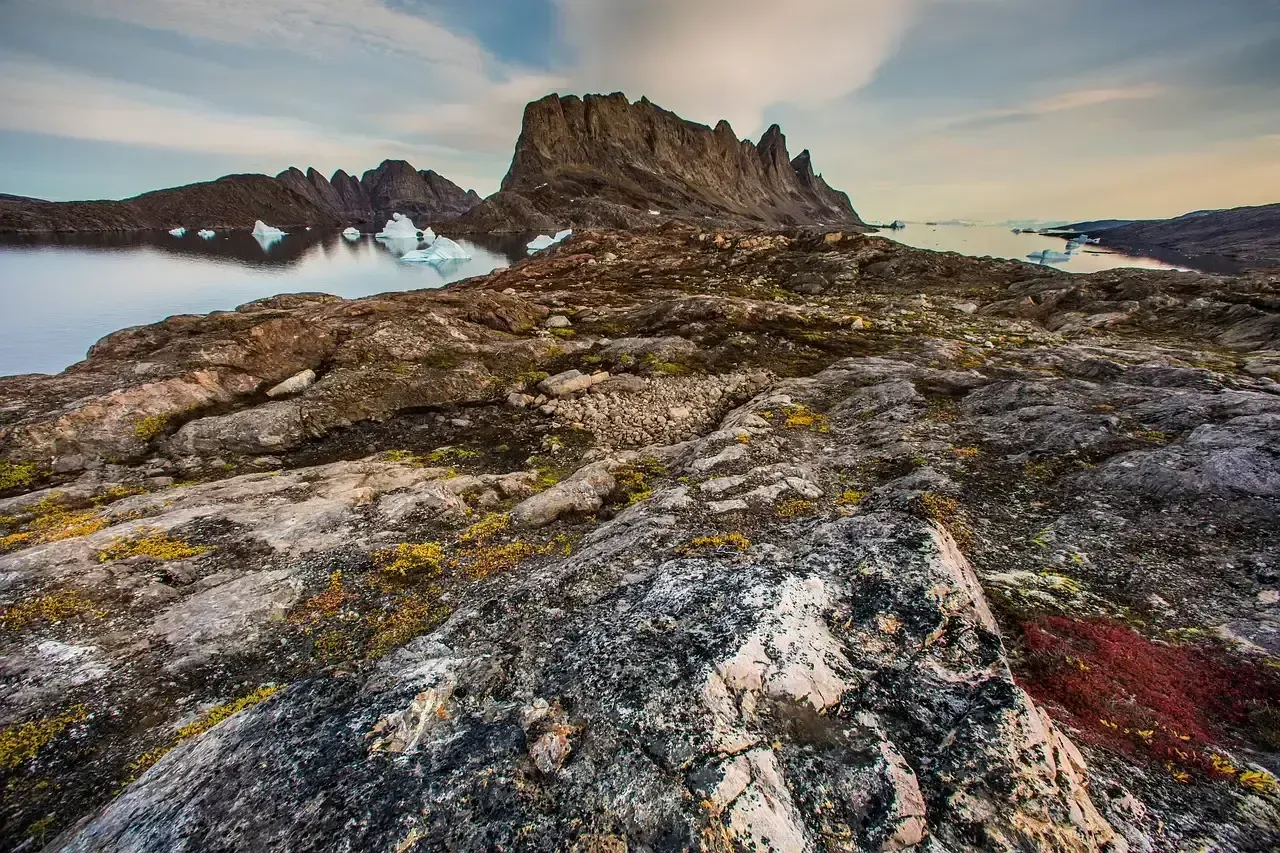
Denmark probably surprises most people on this list. It is small, prosperous, and generally considered one of the more open-minded nations in Europe. Yet 2025 introduced a specific and deeply personal source of friction between Denmark and certain tourists.
According to recent data from YouGov, European favorability of the USA across seven major European countries experienced a notable drop since Trump took office again, falling between 6 and 28 percentage points. Opinion toward the U.S. is lowest in Denmark, not surprising given that Greenland, which Trump has vowed to annex, is an autonomous territory of the country.
Denmark shows up repeatedly in surveys with notable annoyance figures, and roughly a third of Danes reconsidered their attitude toward American guests following the Greenland territorial talk. That is not a minor cultural spat. That is a geopolitical wound playing out in everyday encounters at cafes and hotels.
Scandinavian countries value quiet, orderly public behavior and personal space, and tourists who bring louder social norms can feel jarringly out of place. Add the political layer and you have a destination that, while stunning, carries a new kind of tension in 2026.
8. Portugal: Overtourism Frustration in a Once-Charming Escape
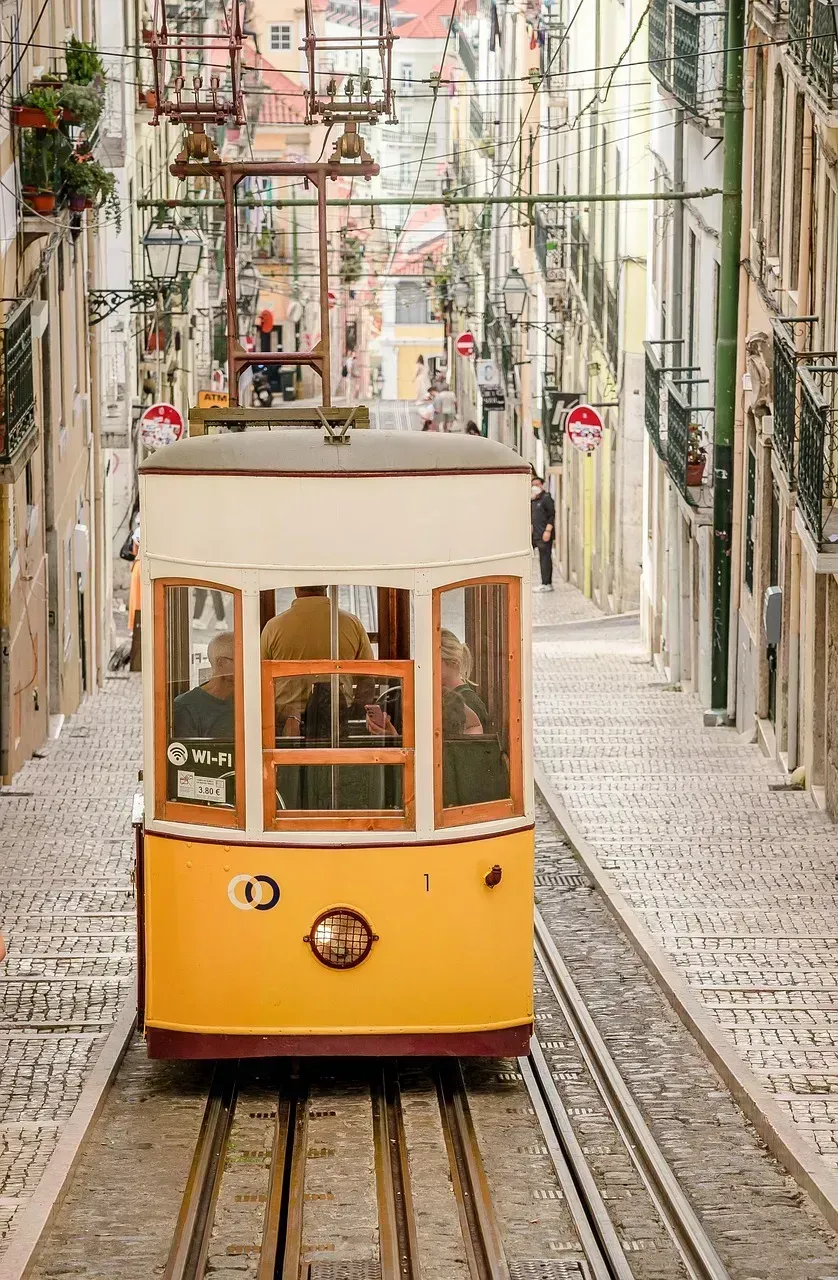
Portugal used to be the charming underdog of European travel. Affordable, beautiful, and genuinely friendly. It still is, in parts. However, Lisbon and the Algarve have reached a tipping point that is impossible to ignore.
Lisbon has been at the center of a broader Southern European conversation about “touristification,” with protests highlighting housing and quality-of-life concerns. Reuters reported demonstrations across the region, including a planned action in Lisbon in June 2025.
Portugal tops annoyance charts, with locals in Lisbon and the Algarve expressing frustration about ignored customs and the expectation that everyone should speak English. It is a bit like being a guest at someone’s home and treating it like a hotel. You can feel the difference.
Portugal consistently ranks high for tourist annoyance despite being relatively welcoming overall. The issue seems to be behavioral rather than political. Locals report frustration with loud voices, lack of cultural awareness, and expectations that everyone should speak English. With trade tensions amplifying those gripes into 2026, the warmth is becoming harder to find.
9. Germany: A Diplomatic Chill That Reached the Streets
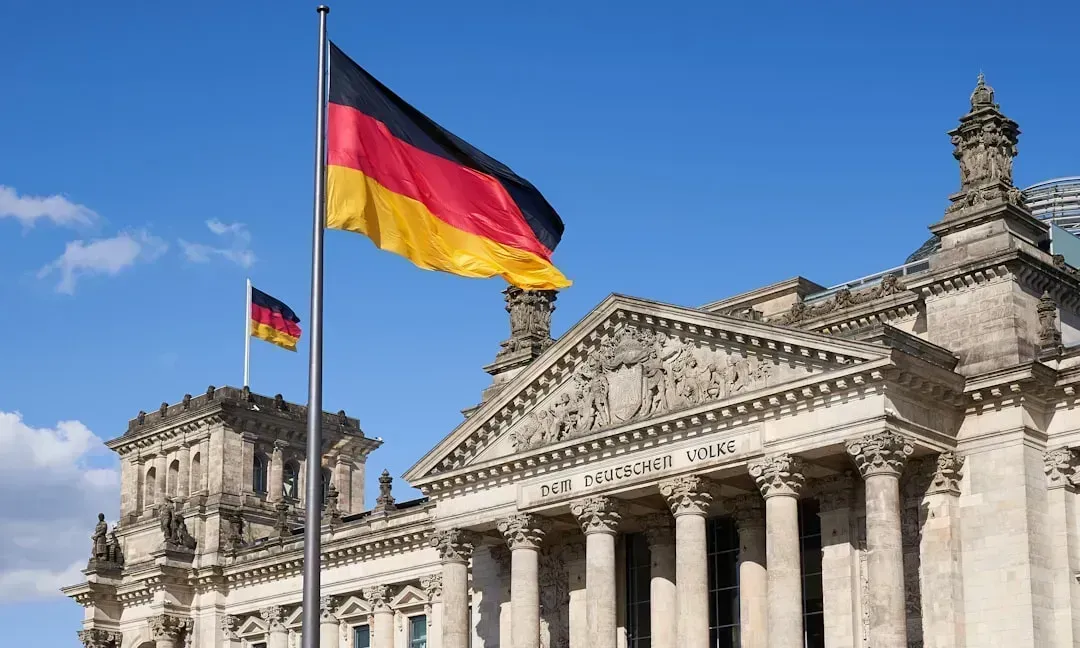
Germany and the United States have shared a long, historically complex relationship. For decades it translated, imperfectly, into mutual respect and strong tourism ties. That era is now showing serious cracks.
Statistics from 2025 tell a sobering story: Germany ranks number one with a steep drop of well over half in interest in visiting America, a shift that echoes in both directions. When the relationship sours at the diplomatic level, it shows up on cobblestones and in restaurant interactions.
The current U.S. political environment has introduced a more isolationist and nationalistic tone to immigration and foreign policy. Actions such as reintroducing strict immigration vetting and publicly discussing the acquisition of foreign territories like Canada and Greenland have added layers of discomfort for European travelers, reinforcing a perception of mutual unwelcome.
When Germans feel unwelcome in America, American tourists in Germany face a reciprocal coldness. The relationship is no longer one of natural warmth. The World Travel and Tourism Council also reported that the U.S. was the only country expected to experience a decrease in international visitor spending in 2026 among the 184 nations analyzed. That mutual chill is now measurable in dollars and euros.