I Retired to Arizona for the Sunshine – But Left After 6 Months: 11 Things No One Warns You About
Arizona sells itself beautifully. Three hundred days of sunshine. World-class golf. Desert sunsets that look almost too good to be real. Nearly 19% of Arizona’s population is now aged 65 or older, sitting well above the national average, which tells you just how powerfully this state markets itself as the ultimate retirement paradise. People pack up their lives in Ohio or Illinois or Michigan and drive southwest with nothing but hope and a U-Haul.
The trouble is, nobody really talks about what happens after the honeymoon ends. The sun keeps shining, sure. The problem is everything else. If you are seriously thinking about retiring to Arizona, or if you already took the plunge and are starting to have doubts, this is the article you needed to read before you signed anything. Let’s dive in.
1. The Summer Heat Is Not Just “Dry Heat” – It’s a Medical Threat
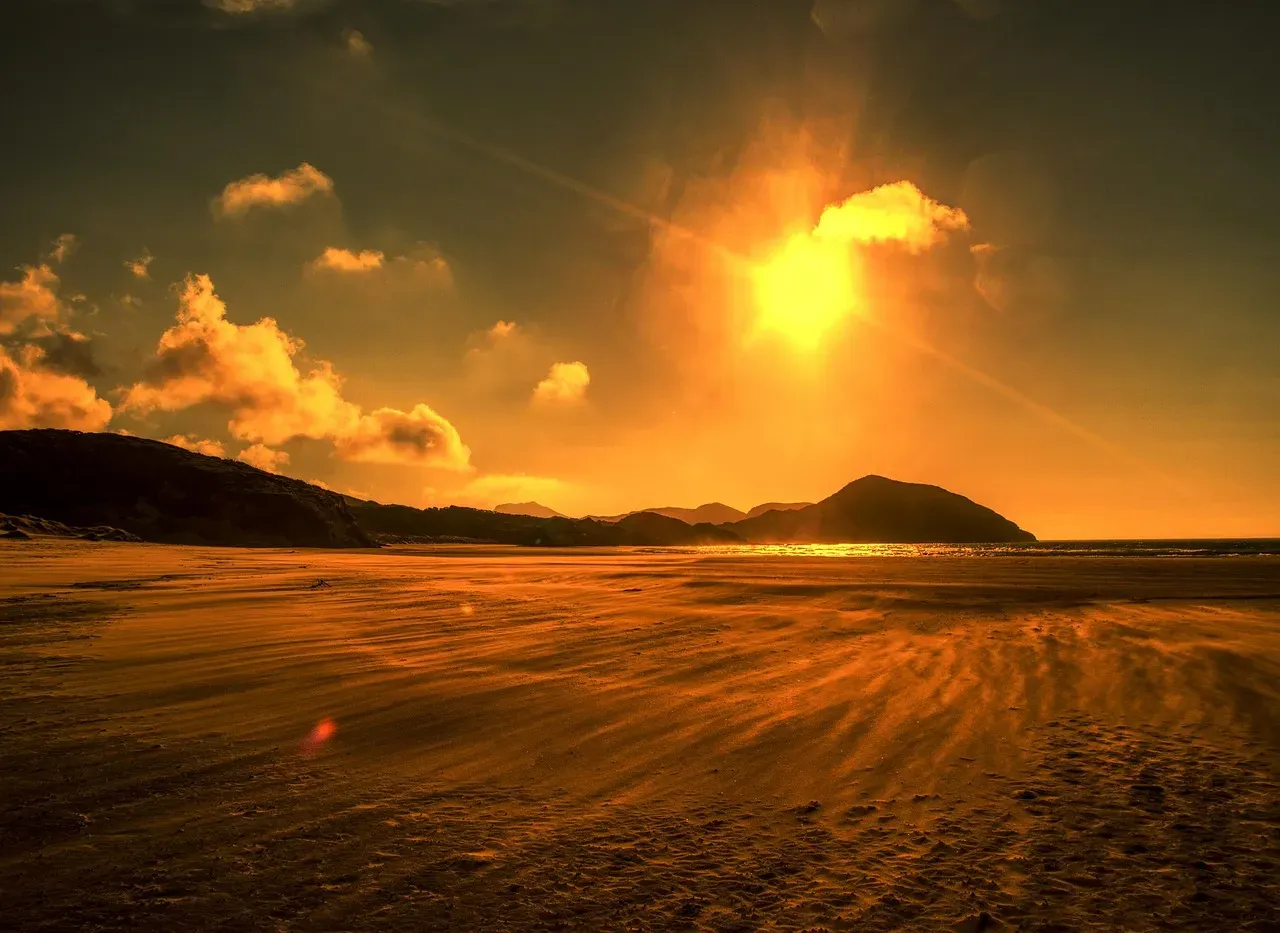
Everyone tells you the same thing. “Oh, it’s a dry heat. It’s fine.” Honestly, that line needs to retire before you do. The extreme heat in Arizona extends far beyond what most retirees anticipate, with temperatures regularly exceeding 110°F during summer months. That’s not uncomfortable. That’s dangerous. Think about what 110 degrees actually means: you cannot walk to your mailbox at noon without risking your health.
Arizona is one of the hottest places on earth from May to September, heat-related illnesses are common during the summer, and approximately 4,298 people visit Arizona emergency rooms every year because of them. Aging affects how the human body functions, and it’s more difficult for older adults to regulate their temperature, which increases the risk of overheating and developing hyperthermia. The sunshine you came for can literally make you sick.
2. The Summer Locks You Indoors for Months
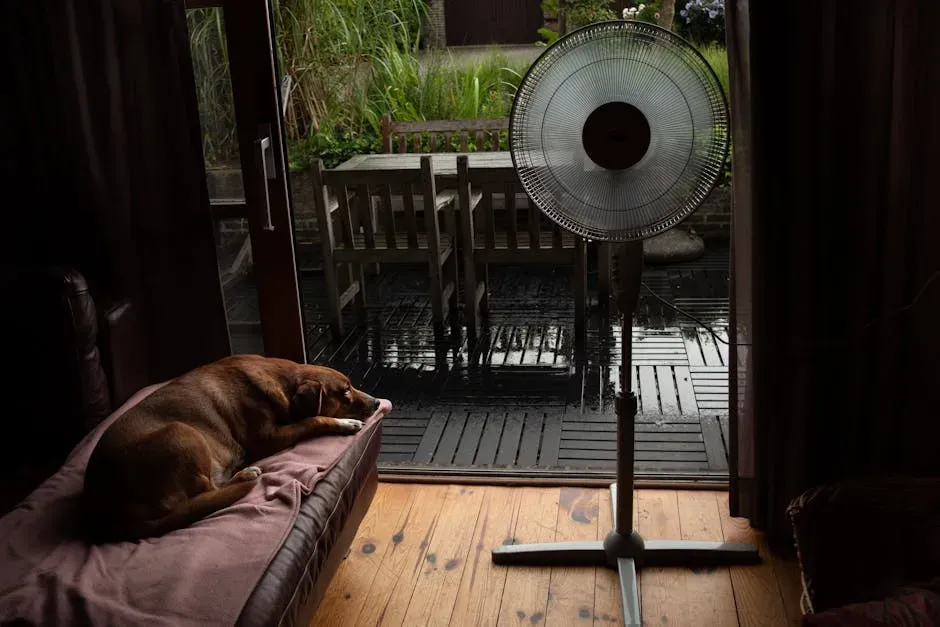
This one hits retirees particularly hard because the whole dream was about being outside. Hiking. Golfing. Morning walks. But Arizona’s heat can start affecting you as early as April and last through October, with extreme heat peaking during summer months from June through August. That’s a large chunk of the year where outdoor life is simply off the table during daylight hours.
In temperatures exceeding 90 degrees, the Arizona Department of Health Services recommends limiting strenuous outdoor activity, and in temperatures above 105, you should seek an indoor air-conditioned environment. Imagine retiring to Arizona for the great outdoors and then spending your afternoons essentially under house arrest in air conditioning. It’s a reality that catches almost everyone off guard.
3. The Electric Bills Will Shock You
Here’s a number nobody puts in the Arizona retirement brochure. Running air conditioning around the clock from May through September in a desert climate is not cheap. The climate can lead to sky-high electric bills in the hot months to pay for all that air conditioning. Retirees on fixed incomes often discover this financial reality only after the first summer utility statement arrives.
Even with equalizer payment plans, the utility costs considerably strain fixed retirement incomes and force difficult budgeting decisions. This is the hidden cost that turns Arizona’s otherwise affordable reputation on its head. You save on property taxes only to hand that money straight to the power company every single summer. It’s like trading one bill for another, except this one arrives every month without fail.
4. Valley Fever Is Real and It Targets Retirees
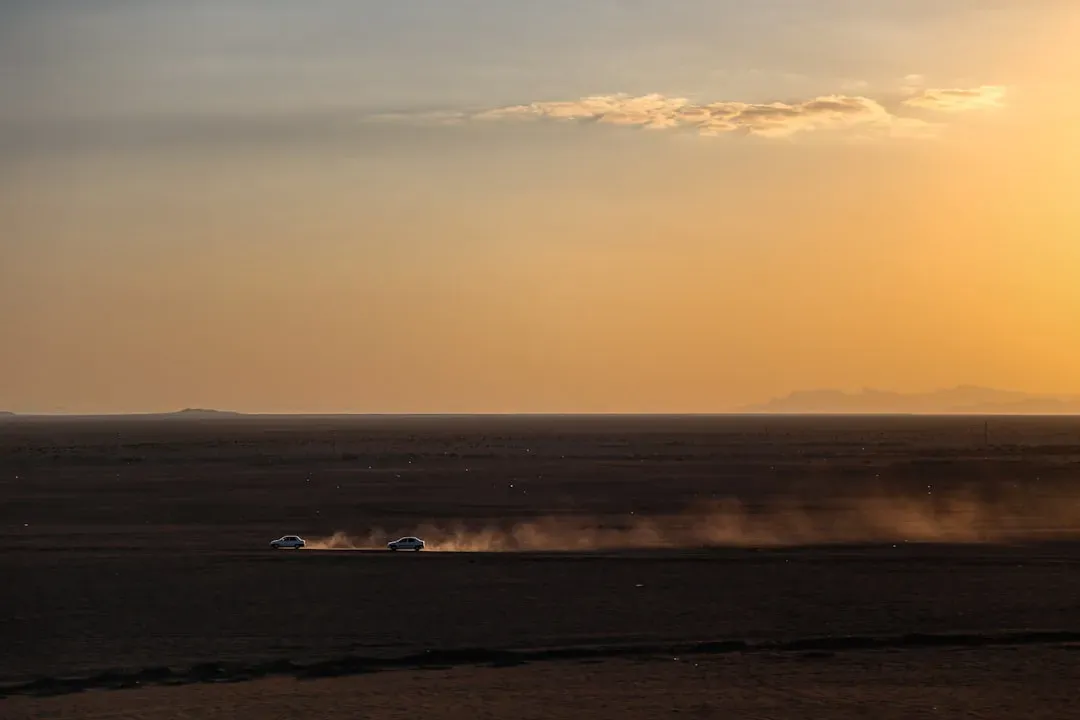
Valley Fever sounds like something you’d hear in a Western film. Unfortunately, it is completely real and Arizona is its home turf. Valley Fever, known medically as coccidioidomycosis, is a fungal infection caused by spores that live in the desert soil. When the soil is disturbed by wind, construction, or even just outdoor activity, those spores become airborne. You breathe them in. Most people experience flu-like symptoms, but in older or immunocompromised adults, the infection can become serious or even spread to other organs.
One longtime Arizona resident described battling Valley Fever among other challenges, including scorpions and poisonous snakes, during the months from May to September. Retirees with existing respiratory conditions are at higher risk for complications. It’s hard to say for sure just how many people retire to Arizona without ever hearing the words “Valley Fever” once, but the number is almost certainly very high. Ask your doctor before you go.
5. Scorpions, Rattlesnakes, and Desert Creatures Are Housemates
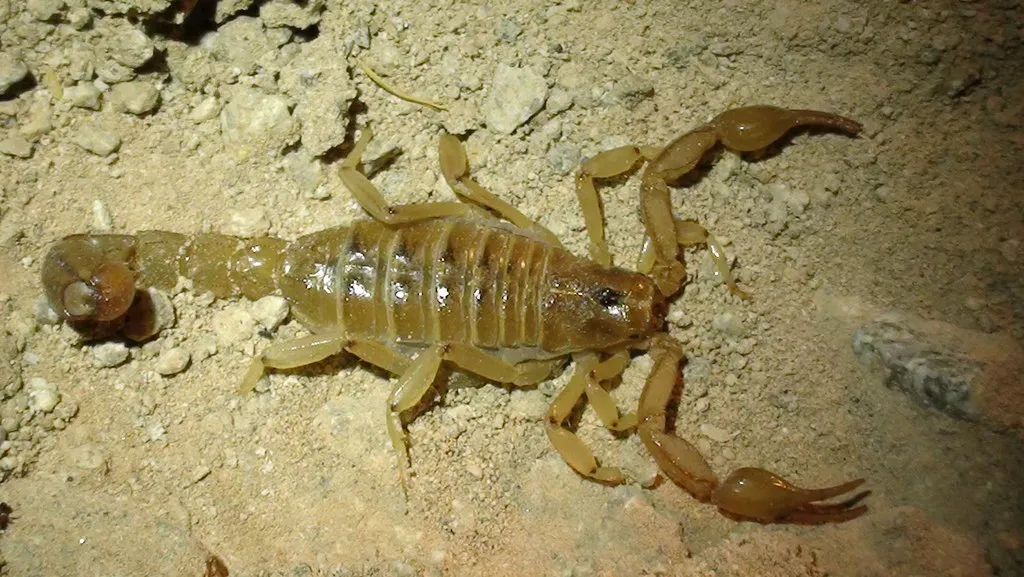
This is where the desert romance gets a little uncomfortable. Arizona is home to the Arizona Bark Scorpion, the only scorpion species in the United States whose sting can be genuinely life-threatening. They come inside looking for cool, dark spaces, which means your home, your shoes, your bedsheets. Shaking out footwear before putting it on becomes a daily reflex rather than a quirky habit. Many retirees are simply not prepared for this reality when they move from the suburbs of Minnesota.
Beyond scorpions, several species of rattlesnakes are common in desert residential areas, particularly in communities built near open desert land. Gila monsters, black widow spiders, and even coyotes roaming through backyards round out the welcoming committee. Extreme summer heat, water supply concerns, and higher energy costs are commonly cited, but the wildlife factor is rarely given the serious attention it deserves in retirement planning conversations.
6. The Water Crisis Is Deeper Than You Realize
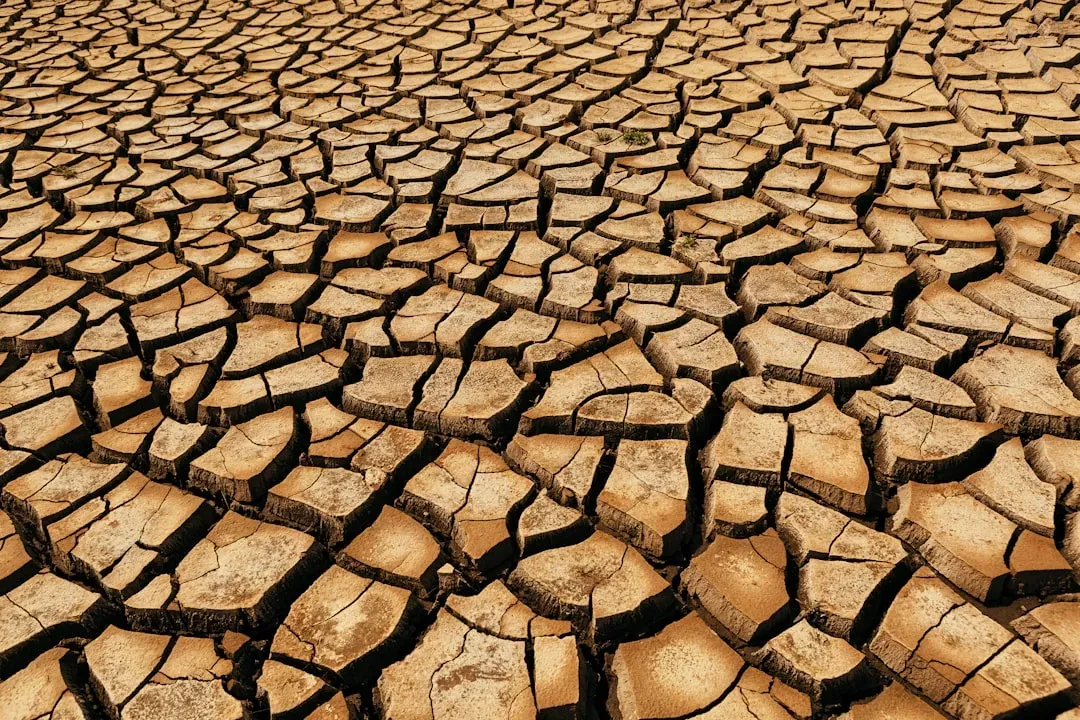
Arizona is running out of water. That’s not an exaggeration. Water resources in Arizona are under stress from climate change, a two-decade megadrought, and chronic overuse. The Colorado River Basin continues to experience drought and the impacts of hotter and drier conditions, and it is currently in a Tier 1 shortage for 2025, representing a 512,000 acre-foot reduction to Arizona’s Colorado River water supply. That is enormous.
The Colorado River system is in a 20-plus year drought that continues to stress the system, and ultimately, long-term drought and climate change means less Colorado River water available to Arizona. While the state has taken steps to manage water use, including restrictions and conservation efforts, ongoing concerns about sustainability may impact infrastructure, growth, and even property values in the long term. For retirees, this may not be an immediate dealbreaker, but it is something to monitor if you’re planning for a decades-long stay. For a retirement that could span 20 or 30 years, this is not a minor footnote.
7. Retirement Income Is Taxed More Than You Expect

Arizona has a reputation as a tax-friendly state, and it is, to a point. Social Security income is not taxed, and that genuinely helps. Here is where it gets more complicated, though. While Arizona doesn’t tax Social Security benefits and has relatively low property taxes, it does tax most other forms of retirement income, such as distributions from 401ks and IRAs. This could lead to higher-than-expected tax bills for some retirees depending on their income mix.
If your retirement income is heavily weighted toward IRA withdrawals or pension distributions, you could find yourself paying more to Arizona than you budgeted for. Arizona doesn’t tax Social Security benefits and has relatively low property taxes, but it does tax most other forms of retirement income such as distributions from 401ks and IRAs, which could lead to higher-than-expected tax bills for some retirees depending on their income mix. Always talk to a tax professional who actually knows Arizona’s rules before you make the move permanent.
8. The Cost of Living in Desirable Areas Is Not What You Imagined
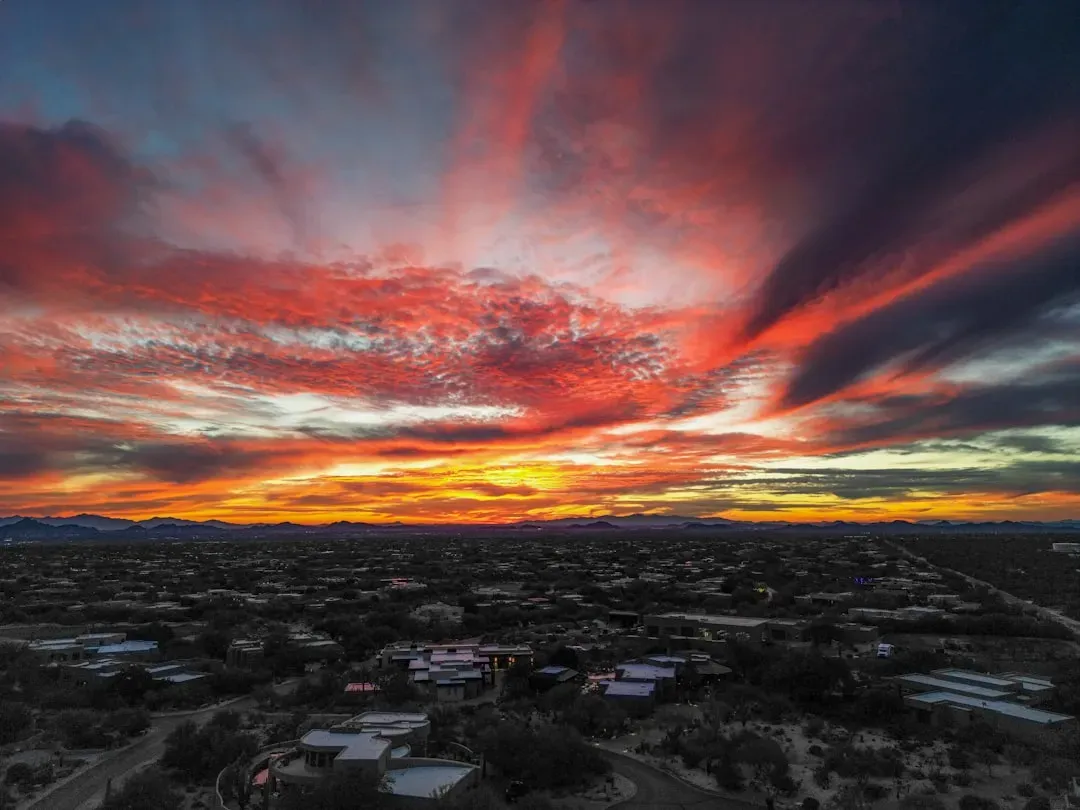
Arizona is affordable if you live somewhere you did not actually want to live. The places retirees typically dream about are a different story altogether. Like many parts of the country, Arizona has seen rising home prices, especially in popular areas like Scottsdale, Sedona, and parts of Phoenix. As of early 2025, the median home price in Scottsdale sits around $900,000. That is not a typo.
The cost of living often catches retirees off guard. Popular retirement places like Scottsdale or Flagstaff come with prices that can rival coastal cities. Arizona’s cost of living has skyrocketed in recent years. If you find yourself in the wrong area of the state, you may be paying way too much for a cup of coffee or to fill up your gas tank. The “affordable Arizona” of a decade ago is largely gone in the neighborhoods retirees actually want to call home.
9. The Snowbird Effect Disrupts Year-Round Community Life
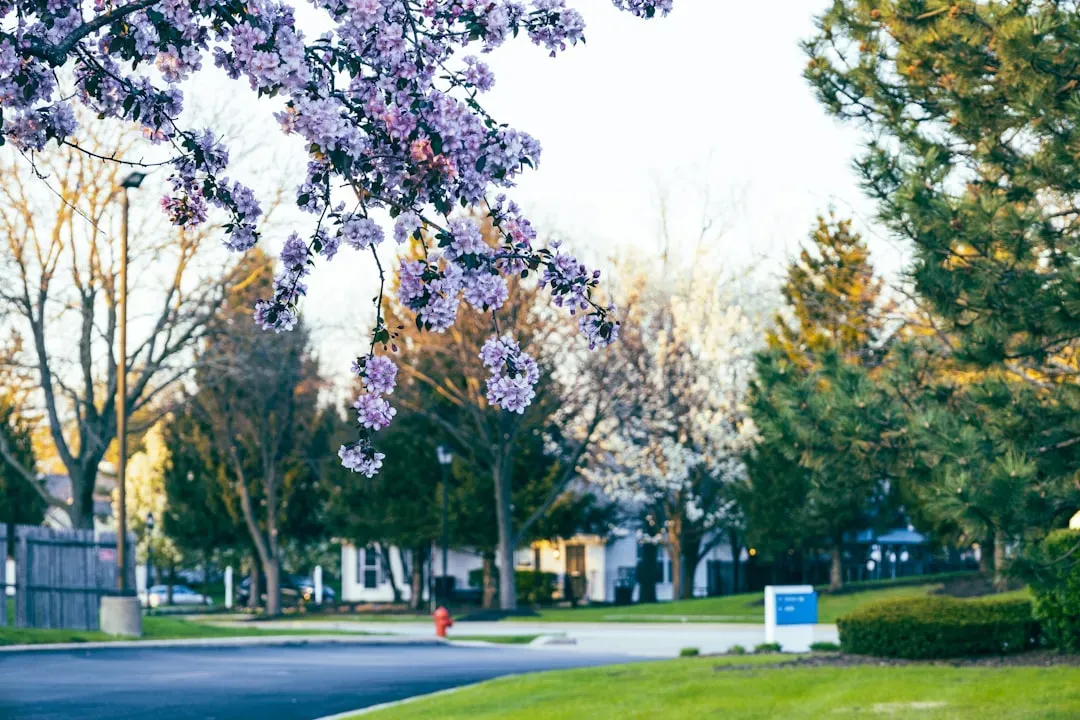
This one sneaks up on full-time Arizona retirees. Arizona snowbird season typically runs from October to April, with the highest influx arriving in November and December. This period allows snowbirds to enjoy Arizona’s mild winter temperatures, and during this season, Arizona sees a surge in demand for seasonal rentals, RV spaces, and social activities tailored to retirees and seasonal residents. It sounds charming until you are the one living there year-round.
Snowbird housing demand drives up prices, limits inventory, and creates competition for rentals during peak seasons. Meanwhile, that leaves entire neighborhoods largely empty in the warmer months, which diminishes the sense of community and could make it harder for businesses to stay open year-round. Arizona’s active snowbird culture puts pressure on the real estate market, which can drive up housing prices and impact housing availability, a constant issue in the state over the last decade. It’s a cycle that never really stops.
10. Traffic and Overcrowding Have Transformed the Major Cities

The laid-back desert city of Phoenix is not exactly laid-back anymore. Population growth has overwhelmed Arizona’s road systems, creating frustrating traffic conditions reminiscent of larger metropolitan areas. Public transportation options remain limited, forcing car dependency on seniors who may eventually face driving restrictions. That last point is significant. A state built almost entirely around car culture becomes genuinely problematic as retirees age and their driving abilities change.
Arizona’s major metro areas like Phoenix and Tucson offer public transit options, but in many smaller cities and rural communities, access to reliable transportation can be limited. This can present challenges for retirees who don’t drive or prefer to age in place without relying on a personal vehicle. There is no graceful workaround for this. The infrastructure simply was not designed with aging non-drivers in mind, and that is a real quality-of-life issue nobody tells you about at the retirement fair.
11. Wildfire Risk and Air Quality Are Worsening
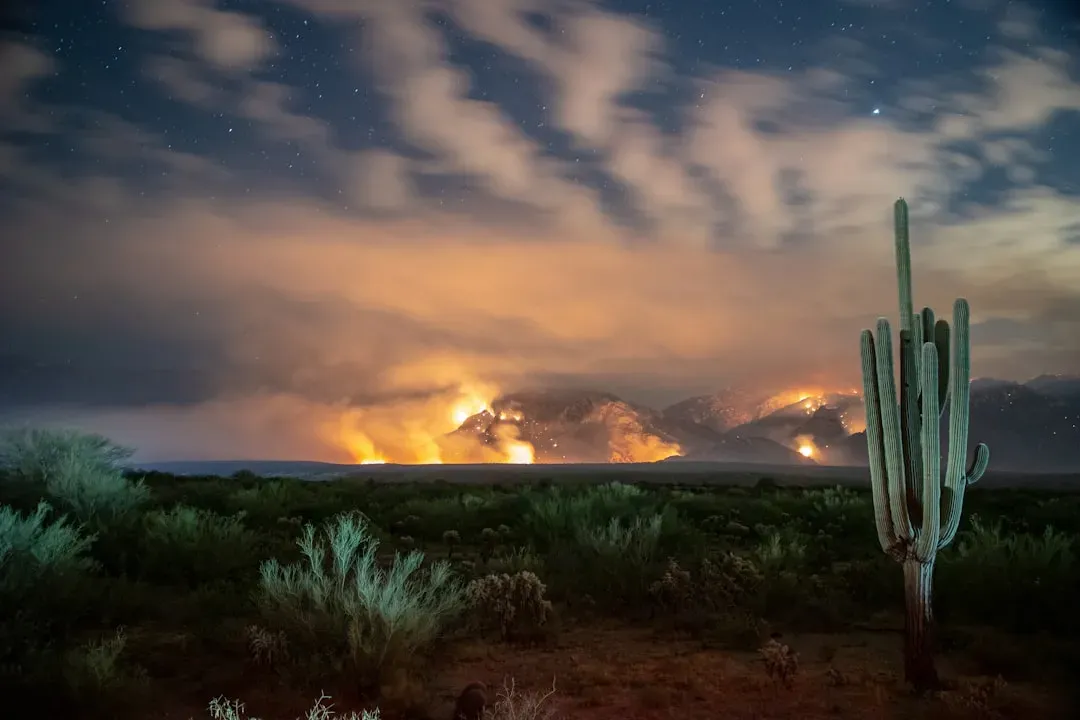
This is perhaps the most underappreciated long-term risk of retiring in Arizona. Arizona may be known for its dry climate, but it is also one of the most disaster-prone states. According to Climate Check, Arizona ranks third in the U.S. for wildfire risk and first for flood risk among the lower 48 states. Many retirees hear “desert” and assume wildfire is someone else’s problem. It is not.
Monsoon season brings additional hazards, including dust storms called haboobs that trigger respiratory problems and allergies in many seniors. The Phoenix-Mesa metro ranks among the worst in the U.S. for ozone, and sensitive retirees may feel it, especially during peak summer. If you have asthma, COPD, or any existing respiratory condition, Arizona’s air quality during wildfire season and dust storms can be actively harmful to your health. The sunshine looks great in photos. The air quality data, less so.
Arizona genuinely offers a lot. The winters are stunning. The scenery is unlike anywhere else in the country. For some retirees, it truly is paradise, especially those who spend summers elsewhere and enjoy the snowbird lifestyle. Still, the gap between the Arizona dream and the Arizona reality can be a wide one, and for many full-time retirees, that gap becomes impossible to ignore somewhere around June. The best advice, honestly, is to spend a full summer there before committing to anything permanent. Not a weekend. A summer. All of it.
What would you have done differently? If you have made the Arizona retirement move or are seriously considering it, share your thoughts in the comments below.