The 7 Poorest Countries With The Happiest People – Here’s Why
We’ve been told the same story for decades: work hard, earn more, and you’ll be happy. It’s neat, logical, and almost entirely wrong. Some of the world’s most financially struggling countries are also home to some of its most genuinely content people, and the data keeps proving it, year after year.
Money and happiness have long been assumed to go hand in hand, but the data keeps proving that assumption wrong. It is actually middle-income countries that report the highest levels of happiness, while high-income countries show a slight decline, suggesting a nuanced relationship where beyond a certain threshold, more wealth does not necessarily translate into greater happiness. So what’s really going on? Let’s dive in.
1. Costa Rica – The Overachiever That Punches Way Above Its Economic Weight
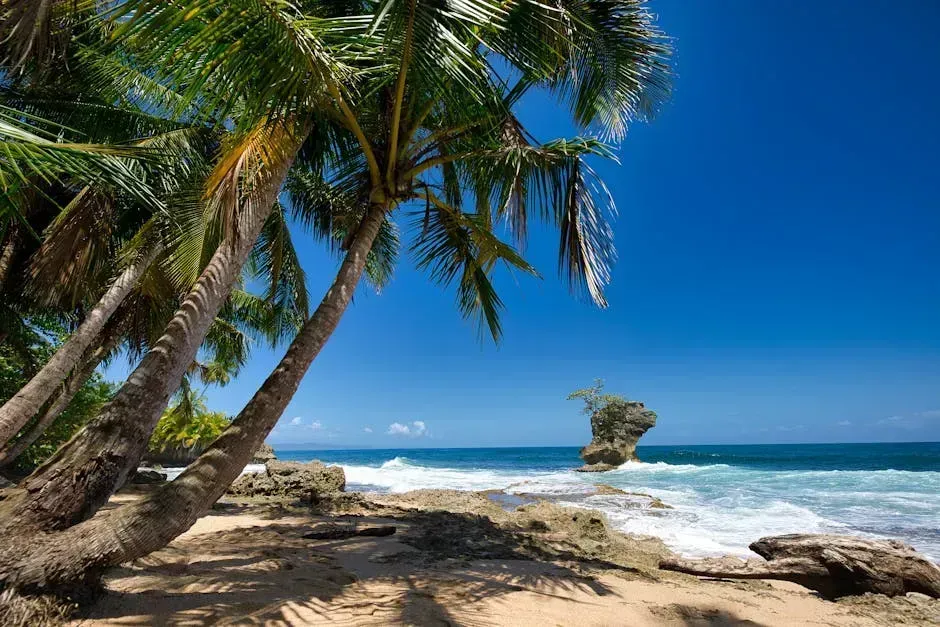
Here’s a country that, by the numbers, has no business being this happy. Costa Rica is a relatively modest economy in Central America, with persistent poverty rates and widespread economic challenges. Yet somehow, it keeps landing in elite happiness company.
Costa Rica, in the 2024 World Happiness Report, occupies the 12th place globally, with a life satisfaction average of 6.9, comparable to Austria and Canada. Think about that for a second. Austria. Canada. Countries with far greater wealth and infrastructure. Costa Rica keeps pace with both of them.
Mexico and Costa Rica ranked among the top 10 for the first time since the World Happiness Report was first published in 2012. A milestone achievement. Researchers have explored what has been called the well-being paradox in Latin America, where self-report measures consistently indicate higher-than-predicted levels of subjective well-being, despite various societal, economic, and political challenges. Well-being in the region is understood and experienced in ways that are unique to its culture, giving rise to practices that not only sustain but also enhance life satisfaction amidst challenges.
2. Nicaragua – Second Poorest in the Hemisphere, Yet Surprisingly Content
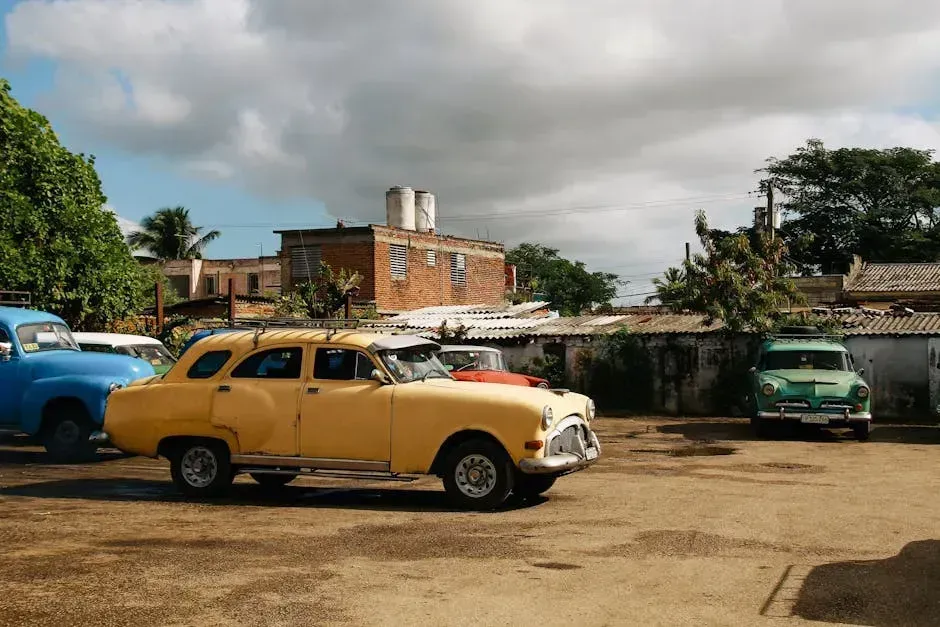
Honestly, Nicaragua might be the most jaw-dropping entry on this list. Nicaragua is the least stable country in the region and the second poorest in the hemisphere after Haiti. That’s a brutal economic reality. Yet its people consistently report emotional wellbeing that defies those statistics entirely.
El Salvador, Chile, Panama, Brazil, and Nicaragua share similar happiness scores with Spain, Italy, and Poland. Nicaragua, sharing happiness scores with Spain. Let that sink in. This tendency has remained stable over the last several years’ reports, meaning it’s not a fluke or a one-off data point.
One major finding is that the experience of positive affect is remarkably high in Latin America, with happiness trends from 2006 to 2021 showing consistency in the experience of positive emotions. Strong religious faith, tight family networks, and a cultural tradition of communal celebration seem to be the invisible scaffolding that holds emotional life together in Nicaragua, even when the economy crumbles around it.
3. The Philippines – Resilience, Bayanihan, and a Smile That Never Quits
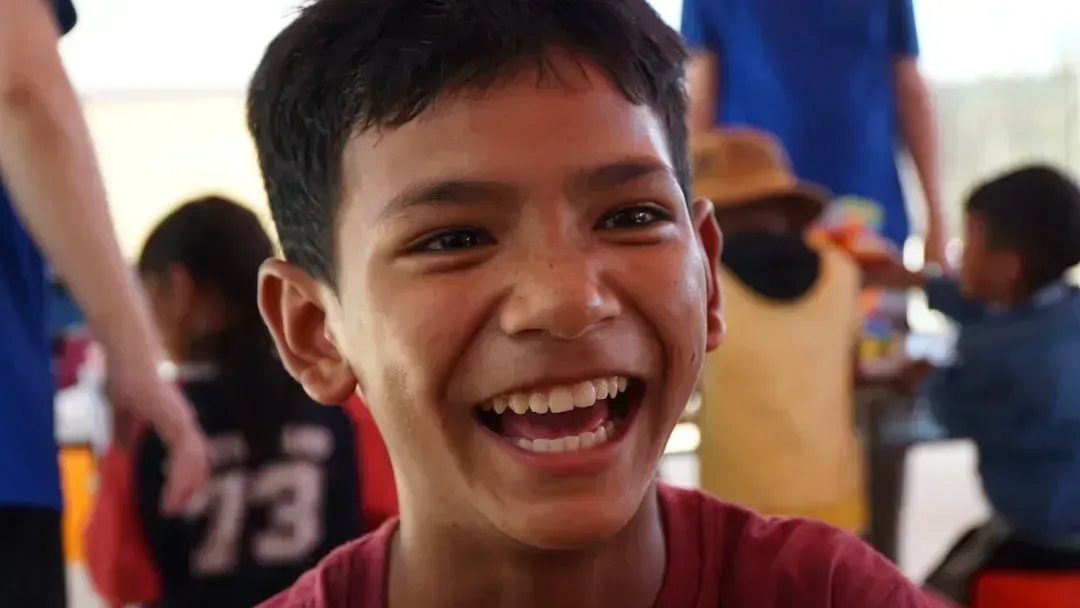
Few places on earth test human resilience quite like the Philippines. It faces poverty, political turbulence, and an almost unfair share of natural disasters. Typhoons. Floods. Economic hardship. Year after year. Yet the country’s happiness indicators remain stubbornly strong.
The Philippines emerged as one of the happiest and most optimistic countries in the world, and it still performs above the global average on happiness and hope, with much of this positive sentiment driven by younger and upper-to-middle income segments, and this is in spite of economic difficulties and multiple typhoons in 2024.
In Southeast Asia, community ties, family networks, and cultural resilience often play a bigger role in happiness than income per capita. The Filipino spirit of “bayanihan,” a cultural tradition of communal unity and cooperation, is widely cited as a social glue that keeps life satisfaction high even when finances are tight. I think this concept is genuinely one of the most beautiful real-world examples of how community can substitute for material wealth. It’s almost the opposite of how life is organized in wealthy, individualistic societies.
4. Mali – Community Strength in One of the World’s Poorest Nations
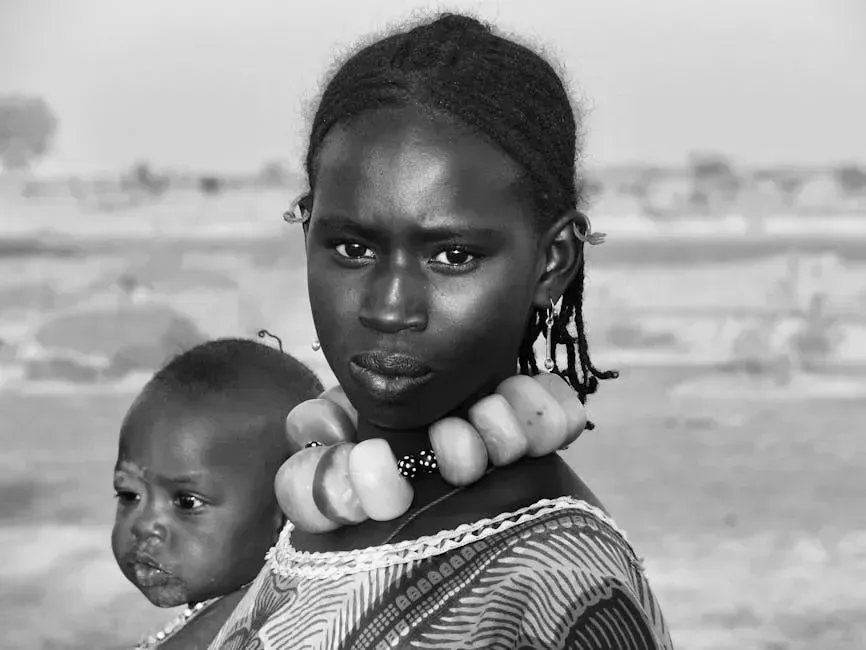
Mali is, without question, among the most economically devastated countries on the planet. Political instability, recurring violence, and poverty are facts of daily life for millions of its citizens. Most people in wealthy nations would struggle to imagine surviving there, let alone feeling content.
Ranked at 122nd position in the World Happiness Index 2024, Mali is one of the poorest countries in the world. The country continues to struggle with poverty, political instability, and violence, but the resilience of its people and their strong community provides support to those facing these challenges.
Nations with shared social rituals, tight community networks, and family structures often report stronger subjective well-being than income-based predictions would suggest. Mali is a near-perfect illustration of this principle. The fact that it registers any meaningful happiness score at all, given the hardships its people face, is a testament to just how powerful cultural and communal structures can be as emotional anchors. It’s not wealth that protects people from despair here. It’s each other.
5. Nepal – Mountains, Simplicity, and a Quiet Kind of Joy
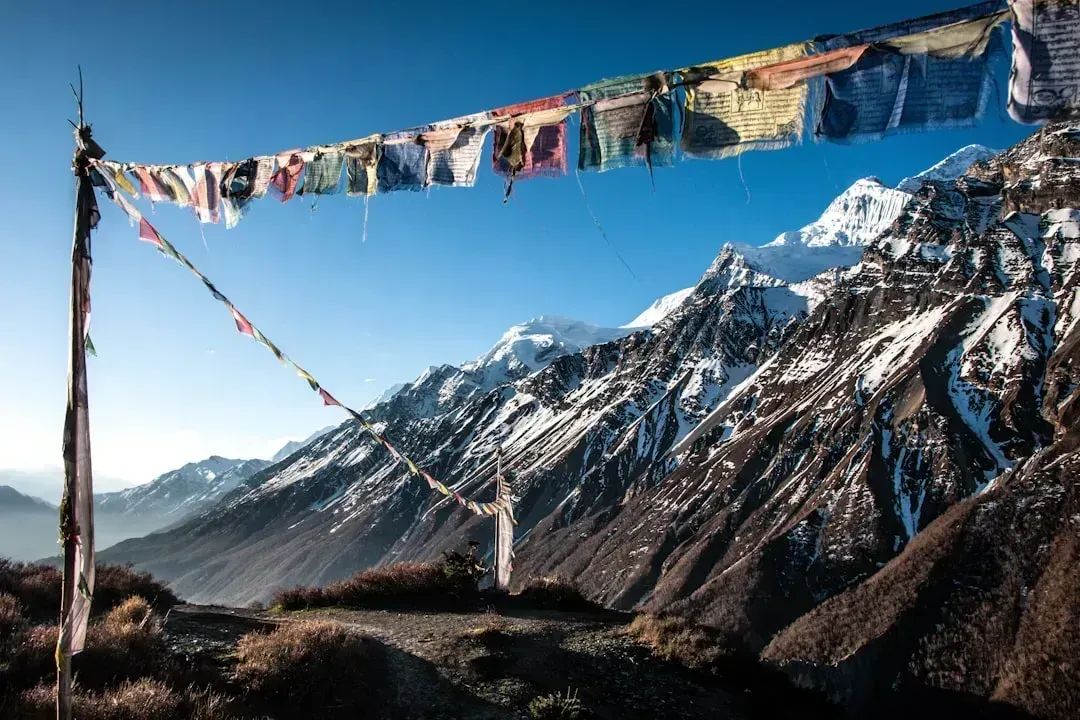
Nepal sits at the intersection of staggering natural beauty and significant material hardship. It is one of Asia’s poorer nations, with enormous rural poverty and limited infrastructure outside of major cities. Yet its happiness story is genuinely remarkable.
Nepal ranked 92nd in the 2025 World Happiness Report, comfortably ahead of wealthier regional neighbors like India. That’s not a small thing. Nepal’s strong social bonds, connection to nature, focus on simplicity, and cultural emphasis on gratitude contribute to its high happiness ranking.
Family, friends, and neighbors provide unwavering support, creating a strong safety net and a sense of belonging. Nepal’s stunning mountains and breathtaking landscapes are a constant reminder of the beauty that surrounds its people. There’s something philosophically interesting here. When your environment is that spectacular, your baseline for awe is already elevated. Nepalese Buddhist and Hindu traditions also emphasize present-moment gratitude over the restless ambition that tends to corrode happiness in wealthier societies.
6. Liberia – Rising From Ruins With a Surprising Happiness Climb

Liberia has endured wars, epidemics, and economic collapse that would break most societies permanently. It is still one of the least developed countries in the world by almost every measurable standard. Yet its people are not just surviving. They are, in measurable terms, getting happier.
Liberia is one of the poorest and least developed countries in the world, but it has gained significant ground with an increase of plus 0.228 in its happiness ranking. Life challenges in poverty and health remain, yet improved infrastructure along with better healthcare and education have cumulatively helped increase happiness.
Liberia ranked 121st in the 2024 World Happiness Index with a happiness score of 4.27, climbing from 125th the year before. That upward movement matters enormously. It suggests that even in severe poverty, when basic dignity and community infrastructure marginally improve, the human spirit responds quickly and powerfully. The Liberian story is, honestly, one of the most inspiring data points in the entire happiness research canon.
7. Mexico – Where Family Is Everything and Money Is Almost an Afterthought

Mexico defies the income-happiness formula with almost theatrical flair. It carries significant poverty levels, security challenges, and deep inequality. Yet it keeps appearing near the very top of global happiness surveys. This is not an accident.
Tight-knit intergenerational families appear to be an important factor in Mexicans’ happiness, with family and children cited as the most important contributors to happiness by nearly half of respondents, and feeling appreciated and valued following closely behind. The World Happiness Report compared Mexico to European countries, explaining that even though it is poorer, larger households offer an advantage in building positive social interactions, partially counterbalancing income differences.
Financial situation was cited by only roughly one in four Mexican respondents as a contributor to happiness, making it by far the least-valued factor in the survey. That is a genuinely stunning finding. In rich Western countries, financial anxiety is among the top drivers of misery. In Mexico, money barely registers as a happiness factor. Researchers found that the belief in the kindness of others, as well as actively caring about and sharing with others, has strong effects on happiness. Mexico, culturally, lives this truth every day without anyone having to publish a report about it.
What All 7 Countries Have in Common

Step back and look at the full picture. What threads connect Costa Rica, Nicaragua, the Philippines, Mali, Nepal, Liberia, and Mexico? None of them are wealthy. Some are genuinely poor by any global standard. Yet all of them demonstrate that human beings have an extraordinary capacity for contentment when they feel connected, seen, and supported by those around them.
Year after year, research from some of the most credible institutions in the world confirms that social bonds, community trust, and personal freedom are the real engines of well-being. Happiness rankings are determined by analyzing Gallup polling data in six categories: GDP per capita, social support, healthy life expectancy, freedom to make life choices, generosity, and perceptions of corruption. Notice that GDP is just one of six factors. It’s not even the most important one.
Researchers found that the belief in the kindness of others, as well as actively caring about and sharing with others, has strong effects on happiness. These seven countries, whatever their economic shortcomings, seem to have quietly mastered the one thing that matters most. Maybe the real poverty is not in their bank accounts. Maybe it’s in ours.
What do you think – does where you live shape how happy you feel, or is it something deeper? Tell us in the comments.