The Forbidden Soil List: 10 Things You’re Not Allowed to Bury (But People Still Do)
Let’s be real, most of us assume that once something crosses our property line, we get to decide what happens to it. Need to get rid of an old battery? Toss it in a hole. Dead electronics gathering dust? Bury them. That rusty paint can from a decade ago? Into the ground it goes.
Here’s the thing, though. Your backyard isn’t a personal landfill, at least not legally. Federal, state, and local laws restrict what you can legally inter below your lawn, whether you realize it or not. Most people don’t even know they’re breaking the law until it’s too late, and the consequences can range from hefty fines to serious environmental damage. So let’s dig into what’s actually banned from your backyard burial plans.
Household Batteries
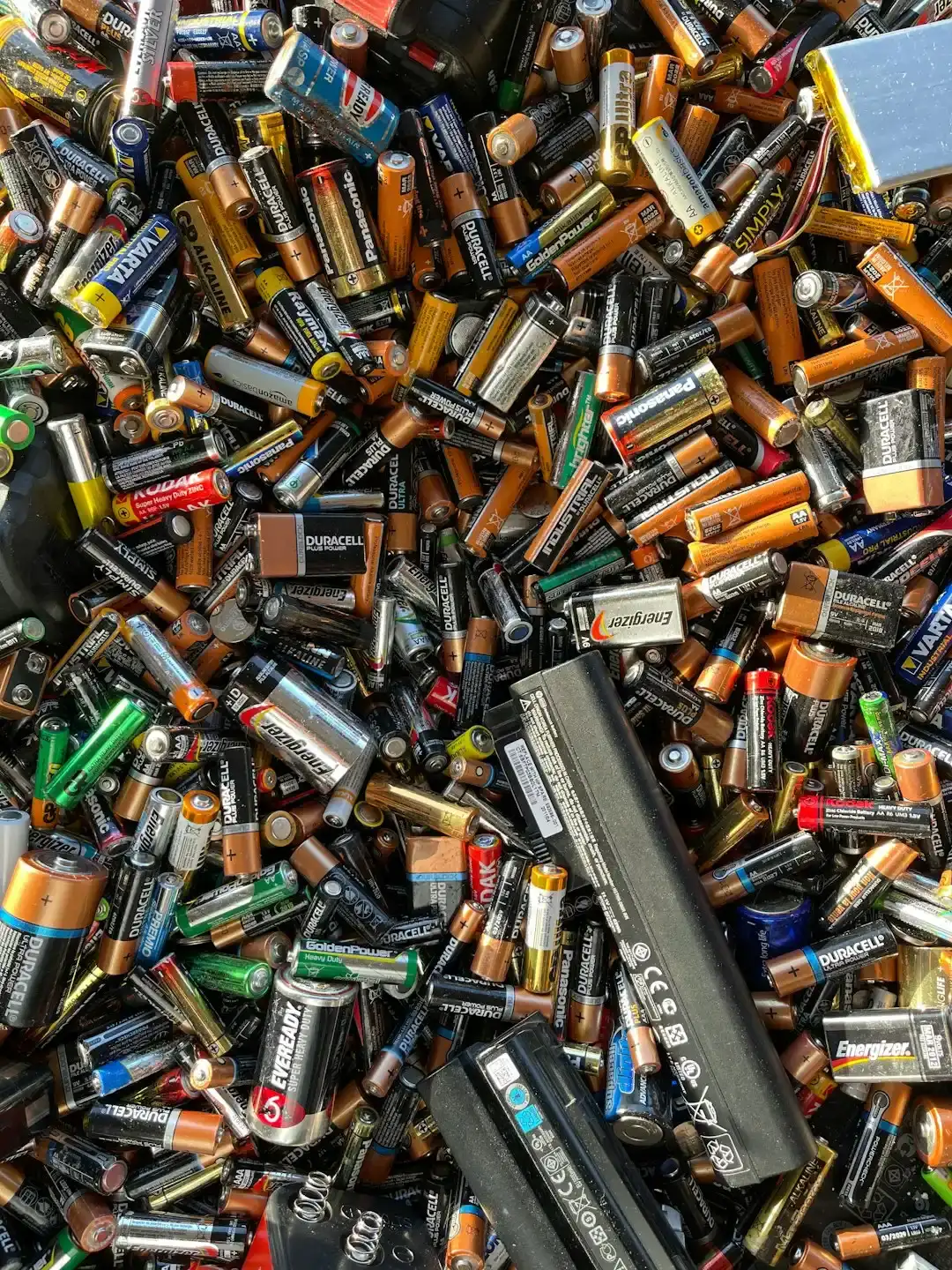
Lead-acid car batteries contain highly toxic heavy metals and acids, and burying them is forbidden in many jurisdictions, with improper disposal leading to lead, cadmium, and acid leaching into the soil and water. It’s not just car batteries either. Burying batteries, whether household AAAs or bulky car batteries, is dangerous and illegal, as the EPA’s Universal Waste Rule requires that batteries like lead-acid and nickel-cadmium must be recycled, not discarded in landfills or buried in soil. Think about it this way: when protective casings corrode over time, those toxic materials seep directly into the ground beneath your feet.
When batteries are disposed of in landfills, the protective casings can corrode over time, allowing hazardous materials to leach into the surrounding soil and groundwater, with this leachate migrating into nearby water sources and affecting drinking water supplies and aquatic ecosystems. Just one quart of used oil can contaminate up to 250,000 gallons of water, and the same principle applies to batteries. Many states now impose serious penalties for this, with some areas treating it as a felony offense.
Electronics and E-Waste

Disposing of electronics like phones, laptops, or old TVs in your yard poses serious health and environmental risks, and in many states, it’s also illegal, as electronic devices often contain hazardous metals like mercury, lead, and cadmium that are known to leach into soil and contaminate groundwater. That old computer monitor or broken microwave might seem harmless once it’s six feet under, but the damage they cause can last for generations.
When improper disposal of e-waste in regular landfills or in places where it is dumped illegally occurs, both heavy metals and flame retardants can seep directly from the e-waste into the soil, causing contamination of underlying groundwater or contamination of crops that may be planted near by or in the area in the future, and when the soil is contaminated by heavy metals, the crops become vulnerable to absorbing these toxins. In New York, the Electronic Equipment Recycling and Reuse Act mandates that manufacturers provide free and convenient recycling options for residents, and tossing e-waste in the trash or the backyard violates these laws and can result in fines. The irony is that proper e-waste recycling is often free or low-cost, yet people still choose the risky shortcut.
Paint and Solvents
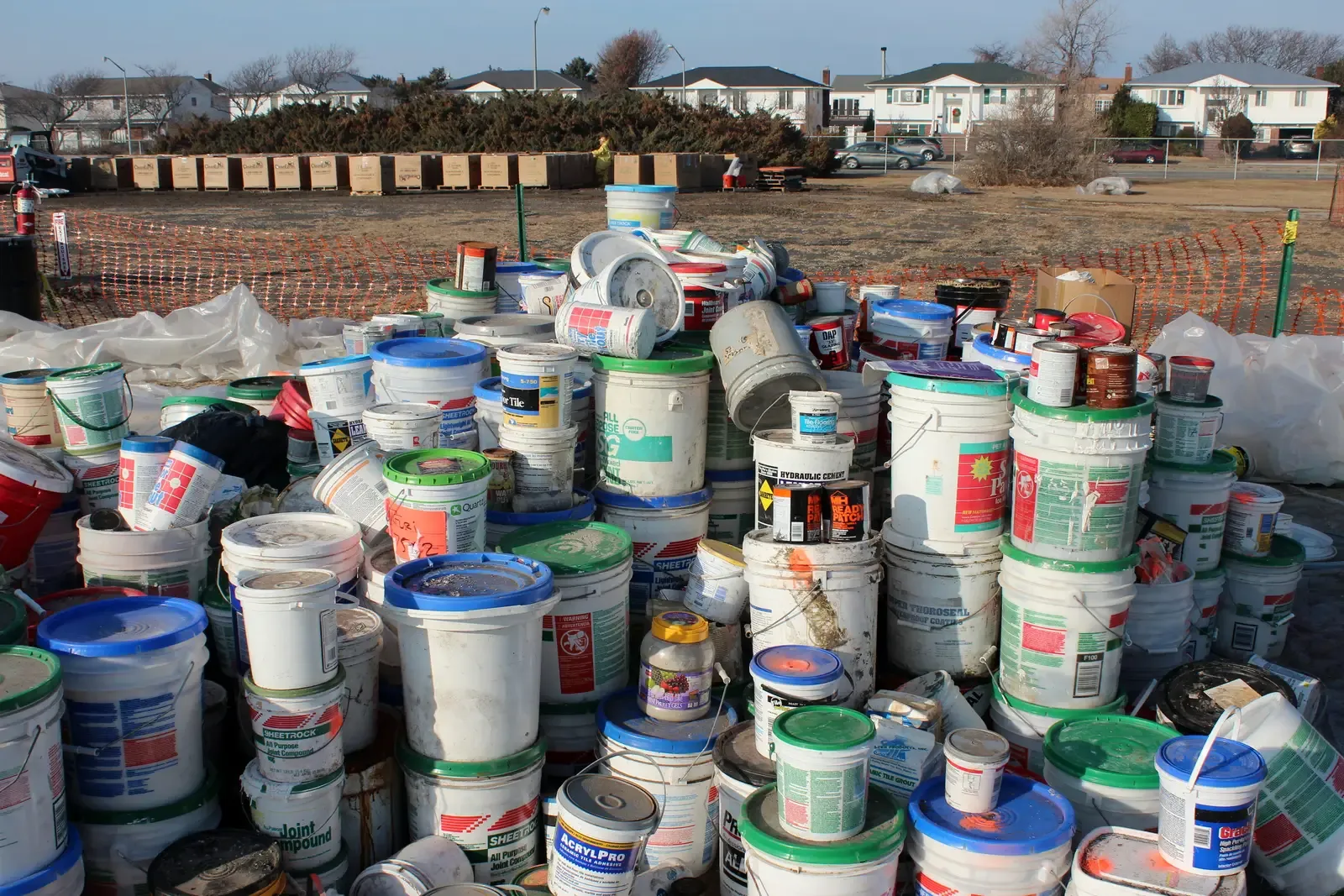
You cannot legally bury toxic home products like used paint thinner, motor oil, pesticides, or solvents in your backyard, as under environmental regulations, many common household chemicals are classified as hazardous waste and must be taken to proper disposal facilities, with burying them risking soil contamination and groundwater pollution. Even dried-up paint cans aren’t always safe to bury, depending on what type of paint they contained. Oil-based paints, in particular, contain volatile organic compounds that don’t just disappear when buried.
Leftover paints are considered a hazardous waste because their chemical constituents can cause physical injury if they leak into the ground or otherwise contaminate other materials. If paint is improperly disposed, the chemicals and heavy metals from the paint could be discharged into soil and groundwater and cause contamination, as paint can leach heavy metals such as mercury, lead, and cadmium, and toxic chemicals in the soil and groundwater. Most communities offer hazardous waste collection days for exactly this reason, making the illegal burial even more unnecessary.
Motor Oil and Gasoline
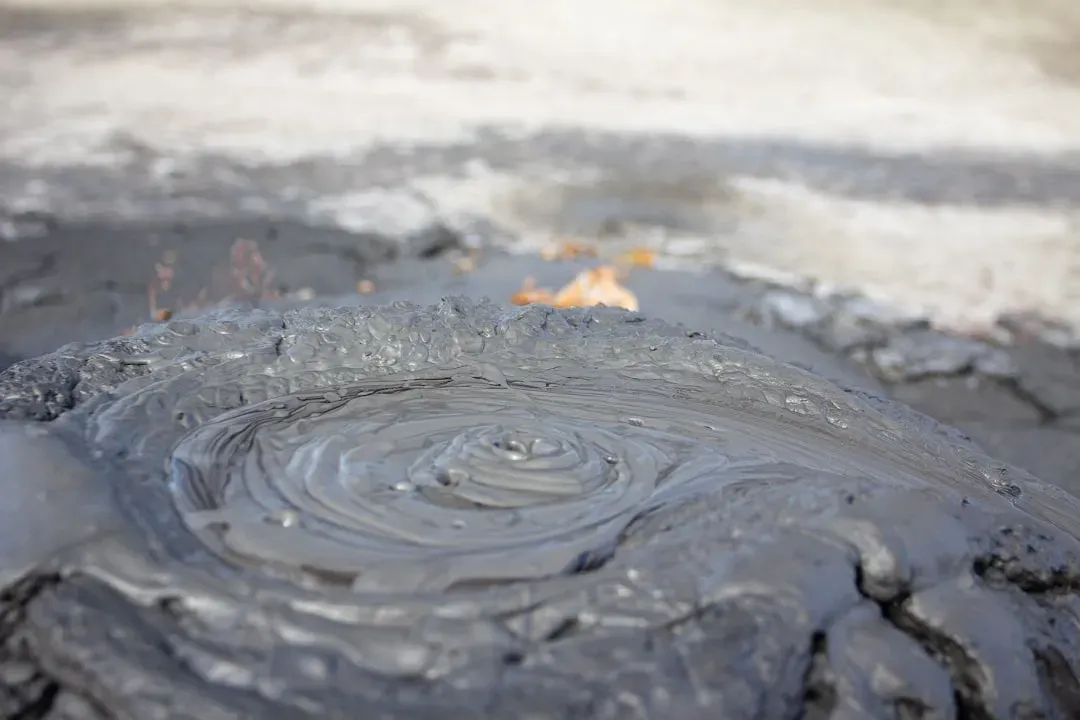
Used motor oil and gasoline contain petroleum hydrocarbons that are regulated because of their flammability and toxicity, burying them risks fire hazards and soil pollution, and most states require that these substances be taken to household hazardous waste collection sites rather than being disposed of in the ground. The fire risk alone should be enough to make anyone think twice. Petroleum products can remain flammable underground for years, especially in dry climates.
Backyard dumping of gasoline or motor oil is a dangerous and costly mistake, as these substances seep into the soil, pollute groundwater, and pose serious fire risks, with many states like Texas and New York penalizing illegal dumping with fines up to fifty thousand dollars. Honestly, with most auto parts stores accepting used oil for free, there’s no reasonable excuse for burying it. The contamination potential far outweighs any convenience gained.
Construction Debris
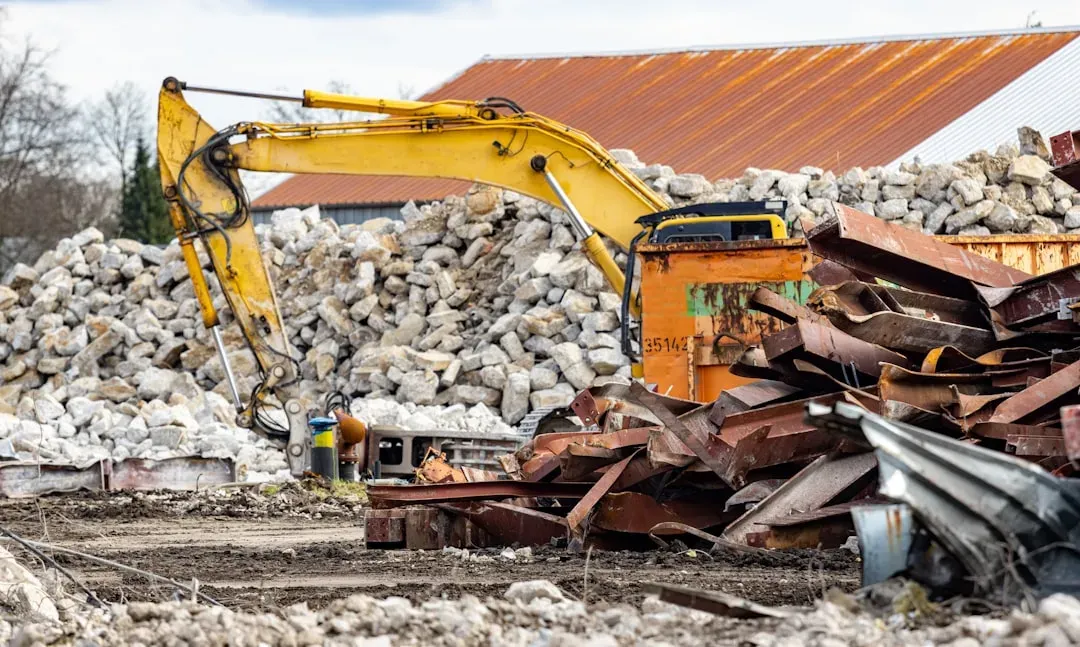
Construction waste such as treated wood, painted boards, or concrete often contains heavy metals or chemical treatments, these materials do not decompose and can leach toxins into the soil if buried, and local environmental and waste regulations may strictly prohibit burial of such debris on private property. That leftover lumber from your deck renovation or the drywall scraps from your bathroom remodel aren’t biodegradable treasures waiting to enrich your soil.
Treated lumber contains chemicals designed to resist decay which can leach arsenic and other preservatives into soil, and drywall releases hydrogen sulfide gas as it breaks down, creating both odor problems and potential health hazards. Old railroad ties treated with creosote are particularly nasty. The Environmental Protection Agency classifies creosote as a probable carcinogen, and studies show that the chemical can leach into soil and contaminate vegetable gardens or groundwater.
Propane Tanks and Pressurized Containers
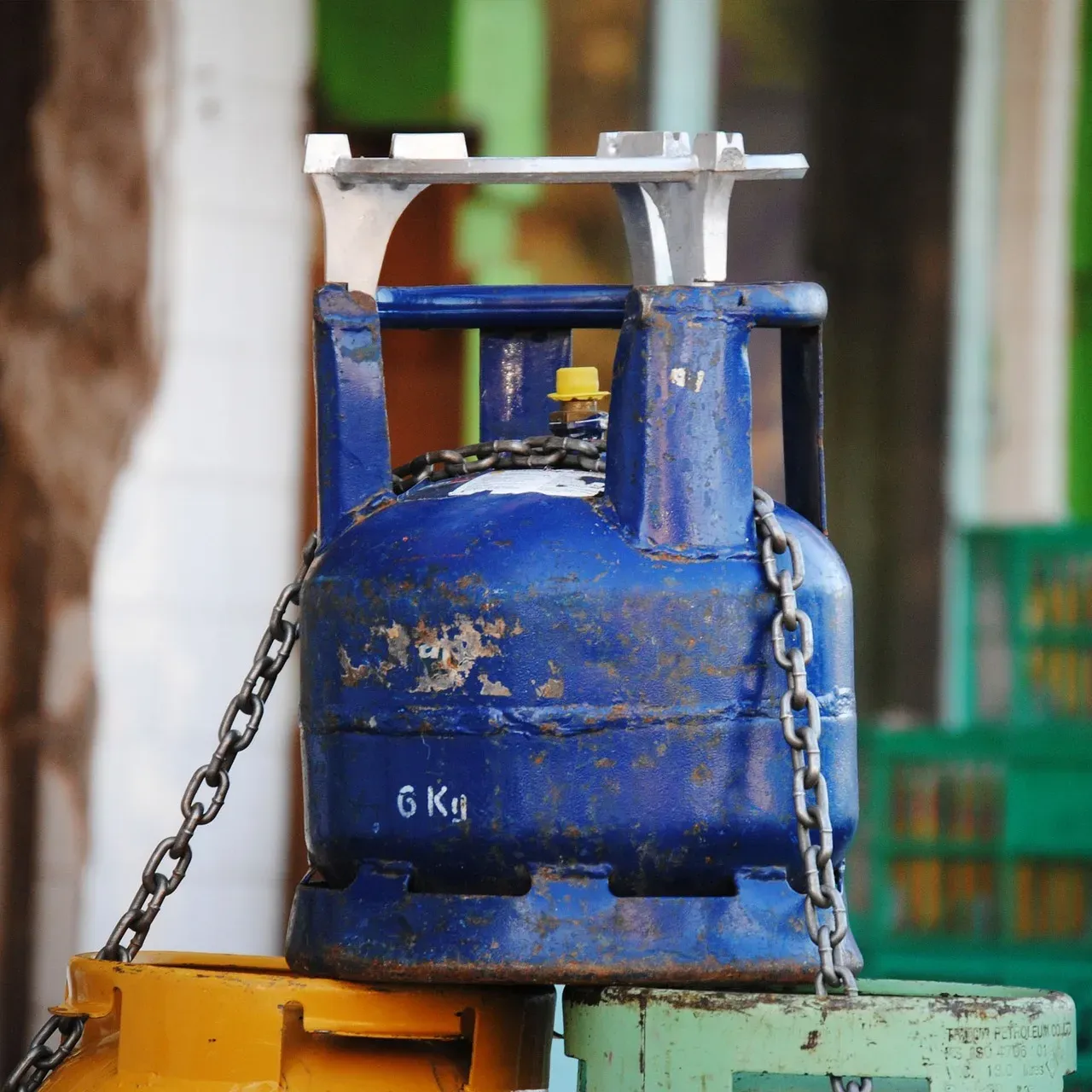
Propane tanks, compressed gas cylinders, or aerosol cans may explode or corrode when buried and are often restricted under local disposal regulations, and these items must be depressurized and disposed of through specialized recycling or household-hazardous-waste programs to prevent dangerous underground leaks or explosions. The thought of an underground explosion might sound like something from a movie, but it’s a real risk.
Aerosol cans in particular are problematic because they maintain pressure for years. Aerosol containers may explode under heat or pressure, spreading the hazardous contents and metal throughout the area. Even if you think you’ve emptied a canister completely, residual pressure and flammable propellants remain. It’s hard to say for sure, but the number of backyard mishaps caused by buried pressurized containers is probably higher than most people realize.
Medical Waste and Sharps
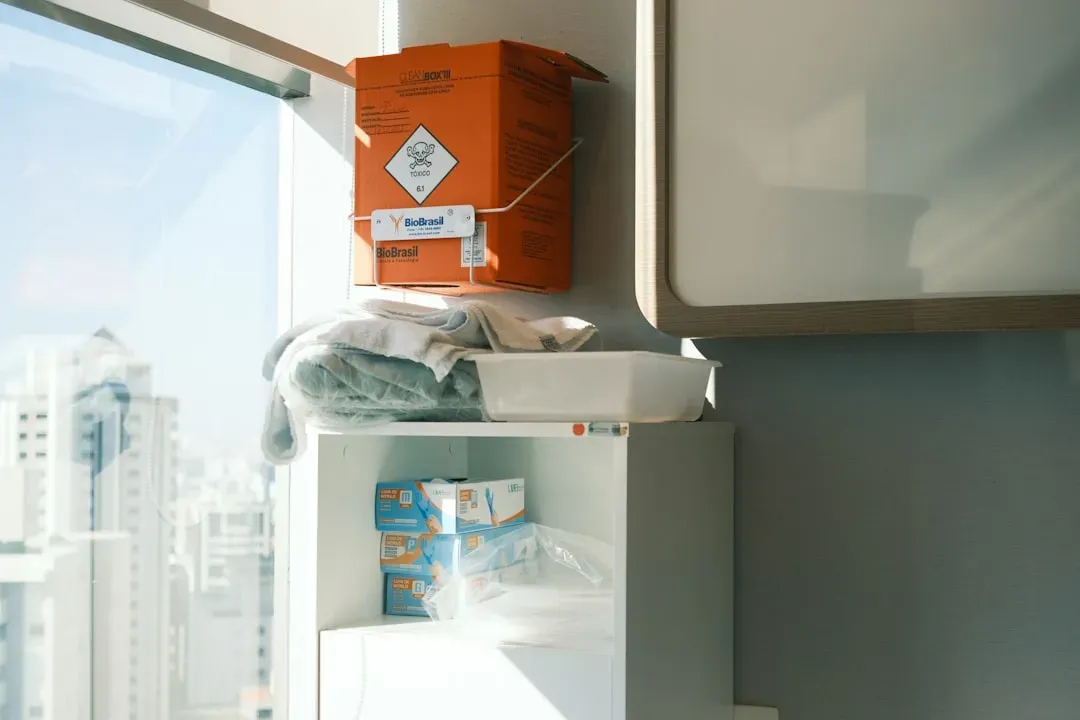
Used needles or sharps from medical treatment are classified as biohazardous materials, and local public health codes and waste management regulations usually require that they be handled through medical sharps programs or special drop-off sites, as burying them poses risk to anyone who may unknowingly dig into the soil later. Imagine a future homeowner or their kid digging up your old needle stash decades later. Not exactly the legacy anyone wants to leave behind.
Most pharmacies now offer free sharps disposal containers and accept returns for proper incineration. The risk of disease transmission, even years after burial, makes this particularly dangerous. Biohazards don’t simply neutralize themselves when covered with dirt.
Dead Animals
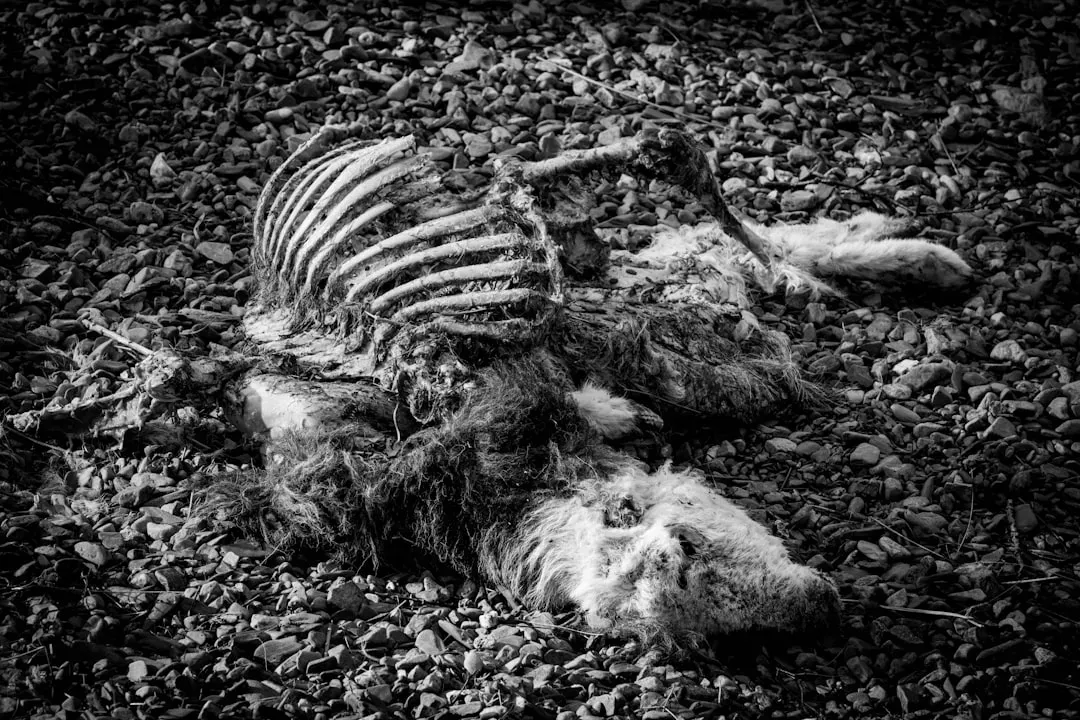
While some locations allow limited backyard burials, burying large dead animals such as livestock without following the proper environmental or regulatory guidance is illegal in many states, as carcasses can attract scavengers, contaminate soil or water, and violate animal disposal regulations. Even beloved pets fall under strict regulations in many areas, despite what your emotional attachment might tell you.
Some cities, like Los Angeles, ban backyard pet burials entirely, with municipal code stating that no person shall bury an animal or fowl in the City except in an established cemetery. Missouri’s Department of Natural Resources says pet remains are solid waste, requiring burial fifty feet from property lines and three hundred feet from water, and Washington laws say to cover pets with three feet of soil and keep graves one hundred feet from water. Health concerns about euthanasia chemicals leaching into groundwater are very real.
Prescription Medications

Burying prescription medications in your backyard isn’t just environmentally risky, it’s also against federal guidelines, as under the Resource Conservation and Recovery Act, open dumping of hazardous waste, including pharmaceuticals, is prohibited due to the high soil and groundwater contamination risk. Medications don’t break down the way people assume they will. Many pharmaceutical compounds remain active in soil and water for years.
Instead of burying or flushing medications, the DEA’s Take-Back Program offers no questions asked drop-off sites at law enforcement offices and participating pharmacies, ensuring that medications, especially opioids and other high-risk drugs, are incinerated safely and in compliance with federal law. Those leftover pain pills from surgery or expired antibiotics sitting in your medicine cabinet need proper disposal. Wildlife can also be affected when contaminated soil enters the food chain.
Metal and Glass
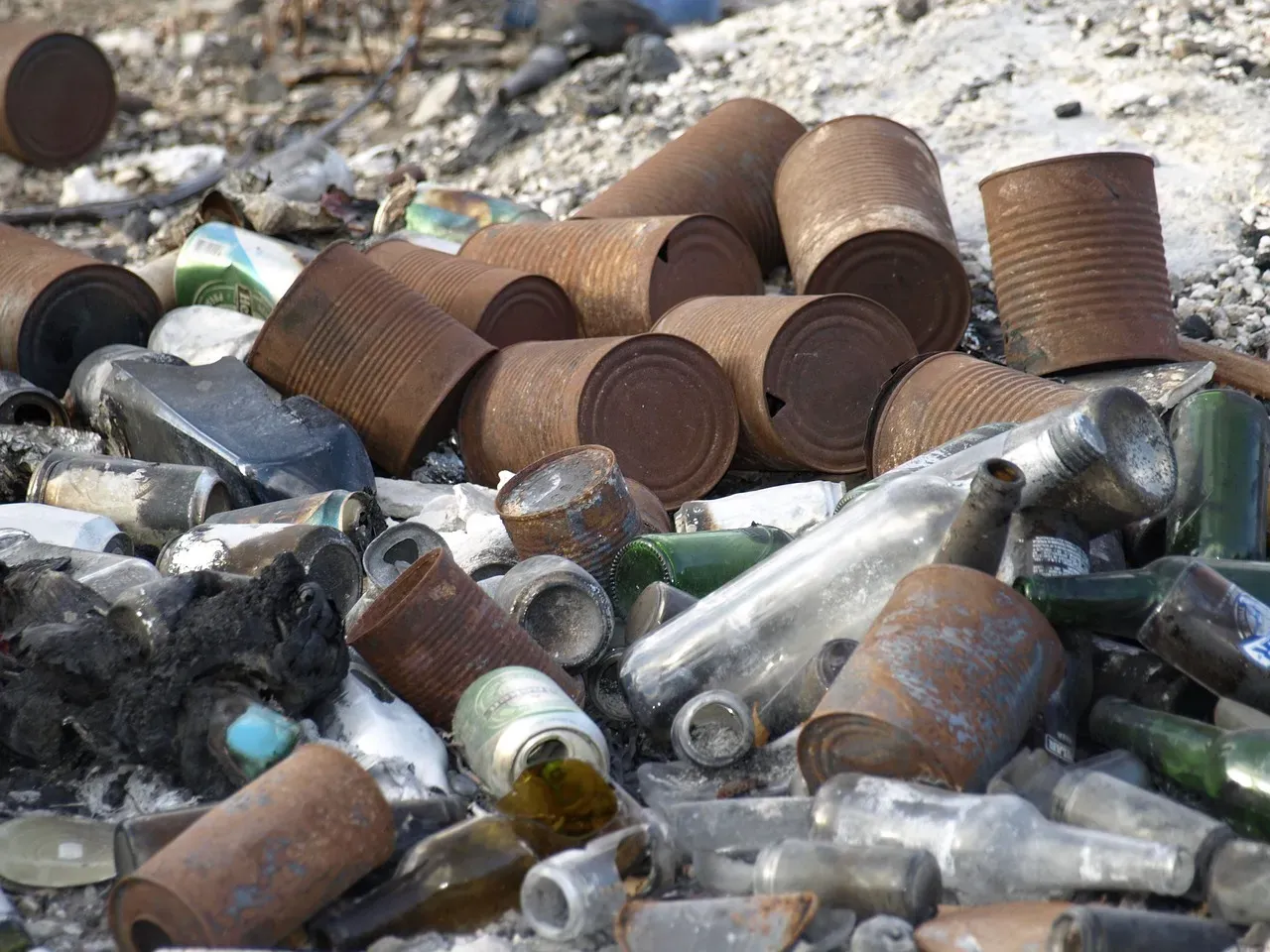
Metal and glass can have several environmental and legal consequences if buried in your backyard, as these materials don’t decompose easily and can leach harmful substances like lead, cadmium, or other heavy metals into the soil, affecting plant health. That collection of old mason jars or scrap metal from a home improvement project isn’t doing anyone any favors underground. Glass takes roughly a million years to decompose, and metals can corrode and release toxins indefinitely.
The contamination risk depends heavily on soil composition, pH levels, and groundwater proximity. What might seem inert on the surface can become a slow-motion environmental disaster below it. Recycling programs for both materials are widely available, making burial not just illegal in many places but completely unnecessary.
Pet burial regulations have tightened considerably in recent years, with environmental protection taking priority over sentimental attachment. Electronic waste continues to be one of the fastest-growing waste streams globally, making illegal disposal an increasingly serious concern. What used to be tolerated as harmless backyard shortcuts now carries real legal and environmental consequences. The forbidden soil list exists for good reason, protecting groundwater, preventing disease transmission, and preserving soil quality for future generations. Did you honestly know half of these were illegal?