The Middle-Class Illusion: 8 Purchases That Keep You Stuck
There’s a peculiar kind of trap that doesn’t feel like a trap at all. It feels like progress. You’re earning decent money, you’re buying things that look like success, and yet somehow, at the end of every month, there’s almost nothing left. No real savings. No momentum. Just a pile of receipts and a vague anxiety that something is very wrong.
This is the middle-class illusion. It’s not about being poor. It’s about spending in a way that keeps you permanently stuck at the starting line, no matter how hard you run. The purchases feel earned. They feel normal. That’s exactly what makes them so dangerous. Let’s dive in.
The New Car That Drives Your Wealth Away

Let’s start with the big one. Buying a brand-new car is practically a rite of passage in American middle-class culture. It signals arrival, stability, even a little bit of success. The problem? That feeling starts evaporating the moment you drive off the lot.
In 2024, the average vehicle depreciated by 12.5%. That means a $40,000 car can shed thousands of dollars in value within its first year alone. Between 1980 and 2025, the price of a new car doubled, but consumers spent roughly six times as much on new cars as they were in 1980.
Big-ticket purchases like new cars may seem appealing, but a new car’s value drops the moment it leaves the dealership. Savvy shoppers often consider slightly older cars with fewer miles, which don’t depreciate as quickly. Think of it this way: buying new is like paying a premium to be the first person to unwrap something that immediately loses a chunk of its value. Honestly, it’s one of the least efficient ways to spend money that exists.
The Housing Overstreteh That Bleeds You Dry

Owning a home is the cornerstone of the American Dream. Nobody questions it. That’s precisely the problem. Homeownership, once the pillar of middle-class stability, now requires a down payment that rivals college tuition, and for many families, housing eats up far more than the recommended 30% of take-home pay, leaving little left for anything else.
The cost of housing in the United States has reached historic highs. According to Redfin, the national median home sale price surpassed $420,000 in early 2024, representing more than a 40% increase since 2019. Simultaneously, mortgage interest rates climbed above 7%, placing homeownership further out of reach for many.
Housing is typically the biggest monthly expense for middle-class households. With rising home prices in many areas, some middle-income families stretch their budgets thin trying to afford the nicest home they can. Here’s the thing though: buying more house than you need, just because the bank approved it, is not a wealth strategy. It’s a lifestyle upgrade disguised as an investment.
Credit Card Debt: The Monthly Tax You Pay on Your Own Impatience
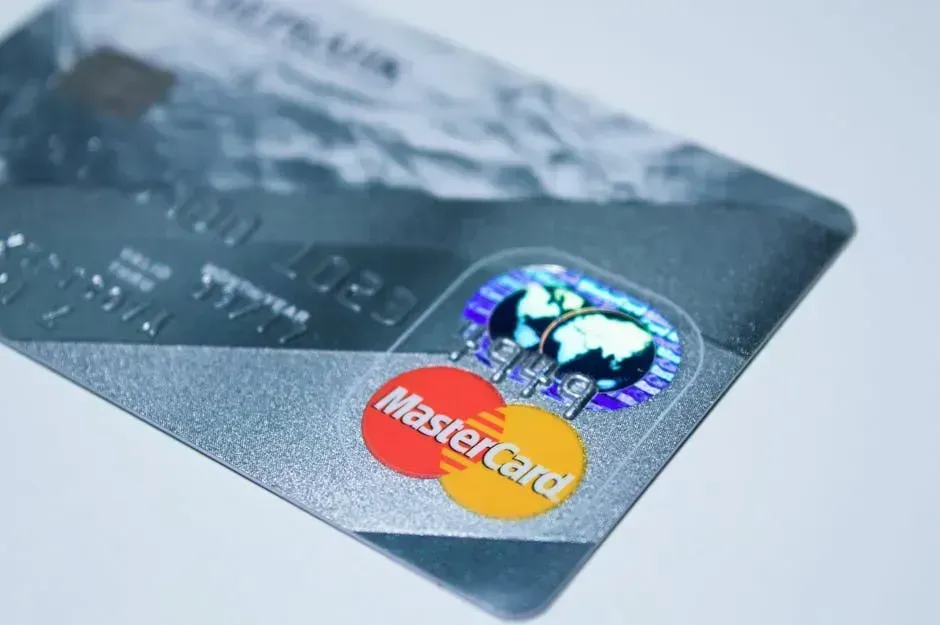
Credit card debt has become so widespread that it feels almost normal. It isn’t. Americans’ total credit card balance reached $1.277 trillion as of the fourth quarter of 2025, according to the Federal Reserve Bank of New York. That’s up from $1.233 trillion in Q3 2025 and was the highest balance since the New York Fed began tracking in 1999.
For cards accruing interest, the average rate in Q4 2025 was 22.30%, and for new credit card offers, the average stands at 23.72%. At rates like these, carrying a balance doesn’t just slow you down financially. It actively works against every dollar you earn. Research published by the Federal Reserve Bank of Chicago revealed that some middle-class and poor families saddled with high credit card interest rates are devoting as much as 30% of monthly disposable income to debt costs.
Nearly two in three U.S. credit cardholders with debt say they have delayed or avoided financial decisions because of their credit card debt. Saving for an emergency, investing, and buying a vehicle are the goals most likely to be set back. That’s not a minor inconvenience. That’s years of lost wealth-building, quietly stolen by compound interest.
Lifestyle Inflation: The Invisible Spending Creep

You get a raise. So you upgrade the apartment. Trade in the car. Eat at nicer restaurants. It feels like a reward. But then somehow, despite earning more, you’re saving exactly the same amount as before. Maybe less. This is lifestyle inflation, and it is absolutely relentless.
While average wages rose by more than a fifth between January 2020 and January 2024, the personal savings rate fell from 7.2% to 4% during the same period. That’s a striking inversion. Earnings went up. Savings went down. The extra money didn’t build wealth. It built a more expensive lifestyle that still left people financially fragile.
A significant barrier for the middle class in growing their wealth is not paying attention to lifestyle creep. As individuals earn more, they increase their spending proportionally, or even excessively, which can stymie their ability to save and invest. Think of it like a treadmill that speeds up every time you speed up. You work harder, you earn more, and somehow you never actually get ahead.
Subscription Overload: Death by a Thousand Small Charges
Subscriptions are the financial equivalent of a slow leak in a tire. You don’t notice it day to day, but over time the whole thing goes flat. From streaming services to gym memberships, subscriptions can accumulate quickly. With autopay set up, it’s easy to forget about unused subscriptions, and these inactive subs can silently drain hundreds of dollars a year.
Most people dramatically underestimate what they’re spending on subscriptions each month. Add up streaming, cloud storage, music, software, meal kits, fitness apps, and the rest, and it becomes a surprisingly large number. Each charge looks trivial. Together they create a steady, invisible drain on your budget that compounds month after month.
A recent Wells Fargo Money Study found that roughly one third of Americans report spending more than they can afford each month, and roughly more than a quarter admitted that their money controls them, rather than them controlling it. Subscriptions are a major engine of that dynamic. Auto-renewing services are designed to stay invisible. Fighting back requires actually going looking for them.
The Status Purchase Spiral
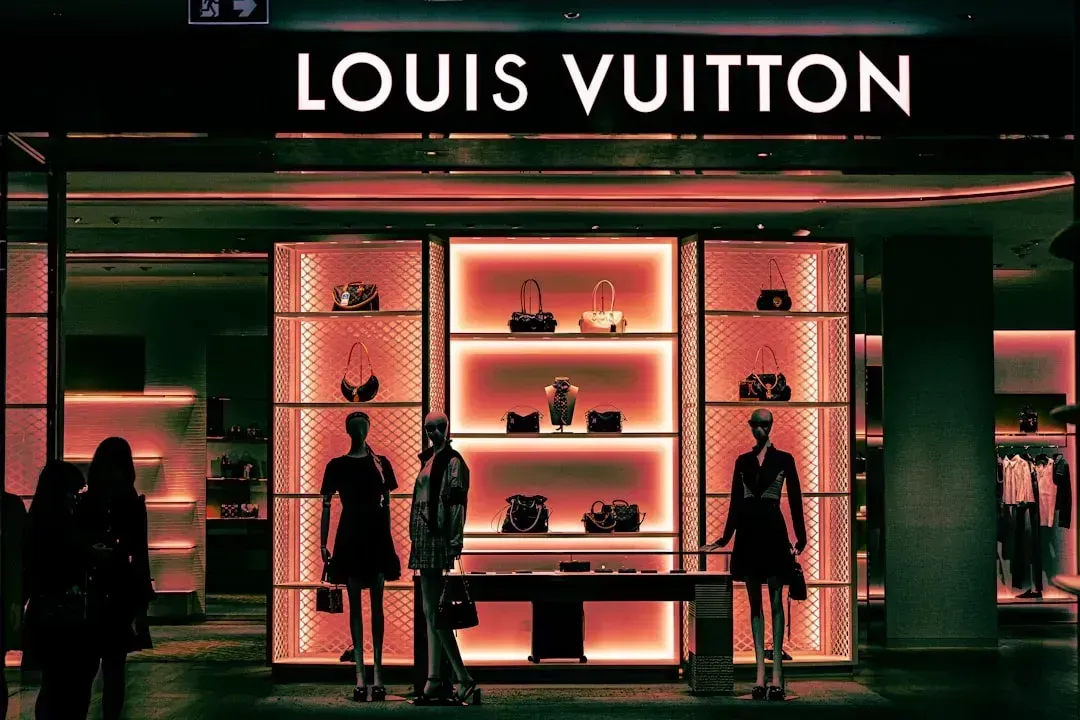
Social media has turbocharged the oldest financial trap in the book: spending to impress people. In the early days of social media, users could keep up with how their friends were living. Now, with algorithms designed to push content from strangers, users are exposed to more wealth and consumption in an hour of scrolling than some of their grandparents ever saw in a lifetime.
The $250 billion influencer industry is selling their lifestyles to audiences, whether or not those audiences can afford them. This creates a pressure to perform wealth rather than actually build it. Designer items, luxury vacations financed on credit, premium gadgets that get replaced every year. It’s a performance, and performances are expensive.
Spending money to keep up with appearances is one of the worst investments you can make. Emotional spending rarely helps make you as wealthy as you are pretending to be. In fact, it’s usually the opposite and is detrimental to financial health. Let’s be real: nobody who is actually wealthy is posting a receipt as proof. The people performing wealth are usually the ones furthest from it.
Dining Out as a Daily Habit

Here’s a category that sneaks up on people. Dining out feels like a small pleasure. A reward for a hard day. A social ritual. And sure, it is. But when it becomes the default mode for every meal, it becomes one of the most consistent budget killers middle-class households face.
Nights out for dinner or drinks are fun, but dining out too often can really drain a middle-class budget. The convenience of eating at restaurants or getting delivery makes it easy to make it a habit several times a week, while preparing meals at home is significantly cheaper. Meanwhile, inflation hasn’t stopped nibbling away at the weekly grocery bill, and a middle-class family of four now spends upwards of $1,000 a month on food, even when trying to be frugal.
Layer restaurant spending on top of an already elevated grocery bill, and food easily becomes one of the top three monthly expenses for many households. The math on cooking at home versus ordering out is not even close. It’s one of the highest-impact habits to shift, and unlike many financial changes, you start seeing the difference almost immediately.
Ignoring the Emergency Fund While Spending on Everything Else

This one is less about a specific purchase and more about a spending philosophy that prioritizes comfort today over security tomorrow. Polling data found that roughly four in ten Americans are unable to plan beyond their next paycheck, and nearly half don’t have $500 saved for emergencies. That is a precarious position to be in, regardless of income level.
A 2024 report from the Financial Health Network concluded that a middle-class income no longer guarantees financial security, threatening both the nation’s economy and its social fabric. When there is no cushion, every car repair, every medical bill, every unexpected expense becomes a crisis. Emergency funds provide freedom. Without them, you’re trapped by financial vulnerability. With them, unexpected expenses become manageable problems rather than catastrophes.
The cruel irony is that people who skip building an emergency fund often end up spending far more in the long run, turning to high-interest credit cards the moment something breaks. Two thirds of middle-class Americans said they were struggling financially and didn’t expect their situation to improve for the rest of their lives, according to a 2024 survey from the National True Cost of Living Coalition. Much of that despair is rooted not in low income, but in financial structures built without any room for the unexpected.