3 Things Grandparents Say That Kids Remember for Life, Research Shows
Think back to your own childhood for a moment. Can you still hear your grandmother’s voice telling you something special, or recall the exact words your grandfather used when you needed them most? There’s a reason those memories stick around.
Research examining affectionate communication indicates that grandchildren receive four types of affectionate communication from their grandparents: love and esteem; caring; memories and stories; and celebratory affection. Let’s be real, though. Not every word lands with the same weight. Some phrases get stored away like treasures in a child’s mind, pulled out years later when they need guidance or comfort most.
“I’m Proud of You”
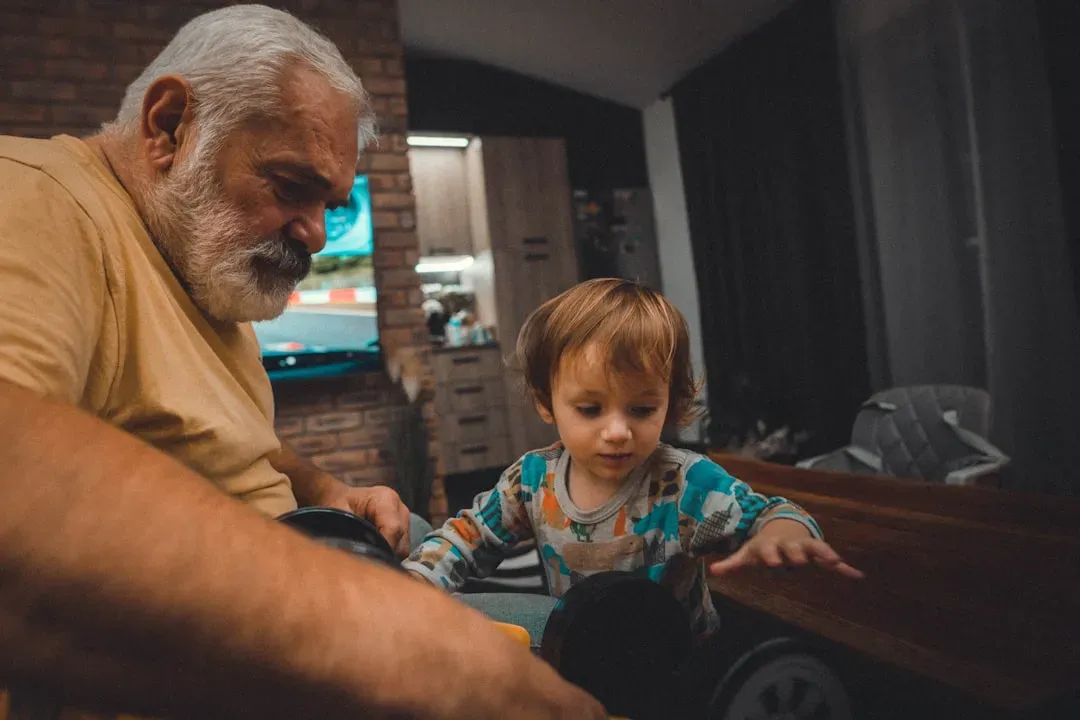
“I’m proud of you” cuts through when it’s attached to effort, character, or courage rather than outcomes. Kids today are drowning in performance pressure from every angle. Grades, sports, social media likes. Here’s the thing: when grandparents praise the trying instead of the winning, it changes everything. Expressing pride to children is a great way to strengthen grandparent-grandchildren relationships, making them do better at what they’re accomplishing.
Children with close relationships with their grandparents are less likely to experience emotional and behavioral problems, including depression, anxiety, and aggression. That simple phrase works differently coming from someone who’s lived eight decades versus someone still figuring life out themselves. Honestly, grandparents have seen enough to know that the kid who fails at soccer but keeps showing up has more grit than the one who quits when things get hard.
“You Can Always Tell Me Anything”

Creating a safe space sounds simple until you realize how rare it actually is. Kids keep secrets when they fear reaction more than they trust relationship, while a calm face and steady tone do more for honesty than any lecture ever will. Grandparents occupy this unique position where they’re family but not the ones handing out punishments. That creates breathing room.
Grandparents often serve as a trusted confidante for grandkids, as they’re aware of the family’s ups and downs but are less directly impacted, especially when a child is struggling with their parents’ divorce or remarriage. Think about that dynamic. When a child knows they can confess something without facing immediate judgment, they learn to process their mistakes out loud. Grandparents who listen openly and with patience make a child feel heard and respected when they listen without immediately offering advice or judgment.
“Your Day Makes My Day Better”
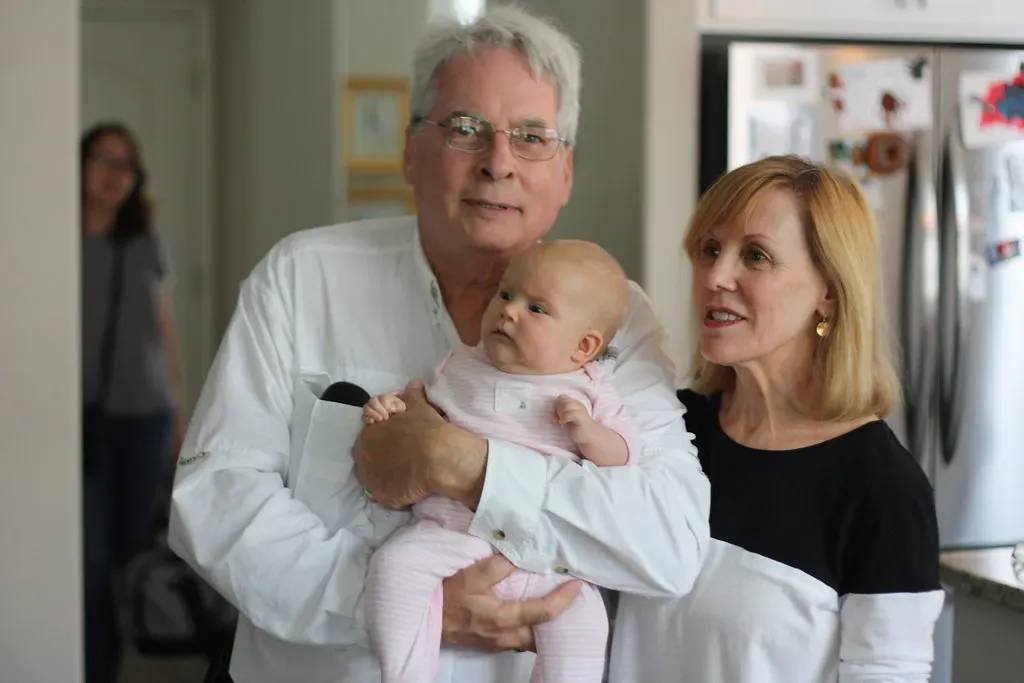
This one might surprise you, yet it holds surprising power. The attention, interaction and unconditional love from grandparents helps a young child feel safe and secure, which is what they need for healthy brain development, making a real, lasting impact on a young child’s future. When a child learns that their very existence brings joy to someone, it builds a foundation of worthiness that’s hard to shake.
The social and emotional strengths of older adulthood position grandparents to complement parents in ways that benefit the emotional wellbeing of their grandchildren, as grandparents model and encourage the development of emotional and social skills in their young grandchildren. It’s not about spoiling them with toys or letting them skip bedtime. Higher involvement of grandparents is associated with fewer emotional problems and more pro-social behavior in children, particularly in single-parent and step-parent families. Something magical happens when a child realizes they matter just by being themselves.