5 Bathroom Renovations Contractors Say Quietly Violate the Law
Ever wonder what makes a building inspector shake their head during a routine bathroom inspection? Sometimes the violations are obvious, like a leaky pipe or exposed wiring. Other times, they’re buried behind fresh tile and sleek fixtures, quietly breaking codes that most homeowners never knew existed. Here’s the thing: contractors know exactly which shortcuts cross the line, yet these issues continue to pop up in bathrooms across the country.
Let’s be real, the moment you start ripping out old fixtures or moving plumbing lines, you’re entering a legal grey zone whether you realize it or not. It’s not just about aesthetics or saving a few bucks. Some of these violations can void your home insurance, trigger thousands of dollars in fines, or worse, create serious safety hazards. So what exactly are contractors keeping under wraps?
Skipping the Permit Process Entirely
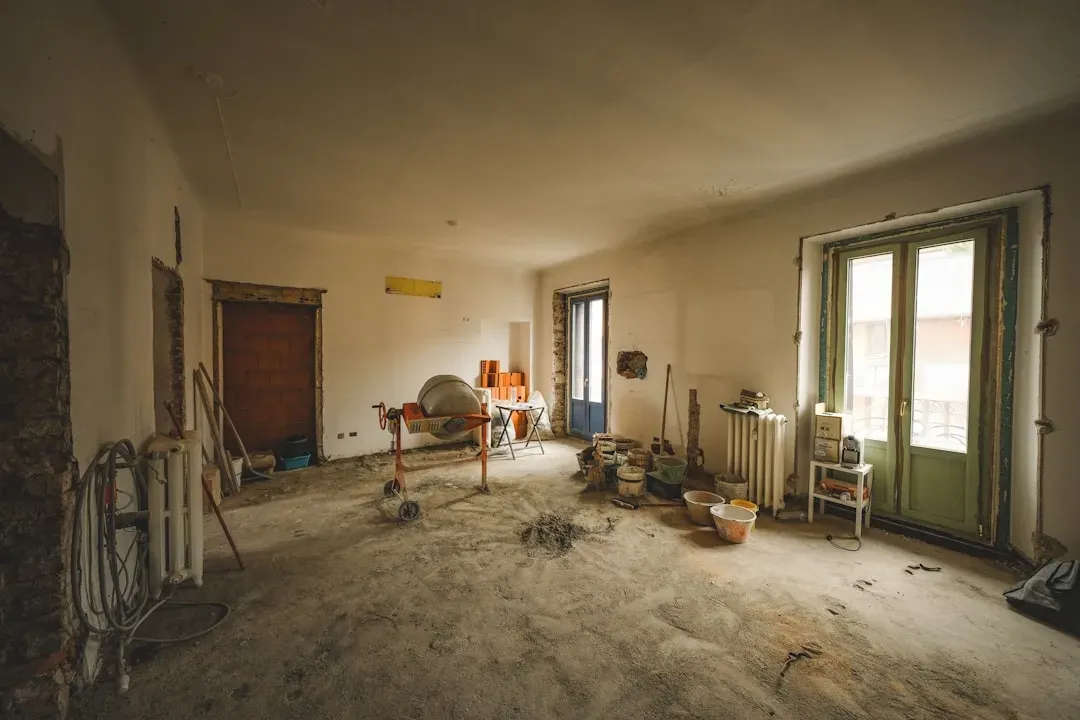
This one’s surprisingly common. Attempting to remodel a bathroom without the proper permits can have serious consequences, including fines, penalties, and in extreme cases, cancellation of the work at your expense, while unpermitted renovations can complicate the sale of the property as potential buyers may be reluctant to proceed without proper documentation. I know plenty of homeowners think permits are just bureaucratic red tape. Some contractors will even suggest you skip the whole thing to keep costs down.
Here’s what they’re not telling you: Whether it’s a major home remodel, adding a new room, or installing new plumbing and electrical systems, permits are required to ensure the work complies with safety and structural standards, and failure to secure these permits can result in hefty fines and may even require undoing or redoing the entire project to bring it up to code. One case involved bathroom updates and extensive lighting changes that required a decent amount of work and a fair amount of fines to establish permits after the fact, ultimately costing about seven thousand dollars in penalties when a couple grand could have been saved with proper permits upfront.
In New York City alone, housing code violations jumped 24 percent in the first nine months of fiscal year 2024, with 895,457 violations issued versus 722,597 during the same period the previous year. The most severe violation can carry a twenty-five thousand dollar fine, additional penalties and accrued interest, requiring that the work must be legalized or removed with additional permit application fees. The gamble simply isn’t worth it.
Hiring Unlicensed Plumbers or Electricians

This violation happens more often than you’d think, especially when homeowners try to save money by hiring a handyman instead of a licensed professional. Sure, that guy might know how to swap out a toilet or install a light fixture. The question is whether he’s legally allowed to do it.
If the contractor doesn’t have a license for plumber services, you have no recourse if the work isn’t up to par short of filing an expensive and time-consuming lawsuit, and while unlicensed contractors can face criminal charges, that doesn’t help you pay for a do-over on your new bathroom, plus you can also be liable in civil court if a guest in your home is injured by an installation that doesn’t follow code. Insurance companies aren’t stupid either. Some months after a bathroom renovation done without proper permits, a massive leak caused by improper work can lead insurance companies to check if the work was permitted, and in most cases if it hadn’t been, they will deny coverage.
State licensing requirements exist for good reason. Honestly, even contractors with engineering degrees can’t legally do basic electrical tasks without proper licensing in many states. The law doesn’t care about your qualifications if you lack the right paperwork.
Venting Exhaust Fans Into Attics Instead of Outside
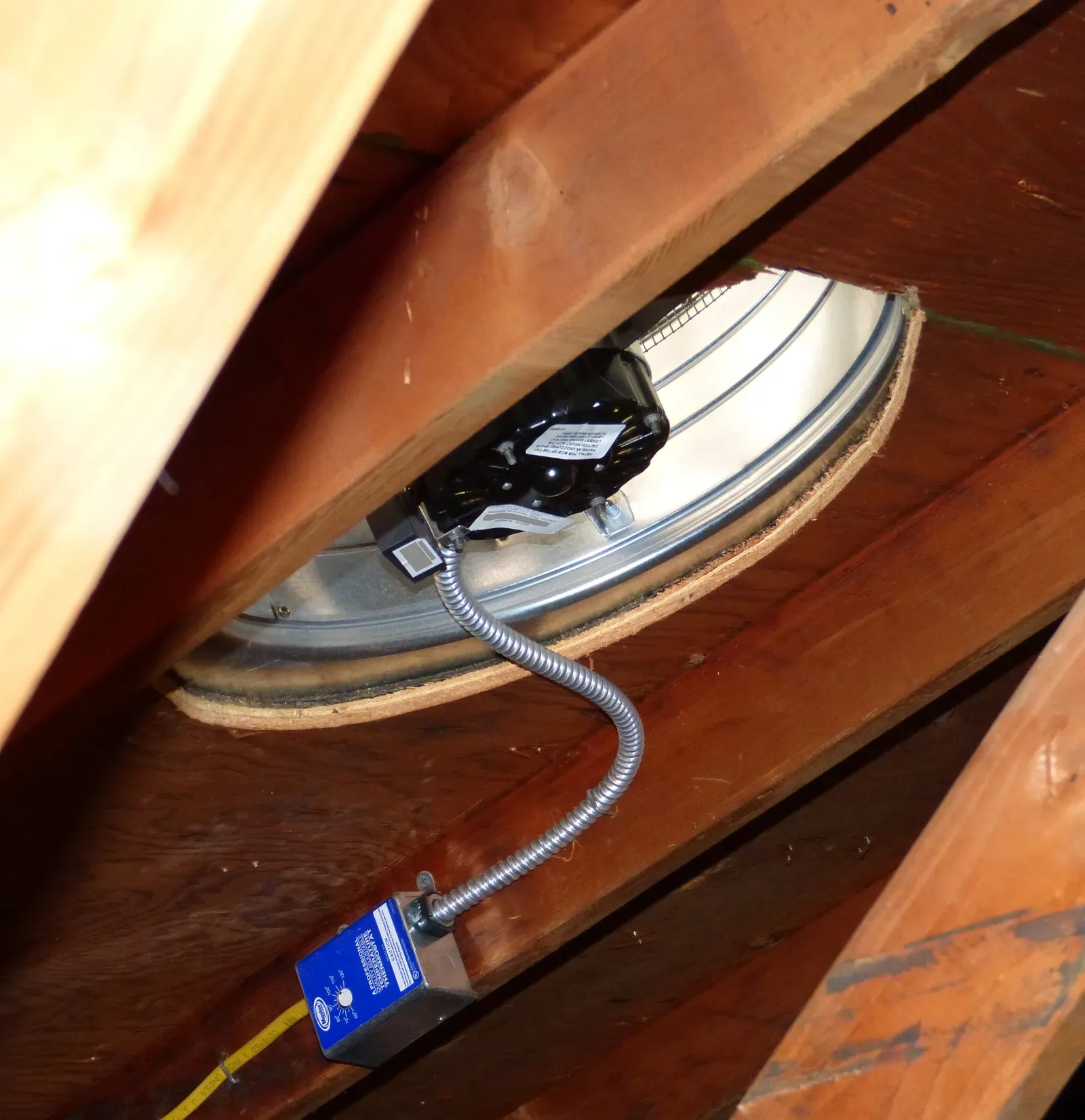
Walk into any older home’s attic and you might spot bathroom exhaust ducts just dumping moist air straight into the insulation. Contractors sometimes take this shortcut during renovations because it’s easier and cheaper than running ductwork all the way to an exterior vent. It’s also completely illegal.
No bathroom fan should ever be exhausted into an attic, crawlspace, or other interior area of a home, and this is commonly seen during home inspections and always included in inspection reports. Building codes are crystal clear on this. When mechanical ventilation is used, an exhaust fan having a minimum exhaust rate of fifty cubic feet per minute intermittent or twenty cubic feet per minute continuous must be provided, and the bathroom exhaust fan must be vented directly to the outside.
The reasoning behind these code requirements is that bathroom fans are exhausting a lot of moisture, and this moisture can lead to mold and wood decay if it isn’t vented to the outside. In states like Massachusetts and California, the rules go even further. Every bathroom containing a bathtub and/or shower shall be equipped with a mechanical exhaust fan, passive ventilation methods such as openable windows shall not substitute for mechanical ventilation required, and such bathroom exhaust shall vent directly to the outside with no exhaust vent terminating in attics or other interior portions of the building. That window in your bathroom? Not good enough anymore in many jurisdictions.
Failing to Install GFCI Outlets Properly
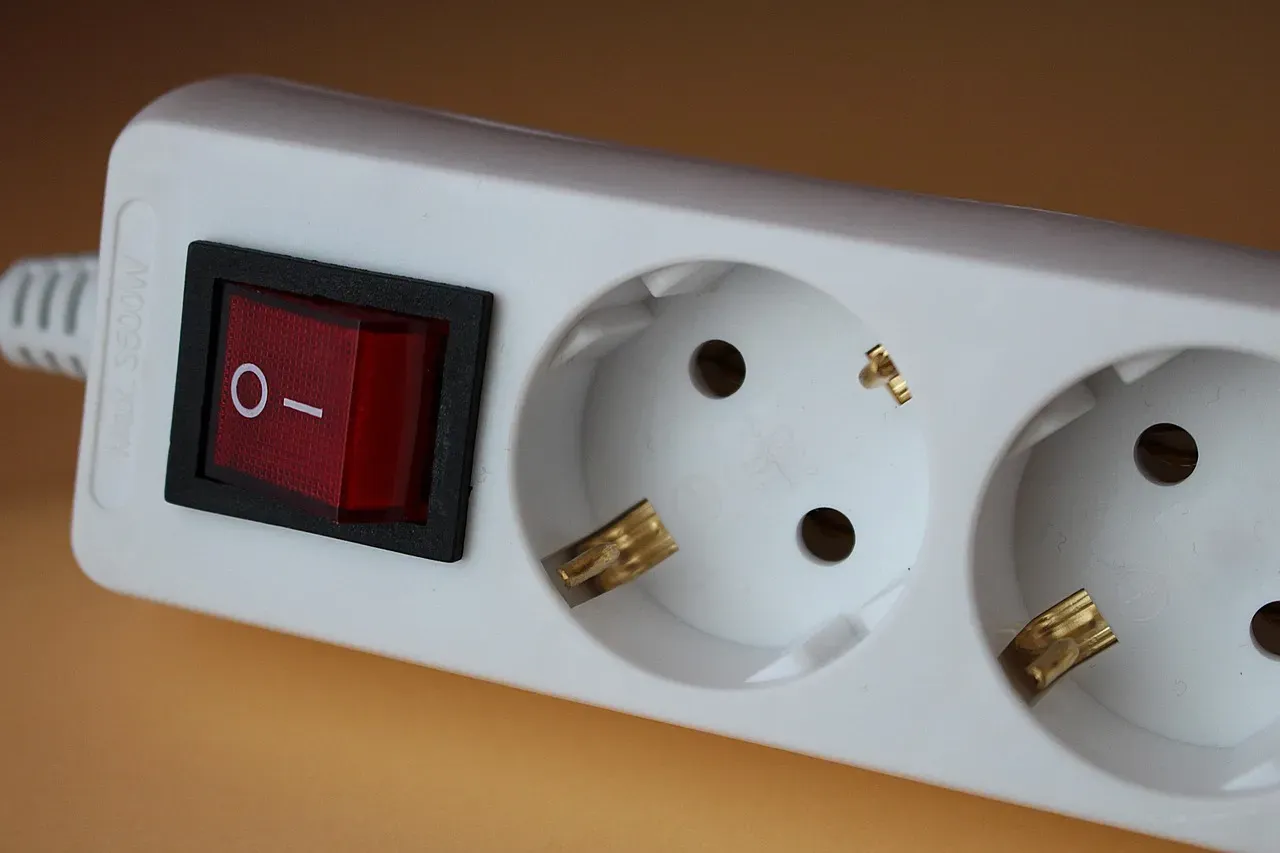
Here’s a violation that looks innocent but could literally save your life. Ground Fault Circuit Interrupter outlets are those outlets with the little test and reset buttons. They’re designed to cut power instantly if they detect even the tiniest electrical imbalance, like when a hair dryer falls into a sink full of water.
Since 1975, GFCI bathroom outlets have been required for any receptacle near a sink or water source, and as of today, every outlet in a bathroom must be GFCI protected, whether through a receptacle or a GFCI breaker. Yet some contractors still install regular outlets, particularly in spots they think are “far enough” from water sources. The National Electrical Code requires GFCI outlets in all bathrooms to ensure protection against ground faults, with the code stating that at a minimum, a bathroom needs one GFCI-protected outlet.
The National Electrical Code requires GFCI protection for all outlets in bathrooms. Contractors cutting corners on this one are gambling with your safety and their license.
Ignoring Proper Fixture Clearances and Measurements
This violation seems minor until you realize it can make your bathroom legally non-compliant and uncomfortable to use. Building codes specify exact clearances around toilets, sinks, and showers. You can’t just stick a toilet wherever it fits.
At least one wall receptacle outlet shall be installed in bathrooms and such outlet shall be located within thirty-six inches of the outside edge of each lavatory basin, and the outlet must be located within thirty-six inches of the outer edge of a lavatory sink. Contractors sometimes fudge these measurements when they’re trying to squeeze fixtures into tight spaces or avoid extensive plumbing rework.
It gets worse with ventilation requirements. Bathroom size matters when determining proper air exchange rates. The Home Ventilating Institute recommends that exhaust fans for bathrooms up to one hundred square feet provide one cubic foot per minute per square foot, and for bathrooms over one hundred square feet, ventilation should be based on the number of fixtures with fifty cubic feet per minute each for the toilet, shower, and tub, or one hundred cubic feet per minute for a jetted tub. Slapping in any old fan without calculating these requirements leaves your bathroom prone to moisture damage and mold.
Look, I get it. Permits cost money, licensed professionals charge more than handymen, and running ductwork to the exterior is a pain. The truth is that these shortcuts create real risks. From insurance denials to resale nightmares to actual safety hazards, the cost of doing things wrong far outweighs the upfront savings.
What do you think? Have you ever discovered violations in your own bathroom, or dealt with the aftermath of unpermitted work? Sometimes the cheapest option ends up being the most expensive mistake you can make.