9 Foods Research Suggests May Naturally Help Reduce Artery Plaque
Extra Virgin Olive Oil
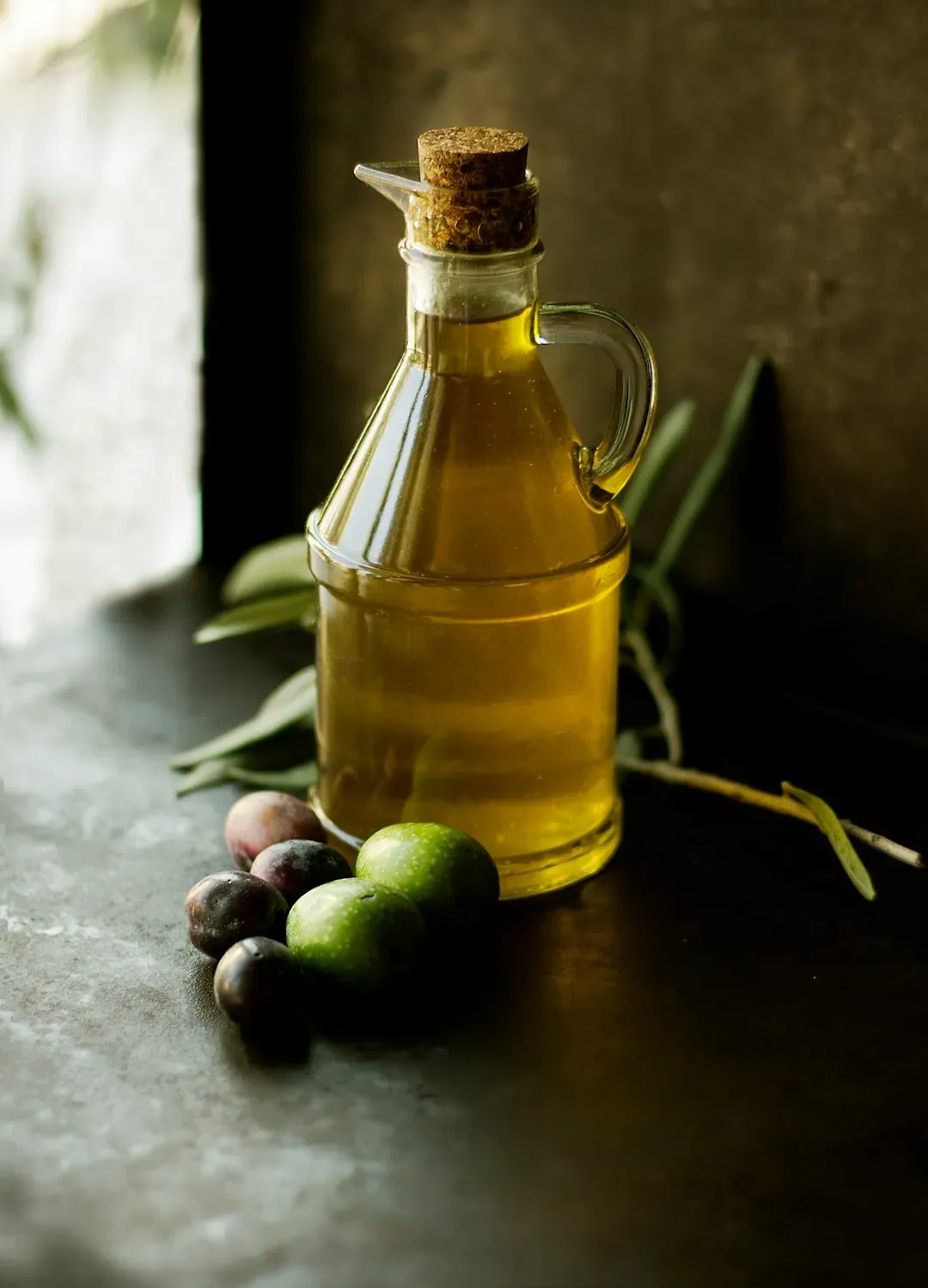
A 2020 randomized, controlled trial involving healthy adults showed that consuming high polyphenol-rich extra virgin olive oil led to a significant decrease in central systolic blood pressure by approximately 2.5 mmHg. The compounds in extra virgin olive oil, particularly hydroxytyrosol and tyrosol, appear to work their magic through multiple pathways. Studies conducted on hypercholesterolemic rabbits demonstrated that olive oil polar lipids not only inhibited the formation of atheromatous plaques but also improved artery elasticity and reduced the thickness of already formed plaques, with effects comparable to simvastatin.
Research suggests that consuming around 50 milliliters of extra virgin olive oil daily can lower the risk of coronary artery disease by roughly one-third and major cardiovascular events by nearly one-third. The European Food Safety Authority indicates that getting approximately 5 mg of hydroxytyrosol daily, found in about 20 grams of high-quality extra virgin olive oil, can significantly benefit heart health. It’s worth noting that cooking temperatures matter tremendously when using olive oil.
Fatty Fish Rich in Omega-3s
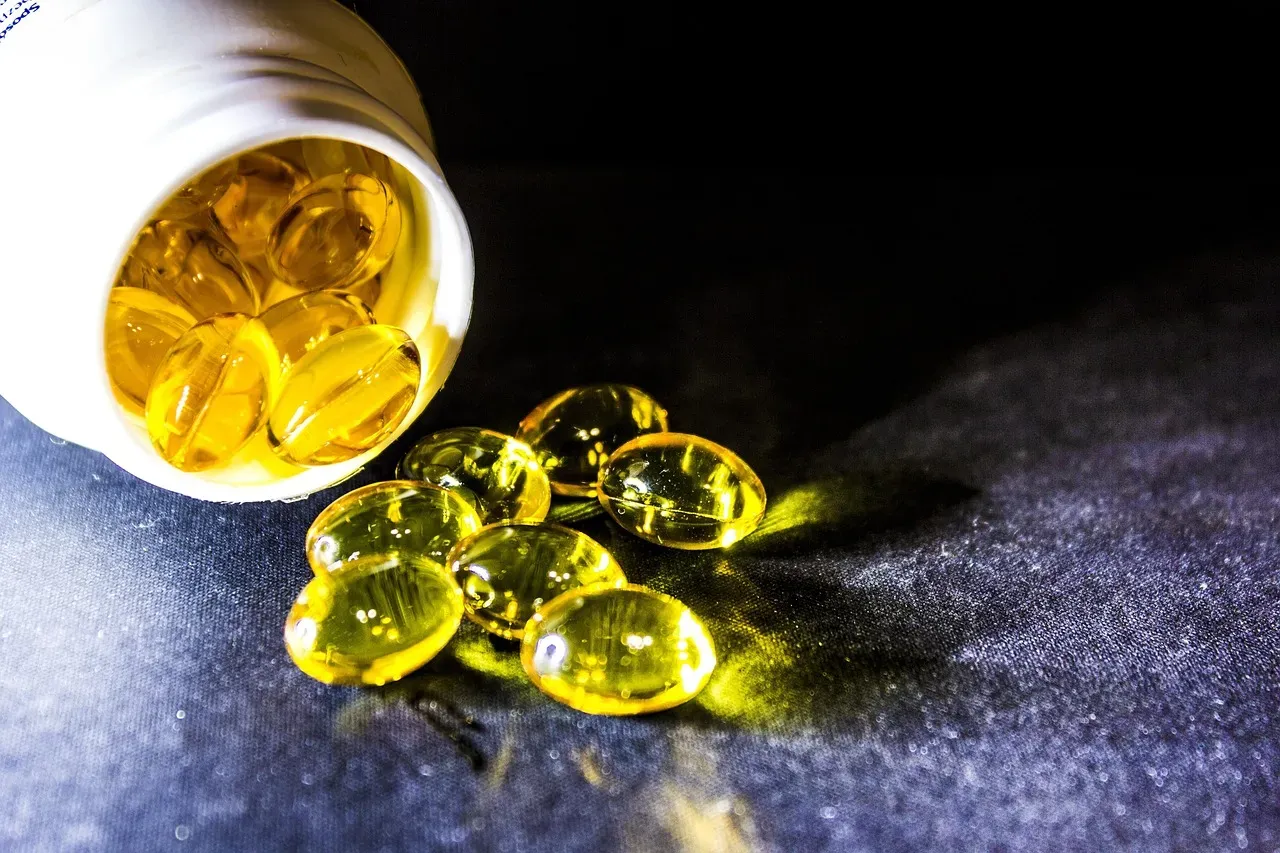
Fatty fish like salmon, sardines, mackerel, and anchovies pack a serious punch when it comes to arterial health. A systematic review and meta-analysis of randomized clinical trials found that high-dose marine omega-3 fatty acids significantly slowed the progression of atherosclerosis. One recent study in the United States involving patients with coronary heart disease reported slower progression of coronary plaques with 3.4 grams daily of omega-3, while three studies in Japan showed significantly slower progression of coronary atherosclerosis with 1.8 grams daily.
The mechanisms behind these effects are fascinating. Antiatherosclerotic effects of omega-3 polyunsaturated fatty acids include reduced platelet aggregation, triglyceride-lowering effect, anti-inflammatory effect, and plaque stabilization, with the anti-inflammatory effect being principally responsible for preventing atherosclerosis. Let’s be real, getting enough omega-3s from fish is way better than relying on supplements.
Leafy Green Vegetables
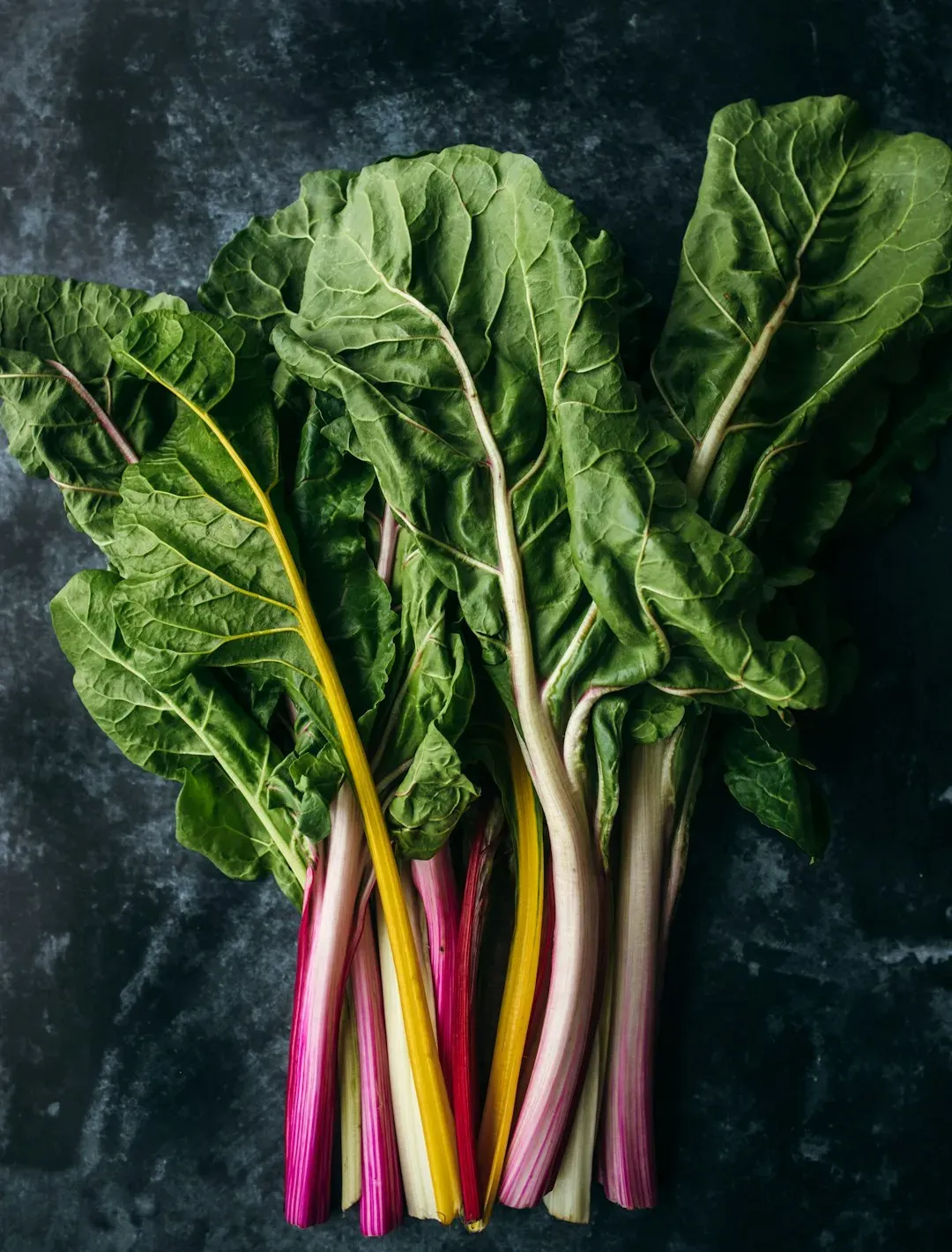
A meta-analysis of eight studies investigating the relationship between cardiovascular disease and green leafy vegetables found a significant reduction of nearly 16% in cardiovascular disease incidence. Research tracking more than 53,000 people over 23 years found that those who ate the most nitrate-rich vegetables, especially leafy greens like spinach and lettuce, had between 12% to 26% lower risk of cardiovascular disease. What makes this even more compelling is that just one cup per day appeared to be the sweet spot.
The nitrate content in these vegetables gets converted into nitric oxide during digestion, a compound that relaxes and widens blood vessels. Research has found that consuming all vegetables, especially cruciferous vegetables, is associated with thinner, healthier carotid artery walls, whereas thick artery walls are a marker of atherosclerosis. Honestly, if you’re blending them into smoothies, that works great, but don’t juice them because you’ll lose the valuable fiber.
Berries

Berries deserve serious attention for cardiovascular protection. A comprehensive meta-analysis of twenty-two randomized controlled trials representing 1,251 subjects showed that berries consumption significantly lowered LDL cholesterol, systolic blood pressure, fasting glucose, body mass index, and hemoglobin A1c. The effects were particularly impressive with bilberries and interventions lasting eight weeks or longer.
Berries are a good source of polyphenols, especially anthocyanins, micronutrients, and fiber, and in epidemiological and clinical studies, these constituents have been associated with improved cardiovascular risk profiles. Blueberry anthocyanins have been reported to exhibit cardiovascular protective health effects by preventing cholesterol-induced atherosclerosis, and reduction of oxidative and inflammatory damages to the endothelium through several mechanisms. I think what’s crazy is how such small, colorful fruits can pack such a powerful punch for your arteries.
Nuts
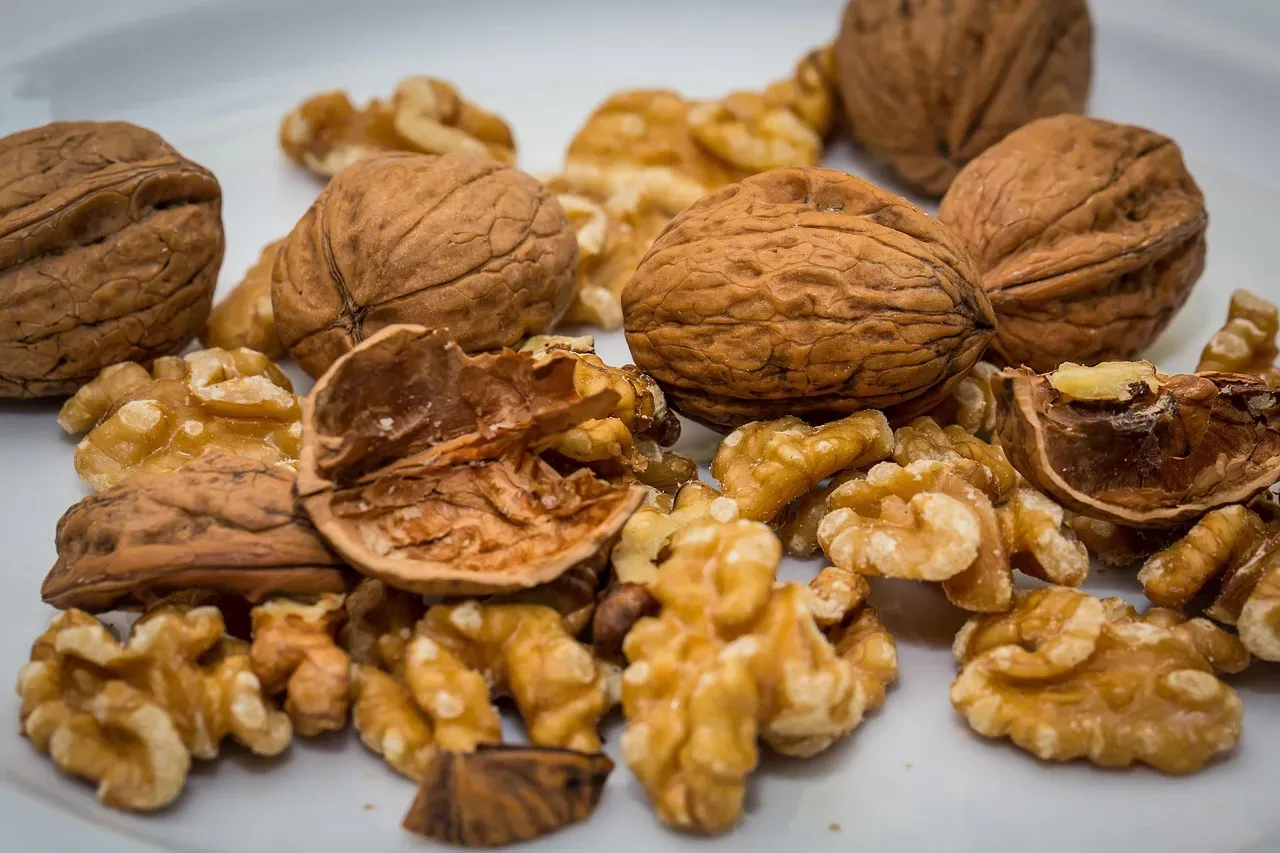
Nuts, particularly walnuts, have earned their place as heart-healthy foods backed by solid research. Regular nut consumption has been associated with a reduced risk of overall cardiovascular disease and coronary heart disease, which occurs when plaque buildup restricts blood flow to the heart. Of all nuts, walnuts contain the highest levels of heart-healthy, plant-based omega-3s. They’re also loaded with fiber and healthy fats that work together to protect your arteries.
What’s particularly interesting about nuts is their versatility. You can throw them into salads, blend them into smoothies, or just grab a handful as a snack. The combination of protein, fiber, and healthy fats makes them an ideal food for maintaining arterial health. The key is moderation, though, since nuts are calorie-dense.
Garlic
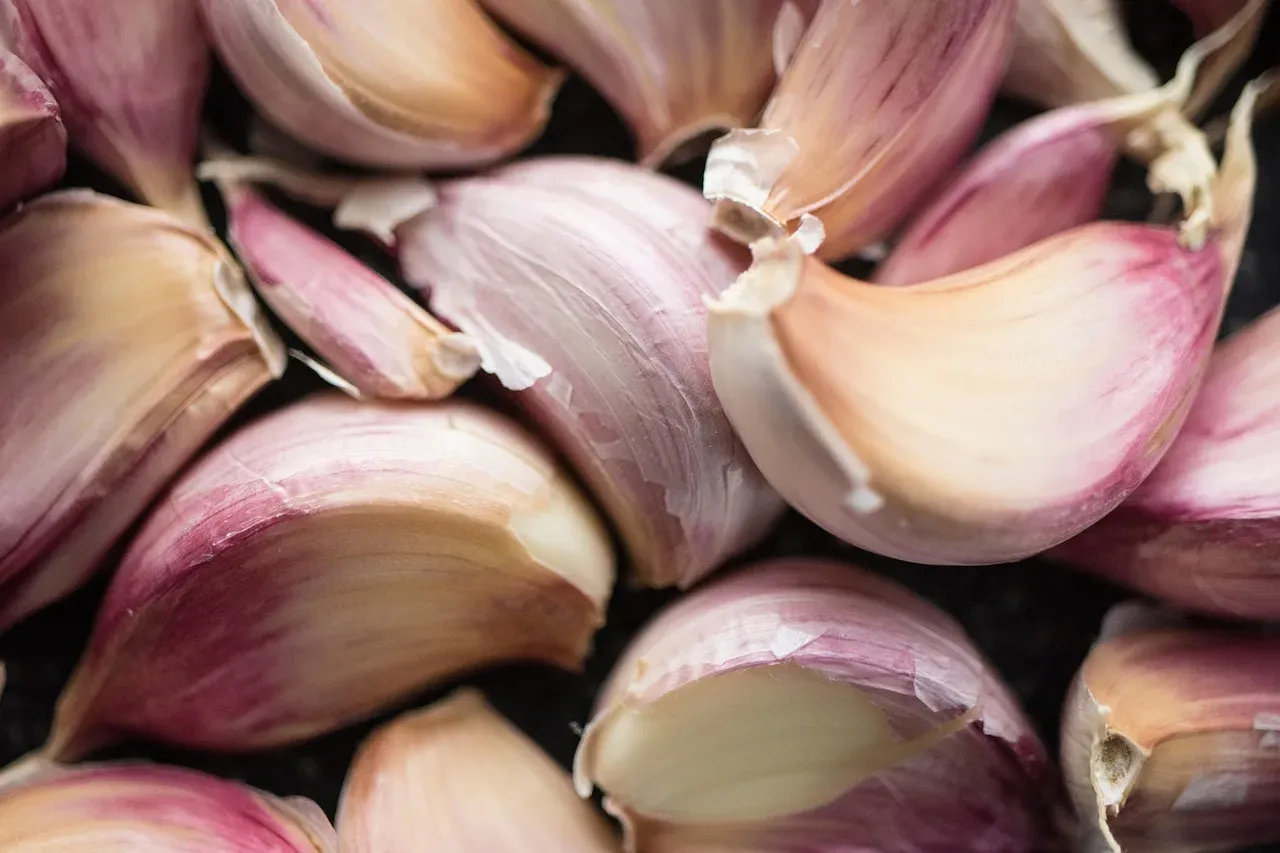
Garlic has been shown to improve C-reactive protein and coronary artery calcium levels, with CAC being related to how much plaque buildup is in arteries, indicating that garlic may reduce the risk for atherosclerosis. The compound responsible for many of garlic’s benefits is allicin, which forms when garlic is crushed or chopped. This powerful sulfur compound has multiple effects on the cardiovascular system.
Here’s the thing about garlic: you need to consume it regularly to see benefits, and fresh garlic appears to be more effective than supplements. Adding a cup of spinach with garlic to your meals or incorporating it into your cooking can be an easy way to boost your intake. The slight inconvenience of garlic breath is a small price to pay for healthier arteries.
Beets
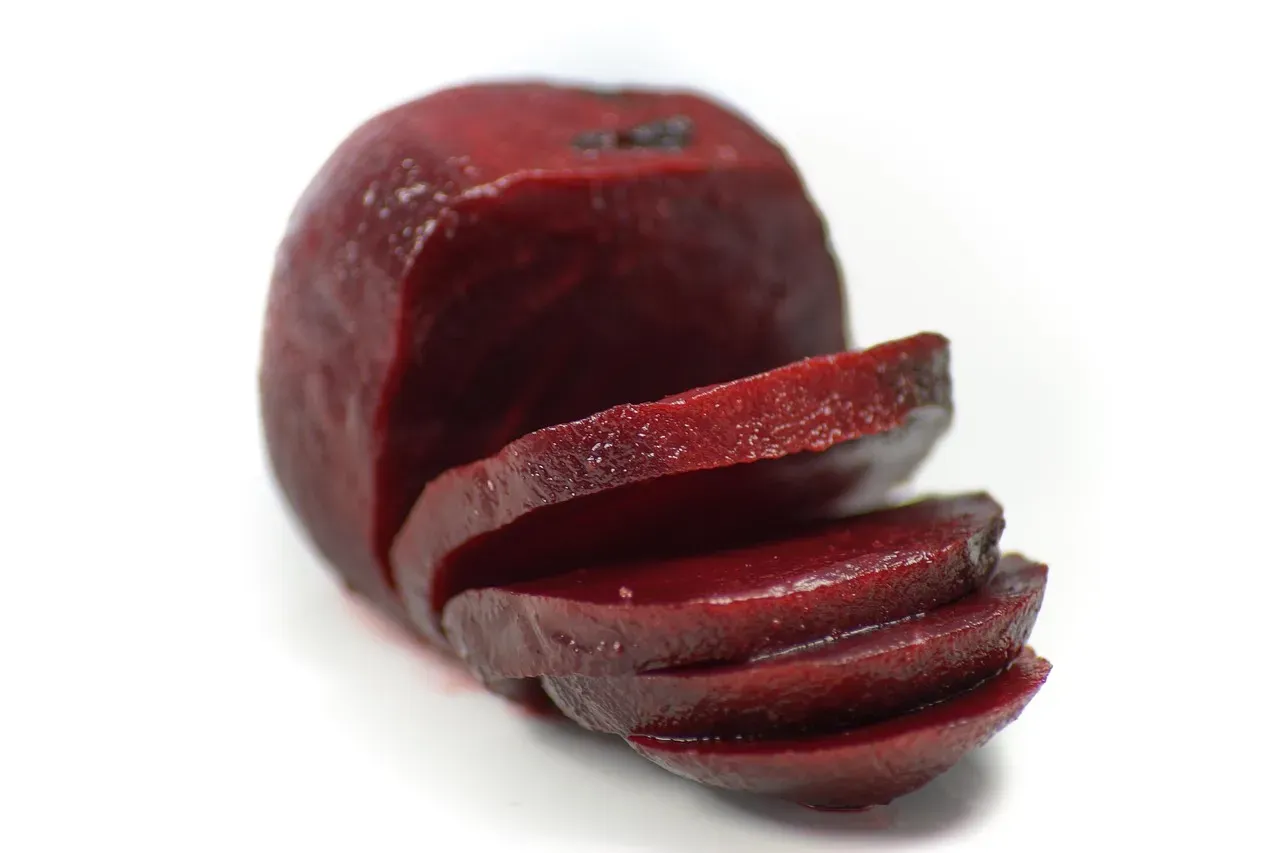
Beets are rich in antioxidants such as vitamin C and A and also sources of fiber, potassium, and magnesium, which can help lower LDL oxidation and blood pressure. Beetroots are known for helping to make nitric oxide, which is a compound known to improve arteries and lower plaque buildup, and regularly drinking beetroot juice may also help to lower blood pressure. The deep red color that characterizes beets comes from compounds called betalains, which have powerful antioxidant and anti-inflammatory properties.
One caution worth mentioning: consuming beets can turn your urine and stool red, which sometimes causes unnecessary panic. Beets can be eaten raw in salads, roasted as a side dish, or even blended into smoothies. Both the roots and the greens are nutritious and beneficial for arterial health.
Whole Grains
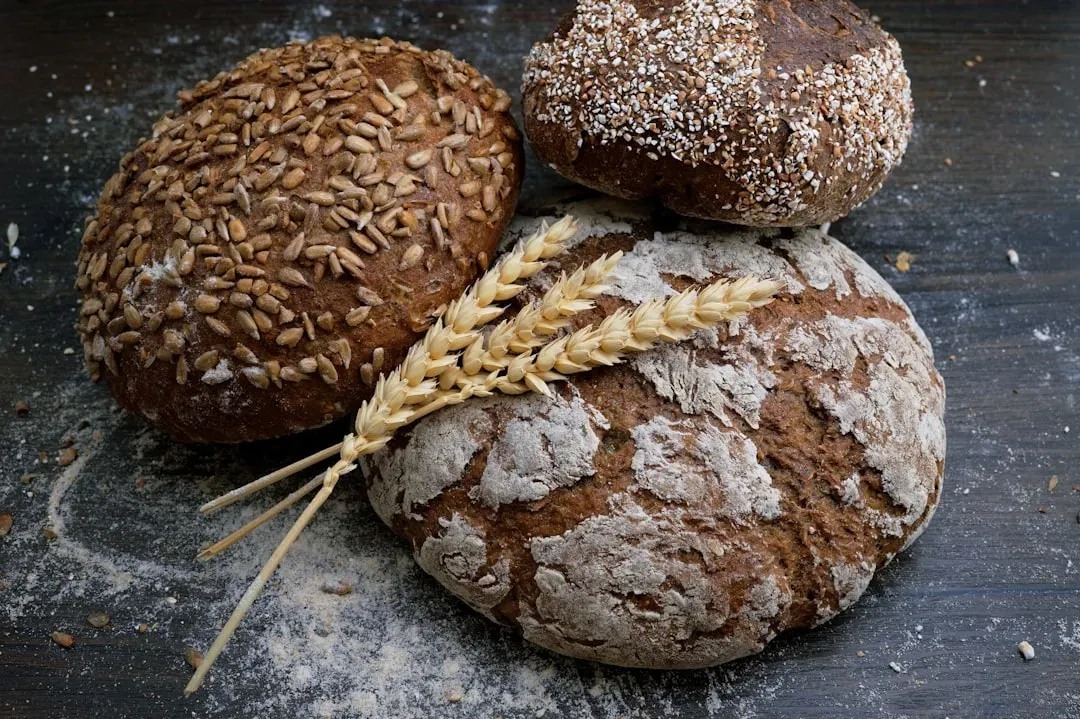
Fiber helps control cholesterol levels by binding with bile acids that our bodies produce from cholesterol, which helps reduce the amount of cholesterol absorbed by our bodies, ultimately leading to less plaque buildup in the arteries over time. To get more fiber into your diet, try eating more fruits and vegetables and whole grains such as oatmeal or brown rice instead of white bread or pasta.
The beauty of whole grains lies in their unprocessed nature. When grains are refined, they lose the bran and germ, which contain most of the fiber, vitamins, and minerals. Switching from refined grains to whole grains is one of those simple dietary changes that can have profound effects on cardiovascular health over time. The fiber content also helps with blood sugar regulation, which indirectly benefits arterial health.
Plant-Based Proteins
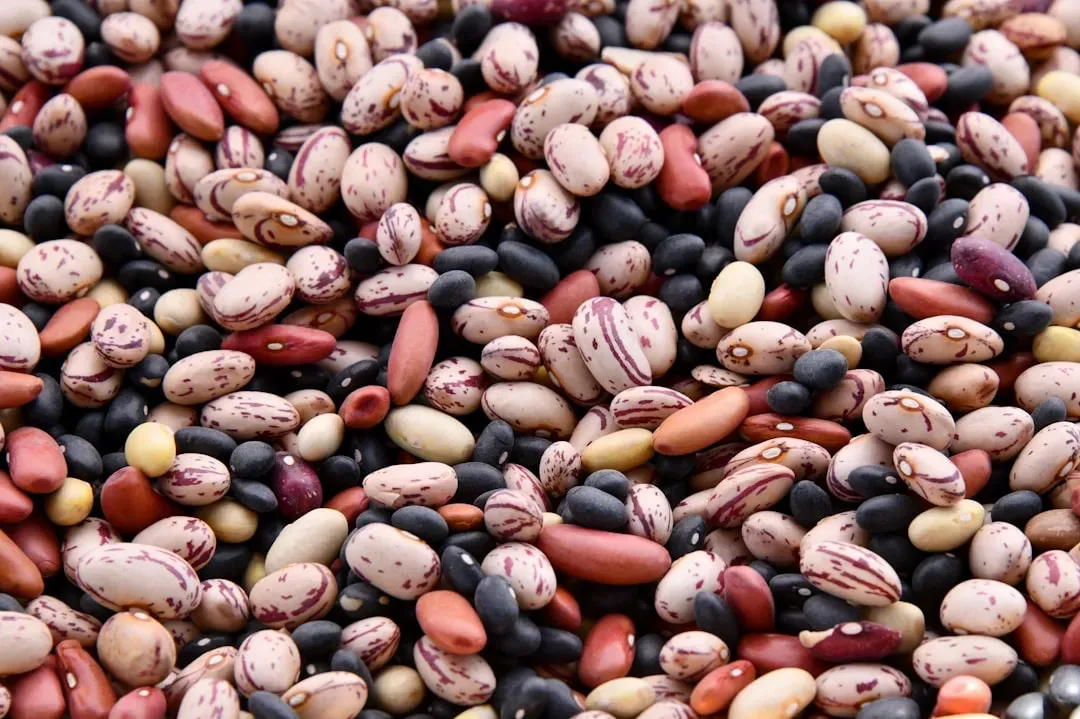
Adopting a plant-based diet has gained popularity as a viable alternative to promote health and mitigate the incidence of, and risk factors associated with atherosclerosis, chronic non-communicable diseases, and metabolic syndrome. Evidence suggests that a Mediterranean diet may be beneficial, with recommendations to eat plenty of vegetables, olive oil, and nuts where possible. The shift toward plant proteins from sources like legumes, beans, and lentils offers multiple cardiovascular benefits.
Studies have established that proanthocyanidins regulate blood pressure due to antioxidative scavenging of oxidized LDL and LDL cholesterol and the removal of carotid atherosclerosis plaque. Plant-based proteins tend to come packaged with fiber, antioxidants, and beneficial phytochemicals that work synergistically to protect arterial health. It’s hard to say for sure, but reducing reliance on animal proteins while increasing plant-based options seems to offer meaningful cardiovascular protection.
Making these dietary changes doesn’t have to be overwhelming. Start by adding one or two of these foods to your daily routine and gradually build from there. Your arteries will thank you for the effort. What’s your take on incorporating more of these foods into your meals?