The 5 Dog Breeds Veterinarians Warn Are Most Likely to Become Aggressive
You might picture a snarling pit bull when you think of aggressive dogs. Think again. Veterinarians who see hundreds of dogs in clinical settings have a completely different take on which breeds pose the most behavioral challenges. Their insights, rooted in real-world experience, reveal surprising truths about canine aggression that shatter popular myths. Let’s be real, some of the breeds on this list will shock you.
Chihuahua

Roughly seventy percent of veterinarian respondents in one major study believed that some breeds of dogs are more likely to be aggressive than others, and they attributed the highest serious bite risk to chow chows, Chihuahuas, and German shepherds. That’s right, the tiny Chihuahua made the top of the list. Veterinarians classified the Chihuahua as ‘very aggressive,’ and the breed has been reported as one of the most common to exhibit ‘serious aggression’ (bites or bite attempts) toward humans, both strangers and owners.
In a study that included 35 common dog breeds, Chihuahuas were reported as being the most aggressive, especially towards larger dogs they hadn’t seen before. Their tiny size makes them feel vulnerable to everything around them, which often triggers defensive aggression. Most aggressive behaviors in Chihuahuas stem from fear rather than inherent meanness, as their diminutive size makes them naturally more vulnerable, which can trigger defensive responses when they feel threatened. Honestly, it’s hard to blame them when the world must look like a land of giants.
Dachshund

The adorable wiener dog holds a darker distinction than most people realize. Dachshunds are considered the most aggressive of all dog breeds, and a 2008 study by animal behavioral scientists at the University of Pennsylvania identified the dachshund as the most aggressive breed toward strangers and the second-most aggressive breed toward their owners. The study found that one in five dachshunds have bitten or tried to bite strangers, and a similar number have attacked other dogs; one in 12 have snapped at their owners.
This isn’t just a fluke of personality. Dachshunds have a long history of hunting badgers, so they are genetically predisposed to aggression, as badgers are very mean and were often encountered by a Dachshund without the hunter present, requiring the dogs to think quickly and take independent action to subdue the prey. That breeding history left a lasting mark on their temperament. Still, most Dachshund bites don’t send people to the hospital, which is why they fly under the radar compared to larger breeds.
Chow Chow
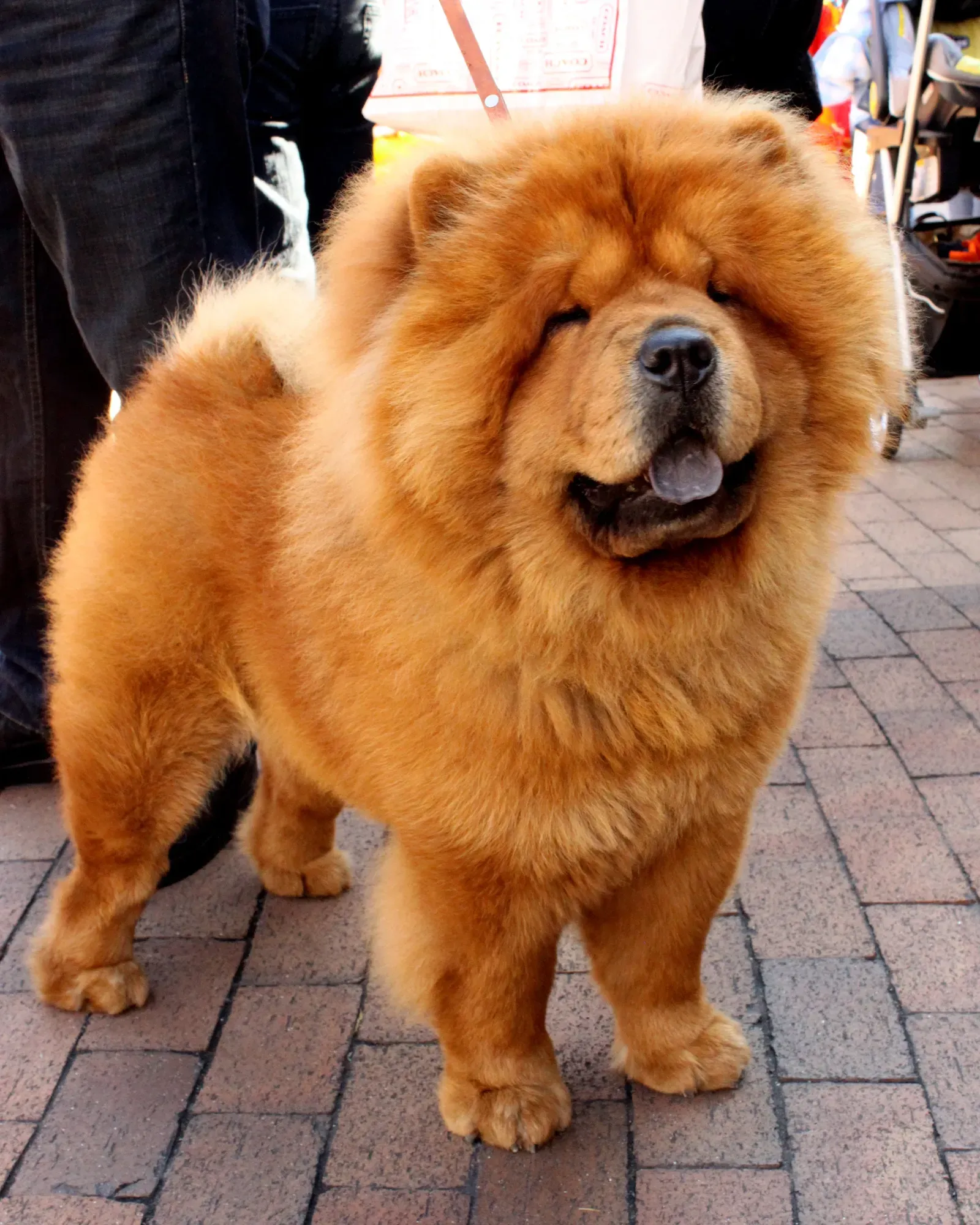
When veterinarian participants rated the perceived bite risk associated with popular dog breeds, Chow Chows were perceived as the highest risk, with pit bull types categorized as a moderate risk. Vets deal with these fluffy bears regularly in clinical settings, and their assessment isn’t based on media hype. Veterinarians note that Chow Chows often don’t have a very nice temperament, can be really aloof, and are often very aggressive at the vet.
These dogs may look like oversized teddy bears, but their protective and independent nature can turn aggressive quickly. Chow Chows are among vets’ least favorite patients, as they are adorable as puppies, but when they grow up can be unruly, and they’re fear aggressive, so when they’re scared, those big teeth come out. Their unpredictability in veterinary settings makes them particularly challenging for professionals to handle.
German Shepherd
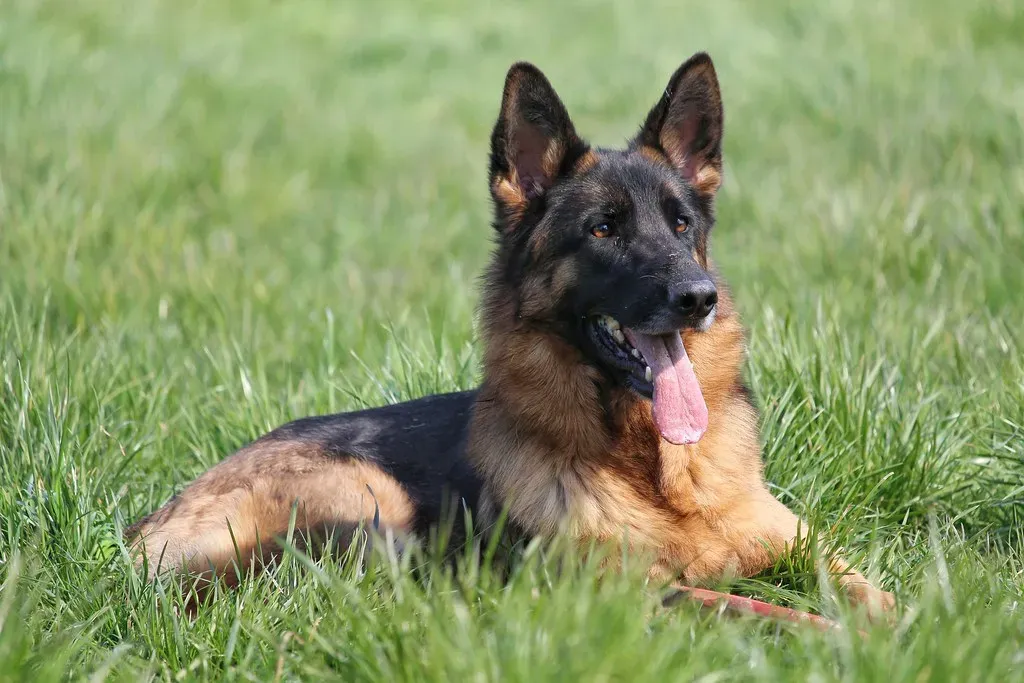
German Shepherds serve alongside police and military personnel worldwide, which might make you think they’re perfectly controlled and safe. Yet certain breeds display higher aggression tendencies due to genetic predispositions, with German Shepherds and Bull Terriers being statistically more prone to aggressive responses. German Shepherds are among a veterinarian’s least favorite to treat, mostly because they’re difficult to “read,” and the thing that makes these big guys so challenging is that they’re virtually impossible to read.
German shepherds frequently serve as police or military dogs, not because of their aggressiveness but because they respond well to training, and German shepherd owners can use this to their advantage, as without enough stimulation, they can turn their liveliness towards aggression. Proper training and mental stimulation are critical for this breed. The problem is, not every owner provides adequate exercise or training, leading to behavior issues that veterinarians then have to manage in stressful clinical environments.
Shar-Pei

Shar-Peis are known to have some behavioral problems, and in a July 2023 TikTok video, a vet tech student said that she would never own a Shar-Pei because of this, noting that they can have a certain “aggressiveness”. In a survey of New Zealand veterinarians, Shar-Peis were classified as very aggressive. Their wrinkled faces might look charming, but underneath that distinctive appearance lies a temperament that veterinary professionals approach with caution.
These dogs were originally bred for fighting and guarding in China, which explains their territorial nature. Their stubborn independence combined with protective instincts can quickly escalate into aggressive behavior if not properly managed. I know it sounds crazy, but the cute wrinkles don’t make them any less challenging to handle in a veterinary clinic. Veterinarians consistently rank them among breeds that require extra precautions during examinations and treatments.
The reality is that most veterinarians feel that banning an entire dog breed is not an effective way to ensure human safety, and instead most respondents endorsed alternative initiatives, such as public education and stricter leash laws, to reduce the risk of dog bites. Aggression isn’t solely about breed. It’s about training, socialization, environment, and individual temperament. Every dog deserves proper care and guidance, regardless of breed stereotypes.
What do you think about these findings? Does your experience with these breeds match what veterinarians report?